
Merino Wool Beanie: Properties, Costs and How to Spec It Right - Cost & MOQ Breakdown (2026 Update)
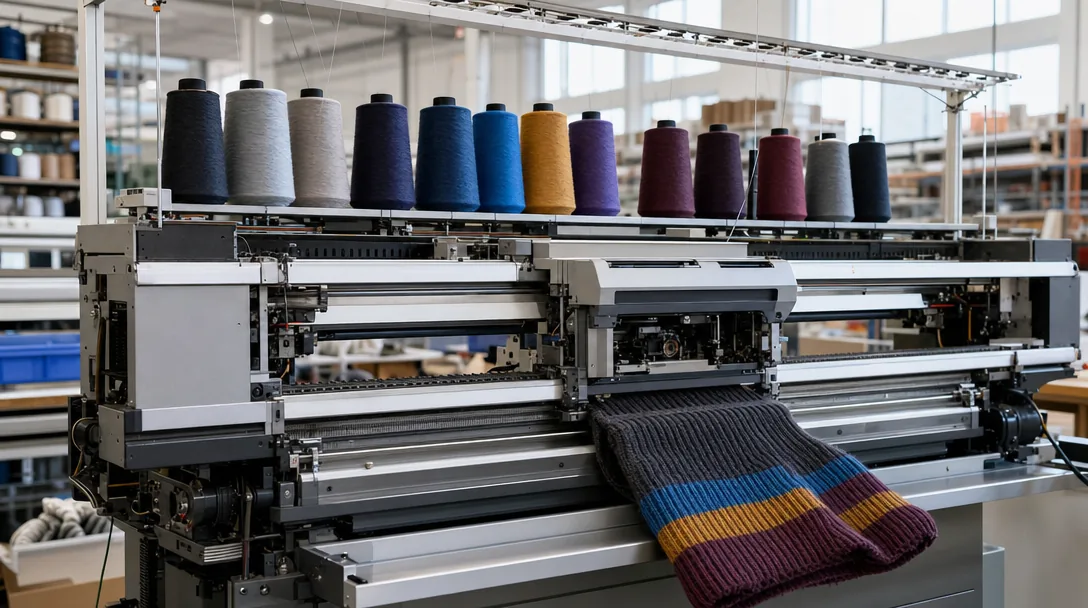
Merino Wool Beanie: Properties, Costs and How to Spec It Right - Cost & MOQ Breakdown (2026 Update) is one of the most-asked questions we receive from international buyers, and for good reason. With dozens of factories competing for your order and an alphabet soup of technical terms in every supplier quote, even experienced importers can feel lost. This guide consolidates what we have learned producing custom hats for clients in 40+ countries.
Acrylic Beanie
Acrylic beanies stay in entry-level winter programs because the numbers are predictable. Most mills run 100% acrylic in Nm 28/2 to 32/2 on 7GG, 9GG, or 12GG machines, then finish the hat at roughly 220 to 320 gsm depending on whether it is a single-layer watch cap or a double-layer cuff style. At 1,000 pieces, a basic solid-color or jacquard acrylic beanie usually lands around $1.10 to $2.20 FOB China; add a pom, satin woven label, or direct embroidery and the workable range is closer to $1.45 to $2.80. Compared with a merino wool beanie, acrylic is easier to cost and easier to color manage: stock yarn has lower shade risk, Pantone TCX matching is more forgiving, and the spinner usually accepts 300 to 500 pieces per colorway if you stay on stocked shades. Once you insist on custom-dyed yarn, MOQ typically jumps to 800 to 1,000 pieces because the dye lot has to justify the machine setup and lab-dip approvals. The mistake buyers make is briefing acrylic as if it were generic knitwear. A usable spec should lock down gauge, yarn count, ply, finished weight, cuff height, body height before fold, crown closure, and logo method. If the logo is jacquard, say so; if it is intarsia, direct embroidery, or a woven patch sewn onto the cuff, call that out separately because each choice changes tension, hand feel, and rejection risk. Good tech packs also define wash performance and tolerances: for example, body height 21 cm plus or minus 0.5 cm, cuff height 7 cm, opening width relaxed 19 cm, pilling grade minimum 3.5 after ISO 12945, and color variance within Delta-E 1.5 to the approved lab dip. That level of detail matters because acrylic can pass a sales sample and still fall apart in bulk through yarn hairiness, seam grin, poor recovery after carton compression, or embroidery puckering that only shows once the beanie is stretched on head size 58 to 60 cm.
Inspection is simple if you focus on the failure points factories actually hide. Pull the beanie sideways and look for uneven wale definition, grin lines at the side seam, crown closure drift, cuff mismatch, and loose yarn tails trapped inside the shell. On embroidered logos, check whether the backing stiffens the cuff and causes tunneling; on jacquard logos, watch for float tension that bites into the face. For bulk orders, AQL 2.5 is a reasonable baseline, but I would add a packed-carton recovery check because over-compressed export cartons can flatten the rib and mask weak yarn resilience until the goods are on shelf. If the product is for EU retail, ask for azo-free dye confirmation and colorfastness results for crocking and perspiration under ISO 105. The comparison with a merino wool beanie should stay honest. Acrylic wins when the brief is school spirit, promotional volume, or a retail price ceiling under about $9.99. Merino wins when the customer cares about thermoregulation, lower odor retention, and a premium hand feel that justifies a higher ticket. In real buying terms, acrylic is the safer commodity program, while merino is the better material story; the mistake is expecting acrylic to deliver the same perceived value without very disciplined specs, finishing, and inspection.
Cotton Beanie
A cotton beanie is usually a cut-and-sew item, not a fully fashioned knit like a better-grade merino wool beanie. Most factories use circular-knit single jersey or 1x1 rib in combed cotton or cotton-spandex, typically 180-260 gsm, then cut 2- or 4-panel bodies, close the crown on a 4-thread overlock, and finish the opening with coverstitch, self-turn, or a folded cuff. That construction keeps MOQ manageable, but it also shifts risk to fabric control. “100% cotton” is meaningless unless the spec locks yarn count, knit structure, gsm tolerance at ±5%, wash shrinkage under 5% in both warp and weft, spirality target under 5 degrees, and color approval to Pantone TCX with bulk shade tolerance defined. If the handfeel matters, specify enzyme wash or silicone softener; untreated cotton jersey often feels flat and twists after laundering. Recovery is the weak point. Cotton has less elastic memory than acrylic or wool blends, so a finished circumference tolerance tighter than ±0.5 inch is worth enforcing, especially on fitted streetwear programs. Ask the factory to test stretch-and-recovery after washing, not just measure pieces off the sewing table. Needle heating, seam grin at the crown, and torque at the cuff show up fast on lightweight jerseys below 200 gsm. Our standard practice is to reject bulk lots where panel matching is inconsistent or where crown seams peak after pressing, because those defects read cheap at retail even when the sewing is technically within tolerance.
Cost is driven more by sewing minutes and fabric yield than by yarn complexity. With stock greige or stock-dyed fabric in Yiwu, 300-500 pieces per color is realistic; once you specify custom reactive dyeing, branded woven labels, embroidery placement, or garment wash, the factory will usually need 800-1,000 pieces to keep waste under control. FOB China, a plain single-layer cotton beanie with a folded cuff and center woven label typically lands around US$1.10-US$1.85 at 300-500 pieces. Add flat embroidery, brushed inner finish, metal badge, or multi-position trims and the cost moves to roughly US$2.10-US$3.20, with embroidery charges often driven by stitch count and backing method rather than just logo size. Quality control should focus on the failures buyers actually get charged for: crown seam grin, uneven cuff depth, shade mismatch between cut panels, needle cuts around embroidery, and wash-induced spirality. Dark reactive shades are unforgiving; once bulk fabric drifts beyond Delta-E 1.5-2.0 from the approved lab dip, the mismatch is visible immediately under D65 light. Bulk inspection should be run to AQL 2.5, with wash-test approval taken before ex-factory, not after shipment. Against a merino wool beanie, cotton wins on entry price and lower MOQ, but it loses on thermal efficiency, odor resistance, and premium outdoor positioning, so it works better as a promotional or fashion basic than as a performance winter style.
Black Beanie Hat
Black exposes every process shortcut, so a black merino wool beanie needs a tighter spec than heather or mid-tone colors. Most retail programs use 2/48Nm or 2/60Nm yarn on a 12-gauge or 14-gauge machine, then move through crown linking, washing, boarding, and blocking; every one of those steps can shift shade and measurements. If the factory approves black under ambient warehouse lighting, it often reads warm or slightly brown under 6500K retail LEDs. I would lock the color to a Pantone TCX reference, require lab-dip and bulk approval in a D65 light box, and cap shade variation at Delta-E 1.0 between approved standard, yarn lot, and finished hat. Fiber blend also changes the result more than many buyers expect: 100% merino at 19.5 micron gives a cleaner hand and better thermal feel, while 90/10 merino-nylon improves abrasion resistance and 50/50 merino-acrylic cuts cost but usually pills faster and loses some recovery after wash. The measurement spec should be equally strict because black hides knitting faults until the hat is worn. For a cuffed retail beanie, practical post-wash targets are 21-22 cm body height, 6.5-7 cm cuff depth, 19.5-20.5 cm opening laid flat, and roughly 280-320 gsm finished weight. I would also lock stitch density, needle program, yarn origin, and shrinkage to no more than 3-5% after one gentle care-cycle test. In 2026, MOQ is typically 300 pcs per color only if the spinner already holds workable black yarn stock; a custom-dyed black lot usually lands closer to 500-1,000 pcs to make spinning and dyeing economical. Real FOB China pricing for a plain merino wool beanie is usually $3.80-$6.80, while jacquard logos, woven labels, contrast tipping, or microfleece lining push most programs into the $5.50-$8.50 range depending on micron, gauge, and finishing loss.
Final inspection on black knitwear is where weak suppliers get exposed. The common failures are barre from mixed yarn lots, silicone or machine-oil spotting, crown-linking grin, dropped stitches, body torque after wash, and crocking that stains care labels or inner polybags. AQL 2.5 is a reasonable final standard, but it is not enough by itself for a black merino wool beanie; I would require first-off approval from bulk yarn, inline measurement checks after wash and boarding, and a sealed shade band before packing starts. If a supplier cannot break out knitting loss, wash loss, and packing tolerance in the costing sheet, the quote is usually carrying hidden risk, and that risk often shows up later as off-shade replacements or short-packed quantities. Buyers should not benchmark black merino against cheap acrylic caps, because the cost structure and failure points are completely different. A stock acrylic beanie may sit around $1.20-$2.20 FOB at 300-500 pcs, but that tells you almost nothing about the value of a premium wool program. The useful comparison is performance: request an acrylic control sample beside the wool prototype, then test both for pilling after Martindale abrasion, cuff recovery after repeated stretch, odor retention after wear, and shade stability after washing. That side-by-side check makes the premium easy to judge. If the merino sample does not clearly outperform on handfeel, resilience, and color depth, the factory is probably saving money in the yarn rather than building a better hat.
Slouchy Beanie
A slouchy silhouette lives or dies on crown volume and recovery, not on the wool story printed on the hangtag. For a true slouchy merino wool beanie, freeze the shape in the tech pack before sampling: finished height 28-30 cm, opening width 22-24 cm laid flat, and 2-4 cm of back drape after boarding on a head form. Once you drift much shorter, it reads like a long watch cap instead of a slouch fit. Most commercially stable builds land at 75-110 g per piece, typically in 1x1 or 2x2 rib on 7GG, 9GG, or 12GG machines, depending on whether you want a winter hand feel or a lighter trans-seasonal knit. Crown construction is not a cosmetic footnote either; linked or fully fashioned tops look cleaner and reject less than crude gathered closures, especially on finer gauges where uneven take-up shows immediately. Fiber spec has to be practical, because slouch exaggerates every weakness in rebound. In real production, 19.5-21.5 micron merino is the workable sweet spot: soft enough for next-to-skin wear, but not so expensive that the program becomes fragile on raw-material swings. A 100% merino wool beanie gives the cleanest hand feel, but many repeat orders settle on 50/50 merino-acrylic or 70/30 merino-nylon because recovery is better, pilling risk is lower, and bulk pricing is easier to hold when wool moves. Write the yarn count directly into the spec—2/48Nm for a finer, cleaner surface or 2/30Nm for more body—and confirm whether the supplier is knitting on computerized flat beds like Stoll or Santoni circular equipment, because machine choice affects panel stability, crown symmetry, and how consistently the hat holds its slouch after washing.
Most slouchy beanie problems start with under-specification, then show up in bulk as shape drift, color drift, or weight cheating. A usable tech pack should state composition by percentage, merino micron range, yarn count, gauge, finished measurements with ±1 cm tolerance, crown construction, fold line if any, label position, Pantone TCX reference, and wash standard. For dyed shades, require lab-dip approval to Delta-E under 1.0 if the brand cares about matching across apparel and headwear; otherwise mills will often run looser, especially on charcoal, navy, olive, and heather bases where deviations hide under warehouse lighting. Our standard practice is to lock both pre-wash and post-wash measurements, because slouch styles can look acceptable flat yet lose the intended drape once relaxed. MOQ is usually driven by yarn dyeing and blend availability, not by the slouchy shape itself. In China, stock-yarn programs are commonly 300-500 pcs per color, while custom-dyed merino yarns usually start around 500-1,000 pcs per color per shade. For 2026 FOB pricing, a basic merino-blend slouchy beanie is realistically US$3.20-5.80, while higher-merino, finer-gauge, or fully fashioned programs run closer to US$5.80-9.50 depending on yarn count, trim package, and whether the top is linked by hand or machine. Final inspection should check spirality after wash, dropped stitches, linking consistency, barre, opening recovery after 20-30 stretch cycles, and carton-level net weight. When wool prices spike, weak factories often protect margin by shipping underweight units, and that is exactly where AQL 2.5 inspection needs to be ruthless.
Cotton Beanie Men
For men’s cotton beanie programs, the cost is driven by knit construction and yarn quality long before decoration enters the conversation. On 12GG to 16GG circular knitting machines, the difference between 100% cotton 32s/2 combed yarn and a cheaper sub-28s/2 carded yarn shows up fast in bagging, spiraling, and cuff recovery after only a few wash cycles. If shape retention matters, a cotton/nylon or cotton/spandex blend in the 90/10 to 95/5 range usually performs better than pure cotton, especially on rib structures that need to spring back after repeated wear. A usable tech pack should lock fiber content at ±3%, finished weight at, say, 85 to 110 g per piece, stitch density per 5 cm, cuff depth, relaxed opening, and wash shrinkage limits such as under 5% in both length and width. When color matching apparel, specify Pantone TCX and write Delta-E 1.5 into the approval standard; black, navy, and forest shades are where small-lot cotton dyeing most often drifts. Decoration has to be engineered into the beanie, not added as an afterthought. A dense front logo on a soft 2x2 rib will tunnel or pucker unless the factory tests backing weight, underlay, and thread tension on Tajima or Barudan heads before bulk. At CrownsForge, we also watch for stitch distortion around folded cuffs, because embroidery placed too close to the fold line can twist the face once the beanie is worn. QC failures on cotton hats are predictable: visible needle lines under side light, unstable take-down tension causing a twisted body, uneven rib definition, logo skew, and post-wash size drift beyond ±1 cm. Inspect to AQL 2.5 against a sealed sample, and require at least grade 4 dry crocking and grade 3-4 colorfastness to laundering. Compared with a merino wool beanie, cotton is cheaper and easier for promotional or fashion basics, but it cannot match merino for thermal regulation, odor control, or long-term resilience.
MOQ stays manageable until you ask for custom-dyed yarn, and that is where many buyers underestimate both risk and cost. For stock shades, most factories can run 300 to 500 pieces per color per style without much resistance because the yarn is already in inventory and machine planning is straightforward. Once you move to custom-dyed cotton yarn, practical MOQ usually jumps to 800 to 1,000 pieces per color, sometimes higher if the spinner or dye house has a minimum lot around 20 to 25 kg. Below that threshold, shade consistency gets worse, wastage goes up, and suppliers either pad the unit price or quietly substitute the nearest stock shade. If your program needs exact retail consistency, ask for lab dips, bulk yarn lot approval, and carton-level shade segregation for packing. In 2026, a basic men’s cuffed cotton beanie around 85 to 110 g typically lands at about $2.20 to $3.50 FOB China at 500 units when using stock yarn and simple trims. A heavier 2x2 rib style with jacquard artwork, woven label, and individual polybag is more realistically $3.90 to $5.40 FOB, and custom dyeing can add another $0.30 to $0.80 per piece depending on lot size and testing requirements. Those numbers matter when benchmarking against a merino wool beanie, which usually costs materially more because of finer fiber, tighter raw-material grading, and stricter pilling and handle expectations. Cotton is the simpler option if the target is low cost and fast repeatability, but if the brief calls for premium hand feel, temperature management, and a higher perceived value at retail, spec’ing a merino wool beanie is usually the more defensible choice.
100 Acrylic Beanie
A 100% acrylic beanie is the price-floor option when you need a stable, retail-clean silhouette without the fiber-cost volatility of a merino wool beanie program. In Yiwu, most suppliers knit these on 7GG, 9GG, or 12GG machines using 28/2 or 32/2 anti-pilling acrylic yarn, then finish to roughly 180-320 gsm depending on construction: a single-layer watch cap sits at the low end, while a double-layer fisherman fit or heavy folded cuff pushes weight up fast. The weak point is usually not knitting capacity but yarn grade. Low-spec acrylic can look acceptable at salesman sample stage, then turn slick, shiny, and hard after steaming if the mill used short staple fiber or a weak anti-pilling finish. Lock the spec to 100% anti-pilling acrylic, steam-set finishing, and a defined handfeel benchmark against an approved sample. Do not buy this category off a photo and a color name. A workable spec sheet should call out gauge, yarn count, stitch density, finished height, cuff depth, flat width, finished weight with ±5% tolerance, and stretch recovery after steaming. Color should be tied to Pantone TCX or a sealed physical swatch; for repeat orders, require lab dips and keep Delta-E under 1.5 for dark solids and under 2.0 for heather shades, where lot-to-lot variation is more visible. In 2026, a plain acrylic beanie with a woven loop label typically lands around FOB China $1.10-$1.85 at 1,000 pieces. Add about $0.18-$0.45 for flat or 3D embroidery, $0.25-$0.60 for a faux-leather patch, and extra if the yarn must be custom dyed instead of pulled from stock shade cards. MOQ is usually 300-500 pieces per colorway, though 100-200 pieces is realistic when stock yarn is available.
Inspection is where low-cost acrylic programs usually break down. The defects that actually show up in bulk are needle lines, dropped stitches, rib tension mismatch, skewed cuffs, yarn contamination, embroidery puckering, and post-finish size drift after shaping. Set final inspection at AQL 2.5 and measure only after washing, steaming, and at least 12 hours of rest, because acrylic relaxes differently once heat-set. On tighter 12GG constructions, also check linking strength and cuff rebound; if the cuff loses recovery after a few extensions, the beanie will look tired on shelf even if the measurements technically pass. For promo or sports-channel orders, ask for pilling, crocking, colorfastness to washing, and seam burst data rather than assuming standard acrylic will hold up. Against a merino wool beanie, acrylic wins on first cost, color range, and replenishment speed, especially when factories can knit from stock yarn and avoid custom dye lead times. It does not match merino for moisture management, breathability, or odor control, and buyers should stop pretending the two materials perform interchangeably. Acrylic only works well when the handfeel, gloss level, cuff retention, and shade consistency are controlled tightly enough that the finished cap reads as retail merchandise rather than event giveaway stock. If that control is missing, the lower FOB price disappears quickly in claims, rework, and markdowns.
Working with CrownsForge for merino wool beanie programs
Lock the yarn before you discuss artwork. A merino wool beanie lives or dies on fiber behavior, not logo placement, so the first approval should cover composition, micron range, knit gauge, finished weight, and wash performance. In commercial programs, 19.5-21.5 micron merino is usually the workable sweet spot for next-to-skin softness without pushing cost into premium sweater territory. Sample timing is straightforward if the spec is honest: 7-10 calendar days for a stock-color style, 12-15 days if you need custom-dyed yarn, Pantone TCX lab dips, cuff embroidery, or custom woven labels. MOQ is normally 100 pieces per color for stock merino blends, but custom color matching often starts around 300 pieces per color because spinner minimums and dye-lot control—not sewing capacity—set the floor. Do not approve a merino wool beanie on hand feel alone. A soft proto that shrinks, pills, or twists after one retail-equivalent wash will turn into a claim. Bulk specs should state gauge, cuff height, body length, finished weight tolerance, shrinkage limit, and wash-test results for dimensional stability, torque, and pilling. I would hold finished weight to +/-5% and require shrinkage data after at least one wash and flat dry cycle. If the yarn is sold as 100% merino, ask for fiber-content test support before bulk starts; fixing a labeling or composition dispute after goods land is slow and expensive. At CrownsForge, that front-end control is what prevents the usual arguments later about inconsistent fit, crown skew, or color drift.
Decoration is where buyers lose margin fastest on a merino wool beanie, because the knit structure cannot carry the same stitch density as a heavy acrylic cap. For a folded cuff, embroidery on Tajima or Barudan heads is reliable for compact 6,000-10,000 stitch logos, but only when the file is digitized with proper underlay and pull compensation. If not, even a 40 mm logo can tunnel the cuff, flatten the rib, and hurt stretch recovery. Fine text below 2.0 mm cap height usually reads cleaner as a woven patch or loop label. On tighter-gauge merino blends, silicone heat transfer can work, but repeat graphics are often sharper and cheaper as jacquard knit-in artwork than as stacked decoration operations. In practical costing, a basic loop label typically adds $0.18-$0.30 per piece, while dense low-volume cuff embroidery is more like $1.20-$1.80. Order control matters more than presentations. Before bulk production, the spec sheet should freeze yarn composition, claimed micron range, gauge, finished weight, cuff depth, pom option, decoration method, pack-out, and color standard against Pantone TCX with an agreed Delta-E tolerance. A realistic production window is 25-35 days after sample approval and deposit, with checkpoints at knitting, linking, decoration, packing, and final AQL 2.5 inspection. If the merino wool beanie is shipping to the US, UK, or EU, ask for current sedex-audit-cap-supplier-guide.html">BSCI 2.0 or Sedex SMETA 4-Pillar status, needle-control records, and labeling support for fiber content and country of origin. Those documents matter a lot more than a polished PDF once goods move under FOB Ningbo or DDP and the retailer starts auditing claims.
Frequently Asked Questions
What logo decoration techniques do you offer?
3D puff embroidery, flat embroidery, woven patch, leather patch, PVC patch, screen printing, sublimation, applique and laser etching, all in-house with no subcontracting.
Which shipping methods do you support?
We support FOB, CIF and DDP shipping. Air express for samples and small orders, sea LCL for 100 to 500 pieces, sea FCL for 5,000+ pieces. Door-to-door DDP available for US, EU, UK, Canada and Australia.
What is the minimum order quantity (MOQ) for custom hats?
Our standard MOQ is 100 pieces per design and color, with sampling available from 1 piece. For complex multi-color logos or premium fabric upgrades, the MOQ can be lowered with a small per-piece surcharge.
Do you support sustainability certifications?
Yes. We work with GOTS organic cotton, GRS-certified recycled polyester, OEKO-TEX Standard 100 fabrics, and are BSCI and Sedex audited. Certification documentation can be provided per order.
What file format should I send for my logo?
Vector files (AI, EPS, PDF) are ideal. High-resolution PNG or JPG at 300 dpi on transparent background works as a fallback. Provide Pantone color references for accurate reproduction.
What should buyers know about black bucket hat men?
When evaluating black bucket hat men, the key considerations are construction quality, decoration capability, MOQ flexibility and lead time. Cover everything buyers ask about black beanie hat: how it's manufactured, what specs to request from a factory, typical MOQ and pricing, common quality issues to inspect for, and how this ties back to the broader merino wool beanie sourcing decision. Cover everything buyers ask about cotton beanie men: how it's manufactured, what specs to request from a factory, typical…
What should buyers know about kangol bucket hat mens?
When evaluating kangol bucket hat mens, the key considerations are construction quality, decoration capability, MOQ flexibility and lead time. Cover everything buyers ask about black beanie hat: how it's manufactured, what specs to request from a factory, typical MOQ and pricing, common quality issues to inspect for, and how this ties back to the broader merino wool beanie sourcing decision. Cover everything buyers ask about acrylic beanie: how it's manufactured, what specs to request from a factory, typical MOQ…
What should buyers know about corduroy hat womens?
When evaluating corduroy hat womens, the key considerations are construction quality, decoration capability, MOQ flexibility and lead time. Cover everything buyers ask about black beanie hat: how it's manufactured, what specs to request from a factory, typical MOQ and pricing, common quality issues to inspect for, and how this ties back to the broader merino wool beanie sourcing decision. Cover everything buyers ask about acrylic beanie: how it's manufactured, what specs to request from a factory, typical MOQ…
What should buyers know about acrylic beanie hat?
When evaluating acrylic beanie hat, the key considerations are construction quality, decoration capability, MOQ flexibility and lead time. Cover everything buyers ask about acrylic beanie: how it's manufactured, what specs to request from a factory, typical MOQ and pricing, common quality issues to inspect for, and how this ties back to the broader merino wool beanie sourcing decision. Cover everything buyers ask about black beanie hat: how it's manufactured, what specs to request from a factory, typical MOQ…
Are merino beanies worth it?
If you value sustainability, comfort, durability, and superior thermal performance, a merino wool beanie is a smart and stylish investment. Despite the higher upfront cost, the long-term benefits—including shape retention, moisture management, and odour resistance—make it a practical addition to your wardrobe.
Is merino good for a beanie?
Made for all your outdoor adventures, merino is soft on skin, easy to layer and naturally temperature regulating and odour resistant. A fitted beanie, it's perfect for wearing under hoods or helmets while out hiking, climbing, skiing or mountain biking.
Are merino wool beanies worth it?
A: Yes, Merino wool is excellent for hats because it is breathable, quick drying, and temperature-regulating, providing comfort in various weather conditions.
Is merino yarn good for beanies?
Additionally, wool has a certain level of stretch to it, making it great for beanies. However, there are different types of wool you can choose from: - Merino wool comes from merino sheep and is known to be very fine and soft. It can be used for anything from socks to hats.
Is a merino wool beanie itchy?
Merino wool is finer and softer than other kinds of wool, which makes it less itchy. Its fibers are very short in length and smaller in diameter, which makes it a whole lot softer and gentler on the skin.
Ready to start your custom hat project?
Send us your tech-pack, sketch or even just an inspiration photo. We will respond with a detailed quotation and digital mock-up within 24 hours.
Request a free quoteRelated guides
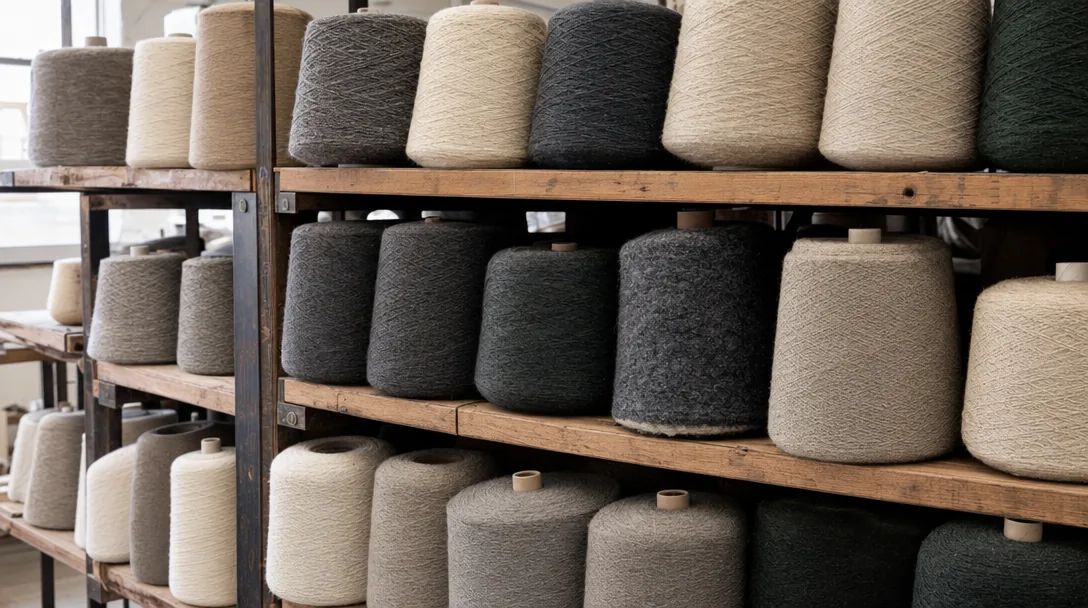
Mens Beanies: Properties, Costs and How to Spec It Right (2026 Update)
Read article →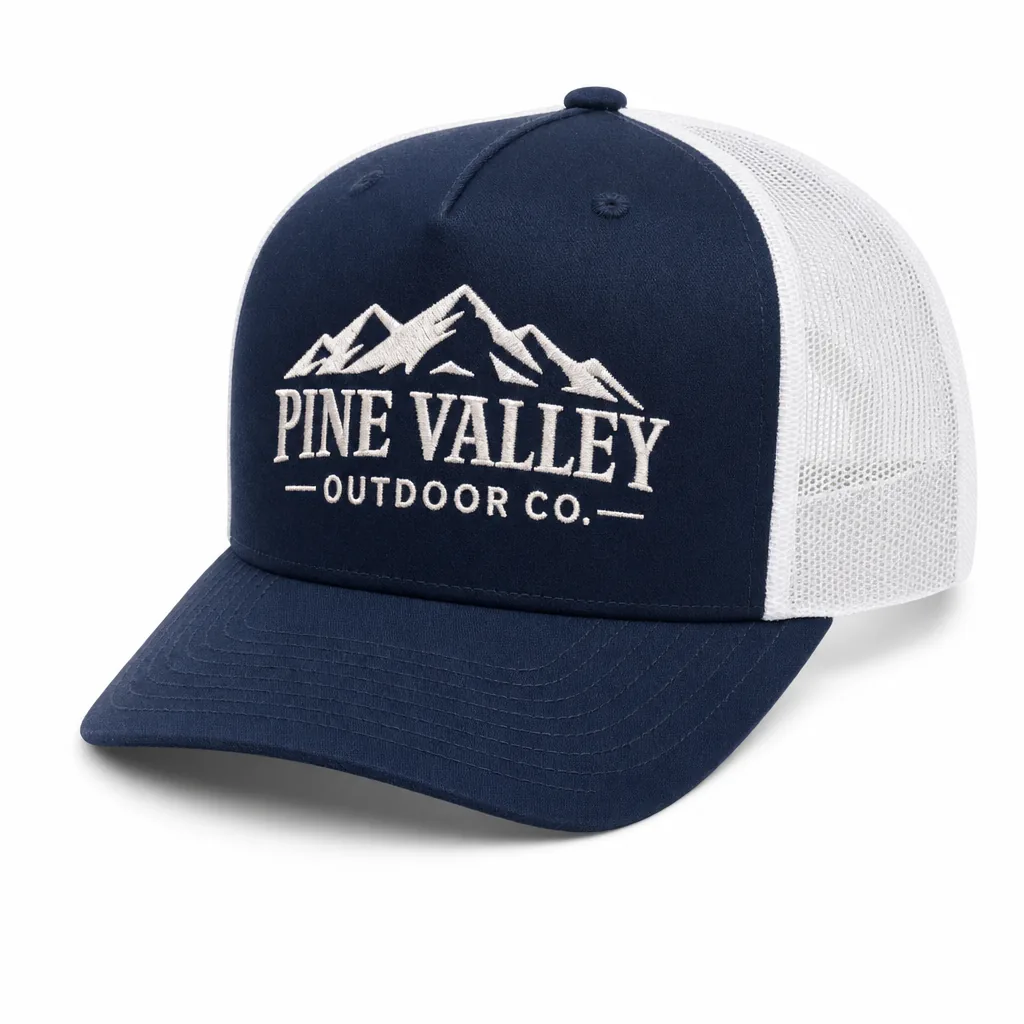
Mesh Caps Wholesale: Trucker Cap Manufacturing Specifications and Pricing - Supplier Checklist
Read article →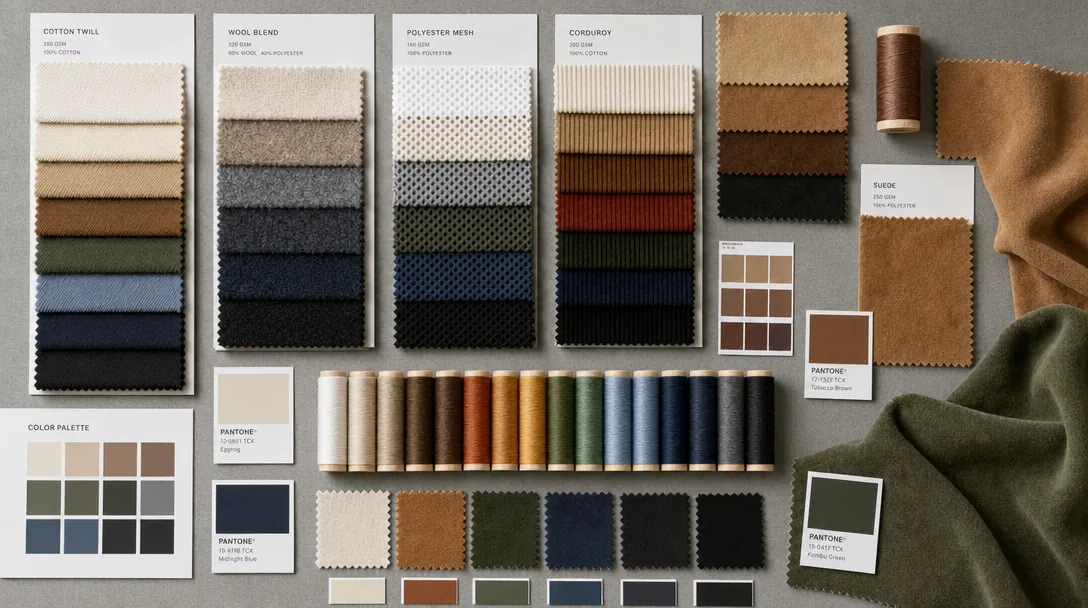
Bucket Hat Corduroy Reorder Planning Guide for Custom Hat Buyers
Read article →If you are ready to take the next step on merino wool beanie: properties, costs and how to spec it right - cost & moq breakdown (2026 update), our team can put a tailored quotation and digital mock-up in your inbox within 24 hours. Send the inquiry form on our contact page or message us directly on WhatsApp.