
Merino Wool Beanie: Properties, Costs and How to Spec It Right - Cost & MOQ Breakdown (2026 Update) - Cost & MOQ Breakdown
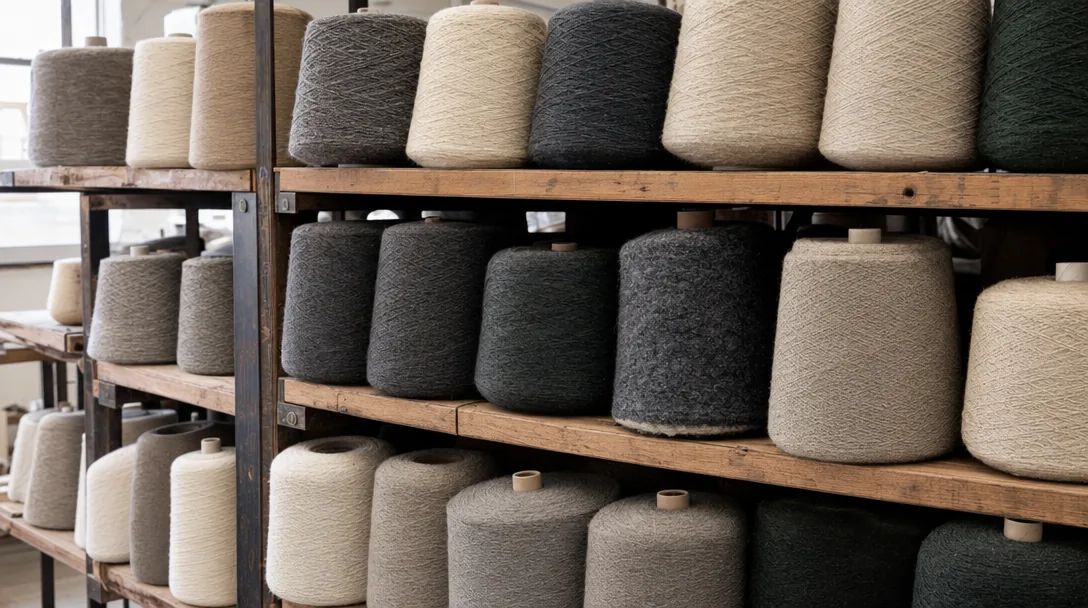
Merino Wool Beanie: Properties, Costs and How to Spec It Right - Cost & MOQ Breakdown (2026 Update) - Cost & MOQ Breakdown is one of the most-asked questions we receive from international buyers, and for good reason. With dozens of factories competing for your order and an alphabet soup of technical terms in every supplier quote, even experienced importers can feel lost. This guide consolidates what we have learned producing custom hats for clients in 40+ countries.
Acrylic Beanie
An acrylic beanie is usually the easiest knit order to run because the yarn is inexpensive, the fiber is dimensionally stable, and it behaves predictably on 7-gauge or 12-gauge flat knitting machines. The standard build is 100% acrylic or an acrylic/polyester blend, then 2x2 rib knitting, linking, steam-setting, trimming, and a final press. If you want the spec to survive sampling, name the yarn count, gauge, cuff depth, crown shaping, and finishing method instead of writing vague language like “soft handfeel.” A realistic weight range is 90-120 gsm for light fashion use and 130-180 gsm for winter wear; outside that range, the buyer should state the climate, wear time, and thermal target. Compared with a merino wool beanie, acrylic is cheaper and easier to keep color-consistent across bulk production, while merino still performs better on breathability, odor control, and skin comfort after a long day of wear.
The label alone is not enough; the performance spec should do the real work. Ask for fiber composition by percentage, pilling grade after abrasion, shrinkage after wash, color fastness to light and rubbing, and whether the mill is using solution-dyed yarn, piece-dyed yarn, or stock service yarn. For decoration, embroidery usually sits better on acrylic than on a softer wool knit, but the digitizing still has to match the stitch density and needle penetration of the exact gauge; copying a cap file straight onto knitwear is how you get distorted logos and broken outlines. In 2026, a normal MOQ is 300-500 pieces per color, with 100-200 pieces possible if you accept a setup surcharge and weaker freight efficiency. Plain acrylic beanies usually land around USD 1.20-2.80 FOB, while jacquard or multi-color builds move to USD 2.80-4.50 depending on yarn grade, wash finish, and packaging.
The defects are predictable and easy to catch if you inspect the right points: pilling after light abrasion, uneven rib tension, crown twist, weak hand-linking at the seam, and shade drift between dye lots. I would check 10-15 percent of cartons to AQL 2.5 and measure circumference, cuff height, seam alignment, and logo placement against the sealed sample, not against memory or a PDF render. On mixed programs, the acrylic beanie often becomes the low-risk volume item because the factory can share yarn sourcing, knitting capacity, and packing logic across SKUs, even when the same order also includes a merino wool beanie. The sourcing decision is simple: acrylic fits promos, retail basics, and price-led streetwear; merino belongs on the higher-ticket line where handfeel, thermal regulation, and brand perception justify the higher fiber cost.
Cotton Beanie
A cotton beanie is usually the lowest-cost knit cap you can source, but it is only cheap when the spec is disciplined. Most factories build it from 100% combed cotton, cotton-poly blends, or cotton-spandex rib on 12G to 16G circular knitting machines, then finish the crown with linking or cut-and-sew construction before washing and trimming. A usable tech pack should lock yarn count, fabric weight in gsm, stitch density, shrinkage after laundering, Pantone TCX color target, seam or linking method, label application, and whether the rib is single-layer or double-layer. The common failure is predictable: low-twist cotton feels fine at handoff, then bags out after two washes if the gauge is loose or the wash finish is weak.
For a basic cotton beanie, MOQ is usually 300 to 1,000 pieces per color, with better price breaks once you cross 3,000 pieces. In China, ex-factory pricing for plain blanks typically lands around USD 2.20 to 4.80, depending on yarn grade, knit gauge, wash treatment, and whether the crown is fully fashioned or cut-and-sewn. Add about USD 0.25 to 0.90 for flat embroidery, more for applique, woven patches, or enzyme wash. Compared with acrylic, cotton often costs more in labor and finishing because shrink control is less forgiving. That is where a merino wool beanie changes the spec conversation: merino carries a higher raw-material cost, but it gives better temperature regulation, a softer hand, and better cold-weather recovery than cotton can deliver.
The defects to police are practical: torque twist in the rib, crown wobble, loose linking at the top, shade variation between dye lots, and shrinkage above 3 to 5 percent after wash. Dark colors need crocking and washfastness checks, because poor reactive dye work will transfer onto skin and collars quickly. For production, I would inspect to AQL 2.5 and test stretch recovery, especially if the yarn is under-spun or the knit is too open. If you are comparing cotton against a merino wool beanie, keep the same sourcing discipline: define the base yarn, lock the finishing route, and reject any factory default spec that does not hold size, shape, and shade across the run.
Black Beanie Hat
A black beanie hat is simple on the shelf and unforgiving in production. For a merino wool beanie, the spec has to lock down fiber blend, yarn count, knit gauge, finished weight, and finishing, not just the color. A realistic callout is 100% merino wool or 80/20 merino-nylon, 2/26s or 2/30s yarn, 3-gauge or 5-gauge rib knit, and 110 to 160 gsm finished weight depending on whether the buyer wants a lighter retail beanie or a denser winter cap. Black also needs a proper lab dip, not a visual match; ask for Pantone TCX approval and a Delta-E target under 1.5 against the signed standard. For a merino wool beanie, superwash treatment, shrinkage after one wash, pilling grade, and edge recovery matter more than most buyers admit, because untreated wool can bag out, skew, or feel rough after a few wear cycles.
MOQ and pricing are driven by yarn quality and finishing, not by the fact that the hat is black. In China, a basic acrylic beanie may land around 300 to 500 pieces per colorway at roughly $2.20 to $4.50 ex-factory, depending on label, embroidery, and packing. A merino wool beanie usually sits closer to 200 to 300 pieces per color or size set, with common ex-factory pricing around $5.80 to $12.00 for mid-weight merino and more for extra-fine Italian yarn or a tighter gauge knit. Compare that with cut-and-sew items like a corduroy hat or bucket hat and the cost drivers change completely: beanies are yarn-driven, so the losses show up in yarn count variation, shrink control, and shade consistency on reorder, not fabric marker efficiency. That is why the same black beanie can look cheap to source and still be expensive to spec correctly.
Quality control is mostly mechanical, but the failures are easy to spot if you know where to look. Check crown linking, stitch tension, rib recovery, twisting after wash, and any needle lines or oil marks from the machine. Hold production to AQL 2.5 and classify loose threads, wrong rib count, poor shape retention, and logo drift as major defects, not cosmetic noise. If decoration is done on Tajima, Barudan, or ZSK heads, backing and stitch density need control because thick embroidery on a black beanie hat can pucker the knit and distort the crown. Our standard practice is to approve yarn and wash specs before bulk knitting, then compare pre-production samples under the same light source used for final color approval. On a merino wool beanie, the fabric is the product; if the knit relaxes, pills, or shades unevenly, the cap is already failing before it reaches retail.
Slouchy Beanie
A slouchy beanie is a low-crown knit cap with extra body length so it breaks and pools at the back instead of sitting tight against the skull. That look is controlled by pattern length, stitch density, yarn count, and post-wash shrinkage; you do not get it from a loose pack-out photo. For a merino wool beanie, start with fiber content: 100% merino gives the softest hand and better odor control, while a 70/30 merino-nylon blend usually buys you better abrasion resistance and less surface pilling. Most commercial slouchy programs land between 7-gauge and 12-gauge construction, with finished fabric weight around 95-160 gsm depending on whether the buyer wants a lighter streetwear drape or a warmer winter cap. Compared with acrylic, merino should be judged on recovery, next-to-skin comfort, and thermal regulation, not just unit price.
A workable tech pack needs hard specs, not mood-board language. Call out finished length, crown height, rib depth, turn-up height if present, yarn count in Nm or tex, stitch structure, seam method, label placement, and color target against Pantone TCX or a lab dip with Delta-E under 2.0. The body is typically knit on flatbed or circular machines, then the crown is closed by linking or overlock before washing, blocking, and low-temperature drying to lock in the slouch instead of letting it drift after shipment. Realistic MOQ is 300-500 pieces per color for stock yarn, and 800-1,200 pieces once you add custom spinning, custom dyeing, or branded packaging. FOB usually sits around USD 3.20-5.80 for a basic wool blend and USD 6.50-11.00 for higher-grade merino, with heavier rib, striped bodies, or tighter gauge pushing cost up fast.
The defects that matter are the ones buyers usually miss in a first sample: crown puckering, uneven slouch length, twisted side seams, loose knit tension, pilling after abrasion, and shade drift between lab dip and bulk. Inspect to AQL 2.5 for major defects, then check stretch recovery after repeated extension and run a simple abrasion test on the back panel, where the fabric collapses and rubs hardest in wear. A slouchy beanie is only a good bridge product if the factory can hold shape, shade, and shrinkage within narrow limits; otherwise it behaves like a cheap knit cap with a softer hand. That is the same logic you would use when comparing a wool beanie against a seasonal corduroy cap or a printed bucket hat: the surface looks simple, but the spec has to control material behavior, not just appearance.
Cotton Beanie Men
A cotton beanie men program is only straightforward when the spec is tight. The standard build is 100% combed cotton on a flatbed or circular knitting machine, usually 16s, 20s, or 32s yarn depending on whether you want a heavier winter hand or a lighter transitional cap. A practical base is 1x1 rib at 230 to 280 gsm, linked crown, and an enzyme wash or tumble finish to stabilize shrinkage and soften the surface. Lock down the numbers that drive production: yarn count, knit gauge, finished weight in grams, post-wash dimensions, shrinkage limit, and Pantone TCX references. If the sample does not state fiber source, gauge, and wash behavior, it is not a production sample. The same discipline applies to a merino wool beanie; the fiber is more expensive, but the real risk still comes from vague specs, not the yarn label.
MOQ for a plain cotton beanie men order usually starts at 300 to 500 pieces per color, with better pricing above 1,000 pieces. In Yiwu and nearby knit factories, ex-works pricing for a basic cap with no complex branding often lands around $2.20 to $4.20 at 500 to 1,000 pieces, and that moves fast once you add embroidery, custom labels, or special packaging. A woven label or small front embroidery typically adds $0.20 to $0.60; jacquard patterns, garment dyeing, and custom-dyed yarn add more. A merino wool beanie usually prices several dollars higher because raw fiber, yarn loss, and knitting waste are all more expensive, so headline price alone is a bad comparison. The quote matters more if it clearly states what is included: pre-shrunk yarn, colorfast dyeing, carton pack-out, FOB terms, and whether domestic freight is already buried in the number.
The usual failures are boring and expensive: low-twist yarn that pills, crown seams that pop, rib tension that changes from machine to machine, and size drift after the first wash. Put the size spec in centimeters with tolerances, then require a 30 C wash test and AQL 2.5 inspection for appearance, measurement, and labeling. I would also ask for a stretch recovery check on the cuff, because a beanie that grows 2 cm after one wear already creates returns. For a merino wool beanie, the buying logic is the same but the controls need to be tighter: fiber content, seam construction, shrinkage, and colorfastness should be frozen before price comparison starts. That is the difference between buying a commodity knit and buying a headwear product that survives retail handling, laundering, and repeat wear without losing shape.
100 Acrylic Beanie
A 100% acrylic beanie is usually the easiest knit style to source, but only if you spec it like a production article rather than a generic promo cap. The yarn is typically spun acrylic, sometimes hollow-core for extra loft, knitted on 7G or 12G circular machines in 1x1 rib, 2x2 rib, or fully fashioned panels, then linked, washed, and steam-blocked. For a standard cuff beanie, finished weight usually lands around 70 to 120 gsm; double-layer builds run 140 to 180 gsm. If you are comparing it to a merino wool beanie, fiber content alone tells you very little. Ask for yarn count, denier, gauge, stitch density, anti-pilling grade, and whether the yarn is brushed or spun for bulk. Serious mills will quote shrinkage tolerance, colorfastness targets, and pilling performance instead of saying the handfeel is “soft.” Pantone TCX approval against bulk yarn lots matters, because acrylic shade drift shows up quickly when knitting tension changes.
MOQ and pricing depend on whether you are buying a stock body or a custom program. For plain 100% acrylic beanie production, many factories can work at 300 to 500 pieces per color if they are knitting from existing yarn inventory; custom-dyed yarn, jacquard, intarsia, or multi-color stripe work usually pushes MOQ to 1,000 pieces or more. In 2026, coastal China FOB pricing for a basic solid beanie typically sits around USD 1.10 to 2.20, with heavier double-layer or jacquard construction closer to USD 2.30 to 3.80 before packaging and embellishment. Woven labels, embroidery, TPU patches, and custom hangtags usually add USD 0.10 to 0.60 depending on stitch count and attachment method. Buyers often benchmark these against a merino wool beanie, but the cost stack is different: acrylic is fast to knit and easy on cash flow, while merino carries higher raw material cost and tighter shade control, especially on heather and melange lots.
The inspection points decide whether the shipment survives retail or comes back as returns. Check crown seam bulk, cuff recovery after stretch, yarn slubs, pilling after abrasion, and dye migration on dark shades. Measure finished width and height after steaming, then test fit on a standard head form; loose-gauge acrylic often relaxes more after washing than buyers expect. For QC, AQL 2.5 is the right baseline for critical visual and dimensional defects, with special attention to shade banding across cartons and carton-to-carton consistency. If the style is meant to compete with a merino wool beanie, be blunt about the tradeoff: acrylic can be warm for its weight and simpler to source, but it will not match merino’s moisture management, odor resistance, or premium handfeel. CrownsForge’s standard practice is to lock the yarn lot, knit tension, and wash formula before bulk cutting, because that is where most cheap beanie programs go unstable.
Working with CrownsForge for merino wool beanie programs
A merino wool beanie program goes sideways when buyers treat fiber spec, decoration, and factory discipline as separate decisions. Start with a 1-piece reference sample or lab dip, then lock a measurement sheet before bulk: yarn count, merino blend ratio, gauge, finished circumference, crown depth, cuff height, and a shrinkage limit after 30 C wash. For a straightforward rib knit with yarn already in stock, a fit and handfeel sample usually takes 7-10 days; if the style adds jacquard, intarsia, or unusual shaping, expect longer because stitch balance changes the drape and recovery. If those numbers are not written down, you are not buying a merino wool beanie spec. You are buying a moving target, and wool punishes that kind of ambiguity quickly.
MOQ is usually the real negotiation point. For a development run, 100-300 pcs per color is realistic when the yarn is already in production and decoration is simple; custom-dyed yarns, special labels, or retail-ready packaging push the floor up fast. The cheapest mistake is ordering each SKU as a one-off instead of batching trim colors, woven labels, carton counts, and polybag specs across the program. That kind of material alignment typically saves 6-12 percent in avoidable setup cost, which is more useful than shaving a few cents off knitting. Our standard practice is to freeze shared inputs before bulk yarn is committed, because late changes on wool usually cost real money and rarely improve sell-through.
Decoration and compliance are where merino wool beanie orders most often slip. Direct embroidery on a stable panel is the cleanest option; woven labels and sewn patches hold up better than heat transfer or heavy plastisol, which fight the knit and age badly after wear. On machine setup, Tajima, Barudan, and ZSK heads let us tune stitch density, pull compensation, and logo placement before bulk starts, instead of discovering the problem after a bad strike-off. Buyers should also ask for Pantone TCX shade targets with a realistic Delta-E tolerance, fiber-content confirmation, and audit coverage such as sedex-audit-cap-supplier-guide.html">BSCI 2.0 or Sedex SMETA 4-Pillar when the account size justifies it. A realistic landed cost for a merino wool beanie usually lands around $4.80 to $9.50 depending on yarn origin, gauge, embroidery area, carton count, and packaging, so quoting only ex-factory price leaves out the part that usually blows up later.
Frequently Asked Questions
What is the minimum order quantity (MOQ) for custom hats?
Our standard MOQ is 100 pieces per design and color, with sampling available from 1 piece. For complex multi-color logos or premium fabric upgrades, the MOQ can be lowered with a small per-piece surcharge.
Do you support sustainability certifications?
Yes. We work with GOTS organic cotton, GRS-certified recycled polyester, OEKO-TEX Standard 100 fabrics, and are BSCI and Sedex audited. Certification documentation can be provided per order.
Which shipping methods do you support?
We support FOB, CIF and DDP shipping. Air express for samples and small orders, sea LCL for 100 to 500 pieces, sea FCL for 5,000+ pieces. Door-to-door DDP available for US, EU, UK, Canada and Australia.
What file format should I send for my logo?
Vector files (AI, EPS, PDF) are ideal. High-resolution PNG or JPG at 300 dpi on transparent background works as a fallback. Provide Pantone color references for accurate reproduction.
How long does production take?
Sampling takes 7 to 12 days. Bulk production runs 20 to 30 days depending on quantity, fabric availability and decoration complexity. Inspection and packing adds another 3 to 5 days before shipment.
What should buyers know about black bucket hat men?
When evaluating black bucket hat men, the key considerations are construction quality, decoration capability, MOQ flexibility and lead time. Cover everything buyers ask about black beanie hat: how it's manufactured, what specs to request from a factory, typical MOQ and pricing, common quality issues to inspect for, and how this ties back to the broader merino wool beanie sourcing decision. Cover everything buyers ask about cotton beanie men: how it's manufactured, what specs to request from a factory, typical…
What should buyers know about kangol bucket hat mens?
When evaluating kangol bucket hat mens, the key considerations are construction quality, decoration capability, MOQ flexibility and lead time. Cover everything buyers ask about black beanie hat: how it's manufactured, what specs to request from a factory, typical MOQ and pricing, common quality issues to inspect for, and how this ties back to the broader merino wool beanie sourcing decision. Cover everything buyers ask about acrylic beanie: how it's manufactured, what specs to request from a factory, typical MOQ…
What should buyers know about corduroy hat womens?
When evaluating corduroy hat womens, the key considerations are construction quality, decoration capability, MOQ flexibility and lead time. Cover everything buyers ask about black beanie hat: how it's manufactured, what specs to request from a factory, typical MOQ and pricing, common quality issues to inspect for, and how this ties back to the broader merino wool beanie sourcing decision. Cover everything buyers ask about acrylic beanie: how it's manufactured, what specs to request from a factory, typical MOQ…
What should buyers know about acrylic beanie hat?
When evaluating acrylic beanie hat, the key considerations are construction quality, decoration capability, MOQ flexibility and lead time. Cover everything buyers ask about acrylic beanie: how it's manufactured, what specs to request from a factory, typical MOQ and pricing, common quality issues to inspect for, and how this ties back to the broader merino wool beanie sourcing decision. Cover everything buyers ask about black beanie hat: how it's manufactured, what specs to request from a factory, typical MOQ…
Are merino beanies worth it?
If you value sustainability, comfort, durability, and superior thermal performance, a merino wool beanie is a smart and stylish investment. Despite the higher upfront cost, the long-term benefits—including shape retention, moisture management, and odour resistance—make it a practical addition to your wardrobe.
Is merino good for a beanie?
Made for all your outdoor adventures, merino is soft on skin, easy to layer and naturally temperature regulating and odour resistant. A fitted beanie, it's perfect for wearing under hoods or helmets while out hiking, climbing, skiing or mountain biking.
Are merino wool beanies worth it?
A: Yes, Merino wool is excellent for hats because it is breathable, quick drying, and temperature-regulating, providing comfort in various weather conditions.
Is merino yarn good for beanies?
Additionally, wool has a certain level of stretch to it, making it great for beanies. However, there are different types of wool you can choose from: - Merino wool comes from merino sheep and is known to be very fine and soft. It can be used for anything from socks to hats.
Is a merino wool beanie itchy?
Merino wool is finer and softer than other kinds of wool, which makes it less itchy. Its fibers are very short in length and smaller in diameter, which makes it a whole lot softer and gentler on the skin.
Looking for a reliable hat manufacturer in China?
CrownsForge has produced custom hats for 800+ brands across 40 countries. From 100-piece launches to 100,000-piece retail programs, we deliver on time and on spec.
Get in touchRelated guides
Compliance Documentation Checklist for First Hat Import to US/EU (2026 Update)
Read article →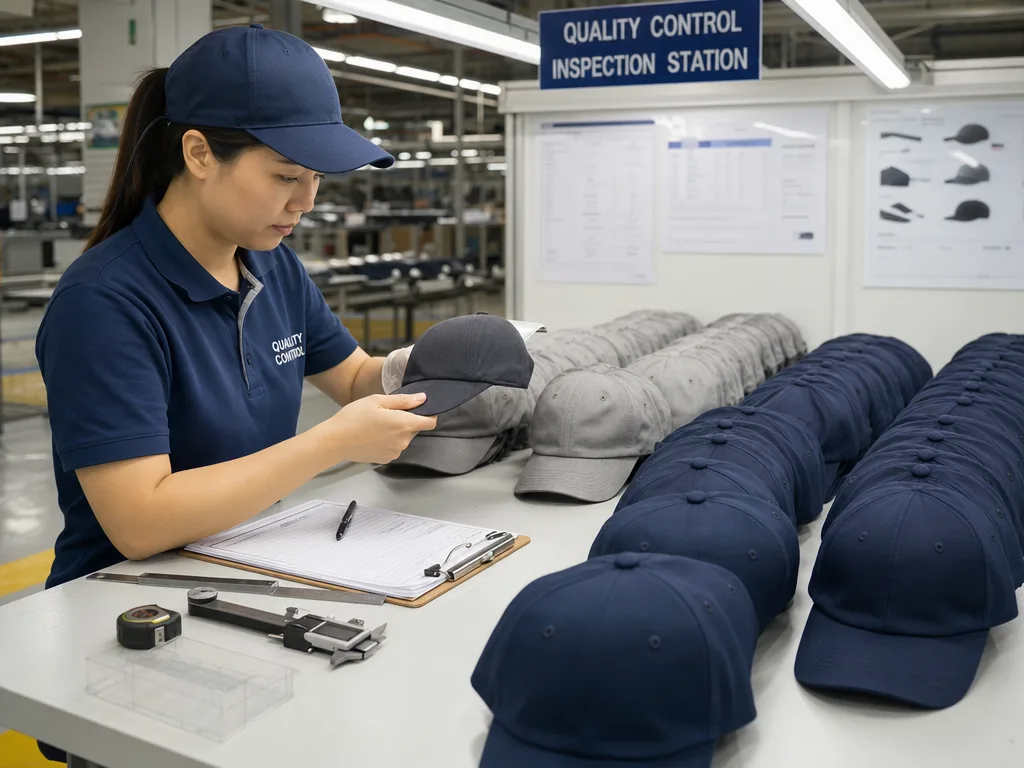
Cap Factory AQL Inspection Plan for Importers
Read article →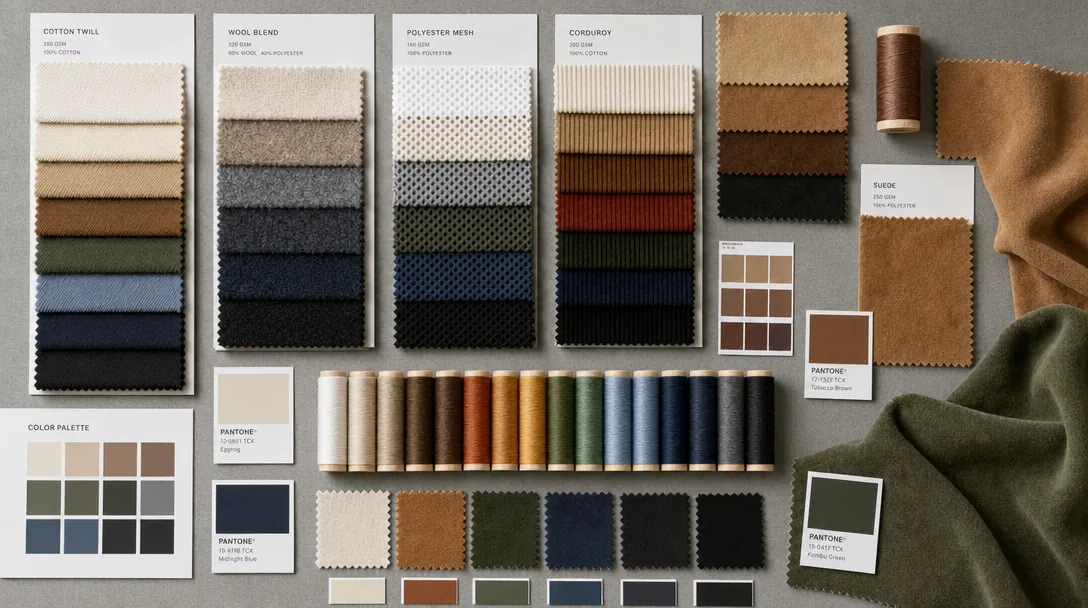
Bucket Hat Corduroy MOQ And Pricing Plan for Custom Hat Buyers
Read article →Sourcing custom hats does not have to be complicated. With the right manufacturing partner, clear specifications and a small upfront investment in sampling, you can launch a retail-quality product in 30 to 45 days.