
Mens Beanies: Properties, Costs and How to Spec It Right - Supplier Checklist
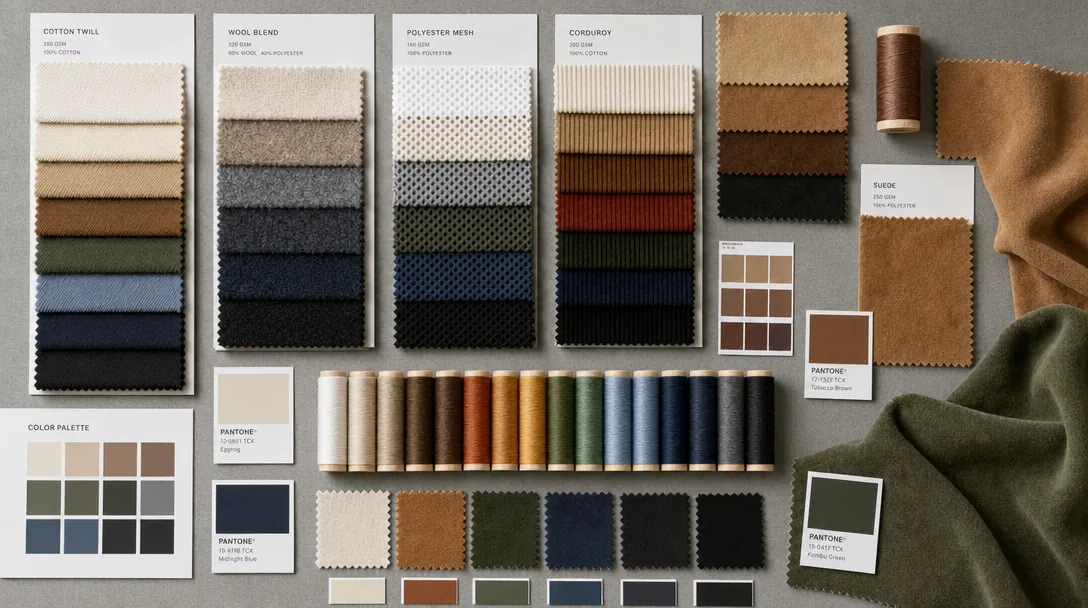
Every week, our sales team answers detailed questions about mens beanies: properties, costs and how to spec it right - supplier checklist. We wrote this guide so that wholesalers, streetwear brands, corporate buyers and promotional resellers can compare options with full information, and avoid the traps that show up only after production has started.
Beanies for Men
Construction is the cost driver on mens beanies, not the hangtag. On the factory floor, the biggest swings in hand feel, stretch recovery, and defect rate come from yarn count, machine gauge, and finishing control. Most commercial styles are knitted on Stoll or Shima Seiki flat machines, then linked at the crown, cuffed, steamed, and re-measured after relaxation. A serious tech pack should call out fiber content, yarn count, gauge, finished weight, body height, cuff height, and relaxed head opening with tolerance. “100% acrylic” tells a supplier almost nothing; “100% acrylic, 2/28Nm, 7-gauge, 1x1 rib, finished weight 80-88 g, body height 21 cm, cuff 7 cm, opening to fit 54-58 cm, tolerance +/-1 cm” is production-grade. If color matters, specify Pantone TCX and lock a Delta-E tolerance of 1.0-1.5 from approved lab dip to bulk, otherwise the navy you approved can drift noticeably between dye lots under store lighting.
Material choice changes both performance and FOB faster than most buyers expect. For mens beanies, 100% acrylic is still the volume baseline because it is stable, cheap, and easy to knit consistently; in Zhejiang, a plain rib acrylic style with a woven label usually runs 300-500 pcs per color and roughly $1.10-$2.20 FOB China. Once you add jacquard logos, fleece lining, pom-poms, reflective yarn, or RWS-certified merino, the MOQ commonly moves to 800-1,200 pcs and pricing climbs into the $3.80-$7.50 range depending on yarn origin, gauge, and packing method. If you spec merino, give the micron range—19.5-21.5 micron feels materially softer than generic wool, but it also affects pilling, yarn yield, and reject risk after washing.
The expensive failures usually appear after finishing, not during knitting. The defects I see buyers miss most often are twisted linking seams, uneven rib tension, cuff edge rolling, needle lines, distorted jacquard motifs, and shade breaks between lots packed into the same shipment. Bulk inspection should check measurements after at least 12 hours of relaxation, plus stretch-and-recovery, pilling, shrinkage, and lot-to-lot shade continuity under consistent light. AQL 2.5 is a normal shipment standard, but for e-commerce mens beanies I would tighten visual criteria on label centering, cuff symmetry, and color consistency because returns are typically driven by cosmetic variance rather than wear failure. Our standard practice is to pull sealed-carton samples by lot and compare them side by side before approval; that catches dye-lot drift and cuff inconsistency before the customer does.
Corduroy Cap Mens
Corduroy cap programs are usually decided before the logo file is opened: wale count, nap direction, and front-panel support determine whether the product reads premium or cheap at first touch. Cap-grade corduroy in China is typically 100% cotton or cotton/spandex at 220-320 gsm, with 8-wale, 11-wale, and 14-wale being the practical options for headwear. Eight-wale gives a heavier streetwear look and masks minor seam distortion; 14-wale looks cleaner on shelf but exposes seam tracking, needle marks, and embroidery sink much faster. For a 6-panel cap, the tech pack should lock fabric composition, wale count, finished gsm tolerance within about +/-5%, crown height, visor length, sweatband material, closure type, and whether the front panels use 30D or 50D nonwoven fusible backing. If the same collection includes mens beanies, use the same Pantone TCX standard across categories and hold lab dips and bulk fabric to Delta-E under 1.5 against the approved swatch, because corduroy pile reflects light unevenly and makes small shade shifts look bigger than they do on acrylic knit.
Most production failures come from handling, not sewing skill. Corduroy needs to relax before cutting, and every panel must be laid with the nap running the same direction; flip one front panel and it will look off-shade under retail lighting even when the dye lot is technically correct. Embroidery is best run on Tajima or Barudan heads before final assembly so the backing and hooping do not distort the finished crown, and buyers should lock topstitching at 6-8 SPI, visor board thickness at 1.8-2.2 mm, seam tape width, eyelet construction, and carton pack-out to avoid crushed wale lines in transit. In practical sourcing terms, MOQ is usually 144-300 pieces per color in stock fabric, while custom dyeing often starts at 500-1,000 meters. FOB China pricing is typically $2.20-$3.60 for a basic unstructured cap and $3.80-$5.80 for a structured version with flat embroidery, custom metal trim, and branded inner tape. Inspection should run at AQL 2.5 with special attention to nap consistency, visor symmetry, puckering at the visor join, logo placement within +/-2 mm, and color rub-off, especially if dark caps ship alongside light-colored mens beanies where crocking claims are common.
100 Cotton Beanie Mens
On 100% cotton mens beanies, the yarn spec matters more than the sketch. If the factory is free to swap between Ne 21/2 and Ne 32/2 ring-spun cotton, or between 7GG and 12GG, you can get two production lots that both pass visually in sample stage and still wear like different products at retail. Lower-count yarn in 7GG gives a denser, workwear hand and usually lands around 95-130 g for a fisherman rib or double-layer cuff style; finer yarn in 12GG reads cleaner and lighter, with a single-layer cuffed beanie more typically finishing at 65-90 g. For adult sizing, lock flat width at 21-23 cm, body height before cuffing at 20-22 cm, cuff depth, crown decrease method, and finished stretch fit for a 56-60 cm head. Cotton ribs open under tension more than acrylic, so color approval cannot stop at a Pantone TCX callout. Tie shade approval to bulk lab dips and a stated tolerance: Delta-E 1.0 or better for core black, navy, and ecru is achievable, while 1.5 is a more realistic ceiling for darker fashion shades if the mill is running stable reactive dye lots.
The avoidable claims on cotton mens beanies nearly always come from weak spec control and the wrong decoration choice. Cotton has lower recovery than acrylic, so inspection should check measurements relaxed and after stretch, plus wash-retention after one care cycle; otherwise cuff rollback, crown grin, spirality, and size drift show up after first wear. I would write the shipment standard around AQL 2.5, with carton-level shade continuity checks, measurement review from at least 10% of cartons, and colorfastness testing for crocking and perspiration, especially on black, bottle green, navy, and saturated red. Dense front embroidery on Tajima or Barudan heads also needs caution because it can tunnel the knit, flatten the rib, and print backing through the face; on cotton, woven loop labels, fold labels, or compact merrowed patches usually hold the surface cleaner. In China, a basic 100% cotton cuff beanie at 500-1,000 pcs normally sits around $2.10-$3.40 FOB with stock yarn, while custom-dyed shades can trigger spinner minimums of 150-300 kg per color and push MOQ beyond 500 pcs. Enzyme wash, jacquard knit-ins, barcode stickers, or individual polybags typically add another $0.20-$0.80 per unit.
Corduroy Bucket Hat Mens
A commercial corduroy bucket hat lives or dies on fabric geometry and panel control, not on decoration. The safest mainstream spec is 11-wale cotton corduroy at 270-290 gsm because it gives enough body for a clean crown and brim without feeling like laminated board. Lighter 8-wale qualities around 220-240 gsm tend to slump after carton compression, while heavy 14-wale constructions above 310 gsm often create seam grin and a wavy brim edge once the top and under-brim are joined. Most factories build the hat from crown panels, a side band, and brim top and bottom, then back the brim with 90-120 gsm PE or nonwoven interlining; below that range the sidewall caves in, above it the brim loses its natural roll. Nap direction also has to be locked before cutting, because mixed lay orientation shows immediately under warehouse lighting and looks like shade variation even when the dye lot is correct. Embroidery on corduroy needs tighter limits than flat twill or brushed cotton. On Tajima or Barudan heads, we normally steam and pre-press the cord face first so the ribs sit flatter and the design does not disappear into the pile. Text below 4 mm cap height, satin columns under 1.2 mm, and fine negative space usually close up after sewing, especially on dark olive, black, and camel shades. A strong tech pack should therefore specify allowable stitch density, maximum embroidery coverage, crown height, brim width, finished head circumference, and Pantone TCX references for shell, labels, and sweatband. Compared with mens beanies, where yarn blend and gauge drive most of the risk, this category is less forgiving on visible sewing accuracy: crooked topstitching, uneven brim width, or mismatched wale direction is obvious from one meter away.
Most rejects come from incomplete specs, especially on washed or pigment-dyed corduroy where panel shading becomes expensive fast. Buyers should lock composition, wale count, finished gsm, lining requirement, sweatband material, stitch count per inch, size tolerance, and wash standard before bulk cutting starts. For color approval, bulk lab dips are not enough on their own; ask for a washed strike-off or pre-production panel set and hold shade tolerance to Delta-E 1.5-2.0 against the approved standard. Black, military olive, rust, and tan are the problem colors because enzyme wash and over-dye can make adjacent panels read different if the cutting lays are mixed. Our standard practice is to band fabric by lot and nap direction before spreading, which costs a little more in handling time but prevents the kind of panel mismatch that buyers wrongly blame on sewing. Commercially, 300-500 pieces per color is realistic for stock greige corduroy dyed locally, while custom-dyed fabric, printed lining, or inside seam taping usually pushes MOQ to 800-1,000 pieces. Current FOB China pricing is typically $3.20-$5.80 for an unlined basic hat and $5.90-$8.50 for a lined version with woven label, inner taping, and dense front embroidery; brushed metal eyelets, custom tape printing, or specialty washes add another $0.25-$0.90 per piece. Final inspection should run at AQL 2.5 with extra focus on brim twist, seam slippage, skipped stitches, oil contamination, needle cuts on the wale, and brim width variance beyond 3 mm. The same supplier discipline that keeps mens beanies consistent applies here: a cheap quote is meaningless if the factory cannot hold wash shade, brim shape, and panel matching through bulk production.
Mens Corduroy Bucket Hat
Corduroy bucket hats fail on cut-and-sew discipline, not on the same variables you watch in mens beanies. The recurring claim points are obvious on the factory floor: mixed nap direction, brim panels cut off-grain, and inconsistent wale count from panel to panel. For commercial programs, 8-wale to 12-wale cotton corduroy at 260-300 gsm is the safe zone; under 240 gsm the brim loses body after wash and steam, while above 320 gsm you get bulky crown joins, thick eyelet areas, and poor edge turn on the brim. A proper tech pack should require one-way nap cutting on every visible component, because corduroy can read almost like two different dye lots under 4000K retail LED even when the base fabric is technically within Pantone TCX approval. Construction needs to be spelled out as well: relax fabric for 12-24 hours, fuse the brim with 60-80 gsm non-woven interlining, sew the crown, set or embroider eyelets, topstitch, then block and press. This is a structured sewn item; treating it like a soft knit program is how buyers get distortion claims.
The cleanest specs are measurable. A workable starting point is 100% cotton 11-wale corduroy, 280 gsm plus or minus 5%, crown height 8.5 cm, brim width 5.5 cm, finished head circumference 58 cm and 60 cm with plus or minus 0.5 cm tolerance, cotton twill sweatband, and 6-7 SPI on assembly seams with 4 mm topstitch spacing. If color matters, hold bulk fabric to Delta-E below 1.5 against the approved Pantone TCX standard, and call out eyelet finish, label position, lining content, care label language, and carton packout. Most brim damage starts in transit compression, not at sewing. In Zhejiang, realistic MOQ is 300-500 pieces per color in stock greige or stock-dyed fabric, but custom shade matching, printed lining, or branded trims usually pushes the true minimum to 800-1,000 pieces. FOB pricing at 500 pieces is typically $2.20-$3.80 for a basic bucket hat, and $4.20-$6.50 once you add Tajima or Barudan embroidery, metal eyelets, custom lining, and retail-ready packaging.
Inspection should stay focused on the defects that actually create chargebacks: nap shade mismatch between adjoining panels, brim asymmetry, skipped topstitching, seam puckering at the crown, and post-steam twisting. I would run this category at AQL 2.5, measure circumference and brim width across 13 pieces per lot size break, and check left-right brim symmetry against a hard acrylic template rather than eyeballing it on the table. Wale direction should be verified on every cut component, and the supplier should be able to show fusing temperature settings, pressing standards, and blocking control records. At CrownsForge, that is standard practice because bucket hats and mens beanies may sit in the same assortment, but the manufacturing risks are not comparable. Beanies forgive stretch variation; brimmed corduroy does not forgive pattern drift, poor pressing, or weak carton protection.
Working with CrownsForge for mens beanies programs
Speed on mens beanies is decided by the tech pack, not the lead time printed on a quote sheet. If the spec is complete, first prototype timing is typically 5-7 working days for stock 100% acrylic in 1x1 rib at 7GG or 9GG, and closer to 10-14 working days once you add custom-dyed yarn, wool or merino blends, enzyme wash, or full-body jacquard graphics. On the factory floor, the real delays are usually unresolved basics: finished height, cuff depth, folded vs. single-layer construction, logo width, label placement, and target weight differences like 70 g versus 95 g. Our standard practice is to lock Pantone TCX references, finished height tolerance at ±1 cm, half-width tolerance at ±0.5 cm, cuff depth, and decoration position before yarn booking. That usually keeps sampling to 1-2 rounds instead of the common 2-3, and it prevents buyers from approving shape off an unwashed or untrimmed first knit. MOQ has to follow material reality, otherwise the unit price gets distorted by setup waste and yarn liability. For mens beanies in stock acrylic shades, 100-200 pcs per color is workable because yarn loss is manageable and machine setup is simple. Once you move into 30/70 wool-acrylic, 50/50 merino blends, custom melange, or finer 12GG constructions, 300-500 pcs per color is the more honest floor if you want stable shade matching and clean replenishment. At 500 pcs, a basic acrylic cuff beanie with a woven loop label usually lands around $1.80-$2.60 FOB China; a merino-blend style with embroidery, patch application, or jacquard logo more often sits at $3.80-$6.50 FOB depending on yarn count, gauge, and trim complexity. If a supplier quotes far below that band, they are usually hiding cheaper yarn, loose tolerances, or outsourced decoration.
Decoration and compliance are where weak suppliers get exposed fast. For mens beanies, the practical decoration range is flat embroidery, low-profile raised embroidery on heavier cuffs, woven patch stitch-down, leatherette patch, TPU badge, rubber badge, and direct jacquard knit logos. Tajima and Barudan heads can sew cleanly on cuffed knits, but stitch density has to be reduced versus cap embroidery or the rib will tunnel, torque, and pucker after wash testing. That is a common mistake when artwork gets digitized like brushed cotton twill instead of soft 9GG rib. Better digitizing means shorter stitch runs, lighter fill density, and underlay that stabilizes without crushing the knit. If decoration is done in-house rather than subcontracted, small corrections to logo width, stitch count, or patch edge construction can usually be turned in hours instead of losing 2-3 days. For retail, promotional, and licensed programs, paperwork and process control matter as much as knitting quality. You should expect current sedex-audit-cap-supplier-guide.html">BSCI 2.0 or Sedex SMETA 4-Pillar audit records, plus support for REACH SVHC screening, azo dye restrictions, and CPSIA lead and phthalates where trims trigger U.S. compliance. Dark shades such as black, navy, and heather charcoal need disciplined color management against approved lab dips or knit-down standards; on acrylic, keeping Delta-E below 1.0 is a realistic target when yarn booking is controlled. The clean production flow is pre-production approval, yarn booking, knit panel confirmation, inline inspection, metal detection if required by the account, and final AQL 2.5 before carton sealing. That sequence is what prevents cuff inconsistency, size drift, and carton-level rework when shipping FOB Ningbo or DDP to a U.S. 3PL.
Frequently Asked Questions
How long does production take?
Sampling takes 7 to 12 days. Bulk production runs 20 to 30 days depending on quantity, fabric availability and decoration complexity. Inspection and packing adds another 3 to 5 days before shipment.
Do you support sustainability certifications?
Yes. We work with GOTS organic cotton, GRS-certified recycled polyester, OEKO-TEX Standard 100 fabrics, and are BSCI and Sedex audited. Certification documentation can be provided per order.
What file format should I send for my logo?
Vector files (AI, EPS, PDF) are ideal. High-resolution PNG or JPG at 300 dpi on transparent background works as a fallback. Provide Pantone color references for accurate reproduction.
What is the minimum order quantity (MOQ) for custom hats?
Our standard MOQ is 100 pieces per design and color, with sampling available from 1 piece. For complex multi-color logos or premium fabric upgrades, the MOQ can be lowered with a small per-piece surcharge.
Can I order a sample before bulk production?
Yes. We strongly recommend approving a pre-production sample before mass production. Samples are charged at 35 to 60 USD each plus express shipping, fully refundable against confirmed bulk orders over 500 pieces.
What should buyers know about kangol bucket hat mens?
When evaluating kangol bucket hat mens, the key considerations are construction quality, decoration capability, MOQ flexibility and lead time. Cover everything buyers ask about corduroy bucket hat mens: how it's manufactured, what specs to request from a factory, typical MOQ and pricing, common quality issues to inspect for, and how this ties back to the broader mens beanies sourcing decision. Cover everything buyers ask about mens corduroy bucket hat: how it's manufactured, what specs to request from a factory,…
What should buyers know about corduroy hat vintage?
When evaluating corduroy hat vintage, the key considerations are construction quality, decoration capability, MOQ flexibility and lead time. Cover everything buyers ask about corduroy bucket hat mens: how it's manufactured, what specs to request from a factory, typical MOQ and pricing, common quality issues to inspect for, and how this ties back to the broader mens beanies sourcing decision. Cover everything buyers ask about mens corduroy bucket hat: how it's manufactured, what specs to request from a factory,…
What should buyers know about cotton beanie women?
When evaluating cotton beanie women, the key considerations are construction quality, decoration capability, MOQ flexibility and lead time. Cover everything buyers ask about 100 cotton beanie mens: how it's manufactured, what specs to request from a factory, typical MOQ and pricing, common quality issues to inspect for, and how this ties back to the broader mens beanies sourcing decision. Cover everything buyers ask about beanies for men: how it's manufactured, what specs to request from a factory, typical MOQ…
What should buyers know about black bucket hat men?
When evaluating black bucket hat men, the key considerations are construction quality, decoration capability, MOQ flexibility and lead time. Cover everything buyers ask about corduroy bucket hat mens: how it's manufactured, what specs to request from a factory, typical MOQ and pricing, common quality issues to inspect for, and how this ties back to the broader mens beanies sourcing decision. Cover everything buyers ask about mens corduroy bucket hat: how it's manufactured, what specs to request from a factory,…
What beanies are in style now?
Right now, the most popular beanie style is the cuffed, rib-knit “fisherman” beanie (also called a watch cap). It sits higher on the head than a slouchy beanie, usually has a clean folded cuff, and looks intentional with everything from puffers to wool coats.
Looking for a reliable hat manufacturer in China?
CrownsForge has produced custom hats for 800+ brands across 40 countries. From 100-piece launches to 100,000-piece retail programs, we deliver on time and on spec.
Get in touchRelated guides
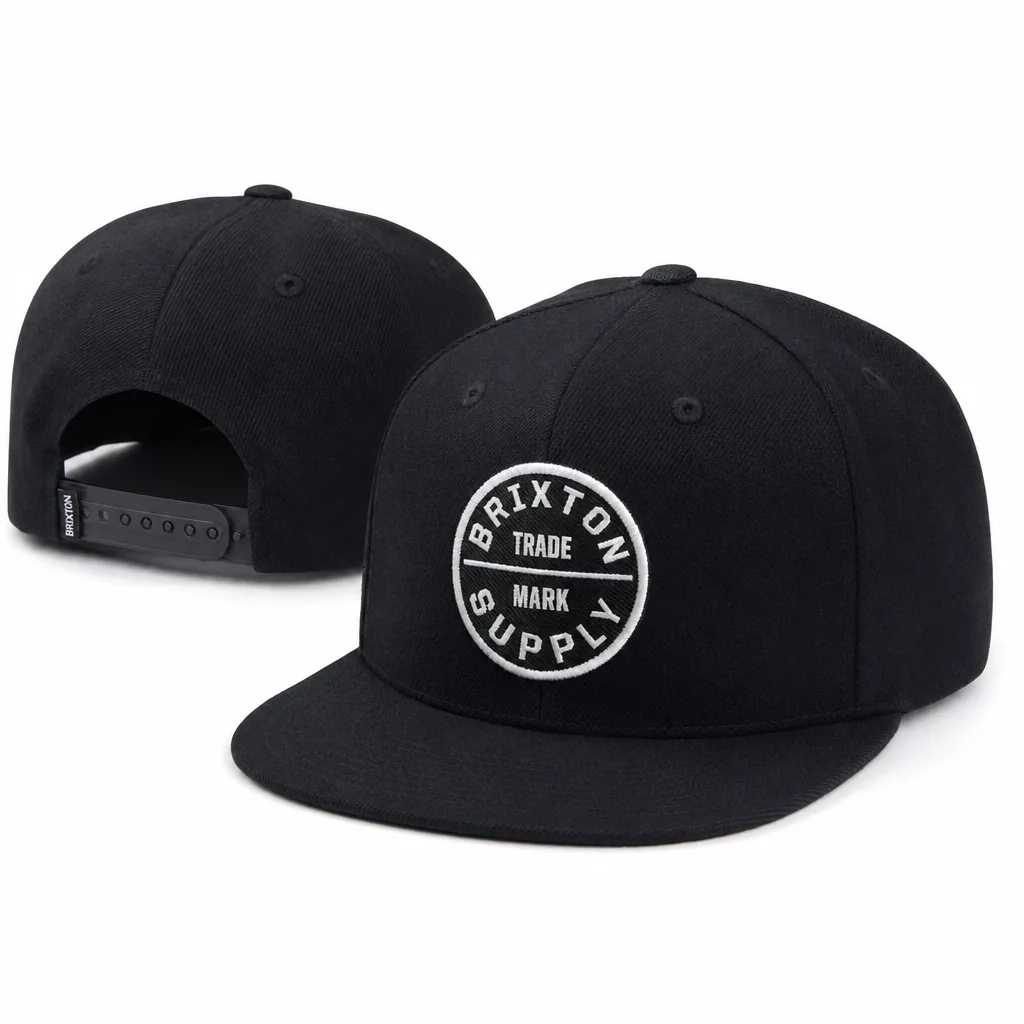
Snapback vs Fitted vs Adjustable: Cap Closure Systems Compared
Read article →Sustainable Custom Hats: Eco-Friendly Materials, Recycled Fabrics & Certifications
Read article →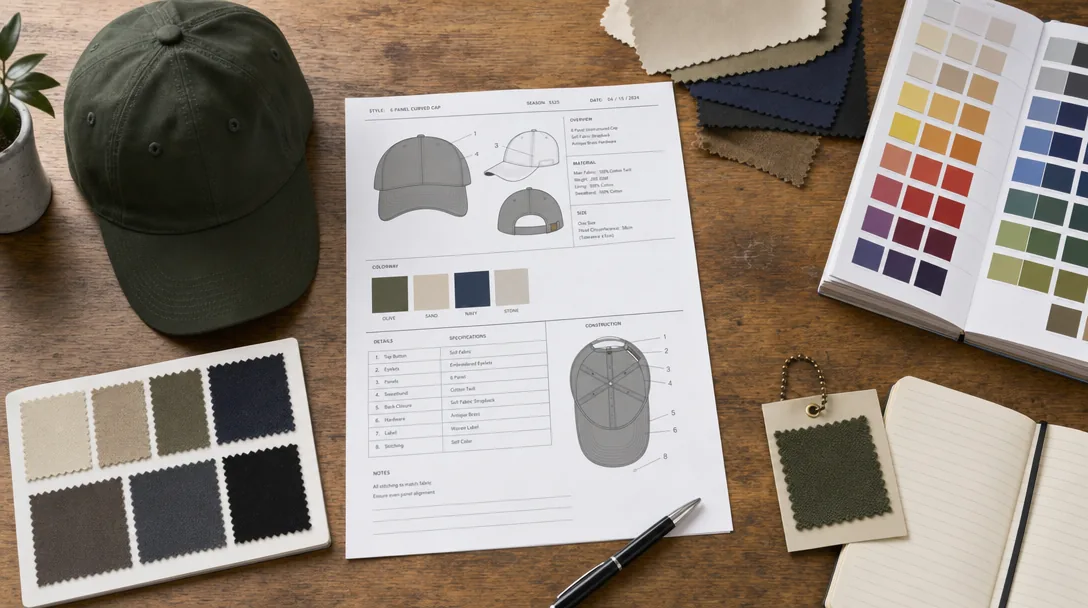
Switching Hat Manufacturers Mid-Program Without Losing Quality - Supplier Checklist
Read article →We hope this guide demystifies mens beanies: properties, costs and how to spec it right - supplier checklist and helps you move forward with confidence. If you have questions specific to your project, our English-speaking sales engineers are one message away.