
Mens Beanies: Properties, Costs and How to Spec It Right - Cost & MOQ Breakdown
Every week, our sales team answers detailed questions about mens beanies: properties, costs and how to spec it right - cost & moq breakdown. We wrote this guide so that wholesalers, streetwear brands, corporate buyers and promotional resellers can compare options with full information, and avoid the traps that show up only after production has started.
Beanies for Men
The spec that decides whether mens beanies sell through or get returned is gauge, yarn count, and post-wash size control—not the logo. If those points are loose, the knitter will default to whatever runs cleanest on the machine, and two POs can come back with noticeably different handfeel and wearable depth. Most commercial men’s beanies are produced on 7GG, 9GG, or 12GG flat knitting machines, then crown-linked, washed, steamed, and folded to final cuff height before trim attachment. A proper tech pack should lock the yarn to a real count and blend—100% acrylic 2/28Nm, recycled polyester/acrylic 50/50, or merino 26Nm/2 are common references—then specify finished weight in grams, laid-flat width, body height, cuff height, and stretch tolerance after wash. Color should be tied to Pantone TCX, with lab dips held within Delta-E 1.5 if retail shelf consistency matters. Trim specs need the same discipline. State embroidery width, stitch count, backing type, woven-label fold, patch material, pom-pom diameter, and exact placement from the cuff edge; “small logo” or “center front” is how factories improvise. Direct embroidery on knit beanies typically runs on Tajima or Barudan heads, and too-dense fills will pucker the rib and kill stretch recovery. Fit should be checked on an actual 58 cm headform, not only against a flat spec, because a beanie can pass width and height on paper yet lose 1.5 to 2.0 cm of wearable depth after steaming and wash. For cleaner store presentation, lock crown construction, linking tension, and cuff turn-back tolerance to +/-0.5 cm. That is what separates consistent mens beanies from cartons where every unit looks like it came from a different line.
MOQ on mens beanies is usually set by yarn booking, not by how many knitting hours the factory has open. A basic acrylic cuff beanie in stock yarn colors is commonly workable at 300 to 500 pieces per color per style, with Zhejiang FOB pricing around $1.10 to $2.20 depending on gauge, finished weight, embroidery stitch count, and whether the cuff carries a woven patch or direct embroidery. Move into merino or wool-blend programs and the commercial floor usually shifts closer to 500 pieces per color, while FOB typically lands around $3.80 to $7.50 because finer yarns, higher wastage, and softer finishing raise cost fast. Ask for custom-dyed melange, jacquard logos, GRS-certified recycled content, hangtags plus barcode stickers, or individual polybag retail packing, and the practical MOQ often jumps to 1,000 pieces because the spinner’s minimums start driving the order. Inspection should target the defects that trigger chargebacks: uneven crown linking, spiraling torque, dropped stitches, yarn neps, oil contamination, cuff-depth variation, and embroidery distortion. AQL 2.5 is standard for mass-market beanie orders, but licensed or premium retail programs should tighten measurement checks on washed samples and test weight retention, length shrinkage, colorfastness to perspiration, and pilling resistance. Low-twist acrylic pills faster than many buyers expect, while merino can feel premium in hand yet still come in underweight if stitch density is not controlled at the machine. At CrownsForge, our standard practice is to compare quotes only after fiber, gauge, finish, and QC protocol are aligned, because the cheapest unit price on paper is often the most expensive mistake once bulk yarn is booked.
Corduroy Cap Mens
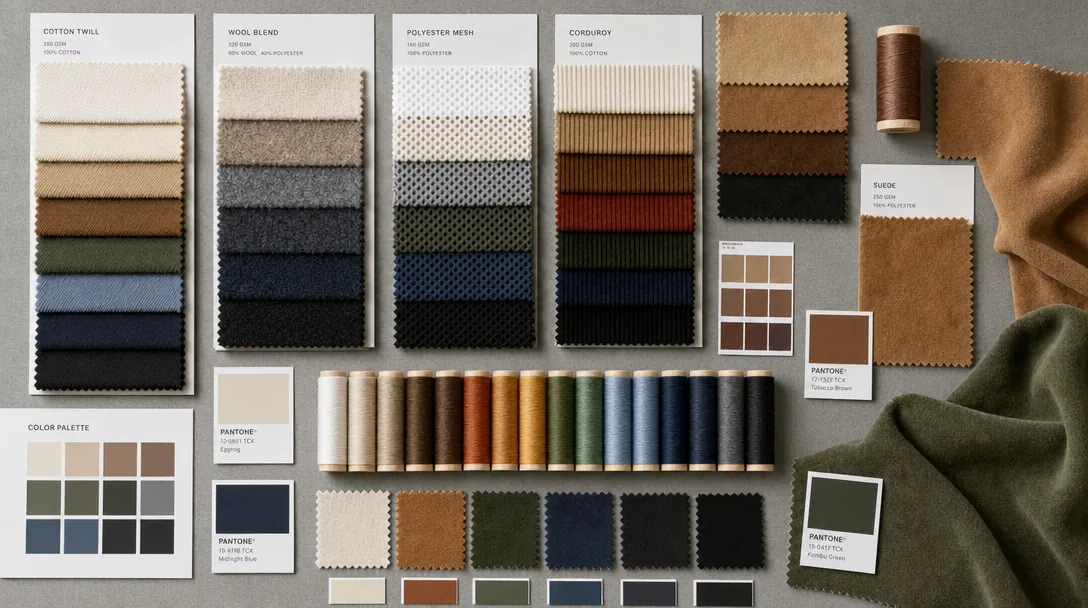
Corduroy cap development goes wrong when buyers spec it like cotton twill. Wale count directly affects sewability, embroidery clarity, and how the color reads under retail lighting. For men’s headwear, 8-wale to 11-wale cotton corduroy in the 240 to 280 gsm range is usually the safest bracket for 6-panel and unstructured dad-cap shapes; finer 14-wale can look cleaner on fashion styles but loses visual depth, while heavy 300 gsm-plus cloth can fight the crown curve and make the visor edge bulky. Lock the composition, wale count, gsm, crown height, bill length, sweatband, closure, and fusible backing before sampling. If any of those are left open, the first proto is not a test of execution, it is a moving target. Color also needs tighter control than most buyers expect: approve against Pantone TCX under D65 lighting, and keep bulk within Delta-E 1.0 to 1.5 on core shades like camel, olive, black, and navy because pile direction alone can make matching panels look off-shade.
Decoration has to be engineered around the ribs. On corduroy, satin columns below about 1.2 mm usually sink into the pile, and small counters in letters like A, R, and P close up fast after steaming. Dense 3D puff is risky on softer wale fabrics because the foam telegraphs unevenly across the channels; a woven patch, merrowed emblem, or direct appliqué often gives a cleaner result on the front panel. That matters when the same buyer is building mens beanies and caps in one seasonal line: a logo that reads well as cuff embroidery or knit jacquard on mens beanies may need a completely different treatment on corduroy to hit the same brand standard. Production is slower than standard twill caps because every crown panel, visor piece, and top button shell must be cut in the same nap direction. A realistic MOQ is 144 to 300 pieces per colorway in stock fabric, while custom-dyed corduroy typically starts around 500 pieces per shade. FOB China pricing for a 6-panel cap with cotton sweatband, metal buckle, and standard embroidery usually lands at US$3.40 to US$5.60; leather patch, contrast seam tape, or custom printed lining adds roughly US$0.30 to US$0.85.
Final inspection should focus on defects corduroy makes obvious: nap direction mismatch, seam grin, visor symmetry within 3 mm, embroidery registration across the ribs, and crocking on dark colors. AQL 2.5 is a workable final standard, but the more important control point is in-line checking after fusing, pressing, and embroidery. Too much heat or presser-foot pressure will flatten the pile permanently and leave shiny rail marks that no rework can hide. On the factory floor, a #14 ballpoint or light SES needle usually reduces yarn damage on cotton-rich corduroy, and Tajima, Barudan, or ZSK heads all sew it well if the cap frame is not over-hooped and the underlay density is reduced. I would also insist on dry-rub and light wet-rub testing for black, bottle green, and navy, even when no wash test is required. If the wider assortment includes mens beanies, standardizing care labels, carton marks, trim approvals, and test methods across both categories will save more money than squeezing another $0.10 out of one cap SKU.
100 Cotton Beanie Mens
A 100% cotton spec for mens beanies only works if you engineer around cotton’s poor recovery. Cotton does not spring back like acrylic or wool, so shape retention has to come from yarn count, stitch density, and finishing tension. For a stable cuff beanie, I’d usually call out combed ring-spun cotton in 21s/2 or 32s/2, knitted to a controlled finished weight rather than a vague “soft hand” brief: roughly 180-220 gsm for lighter transitional product and 260-320 gsm for a fuller winter hand. On flat machines such as Stoll or Shima Seiki, small changes in take-down tension can shift opening width by 1-2 cm across bulk, which is enough to turn a good fit into a loose, retail-return problem. The spec sheet should lock finished body height, cuff height, opening width, top closure, head circumference, and residual shrinkage tolerance before sampling starts. Color and wash performance are where cotton programs usually slip. Reactive dyeing is the safe route for mens beanies, followed by an enzyme wash if you want a cleaner hand and less surface fuzz. I would cap residual shrinkage at under 5% after the first home-laundry cycle and require a pre-production wash test report, especially on black, navy, olive, and garment-dyed earth tones where shade drift is common. Set the color standard to Pantone TCX and agree a Delta-E tolerance before bulk dyeing; if you skip that step, lab dip approval means very little once the dye lot scales. A decent factory should also issue a measurement sheet before bulk labeling, because it is cheaper to catch a 15-gram weight shortfall or a distorted cuff at PP stage than argue over a rejected shipment later.
Cost on 100% cotton mens beanies is driven more by yarn grade, dye route, and decoration than by the word “cotton” on the hangtag. In Zhejiang, stock-color cuff beanies with a simple woven loop label usually make commercial sense from 300-500 pieces per color, while custom-dyed shades are more realistic at 500-1,000 pieces because the dye house wants a workable lot size. FOB at 500 pieces is commonly around $1.60-$2.80 for a plain knit body in standard colors. Add jacquard branding, flat embroidery on Tajima or Barudan heads, garment wash variation control, or tighter shade matching, and the range typically moves to $3.20-$4.50. Fully fashioned construction can reduce side-seam torque and improve hand feel, but it also adds machine time and is rarely the cheapest route. Inspection is where weak cotton specs get exposed fast, so I would hold final inspection at AQL 2.5 and check recovery after stretch, spiraling, crown seam grin, dropped stitches, oil marks, and lot-to-lot shade variation. Ask what yarn grade is actually being booked; short-staple cotton is a common cost-down move and it pills early, making beanies look tired after a few wears. The QC pack should include piece weight tolerance, opening-width tolerance, crocking results, and a wash test against the approved standard. Commercially, 100% cotton works best for transitional weather, streetwear capsules, and buyers who want to avoid wool itch. If the target is stronger rebound, better warmth, and lower defect risk, a cotton-acrylic blend is usually the smarter spec.
Corduroy Bucket Hat Mens
Corduroy bucket hats go wrong for predictable reasons: the wrong wale for the price point, pile running in mixed directions, and a brim that collapses after wash testing. Commercial bulk programs usually sit at 220-320 gsm in 100% cotton corduroy, with 8W, 11W, and 14W the practical range. An 8W fabric gives the chunky streetwear look buyers want, but it also telegraphs seam grin, panel mismatch, and shading under store LEDs; 14W is cleaner, easier to embroider, and more forgiving in production. In the tech pack, lock nap direction on every crown and brim pattern piece, because one reversed panel can create a visible shade shift of more than one tone. If you specify enzyme or garment wash for a softer hand, back it with the right brim support—typically 0.45-0.60 mm nonwoven fusible or a light woven interlining—or the brim edge will torque, ripple, and fail shape retention after packing and wear. A usable spec needs more than a sketch. Call out crown height, finished brim width, topstitch density at 6-8 SPI, sweatband width at 25-30 mm, eyelet type, top button requirement, lining option, and Pantone TCX target with an acceptable Delta-E under 1.5 on approved bulk fabric. If there is side-panel embroidery, Tajima or Barudan flat heads are standard, but the digitizer should reduce fill density and increase underlay so the logo does not sink into the cord ribs. Buyers sometimes benchmark this category against mens beanies on retail price, but that is the wrong comparison operationally: a basic 1x1 acrylic knit beanie hides construction variation, while corduroy bucket hats expose every sewing defect on the shelf.
Pricing only becomes reliable after fabric, wash, and construction are frozen before sampling. A standard build is shell corduroy with cotton twill or 210T polyester lining, 150D woven size tape, and a cotton sweatband; once you add custom-dyed shell, printed lining, branded inner taping, or metal eyelets, the MOQ climbs fast. In Zhejiang, stock-fabric programs usually start at 300-500 pcs per color, while custom-dyed corduroy or branded internals typically move the real minimum to 800-1,200 pcs. FOB on a clean, unwashed hat at 500 pcs is commonly $2.10-$3.40 depending on wale, lining, and trim count. Add garment wash, embroidery, woven labels, and custom retail packaging, and the workable range is closer to $3.80-$5.20 FOB. CrownsForge standard practice is to lock a pre-production sample after wash, because wash shade and brim stiffness are where first quotes usually miss. Inspection is where this style stops leaking margin. AQL 2.5 is reasonable for final random inspection, but visual checkpoints should be tighter on nap direction, logo centering, brim symmetry, and crown twist, because those are the defects end customers spot first. Measure brim circumference and crown height against spec, check skipped stitches and needle cuts across the ribs, and mount random units on a head block to catch torque that looks minor flat-packed but obvious on head. Corduroy bruises and crushes more easily than twill, so each hat should be packed with light tissue or a support insert to prevent pile marks during ocean transit. If the same range also includes mens beanies, align hangtags, care labels, and carton counts across both categories, but do not copy the approval standard: beanies usually tolerate wider sewing variation, while washed corduroy buckets need tighter PP approval on hand feel, shade, and brim memory.
Mens Corduroy Bucket Hat
The fabric spec decides whether a men’s corduroy bucket hat feels premium or ends up looking like a soft promo piece after two wears. The safest commercial build is 11-wale 100% cotton corduroy at 260-280 gsm: the ribs read clearly, the crown keeps its shape, and the brim still sews cleanly through shell, lining, sweatband, and insert. Below 240 gsm, the brim usually goes limp after garment wash; above 300 gsm, feeding gets unstable at the side-band and brim joins, especially on multi-row topstitching. For structure, most factories use a 1.2-1.8 mm PE or EVA brim insert, with 1.2 mm giving a softer streetwear drape and 1.8 mm holding a more outdoorsy silhouette. If this style sits alongside mens beanies in the same collection, treat it as a separate cut-and-sew program, not a simple accessory extension, because nap direction, brim symmetry, and fabric-lot shading create risks you never see on a 7-gauge acrylic rib knit. Embroidery is usually where execution breaks down. Tajima and Barudan heads can run clean logos on corduroy, but only if the nap direction is controlled before cutting and hooping; otherwise one black panel can reflect lighter than the next under retail lighting. Approval samples should call out stitch count, fill density, underlay type, and maximum embroidery area, because heavy fills crush the pile and leave a stiff badge effect on what should be a soft handfeel. A usable tech pack should also lock the non-negotiables: wale count, finished gsm tolerance of ±5%, brim width, crown height, eyelet construction, sweatband material, lining spec, stitch-row count, and Pantone TCX references for shell, labels, and tape. If the hat is garment washed, require colorfastness and shrinkage targets, plus a Delta-E tolerance under 1.5 to the approved standard, especially on black, olive, and brown where lot variation shows fast across ribbed surfaces.
MOQ and costing change the moment you move off stock fabric. In Zhejiang, stock black, khaki, or olive corduroy is usually workable at 300-500 pieces per colorway, but custom-dyed corduroy often pushes the real minimum to 800-1,200 pieces because the mill wants to protect dye-lot efficiency. For a standard 11-wale bucket hat with cotton twill lining, woven label, and simple front embroidery, a realistic FOB range is US$2.20-$4.80. The low end is plain stock fabric with basic trims and bulk packing; the high end comes from custom dyeing, higher gsm shell, larger stitch counts, branded taping, barcode stickers, and size-sorted inner cartons. Once buyers ask for individual polybags, enzyme wash, or tighter shade control, the quote moves quickly. Quality control needs to be tougher than most buyers write into the PO. AQL 2.5 is standard, but the inspection points should be specific: brim topstitch spacing, brim roundness, side-seam twist, crown puckering, head opening tolerance, logo centering, needle damage across the ribs, and nap-direction consistency from panel to panel. On washed styles, check torque after finishing and compare the final handfeel against the sealed sample, because corduroy can shift visibly if panels were not laid in one direction during cutting. Our standard practice is to seal a trim card and a shade band before bulk, then inspect first-off production against those standards rather than relying on memory from the salesman sample. That is what prevents claims; the usual sample comments about “make logo slightly cleaner” rarely catch the failures that actually trigger chargebacks.
Working with CrownsForge for mens beanies programs
The biggest sourcing risk on mens beanies programs is not sewing capacity; it is getting the first sample technically right before you lock yarn, gauge, and decoration method. Our standard timeline is 3 to 5 working days for a lab-dip or yarn-color pull, 7 to 10 days for a proto sample, and about 12 to 15 days for a salesman sample if you need retail-grade trims, woven labels, and packaging mocked up together. MOQ is usually 100 pieces per colorway for a basic acrylic beanie in 1x1 rib, 200 pieces if you want custom-dyed yarn matched to a Pantone TCX, and 300 to 500 pieces for lower-yield constructions like a merino wool beanie with nylon blend for recovery. Buyers coming from cut-and-sew categories like a corduroy hat or even bucket hat women collections often underestimate how much gauge, yarn count, and wash behavior affect fit consistency; on beanies, 1 to 1.5 cm finished-height tolerance is a realistic production standard, not a defect.
Decoration capacity matters because different knit structures accept branding very differently, and the wrong choice creates puckering, grin-through, or distorted logos. We handle flat embroidery, 3D hand-feel patches, woven labels, silicone heat transfers, leatherette tabs, and direct jacquard-in logos depending on the stitch density and end use. For example, a 12-gauge acrylic beanie with folded cuff usually takes clean embroidery on Tajima or Barudan heads up to around 6,000 to 8,000 stitches before the knit starts drawing tight, while a looser fisherman rib is better with a woven patch or overlock label. If a customer is running adjacent categories like camouflage bucket hat styles, we usually align branding scale and Pantone references across the headwear program so the shelf presentation is consistent even when substrates behave differently. On cost, a basic cuffed acrylic beanie can land around $1.80 to $3.20 FOB Yiwu at 300 to 1,000 pieces, while merino blends, recycled polyester yarns, or custom jacquard artwork can push it to $3.80 to $6.50 FOB.
Compliance and order control are where first-time importers either sleep well or lose weeks. Serious factories should be able to show current sedex-audit-cap-supplier-guide.html">BSCI 2.0 or Sedex SMETA 4-Pillar audit records, needle-control logs, azo and heavy-metal test familiarity, and a working inline plus final inspection system using something like AQL 2.5. Our workflow is straightforward: tech pack review, construction sheet confirmation, artwork and label approval, sample sign-off, pre-production checklist, inline QC during knitting and linking, final measurement and carton audit, then booking under FOB, CIF, or DDP terms depending on the buyer’s routing preference. For scale-up brands, that discipline matters more than shaving $0.12 off unit price, because rework on wrong cuff depth, incorrect yarn composition, or barcode mismatch costs far more than the nominal savings. A competent supplier should also flag when your requested packaging, carton count, or fiber claim is unrealistic before PO release, especially if the mens beanies program needs to expand later into matching scarves, caps, or private-label winter accessories.
Frequently Asked Questions
How long does production take?
Sampling takes 7 to 12 days. Bulk production runs 20 to 30 days depending on quantity, fabric availability and decoration complexity. Inspection and packing adds another 3 to 5 days before shipment.
Do you support sustainability certifications?
Yes. We work with GOTS organic cotton, GRS-certified recycled polyester, OEKO-TEX Standard 100 fabrics, and are BSCI and Sedex audited. Certification documentation can be provided per order.
What file format should I send for my logo?
Vector files (AI, EPS, PDF) are ideal. High-resolution PNG or JPG at 300 dpi on transparent background works as a fallback. Provide Pantone color references for accurate reproduction.
What is the minimum order quantity (MOQ) for custom hats?
Our standard MOQ is 100 pieces per design and color, with sampling available from 1 piece. For complex multi-color logos or premium fabric upgrades, the MOQ can be lowered with a small per-piece surcharge.
Can I order a sample before bulk production?
Yes. We strongly recommend approving a pre-production sample before mass production. Samples are charged at 35 to 60 USD each plus express shipping, fully refundable against confirmed bulk orders over 500 pieces.
What should buyers know about kangol bucket hat mens?
When evaluating kangol bucket hat mens, the key considerations are construction quality, decoration capability, MOQ flexibility and lead time. Cover everything buyers ask about corduroy bucket hat mens: how it's manufactured, what specs to request from a factory, typical MOQ and pricing, common quality issues to inspect for, and how this ties back to the broader mens beanies sourcing decision. Cover everything buyers ask about mens corduroy bucket hat: how it's manufactured, what specs to request from a factory,…
What should buyers know about corduroy hat vintage?
When evaluating corduroy hat vintage, the key considerations are construction quality, decoration capability, MOQ flexibility and lead time. Cover everything buyers ask about corduroy bucket hat mens: how it's manufactured, what specs to request from a factory, typical MOQ and pricing, common quality issues to inspect for, and how this ties back to the broader mens beanies sourcing decision. Cover everything buyers ask about mens corduroy bucket hat: how it's manufactured, what specs to request from a factory,…
What should buyers know about cotton beanie women?
When evaluating cotton beanie women, the key considerations are construction quality, decoration capability, MOQ flexibility and lead time. Cover everything buyers ask about 100 cotton beanie mens: how it's manufactured, what specs to request from a factory, typical MOQ and pricing, common quality issues to inspect for, and how this ties back to the broader mens beanies sourcing decision. Cover everything buyers ask about beanies for men: how it's manufactured, what specs to request from a factory, typical MOQ…
What should buyers know about black bucket hat men?
When evaluating black bucket hat men, the key considerations are construction quality, decoration capability, MOQ flexibility and lead time. Cover everything buyers ask about corduroy bucket hat mens: how it's manufactured, what specs to request from a factory, typical MOQ and pricing, common quality issues to inspect for, and how this ties back to the broader mens beanies sourcing decision. Cover everything buyers ask about mens corduroy bucket hat: how it's manufactured, what specs to request from a factory,…
What beanies are in style now?
Right now, the most popular beanie style is the cuffed, rib-knit “fisherman” beanie (also called a watch cap). It sits higher on the head than a slouchy beanie, usually has a clean folded cuff, and looks intentional with everything from puffers to wool coats.
Looking for a reliable hat manufacturer in China?
CrownsForge has produced custom hats for 800+ brands across 40 countries. From 100-piece launches to 100,000-piece retail programs, we deliver on time and on spec.
Get in touchRelated guides
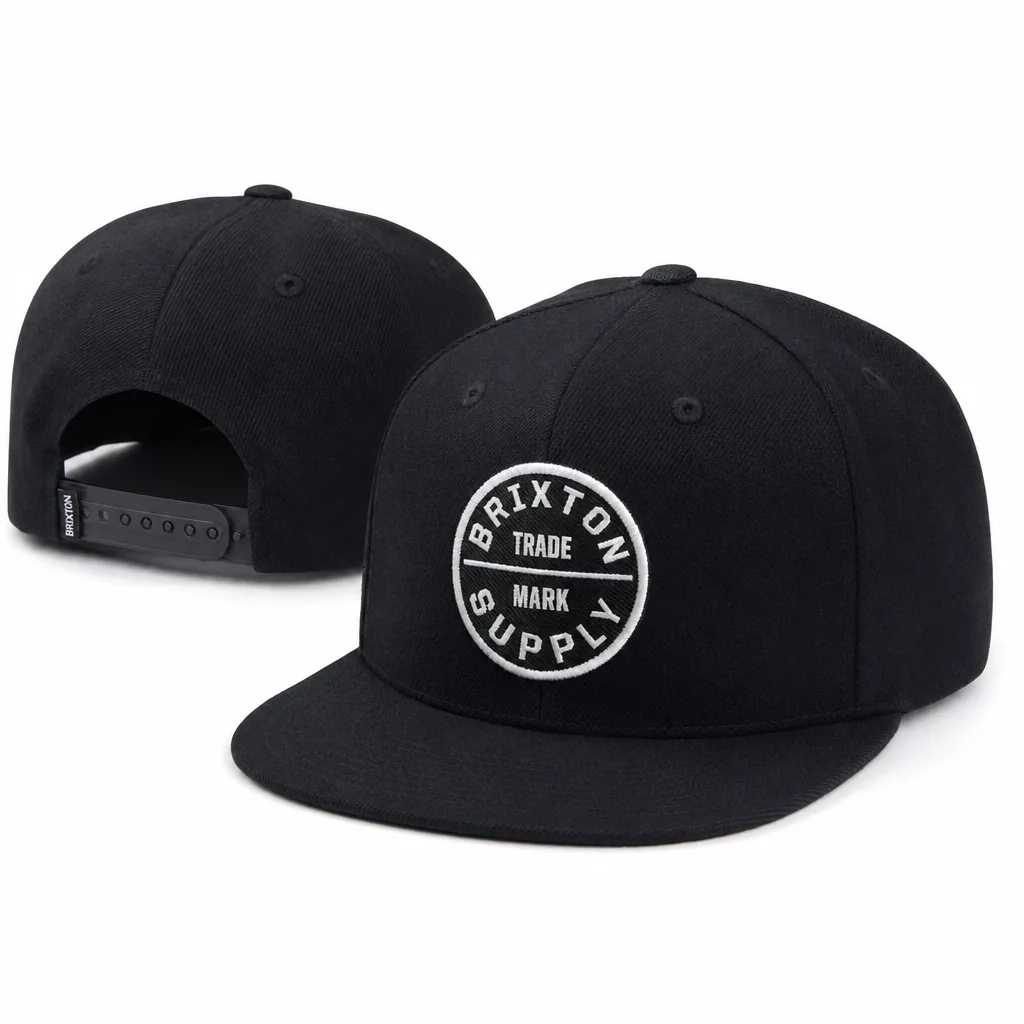
Snapback vs Fitted vs Adjustable: Cap Closure Systems Compared
Read article →Sustainable Custom Hats: Eco-Friendly Materials, Recycled Fabrics & Certifications
Read article →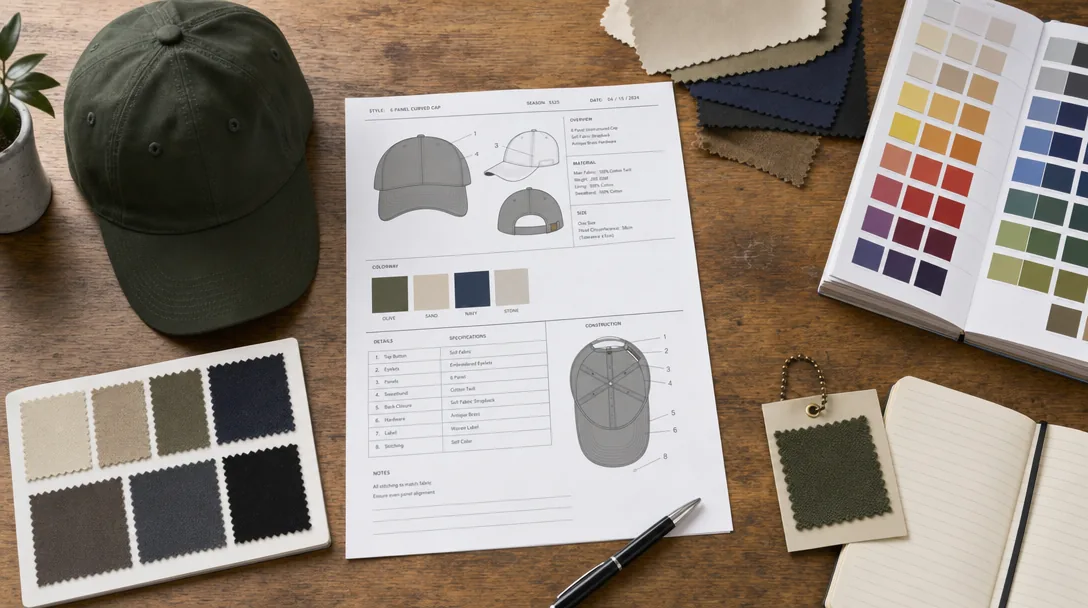
Switching Hat Manufacturers Mid-Program Without Losing Quality - Supplier Checklist
Read article →We hope this guide demystifies mens beanies: properties, costs and how to spec it right - cost & moq breakdown and helps you move forward with confidence. If you have questions specific to your project, our English-speaking sales engineers are one message away.