
Hat With Patch Export Shipping Checklist for Custom Hat Buyers
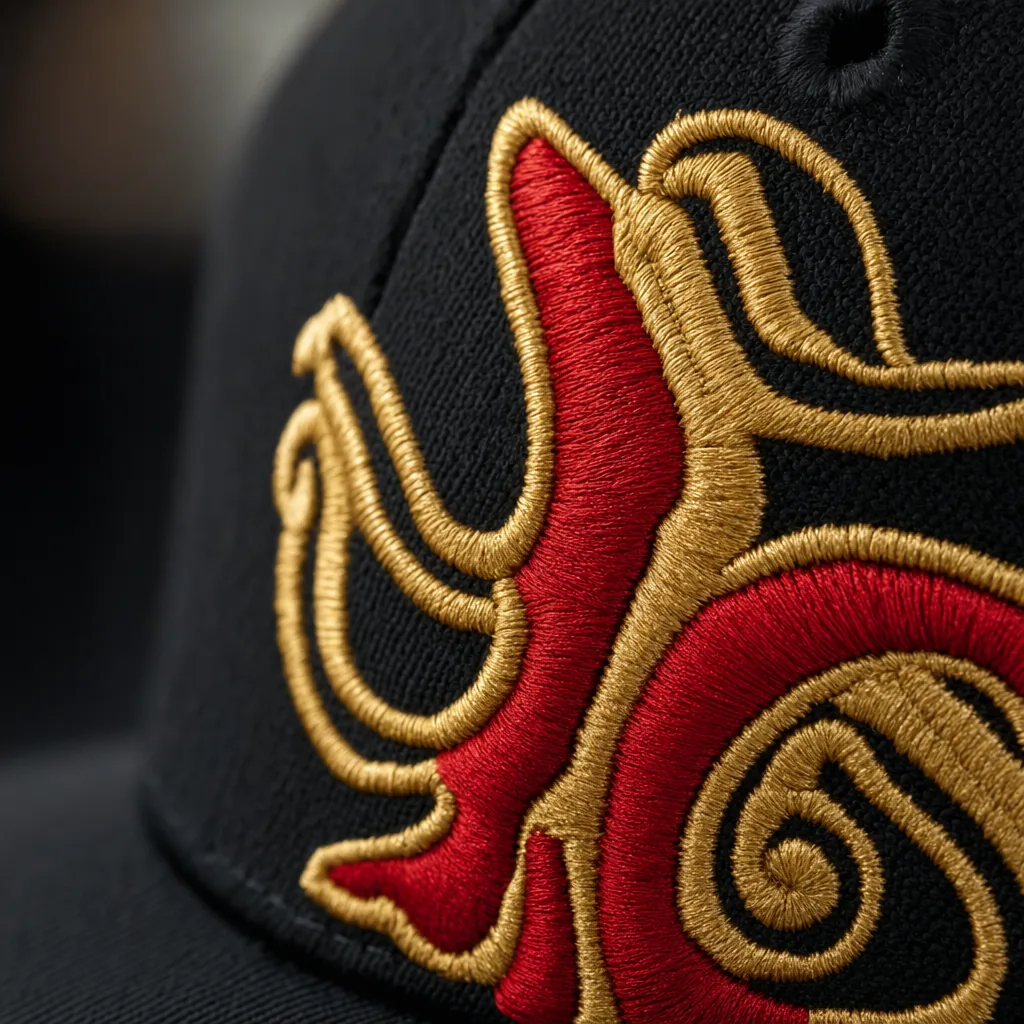
Hat With Patch Export Shipping Checklist for Custom Hat Buyers is one of the most-asked questions we receive from international buyers, and for good reason. With dozens of factories competing for your order and an alphabet soup of technical terms in every supplier quote, even experienced importers can feel lost. This guide consolidates what we have learned producing custom hats for clients in 40+ countries.
Why hat with patch export shipping checklist needs a separate sourcing plan
A hat with patch export shipping checklist needs its own sourcing plan because the risk sits at the junction of headwear production, patch making, and international packing compliance. A plain embroidered cap is usually controlled in one production flow: fabric cutting, panel embroidery on Tajima or Barudan heads, sewing, shaping, inspection, carton packing. A custom hat with patch adds a second component stream with its own artwork approval, mold or die charge, backing choice, attachment method, and color tolerance. If the patch vendor is late by three days, the sewing line may sit idle even when the crown panels are ready. For a 1,000-piece order, that delay can turn a 28-day factory schedule into 35–40 days, especially before Canton Fair, Christmas retail windows, or Chinese New Year cutoff. Buyers searching for a hat with patch export shipping checklist are usually not asking only “can you make it?” They are trying to avoid missed vessel ETD, incorrect HS code declarations, glue failures, carton crushing, and brand-compliance problems at destination.
The sourcing plan changes as soon as the custom patch for hat is not a simple woven label. PVC patches require mold fees around USD 80–180 per design and need Shore A hardness control, usually 45–60 depending on flexibility. Leather patches create different issues: genuine leather may trigger import documentation requests, while PU or microfiber avoids animal-origin questions but must pass colorfastness and abrasion checks. Chenille patches look premium but add bulk and can deform during heat pressing, so we prefer perimeter stitching for heavy yarn styles. A custom patch hat using metal rivets, rubber patches, or adhesive-backed labels also affects needle selection, seam allowance, and finished weight. On cost, the patch itself can range from USD 0.18 for a small woven patch to USD 1.20+ for detailed PVC or debossed leather at 500–1,000 pieces. Attachment labor adds another USD 0.08–0.25 depending on stitch path and placement accuracy required.
Compliance and shipping decisions should be locked before bulk cutting, not after final inspection. For EU and U.S. buyers, we normally check azo-free dye declarations, nickel-free claims for metal trims, CPSIA relevance for youth sizes, and carton marks against the commercial invoice and packing list. Our standard practice at CrownsForge is AQL 2.5 for major defects and AQL 4.0 for minor defects, with extra sampling on patch adhesion, crooked placement over 2 mm, loose edge stitching, and Pantone TCX shade drift beyond Delta-E 1.5–2.0 for brand-critical colors. FOB Ningbo or Shanghai is cheaper for experienced importers, but DDP to Amazon FBA or a 3PL needs stricter carton sizing, FNSKU labeling, polybag suffocation warnings, and sometimes drop-test packaging. A hat patch custom order that passes factory QC can still fail operationally if carton gross weight exceeds 15–18 kg, if inner polybags are not recyclable where required, or if the buyer’s licensee audit requires sedex-audit-cap-supplier-guide.html">BSCI 2.0 or Sedex SMETA 4-Pillar documentation before shipment release.
Factory capability checks before quoting
The first capability check is not price; it is whether the factory can control the patch process and the cap body as one product. For a custom hat with patch, ask what decoration is done in-house: flat embroidery, 3D puff, woven patch, chenille, PVC, leather deboss, sublimated twill, or heat-transfer badge. A factory running Tajima, Barudan, or ZSK heads should tell you stitch limit by patch size, backing type, border method, and whether merrowed edges can hold clean corners under 3 mm radius. If the patch is outsourced, require the subcontractor name, sample lead time, and color-control method. Pantone TCX or TPX references are not enough; for woven and embroidered patches, I want Delta-E targets under 1.5 for bulk-sensitive brand colors, with tolerance signed before sampling. This belongs in any serious hat with patch export shipping checklist because patch defects are hard to repair after final sewing.
Fabric and panel construction decide whether the patch sits flat or fights the crown. A 5-panel camper in 260 gsm cotton twill behaves differently from a 6-panel structured trucker using 16-count canvas front panels, 100–120 gsm buckram, and 100D polyester mesh. Before quoting, confirm the factory can build the exact crown height, visor curve, seam tape width, sweatband material, and closure style: snapback, brass buckle, nylon strap, hook-and-loop, Flexfit-style elastic, or metal slider. For a custom patch hat, the sample room should be able to make both the cap and the patch placement jig, not just stitch a badge onto a stock blank. Ask for photos of paper patterns, panel cutting dies, pressing blocks, and the finished sample on a head form. Our standard practice at CrownsForge is to check patch placement tolerance at ±2 mm horizontally and ±1.5 mm vertically before moving to pre-production sample approval.
Audit readiness and communication are factory capability issues, not office paperwork. If your buyer requires BSCI 2.0, Sedex SMETA 4-Pillar, WRAP, or Disney/FAMA-level documentation, confirm the audit scope covers the sewing floor, embroidery room, packing area, and any patch subcontractor. For custom patch hats going FOB Ningbo or Shanghai, the factory should understand carton drop tests, needle policy, broken-needle logs, metal detection for kids’ products, and AQL 2.5 final inspection with clear major/minor defect definitions. Communication checks are just as practical: the merchandiser should answer in units, not vague phrases—sample lead time 7–12 days, bulk capacity 30,000–80,000 pcs/month, carton size, gross weight, HS code, and whether DDP quotes include Section 301 duties or only ocean freight. A reliable hat with patch export shipping checklist starts before quoting, because weak factories hide risk inside cheap EXW prices.
MOQ, pricing and sample approval
MOQ should be priced in bands, not as one flat number, because patch hats have two production streams: the cap body and the patch. For a custom hat with patch, I usually treat 144 pcs as a development MOQ, 300–500 pcs as the first real production band, and 1,000+ pcs as the level where fabric cutting, patch tooling, and carton utilization start to behave efficiently. A woven patch may add a USD 45–90 setup charge, rubber PVC tooling often runs USD 120–250 per mold, and leather deboss plates are usually USD 60–150 depending on size. Embroidery directly on the patch is separate from cap embroidery; digitizing is commonly USD 30–60 per logo, and high-density stitch files above 12,000 stitches can add USD 0.20–0.45 per piece. A serious hat with patch export shipping checklist should lock these costs before sample approval, because changing patch type after PPS can reset both tooling and lead time.
PPS approval is where buyers need to be strict, not polite. The pre-production sample should confirm cap silhouette, fabric gsm, visor curve, crown height, patch position tolerance, thread colors, backing, and closure hardware before bulk cutting starts. For Pantone matching, fabric is usually checked against Pantone TCX under D65 light, while embroidery thread and woven patch yarns need physical shade cards because Pantone-to-thread conversion is never exact; I accept Delta-E under 1.5 for dyed fabric on premium orders, but trims and thread often land closer to Delta-E 2.0–3.0. Stitch density also matters: a merrowed woven custom patch for hat should keep borders clean without tunneling, while an embroidered patch on twill usually needs enough underlay to prevent edge collapse after heat pressing or sewing. Our standard practice at CrownsForge is to approve PPS with photos, measurements, and the physical signed sample sealed in a production bag.
Lead time expectations should include trims and packaging, not only sewing days. Stock fabric custom patch hats can sometimes finish in 25–35 days after PPS, but dyed cotton twill, recycled polyester, or custom 210D lining labels push production to 40–55 days. PVC patches, metal buckles, printed sweatband tape, barcode stickers, and retail polybags all have separate vendor queues; one missing buckle can hold 10 cartons on the floor. Packaging should be confirmed by carton size, pcs per inner polybag, desiccant use, hangtag placement, and Amazon FBA or retail label format if needed. For export, I recommend carton drop-tested 5-ply K=A or B=C board for premium structured caps, with carton gross weight kept under 15 kg to reduce crushing. The hat with patch export shipping checklist should also tie PPS approval to AQL 2.5 final inspection, because buyers often discover label, UPC, and patch placement mistakes only when the shipment is already booked FOB Ningbo or DDP Los Angeles.
Quality inspection and shipping risk
Quality risk on a custom hat with patch is usually not the patch itself; it is the combined tolerance stack between crown shape, patch placement, stitching tension, and packing compression. For export orders, I would set AQL 2.5 for major defects and AQL 4.0 for minor defects, with a tightened inspection if the first shipment fails. Major defects include patch off-center by more than 3 mm, loose merrow edge, skipped satin stitches, glue bleed on faux leather, cracked TPU, wrong Pantone TCX shade beyond Delta-E 1.5 to 2.0, and embroidery thread breaks visible at 60 cm. Minor defects include light thread tails under 5 mm, slight visor puckering, or carton scuffs that do not affect resale. Measurement tolerance should be written into the QC sheet: cap circumference ±0.5 cm, visor length ±0.3 cm, crown height ±0.5 cm, patch position ±2 mm for premium retail orders and ±3 mm for promotional runs. Without those numbers, the inspector is guessing, and the buyer pays for the argument later.
Colorfastness and wear testing matter more than many buyers expect, especially on washed cotton twill, pigment-dyed canvas, wool blends, and dark under-visor fabrics. A proper hat with patch export shipping checklist should require dry rub and wet rub testing to at least Grade 4 for normal retail, plus perspiration colorfastness if the cap is for golf, baseball, running, or outdoor events. For embroidered custom patch hats, inspect density and backing: too much stitch density on a 260 gsm cotton crown causes puckering, while weak tearaway backing leaves a soft patch edge after steaming. Tajima, Barudan, and ZSK heads can all make clean work, but only if the digitizing uses correct pull compensation and stitch direction for the patch material. On leatherette patches, check heat-press dwell time, usually 12 to 18 seconds depending on adhesive film, and test peel strength after 24 hours. Our standard practice at CrownsForge is to keep sealed pre-production samples, bulk shade cards, and carton photos in the shipment file before release.
Shipping risk is where a good custom patch hat order becomes expensive if paperwork is loose. Carton markings should show PO number, style code, color, size ratio if applicable, quantity, gross weight, net weight, carton dimensions, country of origin, and carton sequence such as 1/48. For Amazon FBA or chain retail, label placement and barcode grade must be checked before loading, not after arrival. FOB Ningbo or Shanghai is cleaner when the buyer controls freight and insurance; DDP is useful for smaller brands, but the quote must state duty, VAT, customs brokerage, last-mile delivery, and whether remote-area charges are excluded. For reorders, keep the tech pack, Pantone TCX references, patch mold or embroidery DST file, approved trim cards, AQL reports, packing list, commercial invoice, and final carton photos under one version-controlled folder. That documentation is the practical backbone of a hat with patch export shipping checklist, because six months later the factory may remember the style name, but the production line only trusts numbers, files, and approved samples.
Buyer checklist for the next RFQ
The fastest way to get a firm quote is to send a complete tech pack, not a mood board. For any custom hat with patch RFQ, include cap style first: 5-panel, 6-panel structured, dad cap, trucker, camper, bucket, or beanie; then specify crown height, brim type, closure, size range, and estimated order quantity by color. Fabric needs a real reference, such as 100% cotton twill at 260 gsm, washed canvas, 1680D nylon, polyester mesh at 110 gsm, wool blend, or recycled RPET. Color should be Pantone TCX or TPX, not “forest green from the photo,” because a Delta-E tolerance under 1.5 is realistic only when the target is measurable. Your hat with patch export shipping checklist should also state the shipping term you want quoted: EXW, FOB Ningbo/Shanghai, CIF, DDP air, or DDP sea.
Patch details decide both price and production risk, so treat the patch as a separate component in the RFQ. Send the patch artwork as AI, EPS, PDF, or high-resolution PSD, plus a JPG preview with dimensions marked in millimeters. State whether the custom patch for hat is woven, embroidered, chenille, PVC, leather debossed, sublimated, TPU, silicone, or rubberized twill, and confirm the attachment method: satin stitch border, merrowed edge, heat press, Velcro hook backing, or rivet. For a custom patch hat, the difference between a 60 mm woven patch and an 85 mm 3D silicone patch can be $0.35 to $1.80 per unit before duty and freight. If you have a physical reference, send front, side, back, inside seam tape, sweatband, closure, and patch close-up photos under daylight, not yellow showroom lighting.
Before asking for a locked price, include compliance, packing, and inspection requirements because they change the factory route. Tell the supplier if the order needs BSCI 2.0, Sedex SMETA 4-Pillar, Disney FAMA, GRS, OEKO-TEX, Prop 65 labeling, CPSIA tracking labels, or team-license documentation. Packing specs should cover polybag type, carton marks, hangtags, barcode stickers, silica gel, carton size limits, and whether Amazon FBA prep is required. Our standard practice at CrownsForge is to quote custom patch hats with AQL 2.5 major / 4.0 minor inspection assumptions unless the buyer states stricter limits. A clean hat with patch export shipping checklist also names the destination port or postal code, target delivery date, sample deadline, preferred incoterm, and whether duties/taxes should be included. Without those details, any “firm quote” is usually just a guess with a freight surcharge waiting behind it.
Working with CrownsForge
CrownsForge manages a hat with patch export shipping checklist as a production control file, not as a last-minute shipping form. For a custom hat with patch order, we lock the cap construction first: 5-panel or 6-panel pattern, crown height, brim curve, sweatband type, closure, fabric gsm, and color standard by Pantone TCX or lab dip. Patch sampling runs in parallel. Woven patches are checked for thread density and edge cleanliness; embroidered patches are run on Tajima or Barudan heads to confirm stitch count, pull compensation, and border registration; PVC patches are checked for mold detail, color fill, and surface bubbles. For leatherette or genuine leather patches, we test deboss depth, heat reaction, and whether the edge darkens after sewing. A buyer should expect 7–10 days for a proper pre-production sample when the patch is new, and 3–5 days if the patch mold or embroidery file already exists.
Decoration control is where many custom patch hats fail, especially when the patch is centered by eye instead of by fixture. For front-panel placement, our standard tolerance is usually plus or minus 2 mm horizontally and 1.5 degrees on rotation; anything looser shows up badly on structured caps. A custom patch for hat programs also needs attachment method confirmed before bulk: satin stitch border, running stitch, heat press, Velcro, or rivet reinforcement. Heat-applied patches need peel testing after 24 hours, not immediately after pressing, because adhesive can look fine while still failing after cooling and flexing. For embroidered emblems, we verify thread against the approved swatch under D65 lighting and keep Delta-E within a practical commercial range, usually under 1.5 for solid brand colors. If the order includes licensed team or streetwear artwork, we separate approval samples, production samples, and shipment retention samples so disputes can be traced to the exact batch.
QC and export coordination should start before cartons are sealed. For a hat with patch export shipping checklist, we inspect incoming fabric, patch lots, in-line sewing, final decoration, packing ratio, carton markings, and export documents under AQL 2.5 for major defects and AQL 4.0 for minor defects unless the buyer specifies tighter limits. Common rejection points include crooked patches, loose border threads, oil marks on buckram, crushed brims, wrong hangtags, and mixed size/color cartons. Final packing normally uses 25 or 50 pieces per inner carton depending on cap structure, with desiccants added for sea freight during humid months out of Ningbo or Shanghai. Export files should match exactly: commercial invoice, packing list, HS code, COO if required, FCR or bill of lading, and carton dimensions for FOB, CIF, DDP, or Amazon FBA routing. For compliance-sensitive buyers, BSCI 2.0 or Sedex SMETA 4-Pillar records should be confirmed before PO placement, not requested after production finishes.
Frequently Asked Questions
How long does production take?
Sampling takes 7 to 12 days. Bulk production runs 20 to 30 days depending on quantity, fabric availability and decoration complexity. Inspection and packing adds another 3 to 5 days before shipment.
Can I order a sample before bulk production?
Yes. We strongly recommend approving a pre-production sample before mass production. Samples are charged at 35 to 60 USD each plus express shipping, fully refundable against confirmed bulk orders over 500 pieces.
What file format should I send for my logo?
Vector files (AI, EPS, PDF) are ideal. High-resolution PNG or JPG at 300 dpi on transparent background works as a fallback. Provide Pantone color references for accurate reproduction.
Do you support sustainability certifications?
Yes. We work with GOTS organic cotton, GRS-certified recycled polyester, OEKO-TEX Standard 100 fabrics, and are BSCI and Sedex audited. Certification documentation can be provided per order.
What logo decoration techniques do you offer?
3D puff embroidery, flat embroidery, woven patch, leather patch, PVC patch, screen printing, sublimation, applique and laser etching, all in-house with no subcontracting.
How does ordering custom hat patch work?
When evaluating custom hat patch, the key considerations are construction quality, decoration capability, MOQ flexibility and lead time. Explain the buyer intent behind hat with patch export shipping checklist, when it differs from generic hat sourcing, and what decisions affect cost, lead time and compliance. Describe how CrownsForge manages hat with patch export shipping checklist programs with sampling, decoration, QC and export coordination.
How does ordering custom leather patch hats work?
When evaluating custom leather patch hats, the key considerations are construction quality, decoration capability, MOQ flexibility and lead time. Explain the buyer intent behind hat with patch export shipping checklist, when it differs from generic hat sourcing, and what decisions affect cost, lead time and compliance. Cover embroidery, patch, fabric, panel construction, closure options, sample room capability, audit readiness and communication checks.
What's the MOQ for custom leather patch hat low minimum?
When evaluating custom leather patch hat low minimum, the key considerations are construction quality, decoration capability, MOQ flexibility and lead time. Explain the buyer intent behind hat with patch export shipping checklist, when it differs from generic hat sourcing, and what decisions affect cost, lead time and compliance. Describe how CrownsForge manages hat with patch export shipping checklist programs with sampling, decoration, QC and export coordination.
How does ordering custom trucker hat patches work?
When evaluating custom trucker hat patches, the key considerations are construction quality, decoration capability, MOQ flexibility and lead time. Explain the buyer intent behind hat with patch export shipping checklist, when it differs from generic hat sourcing, and what decisions affect cost, lead time and compliance. Describe how CrownsForge manages hat with patch export shipping checklist programs with sampling, decoration, QC and export coordination.
Looking for a reliable hat manufacturer in China?
CrownsForge has produced custom hats for 800+ brands across 40 countries. From 100-piece launches to 100,000-piece retail programs, we deliver on time and on spec.
Get in touchRelated guides
Custom Rope Hat Wholesale Bulk: A 2026 B2B Sourcing Guide
Read article →
Custom Cap Material Trim Card: What Buyers Should Request
Read article →
Festival Bucket Hats Decoration QC Checklist for Custom Hat Buyers
Read article →Sourcing custom hats does not have to be complicated. With the right manufacturing partner, clear specifications and a small upfront investment in sampling, you can launch a retail-quality product in 30 to 45 days.