
Foam Front Trucker Hat Custom: A 2026 B2B Sourcing Guide
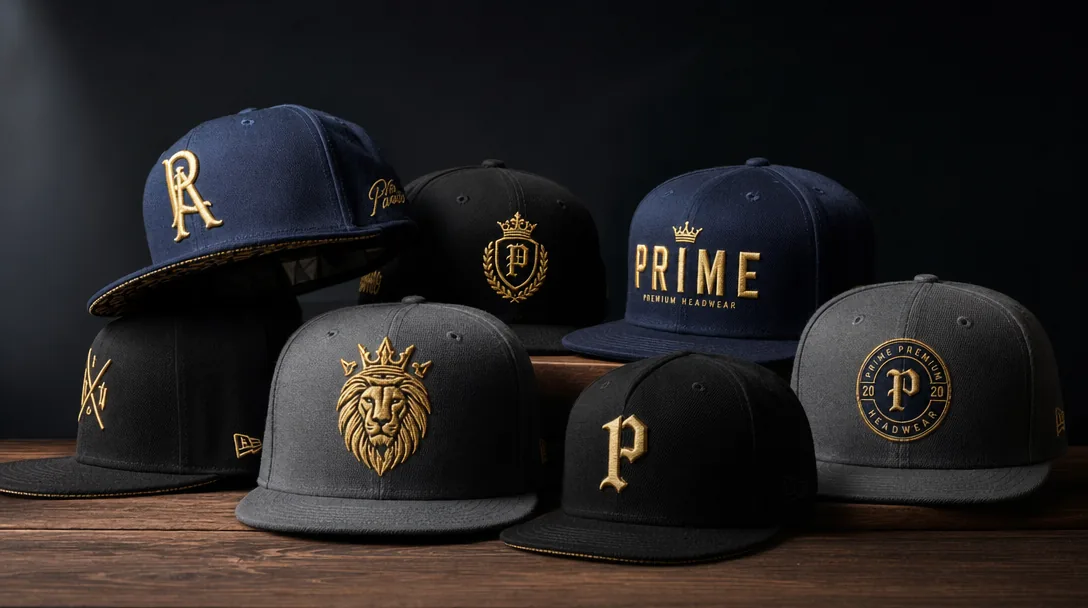
For brand owners, wholesalers and procurement teams entering the custom headwear category, foam front trucker hat custom: a 2026 b2b sourcing guide is one of the highest-leverage decisions you will make. Get it right and your unit economics, retail story and reorder cycle all improve. Get it wrong and you carry the cost for years.
Unstructured Dad Hat Wholesale
An unstructured dad hat starts with the crown, and that is where most buyers misread the product. There is no full buckram or hard front panel like a foam front trucker hat custom order; instead you are usually looking at 100 percent cotton twill, washed cotton, or brushed chino with 6-panel construction, soft self-fabric lining, and a low-profile fit that collapses naturally on the head. If you want a factory to quote correctly, specify panel fabric in gsm, crown height in centimeters, brim length, closure type, and whether the visor has 6 or 8 rows of stitching. For embroidery, ask for stitch count, backing type, and thread standard; on a hat this soft, poor digitizing will pucker the front immediately. For buyers comparing adjacent programs like 5 panel camp cap wholesale or unstructured 5 panel hat bulk, the key difference is silhouette control: the dad hat is easier to wear, but much less forgiving if you need a sharp logo shape or a structured brand look.
Typical wholesale MOQ is 300 to 500 pieces per colorway for a standard unstructured dad hat, with first-run sampling at 1 to 2 weeks and bulk lead time around 25 to 35 days once materials are locked. In China, factory pricing usually lands around $2.10 to $3.80 FOB for basic cotton twill with flat embroidery, and $0.40 to $0.90 more if you add garment wash, metal buckle, or heavy wash distressing. Buyers asking for blank flat bill snapback wholesale pricing often underestimate how much the closure and sweatband affect cost; a self-fabric strap with antique brass buckle is not priced like a plastic snapback. For quality control, inspect crown symmetry, seam bite at the front seam, sweatband attachment, color consistency against Pantone TCX, and embroidery registration under tension. The most common defects are twisted brims, uneven topstitching, and inconsistent wash shrinkage, which show up fast when you pack a mixed run or rush production.
The reason this matters to a broader foam front trucker hat custom program is that buyers often split their assortment by perceived style, but the factory process is really about structure, decoration, and panel behavior. A soft dad hat, a reversible bucket hat manufacturer program, and a 7 panel baseball cap custom order all demand different cutting, sewing, and QC tolerances, even when the artwork is identical. If you are building a range for retail or promo, I usually tell buyers to lock the hero silhouette first: use the foam front trucker for high-impact logos and a dad hat for everyday wear, then keep the spec sheet strict so the factory does not substitute fabric weight or change the sweatband. Our standard practice is AQL 2.5 final inspection with shade band checks, measurement checks, and seam tests, because a low-profile cap can look acceptable in photos and still fail on head shape or logo placement in real life.
Custom Fitted Cap No Minimum
A true custom fitted cap no minimum request is usually not “no minimum” in the factory sense; it is a sampling or mixed-SKU tolerance built into a production run. On the floor, the cap still has to pass through the same steps: crown cutting, buckram or self-fabric reinforcement, visor stitching, sweatband insertion, and size control by block or stretch spec. If you want a factory to entertain a 50- or 100-piece start, ask for exact head circumference in centimeters, size tolerance within ±0.5 cm, crown height, brim curve, and whether the fit is structured or low-profile. For a foam front trucker hat custom order, the front panel spec matters even more because foam thickness, lamination glue, and mesh tension change how the cap sits on the head and how the front panel accepts embroidery or heat transfer. Buyers comparing this against a 5 panel camp cap wholesale order or a blank flat bill snapback wholesale program should treat fit consistency as the main cost driver, not decoration.
The realistic MOQ for a fitted cap with low minimums is usually 100–300 pieces per colorway if the factory is using existing block patterns and standard fabrics; true fully custom blocks often jump to 500 pieces or more. Pricing depends on fabric weight, size set complexity, and decoration. For basic brushed cotton or polyester twill, ex-factory pricing is often around $2.80–$4.50 for simple construction, while foam-front or structured builds with molded visor boards and multi-needle embroidery can land closer to $4.80–$7.20. If you need a special size run, expect an extra $0.20–$0.60 per piece for grading and sampling waste. Our standard practice is to quote separately for pattern development, because a 7 panel baseball cap custom shape, an unstructured 5 panel hat bulk spec, and a reversible bucket hat manufacturer setup all use different tooling and labor assumptions even when the decoration looks similar on paper.
The quality issues that show up fastest are fit drift, seam puckering, sweatband twisting, and visor asymmetry. I would inspect circumference at three points, crown symmetry on a cap form, stitch density around the visor at 8–10 stitches per inch, and color consistency against Pantone TCX if you are matching a team or retail program. For foam-front styles, watch for foam delamination at heat zones, crushed front panels in carton packing, and embroidery sink where the needle perforates too aggressively. Ask the factory for in-line AQL 2.5 inspection, then confirm sample approval on at least one size from each block if you are running mixed sizes. Buyers who start with a foam front trucker hat custom order often discover that low-MOQ fitted programs are only worth doing if the factory can keep block consistency and carton compression under control; otherwise, you are better off shifting into a standard trucker or panel cap platform where size risk is lower and repeat orders are easier to hold within tolerance.
Unstructured 5 Panel Hat Bulk
An unstructured 5 panel hat bulk order is built very differently from a foam front trucker hat custom run, even when the buyer thinks both are “casual promo caps.” The 5-panel version usually uses a softer front without buckram, so the crown depends on the fabric weight, seam construction, and sweatband stiffness to hold shape. A factory should specify panel fabric in the 220–280 gsm range for cotton twill or washed canvas, 6-row visor stitching, self-fabric or polyester sweatband, and a secure plastic snap or nylon strap depending on the target price. For embroidery, ask for the digitized sew file, stitch count, backing type, and whether the front panel can tolerate high-density logos without puckering. If you need a 5 panel camp cap wholesale program, the same factory can usually quote variations like rope trim, contrast eyelets, or a low-profile soft crown, but the pattern block matters more than decoration.
The numbers are straightforward if you ask for the right spec sheet. For unstructured 5 panel hat bulk, normal MOQ is 300–500 pcs per colorway for a direct factory order, with sample charges around $30–80 depending on embroidery or printed artwork. FOB China pricing for a plain cotton twill cap often lands around $1.85–$3.20, while a more complex blank flat bill snapback wholesale build with heavier panels, custom labels, and tighter stitching can move to $3.40–$5.50. If the order needs special packing, woven neck labels, or mixed sizes, expect a surcharge. Buyers comparing this against a reversible bucket hat manufacturer or a 7 panel baseball cap custom program should look beyond unit price and check pattern efficiency, because unstructured caps waste less material but expose more sewing variation. A factory with Tajima or Barudan heads, calibrated tension, and trained QC can keep the front panel flat enough for clean decoration without overbuilding the crown.
The common defects are not subtle: crooked center seams, weak top button attachment, uneven visor curve, twisted sweatbands, and embroidery that distorts the front panel after steaming or pressing. For inspection, I would ask for AQL 2.5 on major defects and sample checks for panel symmetry, brim sandwich alignment, and stitch SPI consistency, especially around the front seam where logos often sit. Color control is another problem buyers underestimate; if you are matching brand colors, require Pantone TCX references and a measured Delta-E target, ideally under 2.0 for repeat orders. This is where the sourcing decision ties back to a foam front trucker hat custom project: foam fronts hide some shaping flaws because the foam gives structure, while unstructured caps expose every sewing mistake. If a supplier can consistently pass unstructured caps, they usually handle foam front trucker hat custom work better too, because they already control seam accuracy, fabric shrinkage, and decoration placement across softer constructions.
Reversible Bucket Hat Manufacturer
A reversible bucket hat is built like two hats married at the crown, so the factory process matters more than on a simple 5 panel camp cap wholesale order. The outer shell and inner shell are usually cut from the same pattern set, then stitched around the crown and brim edge with a clean turning gap or binding finish, depending on whether the buyer wants a fully enclosed seam or a visible topstitch. For cotton twill, 100% polyester, nylon taslan, or ripstop, I ask for fabric weight in gsm, shrinkage after wash, and color match against Pantone TCX or a lab dip standard. If the hat is supposed to be packable, specify brim insert type, stitch density, and whether the brim uses EVA, plastic sheet, or no insert at all. CrownsForge’s standard practice is to confirm the reversible construction sample before bulk, because a hat that looks fine in photos can twist at the seam after three wash cycles.
For MOQ, most factories will quote 300–500 pieces per colorway for a reversible bucket hat manufacturer order, but real pricing depends on fabric complexity, lining, and decoration. In China, a basic cotton/poly reversible bucket with woven label and 1-color embroidery usually lands around $2.10–$3.40 FOB at 1,000 pieces; UV-treated nylon or all-over print can push that to $3.60–$5.20 FOB. If you want structured branding closer to a blank flat bill snapback wholesale look, you need to specify front-panel reinforcement, thread count, and whether the hat must hold a clean shape when reversed, which adds labor. Buyers comparing a foam front trucker hat custom program to a reversible bucket often miss that the trucker’s foam front hides more tolerance, while the bucket exposes seam variation immediately, so the QC standard needs to be tighter on symmetry and edge finishing.
The common defects are ugly but predictable: uneven brim width, skipped stitches at the turning point, seam bulk at the crown, color bleeding from the print layer, and one side of the reversible hat sitting taller than the other after pressing. I check seam allowance at 6–8 mm, edge topstitch consistency, and AQL 2.5 on critical defects like open seams, twisted crowns, and mislabeled size tags. If the order includes special shapes such as an unstructured 5 panel hat bulk profile or a 7 panel baseball cap custom crown, the same lesson applies: the more panel breaks and style changes you introduce, the more important it is to lock the spec sheet before sampling. Buyers usually think in terms of style, but factory reality is pattern engineering, not decoration; that is why a reversible bucket can be a smarter test order before scaling into a foam front trucker hat custom line or a mixed headwear program with seasonal SKUs.
7 Panel Baseball Cap Custom
A 7 panel baseball cap custom order is usually built around a more structured crown than a standard 5 panel, with the extra side panels giving a cleaner dome and a better front surface for embroidery or patch work. Factory-side, the big decisions are panel fabric, buckram or foam reinforcement, visor board, sweatband, and closure. For a production buyer, the spec sheet should state crown height, panel count, front structure, panel seam type, stitching density, visor curvature, and exact decoration method, because a 7 panel baseball cap custom program can drift fast if the factory improvises. If you are comparing it with a foam front trucker hat custom project, ask whether the front panel is laminated foam or a stitched-on sandwich construction, because that changes both hand feel and stitch stability. Good factories will quote by construction detail, not just by cap style.
Typical wholesale MOQ for a 7 panel run is 300 to 500 pieces per colorway if you want a real custom build, though some mills and cap shops will accept 100 to 200 pieces at a higher unit price. In China, a basic blank flat bill snapback wholesale base might land around USD 2.20 to 3.20 FOB depending on fabric and closure, while a 7 panel with custom woven label, PU patch, and printed taping usually moves into the USD 3.20 to 5.80 range; embroidery density, special wash, and contrast stitching can push it higher. If you are also sourcing an unstructured 5 panel hat bulk or a 5 panel camp cap wholesale program, use those quotes as a benchmark because the labor split is different: unstructured styles save on buckram but can lose shape control, while 7 panel builds spend more on panel alignment and topstitch accuracy.
The quality problems I inspect first are crown symmetry, visor alignment, puckering around the front seams, and inconsistent panel grain, because those defects show up immediately on a structured crown. On embroidered orders, check that stitch tension does not tunnel the fabric and that the logo is centered within 2 to 3 mm; on patch orders, verify the adhesive or sew-on edge is clean with no lift after steam testing. Ask for AQL 2.5 inspection on finished goods, plus pre-production samples and a top-of-production inline check, because a cap can pass a visual glance and still fail when the sweatband twists or the snap closure is off-center. For broader assortment planning, many buyers source 7 panel caps alongside a reversible bucket hat manufacturer program to balance SKU risk, but the construction logic is different: buckets hide more variation, while structured caps expose every factory shortcut. That matters when you are deciding whether to stay with a foam front trucker hat custom line or expand into other headwear classes.
Working with CrownsForge for foam front trucker hat custom programs
For foam front trucker hat custom programs, the main risk is not the hat body — it is the sample cycle and decoration accuracy. Our standard practice is 3 to 5 working days for a first proto once the artwork is approved, and 7 to 10 days if you need PMS-to-Pantone TCX matching on multiple components, such as foam front, mesh, undervisor, and snap closure. We run Tajima and Barudan embroidery heads in-house, plus heat-transfer, woven label, silicone patch, and high-density print, so buyers do not have to split orders across multiple vendors just to compare finishes. On a first order, I would rather see a 48-piece test run with a realistic spec sheet than a 5,000-piece guess; it is the fastest way to catch crown depth issues, bill curvature, and logo scaling before the bulk order is locked.
MOQ flexibility matters because most first-time buyers are not actually buying one style; they are building a range. A founder may want a foam front trucker hat custom run alongside a 5 panel camp cap wholesale program, or add a blank flat bill snapback wholesale style for the same retail drop. We can keep entry quantities low by mixing colorways, decorations, or even related silhouettes like unstructured 5 panel hat bulk, reversible bucket hat manufacturer pieces, and a 7 panel baseball cap custom order under one production window. That approach reduces the cash tied up in dies, screens, and setup labor. In real terms, a small mixed order can often save 12 to 18 percent versus separate small POs, mainly because one QC and packing workflow covers multiple SKUs.
Compliance and order control are where sourcing gets de-risked properly. CrownsForge works to sedex-audit-cap-supplier-guide.html">BSCI 2.0 and Sedex SMETA 4-Pillar audit expectations, and for retail buyers we keep the paper trail clean: approved swatches, signed gold sample, trim card, carton marks, and packing list tied to each PO. Our factory checks fabric basis weight, mesh denier, foam thickness, stitch density, and closure pull strength before bulk cutting, then we inspect to AQL 2.5 on appearance and workmanship. For international buyers, we also organize FOB or DDP shipping with carton dim weights, HS code support, and export photos at palletization, so there is less ambiguity when the shipment lands. That workflow is what makes a foam front trucker hat custom order predictable instead of a guessing game.
Frequently Asked Questions
Can I order a sample before bulk production?
Yes. We strongly recommend approving a pre-production sample before mass production. Samples are charged at 35 to 60 USD each plus express shipping, fully refundable against confirmed bulk orders over 500 pieces.
What file format should I send for my logo?
Vector files (AI, EPS, PDF) are ideal. High-resolution PNG or JPG at 300 dpi on transparent background works as a fallback. Provide Pantone color references for accurate reproduction.
What logo decoration techniques do you offer?
3D puff embroidery, flat embroidery, woven patch, leather patch, PVC patch, screen printing, sublimation, applique and laser etching, all in-house with no subcontracting.
How long does production take?
Sampling takes 7 to 12 days. Bulk production runs 20 to 30 days depending on quantity, fabric availability and decoration complexity. Inspection and packing adds another 3 to 5 days before shipment.
Do you support sustainability certifications?
Yes. We work with GOTS organic cotton, GRS-certified recycled polyester, OEKO-TEX Standard 100 fabrics, and are BSCI and Sedex audited. Certification documentation can be provided per order.
What should I know about blank trucker cap wholesale bulk?
When evaluating blank trucker cap wholesale bulk, the key considerations are construction quality, decoration capability, MOQ flexibility and lead time. Cover everything buyers ask about unstructured dad hat wholesale: how it's manufactured, what specs to request from a factory, typical MOQ and pricing, common quality issues to inspect for, and how this ties back to the broader foam front trucker hat custom sourcing decision. Cover everything buyers ask about custom fitted cap no minimum: how it's manufactured, what specs…
What should I know about custom rope hat wholesale bulk?
When evaluating custom rope hat wholesale bulk, the key considerations are construction quality, decoration capability, MOQ flexibility and lead time. Cover everything buyers ask about unstructured dad hat wholesale: how it's manufactured, what specs to request from a factory, typical MOQ and pricing, common quality issues to inspect for, and how this ties back to the broader foam front trucker hat custom sourcing decision. Cover everything buyers ask about unstructured 5 panel hat bulk: how it's manufactured, what specs…
What should I know about custom flat brim snapback bulk?
When evaluating custom flat brim snapback bulk, the key considerations are construction quality, decoration capability, MOQ flexibility and lead time. Cover everything buyers ask about unstructured 5 panel hat bulk: how it's manufactured, what specs to request from a factory, typical MOQ and pricing, common quality issues to inspect for, and how this ties back to the broader foam front trucker hat custom sourcing decision. Cover everything buyers ask about unstructured dad hat wholesale: how it's manufactured, what specs…
How does ordering custom foam trucker hat work?
When evaluating custom foam trucker hat, the key considerations are construction quality, decoration capability, MOQ flexibility and lead time. Cover everything buyers ask about unstructured dad hat wholesale: how it's manufactured, what specs to request from a factory, typical MOQ and pricing, common quality issues to inspect for, and how this ties back to the broader foam front trucker hat custom sourcing decision. Cover everything buyers ask about custom fitted cap no minimum: how it's manufactured, what specs…
Looking for a reliable hat manufacturer in China?
CrownsForge has produced custom hats for 800+ brands across 40 countries. From 100-piece launches to 100,000-piece retail programs, we deliver on time and on spec.
Get in touchRelated guides
Custom Rope Hats: Manufacturing, Materials and Bulk Pricing
Read article →
Wool Blend Caps: Manufacturing, Sourcing and Buyer Specifications
Read article →Performance Mesh Running Cap Custom: A 2026 B2B Sourcing Guide
Read article →Sourcing custom hats does not have to be complicated. With the right manufacturing partner, clear specifications and a small upfront investment in sampling, you can launch a retail-quality product in 30 to 45 days.