
Fitted Hats 59fifty: A Vertical-Specific Sourcing Guide
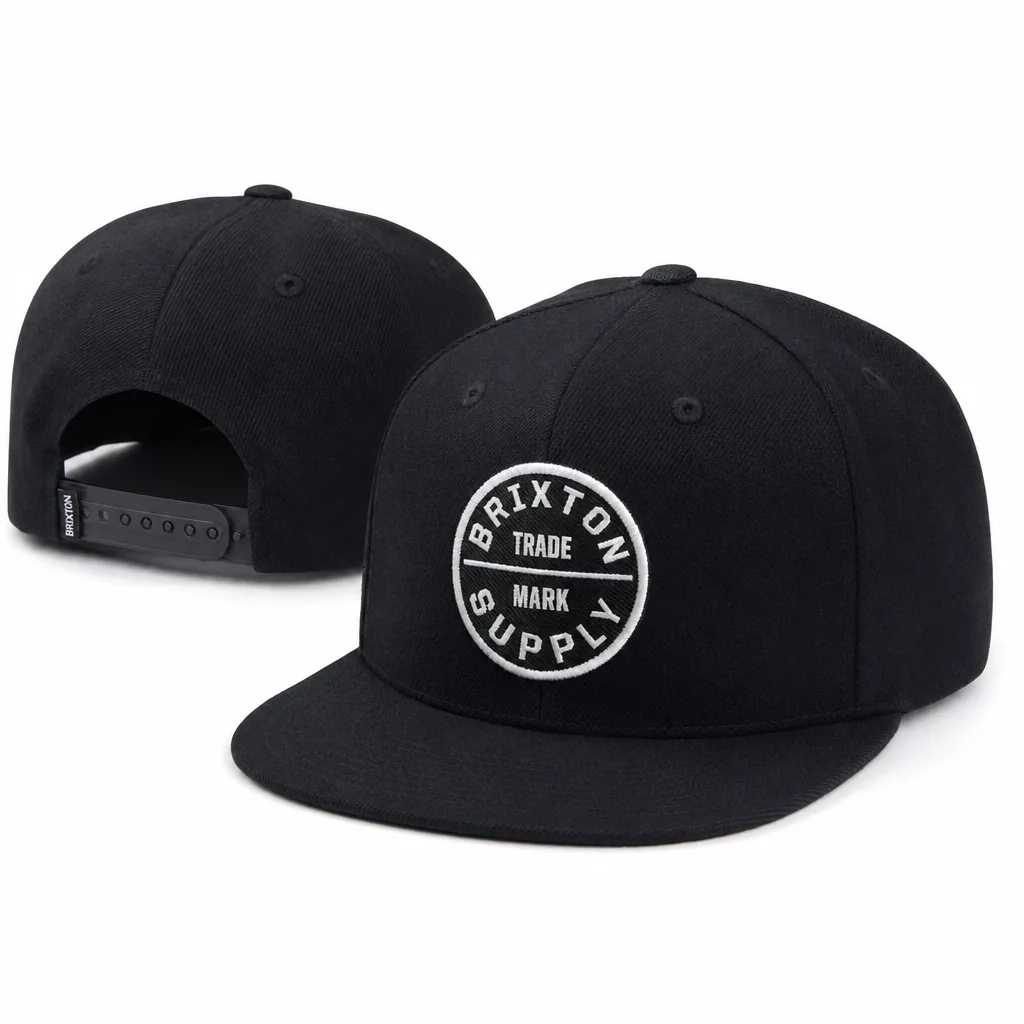
Every week, our sales team answers detailed questions about fitted hats 59fifty: a vertical-specific sourcing guide. We wrote this guide so that wholesalers, streetwear brands, corporate buyers and promotional resellers can compare options with full information, and avoid the traps that show up only after production has started.
Baseball Hats Vintage
Vintage-style baseball hats are usually not “vintage” in construction; they are modern caps built to look broken-in, washed, or old-stock without the factory defects that came with the real thing. The common build is a 6-panel crown, structured buckram or semi-structured front, 100% cotton twill or pigment-dyed cotton, and a curved or pre-curved visor with 8-row stitching. If you want baseball hats vintage to hold up in production, ask for fabric weight in the 280-360 gsm range, yarn count if it matters, and exact wash treatment: enzyme wash, garment wash, or heavy pigment dye. For embroidery, specify thread type and stitch density, because a deliberately soft vintage look can still be clean if the digitizing is controlled on Tajima, Barudan, or ZSK heads. The biggest mistake buyers make is treating distressed caps like a fashion afterthought; once you add fray, fade, and soft hand-feel, the tolerances on color and shrinkage get tighter, not looser.
For sourcing, the numbers are straightforward. A standard MOQ for custom baseball team hats or vintage-style blanks is usually 300-500 pcs per colorway, but factories will often push 1,000 pcs if you want multiple wash effects, custom inside taping, and low-risk color matching. On FOB Yiwu, a decent blank vintage cap might land around USD 2.10-3.40 depending on fabric and trim, while a better decorated version with 3D embroidery, woven labels, and a washed finish often moves into USD 3.80-6.20. If you are comparing baseball hats for men against designer bucket hats or cool bucket hats for guys, the cap line usually wins on lower sewing complexity and better margin, but only if you lock the spec sheet early: crown height, panel stitch length, sweatband material, closure type, and Pantone TCX targets for crown and embroidery. CrownsForge’s standard practice is to sample one pre-production wash cycle before bulk, because pigment-dyed lots can shift a full Delta-E 2.0 to 3.5 after the first tumble.
Quality control is where vintage caps either look expensive or look like a failed promo giveaway. Inspect for color rub-off, uneven distressing, loose visor stitching, distorted crown shape after wash, puckering around the eyelets, and back strap hardware that scratches or rusts. For structured versions, check buckram recovery and seam symmetry; for unstructured versions, check whether the front panel collapses in shipment and creates permanent creasing. If the buyer is also sourcing fitted hats 59fifty, the comparison is useful: 59FIFTY-style fitted caps demand tighter size grading, more exact crown geometry, and cleaner panel alignment, while vintage baseball caps give you more room on fit but less room on finishing defects. I usually tell buyers to request AQL 2.5 inspection, pull 20-32 pcs per lot for dimension checks, and define rejection thresholds for shade variation, embroidery registration, and wash damage before production starts. That same discipline carries over whether you are building custom baseball team hats or expanding into other silhouette-driven SKUs later in the season.
Baseball Hats for Men
For baseball hats for men, the real sourcing question is not style first, it’s build consistency. A proper fitted cap starts with panel fabric choice, crown block shape, buckram stiffness, visor board, and sweatband construction; those details decide whether the hat holds a clean 59FIFTY silhouette or collapses into a generic cap. In factory terms, you should request 100% cotton twill at 260–300 gsm for classic looks, or wool-blend fabric if you want a more traditional fitted hats 59fifty profile. Ask for structured front panels with full buckram, matching seam taping, and a visor board that does not crack after flexing. If the design includes embroidery, specify stitch count, thread type, and backing method. For baseball hats vintage, buyers usually want washed twill, brushed chino, or garment-dyed finishes, but that changes shrinkage and color tolerance, so the spec sheet must say whether wash test is before or after trimming.
Typical MOQ for custom baseball team hats is 100–300 pcs per colorway if the factory already has the block and fabric in stock; fully custom development usually starts at 500 pcs because of cutting waste, embroidery setup, and size run sorting. For pricing, a plain six-panel structured cap in China often lands around USD 3.20–5.80 FOB at 500–1,000 pcs, while complex 3D embroidery, sandwich visors, or metallic thread can push it to USD 6.50–9.00. CrownsForge’s standard practice is to quote separately for sampling, digitizing, and packaging because buyers often compare apples to oranges. If you are comparing baseball hats for men against designer bucket hats or cool bucket hats for guys, remember the fit logic is different: fitted caps need tighter tolerances on crown height, head circumference, and sweatband stretch, while buckets allow more freedom in sewing and shaping.
The defects that matter are usually boring but expensive: off-center front panels, inconsistent crown height, visor curve mismatch, poor top button attachment, and sweatbands that twist after steam pressing. On inspection, I’d check panel symmetry within ±3 mm, embroidery registration under 1.5 mm, and color delta against Pantone TCX within Delta-E 2.0 if the customer cares about repeat orders. You should also ask for AQL 2.5 at final inspection, plus a wash-and-sweat test if the hats are for retail or teamwear. The broader sourcing decision is simple: if you need fitted hats 59fifty with repeatable grading, controlled silhouette, and clean front structure, pick the factory that understands head-form control and QC discipline, not just decoration. That same factory can usually handle adjacent categories like baseball hats vintage, custom baseball team hats, and even some bucket programs, but only if the technical pack is written like a production document, not a mood board.
Designer Bucket Hats
Designer bucket hats are built very differently from fitted hats 59fifty, and buyers get into trouble when they assume the same factory setup works for both. A real bucket hat program starts with the shell fabric: 100% cotton twill at 240 to 280 gsm for soft structure, or nylon taslon at 70D/160T if the buyer wants water resistance and a cleaner streetwear look. Ask the factory for a stitched brim with 6 to 8 rows of edge-topstitching, a 4-panel or 6-panel crown depending on shape, and a sweatband spec in poly/cotton or mesh with 20 to 30 mm elastic allowance. For a premium hand feel, request garment washing or enzyme washing after sewing, because that changes the drape more than most buyers expect. If you are sourcing baseball hats vintage or baseball hats for men alongside bucket hats, keep the wash recipe and colorfastness targets separate; otherwise the batch will look inconsistent.
For custom work, the most useful factory questions are about trim control and decoration limits. Ask for Pantone TCX matching on the body fabric, embroidery thread to be color-checked against a physical lab dip, and a minimum stitch density around 9 to 11 stitches per cm for logos that need to survive washing. Heat transfer, woven labels, and leather patches all behave differently on curved bucket panels, so you need strike-offs before bulk approval. MOQ is usually 300 to 500 pieces per colorway for standard cotton buckets, but a more complex designer bucket hats program with custom lining, woven jacquard tape, or metal eyelets can push practical MOQ to 800 to 1,200 pieces. In China, factory pricing commonly lands around USD 2.10 to 4.80 FOB for basic unbranded buckets, while heavier wash programs, premium trims, and embroidered art can move that into the USD 5.50 to 8.50 range depending on complexity.
Quality failures on bucket hats are usually boring but expensive: brim waviness, off-center stitching, crown twist, shrinkage after wash, and poor seam alignment at the side seams. I always inspect for brim symmetry within 3 mm, color difference under D65 light, and sweatband attachment strength because weak tape is what makes cool bucket hats for guys feel cheap after two wears. For compliance, ask for AQL 2.5 on major defects and check that the fabric lot has shrinkage under 3 percent after a standard wash test. This is where the broader fitted hats 59fifty sourcing decision matters: if you are buying both structured caps and buckets, use the same supplier only if they can actually handle different constructions, from fused front panels and buckram in 59fifty-style caps to soft-brim sewing and washing control in buckets. Otherwise you get one factory that is mediocre at both instead of strong at one.
Custom Baseball Team Hats
Custom baseball team hats are usually built on a structured six-panel 59FIFTY-style silhouette, which is why buyers comparing fitted hats 59fifty should ask for the same technical sheet every time: crown height, brim curve, buckram type, sweatband spec, and size range. On the factory floor, the real difference is not the logo; it is how the panels are cut, fused, and stitched. A decent production line will use 100% acrylic wool-look twill or polyester wool-blend, 3D puff embroidery on Tajima or Barudan heads, and a pre-curved visor board matched to the target fit. If you want a true team cap, ask for Pantone TCX matching on all embroidery and woven labels, plus a sew-in taping spec for the inside seam finish, because cheap tape and sloppy seam alignment are the first things that make a hat look fake from two feet away.
For MOQ, most factories will quote 100 to 300 pieces per colorway for custom baseball team hats, but the price moves fast with stitch count, patch complexity, and whether you need fitted sizing from 6 7/8 to 8. At current China FOB levels, a basic 6-panel custom cap with flat embroidery is often around USD 3.20 to 5.50 per piece at 300 units, while heavy 3D puff, chenille, or sublimated undervisor work can push it to USD 6.50 to 9.00. Buyers who also source baseball hats vintage, designer bucket hats, or cool bucket hats for guys often assume a similar cost structure, but fitted caps are less forgiving because size consistency matters. If the factory cannot keep crown symmetry within 3 mm and bill curvature consistent across cartons, the hat fails even if the decoration is clean.
Inspection needs to be practical: check panel alignment, visor symmetry, thread tension, sweatband stitching, and whether the fitted band actually matches the size spec after steaming and cooling. The common failures are crown collapse, off-center front logos, uneven top button placement, visible glue on fused panels, and size drift after washing or heat exposure. For bulk orders, I would still insist on AQL 2.5 for critical defects and a pre-production fit sample plus a sealed golden sample before mass cutting. This is where the broader sourcing decision for fitted hats 59fifty matters: if you only compare decoration cost, you miss the real risk, which is fit tolerance and repeatability. The same factory that handles custom baseball team hats well can usually also manage baseball hats vintage styling and small-run licensed programs, but only if they have disciplined QC, not just good salespeople.
Cool Bucket Hats for Guys
Cool bucket hats for guys are usually simpler than fitted hats 59fifty on paper, but the factory discipline is just as strict if you want a clean crown, stable brim, and repeatable handfeel. The core build is typically 6- or 8-panel cotton twill, washed denim, nylon taslon, or 300D/420D polyester, with a brim board or foam/felt insert sandwiched between outer and lining. For a more premium streetwear result, buyers often request 240-320 gsm garment-washed cotton twill, 0.8-1.2 mm brim stiffness, and a sweatband in poly-cotton or 100% cotton tape. If you want color accuracy, specify Pantone TCX or TPX, and ask the factory to target Delta-E under 2.0 on the main shell; otherwise “black” becomes five different blacks across repeats. CrownsForge’s standard practice is to confirm shrinkage after washing and to lock the brim curve on a sample machine before bulk cutting, because that is where cheap bucket hats start looking soft and amateurish.
For sourcing, the specs to request are straightforward: crown depth in centimeters, brim width, top-stitched rows, seam allowance, ventilation eyelets or embroidered holes, lining type, and logo method. If you are comparing cool bucket hats for guys against fitted hats 59fifty, the biggest difference is that bucket hats tolerate more casual construction, but they still fail when the stitch density is inconsistent or the brim core is too thin. Typical MOQ is 300-500 pieces per color/style for basic cotton twill, though custom dye, all-over print, or special trims can push that to 800-1,000. Factory pricing for a plain bucket hat in China usually lands around $2.20-$4.80 FOB at 300-500 pcs, while heavier washed fabric, woven labels, and embroidery can move it to $4.50-$7.20. Custom bucket hats for men with all-over print or patchwork often cost more than some baseball hats vintage styles because the cutting and panel alignment waste climbs fast.
Inspection should focus on the boring defects buyers actually get burned by: puckered topstitching, mismatched panel grain, crooked brim symmetry, loose threads at the sweatband join, color migration on washed garments, and wrinkling where the brim insert is not fully trapped. Ask for AQL 2.5 sampling on critical defects, plus a wash test, colorfastness check, and brim recovery test after compression in a carton for 24 hours. If the hat is meant to sit next to custom baseball team hats or other licensed headwear, verify logo placement tolerance at ±2 mm and make sure embroidery backing is trimmed clean, especially on dense patches. The sourcing lesson is simple: the same buyer who wants fitted hats 59fifty with exact crown height and consistent closure feel should apply the same discipline to designer bucket hats and cool bucket hats for guys, because the price gap is often small but the QC mistakes show up immediately in retail photos and customer returns.
Baseball Hats Canada
For baseball hats Canada buyers, the first thing to understand is that the product is usually not “Canadian-made” in the factory sense; it is a Canada-market spec built for climate, retail sizing, and import compliance. A real fitted crown for fitted hats 59fifty should start with a structured 6-panel cut, buckram support, and a consistent sweatband size run, usually 6 7/8 to 8 with 1/8 size increments if you’re selling to pro-team or workwear accounts. Ask for a wool-blend or polyester twill body at 280–320 gsm, visor board with proper curvature retention, and embroidery files digitized for Tajima or Barudan heads so the front logo doesn’t pucker. For baseball hats for men, the market still rewards a heavier hand: deeper crown, firmer front panels, and a cleaner underbrim finish than what you’d tolerate on lighter fashion caps. If you’re also sourcing baseball hats vintage or adjacent programs like designer bucket hats and cool bucket hats for guys, don’t let the factory mix specs; the sewing line tension, wash treatment, and brim construction are completely different.
Typical MOQ for a true fitted run is 300–500 pieces per colorway if you want reasonable pricing, though smaller factories will quote 100–200 pieces at a markup that usually makes no sense. FOB China pricing for a standard embroidered fitted hat usually lands around USD 3.20–5.80 depending on fabric, number of colors in the logo, size run, and whether you need custom taping, woven labels, or a branded undervisor print. Canada buyers should also budget for freight, duty, and brokerage; once you land product in Toronto or Vancouver, landed cost can easily add USD 1.20–2.50 per piece on small shipments. Our standard practice is to request a pre-production sample, then a golden sample with Pantone TCX color approval, stitch count confirmation, and a measured sweatband circumference tolerance of ±3 mm. If the factory cannot tell you the needle count, bobbin thread type, or whether they are using low-profile buckram versus full buckram, they are not set up for fitted hats 59fifty production.
Quality control on these hats is mostly about fit consistency and shape retention, not just logo appearance. The common failures are crown height drift, size variance across cartons, visor warping, uneven front panel stiffness, crooked center seams, and embroidery density that makes the front panel collapse after steaming. Inspect for seam slippage at the sweatband join, sweat stains from poor dye fixation, and color delta over 2.0 against your approved sample if you are matching team or corporate colors. For imported baseball hats Canada programs, I’d reject any lot that fails AQL 2.5 on major defects or shows more than 5% size deviation from spec. This is also where the broader sourcing decision matters: if your customer wants a premium fitted silhouette, don’t force the factory to use a soft, fashion-cap build meant for baseball hats vintage or crossover product like designer bucket hats. The right manufacturer should prove they can hold shape, maintain grading accuracy, and keep the brim curve identical across a full carton run.
Working with CrownsForge for fitted hats 59fifty programs
For fitted hats 59fifty programs, the biggest risk is not the cap shape — it is sample drift and size inconsistency across runs. Our standard workflow starts with a pre-production spec pack: crown height, visor curve, front panel buckram, sweatband width, and exact size set in 1/8 increments. A first sample usually takes 7 to 10 days if the fabric is in stock, and 12 to 15 days if we need to source a specific wool blend or brushed cotton. For first-time buyers, I always push a round of fit approval on two or three head forms, because a 7 1/4 that reads correct on paper can still feel tight after embroidery, seam tape, and visor stitching are added. That is the difference between a sellable run and a warehouse headache.
MOQ flexibility matters because a lot of brands are testing baseball hats vintage looks, baseball hats for men, or even side-by-side assortments with designer bucket hats and cool bucket hats for guys. Our standard practice is to keep decoration and structure separated in planning, so a client can prototype with 50 to 100 pieces per colorway instead of forcing a full-color factory minimum. For custom baseball team hats, we usually quote embroidery on Tajima or Barudan heads for dense logos, ZSK for high-density multi-location runs, and 3D puff only when the front panel laminate can hold the stitch load. We also handle woven labels, felt patches, sublimated under-visor art, and closure changes without reworking the entire cap body, which keeps sampling costs predictable and avoids unnecessary mold or die charges.
Compliance and order management are where fitted hats 59fifty sourcing gets de-risked for scale-up brands. We can support sedex-audit-cap-supplier-guide.html">BSCI 2.0 and Sedex SMETA 4-Pillar documentation where the buyer needs it, and for material control we track fabric lot, thread batch, and color tolerance against Pantone TCX with Delta-E checks before bulk cutting. On the production side, every order gets a live stage tracker: fabric inspection, cutting, embroidery, panel sewing, visor assembly, final shaping, and AQL 2.5 inspection before packing. If a client needs FOB Ningbo or DDP to the U.S. or EU, we map carton counts, CBM, and HS code early so freight does not erase margin. CrownsForge uses the same workflow whether the order is 300 pieces or 30,000, because the mistake most buyers make is treating fitted caps like a generic promo item instead of a size-controlled apparel program.
Frequently Asked Questions
How long does production take?
Sampling takes 7 to 12 days. Bulk production runs 20 to 30 days depending on quantity, fabric availability and decoration complexity. Inspection and packing adds another 3 to 5 days before shipment.
Do you support sustainability certifications?
Yes. We work with GOTS organic cotton, GRS-certified recycled polyester, OEKO-TEX Standard 100 fabrics, and are BSCI and Sedex audited. Certification documentation can be provided per order.
What is the minimum order quantity (MOQ) for custom hats?
Our standard MOQ is 100 pieces per design and color, with sampling available from 1 piece. For complex multi-color logos or premium fabric upgrades, the MOQ can be lowered with a small per-piece surcharge.
What logo decoration techniques do you offer?
3D puff embroidery, flat embroidery, woven patch, leather patch, PVC patch, screen printing, sublimation, applique and laser etching, all in-house with no subcontracting.
Can I order a sample before bulk production?
Yes. We strongly recommend approving a pre-production sample before mass production. Samples are charged at 35 to 60 USD each plus express shipping, fully refundable against confirmed bulk orders over 500 pieces.
How does ordering custom new era 59fifty fitted hats work?
When evaluating custom new era 59fifty fitted hats, the key considerations are construction quality, decoration capability, MOQ flexibility and lead time. Cover everything buyers ask about custom baseball team hats: how it's manufactured, what specs to request from a factory, typical MOQ and pricing, common quality issues to inspect for, and how this ties back to the broader fitted hats 59fifty sourcing decision. Cover everything buyers ask about baseball hats vintage: how it's manufactured, what specs to request from a…
How does ordering custom baseball hats for men work?
When evaluating custom baseball hats for men, the key considerations are construction quality, decoration capability, MOQ flexibility and lead time. Cover everything buyers ask about baseball hats for men: how it's manufactured, what specs to request from a factory, typical MOQ and pricing, common quality issues to inspect for, and how this ties back to the broader fitted hats 59fifty sourcing decision. Cover everything buyers ask about custom baseball team hats: how it's manufactured, what specs to request from a…
What should buyers know about nike bucket hats for men?
When evaluating nike bucket hats for men, the key considerations are construction quality, decoration capability, MOQ flexibility and lead time. Cover everything buyers ask about baseball hats for men: how it's manufactured, what specs to request from a factory, typical MOQ and pricing, common quality issues to inspect for, and how this ties back to the broader fitted hats 59fifty sourcing decision. Cover everything buyers ask about designer bucket hats: how it's manufactured, what specs to request from a factory,…
What should buyers know about trendy baseball hats for guys?
When evaluating trendy baseball hats for guys, the key considerations are construction quality, decoration capability, MOQ flexibility and lead time. Cover everything buyers ask about baseball hats vintage: how it's manufactured, what specs to request from a factory, typical MOQ and pricing, common quality issues to inspect for, and how this ties back to the broader fitted hats 59fifty sourcing decision. Cover everything buyers ask about baseball hats for men: how it's manufactured, what specs to request from a factory,…
Ready to start your custom hat project?
Send us your tech-pack, sketch or even just an inspiration photo. We will respond with a detailed quotation and digital mock-up within 24 hours.
Request a free quoteRelated guides
Shipping Custom Hats from China: FOB, EXW, DDP & Incoterms Decoded
Read article →
Wholesale Trucker Hats with Custom Logo: A Complete Bulk Sourcing Playbook
Read article →
Launching a Hat Brand: Marketing Playbook for the First 12 Months
Read article →Sourcing custom hats does not have to be complicated. With the right manufacturing partner, clear specifications and a small upfront investment in sampling, you can launch a retail-quality product in 30 to 45 days.