
Custom Wool Blend Ball Cap: A 2026 B2B Sourcing Guide - Supplier Checklist (2026 Update)
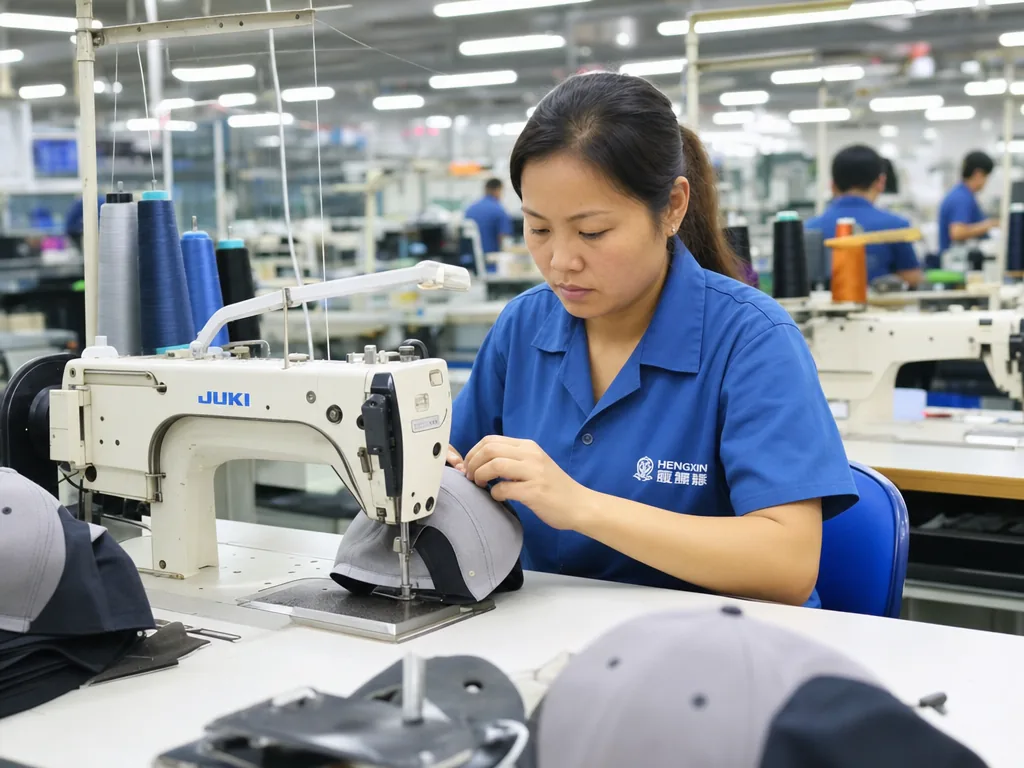
Every week, our sales team answers detailed questions about custom wool blend ball cap: a 2026 b2b sourcing guide - supplier checklist (2026 update). We wrote this guide so that wholesalers, streetwear brands, corporate buyers and promotional resellers can compare options with full information, and avoid the traps that show up only after production has started.
Organic Cotton Cap Wholesale Custom
Fabric spec is what separates a retail-grade organic program from a soft promo cap, and buyers often write “organic cotton” as if that were enough. It is not. For bulk, require GOTS or OCS transaction certificates tied to the PO, fiber content by percentage, and the exact construction—3/1 twill, chino twill, canvas, or brushed twill—plus finished weight in gsm, not vague terms like “medium weight.” On a 6-panel dad cap or low-profile ball cap, 240 to 270 gsm peached organic twill usually gives the cleanest handfeel and the most stable embroidery surface. If you need an organic option that sits beside a custom wool blend ball cap in the same line, move closer to 280 to 320 gsm with a firmer buckram and matched block dimensions: crown height within 2 to 3 mm, visor length 7.0 to 7.2 cm, and the same rear closure hardware so the collection reads as one program rather than mixed sourcing. Color control is where wholesale orders go sideways. Organic bases, especially reactive-dyed twills with enzyme wash, tend to show more lot variation than pigment-finished cotton, so shade approval has to be locked before cutting. Use Pantone TCX references for shell, underbill, sweatband, seam tape, and strap, then approve bulk to Delta-E 1.5 maximum against a signed lab dip under D65 lighting. If the cap is washed after sewing, test dimensional stability, dry and wet crocking, and seam torque; 2% shrinkage is manageable, but once you get past 3% you start seeing panel mismatch and visor-edge distortion. In practice, stock organic fabric can work from 144 to 300 pieces per color, while custom-dyed mill runs are more realistically 500 to 1,000 pieces because dyeing, peaching, and finishing minimums make anything smaller uneconomical.
Construction problems rarely show up on the pre-production spec sheet; they show up in final inspection when the embroidery puckers, the visor twists, or the closure fails pull test. Lock the build before sampling: panel count, crown depth, front support, seam tape width, embroidered versus metal eyelets, visor insert material, and closure type. On organic cotton, I do not like soft recycled PE visor boards for retail programs that will be carton-packed hard or washed by end users. A 1.6 to 1.8 mm HDPE insert holds the curve better, recovers faster after compression, and reduces visor twist. For embroidery on softer twill, digitizing must be adjusted from wool-blend settings; on Tajima, Barudan, or ZSK heads, dense fills generally need to open to about 0.40 mm stitch spacing with edge-run underlay and 70 to 80 gsm cutaway backing. Tearaway saves cents, but it is also where distorted logos start. Bulk inspection should be written around AQL 2.5 major with clear defect definitions, otherwise every carton becomes a negotiation. Check crown symmetry, top-button centering, visor alignment, seam slippage, embroidery distortion, closure security, and needle cuts around eyelets or front logos. Organic cotton can contain natural slub and nep, but that has to be pre-classified as acceptable character or rejectable defect before production; if not, the same fabric issue will be accepted in one carton and disputed in the next. Our standard practice is to fixture-check visor shape because hand-curving can drift 4 to 5 mm across operators in a single line. In Yiwu-area production, a certified organic cotton cap with standard flat or 3D embroidery typically lands around $3.30 to $5.90 FOB depending on gsm, trim package, and audit requirements; branded seam tape, molded patches, metal hardware with salt-spray requirements, or low-volume custom dye lots can push the FOB above $6.50 very quickly.
Recycled Polyester Cap Manufacturer Bulk
For a bulk recycled-poly cap program, the risk is not whether the yarn is “green”; it is whether the supplier can prove chain-of-custody and hold the fabric stable through cutting, embroidery, and pressing. Ask for a valid GRS scope certificate and transaction certificates by yarn lot, then match those lots to the actual fabric data: 150D to 300D rPET filament, 120 to 220 gsm shell weight, usable width, finish, crocking, colorfastness to perspiration, and shrinkage after fusing. Finishing chemistry matters more than most buyers realize. A C0 or C6 DWR, 10 to 20 micron PU coating, or moisture-management finish will change hand feel, needle heat response, and how cleanly a front panel takes a 10,000 to 12,000-stitch logo. If you are comparing this option against a custom wool blend ball cap, compare test data, not mood boards: Martindale abrasion, pilling grade, panel memory after steaming, and whether the crown stays true on a structured six-panel build with 40 to 60 gsm buckram.
The construction sheet needs to be tighter than the average tech pack. Lock the panel count, shell gsm tolerance, buckram weight, visor insert material, sweatband blend, seam SPI, closure pull strength, peak curve, and finished circumference tolerance to plus or minus 0.5 cm. For color approval, heathered rPET should be lab-dipped to Pantone TCX and signed off under D65 lighting with a Delta-E target of 1.0 to 1.5; recycled black is notorious for drifting between crown and brim when mills blend dye lots. Embroidery settings should also be specified up front, because recycled shells pucker faster than melton or wool-blend fabrics and need different underlay density, backing weight, and frame tension on Tajima, Barudan, or ZSK heads. CrownsForge typically checks front-panel distortion, needle cutting, brim shade split, skipped stitches at the sweatband join, and closure cycling under AQL 2.5, because those are the defects that turn into rework, chargebacks, and late shipments.
MOQ and FOB pricing rise quickly once recycled polyester gets technical. A standard six-panel brushed rPET cap with flat embroidery usually works at 300 to 500 pieces per colorway, but once you add reflective piping, molded TPU patches, laser-cut vent holes, bonded seams, or waterproof laminations, the practical MOQ is closer to 800 to 1,000 pieces because yield loss and rejection risk jump. In current China FOB terms, a basic recycled-poly baseball cap at 500 units is commonly $2.20 to $3.60. Add a metal clasp, woven flag label, sandwich visor, printed seam tape, or interior branding package and the realistic range becomes $3.80 to $5.20. Waterproof builds with membranes and seam tape usually land around $5.50 to $8.50, depending on membrane spec, tape width, and rework after heat application. Even when the final target is a custom wool blend ball cap, recycled-poly quotations are often the benchmark factories use to set MOQ flexibility, embroidery complexity, and margin expectations across the broader cap program.
Ripstop Tactical Cap Manufacturer
A competent ripstop tactical cap manufacturer should be able to quote fabric and process data without hedging. The common tactical builds are 65/35 poly-cotton ripstop at 190 to 220 gsm with a 3 x 3 mm or 5 x 5 mm grid, nylon taslan at roughly 160 to 190 gsm for lighter field caps, and 210D to 330D CORDURA-class nylon when abrasion resistance matters more than hand feel. If that same factory also produces a custom wool blend ball cap, ask whether they run separate cutting tables, needle sizes, and embroidery tension profiles by fabric family. Wool blend crowns can tolerate steam setting and reshaping; coated ripstop cannot. On a mixed line, the usual failures are needle drag on nylon, grid skew after spreading, and puckering around front logos because operators keep the same hooping and underlay settings used for wool serge or melton blends. On the floor, better factories cut synthetic ripstop with hot knife or ultrasonic edge control, use 0.40 to 0.50 mm buckram only where front structure is required, and run logo application on Tajima or Barudan heads with reduced thread tension and lower stitch density to avoid pulling the grid off-square.
Water resistance is where weak suppliers start substituting adjectives for test results. “Waterproof” is meaningless unless the cap is built with a stated finish and a stated method: C0 DWR for basic spray shedding, PU back-coating for moderate barrier performance, or TPU membrane lamination if hydrostatic resistance is part of the brief. Ask for AATCC 22 spray ratings, and if coatings are involved, ask how they manage needle-hole leakage, delamination risk, and heat exposure during pressing. The spec sheet should lock fabric composition, denier, gsm tolerance within plus or minus 5%, Pantone TCX target, Delta-E tolerance under D65 lighting, sweatband content, visor insert thickness, stitch count per inch, and embroidery size limits by panel. Inspection matters more than first-sample appearance: the recurring defects are hook-and-loop puckering, skipped stitches where webbing crosses side seams, visor center drift over 3 mm, and registration movement when embroidery runs across ripstop squares. In Zhejiang, a basic 6-panel ripstop tactical cap in stock fabric usually sits around FOB $3.20 to $5.80 at 300 to 500 pieces per colorway; once you add seam sealing, custom camo, membrane-backed fabric, or laser-cut loop fields, MOQ often moves to 1,000 and FOB to $6.50 to $9.50. CrownsForge treats those add-ons as separate operations in costing because labor minutes and defect exposure increase sharply at every extra seam intersection.
Working with CrownsForge for custom wool blend ball cap programs
Most custom wool blend ball cap programs fail after sample approval, not during development. The prototype may look right, but if the bulk lot shifts in hand feel, visor stiffness, or crown memory, the approved sample is worthless. The only reliable control is a frozen BOM tied to a signed pre-production sample: shell composition, fabric weight, crown height, visor arc, PE or paper visor board spec, buckram thickness, sweatband fiber content, seam tape width, stitch count, and Pantone TCX references for all dyed components. For a stock 60/40 or 50/50 wool-poly twill at 320–360 gsm, 7–10 calendar days for a proto is realistic; once you add lab dips, custom melton, or plated metal trims, 12–18 days is normal. On charcoal, navy heather, and black marl, shade tolerance should be locked at Delta-E under 1.5 against the approved standard under D65 lighting, because wool-rich blends show obvious variation if the mill rushes steaming or raises the nap inconsistently.
MOQ and costing should reflect material behavior, not arbitrary sales policy. For a first custom wool blend ball cap run, 144–300 pieces per colorway is a workable test range if the closure, embroidery, and trims are standardized; a supplier insisting on 1,000 pieces for a basic first order is usually covering poor setup efficiency or minimum fabric booking from the mill. Wool blends also cut less cleanly than cotton twill: panel matching, nap direction, and edge stability can push fabric loss 8–12% higher, especially on 6-panel structured caps with a high front crown. That extra waste is where many quotations go wrong. A stock wool/poly twill cap with flat embroidery and a standard snapback closure typically sits around $4.20–$6.80 FOB in Zhejiang at practical MOQs, while custom-milled shell fabric, branded seam tape, woven flag label, leatherette patch, and retail polybagging will move the same silhouette into the $7.50–$10.50 FOB band before freight.
Decoration is where inexperienced suppliers damage yield on wool programs. Melton and wool-rich twills need slower embroidery speeds, firmer underlay, and the correct water-soluble topping, or the logo sinks into the face and loses edge definition. Tajima and Barudan heads are reliable for flat and 3D puff, but on small text below about 4 mm cap height, ZSK machines usually hold cleaner registration with less thread spread. Needle size, thread tension, and backing weight also need adjustment because wool blend front panels retain needle memory differently from brushed cotton; if the setup is wrong, the crown will pucker and telegraph every stitch line. A competent factory should refuse technically bad combinations like dense direct embroidery on loose melton or oversized metal eyelets on soft unstructured crowns instead of pushing them into bulk.
Order control should be documented before deposit, not improvised during production. The workflow for a retail-grade custom wool blend ball cap should include tech pack review, quotation with trim and mold exclusions stated, digitizing approval, pre-production sample signoff, bulk fabric booking, inline inspection, final inspection at AQL 2.5, carton drop test, and shipping release. Our standard practice is to report weekly WIP by cutting completion, embroidery output, sewing output, top three defect categories, and confirmed ex-factory date; vague updates are how a 300-piece pilot turns into a 10,000-piece chargeback problem. Buyers should also ask for current sedex-audit-cap-supplier-guide.html">BSCI 2.0 or Sedex SMETA 4-Pillar audit reports, plus REACH or CPSIA screening if the market requires it. For licensed programs, add fiber content verification, azo-free dye declarations, and nickel release test results for metal hardware. That paperwork is not administrative clutter; it is how you keep a scaled program from drifting away from the approved sample.
Frequently Asked Questions
How long does production take?
Sampling takes 7 to 12 days. Bulk production runs 20 to 30 days depending on quantity, fabric availability and decoration complexity. Inspection and packing adds another 3 to 5 days before shipment.
Do you support sustainability certifications?
Yes. We work with GOTS organic cotton, GRS-certified recycled polyester, OEKO-TEX Standard 100 fabrics, and are BSCI and Sedex audited. Certification documentation can be provided per order.
What file format should I send for my logo?
Vector files (AI, EPS, PDF) are ideal. High-resolution PNG or JPG at 300 dpi on transparent background works as a fallback. Provide Pantone color references for accurate reproduction.
What is the minimum order quantity (MOQ) for custom hats?
Our standard MOQ is 100 pieces per design and color, with sampling available from 1 piece. For complex multi-color logos or premium fabric upgrades, the MOQ can be lowered with a small per-piece surcharge.
Can I order a sample before bulk production?
Yes. We strongly recommend approving a pre-production sample before mass production. Samples are charged at 35 to 60 USD each plus express shipping, fully refundable against confirmed bulk orders over 500 pieces.
How do I find a reliable custom waterproof cap manufacturer?
When evaluating custom waterproof cap manufacturer, the key considerations are construction quality, decoration capability, MOQ flexibility and lead time. Cover everything buyers ask about recycled polyester cap manufacturer bulk: how it's manufactured, what specs to request from a factory, typical MOQ and pricing, common quality issues to inspect for, and how this ties back to the broader custom wool blend ball cap sourcing decision. Cover everything buyers ask about ripstop tactical cap manufacturer: how it's manufactured,…
How does ordering custom embroidered ball cap work?
When evaluating custom embroidered ball cap, the key considerations are construction quality, decoration capability, MOQ flexibility and lead time. Cover everything buyers ask about organic cotton cap wholesale custom: how it's manufactured, what specs to request from a factory, typical MOQ and pricing, common quality issues to inspect for, and how this ties back to the broader custom wool blend ball cap sourcing decision. Cover everything buyers ask about recycled polyester cap manufacturer bulk: how it's…
How does ordering baseball cap custom embroidery work?
When evaluating baseball cap custom embroidery, the key considerations are construction quality, decoration capability, MOQ flexibility and lead time. Cover everything buyers ask about organic cotton cap wholesale custom: how it's manufactured, what specs to request from a factory, typical MOQ and pricing, common quality issues to inspect for, and how this ties back to the broader custom wool blend ball cap sourcing decision. Cover everything buyers ask about recycled polyester cap manufacturer bulk: how it's…
What should I know about custom golf cap rope bulk?
When evaluating custom golf cap rope bulk, the key considerations are construction quality, decoration capability, MOQ flexibility and lead time. Cover everything buyers ask about recycled polyester cap manufacturer bulk: how it's manufactured, what specs to request from a factory, typical MOQ and pricing, common quality issues to inspect for, and how this ties back to the broader custom wool blend ball cap sourcing decision. Cover everything buyers ask about organic cotton cap wholesale custom: how it's…
Looking for a reliable hat manufacturer in China?
CrownsForge has produced custom hats for 800+ brands across 40 countries. From 100-piece launches to 100,000-piece retail programs, we deliver on time and on spec.
Get in touchRelated guides
Custom Leather Patch Hat Low Minimum: A 2026 B2B Sourcing Guide
Read article →
Mens Beanies: Properties, Costs and How to Spec It Right
Read article →
Custom Hat Patch: When to Use It, Costs, and What to Ask Your Factory - Cost & MOQ Breakdown (2026 Update)
Read article →We hope this guide demystifies custom wool blend ball cap: a 2026 b2b sourcing guide - supplier checklist (2026 update) and helps you move forward with confidence. If you have questions specific to your project, our English-speaking sales engineers are one message away.