
Custom Hat Patch: When to Use It, Costs, and What to Ask Your Factory - Cost & MOQ Breakdown (2026 Update)
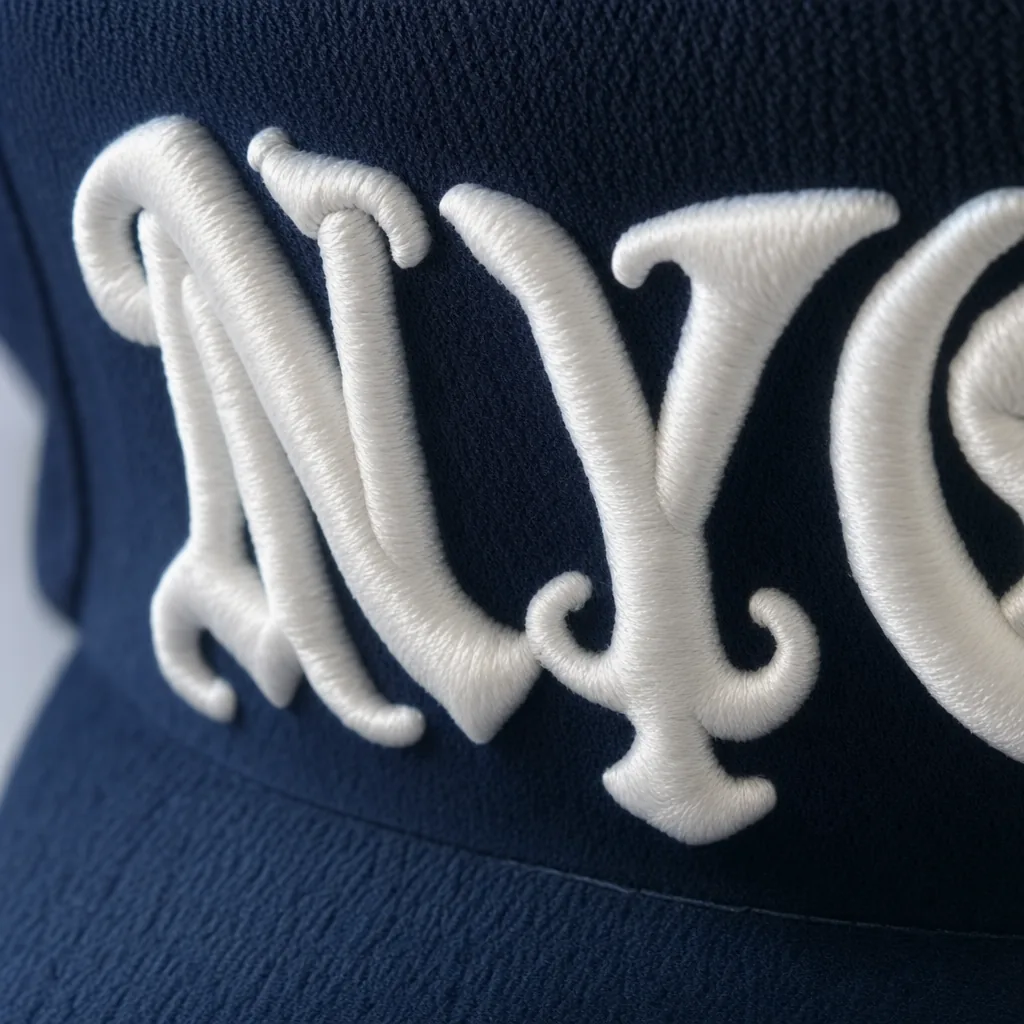
Custom Hat Patch: When to Use It, Costs, and What to Ask Your Factory - Cost & MOQ Breakdown (2026 Update) is one of the most-asked questions we receive from international buyers, and for good reason. With dozens of factories competing for your order and an alphabet soup of technical terms in every supplier quote, even experienced importers can feel lost. This guide consolidates what we have learned producing custom hats for clients in 40+ countries.
Custom Logo Hats
Start the custom logo hat by proving the cap body can carry the decoration without deforming. A structured 6-panel trucker in 260 gsm cotton twill with 100D polyester mesh and buckram backing can handle a raised PVC badge, merrowed woven patch, or low-pile chenille. A washed unstructured dad cap in 16x12 cotton canvas is a different product; it usually needs a thin woven label, flat embroidery, or a 0.8-1.2 mm debossed leather patch so the front panel does not cave in. For any custom hat patch, the tech pack should lock patch width and height in millimeters, crown height, front-panel backing, visor seam reference, sweatband type, closure, and whether the hat must pass home laundering or only survive short-term promotional use. Artwork should be vector, with Pantone TCX or TPX targets for fabric and thread, plus a practical Delta-E tolerance. “Match the logo” is not a factory specification.
Cost and MOQ are driven by the decoration workflow, not only the cap quantity. Direct embroidery in Yiwu or Dongguan can often start at 144-300 pieces per style/color, with a 5,000-8,000 stitch logo on cotton twill landing around $2.80-$5.20 FOB depending on fabric, closure, and thread count. A custom hat patch program usually starts closer to 300 pieces because mold making, die cutting, woven-label loom setup, rubber color batching, and hand placement sit outside normal cap sewing. Typical adders are $0.25-$0.55 for woven patches, $0.60-$1.20 for PVC, $0.80-$1.80 for genuine leather, and $1.20-$2.50 for chenille depending on pile height, border type, backing stiffness, and attachment method. CrownsForge quotes the cap body, patch unit cost, attachment labor, mold fee, and sample fee as separate lines because blended pricing hides the part that is actually moving the buyer’s cost.
Inspection has to test how the decoration behaves on the crown, not just whether the logo looks correct on a table. For a pre-production sample, approve patch size within +/-2 mm, center placement within +/-3 mm, stitch tension, edge sealing, adhesive coverage, backing stiffness, and crown shape after attachment. Tajima, Barudan, and ZSK embroidery heads can all produce clean borders, but weak digitizing, the wrong stabilizer, or excessive satin density will still pucker the front panel. Common bulk failures include PVC corners lifting after heat cycling, leather scorching under an over-hot press, woven-label fray at the merrow edge, chenille shedding, and soft crowns buckling under a heavy badge. For shipment QC, use AQL 2.5 for major defects and AQL 4.0 for minor defects, with carton drop testing on DDP orders. Choose direct embroidery for lower-risk corporate caps; choose a custom hat patch when texture, cross-style reuse, or a more retail-grade finish justifies the extra setup.
Custom Embroidered Patches
Custom embroidered patches are strongest when the artwork has bold shapes: varsity letters, club crests, workwear badges, military-style shields, and heritage logos that need real thread texture. The usual base is polyester twill, cotton canvas, felt, or nonwoven backing, stitched on Tajima, Barudan, or ZSK multi-head machines, then finished with a merrowed border, satin border, laser-cut edge, or heat-cut edge. For a custom hat patch, the factory should confirm finished size in millimeters, embroidery coverage, thread brand, backing, border type, edge tolerance, and attachment method before sampling. A 60 x 45 mm patch at 60-70% coverage is straightforward; an 80 x 60 mm full-fill badge with metallic thread, 3D foam, and 4 mm lettering can double machine time and create puckering on curved crowns. Ask for Madeira or Gunold thread references, Pantone TCX or TPX targets, and the digitized DST/EMB file details, not only a JPG mockup. Lines under 0.8 mm, letters below 4 mm, fades, and photographic shading usually belong in woven, printed twill, silicone, or leather patches instead.
MOQ is usually 100-300 pieces per design, but the first serious cost break is normally 500 pieces because digitizing, thread changes, cutting, trimming, and border setup are fixed work. In 2026 China factory pricing, a simple 50-65 mm embroidered patch is commonly $0.35-$0.85 at 500 pieces. Dense fill, metallic or glow thread, two-color merrow edging, 3D foam, or extra trimming can move it to $1.20-$2.00 before application. Sewing the patch onto a cap normally adds $0.12-$0.35 per piece, depending on crown structure, panel seam position, operator handling time, and whether the patch sits on a 6-panel front seam. Heat press may save labor on visors, flat side panels, and low-profile unstructured caps, but I do not trust it on curved front crowns unless the adhesive passes steam exposure, 24-hour conditioning, and a 48-hour peel check. Our standard practice at CrownsForge is to quote patch production and application separately because the sewing labor often decides the real custom hat patch budget.
Inspection should focus on the failures that appear after application, not only on the loose patch sample. Check skipped stitches, loose jump threads, uneven merrow loops, border registration, puckering around dense fill, crooked placement, and color drift beyond Delta-E 2.0-3.0 against the approved standard. For front crown placement, hold +/-2 mm from the center seam or crown axis; side patches can usually allow +/-3 mm on soft unstructured caps, but structured trucker fronts show misalignment quickly. After steaming, pull the patch edge and inspect the crown surface, especially on wool blends, brushed cotton, and 280-320 gsm canvas, where weak tension or adhesive failure can hide in flat approval photos. For retail orders, I would inspect at AQL 2.5 for major defects and AQL 4.0 for minor visual defects, with a separate color and placement check on top samples. Embroidery is durable and familiar, but it is the wrong custom hat patch choice for photorealistic art, sponsor logos under 20 mm wide, smooth gradients, or very small compliance text.
Custom Hat with Patch
The most common custom hat patch failure is not the patch itself; it is alignment after the cap is shaped. A badge that measures centered on loose front panels can rotate 2-3 mm after steaming, blocking, and visor setting, especially on 5-panel campers and unstructured 6-panel dad caps. For retail orders, I normally hold patch position to +/-2 mm from the center seam, front-panel join, or specified artwork datum; for giveaway caps, +/-3 mm is more realistic unless the buyer pays for tighter in-line inspection. Final inspection should not be done from one open carton. Pull samples from early, middle, and late cartons under AQL 2.5, compare to the signed pre-production cap under D65 light, and check both horizontal level and vertical distance from visor seam. On woven and embroidered patches, Pantone TCX drift above Delta-E 1.5 is visible on navy, scarlet, black, and fluorescent threads, so shade bands should be approved before bulk stitching.
Patch type must be engineered around crown structure, not chosen only from a price sheet. A 2.0-2.5 mm PVC patch can look sharp on a 400 gsm brushed cotton twill trucker front, but it will drag down a soft unstructured dad hat unless the panel has extra buckram or backing. A thin woven label may work on nylon ripstop or 210D polyester, but it can look underpowered on heavy canvas, corduroy, or foam-front mesh caps. Heat-applied leatherette, TPU, and silicone badges need 24-hour adhesive bleed checks, a 25 mm radius bend test, and at least 20 dry plus 20 wet crocking cycles before bulk approval. For embroidered edge patches, confirm Merrow or satin border width before production; a 0.5 mm border change can make small text unreadable. CrownsForge typically approves one fully patched pre-production cap before cutting bulk panels, because patch weight, stitch density, backing, crown curve, MOQ, and FOB target have to be solved together. Saving $0.18 on the wrong patch can easily create $0.60 in sorting, rework, or replacement cost.
Custom Patch for Hat
The wrong patch construction causes more failed approvals than the crown fabric. On a curved cap front, an embroidered custom hat patch still gives the cleanest heritage look, but fine detail collapses fast when line width drops under 1.2 mm or negative space falls below about 0.8 mm, even on a tuned Tajima or Barudan head running 40 wt polyester thread. Woven patches are more forgiving for small text, map coordinates, and badge artwork because 75D to 120D yarn can hold sharper edges without the stitch pile you get from embroidery. If the art includes thin serif letters under 4 mm cap height, woven is usually the safer call. PVC works well for outdoor, moto, and fishing programs because color and edge definition stay stable through sweat, rain, and abrasion, but molded logos above roughly 2.2 mm overall thickness will print through soft brushed cotton twill or unstructured foamless 6-panels after carton compression.
Leather and PU get specified loosely, then become a claim problem later. Full-grain or split leather has better hand feel and ages better, but buyers expecting exact Pantone TCX matching usually end up disappointed because hide variation makes Delta-E under 3.0 unrealistic across bulk lots. PU is more consistent for branded color programs, especially when the patch needs to match a visor sandwich, closure strap, or woven flag. The spec sheet should lock size in millimeters, corner radius, border finish, backing, and attachment method before sampling; otherwise the factory is guessing. For sewn patches, write placement tolerance as +/-2 mm from center front and define stitch count or perimeter stitch type. For heat-applied patches, require adhesive grade, press window, and a 24-hour peel test after conditioning, because cheap hot-melt film starts lifting after high-humidity transit. In current China buying ranges, patch-only cost at 100 to 300 pieces per design is usually $0.18 to $0.38 for woven, $0.22 to $0.45 for embroidered, $0.35 to $0.80 for PVC, and $0.70 to $1.50 for PU or leather. A finished cap with a sewn custom hat patch typically lands around $2.30 to $4.90 FOB Ningbo, and our standard practice is AQL 2.5 final inspection focused on off-center placement, edge fray, adhesive bleed, and shallow debossing.
Custom Patch Hat
A custom hat patch is not just artwork sewn onto a cap; it is a separate component with its own shrinkage, edge behavior, and placement risk. The safest builds match patch type to crown structure: embroidered or woven patches for cotton twill dad caps, molded PVC for performance or outdoor programs, debossed PU microfiber for lower-cost leather looks, and genuine leather only when the buyer accepts color variation and edge darkening. On structured 6-panel caps and foam truckers, stitch-down remains the most reliable attachment. Glue-only or heat-only bonding is risky after carton compression, 45-55 degrees C container heat, or repeated flexing at the front crown. For a common 50 x 30 mm front patch, I would hold center-front placement to +/- 2 mm and rotation under 3 degrees; anything looser is visible on shelf. Edge choice matters: merrowed edges suit vintage circles and shields, while laser-cut twill with satin stitch or ultrasonic-cut woven edges gives cleaner corners for modern marks.
In 2026 costing, the patch drives more variance than the cap body. A 260-280 gsm chino twill dad cap with an embroidered custom hat patch usually lands around $2.10-$3.40 FOB China at 300-500 pcs, depending on stitch count, backing, and sew-down time. A woven patch trucker can sit closer to $1.85-$2.90 because the patch runs faster and the edge is flatter under the presser foot. Genuine leather, debossed microfiber, suede-look PU, and molded PVC normally push finished cost to $2.80-$4.80, with PVC mold charges around $120-$250 per logo and leather die charges around $40-$90. MOQ is often split: the cap line may accept 144-300 pcs per color, while the patch supplier wants 500-1,000 pcs per artwork. Our standard practice at CrownsForge is to bank approved excess patches for repeat POs only after sealing size, Pantone TCX or coated reference, backing, stitch count or weave density, and pre-assembly versus post-assembly attachment on the spec sheet.
The defects that ruin patch hats are usually small but obvious: skewed placement, crown puckering, loose satin corners, bubbling on heat-sealed edges, and patch tenting where stiff buckram fights the crown curve. PVC should pass a cold-flex check around 0-5 degrees C; cheaper compounds harden and crack before the customer sees the product. Leather and tan PU need migration testing on black, navy, burgundy, and reactive-dyed cotton panels because humidity during ocean freight can pull dye into pale patch surfaces. For screen print, metallic ink, or coated leather paint, request crocking and rub tests before bulk approval. Ask the factory what machines and process controls they actually use: Tajima, Barudan, or ZSK heads for embroidery, heat-cut versus ultrasonic-cut woven patches, Delta-E under 1.5 for critical brand colors, and AQL 2.5 checks covering centerline, rotation, corner pull, and 24-hour carton compression. Direct embroidery is still better for simple logos under about 9,000 stitches; use a patch when texture, repeat artwork changes, or multi-logo programs justify the extra component risk.
Custom Patch Hats
A custom hat patch is a small engineered part, not artwork pasted onto a finished cap. Approve the cap body, patch construction, backing, and attachment method as one unit, because a 55 x 35 mm patch sits very differently on a structured 5-panel, an unstructured dad cap, and a foam-front trucker. For woven patches, specify denier or yarn count, heat-cut versus merrowed border, backing film thickness, and minimum letter height; under about 1.8 mm, small text usually closes up after heat or pressure. For embroidered patches, lock the twill base, stitch density, thread brand, edge finish, and sampling platform, whether Tajima, Barudan, or ZSK, because stitch tension changes the edge profile. Leather patches need material called out clearly: genuine cowhide, PU, microfiber, or recycled leather, usually 1.2-1.8 mm for caps, with emboss depth around 0.4-0.8 mm and Delta-E tolerance for dyed lots. PVC and silicone patches need Pantone references, 2D or 3D mold drawings, Shore A hardness, mold ownership, and remake terms agreed before deposit.
MOQ is usually controlled by the patch supplier, not the cap sewing line. Woven and embroidered custom hat patch orders can often start at 100-144 pieces, with digitizing or setup charges around $35-$90 and finished cap pricing near $3.20-$6.80 FOB China for 260-320 gsm cotton twill, brushed canvas, polyester ripstop, or standard trucker mesh. Genuine leather is harder to run cleanly below 200 pieces because hide shade, die-cut yield, and scar sorting create waste; realistic FOB pricing is $4.80-$8.50 depending on crown structure, sweatband grade, closure, and whether the leather is embossed, debossed, or laser engraved. PVC and silicone patches normally need 300-500 pieces because tooling must be amortized, with mold costs around $80-$180 for simple 2D logos and more for layered 3D marks. Our standard practice at CrownsForge is to quote mold, die, and embroidery digitizing charges separately, so repeat orders use the approved file or tool instead of hiding that cost inside every cap.
Most patch failures are quiet production mistakes: 3 mm placement drift, lifted corners after heat press, loose perimeter stitching, adhesive bleed, color drift, rubber flash, or a patch that looked balanced on a flat sample table but too wide on a curved crown. Put placement tolerances in the tech pack using measurable points: distance from visor seam, crown center line, and top patch edge, normally +/-2 mm for retail-grade work and +/-3 mm for basic promo orders. Inspection should treat patch position, tilt, edge lifting, and visible puckering as major defects under AQL 2.5, not cosmetic annoyances. Check Delta-E against the approved Pantone TCX or coated reference, run a light pull test on at least 5 pieces per colorway, and reject burnt leather, thread nests, uneven merrow borders, and silicone overflow before packing. Timing matters as much as machinery: post-block application is usually cleaner on structured 5-panel and foam-front trucker caps, while flat woven labels can sometimes be sewn before final shaping if the crown fabric is stable and the patch is small enough to avoid distortion.
Working with CrownsForge for custom hat patch programs
A custom hat patch program should be sampled as a finished cap, not approved from a loose patch sitting flat on a table. A 70 x 45 mm woven patch that looks clean on a desk can buckle badly on a structured 6-panel crown, and a thick PVC patch can flatten the front profile of a 5-panel if the backing and stitch path are wrong. Our standard practice at CrownsForge is 5 to 7 days for artwork cleanup and patch strike-off, then 7 to 10 days for a full pre-production cap after the buyer approves thread, woven yarn, PU grain, PVC color, sublimated twill, merrow edge, or heat-transfer details. Embroidered patches should be tested on Tajima, Barudan, or ZSK heads using the actual backing and border width; logos above about 12,000 stitches, satin borders over 4 mm, or dense fill areas near the edge need checking for cupping, needle cuts, and distortion after sewing.
Color and placement controls need to be written into the approval, not discussed after bulk production starts. Use Pantone TCX for dyed fabric and thread references, Pantone Coated for printed, molded, or rubber components, and a practical Delta-E tolerance of 1.5 to 2.0 for cotton twill, polyester, and brushed canvas. PU leather, PVC, and silicone patches often need a wider visual tolerance because gloss level changes the read of the color under a D65 lightbox. For approval photos, ask for macro shots of the patch edge, side-profile crown photos, inside stitch photos, visor alignment, closure view, and one wear-test sample after at least 24 hours of shaping. A good factory should also confirm whether the attachment is edge stitch, satin tack-down, heat press, adhesive plus stitch, or rivet-assisted, because each method changes the defect risk.
MOQ and cost are driven by setup, color lots, and attachment testing, not by the word custom. A basic custom hat patch order on stock cotton twill, polyester mesh, or 280 to 320 gsm brushed canvas can often start at 100 to 144 pieces per color when the embroidery file is clean and no private dyeing is required. Woven patches are usually efficient from 200 pieces because loom setup is modest; PVC, debossed PU leather, chenille, and molded rubber patches make more sense from 300 pieces because mold fees, heat-press jigs, and trial losses need enough units to absorb the setup. For 2026 FOB China pricing, expect about $3.20 to $5.80 for a structured trucker with woven or embroidered patch, $4.50 to $7.50 for washed cotton with PU leather patch, and $5.80 to $9.20 for PVC, chenille, or 3D embroidery patch work, excluding hangtags, barcode labels, individual polybags, or custom cartons. Before deposit, define MOQ per style, color, patch design, fabric lot, and closure type.
Frequently Asked Questions
Can I order a sample before bulk production?
Yes. We strongly recommend approving a pre-production sample before mass production. Samples are charged at 35 to 60 USD each plus express shipping, fully refundable against confirmed bulk orders over 500 pieces.
Do you support sustainability certifications?
Yes. We work with GOTS organic cotton, GRS-certified recycled polyester, OEKO-TEX Standard 100 fabrics, and are BSCI and Sedex audited. Certification documentation can be provided per order.
How long does production take?
Sampling takes 7 to 12 days. Bulk production runs 20 to 30 days depending on quantity, fabric availability and decoration complexity. Inspection and packing adds another 3 to 5 days before shipment.
What logo decoration techniques do you offer?
3D puff embroidery, flat embroidery, woven patch, leather patch, PVC patch, screen printing, sublimation, applique and laser etching, all in-house with no subcontracting.
Which shipping methods do you support?
We support FOB, CIF and DDP shipping. Air express for samples and small orders, sea LCL for 100 to 500 pieces, sea FCL for 5,000+ pieces. Door-to-door DDP available for US, EU, UK, Canada and Australia.
How does ordering custom leather patch trucker hat work?
When evaluating custom leather patch trucker hat, the key considerations are construction quality, decoration capability, MOQ flexibility and lead time. Cover everything buyers ask about custom logo hats: how it's manufactured, what specs to request from a factory, typical MOQ and pricing, common quality issues to inspect for, and how this ties back to the broader custom hat patch sourcing decision. Cover everything buyers ask about custom embroidered patches: how it's manufactured, what specs to request from a factory,…
What's the MOQ for custom leather patch hats no minimum?
When evaluating custom leather patch hats no minimum, the key considerations are construction quality, decoration capability, MOQ flexibility and lead time. Cover everything buyers ask about custom logo hats: how it's manufactured, what specs to request from a factory, typical MOQ and pricing, common quality issues to inspect for, and how this ties back to the broader custom hat patch sourcing decision. Cover everything buyers ask about custom patch hats: how it's manufactured, what specs to request from a factory, typical MOQ…
How does ordering custom embroidered trucker hats work?
When evaluating custom embroidered trucker hats, the key considerations are construction quality, decoration capability, MOQ flexibility and lead time. Cover everything buyers ask about custom logo hats: how it's manufactured, what specs to request from a factory, typical MOQ and pricing, common quality issues to inspect for, and how this ties back to the broader custom hat patch sourcing decision. Cover everything buyers ask about custom embroidered patches: how it's manufactured, what specs to request from a factory,…
How does ordering custom baseball hats with logo work?
When evaluating custom baseball hats with logo, the key considerations are construction quality, decoration capability, MOQ flexibility and lead time. Cover everything buyers ask about custom logo hats: how it's manufactured, what specs to request from a factory, typical MOQ and pricing, common quality issues to inspect for, and how this ties back to the broader custom hat patch sourcing decision. Cover everything buyers ask about custom patch hats: how it's manufactured, what specs to request from a factory, typical MOQ…
Looking for a reliable hat manufacturer in China?
CrownsForge has produced custom hats for 800+ brands across 40 countries. From 100-piece launches to 100,000-piece retail programs, we deliver on time and on spec.
Get in touchRelated guides
Cap Fabric Guide: Cotton Twill, Wool Blend, Polyester & Performance Materials
Read article →
Hat With Patch Supplier Audit Checklist for Custom Hat Buyers
Read article →
Custom Made Trucker Hat: The 2026 Sourcing & Manufacturing Playbook (2026 Update) (2026 Update) - 2026 Buyer's Guide - Cost & MOQ Breakdown (2026 Update)
Read article →If you are ready to take the next step on custom hat patch: when to use it, costs, and what to ask your factory - cost & moq breakdown (2026 update), our team can put a tailored quotation and digital mock-up in your inbox within 24 hours. Send the inquiry form on our contact page or message us directly on WhatsApp.