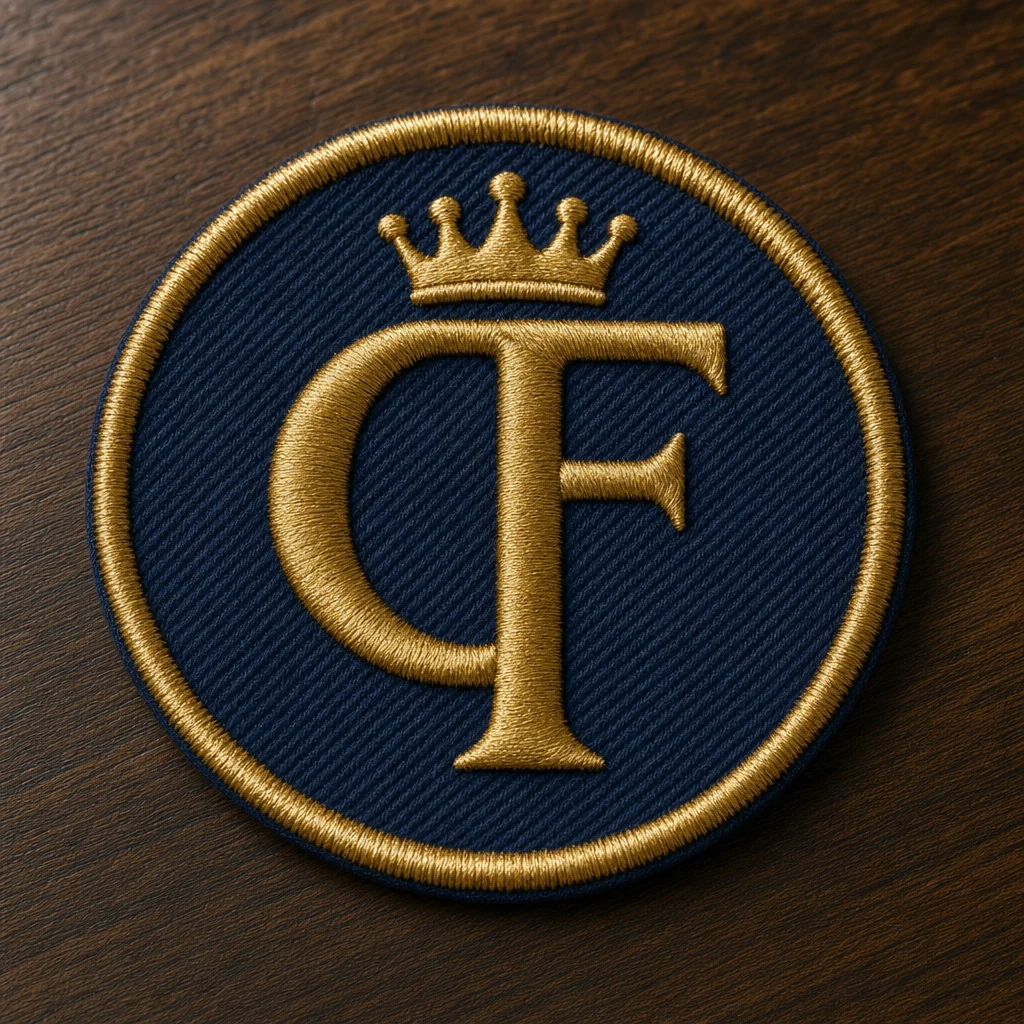
Custom Wool Blend Ball Cap: A 2026 B2B Sourcing Guide - Cost & MOQ Breakdown
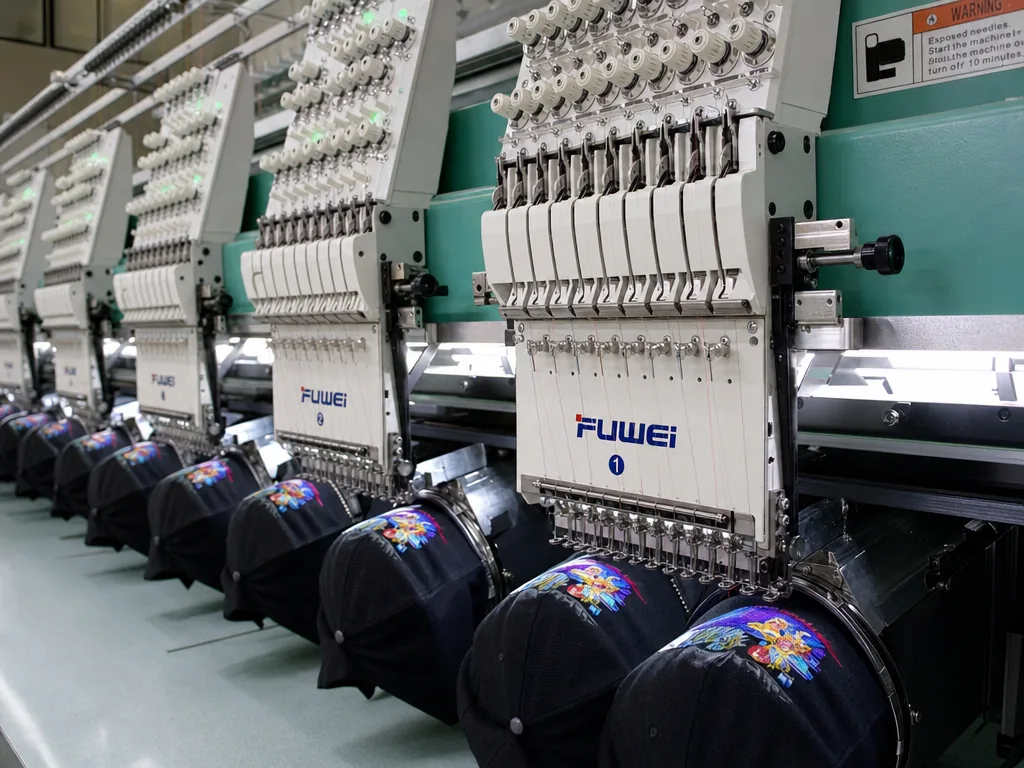
For brand owners, wholesalers and procurement teams entering the custom headwear category, custom wool blend ball cap: a 2026 b2b sourcing guide - cost & moq breakdown is one of the highest-leverage decisions you will make. Get it right and your unit economics, retail story and reorder cycle all improve. Get it wrong and you carry the cost for years.
Organic Cotton Cap Wholesale Custom
Lock the material spec before sampling, because “organic cotton” by itself is useless to production. The tech pack should name the certification route—GOTS or OCS with valid scope certificate—plus fiber content, construction, finished weight, shrinkage tolerance, and approved shade standard. For caps, the practical window is 100% organic cotton twill at 260–320 gsm for a standard baseball profile, brushed canvas at 280–340 gsm for a heavier hand, or ripstop at 220–260 gsm for utility styling. Organic cotton lots usually show more shade variation than conventional cotton, so bulk should not start until the mill submits lab dips or strike-offs against the Pantone TCX target and the factory confirms Delta-E within 1.5–2.0 on the front and side panels. I also want wash-and-steam shrinkage under 3% and fabric skew checked before cutting, because panel torque becomes obvious after visor pressing.
Do not carry over the same fit approval from cotton into a custom wool blend ball cap and assume the shape will hold. Wool blends block differently, recover better after handling, and resist crown collapse at the sweatband seam more than softer organic shells, so the same 6-panel pattern can behave like a different product. That changes crown height, front panel stiffness, visor pitch, and even the amount of puckering around the center-front seam. Separate wear-test samples are the safe approach, especially if one build uses buckram and the other relies on fabric body. A usable build sheet should call out crown height in centimeters, buckram weight, visor board thickness, seam tape material, sweatband spec, eyelet method, closure hardware, and visor stitch rows—8 rows on a 3.0 mm PE board is a stable premium setup.
Price moves quickly once you leave stock trims and stock-dyed fabric. In Zhejiang, a basic organic cotton cap usually sits around $3.20–$5.10 FOB China at 300 pieces with standard flat or 3D embroidery. Add custom-dyed shell fabric, branded seam tape, woven labels, metal buckle closure, and retail packing, and the range typically lands at $5.80–$8.50 FOB, with MOQ stepping up from about 144–300 pieces per color to 500–1,000 depending on the mill minimum. For embroidery, define thread brand, stitch count, fill density, and backing in the spec sheet; soft organic shells will pucker under dense fills, especially on logos under 50 mm tall. If the factory is running Tajima, Barudan, or ZSK heads, approve a sew-out on the actual shell fabric, then inspect bulk at AQL 2.5 with inline checks after cutting and after embroidery to catch shade-lot mixing, skipped stitches, crown asymmetry, and brim distortion before final pressing.
Recycled Polyester Cap Manufacturer Bulk
Traceability is the first gate on any recycled-polyester cap program, because “recycled” can mean post-consumer PET flakes, pre-consumer yarn waste, or a 30/70 virgin-recycled blend, and each one changes hand feel, abrasion resistance, and price. For a structured 6-panel style, the commercial sweet spot is usually 150D to 300D recycled polyester twill or microfiber at 120-180 gsm, paired with 210D recycled sweatband tape and, if the certification scope allows, recycled buckram in the front crown. Do not accept vague sustainability claims on a sales sheet; require valid GRS transaction certificates and lot-level fiber content confirmation. Color control also needs to be tighter than most suppliers admit, because recycled lots drift more than standard filament polyester. For bulk approval, a Pantone TCX target with Delta-E under 1.5 is a realistic working limit if you want clean shade consistency across a collection that also includes a custom wool blend ball cap, where cross-fabric color mismatch becomes obvious under retail lighting. Execution on recycled caps is straightforward, but the failure points are predictable. Fabric should relax for at least 12-24 hours before cutting, front panels need the agreed fuse weight and stiffness, and sewing should hold 6-8 SPI on assembly seams and 8-10 SPI on sweatband attachment before decoration on Tajima, Barudan, or ZSK heads. Lock the tech pack before sampling: denier, gsm, crown height, visor curve, closure type, eyelet construction, embroidery backing, inner-tape spec, carton ratio, and any moisture-management or PU coating requirement. In Zhejiang, workable MOQ is typically 300-500 pcs per color for stock recycled fabric, while custom-dyed recycled fabric usually starts around 1,000 pcs because the mill will not run smaller lots efficiently. Current FOB is commonly $2.20-$3.40 for a plain recycled polyester cap, and $3.60-$5.20 with flat embroidery, woven label, custom inside tape, and upgraded trims, depending mainly on stitch count, trim count, and packing method.
Inspection should go beyond surface appearance and target the defects that show up repeatedly in recycled synthetics: panel shading, seam torque, visor wave, skipped stitches at the sweatband join, coating inconsistency, and embroidery puckering on lighter shells. AQL 2.5 is the right baseline for bulk shipments, with measurable checkpoints on crown symmetry, peak alignment, head circumference tolerance within +/-0.5 cm, and colorfastness after light moisture exposure or crocking tests. If the shell is ripstop, confirm the reinforcement grid is woven into the fabric rather than printed for appearance, and ask for actual tear-strength data if the cap is sold as utility or outdoor headwear. These are not minor details; they are the difference between a cap that survives retail wear and one that starts twisting at the side seam after a few weeks. Recycled polyester is the right material when you need lighter weight, quicker drying, and a lower landed cost than wool blends, but it is not a like-for-like substitute in every product line. A custom wool blend ball cap still gives you a denser hand, better cold-weather positioning, and a stronger premium story at retail, especially in streetwear and licensed team programs. The practical sourcing move is often to split the line early: recycled polyester for performance, promo, or event-driven SKUs, and wool blend for hero styles with higher perceived value. Make that decision at tech-pack stage, not after salesman samples are approved, because changing shell material late will force you to recheck fit, embroidery pull, color matching, and final FOB all at once.
Ripstop Tactical Cap Manufacturer
A capable ripstop tactical cap manufacturer does not run these orders like a standard baseball cap with a fabric swap. Ripstop changes the whole process: 100% nylon or polyester shells in 110 to 160 gsm, often 210D or 330D with a 3 mm to 5 mm grid, need lower cutting pressure, cleaner edge handling, and tighter control on needle heat and seam bulk. On coated styles, a #14 needle can start cutting filaments if tension is off, so experienced lines usually drop stitch density on load points and reinforce only where needed—hook-and-loop panels, sweatband joins, side eyelet zones, and rear strap bartacks. If the spec says “waterproof,” that claim needs backing: PU coating, TPU lamination, or at minimum a tested C0 DWR finish. Anything less is just water-repellent marketing language. Against a custom wool blend ball cap, the tradeoff is practical rather than aesthetic: ripstop gives lower moisture absorption, better abrasion performance, and a technical hand, while wool blend gives a softer surface, richer color depth, and stronger cold-season retail positioning.
Most sourcing mistakes happen in the tech pack, not on the sewing line. Lock down fiber content, finished weight tolerance at ±5%, Pantone TCX reference, acceptable shade deviation such as Delta-E under 1.5, crown height, visor curvature, closure spec, loop-panel dimensions, embroidery stitch count, and whether the front is buckram-backed, foam-supported, or fully unstructured. For tactical programs, also call out webbing width, patch placement tolerance, bartack locations, and AQL 2.5 inspection points for visor symmetry, grid alignment, and seam pucker. In Yiwu and Dongguan, stock-color ripstop caps usually start around 300 to 500 pieces per colorway; custom-dyed shell fabric, matched binding tape, or branded seam tape typically pushes MOQ to 800 to 1,200 pieces. Current FOB pricing is roughly $2.30 to $3.50 for a clean unstructured ripstop cap, and $3.90 to $5.90 for versions with hook-and-loop panels, woven labels, and 6,000 to 10,000 stitches on Tajima or Barudan heads. By comparison, a custom wool blend ball cap is less likely to suffer grid skew or coating needle cuts, but more likely to show panel shading, nap inconsistency, and crown distortion after pressing.
Working with CrownsForge for custom wool blend ball cap programs
The biggest cost leak in a custom wool blend ball cap program is not FOB moving by $0.20 per piece; it is uncontrolled sampling drift. If the tech pack is complete—Pantone TCX references, panel pattern, closure code, visor shape, sweatband spec, seam tape color, buckram hardness, and crown depth tolerance—a first proto should be out in 7 to 10 calendar days, with one clean revision in another 5 to 7 days. What blows up timelines is vague development data: “black sweatband” instead of 180 gsm cotton twill or polyester satin, no callout on low-profile vs. mid-profile crown, or no tolerance on visor curve. For most first runs, 30% wool / 70% acrylic melton at 380 to 420 gsm is the safer shell. It holds a structured 6-panel shape better than a softer 50/50 blend after embroidery, vacuum packing, and 30 to 40 days of sea transit under carton compression. If the retail target needs a more premium hand, it usually makes more sense to upgrade the closure, seam tape, and internal branding before moving into a less stable shell fabric that is harder to sew and store consistently.
MOQ follows construction complexity far more than the words “wool blend” on the spec sheet. A stock-melton custom wool blend ball cap with flat embroidery, woven loop label, and standard PP snapback can realistically start at 144 to 300 pieces per colorway. Shift to dyed-to-match melton, custom printed seam tape, woven main label, metal buckle, contrast underbrim, and two or three decoration locations, and the practical MOQ usually lands at 500 to 1,000 pieces per style-color because every added trim increases setup loss, approval points, and line-change time. Decoration also has to respect melton’s nap and panel stability. Flat embroidery, felt applique, woven patches, and PU patches are all reliable; 3D puff is not forgiving. On Tajima or Barudan machines, satin columns generally need to stay above 2.5 mm, density has to be reduced to avoid thread sink, and pull compensation must be tuned so edges do not collapse into the fabric surface. That is also where factory controls matter: CrownsForge normally ties each PO to one merchandiser and one QC owner, with pre-cut color checks to an agreed Delta-E tolerance, inline measurement checks, and final inspection at AQL 2.5. For repeat programs, those controls prevent more failures than squeezing another few cents off the unit price.
Frequently Asked Questions
What logo decoration techniques do you offer?
3D puff embroidery, flat embroidery, woven patch, leather patch, PVC patch, screen printing, sublimation, applique and laser etching, all in-house with no subcontracting.
Do you support sustainability certifications?
Yes. We work with GOTS organic cotton, GRS-certified recycled polyester, OEKO-TEX Standard 100 fabrics, and are BSCI and Sedex audited. Certification documentation can be provided per order.
What is the minimum order quantity (MOQ) for custom hats?
Our standard MOQ is 100 pieces per design and color, with sampling available from 1 piece. For complex multi-color logos or premium fabric upgrades, the MOQ can be lowered with a small per-piece surcharge.
How long does production take?
Sampling takes 7 to 12 days. Bulk production runs 20 to 30 days depending on quantity, fabric availability and decoration complexity. Inspection and packing adds another 3 to 5 days before shipment.
Can I order a sample before bulk production?
Yes. We strongly recommend approving a pre-production sample before mass production. Samples are charged at 35 to 60 USD each plus express shipping, fully refundable against confirmed bulk orders over 500 pieces.
How do I find a reliable custom waterproof cap manufacturer?
When evaluating custom waterproof cap manufacturer, the key considerations are construction quality, decoration capability, MOQ flexibility and lead time. Cover everything buyers ask about recycled polyester cap manufacturer bulk: how it's manufactured, what specs to request from a factory, typical MOQ and pricing, common quality issues to inspect for, and how this ties back to the broader custom wool blend ball cap sourcing decision. Cover everything buyers ask about ripstop tactical cap manufacturer: how it's manufactured,…
How does ordering custom embroidered ball cap work?
When evaluating custom embroidered ball cap, the key considerations are construction quality, decoration capability, MOQ flexibility and lead time. Cover everything buyers ask about organic cotton cap wholesale custom: how it's manufactured, what specs to request from a factory, typical MOQ and pricing, common quality issues to inspect for, and how this ties back to the broader custom wool blend ball cap sourcing decision. Cover everything buyers ask about recycled polyester cap manufacturer bulk: how it's…
How does ordering baseball cap custom embroidery work?
When evaluating baseball cap custom embroidery, the key considerations are construction quality, decoration capability, MOQ flexibility and lead time. Cover everything buyers ask about organic cotton cap wholesale custom: how it's manufactured, what specs to request from a factory, typical MOQ and pricing, common quality issues to inspect for, and how this ties back to the broader custom wool blend ball cap sourcing decision. Cover everything buyers ask about recycled polyester cap manufacturer bulk: how it's…
What should I know about custom golf cap rope bulk?
When evaluating custom golf cap rope bulk, the key considerations are construction quality, decoration capability, MOQ flexibility and lead time. Cover everything buyers ask about recycled polyester cap manufacturer bulk: how it's manufactured, what specs to request from a factory, typical MOQ and pricing, common quality issues to inspect for, and how this ties back to the broader custom wool blend ball cap sourcing decision. Cover everything buyers ask about organic cotton cap wholesale custom: how it's…
Ready to start your custom hat project?
Send us your tech-pack, sketch or even just an inspiration photo. We will respond with a detailed quotation and digital mock-up within 24 hours.
Request a free quoteRelated guides
Acrylic Beanie: Properties, Costs and How to Spec It Right
Read article →
Custom Hat Design: The 2026 Sourcing & Manufacturing Playbook
Read article →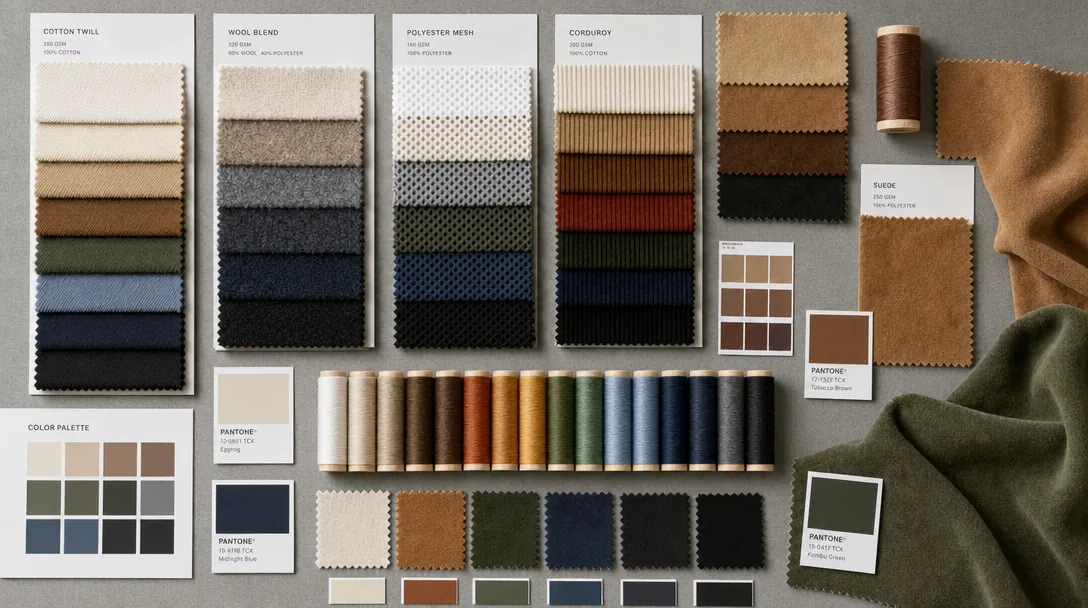
Bucket Hat Corduroy Retail Packaging Guide for Custom Hat Buyers
Read article →We hope this guide demystifies custom wool blend ball cap: a 2026 b2b sourcing guide - cost & moq breakdown and helps you move forward with confidence. If you have questions specific to your project, our English-speaking sales engineers are one message away.