
Custom Made Trucker Hat: The 2026 Sourcing & Manufacturing Playbook - Supplier Checklist - 2026 Buyer's Guide
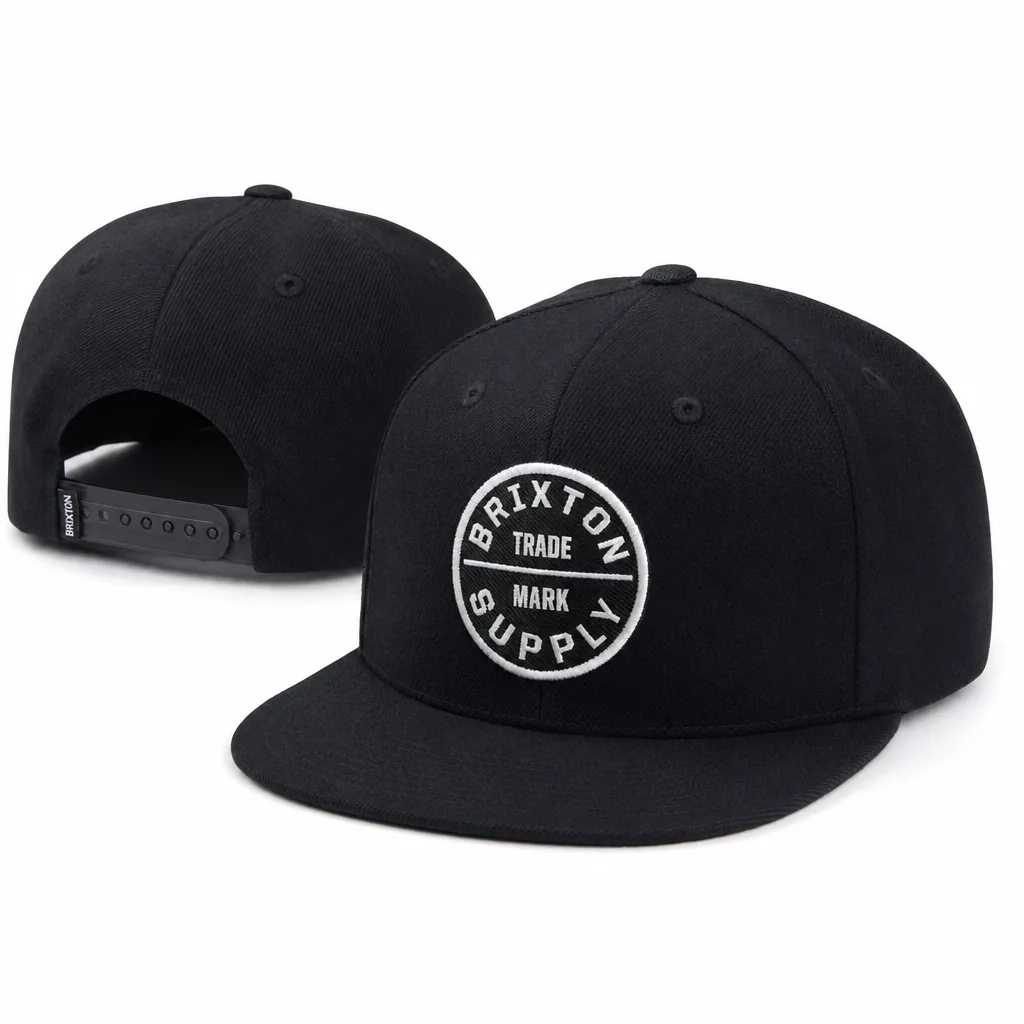
For brand owners, wholesalers and procurement teams entering the custom headwear category, custom made trucker hat: the 2026 sourcing & manufacturing playbook - supplier checklist - 2026 buyer's guide is one of the highest-leverage decisions you will make. Get it right and your unit economics, retail story and reorder cycle all improve. Get it wrong and you carry the cost for years.
Custom Embroidered Hats
Embroidery remains the safest high-value decoration for a custom made trucker hat because it survives abrasion, UV, sweat, and carton friction better than heat transfers or water-based prints. The process looks simple on a routing sheet—panel cutting, front-panel backing, digitizing, sew-out, trimming, crown assembly, visor joining, and finishing—but most failures start before the machine runs. A structured trucker front usually needs either 2.0-2.5 mm polyester foam or laminated buckram behind the face fabric; without that support, a 3 mm satin border or 3D puff column will sink into the crown and telegraph every stitch track. On a 6-panel build, a 9,000-stitch front logo with clean underlay and sane density will run efficiently on Tajima, Barudan, or ZSK cap frames, while a 14,000-plus stitch file with layered fills, sharp serif details, and poor pathing will drive thread breaks, flagging, and inconsistent edge definition. Serious buyers should ask for the actual stitch count, density, underlay type, thread brand, needle size, and backing spec, not just a JPEG approval, because those inputs directly change sew quality, cycle time, and unit cost.
Most spec sheets for embroidered truckers are still too loose. Lock down front-panel material, foam thickness or buckram grade, mesh denier, sweatband composition, visor curvature, seam tape color, closure type, and both fabric and thread color references—typically Pantone TCX for body materials and nearest Pantone Solid Coated match for embroidery thread. If color precision matters, set a thread shade tolerance with a Delta-E target under D65 lighting and define logo placement tolerance at ±2 mm from center front. For raised work, also call out puff height, satin coverage, backing footprint, and pack-out method so logos do not get crushed in transit. In practical China production, MOQ for a standard embroidered trucker is often 144-300 pieces per colorway, but dyed-to-match mesh, custom closures, or complex multi-hit embroidery usually push the workable floor to 500 pieces. Current FOB pricing for a custom made trucker hat is commonly about $2.20-$3.80 for a basic flat front logo on a standard 5-panel or 6-panel body, and roughly $4.20-$6.50 once you add 3D puff, side and rear hits, custom inside tape, branded labels, and higher stitch counts.
Inspection is where weak factories get exposed fast. The repeat defects on embroidered truckers are off-center logos, inconsistent stitch density, exposed foam between satin columns, needle cuts on foam-backed fronts, crown puckering, broken top thread, untrimmed jump threads, and visor shape variation from carton to carton. Raised embroidery needs extra scrutiny after packing because over-compression can flatten the puff before the shipment even leaves port. A disciplined supplier should inspect to AQL 2.5 and isolate logo position, stitch cleanliness, panel symmetry, thread color approval against the sealed sample, and export packing performance as separate checkpoints rather than treating them as one cosmetic pass. At CrownsForge, standard control also includes confirming that the pre-production sample and bulk run use the same digitized file and the same machine family, because scaling a logo from a flat sample head to a different cap line is a common source of bulk surprises. That is why embroidery quality on a custom made trucker hat is more than decoration quality; it is a visible indicator of process control, component consistency, and whether the supplier can actually repeat the approved sample in volume.
Custom Hat Embroidery
Embroidery quality on a custom made trucker hat is decided in digitizing, not at the cap line. A usable file has to be built for the actual front panel, machine family, and embroidery type: Tajima `DST`, Barudan `DSB`, or the equivalent parameters for ZSK heads. Good digitizers change stitch angle, density, underlay, pull compensation, and sew sequence around the center seam and crown break, because a logo that runs clean on a flat swatch can split or sink once it crosses a structured trucker front. On a 5 mm EVA foam-backed polyester front, 3D satin columns can stay crisp at roughly 0.35 to 0.45 mm density; on soft cotton twill or brushed canvas, the same file often closes counters and drags edges unless density is opened up and underlay is reduced. For front embroidery, I treat 4 mm letter height as the practical floor, and 5 to 6 mm is safer if the design has enclosed shapes or narrow joins. Buyers should lock specifications before sampling: artwork size in millimeters, placement from visor seam and center line, Pantone reference, thread brand or approved equivalent such as Madeira Classic 40 or Gunold Poly 40, backing type, and whether the front is flat stitch or 3D puff. A generic strike-off is not enough. Approve photos or a physical sample on the exact hat shell, because buckram stiffness, foam lamination, seam bulk, and crown curvature all change how thread sits. If the supplier cannot state stitch count, foam thickness, backing weight, and needle size—typically `75/11` for standard cap embroidery and `80/12` when the build is heavier—they are running on operator habit rather than process control.
MOQ follows the cap program more than the embroidery machine. For a stock-body trucker, 144 to 300 pieces per colorway is normal; once you change crown profile, mesh color, visor sandwich, snapback mold, seam tape print, or private-label trims, most factories move to 500 to 1,000 pieces to keep material purchasing and line setup economical. Digitizing usually costs $20 to $60 per logo. Flat front embroidery commonly adds $0.25 to $0.80 per cap, while 3D puff adds another $0.15 to $0.40 because machine speed drops from roughly 650-800 rpm to 400-600 rpm, trimming labor goes up, and reject rates rise. Once a front logo reaches about 8,000 to 12,000 stitches, you start paying for run time and defect risk, especially on foam-backed panels where over-density causes tunneling, edge bite, and visible crown distortion. Inspection has to be tied to a golden sample and enforced at finished-goods level under AQL 2.5, not judged loosely carton by carton. I look for broken satin edges at the center seam, fill areas puckering the front panel, poor jump-thread cleanup, misregistration between color blocks, exposed foam under 3D puff, and messy inside backing that snags during wear. Thread shade should be checked to the approved Pantone under D65 lighting, and lot variation should stay tight enough that any Delta-E shift is not visible at arm's length. Our standard practice is to record stitch count, backing spec, foam thickness, needle size, machine settings, and defect thresholds before bulk starts, because weak embroidery control on a custom made trucker hat usually shows up alongside broader instability in materials, setup discipline, and final QC.
Custom Trucker Hat
The make-or-break decision on a custom made trucker hat is the front-panel architecture, because the mesh contributes almost nothing to logo stability. If you are running raised 3D embroidery on Tajima, Barudan, or ZSK multi-head machines, the crown has to resist needle strike, thread tension, and post-sew collapse; in practice that means 2.5 to 3.0 mm laminated foam or a firm buckram-backed 65/35 poly-cotton twill front, with finished crown height held around 11.5 to 12.5 cm on a standard adult block. A softer feed-cap profile can use lighter foam and a lower crown, but buyers should understand the tradeoff: once fill density gets aggressive, puckering shows fast, especially above 0.35 to 0.40 mm stitch spacing on unstable fronts. The factories that give inconsistent results are usually not failing on embroidery skill; they are swapping visor inserts, mesh weights, or sweatband grades because the tech pack leaves them room to improvise. A workable specification sheet should lock the variables that actually affect repeatability: 5-panel or 6-panel pattern, front support type, visor curve and PE insert thickness, mesh in gsm or denier, snapback resin grade, sweatband composition, seam tape color, Pantone TCX references, decoration size, and stitch-count ceiling or patch thickness. If you leave those fields open, the first sample may still look fine, but bulk production can drift when one lot uses 140 gsm polyester mesh and the next uses a looser 120 gsm construction, or when a thinner visor insert changes the cap’s profile by a few millimeters. At CrownsForge, we treat the approved sample as a construction standard, not just a visual reference, because crown shape, embroidery relief, and wear depth are all set before the line starts sewing.
MOQ and FOB cost on a custom made trucker hat move more with trim decisions than with the silhouette itself. A straightforward program—stock polyester mesh, standard PP snap, pre-dyed twill front, and flat embroidery—can usually run at 144 to 300 pieces per colorway. Add custom-dyed shell fabric, woven flag labels, printed interior seam tape, sublimated patches, molded PVC badges, or moisture-wicking performance sweatbands, and the practical MOQ usually climbs to 500 to 1,000 pieces because dye lots, mold charges, and trim setup start dominating the economics. In Zhejiang and South China, a clean basic cap at 300 pieces is still commonly around $2.10 to $3.40 FOB, while a better-controlled build with 3D puff embroidery, branded inside tape, upgraded sweatband, and tighter finishing more often lands at $3.80 to $5.80 FOB. Buyers should also budget $80 to $150 for digitizing, patch tooling, or lab dips before bulk approval. Bulk inspection failures are highly predictable. The recurring checkpoints are front-panel symmetry, crown height within ±3 mm of the sealed sample, visor curvature consistency, snap alignment, mesh tearing at seam joins, top-button centering, and embroidery registration on tight satin borders. Dense logos regularly create puckering once fills push past roughly 10,000 to 12,000 stitches on weak foam fronts, and branded programs often fail shade control when front fabric, brim wrap, and binding drift beyond Delta-E 1.5 to 2.0. I would inspect to AQL 2.5, but visual appearance alone is not enough; trucker hats also fail through over-compressed packing, shallow fit, or inconsistent head opening after pattern tweaks between sample and line. The real supplier test is whether they can hold the same result through digitizing, cutting, sewing, blocking, and carton packing—not whether one pre-production sample looked sharp under office lighting.
Custom Trucker Hats
A good custom trucker hat starts with the build, not the logo. The standard construction is a 5-panel or 6-panel cap with a foam or cotton-twill front, polyester mesh back, pre-curved PE visor insert, sweatband, top button, and a plastic snap closure with 7 holes. Most factories cut the front panel and visor fabric first, fuse buckram to hold crown shape, stitch the sweatband into the crown, attach the mesh side and back panels, then close the cap before brim binding, top button setting, trimming, steaming, and final shaping on heated cap blocks. If you are buying a custom made trucker hat for retail rather than giveaway use, ask for the exact front material in gsm, mesh specification in denier, visor sandwich details, sweatband fiber content, and whether the crown height is high-profile, mid-profile, or low-profile. Embroidery placement also matters because foam fronts behave differently from brushed cotton twill; a 3 mm satin stitch on a Tajima or Barudan run can sink cleanly into twill but may pucker low-density foam if the underlay and tension are not adjusted. Your tech pack should specify panel count, crown height, brim length and curvature, closure type, stitch count per inch, seam tape color, eyelet construction if any, and approved Pantone references for every visible component. I also tell buyers to lock in tolerances early: visor symmetry within 3 mm, crown height variance within 5 mm, embroidery position within 2 mm, and color tolerance around Delta-E 1.0 to 1.5 for dyed fabric lots when color-critical branding is involved. At CrownsForge, our standard practice is to confirm whether the front panel uses 2 mm laminated foam, 6 oz cotton twill, or recycled poly canvas before sampling, because each one changes sewability, hand feel, and carton compression risk. If you leave those specs vague, the factory will fill in the blanks with whatever is easiest to source that week, and that is where inconsistent custom trucker hat production usually begins.
MOQ and price move mostly with decoration method and material mix, not with the cap shape itself. For a basic trucker custom hat with stock polyester mesh, standard plastic snap, and 5,000 to 8,000 stitches of flat embroidery, Chinese factory MOQ is commonly 144 to 300 pieces per colorway if the factory already has the pattern, while fully custom blocks, private-label trims, or specialty materials often push MOQ to 500 or 1,000 pieces. As a real 2026 planning number, FOB China pricing for entry-level custom trucker hats is typically around $2.10 to $3.40 per piece at 300 to 500 units, $3.80 to $6.50 for better twill or canvas bodies with cleaner embroidery and woven labels, and $6.50 upward when you add appliqué, sublimated underbrims, rope trims, rubber patches, or domestic-compliance packaging. If your supplier quotes far below that, check whether they are excluding mold fees, digitizing, barcode stickers, or export carton standards. Decoration is where cost and failure rate both climb. A hat trucker custom program with 3D puff embroidery, printed seam tape, woven wrap labels, and custom inner taping can look excellent, but every added process creates one more approval point. Puff embroidery needs the foam height, needle size, and satin width balanced correctly on machines like ZSK or Barudan; otherwise edges collapse or thread coverage looks thin after shipment. Silicone patches need stable heat-press temperature and dwell time or corner lifting starts after a few wears. Screen prints on foam fronts are cheap, but they crack faster than buyers expect. If the custom made trucker hat is part of a broader collection, compare landed cost against baseball caps or dad caps using the same logo package, because trucker styles sometimes win on ventilation and perceived value but lose on decoration flexibility for detailed artwork.
The most common inspection failures on a trucker hat custom order are easy to spot if you know where to look: crooked front logos, asymmetrical visor curve, loose mesh tension, snap closures set off-center, exposed seam allowance inside the crown, and sweatbands that ripple because the sewing feed was not balanced. I would inspect against AQL 2.5 for major defects and AQL 4.0 for minor defects, with pull checks on the snap, tape adhesion checks on patches, and a simple carton-compression review if goods will ship by sea for 30 to 40 days. Measure at least crown height, visor length, opening circumference at each snap setting, and logo placement from center front. For color-sensitive programs, compare body fabric and thread against approved standards under D65 lighting, because black mesh and black twill from different mills can drift enough to look mismatched even when the supplier says both are “black.” The sourcing decision is bigger than a single sample looking good. You need to know whether the supplier can repeat the same shape and finishing lot after lot, whether their subcontract embroidery house is audited, and whether they operate under sedex-audit-cap-supplier-guide.html">BSCI 2.0 or Sedex SMETA 4-Pillar if social compliance matters to your channel. Ask who makes the mesh, who cuts the visor inserts, and whether final packing is done in-house or by an outside workshop; those details affect consistency more than most buyers realize. A custom trucker hat is often chosen because it hits a sweet spot between cost, airflow, and decoration area, but it only makes sense when the factory can control profile, logo execution, and packing quality at your target volume. That is the real checkpoint in any custom made trucker hat sourcing decision.
Hat Trucker Custom
A solid custom made trucker hat program is won or lost in the spec stage, because the crown construction and decoration method lock most of the BOM before any honest factory can quote. If the logo needs 3D puff embroidery, keep the front on a structured 5-panel or 6-panel build with buckram-backed cotton twill or poly-cotton canvas at roughly 180-240 gsm; that gives the satin columns enough support to stand clean. Foam-front truckers create the taller vintage profile many streetwear buyers want, but once the foam compresses, letter strokes under about 3 mm start closing up and small counters fill in. Mesh also needs to be specified properly. Standard polyester diamond mesh is the low-cost default, while nylon mesh in the 70-100 denier range holds shape better under heat and repeated packing pressure. If recycled rPET mesh is part of the claim, ask for GRS transaction evidence rather than accepting a generic “eco” statement on a pro forma invoice.
A retail-grade custom made trucker hat quote should come from a hard spec sheet, not a reference photo. The minimum useful spec includes panel count, finished crown height in centimeters, visor length, pre-curve profile, fabric composition by panel, sweatband type, closure model, logo size and placement tolerance, and color standards using Pantone TCX for dyed fabric plus Pantone Solid Coated or approved thread-card references for embroidery. For repeat orders, I would set color tolerance at Delta-E 1.5 or tighter on dyed twill; open mesh usually needs a slightly looser window because yarn-lot variation shows faster on breathable construction. You should also lock embroidery backing, thread brand, seam tape composition, visor insert material such as PE or EVA, and packing details like units per inner bag and master-carton weight. On the production floor, front panels are typically cut, fused, embroidered on Tajima, Barudan, or ZSK multi-head machines, then sewn into the crown before visor setting, sweatband joining, snapback installation, steaming, and shaping. If profile height, visor curve, mesh type, and artwork method are still vague at quote stage, suppliers are not pricing the same hat.
Cost moves more on setup friction than on the word custom. In China, a basic custom made trucker hat with stock cotton twill front panels, standard polyester mesh, a plastic snap closure, and one-location flat embroidery usually lands around $2.20-$3.80 FOB at 300-500 pieces per colorway. Once you add 3D puff, woven patches, appliqué, sublimated camo, corduroy fronts, or recycled materials, the workable range is closer to $4.50-$7.00 FOB, and that is before unusual packaging or split deliveries. Many suppliers advertise 144-piece MOQs, but real production efficiency generally starts around 300 pieces per style-color when you include custom labels, printed seam tape, or exclusive mesh shades. The failure points I see most often at final inspection are logo placement drifting more than 3 mm off center, uneven bill curvature, loose overlock at the sweatband join, cracked snap prongs, oil marks on white mesh, and embroidery registration mismatch across the front panels. Inspect to AQL 2.5, compare measurements against the sealed sample under D65 lighting, and run carton drop checks before release; one cheap quote gets expensive fast when rework pushes the ex-factory date.
Trucker Custom Hat
A dependable custom made trucker hat is really a balance of crown architecture, mesh behavior, and decoration density; get one wrong and the whole cap looks cheap. Most Chinese factories start from a 5-panel high-profile block because a single foam front is faster to embroider and hides seam distortion, but shifting to a 6-panel or mid-profile silhouette changes more than appearance. A 1.0 cm drop in crown height or a tighter visor curl can alter embroidery registration, front-panel tension, and how the cap sits after packing. For mainstream promo orders, the common build is 3 to 5 mm polyester foam with tricot backing, 120 to 160 gsm polyester mesh, a 1.8 to 2.2 mm PE visor insert, and a standard PP snapback with 7 holes. Streetwear and licensed programs usually move to 10 oz cotton twill, brushed canvas, or poly-cotton twill fused to 0.35 to 0.50 mm buckram, because foam fronts often telegraph needle marks and make fine satin borders look unstable. If a tech pack only says “mid profile,” “soft mesh,” or “slight curve,” expect inconsistent samples: one pattern room may cut an 11.5 cm crown, another 10.8 cm, and both will claim they followed spec.
The spec sheet has to lock down measurable points before sampling: crown height, brim length and width, visor curl radius, panel count, mesh composition, sweatband content, seam tape width, closure resin grade, and front-panel backing. For color-controlled retail programs, front fabric should be matched to Pantone TCX with Delta-E under 1.5; promotional runs can usually live with 2.0 to 2.5 if all panels come from the same dye lot. Decoration specs need the same discipline because Tajima, Barudan, and ZSK heads do not punch foam fronts the same way. On trucker builds, text under 4 mm, fill densities tighter than 0.40 mm spacing, and satin columns wider than 6 mm are where sink, push, and edge wobble become obvious. If the artwork uses a patch, call out whether it is woven, sublimated twill, TPU, PVC, or PU leatherette, plus the attachment method: single-needle, merrow stitch-down, zigzag, heat press, or stitched-and-pressed.
Price and MOQ move more on trim risk and decoration handling than on the trucker shape itself. With stock black or white mesh, a standard PP closure, and an existing block, many suppliers will quote 144 to 300 pieces per colorway; ask for custom-dyed mesh, GRS-certified recycled polyester, microfiber visor wraps, printed seam tape, or imported snaps and the practical MOQ often jumps to 500 to 1,000 pieces because those trims are not reusable. In today’s China market, a basic custom made trucker hat with foam front, polyester mesh, and 5,000 to 8,000 stitches of flat embroidery typically lands around $2.20 to $4.20 FOB Ningbo or Shanghai, while chain stitch, multi-position embroidery, specialty patches, or contrast underbrims push it closer to $4.80 to $7.50. Inspection should stay focused on real trucker failures: patch placement off by more than 2 mm, visor asymmetry over 3 mm, mesh tearing at side-back seams, puckering around dense embroidery, broken snap tabs, and shade variation between front-panel lots. Our standard practice is AQL 2.5 final inspection with carton drop testing, random fit checks across the full run, and crown-balance checks, because two hats can pass flat measurements and still wear differently if panel feeding drifts during sewing.
Working with CrownsForge for custom made trucker hat programs
The most expensive mistake in a custom made trucker hat program is approving a look before the build is technically locked. A factory worth using should review the tech pack within 24 hours and flag the points that usually break sampling: front-panel stiffness, crown height, visor curve, mesh denier, snapback gauge, seam-tape width, and embroidery field size on the foam or buckram face. For a standard 5-panel or 6-panel trucker using 10x10 or 12x12 polyester mesh, 8 to 10 oz cotton twill, and an existing closure, a first prototype in 5 to 7 working days is realistic. Once the order adds Pantone TCX lab dips, custom-dyed mesh, branded inner tape, woven wraps, molded silicone patches, or a new die for a proprietary applique shape, 10 to 14 working days is the honest timeline, not a delay. MOQ has to follow process complexity, not wishful planning. A simple program using stock twill, stock mesh, and one front logo can often start around 144 pieces per colorway, but that only works when the factory is pulling from existing trims and colors. Add dyed-to-match components, multiple decoration placements, or mixed materials like foam front plus suede visor, and the economic floor usually moves to 300 to 500 pieces per colorway because you are now paying for dye lots, setup loss, and extra QC checkpoints. At CrownsForge, we normally push buyers to freeze artwork, bill of materials, and size spec before sampling, because every revision after digitizing or trim booking burns both lead time and real money.
Decoration is where a custom made trucker hat either reads premium at first glance or looks cheap from three feet away. Foam-front embroidery runs best on Tajima or Barudan machines when 3D puff satin columns stay above roughly 3.0 mm and the underlay is opened correctly; below that, foam expansion closes counters and the logo muddies after carton compression. Fine serif artwork, distressed scripts, or narrow inline details usually perform better as flat embroidery, screen print transfer, or a woven patch. Patch choice is mostly a risk-and-process decision: PVC gives crisp edge definition but needs restricted-substance scrutiny, laser-cut twill is efficient but frays if the edge seal is weak, and vegetable-tanned leather can shift shade under inconsistent heat-press dwell time. Typical adders are about $0.22 to $0.48 for 3D puff and $0.28 to $0.65 for patch application, with stitch count, patch size, and hand placement driving the spread. Order control matters more than shaving a nickel off FOB. A serious manufacturer should run fixed gates: material booking, lab-dip or trim approval, in-house digitizing sign-off, pre-production sample approval, inline inspection, and final random inspection at AQL 2.5 unless the buyer calls for AQL 1.5 on visual defects. For color-critical programs, the front panel, sweatband, seam tape, and patch base need to be checked against the approved standard with a defined Delta-E tolerance; otherwise a red twill crown can look acceptable alone and still fail when paired with optic-white mesh. Buyers should also ask for current BSCI 2.0 or Sedex SMETA 4-Pillar audit reports, needle-control logs, and basic chemical compliance records for inks, PVC trims, and plated hardware. Those controls protect reorders and chargeback exposure far better than saving $0.05 per cap on the first PO.
Frequently Asked Questions
Which shipping methods do you support?
We support FOB, CIF and DDP shipping. Air express for samples and small orders, sea LCL for 100 to 500 pieces, sea FCL for 5,000+ pieces. Door-to-door DDP available for US, EU, UK, Canada and Australia.
Can I order a sample before bulk production?
Yes. We strongly recommend approving a pre-production sample before mass production. Samples are charged at 35 to 60 USD each plus express shipping, fully refundable against confirmed bulk orders over 500 pieces.
What logo decoration techniques do you offer?
3D puff embroidery, flat embroidery, woven patch, leather patch, PVC patch, screen printing, sublimation, applique and laser etching, all in-house with no subcontracting.
How long does production take?
Sampling takes 7 to 12 days. Bulk production runs 20 to 30 days depending on quantity, fabric availability and decoration complexity. Inspection and packing adds another 3 to 5 days before shipment.
What file format should I send for my logo?
Vector files (AI, EPS, PDF) are ideal. High-resolution PNG or JPG at 300 dpi on transparent background works as a fallback. Provide Pantone color references for accurate reproduction.
How does ordering custom hat trucker work?
When evaluating custom hat trucker, the key considerations are construction quality, decoration capability, MOQ flexibility and lead time. Cover everything buyers ask about custom embroidered hats: how it's manufactured, what specs to request from a factory, typical MOQ and pricing, common quality issues to inspect for, and how this ties back to the broader custom made trucker hat sourcing decision. Cover everything buyers ask about custom hat embroidery: how it's manufactured, what specs to request from a…
How does ordering custom embroidered trucker hats work?
When evaluating custom embroidered trucker hats, the key considerations are construction quality, decoration capability, MOQ flexibility and lead time. Cover everything buyers ask about custom embroidered hats: how it's manufactured, what specs to request from a factory, typical MOQ and pricing, common quality issues to inspect for, and how this ties back to the broader custom made trucker hat sourcing decision. Cover everything buyers ask about custom trucker hats: how it's manufactured, what specs to request from a…
How does ordering custom made hats for men work?
When evaluating custom made hats for men, the key considerations are construction quality, decoration capability, MOQ flexibility and lead time. Cover everything buyers ask about custom embroidered hats: how it's manufactured, what specs to request from a factory, typical MOQ and pricing, common quality issues to inspect for, and how this ties back to the broader custom made trucker hat sourcing decision. Cover everything buyers ask about custom trucker hats: how it's manufactured, what specs to request from a…
How does ordering high quality custom trucker hats work?
When evaluating high quality custom trucker hats, the key considerations are construction quality, decoration capability, MOQ flexibility and lead time. Cover everything buyers ask about custom embroidered hats: how it's manufactured, what specs to request from a factory, typical MOQ and pricing, common quality issues to inspect for, and how this ties back to the broader custom made trucker hat sourcing decision. Cover everything buyers ask about custom trucker hats: how it's manufactured, what specs to request from a…
Looking for a reliable hat manufacturer in China?
CrownsForge has produced custom hats for 800+ brands across 40 countries. From 100-piece launches to 100,000-piece retail programs, we deliver on time and on spec.
Get in touchRelated guides
Merino Wool Beanie: Properties, Costs and How to Spec It Right - Cost & MOQ Breakdown - 2026 Buyer's Guide
Read article →
Fedora Hats For Men Export Shipping Checklist for Custom Hat Buyers
Read article →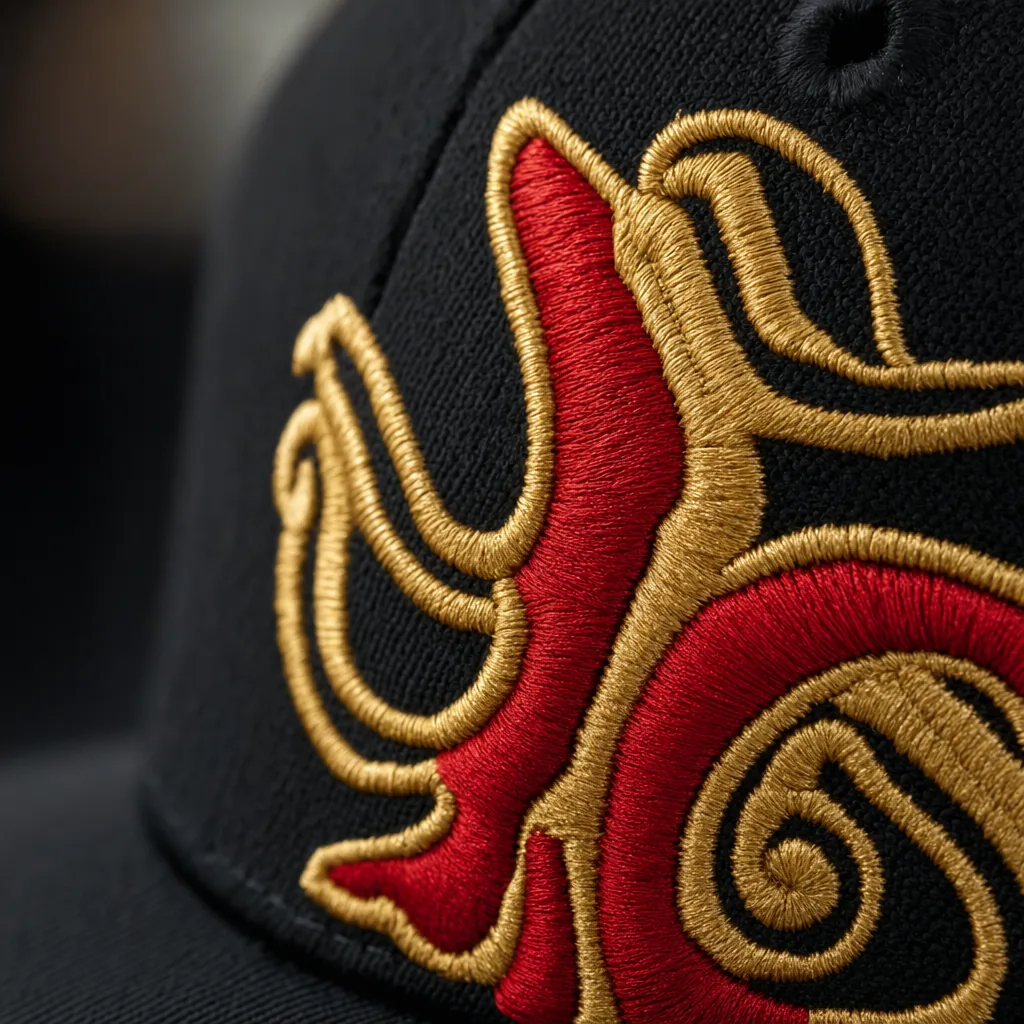
Hat With Patch Retail Packaging Guide for Custom Hat Buyers
Read article →Sourcing custom hats does not have to be complicated. With the right manufacturing partner, clear specifications and a small upfront investment in sampling, you can launch a retail-quality product in 30 to 45 days.