
Hat With Patch Retail Packaging Guide for Custom Hat Buyers
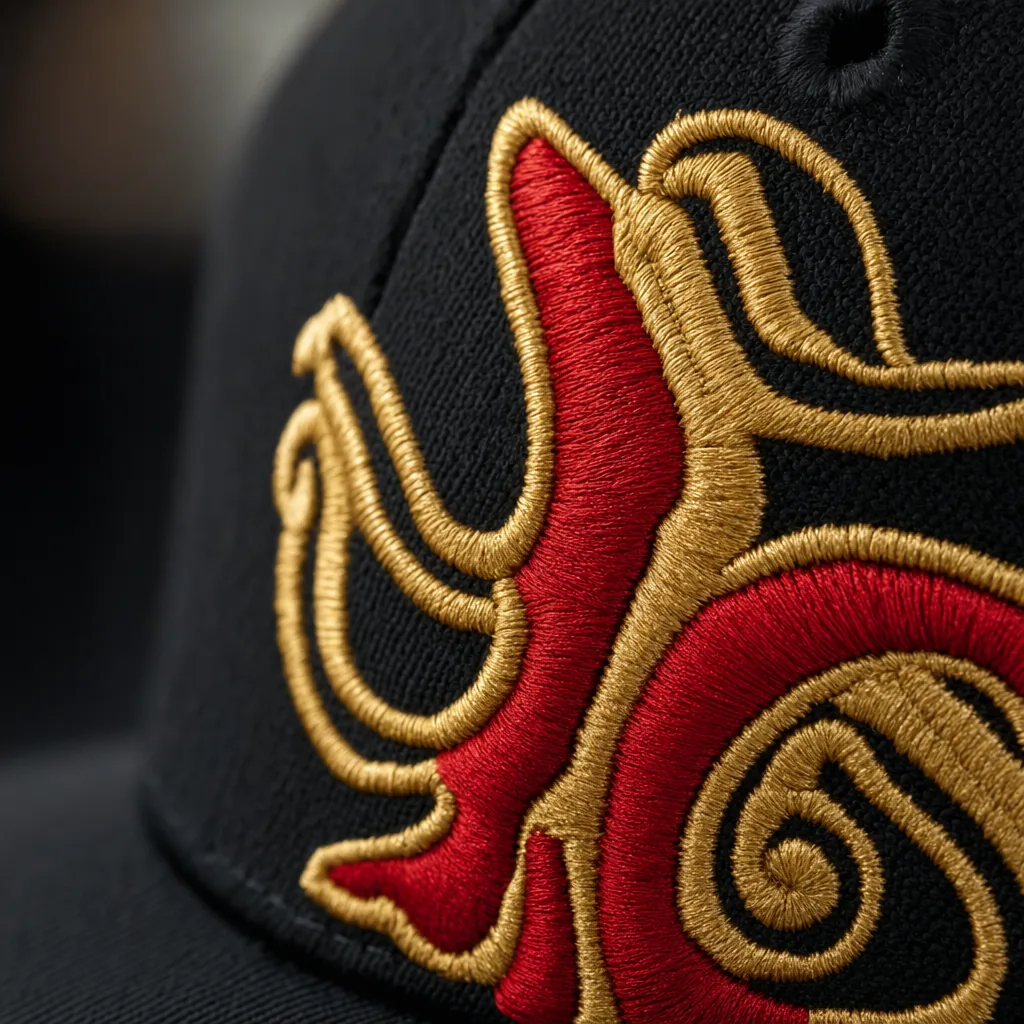
Hat With Patch Retail Packaging Guide for Custom Hat Buyers is one of the most-asked questions we receive from international buyers, and for good reason. With dozens of factories competing for your order and an alphabet soup of technical terms in every supplier quote, even experienced importers can feel lost. This guide consolidates what we have learned producing custom hats for clients in 40+ countries.
Why hat with patch retail packaging guide needs a separate sourcing plan
A buyer searching for a hat with patch retail packaging guide is usually not just comparing cap FOB prices; they are trying to protect shelf presentation, barcode accuracy, and margin after rework. A custom hat with patch may pass normal cap inspection but still fail retail readiness if the patch edge lifts inside a polybag, the hangtag covers the leather debossing, or the carton crushes a structured crown during a 35-day ocean shipment. Generic hat sourcing focuses on fabric, shape, embroidery or patch application, and AQL 2.5 workmanship. Retail-pack sourcing adds inner pack dimensions, SKU labeling, suffocation warnings, EAN/UPC placement, carton drop strength, humidity control, and sometimes retailer-specific routing guides. Those requirements change the factory workflow because packing cannot be treated as the last half-day job after final QC.
Patch construction drives packaging decisions more than many buyers expect. A woven custom patch for hat with merrowed edge can tolerate flat folding, but a 2.0 mm PVC patch or genuine leather patch on a 6-panel structured cap needs more crown support and lower carton compression. For PU, suede, and leather-look patches, we normally keep Delta-E under 1.5 against the approved color standard and avoid direct contact with dark tissue that can transfer dye in high humidity. If the custom patch hat is sold in retail at $28–$45, adding a branded belly band, hangtag, sticker barcode, silica gel, and 350 gsm insert card may add $0.18–$0.65 per unit, but it prevents far more expensive store-level chargebacks. CrownsForge’s standard practice is to test the packed cap after 24 hours of stacking before approving mass packing.
Lead time and compliance also split retail-pack programs from normal custom patch hats. A basic bulk-packed cap order can move through cutting, sewing, Tajima or Barudan embroidery, patch pressing, and carton packing in 25–35 days after sample approval. Retail packaging can add 7–15 days because printed hangtags, FSC paper bands, UPC files, care labels, and master carton markings need separate approval. For US big-box or licensed sports buyers, I would also confirm Prop 65 language, CPSIA tracking if youth sizes are involved, REACH/SVHC limits for PVC patches going to the EU, and social compliance expectations such as sedex-audit-cap-supplier-guide.html">BSCI 2.0 or Sedex SMETA 4-Pillar. A practical hat with patch retail packaging guide should therefore lock packaging specs at sample stage, not after bulk production, because late changes affect unit cost, carton cube, customs documents, and DDP landed price.
Factory capability checks before quoting
Audit readiness and communication are not paperwork extras; they predict whether the shipment will be clean when the retailer’s DC opens the cartons. Ask for recent BSCI 2.0, Sedex SMETA 4-Pillar, or WRAP documentation, then check whether the production floor actually follows needle control, broken-needle logs, metal detection, and carton drop-test procedures. Our standard practice at CrownsForge is to quote custom patch hats only after confirming sample room capacity, decoration ownership, panel construction, closure hardware, and packaging method in one spec sheet. For inspection, define AQL 2.5 for major defects and AQL 4.0 for minor defects, with clear calls on patch placement tolerance, usually ±2 mm horizontally and ±1.5 mm vertically on front panels. The best suppliers answer with photos, measurement charts, and risk notes within 24 hours; vague replies like “no problem” usually mean your custom patch hat packaging will be solved too late, after bulk goods are already sewn.
MOQ, pricing and sample approval
MOQ is not just a sales number; it is where cutting loss, patch setup, and packing labor stop fighting the unit price. For a custom hat with patch order, I normally see three practical bands: 144–288 pcs for sampling market response, 500–1,000 pcs for stable FOB pricing, and 3,000+ pcs when fabric booking and carton packing can be optimized. Below 288 pcs, expect a surcharge of about US$0.40–US$1.20 per cap because the factory still has to dye fabric, open patch molds, adjust Tajima or Barudan embroidery files, and run carton labels. A woven or embroidered custom patch for hat usually has a setup cost of US$45–US$120 per design, while PVC, leather deboss, or chenille patches can run US$80–US$180 depending on mold depth and edge finish. For a basic 6-panel cotton twill cap with one front patch, realistic export pricing is often US$3.20–US$5.80 FOB at 500 pcs, before retail packaging upgrades.
PPS approval is where buyers save money, not where they should rush. The pre-production sample should lock the cap block, crown height, brim curve, patch placement, backing, sweatband, closure, trims, label copy, and packaging layout before bulk fabric is cut. For Pantone matching, do not approve from a phone photo; use Pantone TCX for fabric and thread cards for embroidery, with an acceptable Delta-E target around 1.5–2.0 for solid fabrics and slightly wider for washed cotton or pigment-dyed panels. Stitch density matters on every custom patch hat: flat embroidery typically runs 0.35–0.45 mm stitch spacing, while dense 3D puff or chenille needs more compensation or the patch edge will curl after pressing. Our standard practice at CrownsForge is to send the PPS with a measurement sheet, patch close-up, trim photos, and packing mock-up, then hold bulk until written approval is received.
A useful hat with patch retail packaging guide must include trims and packing costs because retail-ready caps are rarely priced like loose bulk caps. A woven main label may add US$0.04–US$0.08, a branded sweatband US$0.12–US$0.25, a metal buckle US$0.18–US$0.45, and a hangtag with cotton string or ball chain US$0.06–US$0.18. Individual polybags are cheap at US$0.03–US$0.06, but FSC kraft boxes, printed belly bands, barcode stickers, silica gel, and carton drop-test requirements can add US$0.35–US$1.50 per unit. Lead time should be counted from PPS approval and deposit, not from inquiry date: 7–12 days for sample revision, 25–35 days for 500–2,000 pcs bulk production, and another 5–10 days for final AQL 2.5 inspection, carton labeling, and export booking. For Q4 retail launches, add at least two extra weeks for fabric queues and vessel space.
Quality inspection and shipping risk
Quality inspection has to happen before retail packaging is sealed, not after the cartons are stacked by the dock. For a custom hat with patch order, I normally set AQL 2.5 for major defects and AQL 4.0 for minor defects, with critical defects at zero tolerance. Major defects include a crooked patch over 3 mm off center, loose merrow stitching, visible glue bleed on leather or TPU patches, broken embroidery threads, skipped satin stitches on a custom patch for hat, and sweatband contamination. Measurements should be checked against the approved PP sample: crown height ±5 mm, visor length ±3 mm, backstrap length ±5 mm, and patch placement ±2 mm for premium retail runs. If the cap uses embroidery around or through the patch, Tajima, Barudan, or ZSK head tension must be checked because puckering often appears only after steam shaping. A good hat with patch retail packaging guide should treat these defects as sell-through risks, not just factory workmanship issues.
Color and durability checks are where many buyers lose money on repeat orders. Fabric shade should be controlled against Pantone TCX or a sealed fabric swatch, with Delta-E ideally under 1.5 for same-lot panels and under 2.0 for reorder lots. For washed cotton twill, pigment-dyed canvas, or 280 gsm brushed chino, colorfastness to rubbing should reach at least Grade 4 dry and Grade 3 wet under ISO 105 standards; otherwise tissue wrap and white inner labels can pick up staining during ocean freight. PVC, woven, chenille, leather, and rubber patches each need different checks: PVC edges can flash, woven labels can fray, chenille can shed, and debossed leather can vary in burn depth. Our standard practice at CrownsForge is to photograph the approved custom patch hat sample beside bulk production under a D65 light box before final packing. That record matters when a buyer reorders custom patch hats six months later and expects the same shade, stitch density, and patch height.
Shipping risk starts with carton discipline. Retail boxes, hangtags, UPC stickers, and polybags should be verified before master cartons are closed, because relabeling 3,000 caps in a bonded warehouse costs more than preventing the mistake at origin. Carton markings need buyer PO number, style code, color, size ratio, quantity, gross weight, net weight, carton dimensions, and country of origin; for Amazon, team retail, or department-store accounts, missing FNSKU or inner-pack labels can trigger chargebacks. Standard export cartons for caps are usually 58 x 48 x 38 cm, 50 to 100 pieces depending on crown structure, with 5-ply corrugated board if retail packaging is included. FOB Ningbo or Shanghai gives buyers more control on freight and insurance, while DDP is easier for smaller brands but hides duty, port congestion, and last-mile risk inside the unit price. Reorder documentation should include the tech pack, patch artwork, thread codes, Pantone references, carton label template, barcode files, AQL report, and sealed sample photos for every hat patch custom program.
Buyer checklist for the next RFQ
A firm RFQ for a custom hat with patch should start with the commercial facts: target quantity by SKU, delivery country, required Incoterm, and retail channel. A 300-piece run for Shopify DTC packed in individual kraft boxes is not quoted the same way as 5,000 pieces FOB Ningbo in 25-piece polybags for a distributor. State whether you need FOB, CIF, DDP, or courier air freight, because packaging volume can move freight cost by 15–35%. Include your target retail price and acceptable factory cost if you have one; it saves two rounds of unrealistic options. For most structured caps, buyers should also specify 5-panel, 6-panel, dad cap, trucker, snapback, or bucket, plus closure type, size range, and whether the crown needs buckram. This is the practical starting point for any hat with patch retail packaging guide, because packaging cannot be priced correctly until the hat body, carton cube, and compliance requirements are known.
Send production-ready artwork, not screenshots from Instagram. For the patch, provide vector AI, EPS, or PDF files with Pantone TCX or Pantone Coated references, patch dimensions in millimeters, edge type, and attachment method: flat embroidery patch, woven patch, PVC rubber patch, leather debossed patch, chenille, or sublimated twill. If you only have a JPG, make it at least 300 dpi at actual size, and expect a digitizing or redraw charge of about US$25–80 depending on complexity. For embroidery patches, note stitch direction, merrow border width, and whether small text is under 4 mm high; Tajima, Barudan, and ZSK heads can sew clean detail, but thread and needle still have physical limits. For the cap itself, send fabric spec if known: 260 gsm cotton twill, 280 gsm washed canvas, 100D polyester ripstop, nylon taslan, mesh denier, or recycled polyester certificate requirements.
Packaging specs should be just as clear as the hat specs. Confirm whether each custom patch hat needs a hangtag, barcode sticker, UPC/FNSKU, silica gel, tissue wrap, crown insert, dust bag, peg hook, belly band, kraft mailer, color box, or master carton export marks. Provide photos of packaging you like, carton labeling rules from your warehouse, and any retailer manual covering drop tests, suffocation warnings, CPSIA, Prop 65, REACH, or Amazon prep. Our standard practice at CrownsForge is to request one marked-up reference photo for every visible packaging surface before quoting, because unclear sticker placement can become a packing-line bottleneck. Also state inspection expectations: AQL 2.5 for major defects, AQL 4.0 for minor defects, acceptable Delta-E color tolerance, and whether you require BSCI 2.0 or Sedex SMETA 4-Pillar factory documents. A complete hat with patch retail packaging guide RFQ should let the factory quote unit cost, mold or setup cost, sample timing, carton cube, and realistic lead time in one pass.
Working with CrownsForge
A packaging program for a patch cap has to start at the sample bench, not after bulk sewing is finished. For a custom hat with patch, we normally lock four things before costing retail packaging: crown shape, patch construction, attachment method, and pack-out format. A woven patch on 16-count polyester twill behaves differently from a debossed PU patch or 2.0 mm PVC patch when it is heat-pressed, edge-stitched, or Barudan-sewn onto a curved front panel. Our standard practice at CrownsForge is to run one decoration sample and one packed sample together, so buyers can judge not only the hat but also hangtag position, barcode readability, polybag thickness, carton compression, and shelf presentation. For a hat with patch retail packaging guide, I prefer buyers approve the packed sample under D65 light and confirm Pantone TCX fabric colors with a Delta-E tolerance below 1.5 for brand-critical shades.
Decoration control is where many custom patch hats lose retail quality. A merrowed edge patch needs a clean border allowance, usually 2.5–3.0 mm, or the stitching will wander on six-panel seams. Flat embroidery patches run well on Tajima or ZSK heads, but metallic threads and dense fills above 12,000 stitches can make the patch curl after steaming. For leatherette and PU patches, we test heat press temperature around 150–165°C for 12–18 seconds, then do a 24-hour peel check because adhesive failure often shows up late. A custom patch for hat production order should include approved artwork, Pantone references, stitch file, patch substrate, backing type, and placement tolerance, normally ±2 mm from center and ±3 mm from visor seam. Retail add-ons like woven labels, UPC stickers, silica gel, tissue stuffing, and 40–60 micron self-seal bags should be specified before bulk cutting, not added during final packing.
QC and export coordination are handled as one workflow because a good hat can still fail at retail if the carton plan is wrong. For bulk custom patch hat orders, we inspect incoming fabric by gsm, color lot, shrinkage, and crocking, then check patch lots for edge consistency, adhesive stability, and color matching before line issue. Final inspection is usually AQL 2.5 major / 4.0 minor, with critical checks for patch position, loose threads, visor symmetry, sweatband stains, barcode scan rate, carton markings, and metal detection when required by the buyer. Export packing normally uses 24, 48, or 72 pieces per master carton depending on crown height and whether the hats are flat-packed or structured with inserts. FOB Ningbo or Shanghai is cleanest for experienced importers; DDP to the U.S. or EU needs HS code confirmation, carton CBM, declared value, and compliance documents. For BSCI 2.0 or Sedex SMETA 4-Pillar buyers, packaging suppliers and subcontracted patch workshops must be included in the traceability file, not treated as invisible vendors.
Frequently Asked Questions
Can I order a sample before bulk production?
Yes. We strongly recommend approving a pre-production sample before mass production. Samples are charged at 35 to 60 USD each plus express shipping, fully refundable against confirmed bulk orders over 500 pieces.
Do you support sustainability certifications?
Yes. We work with GOTS organic cotton, GRS-certified recycled polyester, OEKO-TEX Standard 100 fabrics, and are BSCI and Sedex audited. Certification documentation can be provided per order.
What logo decoration techniques do you offer?
3D puff embroidery, flat embroidery, woven patch, leather patch, PVC patch, screen printing, sublimation, applique and laser etching, all in-house with no subcontracting.
What file format should I send for my logo?
Vector files (AI, EPS, PDF) are ideal. High-resolution PNG or JPG at 300 dpi on transparent background works as a fallback. Provide Pantone color references for accurate reproduction.
What is the minimum order quantity (MOQ) for custom hats?
Our standard MOQ is 100 pieces per design and color, with sampling available from 1 piece. For complex multi-color logos or premium fabric upgrades, the MOQ can be lowered with a small per-piece surcharge.
How does ordering custom hat patch work?
When evaluating custom hat patch, the key considerations are construction quality, decoration capability, MOQ flexibility and lead time. Explain the buyer intent behind hat with patch retail packaging guide, when it differs from generic hat sourcing, and what decisions affect cost, lead time and compliance. Describe how CrownsForge manages hat with patch retail packaging guide programs with sampling, decoration, QC and export coordination.
How does ordering custom leather patch hats work?
When evaluating custom leather patch hats, the key considerations are construction quality, decoration capability, MOQ flexibility and lead time. Explain the buyer intent behind hat with patch retail packaging guide, when it differs from generic hat sourcing, and what decisions affect cost, lead time and compliance. Cover embroidery, patch, fabric, panel construction, closure options, sample room capability, audit readiness and communication checks.
What's the MOQ for custom leather patch hat low minimum?
When evaluating custom leather patch hat low minimum, the key considerations are construction quality, decoration capability, MOQ flexibility and lead time. Explain the buyer intent behind hat with patch retail packaging guide, when it differs from generic hat sourcing, and what decisions affect cost, lead time and compliance. Describe how CrownsForge manages hat with patch retail packaging guide programs with sampling, decoration, QC and export coordination.
How does ordering custom trucker hat patches work?
When evaluating custom trucker hat patches, the key considerations are construction quality, decoration capability, MOQ flexibility and lead time. Explain the buyer intent behind hat with patch retail packaging guide, when it differs from generic hat sourcing, and what decisions affect cost, lead time and compliance. Describe how CrownsForge manages hat with patch retail packaging guide programs with sampling, decoration, QC and export coordination.
Ready to start your custom hat project?
Send us your tech-pack, sketch or even just an inspiration photo. We will respond with a detailed quotation and digital mock-up within 24 hours.
Request a free quoteRelated guides
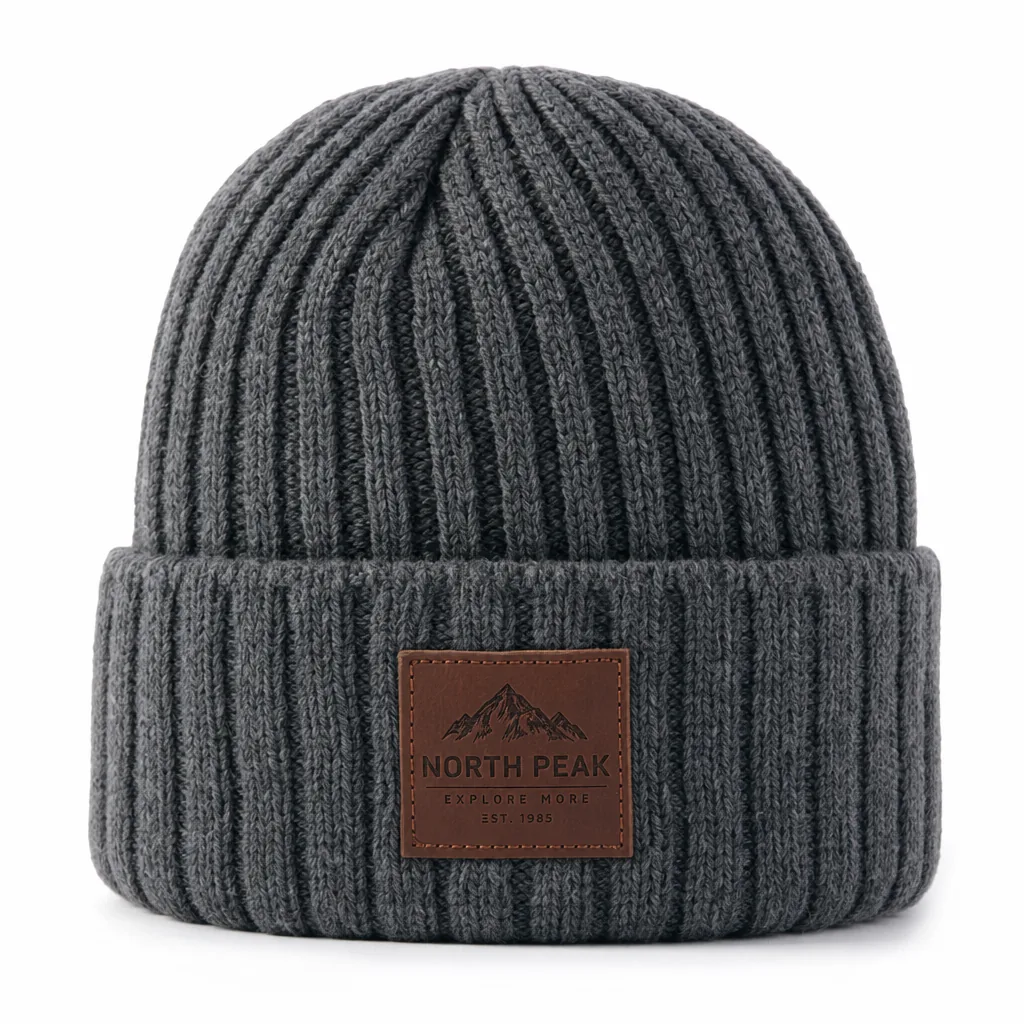
Merino Wool Beanie: Properties, Costs and How to Spec It Right
Read article →
Embroidery Hats Machine: When to Use It, Costs, and What to Ask Your Factory
Read article →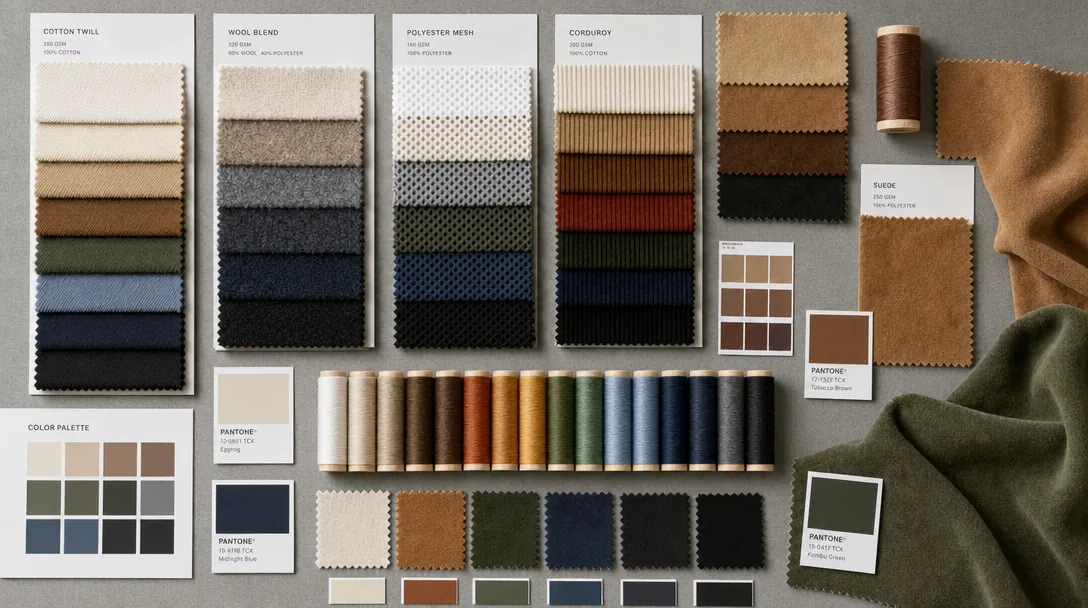
Black Beanie Hat: Properties, Costs and How to Spec It Right
Read article →We hope this guide demystifies hat with patch retail packaging guide for custom hat buyers and helps you move forward with confidence. If you have questions specific to your project, our English-speaking sales engineers are one message away.