
Custom Made Trucker Hat: The 2026 Sourcing & Manufacturing Playbook (2026 Update) (2026 Update) - 2026 Buyer's Guide - 2026 Buyer's Guide - Supplier Checklist - Cost & MOQ Breakdown
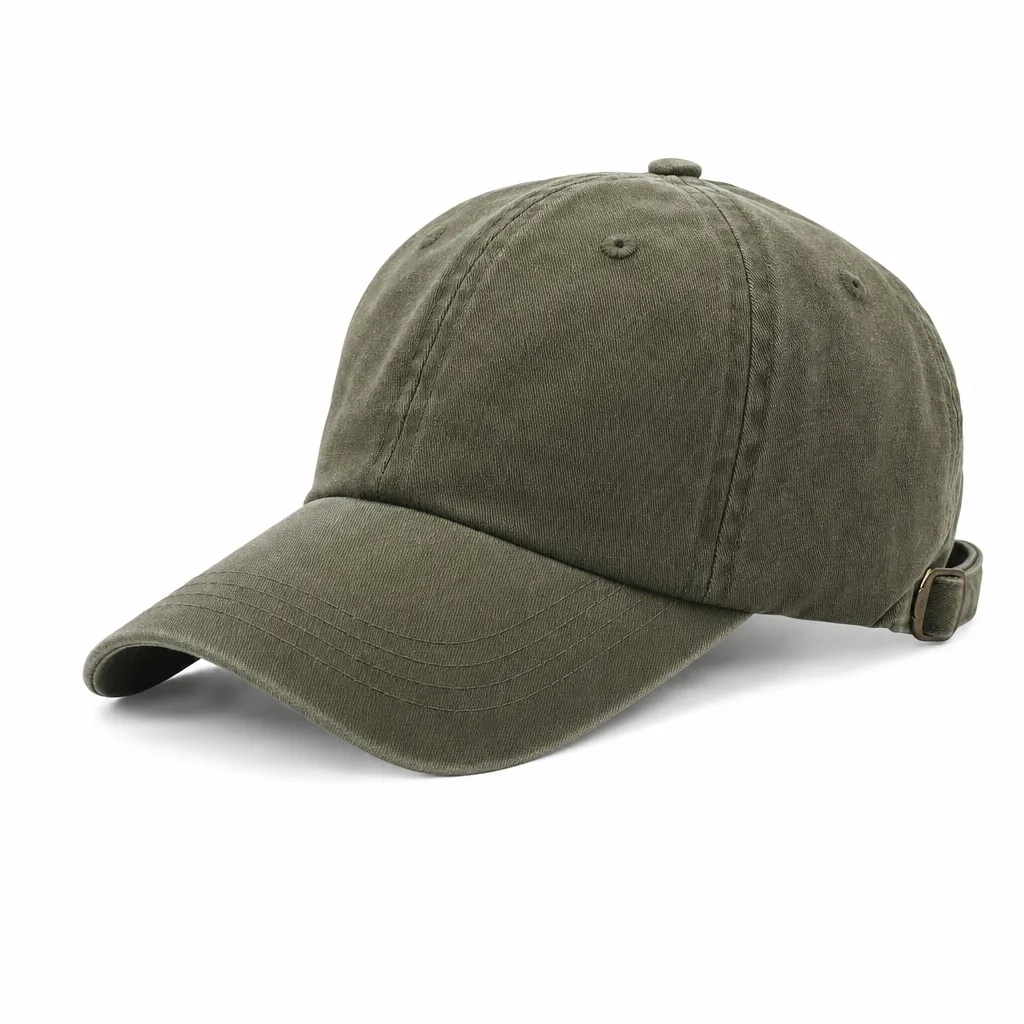
Custom Made Trucker Hat: The 2026 Sourcing & Manufacturing Playbook (2026 Update) (2026 Update) - 2026 Buyer's Guide - 2026 Buyer's Guide - Supplier Checklist - Cost & MOQ Breakdown is one of the most-asked questions we receive from international buyers, and for good reason. With dozens of factories competing for your order and an alphabet soup of technical terms in every supplier quote, even experienced importers can feel lost. This guide consolidates what we have learned producing custom hats for clients in 40+ countries.
Custom Embroidered Hats
Embroidery is usually the highest-value decoration on a custom made trucker hat, but only if the logo is digitized for the cap structure, not copied from a flat AI/PDF file. A clean file must define underlay, stitch angle, satin width, fill density, pull compensation, trim sequence, backing, and thread tension. A 3D puff logo on a 5-panel foam front may need 2.5–3.0 mm EVA foam, heavier underlay, and wider satin columns; the same artwork on cotton twill side embroidery should be flatter, lighter, and less dense. Your tech pack should state logo position, finished size in millimeters, stitch type, estimated stitch count, puff height, backing type, and thread reference. Pantone TCX is useful for intent, but approve actual Madeira, Gunold, or Coats thread because polyester sheen can shift Delta-E 2.0–4.0 between D65, office LED, and retail lighting. Tajima, Barudan, and ZSK heads can hold sharp satin edges, but no machine fixes 3 mm lettering jammed into a dense front crest.
Quote the cap body with the same precision as the embroidery, or the supplier will price the cheapest structure that technically matches the photo. A standard embroidered trucker normally uses 65/35 poly-cotton twill at 240–280 gsm or brushed cotton twill at 260–300 gsm on the front, 100% polyester mesh at 110–140 gsm, 4–5 mm EVA or PE foam for a high crown, an HDPE snapback, and either recycled PE or paperboard visor board depending on wash testing and sustainability claims. MOQ is typically 144–300 pieces for one colorway using stock fabrics and thread colors; custom-dyed mesh, special crown fabric, molded patches, or three embroidery placements usually push the practical floor to 500 pieces per color. In 2026, a basic 5,000–8,000 stitch embroidered trucker is usually $2.20–$3.40 FOB China at 300–500 pieces. Add 3D puff, metallic thread, side hits, or 12,000+ stitches and expect $3.80–$5.20. At CrownsForge, digitizing is quoted separately, typically $25–$60 per logo, because a production-ready DST/EMB file takes real technician time.
Final inspection should target the defects that trigger chargebacks, not just count loose threads. Check uneven tension, fill-to-satin registration gaps, birdnesting inside the crown, skipped stitches at seam crossings, exposed foam on 3D puff, needle cuts around dense fills, and bill embroidery that warps after pressing. Small text under 4.5 mm cap height often closes up on structured foam fronts; simplify the art, widen the strokes, or move fine detail to a woven label or rubber patch. Use AQL 2.5 for shipment inspection, but add measurable tolerances buyers can enforce: front logo placement within ±3 mm, embroidery centering relative to the middle seam or panel break within ±2 mm, crown height within ±5 mm, and bill length within ±3 mm. Also inspect hoop marks, sweatband staining, dark twill dye migration into white thread, and snapback fatigue after repeated opening. If the embroidery cannot run cleanly, revise the hat specification early; decoration drives panel stiffness, backing, lead time, and cost more than most first-time buyers expect.
Custom Hat Embroidery
Embroidery quality on a custom made trucker hat is decided before the first panel touches a Tajima, Barudan, or ZSK head. A cap logo cannot be digitized like a T-shirt file because the front panel is curved, often laminated with foam, and later pulled during crown closing. Require the digitizing sheet to list logo width in millimeters, stitch count, thread brand, backing type, needle size, color sequence, underlay, and machine format. For most front panels, 55–120 mm wide is the safe working range; side embroidery is usually 25–60 mm, and rear arch text should stay roughly 15–30 mm high. For 3D puff, use 2–3 mm EVA foam with satin columns around 2.0–3.0 mm wide and enough density to cut the foam cleanly. Details below 1.2 mm, thin serif fonts, distressed edges, and tiny negative spaces usually fail in puff, showing split columns, exposed foam, or muddy edges after trimming.
Color approval must happen at strike-off stage, not after 2,000 caps are boxed. Polyester embroidery thread is normally matched against Madeira, Isacord, Gunold, or local Chinese thread cards, while buyers often send Pantone TCX or Solid Coated references; those systems do not convert perfectly. For brand colors, approve a physical embroidery swatch under D65 light and set a realistic Delta-E tolerance, usually under 2.0 for strict licensing work and under 3.0 for promotional orders. Gradients, halftones, micro lettering, and weathered artwork are often better handled as woven patches, TPU badges, chenille, felt appliqué, or screen-printed patches instead of forcing stitches to imitate print. In 2026 Zhejiang pricing, digitizing typically runs $20–$60 per logo, while embroidery should be quoted by stitch band, not as one vague decoration charge. Basic flat embroidery on stock trucker blanks can start around 144–300 pieces per colorway; custom-dyed fabric, exclusive mesh, Pantone-matched snaps, or molded trims usually push MOQ to 500–1,000 pieces.
The defects I reject most often are color registration drift, thread breaks, bobbin nests, satin-column tunneling, needle cuts through foam laminate, puckering around dense fills, and exposed EVA on 3D puff. Trucker front panels are normally embroidered before crown assembly, so the logo is stressed again during sewing, blocking, and packing; a badge that looks centered on a flat panel can skew once the cap is shaped. For a production-ready custom made trucker hat, request in-line photos after embroidery and before crown closing, then inspect finished caps using AQL 2.5, with logo defects treated more strictly than minor loose threads. Our standard practice at CrownsForge is to inspect the inside finish as closely as the front: backing must be trimmed cleanly, thread tails cannot sit under the sweatband, and no abrasive edge should touch the forehead. Also check embroidery together with fabric gsm, mesh denier, sweatband material, and carton packout, because a dense 12,000-stitch mascot can change crown profile, breathability, and shape retention.
Custom Trucker Hat
A custom made trucker hat should be engineered from the crown outward, because decoration cannot hide a weak shell. For a 5-panel or 6-panel trucker, lock the front crown height, foam or buckram stiffness, visor insert, mesh denier, sweatband width, seam tape, top button, and snapback grade before approving artwork. A dependable retail spec is 240–280 gsm poly-cotton twill or 10 oz cotton canvas on the front, 100% polyester mesh in 100D–150D on the back, a pre-curved PE visor insert, and a 7-hole plastic snapback with clean tooth engagement. Cheap giveaway builds often use thin 75D mesh, soft foam, and a generic 24 cm head opening; they look acceptable in a carton but collapse quickly on shelf displays. Match decoration to panel structure: flat embroidery on Tajima, Barudan, or ZSK heads; 3D puff with 2–5 mm EVA; woven patch; PVC patch; heat transfer; screen print; or sublimated foam front.
The tech pack must control tolerance, not just logo placement. Specify Pantone TCX references for front fabric, mesh, visor sandwich, thread, eyelets, and snapback; when twill and mesh are dyed separately, require lab dips or strike-offs within Delta-E 1.5–2.0 against the approved standard. Embroidery specs should list finished size in millimeters, stitch count, Madeira or Gunold thread type, needle position, and placement measured from the visor seam and center-front line. For puff embroidery, confirm EVA thickness, satin column width, pull compensation, and whether the underlay will tunnel on foam-backed panels. Our standard practice at CrownsForge is to approve a pre-production sample for crown profile, visor balance, panel tension, and logo centering before bulk cutting. The failures that kill margins are not tiny thread shade differences; they are twisted front seams, sunken crowns, off-center patches, and visors that curve unevenly after steaming.
For 2026 sourcing, a basic promotional trucker with foam front, polyester mesh, plastic snapback, and up to 8,000 flat embroidery stitches usually starts at 144–300 pieces per colorway and lands around $2.10–$3.40 FOB China. A retail-grade build with heavier twill, branded seam tape, woven loop label, printed internal taping, 3D puff, side embroidery, or a woven patch is more realistic at 300–500 pieces and $3.80–$6.50 FOB. Washed canvas, corduroy, recycled RPET mesh, suede visor, rope trim, custom jacquard taping, or molded rubber patches can push MOQ to 500–1,000 pieces and add $0.40–$1.80 per unit; PVC molds and custom metal closures are usually billed separately at $80–$250. Final inspection should run at least AQL 2.5 for major defects, checking crown height, visor symmetry, mesh breaks, snapback cracking, oil marks, loose overlock, and embroidery distortion. For U.S. DDP, add roughly $0.70–$1.20 per hat for freight, duty, and carton-density impact.
Custom Trucker Hats
A custom made trucker hat should be engineered around crown geometry first, then mesh, then decoration. The most common retail builds are 5-panel foam front, 5-panel seamless front, and 6-panel structured with buckram; each changes the logo field, crown height, and rebound after carton compression. Typical working specs are 3–5 mm polyester foam, 110–140 gsm polyester mesh or 120–160 gsm nylon mesh, 230–280 gsm cotton/poly twill on non-foam fronts, a 1.6–1.8 mm PE visor board, 6–8 visor stitch rows, and PP or ABS snapback tabs. Put exact numbers in the tech pack: crown height in cm, visor length, curve radius, mesh denier, sweatband composition, seam tape color, button material, snapback hole count, and Pantone TCX targets for shell, mesh, thread, and taping. If those items are left “factory standard,” the factory will use available mesh or substitute foam density, which is how one PO ends up with three different fits.
Decoration quality is limited more by the front panel than by the embroidery brand. Tajima, Barudan, and ZSK heads can all run clean center logos, but a foam-front cap and a buckram-front cap need different digitizing. For a standard 6,000–8,000 stitch logo, Zhejiang FOB pricing is usually $2.20–$3.40 at 300 pieces on an existing trucker body. Add roughly $0.18–$0.35 for 3D puff embroidery, $0.25–$0.60 for woven or embroidered patches, $0.40–$0.90 for private-label trims, and $0.20–$0.50 if you move to GRS recycled mesh or Pantone-matched snap tabs. Puff embroidery needs controlled underlay and stitch density around 0.35–0.45 mm; too dense and the needle cuts the foam, too loose and the logo collapses after packing. At CrownsForge, color approval is done under a D65 lightbox with an agreed Delta-E tolerance, because “black mesh,” “black thread,” and “black snap” rarely match by eye alone.
Final inspection must target trucker-hat failures, not just general cap defects. Use AQL 2.5 for major defects, but add hard tolerances: visor symmetry within ±3 mm, logo placement measured from the visor midpoint, crown height within ±5 mm, no foam exposure around puff embroidery, no needle damage through mesh, no weak snap engagement, and carton packing that does not crush the front panel. MOQ is normally 144–300 pieces per colorway for stock bodies with custom embroidery, while true cut-and-sew programs with custom mesh, branded inner taping, special visor shape, or dyed-to-match snaps usually need 500–1,000 pieces. For licensed, retail, or corporate programs, ask for sedex-audit-cap-supplier-guide.html">BSCI 2.0 or Sedex SMETA 4-Pillar documentation, in-line production photos, a sealed BOM, and a signed pre-production sample. One approved sample is not enough for a repeat custom made trucker hat program; the tolerances must be clear enough to survive the second and third reorder.
Hat Trucker Custom
A custom made trucker hat should be locked from the bill of materials first, because the logo is usually not the part that fails in bulk production. For 2026 sourcing, the common builds are a 5-panel foam front, a 5-panel A-frame, or a 6-panel mid-profile crown using 100% polyester mesh at 140–180 gsm, cotton twill or brushed chino front panels at 220–280 gsm, and a PE visor insert at 1.6–1.8 mm. Specify buckram instead of saying “structured”: 60–80 gsm gives a softer crown, while 110–130 gsm is the safer choice for a firm A-frame that survives 30–40 days of ocean freight without collapsing in the carton. The tech pack should freeze crown height, visor length, visor curvature, stitch rows, seam allowance, sweatband material, snapback grade, top button material, and finished circumference tolerance, ideally ±0.5 cm. For decoration, 3D puff embroidery on Tajima, Barudan, or ZSK heads needs stable front fabric and controlled underlay; high-density stitching on weak foam or loose twill will pull the panel off center.
Color and trim specifications need to be written like inspection criteria, not mood-board language. Name Pantone TCX targets for fabric, mesh, thread, and patches, then define an acceptable Delta-E range under D65 lighting; for most retail programs, Delta-E ≤1.5 is realistic for front fabric, while mesh may need ≤2.0 because dye lots shift more visibly on open-hole polyester. Include mesh hole size, artwork dimensions in millimeters, estimated stitch count, thread brand if required, snap closure pull strength, carton pack quantity, UPC/FNSKU label placement, and destination-market care labeling. Sweatband choice also changes perceived quality: cotton terry feels traditional but holds moisture, poly tricot is cheaper and cleaner, and moisture-wicking knit adds roughly $0.08–$0.18 per cap. Our standard practice at CrownsForge is to approve a sealed counter sample before bulk because most disputes come from substituted mesh stiffness, altered visor curve, loose snap engagement, or embroidery density changes—not from obvious Pantone misses. If the order claims RPET, request valid GRS scope certificates from the yarn or fabric supplier, not just a recycled hangtag.
MOQ and price move more with decoration, trims, and packaging than with the crown shape itself. A basic trucker using stock polyester mesh, cotton twill front panels, plastic snapback, and flat embroidery can start at 144–288 pieces per colorway, but 300 pieces per design is the more workable MOQ once you add custom inside taping, woven labels, hangtags, retail polybags, or barcode stickers. In Zhejiang production, realistic FOB pricing for 300–500 pieces is usually $2.10–$3.40 per cap; at 1,000 pieces, the same construction often drops to $1.65–$2.70 depending on stitch count, patch type, fabric grade, contrast sandwich visor, and packing requirements. Budget $0.18–$0.45 for woven labels and hangtags, $0.30–$0.80 for rubber or TPU patches, and $35–$120 for embroidery digitizing or badge mold setup. Final inspection should use AQL 2.5 for major defects and check crown symmetry, puckering, skipped stitches, snap function, odor, visor wave, carton compression, and measurements across the sampled lot, not just the top-layer caps in the export carton.
Trucker Custom Hat
A custom made trucker hat is easy to sew badly and difficult to run consistently at 300, 3,000, and 30,000 pieces. The risk is not assembly; it is variation between lots. Lock five components in the tech pack: front panel fabric, mesh, visor board, sweatband, and snap closure. “Standard mesh” is useless wording. Call out 100% polyester mesh at 110–140 gsm, 150D or 200D yarn, and hole size or mesh count, because open-hole variance changes both hand feel and crown stability. On the front, specify the exact substrate: 10x10 cotton twill at 220–260 gsm, brushed canvas at 240–300 gsm, polyester foam laminate for high-profile builds, 14 wale corduroy, or 70D–210D nylon taslan. If color matters, use Pantone TCX or TPX references and set an acceptable Delta-E, ideally under 1.5 for retail programs and under 2.0 for promo. The crown structure drives most quality problems. A soft-front trucker behaves very differently from a fused buckram crown or a 5 mm foam-front silhouette, especially after compression packing. For 3D puff embroidery on Tajima, Barudan, or ZSK heads, I would not approve vague notes like “raised logo”; specify 2.5–3.0 mm EVA foam, underlay type, backing weight, stitch count, and logo placement tolerance of plus or minus 1.5 mm. Also lock crown height, visor curve, visor board thickness at roughly 1.6–2.0 mm PE or recycled PE, sandwich color, seam tape print, eyelet finish, snap grade, and SPI. Our standard practice is 6–8 stitches per inch on structural seams; below that, trucker crowns start opening up during packing and transit.
A workable RFQ uses factory-floor language, not brand-side shorthand. Ask for fabric composition, gsm, mesh denier, buckram thickness, visor board thickness, sweatband width, snap resin type, embroidery file format, carton pack, and whether the quote includes digitizing, woven labels, hangtags, polybags, and export cartons. For a custom made trucker hat built from stock fabrics and stock snaps, the real MOQ is usually 144–300 pieces per colorway. Once you add custom-dyed mesh, Pantone-matched thread, printed seam tape, woven loop labels, metal trims, or a proprietary snap mold, MOQ usually jumps to 500–1,000 because mills and trim vendors will not run tiny lots with clean shade control. In Yiwu and greater Zhejiang, a basic 5-panel or 6-panel stock-material trucker at 300 pieces typically sits around $2.10–$3.40 FOB China; foam-front styles with 5,000–8,000 stitches are more like $2.60–$4.20, while premium canvas, corduroy brim wraps, private-label packing, and inside tape print can push cost to $4.80–$7.50. Inspection should focus on repeatability, not whether the salesman sample looked sharp under office lighting. The failures that actually cause chargebacks are embroidery drifting over 2 mm off center, visor left-right asymmetry, foam-front puckering, mesh shade variation across dye lots, cracked snap tabs after cold testing, needle cuts in mesh, twisted sweatbands, and top buttons pulling the crown off axis. For retail and licensed programs, use AQL 2.5 for major defects, AQL 4.0 for minor, and zero tolerance for criticals. Final inspection should measure at least 13 points, including crown height, front panel width, visor length, visor arc, sweatband width, closure position, logo placement, and finished circumference range. Add flat-table visor symmetry checks, embroidery pull tests, carton drop tests, barcode scan verification, and colorfastness review. A cheap custom made trucker hat turns expensive fast when mesh, thread, and packing were approved separately instead of as one controlled production system.
Working with CrownsForge for custom made trucker hat programs
The biggest risk in a custom made trucker hat program is not the logo; it is whether the approved sample actually locks the cap block, mesh hand-feel, visor memory, and decoration behavior before bulk cutting. For a basic 5-panel foam-front trucker with stock polyester mesh and one flat embroidery, a realistic physical sample lead time is 5–7 working days after artwork confirmation. Add woven patches, rope trim, printed underbill, side embroidery, or custom seam tape and 7–12 working days is normal. Fully custom inputs such as Pantone TCX-matched cotton twill, proprietary camo, custom-dyed mesh, molded silicone badges, or jacquard labels usually push sampling to 12–18 working days because lab dips, strike-offs, and trim approvals cannot be rushed without creating shade or fit problems. The pre-production sample should record crown height, panel construction, brim length, visor curve, sweatband width, closure type, thread reference, stitch count, and logo placement tolerance in millimeters, not just show a nice photo in a chat thread.
MOQ and cost are driven more by material and decoration choices than by the hat body itself. A stock-material trucker using existing foam, standard mesh, plastic snapback, and one front embroidery can usually start around 144–300 pieces per colorway. Custom-dyed fabric, sublimated panels, bespoke labels, or nonstandard mesh often move the practical floor to 500–1,000 pieces because dye houses and trim suppliers have their own minimums and setup waste. FOB China pricing for a clean 5-panel stock trucker at 300 pieces is commonly $2.10–$3.40, depending on fabric, stitch count, and packing. Add a woven patch plus underbill print and $2.90–$4.20 is more realistic; add 3D puff, side hit embroidery, custom taping, retail hangtag, barcode sticker, and polybag sorting and $3.80–$5.80 is normal. I would rather see a startup launch two strong 150-piece SKUs than six weak colorways that create inventory drag and inconsistent decoration quality.
Decoration needs to be engineered for the crown, not copied from a flat artwork file. High-density embroidery that runs cleanly on 270 gsm cotton twill can pucker badly on laminated foam if the digitizing uses too much penetration, tight pull compensation, or narrow underlay. Tajima and Barudan heads handle most flat and 3D puff work well, while ZSK heads are useful for finer satin borders and patch-edge cleanup when speed control matters. Serious options include woven patches, printed twill appliqué, TPU/PVC patches, chain stitch, flat embroidery, 3D puff, heat-transfer labels, brim-edge printing, and internal taping print, but no technique works equally well on every crown profile. Our standard practice at CrownsForge is to pair bulk approval with AQL 2.5 major / 4.0 minor inspection, BSCI 2.0 or Sedex SMETA 4-Pillar documentation when required, and color control against Pantone TCX or coated references with Delta-E 1.0–1.5 targets on visible fabric panels.
Frequently Asked Questions
What logo decoration techniques do you offer?
3D puff embroidery, flat embroidery, woven patch, leather patch, PVC patch, screen printing, sublimation, applique and laser etching, all in-house with no subcontracting.
Can I order a sample before bulk production?
Yes. We strongly recommend approving a pre-production sample before mass production. Samples are charged at 35 to 60 USD each plus express shipping, fully refundable against confirmed bulk orders over 500 pieces.
Do you support sustainability certifications?
Yes. We work with GOTS organic cotton, GRS-certified recycled polyester, OEKO-TEX Standard 100 fabrics, and are BSCI and Sedex audited. Certification documentation can be provided per order.
What file format should I send for my logo?
Vector files (AI, EPS, PDF) are ideal. High-resolution PNG or JPG at 300 dpi on transparent background works as a fallback. Provide Pantone color references for accurate reproduction.
Which shipping methods do you support?
We support FOB, CIF and DDP shipping. Air express for samples and small orders, sea LCL for 100 to 500 pieces, sea FCL for 5,000+ pieces. Door-to-door DDP available for US, EU, UK, Canada and Australia.
How does ordering custom hat trucker work?
When evaluating custom hat trucker, the key considerations are construction quality, decoration capability, MOQ flexibility and lead time. Cover everything buyers ask about custom embroidered hats: how it's manufactured, what specs to request from a factory, typical MOQ and pricing, common quality issues to inspect for, and how this ties back to the broader custom made trucker hat sourcing decision. Cover everything buyers ask about custom hat embroidery: how it's manufactured, what specs to request from a…
How does ordering custom embroidered trucker hats work?
When evaluating custom embroidered trucker hats, the key considerations are construction quality, decoration capability, MOQ flexibility and lead time. Cover everything buyers ask about custom embroidered hats: how it's manufactured, what specs to request from a factory, typical MOQ and pricing, common quality issues to inspect for, and how this ties back to the broader custom made trucker hat sourcing decision. Cover everything buyers ask about custom trucker hats: how it's manufactured, what specs to request from a…
How does ordering custom made hats for men work?
When evaluating custom made hats for men, the key considerations are construction quality, decoration capability, MOQ flexibility and lead time. Cover everything buyers ask about custom embroidered hats: how it's manufactured, what specs to request from a factory, typical MOQ and pricing, common quality issues to inspect for, and how this ties back to the broader custom made trucker hat sourcing decision. Cover everything buyers ask about custom trucker hats: how it's manufactured, what specs to request from a…
How does ordering high quality custom trucker hats work?
When evaluating high quality custom trucker hats, the key considerations are construction quality, decoration capability, MOQ flexibility and lead time. Cover everything buyers ask about custom embroidered hats: how it's manufactured, what specs to request from a factory, typical MOQ and pricing, common quality issues to inspect for, and how this ties back to the broader custom made trucker hat sourcing decision. Cover everything buyers ask about custom trucker hats: how it's manufactured, what specs to request from a…
Ready to start your custom hat project?
Send us your tech-pack, sketch or even just an inspiration photo. We will respond with a detailed quotation and digital mock-up within 24 hours.
Request a free quoteRelated guides
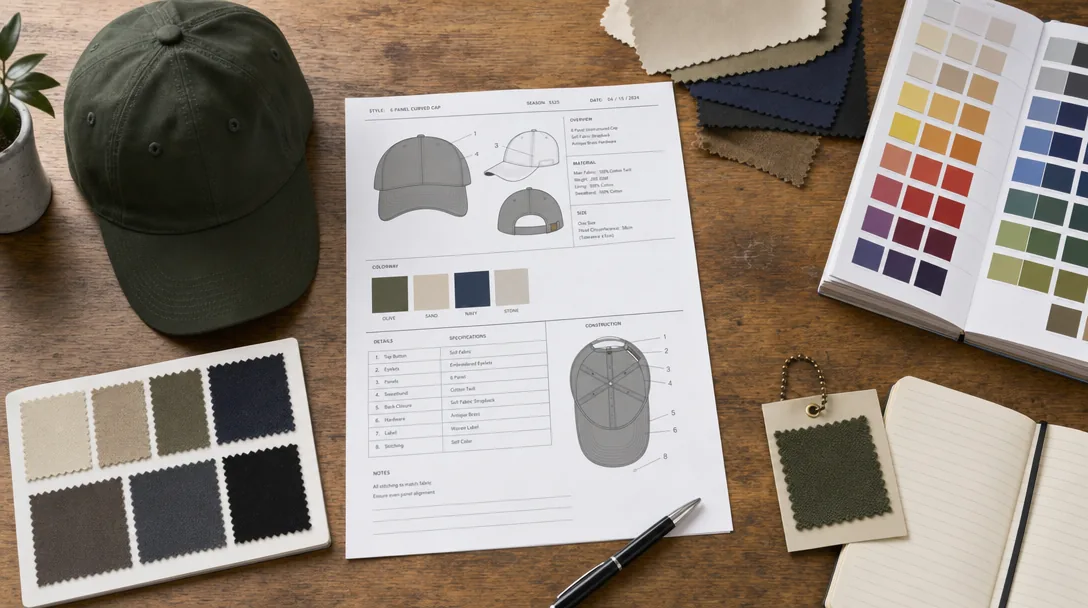
Performance & Athletic Caps: Moisture-Wicking, UPF and Buyer Specs - 2026 Buyer's Guide - 2026 Buyer's Guide
Read article →
Country Trucker Caps: The 2026 Sourcing & Manufacturing Playbook
Read article →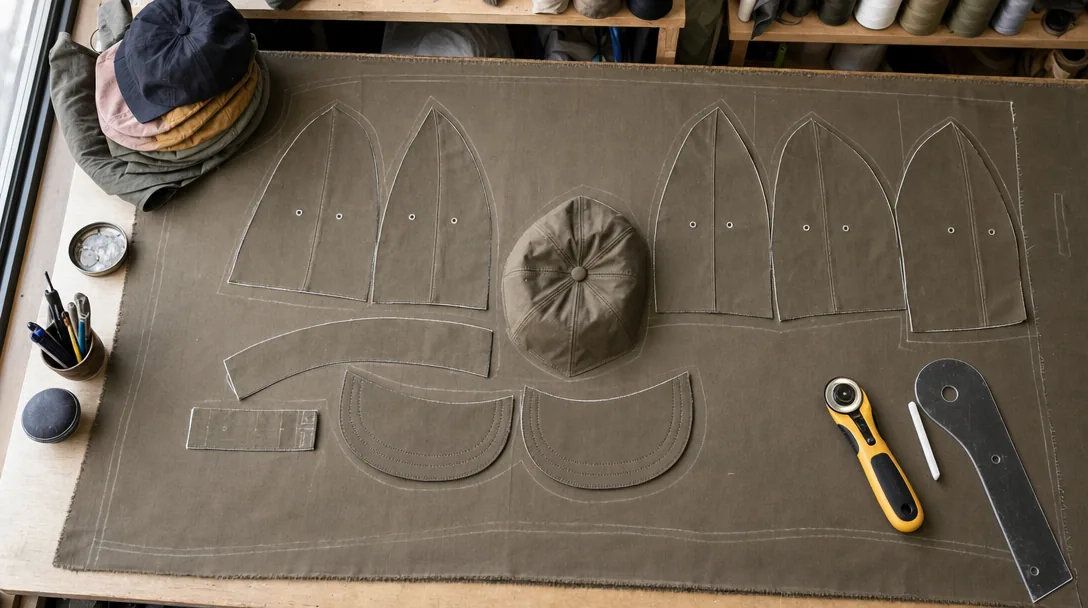
5-Panel vs 6-Panel Caps: Construction, Use Cases and Cost Compared (2026 Update)
Read article →If you are ready to take the next step on custom made trucker hat: the 2026 sourcing & manufacturing playbook (2026 update) (2026 update) - 2026 buyer's guide - 2026 buyer's guide - supplier checklist - cost & moq breakdown, our team can put a tailored quotation and digital mock-up in your inbox within 24 hours. Send the inquiry form on our contact page or message us directly on WhatsApp.