
Country Trucker Caps: The 2026 Sourcing & Manufacturing Playbook
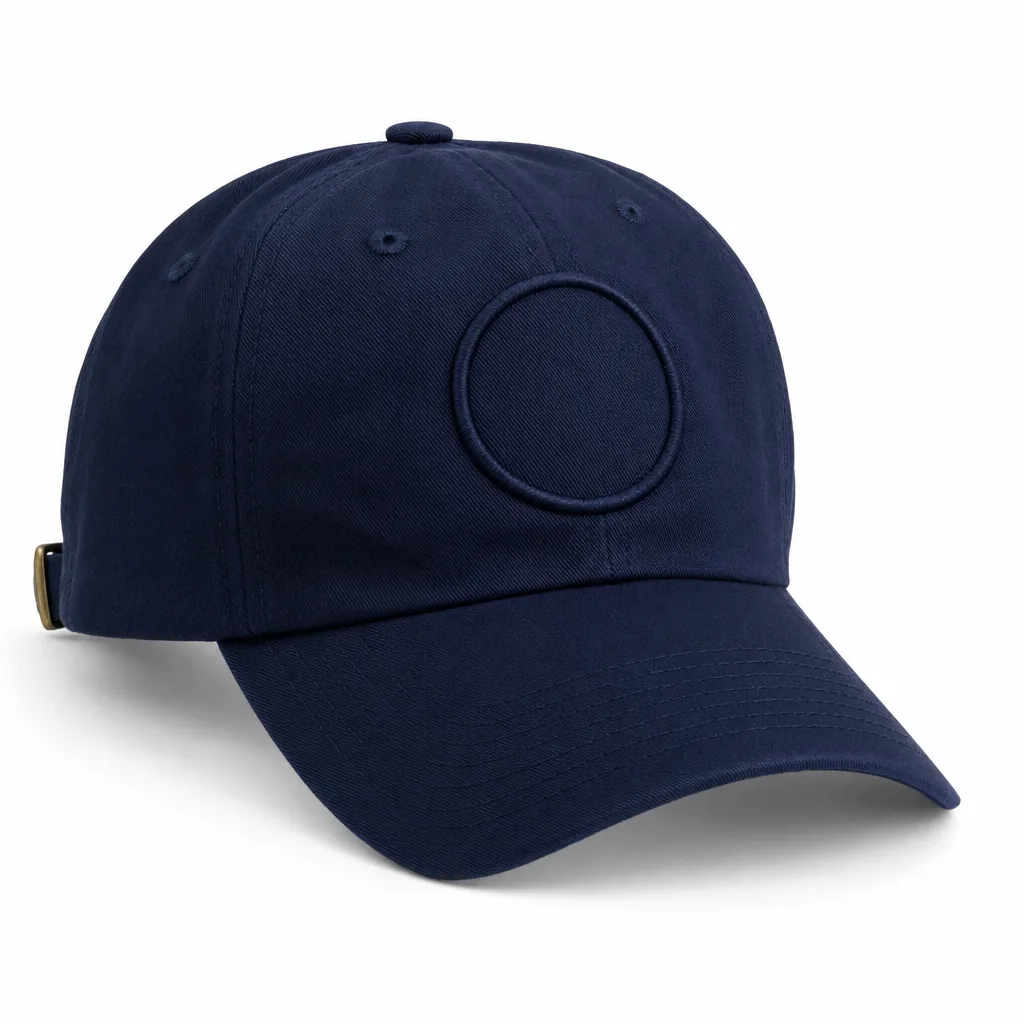
For brand owners, wholesalers and procurement teams entering the custom headwear category, country trucker caps: the 2026 sourcing & manufacturing playbook is one of the highest-leverage decisions you will make. Get it right and your unit economics, retail story and reorder cycle all improve. Get it wrong and you carry the cost for years.
Hat Trucker Custom
Hat trucker custom production starts with the structure, not the decoration. A real trucker cap is usually a 5-panel or 6-panel crown with a foam or structured front, mesh back, plastic snap closure, and a curved or pre-curved visor; for trucker cap men's programs, the front panel is often buckram-backed polyester twill or washed cotton, while the back mesh is typically 100% polyester 17x17 or 18x18 open-hole mesh around 0.16 to 0.20 mm yarn diameter. If you want consistent country trucker caps, specify crown height, visor curve, seam topstitch count, inner taping, sweatband GSM, and logo application method up front. For embroidery, a decent factory should be using Tajima, Barudan, or ZSK heads with a digitized file optimized for the panel shape; for print, ask whether they are doing heat transfer, screen print, or puff, because each one changes handfeel and wash durability. The good factories will give you a full tech pack with Pantone TCX references, stitch counts, and a pre-production sample, not just a mockup image.
Typical MOQ for trucker caps sits around 300 to 500 pieces per colorway for standard stock shapes, though fully custom molds, special mesh, or custom woven labels can push that to 1,000 pieces and up. Factory pricing for a basic FOB China hat trucker custom order is usually about $2.10 to $4.80 per piece at 500 to 1,000 units, depending on front fabric, embroidery coverage, and packaging; add another $0.20 to $0.60 for individual polybagging, barcode stickers, or custom hangtags. Buyers comparing baseball cap custom and beanie hat custom runs should remember that truckers are cheaper to build because the back panels use less fabric, but labor still climbs fast if you ask for multi-location embroidery, rope details, vintage washing, or custom seam tape. For beanie hats custom programs, the MOQ and lead time often differ because knitting and dyeing behave differently from cut-and-sew caps, so don’t compare them on a per-piece basis without checking construction.
The quality checks that matter are boring but decisive: panel symmetry, stitch density, brim curve consistency, logo placement tolerance, mesh tension, and whether the snapback actually locks without cracking after repeated use. I also check sweatband stitching for skipped stitches, foam front recovery after compression, thread breakage on dense embroidery, and color match under a D65 light box because cheap polyester can drift a full Delta-E 2 to 4 from the approved shade. For country trucker caps, buyers should ask for AQL 2.5 inspection on majors and minors, plus a pull test on closures and seam strength if the order is for retail or licensed distribution. The sourcing decision comes down to whether you need a fashion-forward silhouette, a sportier trucker cap men's fit, or a broader program that also includes baseball cap custom and beanie hats custom; the factory that can control all three categories usually has better fabric purchasing, better QC discipline, and fewer surprises on freight, carton packout, and replacement claims.
Trucker Custom Hat
A proper trucker custom hat starts with the panel map and the foam spec, not the logo. Most factory builds use a 5-panel or 6-panel crown with a structured front, 100% polyester mesh back, and either cotton twill or polyester twill on the face; if you want a cleaner country trucker caps look, ask for 260-280 gsm twill and a mid-profile crown around 10.5-11.5 cm. The bill is usually PE board or cardboard wrapped in the face fabric, and the difference matters because cheap board warps after a few weeks in a hot warehouse. For embroidery, I’d request Tajima, Barudan, or ZSK setup files with stitch counts confirmed before sampling; a simple center-front patch can run 8,000-12,000 stitches, while a dense 3D puff can push past 18,000 and needs proper underlay to avoid crushing. If the buyer wants trucker cap men's sizing to feel consistent, the sweatband spec, crown depth, and snapback closure should all be locked before mass production, because those three details change the fit more than the logo does.
Factories usually quote trucker caps at different tiers based on construction and decoration. For blank or simple screen-print builds, MOQs often start at 300-500 pieces per colorway, with FOB China pricing around USD 1.20-2.20 for very basic units and USD 2.50-4.50 for better structured hats with woven labels, custom taping, and embroidery; once you add molded patches, PVC badges, or complex all-over prints, the price moves fast. For baseball cap custom programs, buyers should ask for fabric composition, mesh denier, color standard by Pantone TCX, logo placement in millimeters, and whether the factory is using pre-shrunk or piece-dyed fabric. Our standard practice is to quote samples separately, usually USD 30-80 per style depending on trim complexity, because a real proto sample catches bad panel alignment, poor crown symmetry, and off-register embroidery before you pay for 1,000 pieces.
The most common QC failures on country trucker caps are boring but expensive: crooked front panels, uneven mesh tension, loose thread tails, seam puckering near the side front, and closure snaps that pop out after a few dozen uses. Inspect color against a master standard under D65 light and keep Delta-E under 1.5 if the buyer cares about brand consistency; for mass retail, AQL 2.5 is the normal inspection floor, but licensed programs often tighten critical defects to zero tolerance. If you’re comparing trucker caps against beanie hat custom or beanie hats custom programs, the sourcing logic is the same: lock material, decoration method, and wash performance first, then judge the factory on repeatability, not just sample quality. The best suppliers will show production photos, inline QC checkpoints, and carton packing details, because a decent hat can still arrive crushed if the brim board, polybag gauge, or carton compression ratio is wrong.
Trucker Hat Custom
A proper trucker hat custom order starts with the shell, not the logo. Most trucker caps are built from a 5-panel or 6-panel crown with a foam front or structured cotton-twill front, mesh back in 1x1 or 2x2 polyester, and a pre-curved or flat visor depending on the country trucker caps look you want. For a trucker cap men's program, I’d ask the factory to specify fabric weight in gsm, mesh denier, buckram type, sweatband material, and closure style before sampling. If you skip that, you end up comparing hats that look similar but wear very differently. On the production floor, the biggest differences come from stitch density, panel alignment, and how the front panel is fused or lined; cheap hats often collapse after a few wears because the front support is too light or the visor board is low-grade cardboard instead of PE or recycled plastic board.
For cost and MOQ, realistic factory numbers matter. A basic baseball cap custom or trucker cap custom order usually starts around 300-500 pcs per colorway for a serious factory, though some will quote 100-200 pcs at a premium if you accept stock fabrics and simple embroidery. In China, FOB pricing for a standard embroidered trucker hat custom piece is often about $1.20-$2.80 at 1,000 pcs, with 3D puff, woven labels, or multi-location decoration pushing it to $3.00-$4.50; DDP to the U.S. can add another $0.70-$1.80 depending on carton volume and duty. If you also need beanie hat custom or beanie hats custom in the same program, the factory can usually consolidate trims and packaging, but do not assume the same MOQ or lead time applies—knit headwear and truckers run on different lines and different bottlenecks.
Quality control is where buyers lose money. Inspect crown symmetry, embroidery registration, mesh tension, visor curve consistency, snapback or strapback function, and sweatband adhesion; those are the defects that show up in customer returns. I would require a pre-production sample, a size/tolerance sheet, and an AQL 2.5 inspection with clear pass/fail criteria for loose threads, oil stains, misaligned labels, and color deviation against Pantone TCX. For custom decoration, ask for a stitched sample on the actual fabric, not a mocked-up art board, because dense embroidery on foam front panels can pucker fast if the digitizing is wrong. That same sourcing discipline applies to country trucker caps as a category: the buyer who controls materials, trims, and inspection details usually gets a better cap than the buyer who only sends a logo file and hopes for the best.
Trucker Cap Men's
A proper trucker cap men's order starts with the structure, not the logo. Most factories build it from a 6-panel crown with a foam or cotton front, 100% polyester mesh back, and a pre-curved PE or cardboard bill, then stitch in a structured or semi-structured profile depending on the target fit. For country trucker caps, I usually ask buyers to lock three specs up front: crown height in millimeters, front panel reinforcement type, and closure style, because those three details drive the hand feel and the sell-through price. If the cap is meant to sit in the same assortment as a baseball cap custom program, the profile should be flatter and the front panel firmer; if it is meant to read more like a casual retail trucker, you can soften the foam and use a slightly looser mesh gauge.
The factory sheet should also call out Pantone TCX for fabric matching, embroidery size in centimeters, stitch count, and whether the logo is flat embroidery, 3D puff, woven patch, or PVC badge. On the production floor, the common failure points are boring but expensive: off-center front seams, mesh tension mismatch, crooked bill stitching, weak snapbacks, and poor color control between lots. For anything sold as country trucker caps, I would request a gold sample, a sealed size spec, and an AQL 2.5 inspection plan with critical checks on seam slippage, panel symmetry, and logo registration. CrownsForge’s standard practice is to test closure pull strength, sweatband attachment, and carton drop before release, because those are the issues that show up in returns, not in the showroom.
MOQ depends on decoration complexity and whether the factory is running stock fabric or custom-dyed panels, but 300 to 500 pieces per color is typical for a basic trucker cap men's order, while fully custom trims and packaging often push the floor to 800 to 1,200 pieces. In China, a plain two-tone trucker with one embroidery location often lands around $2.10 to $3.80 FOB at 1,000 pcs, while better mesh, thicker foam, woven labels, and custom taping can move it to $4.20 to $6.50 FOB. Buyers comparing trucker caps against beanie hat custom or beanie hats custom programs should remember seasonality: truckers sell harder in spring and summer, but the factory capacity is similar, so good planning means booking both lines together if you want better yarn, tape, and labor allocation. The broader country trucker caps sourcing decision is mostly about balancing retail price, fit consistency, and whether you need fashion-level finishing or just promo-grade volume.
Trucker Caps
Trucker caps are built around three things that matter in production: the front panel, the mesh back, and the closure system. A proper country trucker caps spec sheet should call out crown structure, visor insert, mesh density, sweatband material, and stitching count per inch, not just a loose color reference. For the front, 100% cotton twill or 100% polyester foam-front are the common options; 5-panel and 6-panel constructions behave differently in embroidery because the seam placement changes how the logo sits. If you want a trucker cap men's line that feels retail-ready, ask for a 260–320 gsm front fabric, 100% polyester mesh around 180–220 denier, and a curved PE or sandwich visor with 2–3 mm thickness. For branding, embroidery should be digitized for the exact panel shape, and pantone matching needs to be written as Pantone TCX or TPX with an acceptable Delta-E target, usually under 2.0 for solid colors. CrownsForge’s standard practice is to confirm every trim and panel spec before sampling, because most bad caps start with vague paperwork, not bad sewing.
MOQ and price depend on decoration method and complexity, not just the factory’s mood. For standard trucker caps with embroidery, realistic factory MOQ is usually 300–500 pieces per colorway, while custom closures, woven labels, or special washes push that higher; if you want baseball cap custom development with unique paneling, expect a sample lead time of 7–14 days and production around 20–30 days after approval. In China, ex-factory pricing for basic trucker caps can land around $1.20–$2.20 depending on fabric weight, embroidery size, and packing; a more finished retail build with structured foam front, higher stitch count, and custom inner labeling often moves to $2.30–$3.80. Buyers comparing country trucker caps should not compare only FOB price: carton size, inner polybag spec, and shipping mode change landed cost fast. DDP into the U.S. or EU can add $0.80–$2.50 per piece depending on volume, duties, and freight season.
The quality issues I would inspect first are shape consistency, embroidery puckering, weak mesh seams, and bad sweatband insertion. Trucker caps fail at the front panel when the foam is cut too soft or the buckram is inconsistent, so check crown height and panel symmetry with a tolerance of about ±3 mm across a production lot. For stitching, loose threads at the visor edge, skipped stitches on logo fills, and uneven topstitch spacing are common rejects under AQL 2.5. Also check closure hardware: plastic snapbacks must lock cleanly, and metal buckles should not scratch the user’s hand. If the same factory also makes beanie hat custom or beanie hats custom programs, that does not automatically help trucker quality; knit and cut-and-sew controls are different. The broader sourcing decision comes down to factory specialization, audit status like sedex-audit-cap-supplier-guide.html">BSCI 2.0 or Sedex SMETA 4-Pillar, and whether they can hold specs across repeats. If they can’t send a clear size spec, material datasheet, and pre-production sample photo set, move on.
Custom Embroidered Baseball Caps
Custom embroidered baseball caps are usually built from a 5-panel or 6-panel crown, a curved or mid-profile bill, and either cotton twill, brushed chino, or poly-cotton depending on the target price. For a clean embroidery result, I ask factories for the exact cap body spec first: fabric weight in gsm, buckram stiffness, visor board thickness, sweatband material, and thread system. A decent baseball cap custom order should specify logo size in millimeters, stitch count, thread brand, and whether the artwork needs 3D puff, flat stitch, or applique. On production lines using Tajima, Barudan, or ZSK heads, the digitized file matters more than most buyers think; bad underlay or too-tight density will distort panels, especially on low-profile crowns. If you are comparing country trucker caps against embroidered cotton caps, remember that mesh-back truckers tolerate different crown tension and need different stitch settings around the foam or front panel.
Typical MOQ for a factory in Yiwu or nearby is 100 to 300 pieces per colorway for standard embroidery, but true custom color matching, private labeling, or special washing can push that higher. Pricing varies hard by blank quality and stitch complexity: a simple trucker cap men's style with one flat embroidery logo might land around $1.70 to $2.60 FOB, while a structured cotton twill cap with dense multi-color embroidery, woven taping, and custom labels can sit at $2.80 to $4.50 FOB before freight. Buyers often forget to request Pantone TCX references for fabric, thread conversion approval for the embroidery chart, and a pre-production sample stitched on final material, not just on a random swatch. If the same program later needs beanie hat custom or beanie hats custom for cold-weather assortments, keep the artwork format consistent so the digitizer can adapt logo proportions without rebuilding the file from scratch.
The defects I inspect first are thread breakage, needle punctures, crooked center fronts, loose back closures, and crown asymmetry after steaming. For embroidery, the acceptable visual standard should be written into the PO: registration error under 1.5 mm, no skipped stitches in the main logo, and no visible bobbin show-through on the face side. For caps, AQL 2.5 is common for general apparel, but if the order is logo-heavy or for licensed product, I tighten the check to panel alignment, visor curve consistency, and label placement because those are the issues buyers notice immediately in trucker caps and country trucker caps. The broader sourcing decision comes down to use case: if the line needs breathability and lower cost, go mesh-back; if it needs a cleaner premium handfeel and better embroidery presentation, a structured cotton or brushed twill cap is safer, even if the unit cost is slightly higher.
Working with CrownsForge for country trucker caps programs
For country trucker caps, the biggest sourcing mistake is treating sampling like a sketchpad instead of a manufacturing gate. Our standard practice is 5 to 7 working days for first samples after artwork approval, assuming the crown shape, mesh color, and closure spec are not changing every round. If you need a trucker cap men's fit with a deeper front panel or a flatter visor board, we flag it early because that changes seam balance and how the foam or buckram sits under embroidery. On low-risk repeats, we can often turn production confirmation samples in 3 to 4 days, but first-time buyers should plan for one revision cycle if they care about logo placement, stitch density, and panel symmetry.
MOQ flexibility matters more than people admit, especially for smaller streetwear drops and test-market buys. For country trucker caps, we can usually start lower than a fully cut-and-sewn program because the shell components are standardized, but the real cost driver is decoration: 3D puff embroidery, woven labels, rubber patches, and heat-seal appliqués all change labor time and reject risk. A baseball cap custom program with simple flat embroidery might hold a lower unit cost, while a beanie hat custom order with jacquard knit or woven cuff label follows a different machine and yarn path entirely. We quote by decoration complexity, not just fabric, because a 500-piece order with tight Pantone TCX matching and a structured front is not the same as a 500-piece blank reorder.
For compliance, we do not treat paperwork as decoration. The factory side should be able to show BSCI 2.0 or Sedex SMETA 4-Pillar audit history, plus dye and trim traceability if you are putting the caps into retail or licensed channels. Our routine workflow is to lock the BOM, confirm Pantone TCX references, then run production under a sample seal so the sewing line, embroidery heads, and packing team are all working from the same approved spec. Tajima, Barudan, and ZSK heads each behave a little differently on dense logos, so stitch path and underlay are adjusted before bulk starts; that is how you avoid thread breaks and distorted crowns on trucker caps and beanie hats custom orders alike. We also manage orders through milestone updates: sample approval, raw material intake, pre-production check, in-line inspection, and final AQL 2.5, which is the only way to keep a first shipment from becoming an expensive lesson.
Frequently Asked Questions
What logo decoration techniques do you offer?
3D puff embroidery, flat embroidery, woven patch, leather patch, PVC patch, screen printing, sublimation, applique and laser etching, all in-house with no subcontracting.
Can I order a sample before bulk production?
Yes. We strongly recommend approving a pre-production sample before mass production. Samples are charged at 35 to 60 USD each plus express shipping, fully refundable against confirmed bulk orders over 500 pieces.
Do you support sustainability certifications?
Yes. We work with GOTS organic cotton, GRS-certified recycled polyester, OEKO-TEX Standard 100 fabrics, and are BSCI and Sedex audited. Certification documentation can be provided per order.
What file format should I send for my logo?
Vector files (AI, EPS, PDF) are ideal. High-resolution PNG or JPG at 300 dpi on transparent background works as a fallback. Provide Pantone color references for accurate reproduction.
Which shipping methods do you support?
We support FOB, CIF and DDP shipping. Air express for samples and small orders, sea LCL for 100 to 500 pieces, sea FCL for 5,000+ pieces. Door-to-door DDP available for US, EU, UK, Canada and Australia.
How does ordering custom baseball hats for men work?
When evaluating custom baseball hats for men, the key considerations are construction quality, decoration capability, MOQ flexibility and lead time. Cover everything buyers ask about custom embroidered baseball caps: how it's manufactured, what specs to request from a factory, typical MOQ and pricing, common quality issues to inspect for, and how this ties back to the broader country trucker caps sourcing decision. Cover everything buyers ask about hat trucker custom: how it's manufactured, what specs to request from a…
How does ordering custom hat trucker work?
When evaluating custom hat trucker, the key considerations are construction quality, decoration capability, MOQ flexibility and lead time. Cover everything buyers ask about hat trucker custom: how it's manufactured, what specs to request from a factory, typical MOQ and pricing, common quality issues to inspect for, and how this ties back to the broader country trucker caps sourcing decision. Cover everything buyers ask about trucker custom hat: how it's manufactured, what specs to request from a factory,…
How does ordering custom beanie cap work?
When evaluating custom beanie cap, the key considerations are construction quality, decoration capability, MOQ flexibility and lead time. Cover everything buyers ask about hat trucker custom: how it's manufactured, what specs to request from a factory, typical MOQ and pricing, common quality issues to inspect for, and how this ties back to the broader country trucker caps sourcing decision. Cover everything buyers ask about trucker custom hat: how it's manufactured, what specs to request from a factory,…
How does ordering baseball cap custom embroidery work?
When evaluating baseball cap custom embroidery, the key considerations are construction quality, decoration capability, MOQ flexibility and lead time. Cover everything buyers ask about custom embroidered baseball caps: how it's manufactured, what specs to request from a factory, typical MOQ and pricing, common quality issues to inspect for, and how this ties back to the broader country trucker caps sourcing decision. Cover everything buyers ask about hat trucker custom: how it's manufactured, what specs to request from a…
Ready to start your custom hat project?
Send us your tech-pack, sketch or even just an inspiration photo. We will respond with a detailed quotation and digital mock-up within 24 hours.
Request a free quoteRelated guides
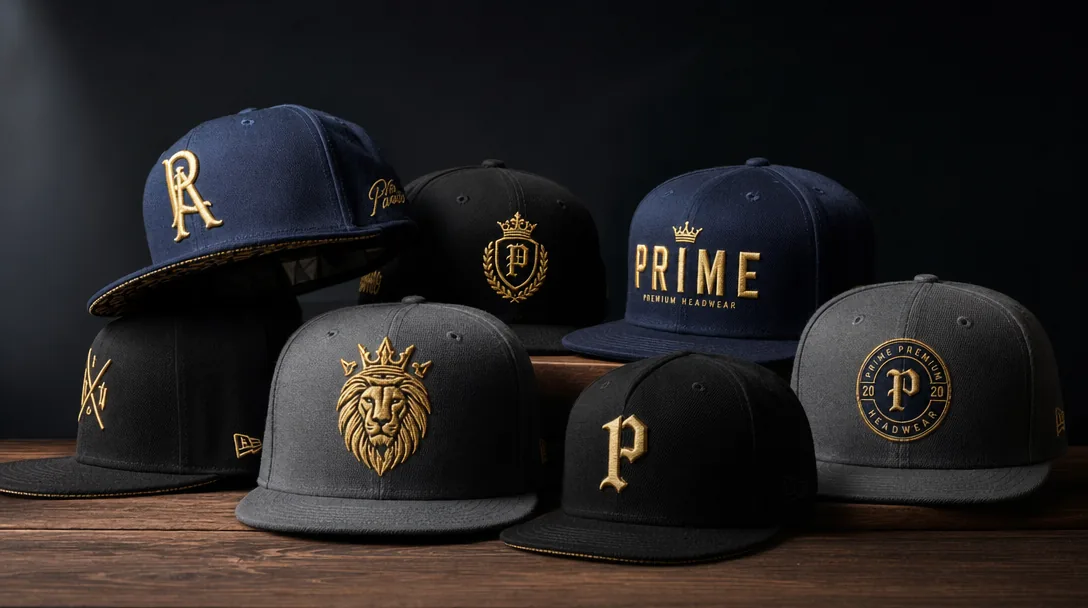
Custom Corduroy Dad Hat Bulk: A 2026 B2B Sourcing Guide
Read article →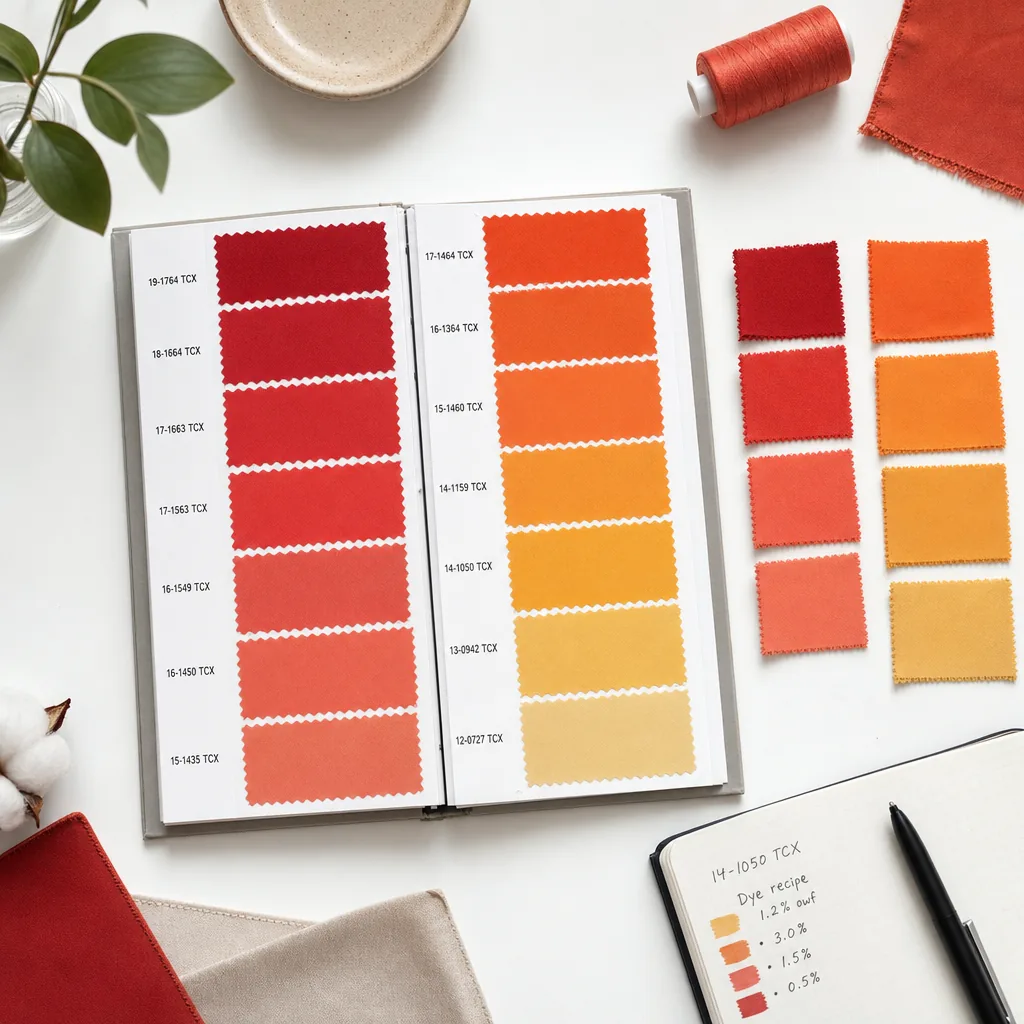
Pantone Color Matching for Custom Caps: A Manufacturer's Reference
Read article →Rancher Hat Bar: The 2026 Sourcing & Manufacturing Playbook
Read article →If you are ready to take the next step on country trucker caps: the 2026 sourcing & manufacturing playbook, our team can put a tailored quotation and digital mock-up in your inbox within 24 hours. Send the inquiry form on our contact page or message us directly on WhatsApp.