
Rancher Hat Bar: The 2026 Sourcing & Manufacturing Playbook
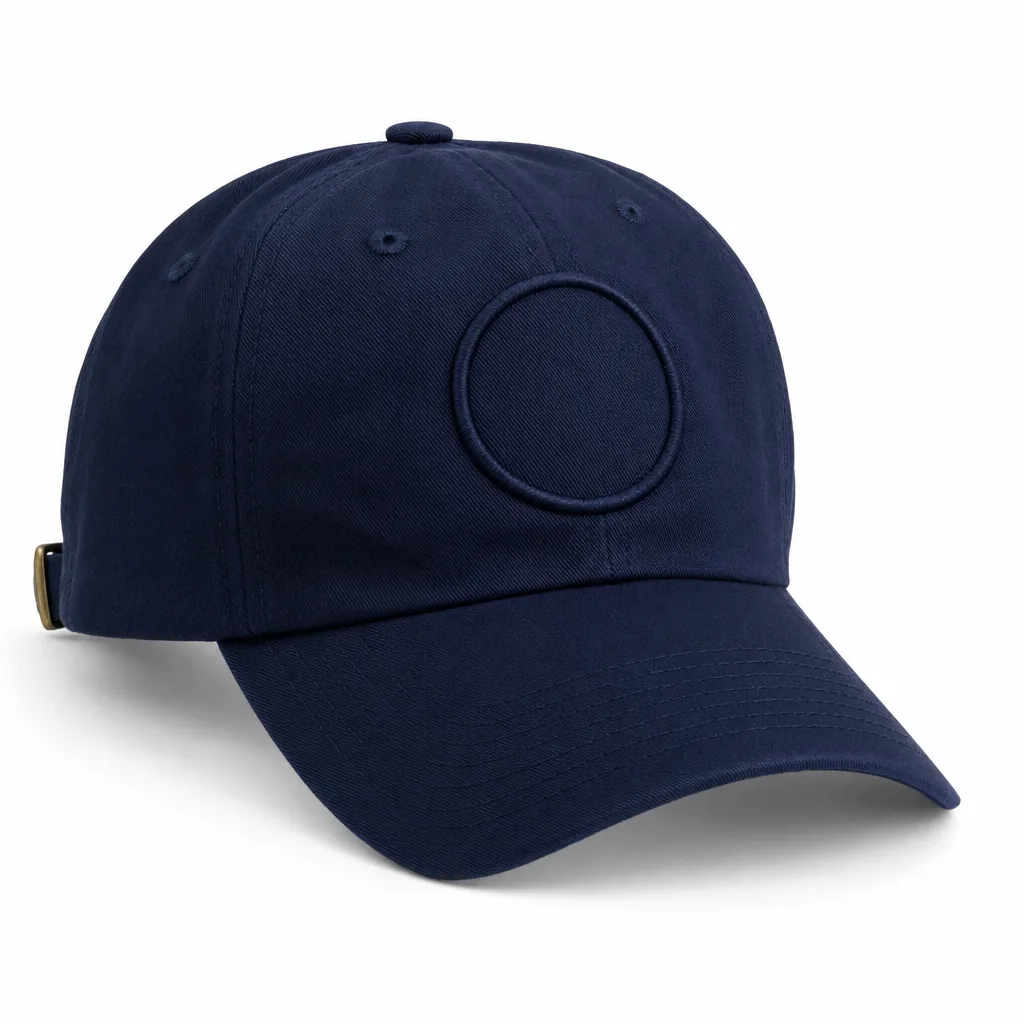
Every week, our sales team answers detailed questions about rancher hat bar: the 2026 sourcing & manufacturing playbook. We wrote this guide so that wholesalers, streetwear brands, corporate buyers and promotional resellers can compare options with full information, and avoid the traps that show up only after production has started.
Custom Trucker Hat
A custom trucker hat is still a straightforward product, but the details decide whether it looks retail-ready or like a promo giveaway. The shell is usually 100 percent cotton twill, polyester twill, or a cotton-poly blend on the front, paired with a 100 percent polyester mesh back in 180 to 220 gsm. The front panel is cut, fused with buckram or foam backing if the crown needs structure, then stitched, embroidered, or patched before the visor is molded. If you want a solid spec, ask for panel fabric, mesh denier, crown height, visor curve, sweatband composition, closure type, and decoration method. For a trucker cap men's program, I would also lock the exact cap block, because a 1.5 cm change in front crown height changes the entire fit and profile more than most buyers expect.
MOQ for trucker caps is usually 100 to 300 pieces per colorway at a competent factory, with higher minimums if you want custom woven labels, inside taping, or special mesh. Pricing on a basic six-panel custom run often lands around USD 2.20 to 4.80 FOB for 300 to 1,000 pieces, depending on stitch count, patch type, and packaging; embroidery-heavy baseball cap custom programs can move higher if the digitizing is dense or the logo has too many thread changes. The biggest cost traps are low-volume color matching, short-run thread or patch setup, and overcomplicated revisions after sample approval. If the buyer is comparing a cap order with beanie custom or beanie hat custom sourcing, the trucker usually wins on unit cost and air flow, while the knit products win on seasonal margin and simpler assembly.
The quality issues are predictable if you know where to look. Check crown symmetry, mesh tension, front panel buckling, visor curve consistency, stitch density, loose thread ends, sweatband alignment, and whether the closure actually centers on the back seam. For embroidery, verify the digitized file before sampling; a Tajima or Barudan head will reproduce bad digitizing faithfully, so small text under 4 mm usually fails unless simplified. AQL 2.5 is fine for general inspection, but I would tighten critical points on logo placement and panel mismatch if the rancher hat bar assortment includes premium western-style pieces next to standard promotional caps. CrownsForge treats the trucker as the baseline SKU in that mix, because the same buyer often wants a trucker cap men's line, a baseball cap custom drop, and a knit beanie custom fallback, and the sourcing decision only works if the factory can hold consistent trim, color, and carton packing across all three.
Hat Trucker Custom
A proper hat trucker custom order starts with the bill of materials, not the logo. For a clean trucker cap men's program, specify the front panel structure, foam or buckram level, mesh weight, crown height, visor curve, sweatband composition, and closure type. The factory should confirm whether the front uses 5-panel or 6-panel construction, whether the foam is 2 mm or 3 mm, and whether the mesh is polyester or nylon with a defined denier. For embroidery, ask for stitch count, thread brand, backing type, and cap file approval on the actual panel shape, not a flat art proof. Good factories run Tajima, Barudan, or ZSK heads and will quote separate sampling for baseball cap custom, since a trucker silhouette behaves differently from a structured dad cap or a beanie custom program. If you are building a rancher hat bar assortment, consistency matters more than novelty, because retail customers compare cap fit by crown depth, brim memory, and how the mesh sits against the head.
Typical MOQ for trucker caps is usually 200 to 500 pieces per colorway when you need standard materials, with better pricing kicking in around 1,000 units. In China, a basic stock-fabric order may land around USD 2.10 to 3.80 EXW depending on embroidery complexity, woven label count, and packing method; custom fabrics, garment-washed front panels, or patched closures push that higher fast. Screen print is cheaper than high-density embroidery, but embroidery usually holds better on structured fronts. Ask for a production sample, a PP sample, and a measured spec sheet showing crown height, brim length, panel tolerance, and color target against Pantone TCX or Pantone C. The real question for buyers is not whether the hat looks good in photos, but whether the factory can repeat it across trucker caps, baseball cap custom projects, and even adjacent headwear like beanie hat custom orders without drifting on fit or color.
The most common defects are easy to spot if you know where to look: crooked front panels, loose thread tails, uneven visor curvature, mesh puckering at the seam, and off-center logos after the crown is pressed. Check color under neutral light and measure shade variance; anything beyond Delta-E 2.0 starts to look wrong in a mixed assortment. Ask for AQL 2.5 inspection on critical points like panel alignment, stitch density, closure strength, and carton count, and make sure the factory understands carton compression during export because trucker hats lose shape faster than a knit beanie custom order. For a broader rancher hat bar sourcing decision, the trucker style is usually the lowest-risk entry point because it is modular, cheap to sample, and easy to replenish. CrownsForge's standard practice is to lock the spec sheet before bulk cutting, because once the foam thickness or brim insert changes, the whole retail wall starts to look inconsistent.
Trucker Custom Hat
A proper trucker custom hat is built in layers, not just printed and stitched. The factory should quote the exact crown construction first: front panel material, foam or unstructured, mesh gauge, sweatband type, visor board, closure, and stitch count. For a standard trucker cap men's order, I ask for 100 percent polyester foam front or cotton twill front, 115-180 gsm main fabric, 3mm to 5mm visor board, and a 7-row or 8-row visor stitch. Embroidery should be run on Tajima, Barudan, or ZSK heads with digitized files that hold satin columns above 1.2 mm and clean underlay. If the buyer wants baseball cap custom details inside the same program, the spec should define panel seam tolerance, label placement, and pantone-matched thread, ideally within Delta-E 2.0 to 3.0 on the front logo and closure tab.
Typical MOQ for trucker caps is 300 to 500 pieces per colorway if the factory is already set up with stock shells, but custom dye, custom mesh, or specialty patches pushes that to 1,000 pieces fast. Pricing is usually around USD 2.20 to 4.80 FOB for basic foam-front construction, rising to USD 5.50 to 8.50 when you add woven labels, 3D embroidery, private mold snaps, or full custom packaging. Buyers often underestimate setup cost: digitizing can run USD 20 to 60 per logo, applique or patch tooling adds another USD 40 to 120, and carton or polybag changes are rarely free. For a rancher hat bar program, that matters because the same factory can often bundle trucker caps with beanie custom or beanie hat custom orders only if the trim library and decoration method are compatible, which usually lowers freight and sampling waste.
The common failures are predictable and avoidable: warped front panels, weak mesh bonding, crooked closures, loose topstitching, and embroidery that puckers because the backing was too light. Inspect the sweatband for oil stains, odor, and raw-edge fraying, then check the visor curve consistency across the carton; if the curve varies too much, the hats will not line up cleanly at retail. I would also watch needle hits near the seam junctions, because that is where cheap factories hide skipped stitches and thread breaks. For any rancher hat bar order, the sourcing decision should be driven by repeatability, not the cheapest sample. CrownsForge's standard practice is to approve a golden sample, then run AQL 2.5 on appearance, size, and sewing before booking bulk, because trucker custom hat buyers usually lose more money from inconsistent cartons than from a slightly higher unit price.
Trucker Hat Custom
A proper trucker hat custom program is built, not decorated. The factory should quote the cap by construction: 5-panel or 6-panel crown, structured or unstructured front, foam thickness in millimeters, mesh denier, bill board stiffness, sweatband type, and closure hardware. For a real trucker cap men's order, ask for panel fabric by composition and weight, such as 100 percent cotton twill at 260-300 gsm or polyester/cotton blends for better color stability, then lock color to Pantone TCX with a Delta-E target under 2.0. Embroidery should be specified by stitch count, density, and backing type, because a 9,000-stitch logo on a soft crown behaves very differently from a 14,000-stitch patch. CrownsForge typically samples on Tajima, Barudan, or ZSK embroidery heads because thread pull and registration are where most problems show up first, not in the showroom photo.
Typical MOQ for trucker caps sits at 300 to 500 pieces per colorway, but the real cost driver is decoration complexity, not the cap shell. A plain blank can land around $2.20 to $3.50 FOB depending on fabric and mesh quality; custom embroidery, woven labels, private hangtags, and carton marking usually push the landed factory price into the $3.80 to $6.50 range. If the buyer wants a baseball cap custom program in the same factory run, the spec sheet should separate crown depth, visor curve, and sweatband construction so the line can avoid mixing silhouettes. The same sourcing logic applies to beanie custom and beanie hat custom orders: if the factory cannot control yarn count, gauge, and shrinkage on a knit program, they will also struggle with consistent trucker cap sewing tolerances.
Inspection is where cheap trucker caps fail. Check foam crushing, mesh skew, crown symmetry, puckering around embroidery, loose topstitching, sweatband twisting, and snapback alignment. For production control, demand a size tolerance of plus or minus 0.5 cm on crown measurements, a stitch defect limit that fits AQL 2.5, and carton compression testing if the order ships long distance. A rancher hat bar buyer should treat trucker hat custom sourcing as part of a broader headwear mix decision, because the same factory may be excellent at structured truckers but weak on low-profile five-panels or knit beanies. The best suppliers will show you the failure modes upfront, issue pre-production samples, and be willing to revise the spec before bulk cutting starts rather than after 3,000 caps are already sewn.
Custom Hat Design
Custom hat design starts with a production spec, not a mood board. For a rancher hat bar, I want the buyer to lock down crown height, front panel structure, brim width and curve, sweatband type, closure, and decoration method before quoting anything. A typical 5-panel trucker cap men's style uses 100 percent cotton twill front, 180 to 220 gsm, with 100 percent polyester mesh at 110 to 130 gsm, while a cleaner baseball cap custom build may use washed chino or brushed cotton and a self-fabric strap or snapback. If the design includes embroidery, request stitch count, backing type, thread brand, and Pantone TCX targets with a Delta-E tolerance under 2.0 on critical logos. For beanie custom and beanie hat custom programs, the spec should call out yarn count, gauge, cuff height, and shrinkage after wash, because knit variation is where most first orders drift off target.
The numbers matter because MOQ and unit price move with construction, not just artwork. A basic trucker caps order from a serious factory usually starts at 300 to 500 pieces per colorway, with blank or stock-color options sometimes lower, but true custom panels, woven labels, and inside taping usually push the MOQ up. At 500 to 1,000 pieces, I would expect a landed ex-factory price around USD 2.10 to 4.80 for simple caps, USD 4.50 to 7.50 for heavier embroidery or mixed-material builds, and more for leather patches, custom liners, or washed finishes. CrownsForge’s standard practice is to separate sampling from bulk so the buyer can confirm fit, color, and stitch density before cutting production fabric, which avoids the expensive mistake of approving a photo and discovering the visor curve is wrong in hand.
Quality issues are predictable if you know where to look: crooked center seams, weak top-stitching on the sweatband, inconsistent mesh tension, puckered embroidery, off-tone dye lots, and closures that fail pull testing after only a few cycles. For a rancher hat bar order, I inspect crown symmetry, brim stiffness, logo placement, and whether the inside binding is clean enough to survive retail handling without loose threads. Ask the factory what inspection standard they use, and push for AQL 2.5 on general defects with tighter limits on logo, panel alignment, and color matching. The broader sourcing decision is simple: if the supplier can execute custom hats across trucker caps, baseball cap custom, and beanie custom programs with stable repeatability, they usually understand process control better than a decorator who only handles one-off embroidery. That matters more than a low quote when the goal is a scalable program, not a one-time event order.
Beanie Hat Custom
A solid beanie hat custom order starts with the knit spec, not the logo. Ask the factory for yarn composition, gauge, cuff depth, crown height, and whether the beanie is single-layer or double-layer. Most buyers choose 100% acrylic for the lowest landed cost, 70/30 acrylic-wool for better hand feel, or recycled polyester when they need a cleaner sustainability story. Typical production uses 7-gauge to 12-gauge circular knitting, then linking, washing, drying, and final shaping before embroidery or woven label application. For a rancher hat bar program, beanies usually sit beside trucker cap men's, trucker caps, and baseball cap custom orders as a winter add-on, so keep Pantone TCX color control tight and ask for lab dips or yarn swatches before bulk. If the buyer wants premium retail positioning, specify yarn count, pilling resistance, and shrinkage limits up front instead of leaving it to the factory.
MOQ and pricing depend on decoration and yarn, but the market is fairly consistent. Basic beanie hat custom orders usually start around 300 to 500 pieces per color, with simpler stock-yarn programs landing near $1.20 to $1.80 FOB, and heavier jacquard, intarsia, or wool-blend builds moving into the $2.20 to $3.80 range. At CrownsForge, the standard practice is to separate knit cost, logo cost, and packaging cost so buyers can see where margin disappears. A flat embroidery patch, woven label, and paper hangtag can add $0.18 to $0.55 each, while custom zipper bags or header cards add another $0.10 to $0.35. If the order has multiple colorways, expect MOQ to rise or the unit price to move up because yarn changeovers and shade matching create waste. That is the same sourcing logic buyers apply to a rancher hat bar program: simplify the SKU matrix and protect margin through repeatable components.
The quality issues are usually boring and expensive: loose linking at the crown, inconsistent cuff height, poor stretch recovery, pilling after a few wears, and color drift between dye lots. Insist on a measurement sheet covering opening width, body length, cuff height, and tolerance bands, then add a wash and dry test plus a visual pilling check after abrasion. If embroidery is used, the factory should keep the stitch density balanced so the knit does not tunnel or distort; Tajima, Barudan, or ZSK heads all work, but needle tension has to be tuned for soft yarns. For bulk inspection, buyers should ask for AQL 2.5 on critical defects, and for premium programs, a Delta-E target under 1.5 for key colors is reasonable. The point is that beanie custom sourcing should be treated as part of the same broader rancher hat bar decision, not as an unrelated winter afterthought, because the same vendor discipline, QC standards, and color control determine whether the whole range looks coherent at retail.
Working with CrownsForge for rancher hat bar programs
For a rancher hat bar program, the part that usually breaks first-time buyers is not the hat body, it is sampling discipline. Our standard practice is to turn a clean tech pack into a first sample in 5 to 7 working days for simple embroidery or woven-label builds, and 10 to 14 days when you add structured appliqu or complex patchwork. That matters because a rancher hat bar often combines different crown heights, brim shapes, and decoration placements across the same event or retail drop. If the buyer also needs trucker caps, a trucker cap men's fit, or a baseball cap custom run alongside the rancher silhouette, we keep each spec separate so the fit block, sweatband, and closure do not drift. The real risk is mixing assumptions from fashion samples with production tolerances; we force a signed sample, measured against the spec sheet, before any bulk fabric is cut.
MOQ flexibility is useful only if the factory can still control color and trim consistency. We will usually start small on a mixed program, often 50 to 100 pieces per colorway for beanie custom and beanie hat custom orders, then scale once the decoration and fabric shrinkage are locked. CrownsForge keeps embroidery, patch heat-press, and label sewing in-house, which avoids the common handoff problem where a hat passes through three vendors and no one owns the final color match. On the machine side, Tajima, Barudan, and ZSK embroidery heads are what we use for dense logos, 3D puff, and fine text, and the stitch count is checked before approval so the buyer is not surprised by a logo that looks cheap after sewing. For materials, we spec the actual blank by composition and weight, not by a sales name, because 100 percent acrylic, 50/50 wool-blend, and 100 percent cotton behave very differently in production and wear.
Compliance and order management are what keep a rancher hat bar project from turning into a late-night email thread. We work against sedex-audit-cap-supplier-guide.html">BSCI 2.0 and Sedex SMETA 4-Pillar expectations on labor, safety, and documentation, and we can provide the usual carton and packing data required for import clearance. In production, every order gets a live schedule, size breakdown, color approval record, and a final AQL 2.5 inspection plan before shipment, so the buyer sees where a delay is happening instead of hearing about it after the vessel cut-off. That is especially important for scale-up brands that are testing multiple SKUs at once, because one weak logo approval can stall an entire container. If the program needs FOB or DDP coordination, we align packing, labeling, and carton dimensions early so the landed cost is not eroded by rework, air freight, or chargebacks from retail partners.
Frequently Asked Questions
What is the minimum order quantity (MOQ) for custom hats?
Our standard MOQ is 100 pieces per design and color, with sampling available from 1 piece. For complex multi-color logos or premium fabric upgrades, the MOQ can be lowered with a small per-piece surcharge.
Do you support sustainability certifications?
Yes. We work with GOTS organic cotton, GRS-certified recycled polyester, OEKO-TEX Standard 100 fabrics, and are BSCI and Sedex audited. Certification documentation can be provided per order.
How long does production take?
Sampling takes 7 to 12 days. Bulk production runs 20 to 30 days depending on quantity, fabric availability and decoration complexity. Inspection and packing adds another 3 to 5 days before shipment.
What logo decoration techniques do you offer?
3D puff embroidery, flat embroidery, woven patch, leather patch, PVC patch, screen printing, sublimation, applique and laser etching, all in-house with no subcontracting.
Can I order a sample before bulk production?
Yes. We strongly recommend approving a pre-production sample before mass production. Samples are charged at 35 to 60 USD each plus express shipping, fully refundable against confirmed bulk orders over 500 pieces.
How does ordering custom trucker hat bar work?
When evaluating custom trucker hat bar, the key considerations are construction quality, decoration capability, MOQ flexibility and lead time. Cover everything buyers ask about custom trucker hat: how it's manufactured, what specs to request from a factory, typical MOQ and pricing, common quality issues to inspect for, and how this ties back to the broader rancher hat bar sourcing decision. Cover everything buyers ask about hat trucker custom: how it's manufactured, what specs to request from a factory, typical…
How does ordering custom beanie cap work?
When evaluating custom beanie cap, the key considerations are construction quality, decoration capability, MOQ flexibility and lead time. Cover everything buyers ask about beanie hat custom: how it's manufactured, what specs to request from a factory, typical MOQ and pricing, common quality issues to inspect for, and how this ties back to the broader rancher hat bar sourcing decision. Cover everything buyers ask about custom trucker hat: how it's manufactured, what specs to request from a factory, typical MOQ…
How does ordering baseball cap custom embroidery work?
When evaluating baseball cap custom embroidery, the key considerations are construction quality, decoration capability, MOQ flexibility and lead time. Cover everything buyers ask about custom trucker hat: how it's manufactured, what specs to request from a factory, typical MOQ and pricing, common quality issues to inspect for, and how this ties back to the broader rancher hat bar sourcing decision. Cover everything buyers ask about hat trucker custom: how it's manufactured, what specs to request from a factory, typical…
How does ordering custom embroidered baseball caps work?
When evaluating custom embroidered baseball caps, the key considerations are construction quality, decoration capability, MOQ flexibility and lead time. Cover everything buyers ask about custom trucker hat: how it's manufactured, what specs to request from a factory, typical MOQ and pricing, common quality issues to inspect for, and how this ties back to the broader rancher hat bar sourcing decision. Cover everything buyers ask about hat trucker custom: how it's manufactured, what specs to request from a factory, typical…
Ready to start your custom hat project?
Send us your tech-pack, sketch or even just an inspiration photo. We will respond with a detailed quotation and digital mock-up within 24 hours.
Request a free quoteRelated guides
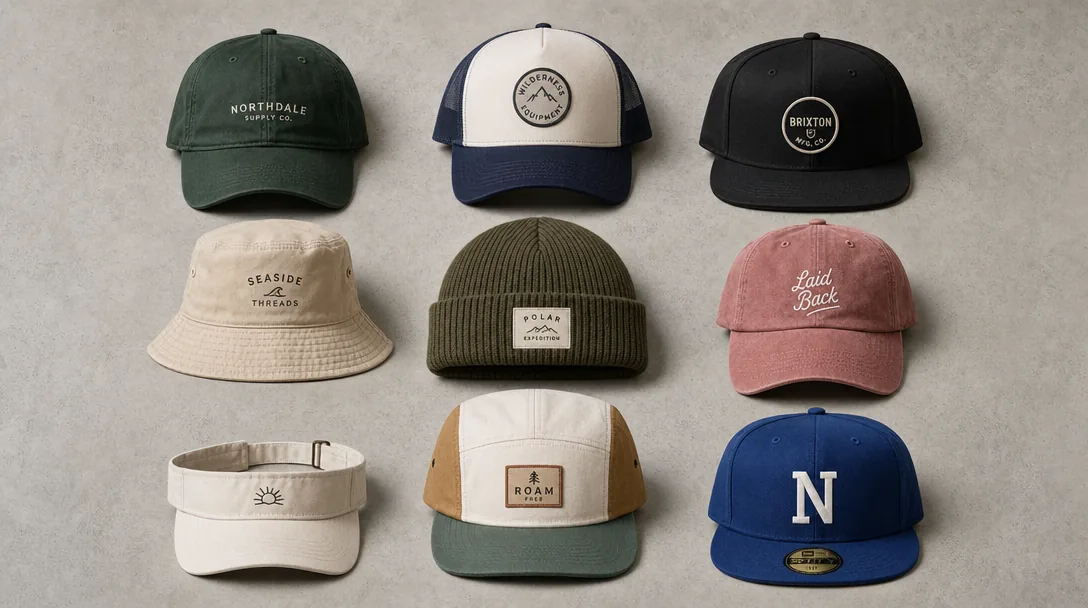
Private Label vs White Label Caps: Which Model Fits Your Brand?
Read article →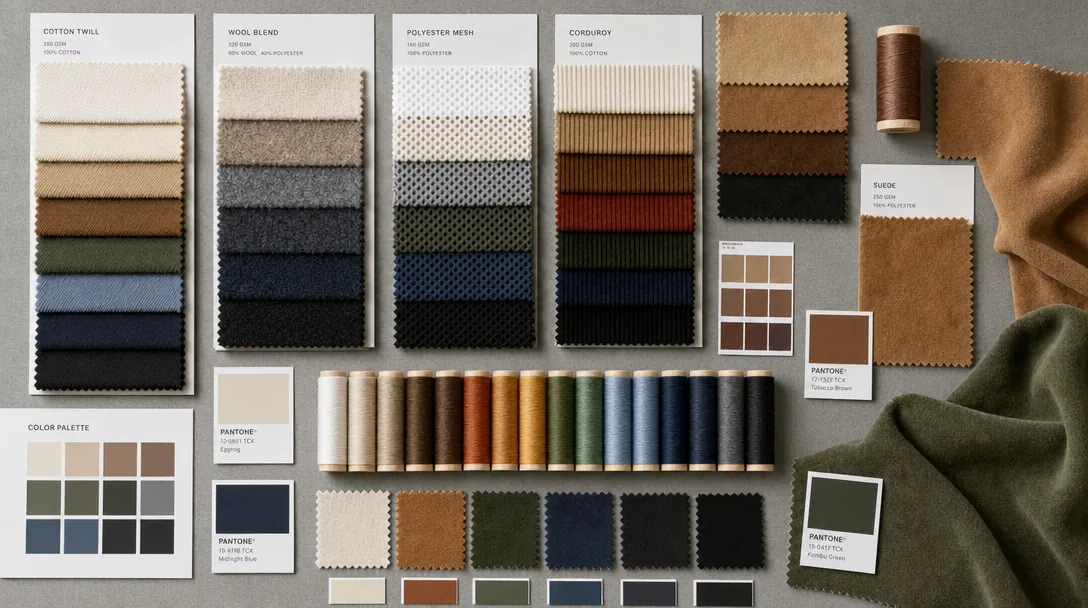
Cotton Beanie: Properties, Costs and How to Spec It Right
Read article →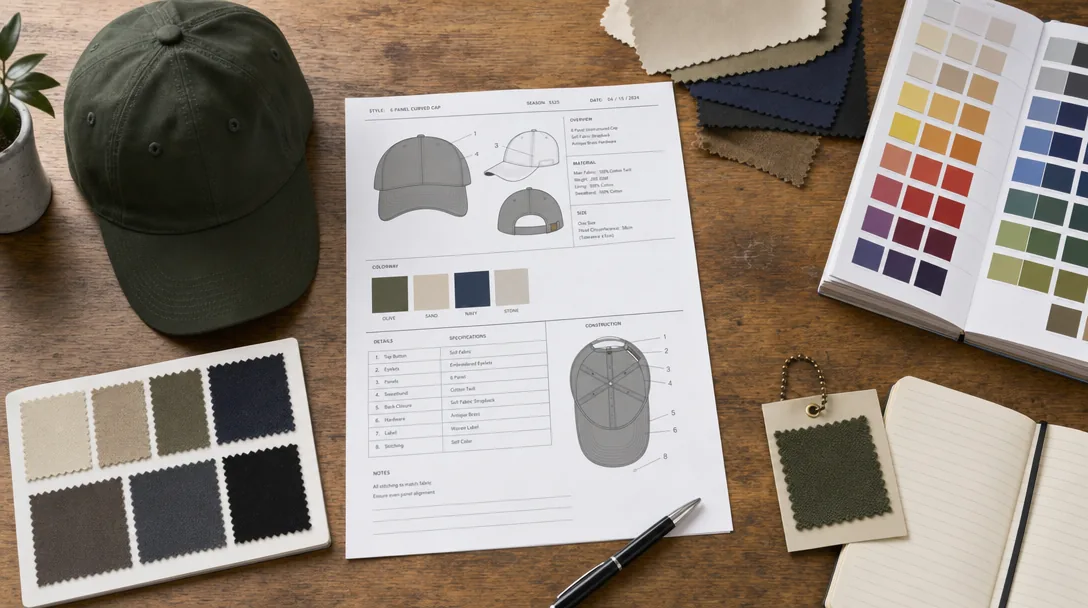
Switching Hat Manufacturers Mid-Program Without Losing Quality
Read article →We hope this guide demystifies rancher hat bar: the 2026 sourcing & manufacturing playbook and helps you move forward with confidence. If you have questions specific to your project, our English-speaking sales engineers are one message away.