
Custom Corduroy Dad Hat Bulk: A 2026 B2B Sourcing Guide
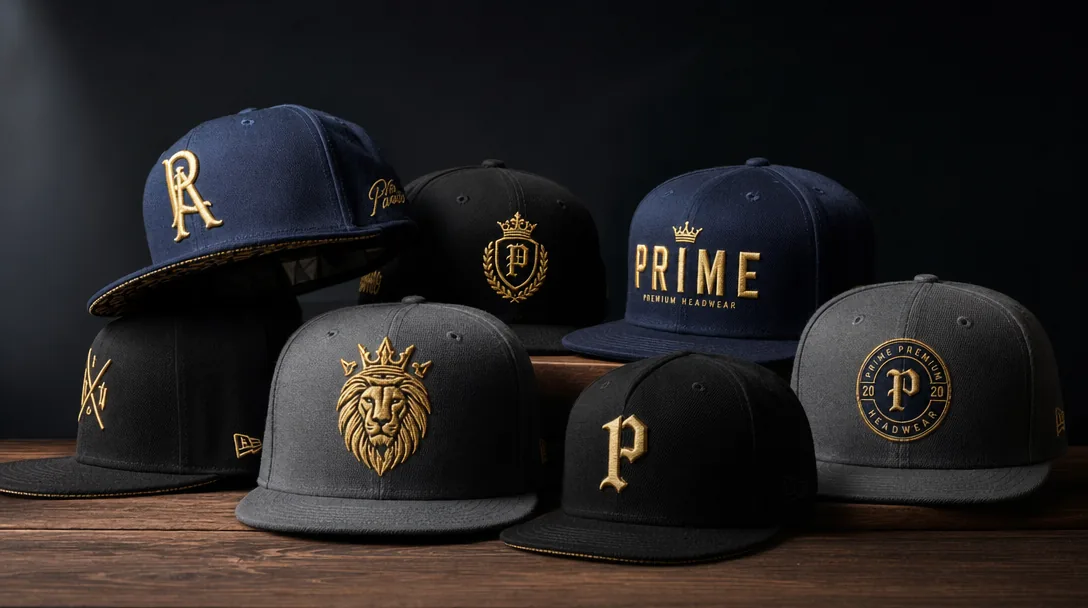
Every week, our sales team answers detailed questions about custom corduroy dad hat bulk: a 2026 b2b sourcing guide. We wrote this guide so that wholesalers, streetwear brands, corporate buyers and promotional resellers can compare options with full information, and avoid the traps that show up only after production has started.
Organic Cotton Cap Wholesale Custom
Organic cotton cap wholesale custom starts with the fiber spec, not the decoration. If a factory cannot tell you the certified fiber content, yarn count, fabric weight, and whether the cloth is combed or carded, you are already taking on risk. For a solid dad hat or six-panel cap, I would ask for 100% organic cotton with GOTS or OCS documentation, 240–280 gsm twill or canvas depending on handfeel, and a washed finish if you want softer drape. For embroidery, request a structured or unstructured crown sample, 6-panel construction, self-fabric or brass buckle closure, and stitching density around 8–10 stitches per inch. On a real production floor, the trouble usually shows up in shrinkage, panel skew, and weak seam alignment around the front panel and sweatband after washing, so do a 3-piece preproduction sample before you approve bulk.
For MOQ and pricing, the numbers depend on decoration complexity and fabric availability. A basic organic cotton cap wholesale custom order from a stable factory is usually 300–500 pcs per colorway, with a realistic FOB range of about USD 2.60–4.20 for plain caps, then add USD 0.35–1.20 for flat embroidery or patch work, and more if you need enzyme washing, contrast stitching, or custom taping. If the request is actually a custom corduroy dad hat bulk program, expect the unit cost to climb because corduroy eats more labor in cutting, panel matching, and pressing, especially if the wale direction must stay consistent across every panel. That is why buyers often compare it against a corduroy trucker hat wholesale build or even a custom wool blend ball cap when they are balancing texture, seasonality, and margin.
Quality control should be boring and numeric. Ask for AQL 2.5 on critical defects, color approval against Pantone TCX, and wash testing for dimensional change, pilling, and seam slippage. The common misses I see are dirty panels from handling, miscentered front embroidery, uneven brim curve, and shade variation from lot-to-lot dyeing; if the factory also makes a recycled polyester cap manufacturer bulk program or a performance mesh running cap custom order, insist on separate fabric lots because cross-job contamination happens more than buyers think. For a broader sourcing decision, organic cotton is the safer story when you need a softer lifestyle cap, but corduroy gives better perceived value if your brand wants texture and a heavier fall/winter hand. CrownsForge’s standard practice is to lock fabric swatches, lab dips, and needle specs before cutting so the final bulk run does not drift when multiple cap programs are on the same line.
Recycled Polyester Cap Manufacturer Bulk
Recycled polyester caps are usually built from rPET spun from post-consumer bottles, then woven or knitted into crown fabric at 150–220 gsm for structured caps or 120–160 gsm for soft unstructured dad hats. If you’re talking to a recycled polyester cap manufacturer bulk, ask for the fiber certification first: GRS is the one buyers actually use in audits, not just a vague “recycled content” claim. Then pin down yarn count, fabric construction, colorfastness to rubbing and washing, and whether the sweatband is recycled poly, cotton twill, or a blended tape. For a crowning spec sheet, I’d request Pantone TCX matching, stitch density, thread denier, visor board thickness, and whether the front panel uses buckram or foam. Those details matter because recycled yarn behaves differently under heat; cheap pressing can glaze the surface or distort the crown shape.
MOQs in this lane are usually 300–500 pieces per color for a standard 6-panel cap, with price breaks around 1,000 and 3,000 units. Factory ex-works pricing for a simple recycled polyester cap often lands around $2.40–$4.20 at 500 pieces, depending on embroidery density, woven labels, and whether you want a low-profile dad shape or a more athletic build. A performance mesh running cap custom style costs a bit more if you specify laser-cut ventilation, reflective piping, or a quick-dry sweatband, while a corduroy trucker hat wholesale build can cost more again if the pile is fine-rib and the visor needs fabric-matching. If you’re comparing against a custom wool blend ball cap or an organic cotton cap wholesale program, don’t compare only fabric cost; compare total trim cost, shrink behavior, and how many labor minutes each style adds on the line.
The main defects to inspect are color shade drift between panels, seam puckering around the front seam, weak embroidery registration, and oil stains from pressing or handling recycled fabric improperly. I also check for hidden contamination in rPET lots, because one bad bale mix can create random slubs or thin spots that show up only after molding. For a custom corduroy dad hat bulk order, the sourcing logic is simple: if you need texture and a premium streetwear look, corduroy wins; if you need wash consistency, lighter freight, and lower defect risk, recycled polyester is easier to control at scale. CrownsForge’s standard practice is to lock the fit sample in advance, then run AQL 2.5 on critical points like crown height, visor curve, and embroidery alignment before you commit to the full PO. That approach saves buyers from discovering too late that the recycled cap and the corduroy cap were never going to age the same way.
Performance Mesh Running Cap Custom
A performance mesh running cap custom order is a very different animal from a custom corduroy dad hat bulk program, and buyers get burned when they treat them as the same sourcing lane. The running cap is usually built around a lightweight front panel, 100% polyester or recycled polyester mesh back, 110–160 gsm fabric, and a sweat-management stack that actually matters in use: quick-dry sweatband, laser-cut ventilation or engineered mesh, and low-profile laminated seams that do not rub on long runs. If you want a factory to quote properly, ask for crown height, brim length, panel count, mesh denier, sweatband composition, closure type, and whether the fabric is dyed to Pantone TCX or piece-dyed after cutting. For a real performance spec, I also request shrinkage under 3%, colorfastness at grade 4, and a finished weight target, because a cap that looks “technical” but weighs 95 grams is usually overbuilt and hot.
Manufacturing-wise, the best factories use a combination of high-speed cutting, stabilized panels, and structured sewing on Juki or Brother lockstitch machines, with embroidery handled on Tajima, Barudan, or ZSK heads depending on logo density. If you are buying as a recycled polyester cap manufacturer bulk program, make them show you the recycled content certificate, yarn origin, and whether the mesh is GRS-compliant; “eco” claims without paperwork are not worth the freight. Typical MOQ is 300 to 500 pieces per colorway for a standard performance cap, and 1000 plus if you want custom molded closures, all-over sublimation, or proprietary panel shapes. Pricing is usually USD 2.20 to 4.80 EXW for a clean basic program, then jumps to USD 5.50 to 8.50 if you add bonded seams, laser perforation, reflective transfers, or premium moisture-wicking sweatbands. A custom wool blend ball cap or organic cotton cap wholesale program can sit in the same factory if their cutting and QC discipline is strong, but the process controls are different and should not be mixed casually on one line.
The quality issues I inspect first are the ones that ruin retail value: mesh distortion after steaming, visor waviness, loose topstitch tension, crooked center fronts, and poor sweatband adhesion that peels after a few wash cycles. For bulk inspection, I still use AQL 2.5 for general defects and tighten to 1.5 for logo-critical placements, because a bad front logo on a custom corduroy dad hat bulk order can survive in the market far longer than a tiny thread break on a run cap. Ask for pull tests on closure hardware, wash testing at 30 degrees C, and a fit sample on actual heads, not just a wooden block. On the sourcing side, the same factory relationship can work across categories if they can handle a corduroy trucker hat wholesale run, a performance mesh running cap custom order, and a custom corduroy dad hat bulk program without changing factories every season; that usually saves 8 to 12 percent in sampling waste and freight inefficiency, but only if they have disciplined material segregation and clear BOM control.
Corduroy Trucker Hat Wholesale
Corduroy trucker hat wholesale starts with fabric choice, and that’s where most buyers make mistakes. A true 8-wale or 11-wale corduroy shell should be specified by fiber content and weight, not just by look: 100% cotton at 270–320 gsm gives a softer hand and better dye uptake, while cotton/poly blends around 240–280 gsm improve dimensional stability on structured crowns. Ask the factory for the exact panel layout, crown height, brim curve, sweatband construction, and whether the front panel has a buckram or foam insert, because those details change both the silhouette and the price. If you want a clean retail finish, request Pantone TCX approvals for the shell and embroidery, plus Delta-E under 2.0 on production matching. In our shop, we treat corduroy as a material that needs tighter cutting control than twill because pile direction can shift the visual shade across panels.
For custom corduroy dad hat bulk orders, typical MOQs sit around 300–500 pieces per colorway for standard factory production, but corduroy trucker hat wholesale often lands closer to 500–1,000 pieces if you want custom woven labels, dyed-to-match mesh, or special wash effects. Pricing usually ranges from about $3.60–$6.80 FOB Ningbo or Shanghai for simple unstructured versions, and $5.50–$8.50 for structured truckers with 3D embroidery, custom taping, and branded inner labels. If the buyer is comparing an organic cotton cap wholesale program, a recycled polyester cap manufacturer bulk quote, or even a performance mesh running cap custom build, the price spread makes sense: corduroy is slower to cut, harder to clean up after pile shedding, and more sensitive to color variation. Budget another $0.25–$0.60 per cap for proper pre-production sampling, because skipping that step usually costs more in corrections later.
The main quality problems are visible if you know where to look: crooked wale direction, crushed pile on the brim, needle shine around dense embroidery, and mesh panels that don’t hold tension after steaming. Check seam allowance consistency at the side panels, the sweatband attachment points, and the back closure—especially if the closure is plastic snap, fabric strap, or leather tab. AQL 2.5 is realistic for general inspection, but for retail-grade programs I would tighten critical defects on logo placement, crown symmetry, and brim shape, because those are the complaints that trigger chargebacks. The broader sourcing decision is simple: if your line already includes a custom wool blend ball cap for winter, or a lighter recycled-poly run for summer, corduroy belongs in the middle as a fashion-forward, higher-margin SKU. Just don’t treat it like a basic twill cap; it behaves more like a premium textile product than a commodity cap.
Custom Wool Blend Ball Cap
A custom wool blend ball cap is usually built on the same six-panel crown pattern as a cotton dad hat, but the behavior of the fabric is completely different. Wool blend cloth, typically 50/50 wool-poly or 70/30 wool-acrylic at 240-320 gsm, shrinks, distorts, and burns differently under heat than cotton twill. That means the factory has to control interlining, seam allowance, and crown blocking more tightly, especially if the cap has a structured front. For embroidered logos, I ask for stitch tests on the actual cloth before bulk approval, because wool blends can pucker if the backing is too stiff or the needle point is too aggressive. If you are comparing a custom wool blend ball cap against a custom corduroy dad hat bulk order, the wool version usually looks cleaner and more premium, but corduroy is less sensitive to minor fit variation and often cheaper to source in heavier seasonal runs.
Factory specs should be specific enough that procurement can hold the line on quality. Request fabric composition by percentage, yarn count if available, gsm, crown height, visor board type, sweatband material, closure type, and exact Pantone TCX or lab-dip target for every panel and trim piece. For embroidery, specify cap-back width, front panel pitch, and whether the shop uses Tajima, Barudan, or ZSK heads, because dense wool pile can hide weak digitizing. In bulk, a realistic MOQ is 300 to 500 pieces per colorway for a standard wool blend cap, with FOB China pricing commonly around USD 3.80 to 6.50 depending on structure, lining, and closure; low-volume custom work can jump above USD 8.00. If the same program is being compared against an organic cotton cap wholesale custom run or a recycled polyester cap manufacturer bulk quote, wool usually lands in the middle on cost but higher on seasonal perceived value.
The biggest defects to inspect are not glamorous: crown asymmetry, crown collapse after steaming, loose visor stitching, color migration from dark wool blends onto light sweatbands, and poor hand feel from cheap acrylic content disguised as wool. I also check for seam slippage at the side panels, because wool blends can fray faster than buyers expect if the overlock tension is off. For compliance, ask for AQL 2.5 on major/minor defects, colorfastness to rubbing, and shrinkage after steam press; if the supplier also handles a performance mesh running cap custom or a corduroy trucker hat wholesale program, they should already understand how to segregate fabric lots and prevent contamination of lint or loose fibers. In practice, the wool blend cap is a good benchmark style: if a factory can hold shape, stitching, and hand feel on this item, they usually have enough process control to handle a custom corduroy dad hat bulk order without surprises.
Working with CrownsForge for custom corduroy dad hat bulk programs
For a custom corduroy dad hat bulk program, the first thing I look at is whether the supplier can make a clean pre-production sample without dragging the schedule. Our standard sampling path is 7–10 days for a basic wash-color corduroy style, 10–14 days if you need custom Pantone TCX color matching, tonal embroidery, or a special closure spec. Minimums are usually 200–300 pieces per color for a straightforward run, but we can split across sizes or logo placements if the fabric and trim are already validated. That flexibility matters for first-time buyers who do not want to overcommit before they see handfeel, crown structure, and color under daylight. On corduroy specifically, I pay attention to wale count, usually 8-wale or 11-wale, because it changes how the front panel sits and how embroidery fills out on the ridges.
CrownsForge keeps decoration in-house, which reduces the usual handoff failures between sample room, embroidery vendor, and sewing line. For corduroy, we typically use Tajima, Barudan, or ZSK multi-head machines with low-density digitizing, backing matched to fabric weight, and needle changes selected to avoid puckering on the nap. If a client wants a hybrid program, we can also build adjacent SKUs like a corduroy trucker hat wholesale style, an organic cotton cap wholesale custom run, a recycled polyester cap manufacturer bulk order, or even a performance mesh running cap custom line under the same order file, which is useful when brands want one seasonal drop but multiple price points. Our internal practice is to keep stitch counts, thread brands, and seam allowances documented so repeat orders do not drift after the first approval.
Compliance is not a checkbox in this business; it is what keeps container loads from stalling when a buyer asks for retailer paperwork. We support sedex-audit-cap-supplier-guide.html">BSCI 2.0 and Sedex SMETA 4-Pillar audit requirements, and we keep fabric and trim records tied to lot numbers for traceability. If the program needs a custom wool blend ball cap alongside the corduroy, we flag shrinkage risk early because wool blends and ribbed corduroy do not behave the same in steam finishing or carton compression. Order management runs on a stage-gate workflow: artwork signoff, lab dip approval, PP sample, inline inspection, then final AQL 2.5 check before packing. That workflow is what de-risks custom corduroy dad hat bulk sourcing for buyers who are scaling from 300 units to 30,000 and cannot afford one weak batch to poison the whole season.
Frequently Asked Questions
Do you support sustainability certifications?
Yes. We work with GOTS organic cotton, GRS-certified recycled polyester, OEKO-TEX Standard 100 fabrics, and are BSCI and Sedex audited. Certification documentation can be provided per order.
Can I order a sample before bulk production?
Yes. We strongly recommend approving a pre-production sample before mass production. Samples are charged at 35 to 60 USD each plus express shipping, fully refundable against confirmed bulk orders over 500 pieces.
What is the minimum order quantity (MOQ) for custom hats?
Our standard MOQ is 100 pieces per design and color, with sampling available from 1 piece. For complex multi-color logos or premium fabric upgrades, the MOQ can be lowered with a small per-piece surcharge.
How long does production take?
Sampling takes 7 to 12 days. Bulk production runs 20 to 30 days depending on quantity, fabric availability and decoration complexity. Inspection and packing adds another 3 to 5 days before shipment.
What logo decoration techniques do you offer?
3D puff embroidery, flat embroidery, woven patch, leather patch, PVC patch, screen printing, sublimation, applique and laser etching, all in-house with no subcontracting.
What should I know about blank trucker cap wholesale bulk?
When evaluating blank trucker cap wholesale bulk, the key considerations are construction quality, decoration capability, MOQ flexibility and lead time. Cover everything buyers ask about organic cotton cap wholesale custom: how it's manufactured, what specs to request from a factory, typical MOQ and pricing, common quality issues to inspect for, and how this ties back to the broader custom corduroy dad hat bulk sourcing decision. Cover everything buyers ask about corduroy trucker hat wholesale: how it's manufactured, what…
What should I know about custom rope hat wholesale bulk?
When evaluating custom rope hat wholesale bulk, the key considerations are construction quality, decoration capability, MOQ flexibility and lead time. Cover everything buyers ask about organic cotton cap wholesale custom: how it's manufactured, what specs to request from a factory, typical MOQ and pricing, common quality issues to inspect for, and how this ties back to the broader custom corduroy dad hat bulk sourcing decision. Cover everything buyers ask about corduroy trucker hat wholesale: how it's manufactured, what…
What should buyers know about organic cotton trucker hat?
When evaluating organic cotton trucker hat, the key considerations are construction quality, decoration capability, MOQ flexibility and lead time. Cover everything buyers ask about organic cotton cap wholesale custom: how it's manufactured, what specs to request from a factory, typical MOQ and pricing, common quality issues to inspect for, and how this ties back to the broader custom corduroy dad hat bulk sourcing decision. Cover everything buyers ask about corduroy trucker hat wholesale: how it's manufactured, what…
How does ordering custom made trucker hat work?
When evaluating custom made trucker hat, the key considerations are construction quality, decoration capability, MOQ flexibility and lead time. Cover everything buyers ask about corduroy trucker hat wholesale: how it's manufactured, what specs to request from a factory, typical MOQ and pricing, common quality issues to inspect for, and how this ties back to the broader custom corduroy dad hat bulk sourcing decision. Cover everything buyers ask about organic cotton cap wholesale custom: how it's manufactured, what…
Ready to start your custom hat project?
Send us your tech-pack, sketch or even just an inspiration photo. We will respond with a detailed quotation and digital mock-up within 24 hours.
Request a free quoteRelated guides
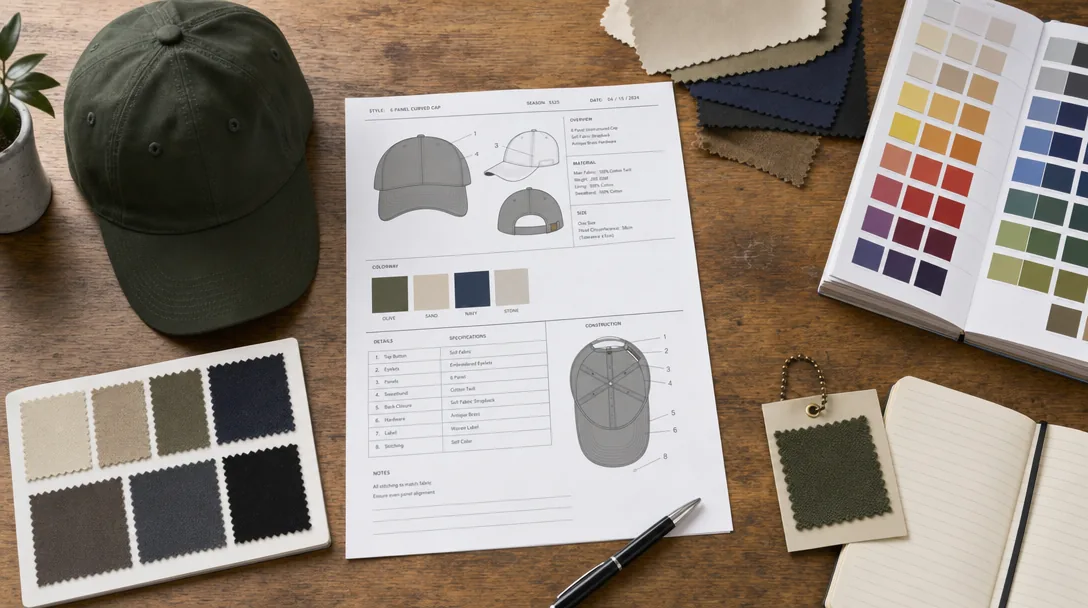
Hat Quality Inspection Checklist: 32 Points Every Importer Should Verify
Read article →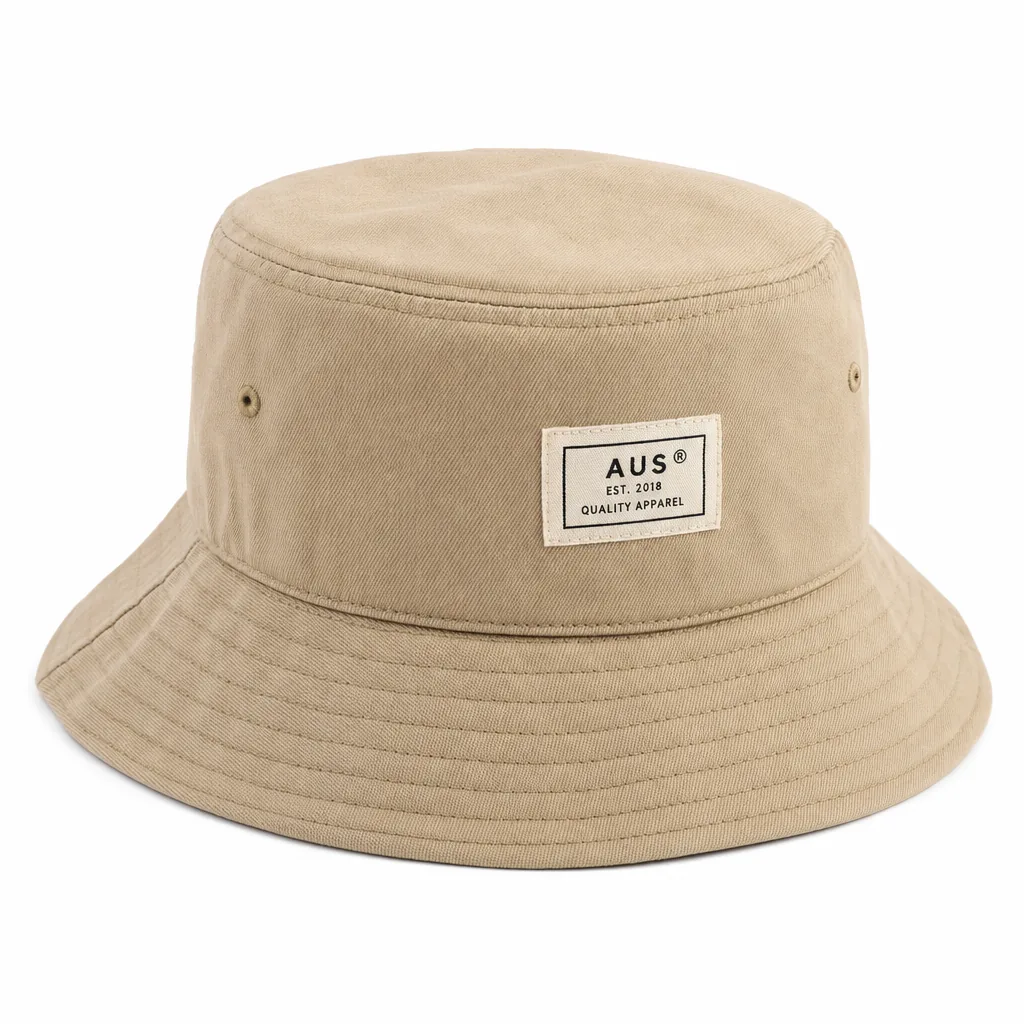
Private Label Bucket Hat Manufacturing: Materials, Trims & Bulk Ordering
Read article →
Custom Hats for Women: A 2026 B2B Sourcing Guide
Read article →Sourcing custom hats does not have to be complicated. With the right manufacturing partner, clear specifications and a small upfront investment in sampling, you can launch a retail-quality product in 30 to 45 days.