Private Label Bucket Hat Manufacturing: Materials, Trims & Bulk Ordering
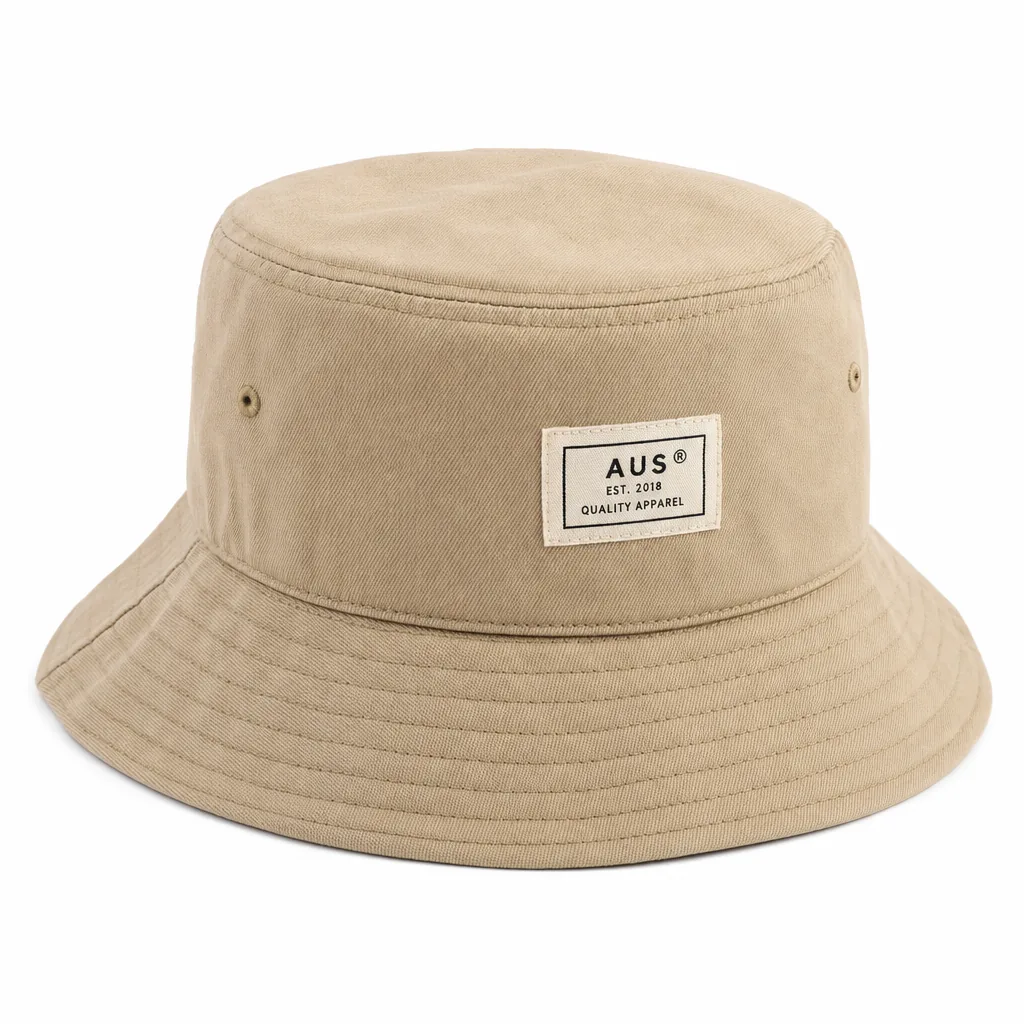
Private Label Bucket Hat Manufacturing: Materials, Trims & Bulk Ordering is one of the most-asked questions we receive from international buyers, and for good reason. With dozens of factories competing for your order and an alphabet soup of technical terms in every supplier quote, even experienced importers can feel lost. This guide consolidates what we have learned producing custom hats for clients in 40+ countries.
The bucket hat comeback and what it means for brands
The bucket hat is no longer a novelty style cycle; it is a steady volume item across streetwear, festival merch, golf, and lightweight outdoor programs. What changed is not just aesthetics, but buying behavior: brands now treat the private label bucket hat as a low-risk entry SKU that can carry a full color story, embroidery program, and seasonal drop strategy without the inventory burden of structured caps. In practice, demand is strongest in cotton twill, washed chino, nylon taslan, and recycled polyester, usually in 280 to 350 gsm for cotton and 75D to 150D for synthetic shell fabrics. On the factory side, the jobs that move fastest are simple silhouettes with one-piece crown panels, stitched eyelets, and tone-on-tone branding, because they keep labor predictable and allow better control over shade variation to Delta-E 1.0 to 2.0 on reorders. The brands winning here are the ones that stop treating the bucket as a throwaway promo item and start specifying it like a core accessory.
Streetwear is driving the loudest demand, but the real growth comes from cross-category use. Festival organizers want a washable, packable item with a wide print field; outdoor labels want UPF-friendly nylon or polyester with a soft brim that holds shape after folding; fashion brands want a seasonal accessory that can be color-matched to Pantone TCX and released in small capsules. That mix has made the wholesale bucket hat supplier role more technical than it looked five years ago. A good bucket hat manufacturer is expected to manage shrinkage, brim stiffness, stitch density, and logo placement without pushing the price into premium headwear territory. For custom bucket hats bulk, the practical sweet spot is often 500 to 2,000 pieces per color, with embroidery using 75/11 or 80/12 needles and 40-weight thread to avoid puckering on soft crown fabrics. CrownsForge’s standard practice is to confirm production samples against the actual wash standard before bulk cutting, because a 2 percent shrink swing on a soft cotton body can wreck fit consistency.
For brands ordering an embroidered bucket hat program, the margin is usually decided before sewing starts. A basic blank can land around $2.20 to $3.80 FOB depending on fabric, lining, and trim package, while bulk custom embroidered hats with complex logos, taped seams, or contrast stitching can move into the $4.50 to $7.50 range quickly. The common failure points are weak brim inserts, inconsistent sweatband attachment, and under-specified art files that do not translate cleanly to Tajima, Barudan, or ZSK embroidery heads. If the order is meant for retail, not giveaways, the tech pack should call out seam allowance, brim width, embroidery size, and acceptable tolerance on panel symmetry. Buyers also need to think about compliance early: sedex-audit-cap-supplier-guide.html">BSCI 2.0 or Sedex SMETA 4-Pillar audits matter when the program is going into larger retail chains, and AQL 2.5 is still the benchmark most importers use for carton-level inspection.
Construction fundamentals
A private label bucket hat starts with geometry, not decoration. Crown depth is usually the first decision because it controls fit, drape, and how the hat sits over the ears; most production specs land around 8.5 to 10.5 cm for a standard adult crown, with fashion styles going deeper and promotional styles kept shallower. Brim width is normally 5 to 7 cm, and once you push past that range the brim starts to lose clean recovery unless the fabric has enough body or an interfacing is added. On the line, seam placement matters just as much as dimensions: a 4-panel crown with a center seam is easier to cut and sew, while a 6-panel build gives a rounder top but adds more needle holes and more opportunities for puckering. As a bucket hat manufacturer, our standard practice is to lock the seam allowance early and test the prototype after washing, because a 2 to 3 mm shift in seam roll can change the finished brim shape noticeably.
For custom bucket hats bulk orders, the inside construction is where quality is won or lost. An internal sweatband is not optional if the buyer wants a cleaner retail result; cotton twill sweatbands are common for comfort, while polyester or mesh-backed bands hold up better in humid markets and on bulk custom embroidered hats that will be worn outdoors. Chinstrap eyelets, when specified, should be reinforced before the final topstitch so the metal does not tear through the face fabric under tension; 4 to 6 mm eyelets are typical, with brass or nickel-plated finishes chosen to match the trim package. For an embroidered bucket hat, the stitch plan also has to respect crown structure, because heavy thread density near a seam can distort the panel and pull the brim off grain. In wholesale production, especially for a private label bucket hat program, we check panel symmetry, brim turn, and sweatband alignment before packing, since those details separate a sellable lot from one that will fail on fit and presentation.
Fabric choices and seasonal positioning
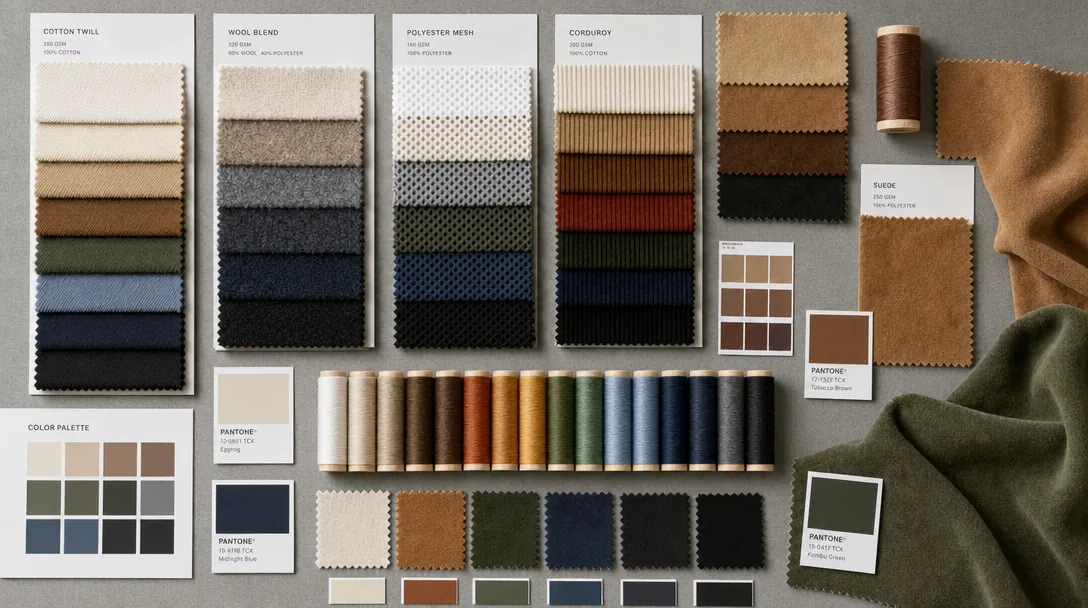
Fabric choice decides whether a private label bucket hat feels like a real retail product or a cheap giveaway. Cotton twill is still the safest year-round base because it cuts cleanly, holds a brim shape well, and takes pigment-dyed or garment-washed finishes without looking synthetic. For a private label bucket hat, I usually treat 210 to 280 gsm cotton twill as the default for most streetwear and resort programs, then adjust the wash and lining depending on target price. If the customer wants an embroidered bucket hat, twill also gives more stable needle penetration than loose-weave canvas, which matters when you are running dense logos on Tajima or Barudan heads. CrownsForge’s standard approach is to match the fabric to the end-use first, then build the trim package around it, because that prevents trim choices from fighting the cloth instead of supporting it.
Nylon is the practical answer when the hat has to survive rain, sweat, or travel. A 70D to 210D nylon with a water-repellent finish works better than cotton for promotional outerwear programs, and it is the right call when a wholesale bucket hat supplier is sourcing for golf, fishing, or outdoor teams. The downside is hand feel: cheap nylon can look shiny and collapse awkwardly, so I prefer matte finishes and a slightly heavier denier if the hat needs a premium retail position. Terrycloth sits at the opposite end of the calendar. It is the summer fabric that actually makes sense when buyers want softness, absorbency, and a stronger beach or festival read. For custom bucket hats bulk orders, terry often pairs well with woven labels instead of heavy embroidery, because dense stitching can distort the pile and drive up reject rates.
Corduroy is the autumn and winter play, but only when the silhouette is built to support it. Fine wale corduroy gives a cleaner retail look and avoids the bulky, exaggerated ridges that make the brim look clumsy in lower-cost production. It is also a useful fabric when a bucket hat manufacturer wants to position a style closer to heritage apparel than promo headwear. Reversible construction is worth the extra sewing time if the buyer needs two looks in one SKU, but it has to be planned carefully: seam allowance, label placement, and crown height all change once both sides must be wearable. This is especially relevant for bulk custom embroidered hats, because a reversible build may push the logo to a woven patch or side placement instead of direct embroidery. For seasonal assortments, the cleanest setup is cotton twill or corduroy for Q3 to Q1, nylon for weather-driven programs, and terry for warm-weather drops where comfort sells faster than structure.
Decoration techniques optimized for soft crown construction
For a private label bucket hat, the decoration choice has to respect the way a soft crown collapses and rebounds. Flat embroidery works best when the motif is compact and the stitch count stays controlled, typically 6,000 to 12,000 stitches on cotton twill or washed canvas, because dense fills will distort the panel and pull the brim seam. On unstructured caps we usually push buyers toward a woven label, center-front patch, or a low-profile embroidered buckle zone instead of large direct embroidery. That is the standard approach at CrownsForge for custom bucket hats bulk orders: keep the face clean, keep the crown soft, and avoid overloading the fabric with thread density that will wrinkle after steaming or packing.
Screen print is useful when the artwork is flat, high-contrast, and needs a lower unit cost than an embroidered bucket hat. Plastisol gives better opacity on dark 280-350 gsm cotton twill, while water-based ink is cleaner on lighter fabrics but needs tighter curing control around 160-170 C so the handfeel stays soft. For a wholesale bucket hat supplier, the real issue is registration on curved panels and seam crossings; a 1.5 mm misalignment is visible immediately on a small crown. If the buyer wants bulk custom embroidered hats and the artwork has gradients or fine type, a woven label or screen print usually survives QA better than trying to force 3D embroidery onto a floppy construction.
All-over sublimation only makes sense on polyester or poly-cotton blends with a high enough polyester face to take the transfer cleanly, usually 90 percent or more if color accuracy matters. It is the most flexible route for photographic graphics, camo, or repeat prints on a private label bucket hat, but it changes the fabric behavior: the hand is lighter, the panel drape is softer, and Delta-E targets need to be checked against a Pantone TCX reference before bulk approval. For licensed programs, we normally sample under AQL 2.5 and verify wash fastness, stretch recovery, and seam torque, because a decoration can look perfect flat on the table and still fail once the soft crown is packed, folded, and worn repeatedly in heat.
Sizing strategy for international markets
Sizing for a private label bucket hat should start with the buyer’s distribution, not with a generic “one-size” spec. One-size only works when the fabric has enough give, the sweatband is forgiving, and the target market sits in a narrow head-circumference band, usually 57.5-59.5 cm. In practice, S/M/L is safer for premium retail or licensed programs because it reduces returns and avoids the common problem of a 60 cm head sitting too deep in a shallow crown. Our standard practice is to sample with full headform checks and then lock the spec by circumference, crown depth, and brim drop, because a 1 cm error in depth changes the whole silhouette more than most buyers expect.
EU, US, and JP markets do not wear the same way. US programs usually need more room through the front-to-back axis, so 59-61 cm is a better selling range for adult headwear, especially for custom bucket hats bulk orders aimed at streetwear or promotional channels. EU buyers tend to be more tolerant of 58-60 cm if the inner tape is clean and the sweatband is not bulky. JP fitting usually runs slightly smaller and shallower, with tighter tolerance on crown height and a more controlled brim curve; a hat that feels relaxed in Los Angeles can feel oversized in Tokyo. A bucket hat manufacturer that ignores these differences ends up with the same hat fitting three markets badly instead of one market well.
For bulk custom embroidered hats, the sizing spec has to account for construction, not just measurement on paper. Embroidery on the front panel can stiffen the crown, so a dense logo on a cotton twill or washed canvas bucket can reduce perceived fit by 3-5 mm at the forehead. That matters when you are sourcing from a wholesale bucket hat supplier and trying to keep one block across multiple SKUs. Best practice is to define a tolerance band, usually +/- 0.5 cm on circumference and +/- 0.3 cm on crown depth, then test with the final trim package: woven label, care label, sweatband, and any bias tape. For a private label bucket hat program, that level of control is what keeps repeat orders from drifting when the line moves between factories or embroidery machines like Tajima and Barudan.
MOQ tiers and pricing
For a private label bucket hat, the real price moves with fabric, lining, trim count, and decoration, not just the silhouette. On a standard 100 pcs order, cotton twill usually lands around USD 4.20 to 6.20 per piece FOB China if you keep it simple: one color body, woven label, basic size label, and a flat embroidery or small patch. At 500 pcs, that drops to roughly USD 2.60 to 3.80, and at 1,000 pcs it is more like USD 2.10 to 3.10. If the artwork is running on Tajima or Barudan heads as an embroidered bucket hat, add cost for stitch density, extra colors, or merrowed patches. For custom bucket hats bulk, a wholesale bucket hat supplier should break out decoration, not hide it inside a fake all-in price.
Nylon, terry, and corduroy price differently because the sewing line slows down and the waste rate changes. Nylon styles with a water-resistant finish, seam binding, or taped crown seams typically run USD 5.50 to 8.00 at 100 pcs, USD 3.30 to 4.90 at 500 pcs, and USD 2.80 to 4.20 at 1,000 pcs. Terry bucket hats use heavier knit yardage and more careful edge handling, so they are often USD 6.20 to 9.00 at 100 pcs and stay above cotton even at 1,000 pcs. Corduroy is usually similar to or slightly above premium cotton because pile direction matters in cutting; if the wale alignment is sloppy, the whole run looks off. A bucket hat manufacturer should quote these materials separately because the sewing minute count is not comparable.
At 100 pcs, expect setup charges to matter more than fabric cost: Pantone TCX matching, woven label weaving, hangtag printing, and sampling can add USD 80 to 250 before production starts. By 500 pcs, that overhead is diluted, so the gap between a plain promo run and a cleaner retail spec narrows fast. At 1,000 pcs, the better pricing is usually tied to stable repeat buys, not one-off negotiation. Our standard practice is to price against the construction spec, then verify the first bulk run against AQL 2.5 and a Delta-E tolerance for color-critical orders. If the order needs BSCI or Sedex SMETA documentation for a retailer program, that rarely changes the unit sewing cost much, but it can affect lead time and compliance paperwork. For bulk custom embroidered hats, ask for a line-item quote by fabric, trim, and decoration so you can compare suppliers on the same basis.
Frequently Asked Questions
What file format should I send for my logo?
Vector files (AI, EPS, PDF) are ideal. High-resolution PNG or JPG at 300 dpi on transparent background works as a fallback. Provide Pantone color references for accurate reproduction.
How long does production take?
Sampling takes 7 to 12 days. Bulk production runs 20 to 30 days depending on quantity, fabric availability and decoration complexity. Inspection and packing adds another 3 to 5 days before shipment.
Can I order a sample before bulk production?
Yes. We strongly recommend approving a pre-production sample before mass production. Samples are charged at 35 to 60 USD each plus express shipping, fully refundable against confirmed bulk orders over 500 pieces.
What is the minimum order quantity (MOQ) for custom hats?
Our standard MOQ is 100 pieces per design and color, with sampling available from 1 piece. For complex multi-color logos or premium fabric upgrades, the MOQ can be lowered with a small per-piece surcharge.
Which shipping methods do you support?
We support FOB, CIF and DDP shipping. Air express for samples and small orders, sea LCL for 100 to 500 pieces, sea FCL for 5,000+ pieces. Door-to-door DDP available for US, EU, UK, Canada and Australia.
How does ordering custom embroidered hats near me work?
When evaluating custom embroidered hats near me, the key considerations are construction quality, decoration capability, MOQ flexibility and lead time. Streetwear, festival, outdoor and fashion segments driving global demand growth. Crown depth, brim width (5-7cm typical), seam placement, optional internal sweatband and chinstrap eyelets.
How does ordering custom embroidered snapback hat work?
When evaluating custom embroidered snapback hat, the key considerations are construction quality, decoration capability, MOQ flexibility and lead time. Streetwear, festival, outdoor and fashion segments driving global demand growth. Crown depth, brim width (5-7cm typical), seam placement, optional internal sweatband and chinstrap eyelets.
What's the MOQ for custom embroidered hats no minimum no setup fee?
When evaluating custom embroidered hats no minimum no setup fee, the key considerations are construction quality, decoration capability, MOQ flexibility and lead time. Streetwear, festival, outdoor and fashion segments driving global demand growth. Crown depth, brim width (5-7cm typical), seam placement, optional internal sweatband and chinstrap eyelets.
How much does cheap custom hats in bulk typically cost?
When evaluating cheap custom hats in bulk, the key considerations are construction quality, decoration capability, MOQ flexibility and lead time. Streetwear, festival, outdoor and fashion segments driving global demand growth. Crown depth, brim width (5-7cm typical), seam placement, optional internal sweatband and chinstrap eyelets.
Ready to start your custom hat project?
Send us your tech-pack, sketch or even just an inspiration photo. We will respond with a detailed quotation and digital mock-up within 24 hours.
Request a free quoteRelated guides
Corduroy Hat Men's: Properties, Costs and How to Spec It Right
Read article →
Mens Beanies: Properties, Costs and How to Spec It Right
Read article →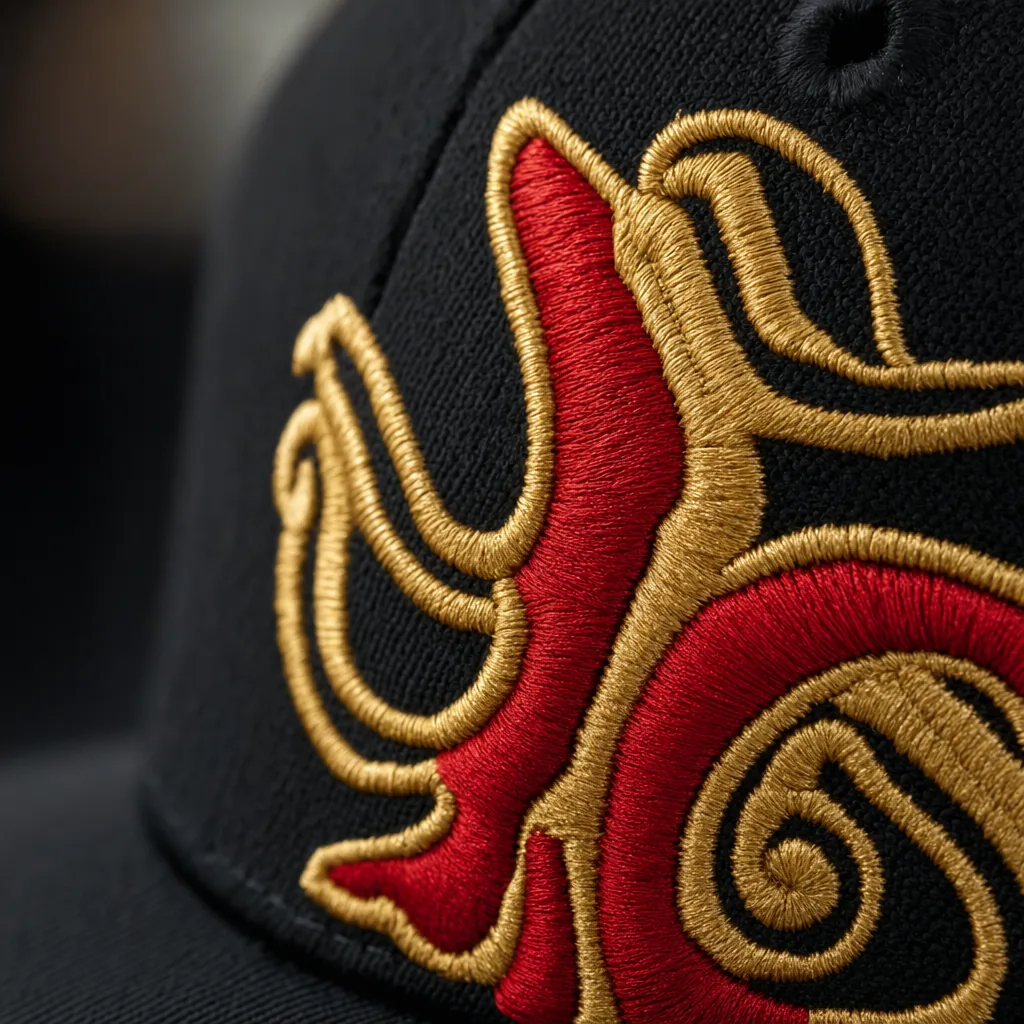
9 Cap Decoration Techniques Compared: Embroidery, Patches, Printing & More
Read article →If you are ready to take the next step on private label bucket hat manufacturing: materials, trims & bulk ordering, our team can put a tailored quotation and digital mock-up in your inbox within 24 hours. Send the inquiry form on our contact page or message us directly on WhatsApp.