
Performance & Athletic Caps: Moisture-Wicking, UPF and Buyer Specs - 2026 Buyer's Guide - 2026 Buyer's Guide
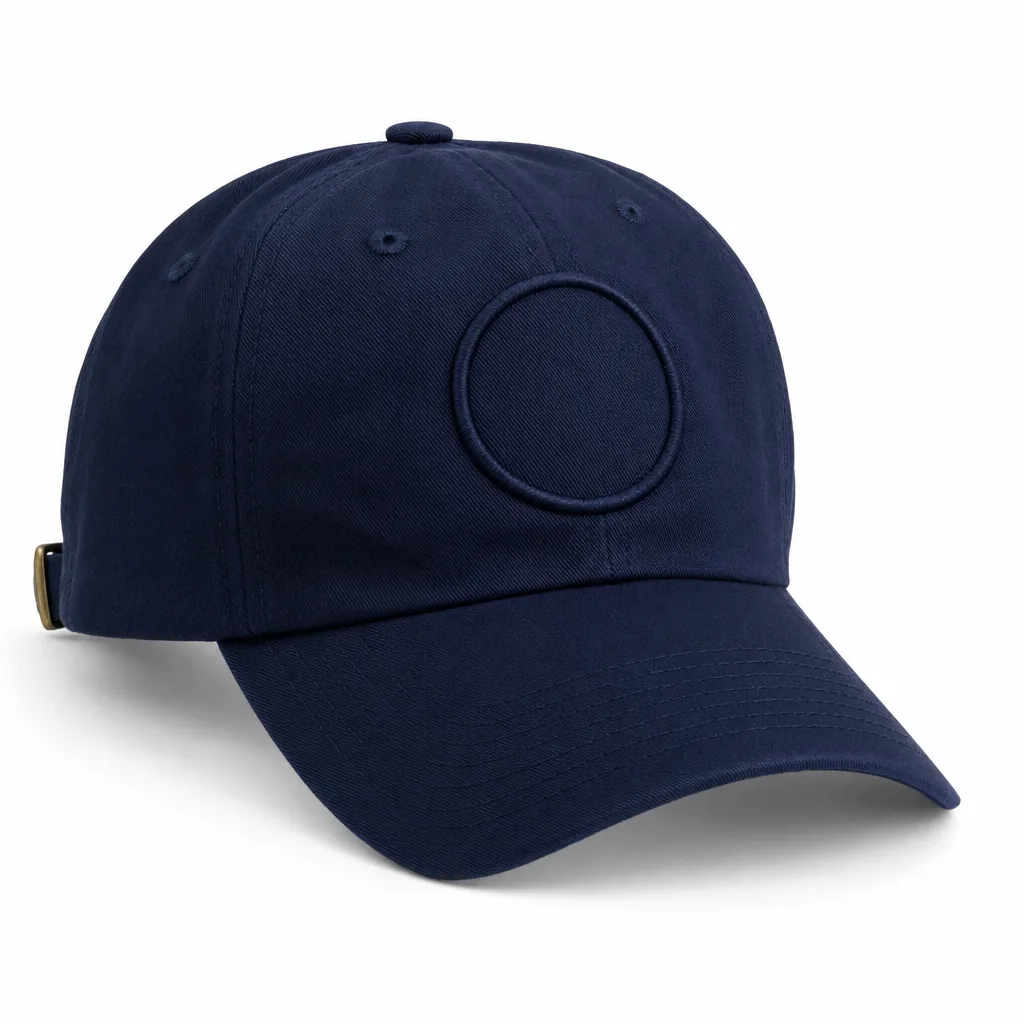
Performance & Athletic Caps: Moisture-Wicking, UPF and Buyer Specs - 2026 Buyer's Guide - 2026 Buyer's Guide is one of the most-asked questions we receive from international buyers, and for good reason. With dozens of factories competing for your order and an alphabet soup of technical terms in every supplier quote, even experienced importers can feel lost. This guide consolidates what we have learned producing custom hats for clients in 40+ countries.
What makes a cap 'performance' vs 'standard'
A cap only qualifies as “performance” when the whole bill of materials is engineered for heat and moisture management; swapping cotton twill for generic polyester does not get you there. The shell is usually 20D to 70D polyester microfiber, recycled PET, or nylon/poly blends in the 90 to 140 gsm range, often with mechanical wicking built into the yarn cross-section or a C6/C0 topical finish that still holds up after 20 home-laundry cycles. On the factory side, the useful checks are vertical wicking rate, dry-back time, air permeability, and wash shrinkage under 3%, not whether the fabric feels slick in hand. A standard brushed cotton sweatband absorbs and stays wet; a real athletic build uses 180 to 220 gsm polyester-elastane or polyester-spandex with controlled stretch recovery, so it sits flat after repeated sweat exposure instead of bagging out around the forehead. That material discipline is where a capable performance cap manufacturer separates itself from a promo cap workshop buying commodity trims by price only.
The weight gap is usually obvious on a scale before you even review the sewing. A standard structured promo cap with buckram front, PE visor board, cotton seam tape, and full crown lining often lands at 95 to 130 grams in a medium size; a proper running, training, or golf cap is more typically 55 to 80 grams finished. Hitting that range means unstructured or lightly fused front panels, lower-density peak inserts, reduced seam bulk, and ventilation through micro-perforated panels, laser-cut eyelets, or 75D to 120D mesh that will not tear out at the needle line. Seam engineering matters more than most buyers expect: thick overlock joins, hard seam tape, and heavy embroidery backing create pressure ridges under helmets, headphones, and sunglasses. At CrownsForge, we check visor rebound, crown crush recovery, seam abrasion, and post-wash delamination after three laundering cycles, because plenty of caps pass a showroom review and then warp, pucker, or lose panel alignment in actual use.
UPF is another hard divider between standard and performance, but only if it is tested on the actual production fabric and color, not claimed from a mill brochure. Plenty of dense standard caps block some sun by accident, yet a real specification asks for UPF 30+ or UPF 50+ verified to AATCC 183 or AS/NZS 4399, with the result tied to color, stretch state, and finish chemistry. Buyers should also watch the tradeoff: a heavily coated fabric may pass UV testing while failing in wear because air permeability drops too far and heat build-up climbs. For golf, outdoor events, and team programs, I would pair UPF data with colorfastness to light, perspiration, and wash, then lock shade tolerance at around Delta-E 1.5 to 2.0 against the approved lab dip or Pantone TCX target. If the white undervisor yellows, black turns rusty, or navy drifts after UV exposure, the cap stops looking premium long before it physically fails.
UPF ratings: what's actually meaningful
UPF only matters when the number is tied to the exact finished fabric and the exact cap construction. UPF 30 means about 3.3% UV transmission; UPF 50 means 2.0%; and UPF 50+ under AATCC 183 or AS/NZS 4399 means the result exceeds the top reporting threshold, not that protection is infinitely better. For buyers writing specs, the practical takeaway is simple: UPF 50 is better for long dwell-time exposure—golf, fishing, coaching, event staffing—but it is not “twice the protection” versus UPF 25 or 30, and that sales language should be cut. On real factory programs, an uncoated 110-140 gsm polyester microfiber shell in a tight plain weave, taslon, or dense dobby can often land around UPF 25-35 on structure alone. Once a style gets very light, highly stretchy, or heavily perforated, that baseline falls fast. The weak point in most claims is that buyers are shown a fabric memo, not a hat-level risk assessment. A 75D or 100D polyester in black, navy, or deep Pantone shades can test 5-15 UPF points higher than the same construction in white, stone, or pastel because darker dye depth reduces transmission. Stretch does the opposite by opening the cover factor, and mesh side panels, laser holes, or 90-120 gsm birdseye knit vents are effectively separate exposure zones. A credible performance cap manufacturer should be able to produce a current lab report tied to the mill fabric code, colorway, finish lot, and test date, then match that report back to the production panel map. If the report covers only the solid crown fabric while 30% of the cap is open mesh, the headline UPF claim is technically true and commercially misleading.
Cost is where good UPF specs get disciplined. Moving from a standard UPF 25-30 shell to a verified UPF 50+ cap fabric usually requires a tighter weave, higher filament density, delustered polyester with TiO2 in the yarn package, a UV-absorbing finish, or a combination of all three. In China sourcing, that commonly adds about $0.18-$0.45 per cap at 5,000 units; below 3,000 units, the premium can push past $0.60 once mill minimums, color-specific testing, or OEKO-TEX/bluesign-approved chemistry are involved. That is a real cost, but still cheaper than reworking hangtags, cartons, and compliance language after a retailer questions the substantiation. The better spec is zone-based, not blanket-based. For example: front panel, top crown, and visor top at UPF 50+; side and rear vent panels at UPF 15-30 where airflow matters more than full blocking. The tech pack should call out test method, fiber content, gsm, denier, color tested, finish type, and whether the result is before or after laundering. If the program includes sweat-heavy use, ask for retention data after wash cycles and perspiration exposure, because some finishes lose effectiveness once caps are repeatedly soaked, dried, and abraded. At CrownsForge, our standard practice is to freeze the approved shell and vent fabric codes before bulk cutting; otherwise a last-minute mill substitution can shift UV performance, handfeel, and shade all at once.
Sweatband construction for athletic use
The sweatband determines whether an athletic cap still feels stable after 5K pace or turns into a wet sponge by the 30-minute mark. Standard 100% cotton terry absorbs quickly, but once saturated it holds moisture against the skin, adds weight, and pushes sweat into the seam allowance, front panel buckram, and crown tape; that is why white golf caps and pastel running caps show salt rings first at the forehead line. For serious athletic programs, a polyester-elastane sweatband at 180-220 gsm with 8%-15% spandex is the safer spec. A warp-knit or fine-gauge circular knit spreads moisture laterally, dries faster at the fabric face, and recovers shape after repeated compression instead of collapsing into a rope. Any competent performance cap manufacturer has seen the same wear test result: upgrading the sweatband usually improves perceived comfort more than changing the shell from brushed cotton twill to perforated polyester.
Most failures come from construction, not fiber content alone. A 32-38 mm sweatband width works for most running, training, tennis, and golf profiles, but the forehead seam join cannot sit at center front unless you want complaints about pressure points. Better builds offset the join by 25-40 mm, use flatlock or clean folded attachment, and control seam bulk so the cap still sits smoothly after 20-30 home-laundry cycles. Buyers should also separate real moisture management from cosmetic finishing. Ask whether the band uses a durable hydrophilic yarn system or finish, or just a cheap topical treatment that fades after 3-5 washes. In the tech pack, specify fiber content, gsm, stretch and recovery, colorfastness to perspiration, crocking, dimensional stability, and AATCC 195 or equivalent wicking data. At CrownsForge, we generally avoid cotton terry on performance programs unless the brief explicitly calls for a heritage handfeel, because the cost difference is often only $0.08-$0.18 per cap and the comfort downgrade shows up immediately in wear claims.
Reflective trim, vented panels, and other athletic features
Reflective trim is a performance spec, not decoration, and most failures start when buyers approve it from photos instead of a test standard. For run, cycle, and sideline caps, call out the material by name in the tech pack: 3M Scotchlite transfer film or glass-bead reflective piping, target retroreflective value, exact location, and placement tolerance of ±2 mm. On curved visors, reflective film often fractures after 15 to 25 home-laundry cycles if it is wrapped over too tight a radius or sewn with excessive top-thread tension on 70D to 100D polyester shells. I also see delamination where factories press film onto DWR-treated microfiber without adjusting heat and dwell time. A capable performance cap manufacturer should submit both heat-bonded and edge-stitched samples, then verify wash durability, dry and wet crocking, and wearer comfort at the seam edge before bulk signoff. Wide reflective tape can ruin the hand and rebound of a lightweight crown, especially on unstructured five-panel running styles under 90 grams. In those cases, narrower reflective piping at 2.5 to 3.0 mm or segmented reflective hits at the rear arch and closure tab usually preserve packability better than a full brim-edge application. Laser-cut venting and mesh inserts should also be specified differently because they solve different engineering problems. Laser perforation works best on 70D to 150D polyester microfiber or 4-way stretch nylon with a fused backing; otherwise the holes glaze, elongate, or tear after sweat exposure. In production, 0.8 to 1.2 mm perforations laid out on side crown and upper rear panels give a better airflow-to-strength ratio than oversized holes, provided cutting is done pre-assembly and the factory controls heat marking on black, navy, and saturated red shades.
Mesh is still the safer commercial choice for golf, tennis, and larger team programs because it is easier to sew consistently across size runs and less sensitive to operator variation. Birdseye mesh, sandwich mesh, and power mesh in the 120 to 180 gsm range generally hold crown shape better than heavily perforated shell fabric, especially when paired with a 30D tricot backing or seam tape to control distortion at the join. The key is to specify the mesh by gsm, yarn denier, stretch direction, and recovery requirement, not just by color swatch. If a buyer wants a soft athletic profile with structure, I usually prefer a 120 to 140 gsm birdseye side panel over aggressive laser venting because it is more stable in sewing, easier to color-match within Delta-E under 1.0, and less likely to fail at the seam under repeated cap flex. UPF claims need to be tested on the finished cap, not only on the shell fabric certificate. A solid woven panel may pass UPF 50+, but large vent zones, pale mesh, and stretched side panels can reduce effective coverage in actual wear. Put the full build through finished-garment testing and lock the construction at pre-production sample stage, then check it again during inline rather than discovering problems at AQL 2.5 final. At CrownsForge, we normally compare laser-cut and mesh versions side by side for air permeability, tensile strength, seam slippage, and recovery so the buyer can see the tradeoff clearly: laser venting gives a cleaner modern look, while mesh usually wins on repeatability, shape retention, and lower defect risk in bulk.
Color and design considerations for athletic positioning
Color sells the first impression, but on an athletic cap it also decides how ugly the cap looks after three hard wears. Black, graphite, navy, dark olive, and muted team colors keep salt bloom, sunscreen transfer, and sweat-ring shading far better than optic white or bright fashion neons, especially on lightweight shells that show panel variation after heat-setting. A competent performance cap manufacturer should never approve shade from a Pantone chip alone; 75D recycled polyester micro-ripstop, 120 gsm polyester interlock, and 70D taslon with C0 or C6 DWR all take dye differently and can shift again after lamination, fusing, or seam sealing. The practical control point is a lab dip approved to Delta-E 1.0-1.5 under D65 light, then a bulk check on crown panels, visor binding, sandwich trim, back strap, and hook-and-loop, because those small components drift first and make the whole cap look off-spec. Decoration has to respect the fabric weight. On 90-140 gsm runner caps, subtle branding usually looks more expensive because the shell cannot hide mistakes: tonal silicone transfers, matte high-density prints, and low-profile run-stitch embroidery stay technical, while dense 3D embroidery often causes puckering, crown collapse, or needle cuts near laser-perforated panels. Tonal programs are also less forgiving, so registration tolerance matters; a rough badge edge or reflective film overhang is visible at arm’s length. On Tajima, Barudan, or ZSK heads, we normally reduce stitch density and underlay for ultralight six-panels, or switch to welded TPU patches and reflective heat transfers when the substrate is too unstable. For night-running, coaching, or event use, reflective hits generally read cleaner on the rear arch or side panel than across the front, where glare can flatten the logo and make the cap look promotional instead of athletic.
The most reliable commercial program is not endless color experimentation; it is one proven body-color package with controlled logo variations. Buyers supplying schools, tournament operators, and corporate wellness programs usually save time by locking core shells in black, navy, graphite, or stone, then changing only the identity layer through transfer art, woven labels, or side embroidery. That reduces fresh sampling rounds, keeps trim MOQs realistic, and lowers the odds of reorder shade mismatch between shell fabric, closure tape, button, and visor sandwich. At CrownsForge, our standard practice is to carry forward an approved bulk swatch and prior production standard so repeat orders are judged against fabric reality, not memory or a screen rendering. Underbill color deserves the same discipline because it affects both use and claim credibility. Black or dark charcoal underbills cut reflected glare for runners, golfers, and field crews far better than pale self-fabric, while self-material underbills often look cleaner in retail collections where appearance matters more than field function. Buyers should also separate visual cues from compliance data: a dark cap may signal sun protection, but it does not prove UPF performance. Ask for the actual UPF 50+ report, colorfastness to perspiration and crocking results, and wash durability data from the finished cap, not just the base fabric. If the order is performance-led, I would also want AQL 2.5 inspection on shade continuity and a defined pass/fail standard for Delta-E before approving shipment, because color problems are usually obvious the moment cartons are opened.
Pricing: performance fabric costs vs standard cotton
The biggest pricing mistake is treating a performance build like a brushed-cotton twill cap with a fancier fabric name. A standard 6-panel cotton twill hat in the 180-220 gsm range, with a buckle closure and light flat embroidery, still prices around $1.80-$2.40 FOB at 3,000-5,000 pieces. Move that same pattern into 75D or 100D polyester microfiber, interlock, or mini-ripstop at 120-160 gsm, and the shell cost usually rises by $0.40-$0.80 per cap before you touch trims. If the spec calls for cationic heather polyester, GRS-certified RPET, or a 6%-8% spandex blend for better recovery, the premium is normally at the top of that band, plus another $0.05-$0.12 in cutting loss because slippery low-denier fabric shifts more than cotton. Any serious performance cap manufacturer should quote the yarn spec, denier, gsm tolerance, and heat-setting status up front; otherwise you cannot judge shrinkage risk, panel skew, or shade consistency from lot to lot.
UPF is usually cheaper than buyers think, but only when the claim is tied to a real test method and a realistic color standard. If the base fabric already blocks UV through knit density, filament type, and shade depth, moving from a basic moisture-wicking cap to a verified UPF 30 or UPF 50+ program often adds just $0.20-$0.30 per cap. That changes quickly in pale colors like stone, pink, or ice gray, where mills may need tighter construction, higher titanium-dioxide loading, or a UV-absorbing finish to hold the rating under AATCC 183. Those adjustments can also create color-control problems; when dyeing is weak, Delta-E can drift past 1.0-1.5 against the approved Pantone TCX standard, which is where buyer complaints start.
The sweatband and ventilation package are the quiet cost drivers, and they matter more in wear testing than most outer shells. Swapping a basic cotton sweatband for polyester mesh, microfiber terry, or a Coolmax-type warp knit generally adds $0.10-$0.20 per cap; perforated seam tape, bonded front panels, or laser-cut vents add another $0.15-$0.35 depending on setup and reject rate. That is why a commodity cotton cap that starts at $1.80-$2.40 FOB often finishes closer to $2.50-$3.50 once the spec includes fast-drying internals, verified UV performance, and trims that do not hold heat. Our standard practice is to break shell, sweatband, seam tape, and finishing costs out line by line, because a cap can carry expensive fabric and still fail on sweat saturation, crocking, or light-wash performance during AQL 2.5 inspection.
Frequently Asked Questions
What is the minimum order quantity (MOQ) for custom hats?
Our standard MOQ is 100 pieces per design and color, with sampling available from 1 piece. For complex multi-color logos or premium fabric upgrades, the MOQ can be lowered with a small per-piece surcharge.
Do you support sustainability certifications?
Yes. We work with GOTS organic cotton, GRS-certified recycled polyester, OEKO-TEX Standard 100 fabrics, and are BSCI and Sedex audited. Certification documentation can be provided per order.
Which shipping methods do you support?
We support FOB, CIF and DDP shipping. Air express for samples and small orders, sea LCL for 100 to 500 pieces, sea FCL for 5,000+ pieces. Door-to-door DDP available for US, EU, UK, Canada and Australia.
What file format should I send for my logo?
Vector files (AI, EPS, PDF) are ideal. High-resolution PNG or JPG at 300 dpi on transparent background works as a fallback. Provide Pantone color references for accurate reproduction.
How long does production take?
Sampling takes 7 to 12 days. Bulk production runs 20 to 30 days depending on quantity, fabric availability and decoration complexity. Inspection and packing adds another 3 to 5 days before shipment.
How does ordering baseball cap custom logo work?
When evaluating baseball cap custom logo, the key considerations are construction quality, decoration capability, MOQ flexibility and lead time. Performance polyester adds roughly $0.40-$0.80 per cap vs standard cotton. UPF treatment adds another $0.20-$0.30. Sweatband upgrade adds $0.10-$0.20. Moisture-wicking fabric (typically polyester with wicking finish), moisture-wicking sweatband (usually polyester-elastane blend), lightweight construction (under 80g), and often UPF treatment.
What should buyers know about branded bills performance hat?
When evaluating branded bills performance hat, the key considerations are construction quality, decoration capability, MOQ flexibility and lead time. UPF 30 blocks ~97% of UV. UPF 50+ blocks 98%+. Most performance polyester fabric reaches UPF 30 naturally without chemical treatment. UPF 50+ usually requires treated fabric, which adds cost. Performance polyester adds roughly $0.40-$0.80 per cap vs standard cotton. UPF treatment adds another $0.20-$0.30. Sweatband upgrade adds $0.10-$0.20.
How much does branded bills custom hat cost typically cost?
When evaluating branded bills custom hat cost, the key considerations are construction quality, decoration capability, MOQ flexibility and lead time. UPF 30 blocks ~97% of UV. UPF 50+ blocks 98%+. Most performance polyester fabric reaches UPF 30 naturally without chemical treatment. UPF 50+ usually requires treated fabric, which adds cost. Moisture-wicking fabric (typically polyester with wicking finish), moisture-wicking sweatband (usually polyester-elastane blend), lightweight construction (under 80g), and often UPF…
How does ordering custom logo bucket hat work?
When evaluating custom logo bucket hat, the key considerations are construction quality, decoration capability, MOQ flexibility and lead time. Moisture-wicking fabric (typically polyester with wicking finish), moisture-wicking sweatband (usually polyester-elastane blend), lightweight construction (under 80g), and often UPF treatment. UPF 30 blocks ~97% of UV. UPF 50+ blocks 98%+. Most performance polyester fabric reaches UPF 30 naturally without chemical treatment. UPF 50+ usually requires treated fabric, which…
Looking for a reliable hat manufacturer in China?
CrownsForge has produced custom hats for 800+ brands across 40 countries. From 100-piece launches to 100,000-piece retail programs, we deliver on time and on spec.
Get in touchRelated guides
Compliance Documentation Checklist for First Hat Import to US/EU (2026 Update)
Read article →
Cap Factory AQL Inspection Plan for Importers
Read article →
Bucket Hat Corduroy MOQ And Pricing Plan for Custom Hat Buyers
Read article →Sourcing custom hats does not have to be complicated. With the right manufacturing partner, clear specifications and a small upfront investment in sampling, you can launch a retail-quality product in 30 to 45 days.