
Custom Made Trucker Hat: The 2026 Sourcing & Manufacturing Playbook (2026 Update) (2026 Update) - 2026 Buyer's Guide - 2026 Buyer's Guide - Supplier Checklist - 2026 Buyer's Guide
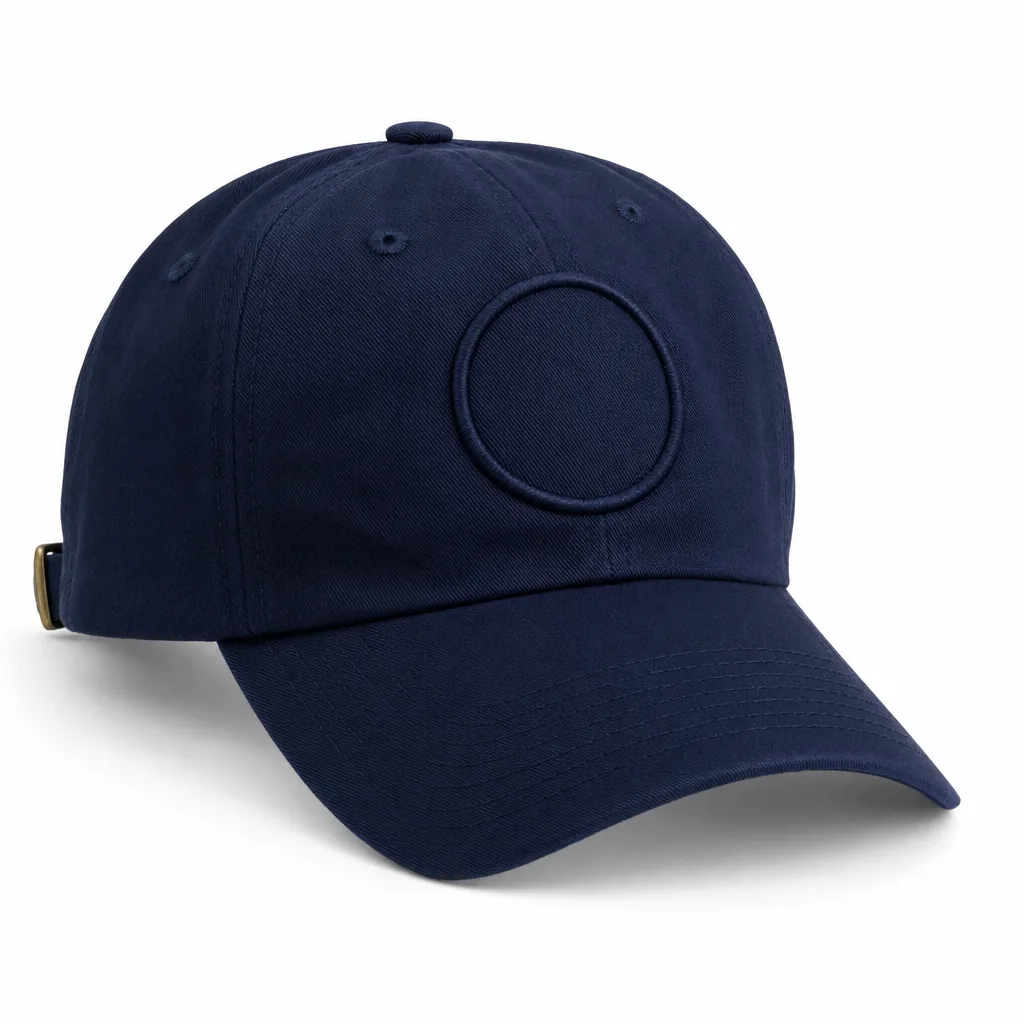
Custom Made Trucker Hat: The 2026 Sourcing & Manufacturing Playbook (2026 Update) (2026 Update) - 2026 Buyer's Guide - 2026 Buyer's Guide - Supplier Checklist - 2026 Buyer's Guide is one of the most-asked questions we receive from international buyers, and for good reason. With dozens of factories competing for your order and an alphabet soup of technical terms in every supplier quote, even experienced importers can feel lost. This guide consolidates what we have learned producing custom hats for clients in 40+ countries.
Custom Embroidered Hats
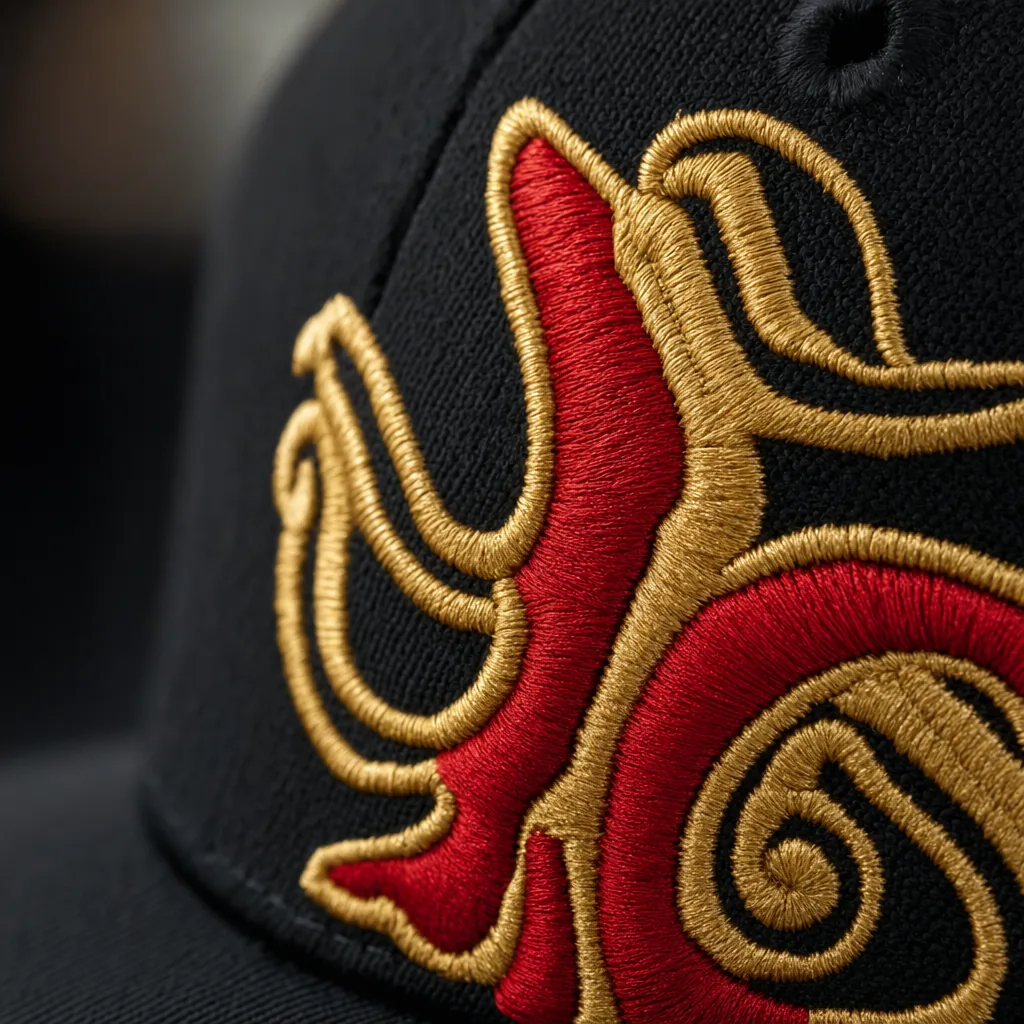
Embroidery is the failure point most buyers underestimate on a custom made trucker hat. A logo that runs clean on a flat hoodie file will often distort on a curved cap frame, especially on 5-panel foam fronts where the seam geometry and crown angle change stitch behavior. Competent cap digitizing means editing for head path, not just resizing artwork: stitch angle, edge walk, center walk, underlay, pull compensation, and sequencing all need to be rebuilt for Tajima, Barudan, or ZSK cap drivers. Material choice decides what is realistic. A 3 mm PU foam front laminated to tricot gives strong loft for 3D puff and simple block lettering, but satin columns that are too dense will knife the foam or tunnel at the edges. By contrast, 220-280 gsm cotton twill holds smaller details and cleaner borders, yet it puckers fast if backing is under 50-70 gsm or top tension is overtightened. Corduroy, brushed canvas, and heather jersey all need lower stitch density and wider columns because fine detail gets buried in pile or grain.
A usable embroidery spec should lock the logo size in millimeters, target stitch count, thread type, thread color reference, backing weight, and decoration method before sampling starts. Ask for 120D/2 polyester or rayon thread, Pantone TPX or TCX references for nearest thread match, 2 mm or 3 mm puff foam if applicable, and confirmation of flat embroidery, 3D puff, applique, or merrow patch attachment. PDF mockups are not enough; a sew-out on the actual hat body is the only approval that matters. A front logo quoted at 9,000 stitches often climbs to 10,500-11,500 after cap-run edits, which changes run time, hand feel, and unit cost. On placement, anything looser than +/-2 mm from the approved centerline is visible on a trucker front, especially on tall foam crowns.
Pricing is driven less by the word "custom" and more by body construction, embroidery locations, and machine efficiency. In China, a stock-body custom made trucker hat with one front flat embroidery typically lands around $2.20-$4.80 FOB at 144-300 pieces per colorway in 2026. Move to 3D puff, metallic thread, side embroidery, woven loop labels, printed seam tape, or custom closures and the range usually shifts to $5.50-$7.50 FOB. Stock bodies can sometimes run at 50-100 pieces if the factory already has matching mesh, visor boards, and snaps on hand, but genuine cut-and-sew programs usually start at 300-500 pieces because shell cutting, panel fusing, and trim sourcing create setup cost. Inspection should use approved-sample comparison under D65 light and AQL 2.5, with logo centering, registration drift, stitch coverage, crown symmetry, visor curve, and snap function called out. The defects worth catching are the ones photos miss: needle oil on white foam, thread breaks at satin edges, loose tails under the sweatband, mesh scorching from excessive rpm, and visor distortion caused by bad hoop pressure.
Custom Hat Embroidery
Embroidery is the operation that most often makes or breaks a custom made trucker hat, because the front panel is not a flat piece of fabric once it is laminated, blocked, and mounted on a cap frame. On a typical 5-panel foam-front trucker, the safe embroidery field is about 120 mm wide by 55-60 mm high; push beyond that and distortion shows up fast, especially near the top curve and center seam. Most export factories are running Tajima, Barudan, or ZSK cap machines with 9-15 needles, but the machine brand matters less than the digitizing logic. Once a front logo on foam or 210-230 gsm polyester twill climbs past roughly 12,000-15,000 stitches with heavy fills, you start seeing tunneling, puckering, and crown collapse. Good buyers do not just send AI or EPS artwork and hope for the best; they lock maximum logo size, target stitch count, thread brand and denier, backing weight, and whether the sew-out is on a flat panel before cap closing or directly on the formed cap body. Small details are where weak factories get exposed. Text under about 4.5-5 pt, or linework below 0.8 mm, usually needs to be widened, converted to satin columns, or removed entirely; otherwise you get broken strokes, exposed underlay, and fuzzy edges after trimming. Thread should be specified as 120D/2 polyester such as Madeira Polyneon or Gunold, not vaguely called “premium thread,” because sheen, coverage, and abrasion resistance vary by supplier. For 3D puff, buyers should define EVA foam height at 2-3 mm, border width, travel path, and top-stitch density, since a puff file digitized like flat embroidery will split at the edges or expose foam after washing. Our standard practice is to digitize front, side, and back logos as separate files because side-panel angle, mesh tension, and cap-driver pull are different; reusing the front file on a narrow mesh side panel is one of the fastest ways to get skewed lettering and weak edge coverage.
Color approval and QC standards need to be set before the first sew-out, not after the sample disappoints somebody on a Zoom call. Thread does not match Pantone TCX perfectly the way dye-to-lab fabric can, so the practical method is visual approval under D65 lighting with sealed cone references and an agreed tolerance, not fantasy claims of zero Delta-E. A pre-production embroidery sample with fresh digitizing, machine setup, and DHL or FedEx usually costs $45-120, and that is cheap insurance compared with discovering a bad underlay strategy after 2,000 caps are sewn. Metallic thread, chenille-style fills, applique, chain stitch, or layered puff all slow machine speed materially—sometimes from 750-850 rpm down to 500-650 rpm—and the quote should reflect machine minutes and reject risk, not just logo dimensions. For costing, a stock-material trucker with standard front embroidery typically lands around $2.20-3.80 FOB China at 144-300 pieces per colorway, while a more fully custom made trucker hat with custom pattern, printed taping, woven flag label, and front 3D puff is more realistically $3.90-6.50 FOB. Low-volume digitizing is commonly charged at $15-50 per file, and separate side or back files may add cost if the artwork is not simply resized text. Bulk lead time is usually 25-35 days after final sample approval, but mixed flat-plus-puff embroidery, tiny registered marks, or designs translated from gradients almost always trigger another revision round. Inspection should be tied to AQL 2.5 and measured, not guessed: logo centering within about ±2 mm from center seam, height from visor edge, no foam exposure, no fill-to-outline misregistration, no needle cuts on light twill, clean jump-thread trimming, and no mesh distortion around side embroidery. Those are the defects that customers notice first, and they are the ones worth policing hard.
Custom Trucker Hat
A custom made trucker hat fails on reorders for predictable reasons: the crown profile changes, the mesh gets swapped, or the logo shifts 4 mm because nobody locked the construction spec. A usable tech pack should freeze five variables before sampling: panel count, crown height, front substrate, mesh spec, and decoration method. A commodity 5-panel foam build usually runs 3-5 mm PU-laminated polyester foam with 80-100 gsm tricot backing; a stronger 6-panel version typically uses 240-280 gsm cotton twill or 65/35 poly-cotton twill on the front panels and visor, paired with 18 x 14 or 20 x 16 polyester mesh in the back. If you care about repeatability, call out brim length, crown height, visor curve, and top-button diameter in millimeters rather than approving “same as sample.” Color control is where many otherwise decent factories lose the order on the second PO. Specify Pantone TCX references for all visible components, approve lab dips under D65 light, and hold fabric shade within Delta-E 1.5-2.0 across front panel, visor, button, and underbill. Black is the usual trap: one vendor uses sulfur-dyed twill, another uses disperse-dyed poly, and suddenly the hat ships with three different blacks. For closures, don’t accept generic “plastic snap.” Ask for POM snapback resin, tooth engagement that survives at least 200 open-close cycles, and matching strap color tolerance. These details sound small, but they separate a one-off sample from a custom made trucker hat program that can be repeated six months later without fit drift or shade claims.
Decoration and QC are where weak suppliers get exposed fast. Flat embroidery on Tajima, Barudan, or ZSK heads is standard, but foam fronts need different digitizing than a 260 gsm twill crown: lower stitch density, controlled underlay, realistic pull compensation, and column widths that won’t cut into the foam. On foam truckers, I usually keep dense fills conservative because overpacking causes tunneling, puckering, and logo sink after the front panel is seamed. First-piece approval should happen immediately after embroidery and before bulk sewing; if the logo is wrong at final packing, the goods are already dead. Lock placement tolerance at plus/minus 2 mm, seam allowance at 6-8 mm, and stitch density around 6-8 SPI depending on mesh and sweatband material. Inspection should target the defects that generate actual chargebacks: crown asymmetry, visor curve inconsistency, exposed mesh edges, weak snap teeth, logo distortion after panel assembly, and color mismatch between brim fabric and button. AQL 2.5 is the sensible shipment baseline, but inline checks matter more than end-line theater. Verify brim length within plus/minus 3 mm, test crocking when dark twill is sewn against white mesh, and check PVC or rubber patch adhesion after 24 hours, not straight off the heat press. Typical 2026 MOQ is 144-300 pcs per colorway with stock materials; once you add dyed-to-match fabric, custom inner taping, woven labels, or molded patches, expect 500-1,000 pcs. FOB pricing out of Yiwu or Dongguan generally lands around $2.10-$3.40 for a basic foam build at 300-500 pcs, and $3.20-$5.80 for a cleaner twill custom made trucker hat with upgraded trims and tighter finishing.
Custom Trucker Hats
Structure decisions on a custom made trucker hat lock in decoration limits before artwork ever reaches digitizing. The two workhorse builds are a 5-panel high crown with one uninterrupted foam face for oversized graphics, and a 6-panel version with buckram-backed cotton twill when you need better shape retention and less deflection under embroidery. Standard front foam is usually 3 to 5 mm EVA or PU laminated to polyester tricot; rear mesh is most often 100% polyester at 110 to 140 gsm or a nylon/poly blend in the 60D to 100D range. Set crown height early—commercial truckers typically run 9.5 to 11.0 cm—and specify visor length at 7.0 to 7.5 cm, brim stitch rows, sweatband width, snapback type, and whether the front panel must hold dense 3D embroidery. A soft blank front can look acceptable in sample stage and still collapse once you push 8,000 to 12,000 stitches into one logo area.
Production order is where a lot of trucker programs quietly fail. Front panels should be cut, fused, and decorated before crown assembly if you want stable registration on foam, clean patch placement, or consistent heat-transfer alignment. On Tajima, Barudan, and ZSK heads, bad hooping on laminated foam shows up immediately as logo drift, needle-cut foam, or puckering along the stitch edge. A usable spec sheet should read like a control document: fabric composition, mesh denier or gsm, foam thickness, brim board material, underbill fabric, sweatband composition, snap resin grade, seam allowance, stitch count, and Pantone reference for every visible part—TCX for textiles, coated for plastics and print. Add measurable tolerances: logo centering within 2 to 3 mm, crown height within plus or minus 3 mm, and acceptable Delta-E under D65 light. In China, MOQ is usually 144 to 300 pieces per colorway; at 300 pieces, basic flat embroidery often lands around $2.20 to $3.40 FOB, while a more technical build with 3D embroidery, rope, woven patch, printed seam tape, and custom trims is more realistically $4.50 to $6.80 FOB. Inspect to AQL 2.5, but pay special attention to skewed panels, brim asymmetry, mesh seam tearing, exposed foam, snap misalignment, and embroidery distortion from weak digitizing.
Hat Trucker Custom
The make-or-break point on a custom made trucker hat is the front panel architecture, because that is where shape retention, embroidery quality, and carton compression all collide. A workable spec starts with either a 5-panel high crown or 6-panel mid crown, a 65/35 poly-cotton twill or 100% cotton twill front, 1.5-2.0 mm EVA foam for classic foam truckers or 120-180 gsm buckram for a cleaner structured face, 75-100 denier polyester mesh, a pre-curved PE visor, and a PP snap closure with 7-hole or 8-hole adjustment. Sweatbands should be called out precisely: 180-220 gsm cotton twill if cost matters, or 140-180 gsm moisture-wicking polyester if the cap is for sports or summer retail. If you leave these details open, the sample may look acceptable while the bulk run drifts in crown height, hand feel, and stitch stability.
Decoration has to be engineered for that exact crown build, not dropped in afterward. Front embroidery should run on flat panels before crown assembly, typically on Tajima, Barudan, or ZSK heads, then the sewing line joins panels, attaches mesh, applies seam tape, inserts the visor, sets the top button, and steam-forms the cap on the block. For 3D puff, foam thickness, satin density, underlay, and stitch angle need to be digitized against the actual panel stiffness; otherwise you get tunneling on wide letters, edge collapse on small serif details, and crushed puff after master cartons are stacked. Buyers who specify only “truckers with puff embroidery” usually end up paying for a second sampling round, because the digitizing that works on a buckram front often fails on a softer foam-front crown.
Most RFQs are still too loose to quote accurately. For a clean price and fewer sample revisions, lock the crown height in centimeters, panel count, front support type, mesh composition, visor curve, closure model, rope diameter if used, sweatband material, seam tape print, interior labels, hangtag requirement, and packing ratio per carton. If color consistency matters, provide Pantone TCX or TPX references and write a measurable tolerance such as Delta-E below 1.5 on the front fabric; otherwise navy twill, black mesh, and matching seam tape from separate dye lots will drift visibly under store LEDs. In 2026, a realistic MOQ for a basic custom made trucker hat is 144-300 pcs per colorway with one front embroidery location. FOB China is typically US$2.10-$3.40 for flat embroidery, US$2.80-$4.60 with 3D puff plus a woven label, and US$4.80-$7.50 when you add sublimated front panels, rope trim, molded PVC patches, or custom metal hardware.
Bulk defects repeat in the same places: off-center embroidery, mesh tearing at the side seam, visor asymmetry, sweatband staining, and wrong snapback installation. On final inspection I would check center-front embroidery placement within plus or minus 2 mm, visor topstitch at 6-8 SPI, mesh skew after crown closing, and snap engagement through repeated opening cycles so the tabs do not release under normal wear. AQL 2.5 is the common final standard, but retail-packed trucker hats also need carton drop testing, assortment verification, and strict overpack control. Once a factory starts loading 96 caps into a carton designed for 72, brim warping and front-panel crushing spike quickly. CrownsForge keeps decoration and cap forming under one QC chain for exactly this reason: a nominal $0.20 unit saving disappears fast when 8% of the lot lands with warped visors, inconsistent crown height, or embroidery registration drift.
Trucker Custom Hat
A custom made trucker hat fails on specs long before it fails on sewing. Treat it as a multi-component build, not a logo placement exercise. A standard 5-panel or 6-panel trucker usually combines a foam-laminated 100% polyester front, polyester mesh in the 75D to 150D range, PE or EVA visor board, woven or brushed tricot sweatband, seam tape, top button, and a PP snapback closure. The front panel callout matters most: 3 mm foam and 5 mm foam do not embroider the same, and the wrong density will wrinkle under hoop tension or flatten after carton compression. A usable tech pack should lock crown height, brim length, brim curve, panel count, mesh hole pattern, snap gauge, sweatband composition, SPI range, and Pantone TCX references for both fabric and embroidery thread such as Madeira Classic or Gunold Poly. For 3D puff, specify foam height, satin column width, underlay type, pull compensation, and a stitch-count ceiling. Tajima and Barudan heads will run clean puff on foam fronts, but only if the digitizing is built for foam recovery; otherwise the edge sinks, the panel puckers, and the cap comes out looking cheap after one packing heat cycle.
MOQ is usually driven by decoration setup, trim purchasing, and color break efficiency, not by the sewing line. In China, 144 pcs per colorway is common for a simple custom made trucker hat with one-location flat embroidery, but 288 pcs is the first quantity where mesh, snapbacks, and visor materials start landing in cleaner lot usage and more stable dye consistency. Real 2026 FOB pricing for an entry build is about US$2.20 to US$3.40 at 300 pcs, dropping to roughly US$1.65 to US$2.60 above 1,000 pcs depending on mesh source, visor grade, thread count, and whether the front foam is domestic or imported. Add US$0.18 to US$0.45 for 3D puff, US$0.25 to US$0.80 for woven or merrowed patches, and more for chain stitch, appliqué, TPU badges, or printed seam tape. Final inspection is where trucker programs usually break: mesh shade drift against the front panel, logo placement more than 2 mm off center, warped visor curvature after cooling, top-button misalignment, sweatband join bulk, cracked snap pegs after cold transit, and sheen variation between thread lots. Write Delta-E tolerance against your Pantone TCX standard, require AQL 2.5 final inspection, and verify sedex-audit-cap-supplier-guide.html">BSCI 2.0 or Sedex SMETA 4-Pillar status before scaling. Our standard practice is to lock fit with a pre-production sample because a 0.5 cm change in crown depth or back-arch opening is enough to trigger a reorder claim.
Working with CrownsForge for custom made trucker hat programs
Approval discipline determines whether a custom made trucker hat program runs in 30 to 45 days or drifts into a 10-week problem. The biggest avoidable loss is starting development before the spec is frozen: panel profile, crown height, brim length and curve, front foam thickness, mesh material, closure type, sweatband composition, and Pantone references for shell, thread, seam tape, and underbill. A first prototype in 5 to 7 working days is realistic only when the tech pack already includes vector artwork, embroidery size in millimeters, stitch method, placement tolerance, and color callouts such as Pantone TCX or coated references. If the buyer is still deciding between 3 mm and 5 mm EVA foam, HDPE versus PP snapback resin, or polyester mesh versus nylon mesh, sampling speed claims are meaningless because the factory is only guessing.
Most delays happen before the cap ever reaches a Tajima, Barudan, or ZSK head. Bad DST files, missing thread conversions, no agreed underbill fabric, and late changes to seam tape or closure are what burn calendars, not sewing capacity. The clean approval flow is simple: digital mockup, material swatch confirmation, prototype, revision if required, then a pre-production sample built exactly to bulk construction. A physical reference cap is often more useful than a vague mood board because the factory can measure crown depth, peak width, mesh stiffness, front panel stand, and finished weight in grams, then build a real checklist instead of interpreting screenshots. CrownsForge standard practice is to lock those variables before bulk cutting, because once embroidery digitizing, paper pattern, and brim mold are approved, the second sample can usually be turned in 3 to 4 working days rather than rebuilt from zero.
MOQ and cost only make sense when the bill of materials is honest. For a standard custom made trucker hat with a stock 5-panel or 6-panel shape, polyester mesh back, plastic snapback, cotton twill or poly front, and one flat embroidery position, 144 to 300 pieces per colorway is commercially workable; below that, setup cost and cutting loss distort the FOB too much. Once you add custom-dyed 12-wale corduroy, 180 to 220 gsm brushed twill, printed seam tape, woven clamp labels, molded TPU or soft PVC patches, reflective piping, or multi-location decoration, the efficient MOQ usually shifts to 500 to 1,000 pieces because of dye-lot minimums, mold charges, and extra QC checkpoints. A realistic FOB band is about $2.20 to $4.20 for a clean stock-material cap and $4.80 to $8.50 for specialty builds, before freight and duty.
Decoration and compliance are where cheap quotes usually hide risk. Flat embroidery on foam is stable if underlay, density, and stitch count are controlled to prevent tunneling and puckering, but 3D puff, chenille, sublimated panels, silicone heat transfers, and rear-arch labels each need separate approval points and defect standards. Serious factories should be able to show current BSCI 2.0 or Sedex SMETA 4-Pillar audit status, needle control logs, AZO and REACH declarations where relevant, and an AQL 2.5 inspection plan that defines major and minor defects for logo centering, crown symmetry, peak stitch spacing, mesh snags, seam slippage, and snap closure function. If the supplier cannot specify acceptable Delta-E tolerance, embroidery placement variance, or carton drop test standards, the low FOB is usually just deferred cost that reappears as claims, rework, or dead stock after delivery.
Frequently Asked Questions
What file format should I send for my logo?
Vector files (AI, EPS, PDF) are ideal. High-resolution PNG or JPG at 300 dpi on transparent background works as a fallback. Provide Pantone color references for accurate reproduction.
Which shipping methods do you support?
We support FOB, CIF and DDP shipping. Air express for samples and small orders, sea LCL for 100 to 500 pieces, sea FCL for 5,000+ pieces. Door-to-door DDP available for US, EU, UK, Canada and Australia.
Can I order a sample before bulk production?
Yes. We strongly recommend approving a pre-production sample before mass production. Samples are charged at 35 to 60 USD each plus express shipping, fully refundable against confirmed bulk orders over 500 pieces.
What logo decoration techniques do you offer?
3D puff embroidery, flat embroidery, woven patch, leather patch, PVC patch, screen printing, sublimation, applique and laser etching, all in-house with no subcontracting.
What is the minimum order quantity (MOQ) for custom hats?
Our standard MOQ is 100 pieces per design and color, with sampling available from 1 piece. For complex multi-color logos or premium fabric upgrades, the MOQ can be lowered with a small per-piece surcharge.
How does ordering custom hat trucker work?
When evaluating custom hat trucker, the key considerations are construction quality, decoration capability, MOQ flexibility and lead time. Cover everything buyers ask about custom embroidered hats: how it's manufactured, what specs to request from a factory, typical MOQ and pricing, common quality issues to inspect for, and how this ties back to the broader custom made trucker hat sourcing decision. Cover everything buyers ask about custom hat embroidery: how it's manufactured, what specs to request from a…
How does ordering custom embroidered trucker hats work?
When evaluating custom embroidered trucker hats, the key considerations are construction quality, decoration capability, MOQ flexibility and lead time. Cover everything buyers ask about custom embroidered hats: how it's manufactured, what specs to request from a factory, typical MOQ and pricing, common quality issues to inspect for, and how this ties back to the broader custom made trucker hat sourcing decision. Cover everything buyers ask about custom trucker hats: how it's manufactured, what specs to request from a…
How does ordering custom made hats for men work?
When evaluating custom made hats for men, the key considerations are construction quality, decoration capability, MOQ flexibility and lead time. Cover everything buyers ask about custom embroidered hats: how it's manufactured, what specs to request from a factory, typical MOQ and pricing, common quality issues to inspect for, and how this ties back to the broader custom made trucker hat sourcing decision. Cover everything buyers ask about custom trucker hats: how it's manufactured, what specs to request from a…
How does ordering high quality custom trucker hats work?
When evaluating high quality custom trucker hats, the key considerations are construction quality, decoration capability, MOQ flexibility and lead time. Cover everything buyers ask about custom embroidered hats: how it's manufactured, what specs to request from a factory, typical MOQ and pricing, common quality issues to inspect for, and how this ties back to the broader custom made trucker hat sourcing decision. Cover everything buyers ask about custom trucker hats: how it's manufactured, what specs to request from a…
Ready to start your custom hat project?
Send us your tech-pack, sketch or even just an inspiration photo. We will respond with a detailed quotation and digital mock-up within 24 hours.
Request a free quoteRelated guides
Custom Logo Hats: When to Use It, Costs, and What to Ask Your Factory - Supplier Checklist - Cost & MOQ Breakdown
Read article →
Cap Fabric Guide: Cotton Twill, Wool Blend, Polyester & Performance Materials
Read article →
Custom Wool Blend Ball Cap: A 2026 B2B Sourcing Guide - Supplier Checklist - 2026 Buyer's Guide
Read article →If you are ready to take the next step on custom made trucker hat: the 2026 sourcing & manufacturing playbook (2026 update) (2026 update) - 2026 buyer's guide - 2026 buyer's guide - supplier checklist - 2026 buyer's guide, our team can put a tailored quotation and digital mock-up in your inbox within 24 hours. Send the inquiry form on our contact page or message us directly on WhatsApp.