
Custom Made Trucker Hat: The 2026 Sourcing & Manufacturing Playbook (2026 Update) (2026 Update) - 2026 Buyer's Guide - 2026 Buyer's Guide - Cost & MOQ Breakdown
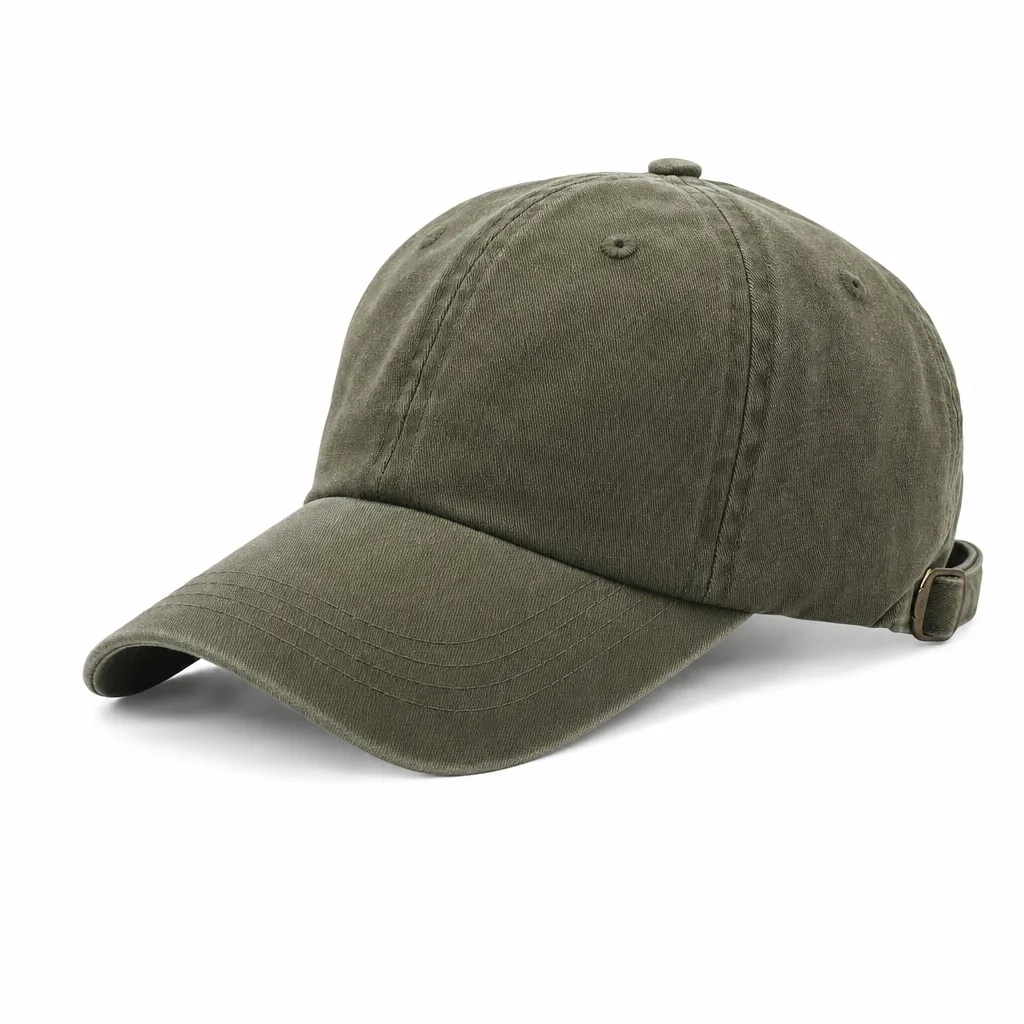
Custom Made Trucker Hat: The 2026 Sourcing & Manufacturing Playbook (2026 Update) (2026 Update) - 2026 Buyer's Guide - 2026 Buyer's Guide - Cost & MOQ Breakdown is one of the most-asked questions we receive from international buyers, and for good reason. With dozens of factories competing for your order and an alphabet soup of technical terms in every supplier quote, even experienced importers can feel lost. This guide consolidates what we have learned producing custom hats for clients in 40+ countries.
Custom Embroidered Hats
Embroidery is still the most reliable way to make a custom made trucker hat look like retail product rather than promo surplus, but the front panel sets hard limits on what artwork will survive production. On a typical 5-panel foam trucker, the usable embroidery field is about 110-120 mm wide and 50-58 mm high; on structured cotton twill or 10x10 canvas fronts, you can sometimes push to 60 mm if the crown angle is not too aggressive. Most cap lines in Yiwu and Dongguan are running Tajima, Barudan, or ZSK heads at roughly 700-900 stitches per minute, and distortion shows up fast once a foam-front logo exceeds 10,000-12,000 stitches. At that point you need a competent digitizer reducing density, tuning pull compensation, and balancing edge-run with tatami underlay, otherwise you get panel drag, tunneling, and needle cuts through the foam laminate. Fine serif details under 1.0 mm, tiny enclosed counters, metallic gradients, and photographic shading are the usual failure points.
If you want usable pricing, freeze the embroidery spec before asking for quotes. For a custom made trucker hat, that means calling out front panel material and weight—230 gsm cotton twill, 260 gsm brushed canvas, or 3 mm EVA foam laminated to tricot—plus mesh spec such as 100% polyester 75D x 150D, closure type, sweatband composition, visor board, seam tape, and Pantone TPG or TCX references for every visible component. The embroidery callout should cover flat, 3D puff, or mixed technique; target stitch count; rayon versus polyester thread, usually Madeira or Gunold equivalent; backing type; and puff foam thickness, normally 2 mm or 3 mm. In current FOB terms, a basic 5-panel foam custom made trucker hat with a 5,000-8,000 stitch front logo usually lands around US$2.10-US$3.40 at 300-500 pieces. Move to heavier twill fronts, 3D puff plus flat combo embroidery, woven flag labels, custom inside taping, and branded polybags, and the real range is closer to US$3.80-US$5.50 FOB, with MOQ moving from 144-300 pieces to 500-1,000 when dyed-to-match fabrics or private-label trims are involved.
Inspection is where embroidered cap programs either hold margin or leak it. The repeat defects are predictable: logo placement drifting more than 2 mm off center, bobbin loops showing on satin columns, puckering around dense fills, thread shade visibly missing the approved Pantone target, foam tearing from needle strikes, visor sandwich mismatch, and crown deformation after export-carton compression. For color-sensitive orders, fabric can reasonably be controlled to Delta-E 1.5-2.0 against the approved standard; thread is usually approved visually unless the order size justifies spectrophotometer checks and lab dips. Bulk inspection should be run to AQL 2.5 and include stitch consistency, panel symmetry, snapback engagement, carton drop resistance, and embroidery placement against the approved pre-production sample. Our standard practice is to sign off the punch file and sewn strike-off before bulk cutting, because a bad digitizing file will create defects no sewing line can fix later.
Custom Hat Embroidery
Embroidery spec drives the build of a custom made trucker hat earlier than most buyers expect. If the front logo is 3D puff, you cannot treat the crown as a generic shell and decide decoration later; foam front thickness, buckram stiffness, seam position, and even visor profile affect sew quality. The first approval should be a digitized DST or EMB file plus a sew-out on the actual front panel material, not on a stock twill swatch. A 100% polyester foam-front trucker reacts very differently from brushed chino, 10 oz cotton canvas, or a 65/35 poly-cotton twill because needle penetration, thread drag, and recovery after steaming all change. On Tajima, Barudan, and ZSK cap frames, stable production for structured fronts usually sits around 700 to 850 stitches per minute; higher speeds can work on simple flat fills, but on puff they increase edge fray, foam blowout, and uneven satin coverage. The artwork itself decides whether puff is even technically sound. Standard puff uses 2 mm to 3 mm EVA or PE foam, but only if the satin columns are wide enough to trap the foam cleanly; 2.5 mm is the bare minimum, and 3.0 mm to 3.5 mm is safer for block letters. Fine serifs, distressed textures, and text under 4 mm cap height almost always sew cleaner as flat embroidery on a buckram-supported panel. A center seam is another non-negotiable constraint: on 6-panel truckers, narrow strokes crossing the seam tend to split, so we usually thicken those sections in digitizing or shift the art to a 5-panel silhouette. Good digitizing also means specifying underlay by element—edge run plus zigzag under satin, tatami underlay for filled areas—because poor underlay is what causes tunneling, puckering, and soft edges, not just bad machine operators.
A usable embroidery spec sheet needs exact production data, not a note that says “3D logo, black thread.” Buyers should lock thread type and ticket size, usually 120D/2 polyester or rayon; nearest Pantone TCX or coated reference; stitch count target; backing weight; foam thickness; logo dimensions in millimeters; and whether the embroidery is pre-sew or post-assembly. Adult trucker fronts usually take a width of 90 to 110 mm, but height is the harder limit, especially on mid-profile crowns where the center seam and crown slope reduce clean sewing area. Pre-sew embroidery gives the best registration on large front graphics because the panel stays flat under the frame; post-assembly cap embroidery is fine for simpler badges or text, but placement near side seams, eyelets, and curved crown transitions is less repeatable. China pricing is usually predictable if the stitch count is stated up front. At 300 pcs, a basic flat front logo on a stock-body trucker commonly adds about $0.35 to $0.85 per piece; a 3D puff plus flat combination is more often $0.80 to $1.50, and metallic thread, appliqué, or more than six color changes can push that higher. Digitizing is often charged separately at $20 to $60 per file unless the order volume justifies waiving it. Inspection should follow AQL 2.5 with embroidery-specific defect criteria written into the PO: loose thread tails above 3 mm, exposed foam, visible needle cuts, center-seam misregistration, skipped stitches, and color drift beyond Delta-E 2.0 from the approved sample are valid rejects. Our standard practice is to photograph the first-off cap under D65 lighting and keep that image with the sealed sample, because thread sheen can make “black” or “navy” look acceptable on the line and wrong in daylight.
Custom Trucker Hat
A custom made trucker hat usually goes wrong at the shell, not the logo. Front-panel construction determines whether the cap survives freight and still presents clean on shelf: 3 to 5 mm PU-laminated polyester foam with tricot backing gives the classic rigid high-profile face, while 220 to 260 gsm brushed cotton twill or poly-cotton twill produces a softer crown that will not support 3D puff with the same edge definition. Mesh choice is equally practical. Lightweight 75D recycled polyester mesh can feel premium in hand, but it is more prone to torque and panel skew during sewing; 100D to 150D polyester mesh is more stable for 5-panel and 6-panel builds and holds crown geometry better after packing compression. Lock crown height at 10.5 to 12 cm and visor length around 7 to 7.5 cm early in the tech pack, because those numbers affect blank pattern, logo placement, and carton efficiency. The hidden cost driver is trim durability. PE visor board is the default for export because it recovers after compression and does not absorb humidity like cardboard, which still shows up in low-cost samples and then fails in summer transit. Closure spec matters too: standard PP snapbacks are fine for promo programs, but acetal resin snaps generally give more consistent engagement and fewer broken posts on retail runs above 1,000 units. Our standard practice is to call out snap post count, sweatband width, seam tape material, and button wrap fabric in the BOM, because missing trim specs are where factories quietly downgrade to hit target FOB. If you want a retail-grade custom made trucker hat, you need those components frozen before sample approval, not negotiated after the line is booked.
Production sequence should be controlled in the spec sheet, not left to the sample room manager. A reliable line will die-cut panels, laminate foam, reinforce the front seam, join mesh panels at 6 to 8 SPI, attach the crown to a pre-curved visor, and then install sweatband, closure, top button, and seam tape in that order. Decoration needs equally hard limits. Flat embroidery on Tajima, Barudan, or ZSK heads is the safest option for logos with fine outlines or text under 4 mm cap height; 3D puff needs firm foam, dense edge underlay, and satin columns above 3 mm width or the foam collapses and the edges fray visually. Digitizing approval before bulk is non-negotiable, especially on high-profile fronts where even a 2 mm shift in logo centering is obvious from three meters away. The spec sheet should measure risk, not just appearance. Call out Pantone TCX or coated references for every visible component, logo size in millimeters, brim curve, mesh denier, mesh hole pattern, and acceptable distortion on curved application zones. For QC, realistic tolerances are crown height ±3 mm, brim length ±2 mm, embroidery centering ±2 mm, and Delta-E under 1.5 on dyed fabric when the substrate is consistent; across mixed materials such as foam, mesh, and thread, under 2.0 is more achievable. In Yiwu, a basic 5-panel custom made trucker hat with stock black mesh, stock PP snap, and front flat embroidery normally runs 144 to 300 pieces per colorway at about $2.20 to $3.60 FOB in 2026. Add custom-dyed twill, woven loop labels, printed seam tape, molded PVC patches, microfiber visor wraps, or barcode polybags, and MOQ usually shifts to 500 to 1,000 pieces with FOB more like $4.50 to $7.80. For inspection, AQL 2.5 is acceptable for promo volume, but licensed retail should add carton drop testing, humidity checks, snap engagement testing, and focused review for crushed foam fronts, visor warpage, mesh torque, and backing show-through on light-colored panels.
Custom Trucker Hats
Structure determines whether a custom made trucker hat survives embroidery, packing, and retail handling. For most commercial orders, the lowest-risk build is a 5-panel high-profile crown or a 6-panel mid-profile crown with a foam-backed or buckram-laminated front, 100D-150D polyester mesh, a pre-curved visor using a 1.8-2.0 mm PE board, and a standard PP 7-hole snap closure. If you want 3D puff, the file must be digitized specifically for foam; a flat file reused on Tajima, Barudan, or ZSK cap frames is exactly how you get crushed foam, exposed underlay, and front panels that wrinkle after carton compression. On puff runs, density usually needs to open to around 0.35-0.40 mm, with wider edge walk and fewer narrow satin columns that will cut the foam or collapse during capping. Material callouts should read like a production spec, not a design brief. Front panels are typically 220-260 gsm polyester foam, 240-280 gsm brushed cotton twill, or 210-240 gsm RPET blends, and each reacts differently to needle penetration, steam, and hoop tension. Mesh should be defined by denier, handfeel, and hole size because a soft 100D mesh and a stiffer 150D athletic mesh do not feed or recover the same way at the side seam. If color control matters, issue Pantone TCX for fabrics and Pantone Coated for plastic trims, then write realistic tolerances: Delta-E below 1.5 for dyed fabric and below 2.0 for snaps, visor bindings, and closure parts. Foam, mesh, and plastic will never dye identically, so controlled variance is the real target.
The purchase order needs to lock every variable that can turn into a debit note: crown height, brim length, visor curvature, panel count, seam tape print, sweatband composition, top button material, snap finish, stitch count, and packing format. Decoration changes both cost and defect rate. Flat embroidery is still the most stable option for repeatability; woven patches add a second operation and edge-placement risk; PVC patches add thickness that can distort a soft foam front; sublimated fronts solve artwork complexity but only if panel cutting and alignment stay tight. In current China sourcing, a standard trucker with 3,000-5,000 embroidery stitches typically prices around $2.10-$3.40 FOB Ningbo or Shanghai at 300-500 pcs per colorway. Add about $0.18-$0.35 for 3D puff, $0.45-$0.90 for a woven patch, and $0.20-$0.50 for custom seam tape, inside labels, or printed polybags. Inspection is where margin is protected, because trucker failures are predictable: front-panel collapse, logo drift, uneven visor curve, mesh tearing at the side seam, and brittle snaps from low-grade resin. I would hold finished goods to AQL 2.5, keep logo centering within +/-2 mm, require 6-8 even visor stitch rows, and check crown symmetry both flat and on a head form. White foam fronts need extra control for needle oil, finger marks, and heat-set transfer, especially if caps are bagged before the embroidery area has fully cooled. Our standard practice is to audit incoming foam, mesh, twill, and plastic separately because they usually come from different upstream suppliers with different shade behavior. Saving $0.12 per cap is irrelevant if the factory cannot control digitizing, incoming QC, and carton packing discipline.
Hat Trucker Custom
The expensive mistakes on a custom made trucker hat happen before decoration starts. If the RFQ does not lock the build, every quote is a guess. Specify 5-panel or 6-panel construction, finished crown height, visor length, pre-curve angle, front panel structure, mesh type, closure, and sweatband before asking for logo pricing. A 5-panel foam trucker and a buckram-front brushed twill trucker can differ by more than $0.70 to $1.20 per piece at the same stitch count because lamination, sewing difficulty, and shaping yield are not comparable. Front fabrics usually run 180 to 260 gsm for cotton twill, chino twill, or canvas; foam-front programs often use a polyester face laminated to 2 to 4 mm foam, which affects embroidery tension, panel memory, and carton crush resistance. Mesh should not be described as just “poly mesh.” Call out gsm, yarn denier, hole size, and hand feel, because a soft 120 gsm mesh and a stiffer 160 gsm mesh produce different crown collapse and airflow in wear tests.
A workable tech pack should include Pantone TCX references for fabric and thread, underbrim color, seam tape, button material, visor board type, rope diameter if used, and snapback resin grade. Our standard practice is to write Delta-E tolerance into approvals when matching front panel, brim, and top button; otherwise buyers end up disputing shade variation after bulk cutting is finished. On the production floor, logo application is where most trucker programs go wrong. 3D embroidery on Tajima, Barudan, or ZSK heads usually performs best with 2 to 3 mm EVA foam at roughly 600 to 750 rpm; beyond that, satin columns fray and edge definition drops, especially on laminated foam fronts. Text below 4 mm cap height is a bad candidate for direct embroidery on most trucker fronts; woven patch, TPU patch, or screen-print transfer holds detail better. In Yiwu and Dongguan, realistic MOQ is 144 to 300 pieces per style-color for a true custom build, or 48 to 100 on a stock body. A basic FOB target is about $2.10 to $3.40 at 300 pieces, while rope trim, printed seam tape, rubber patch, heavier twill, or underbrim print can push the cap to $3.80 to $5.80.
Inspection should focus on failures that create returns, not harmless cosmetic noise. For a custom made trucker hat, use AQL 2.5 for major defects and 4.0 for minor, with logo placement held to ±3 mm, brim length variance within 2 mm, and snap closure function checked through the full peg range. The repeat offenders are warped visors, off-center embroidery, crown asymmetry, mesh tearing at seam joins, and brittle snap tabs after cold-weather transit. Foam-front styles need carton compression testing as well; if master cartons are over-packed, front panels can take permanent dents before the shipment reaches Los Angeles or Rotterdam. For heat-applied patches, test peel strength after 24 hours, then repeat after heat aging, because plenty of hats pass inline inspection and fail after a week in a container at elevated temperature. Normal timing is 5 to 7 days for mockup and digitizing, 7 to 12 days for a pre-production sample, and 18 to 35 days for bulk, assuming trim booking is complete and the factory’s sedex-audit-cap-supplier-guide.html">BSCI 2.0 or Sedex SMETA 4-Pillar audit is current.
Trucker Custom Hat
The BOM decides whether a custom made trucker hat looks retail-grade or like a giveaway cap. The factory default is usually a 5-panel high-crown build: 100% polyester mesh back, 100% cotton twill or foam-laminated front, PE visor insert, PVC snap, and buckram on the front panel. That is too vague for production control. Buyers should lock front fabric at 210-260 gsm twill if they want stable embroidery, or specify 3-5 mm foam lamination for classic promo silhouettes; mesh should be called out by denier and hole shape, typically 150D-300D diamond or hex mesh. Crown height matters more than most spec sheets admit: 16-17 cm wears closer to streetwear, while 18 cm and above pushes into oversized promo territory. If visor curve is not defined, factories will pull stock parts, so specify flat bill or a pre-curve around 12-15 mm with a tolerance the line can actually hold. Decoration has to match the substrate, not just the artwork. On Tajima, Barudan, and ZSK embroidery heads, a 5,000-8,000 stitch logo runs clean on buckram-backed twill, but the same file can tunnel, pucker, or sink on foam fronts unless the digitizer changes underlay, density, and pull compensation. Text below 4 mm cap height is where approvals go wrong most often, especially on structured 5-panels with a center seam. For patches, lock the border construction first: merrowed border for casual styles, laser-cut satin stitch for cleaner streetwear execution, and placement tolerance at ±2 mm. If brand color consistency matters across repeat orders, specify thread system and color standard up front; Madeira Classic No. 40 and Gunold Poly 40 are common, but the approval should reference Pantone TCX or coated Pantone plus an acceptable Delta-E, not a phone photo.
The shell is cheap; labor and trim complexity are what move the price. A basic custom made trucker hat using stock mesh, stock snapback, cotton twill front, and flat front embroidery usually lands around USD 2.30-4.10 FOB China at 144-300 pieces per colorway, assuming standard packaging and no special testing. Move to woven patches, molded TPU badges, debossed PU labels, multi-position embroidery, or appliqué, and the realistic FOB range becomes USD 3.40-6.50 because machine speed drops and there is more hand placement. Once buyers ask for recycled poly mesh with GRS transaction certificates, custom inside taping, woven labels, Pantone lab dips held to Delta-E under 1.5, or branded retail packing, the practical MOQ normally jumps to 500-1,000 pieces per color because the trim minimums start to dominate. Inspection on trucker caps is brutally visual, so generic AQL language is not enough. Under AQL 2.5, major defects should include logo placement over 3 mm off center, visor seam drift, crushed front panels, loose snap studs, broken PE inserts, embroidery puckering around satin columns, and mixed mesh lots with visible shade shift. The right control point is not only final inspection; problems need to be caught after embroidery and before crown assembly, when rework still costs cents instead of dollars. Our standard practice is to freeze a sealed PPS before cutting, then check visor centering, mesh tension, crown symmetry, and stitch quality inline. That matters because a trucker hat can technically pass measurement but still fail at retail if the front panel collapses or the mesh pulls unevenly under normal wear.
Working with CrownsForge for custom made trucker hat programs
Lock the build before you bargain on FOB; that is where trucker programs usually fail. A custom made trucker hat can look identical in CAD and still fit differently once you change shell architecture: 5-panel foam front versus 6-panel seamed front, 58 mm crown height versus a lower-profile block, 2.5 mm EVA foam versus 4 mm foam, buckram-backed front versus soft front, or a pre-curved PE visor versus a flat bill with heavier board. Mesh choice also changes both handfeel and lead time. Standard 100D polyester mesh is easy to pull from stock in black, white, navy, charcoal, and khaki, but moving to 150D or 200D mesh for a firmer retail hand usually narrows color availability. A realistic timeline is 2 to 4 working days for art layout and digitizing, 7 to 10 days for the first physical sample, and another 4 to 6 days for fit or trim revisions. If you need custom-dyed twill or mesh to Pantone TCX, add 10 to 15 days for lab dips and bulk dyeing, and hold shade tolerance to Delta-E 1.5 or better against the approved standard.
MOQ only stays low when you are decorating a stock hat, not rebuilding the bill of materials. With stock mesh, standard plastic snap, and off-the-shelf cotton twill or poly-cotton front panels, 144 to 300 pieces per color is workable for flat embroidery, 3D puff, woven patch, printed patch, leatherette patch, or heat-transfer branding. Once you add custom-dyed fabric, branded seam tape, printed sweatbands, underbill print, contrast visor sandwich, or a private-mold PVC badge, the practical MOQ usually jumps to 500 to 1,000 pieces because dye minimums, mold amortization, cutting loss, and line setup start driving the economics. On current factory floors, a mid-grade custom made trucker hat with a 5,000-stitch front logo run on Tajima or Barudan heads typically lands around USD 3.20 to 5.80 FOB China at 500 pieces; clean 3D puff, applique, or frequent thread changes can add USD 0.35 to 1.20 per unit depending on machine time.
The buyers who avoid chargebacks are the ones who make defects visible before packing. The baseline paperwork should include a signed tech pack, Pantone references for fabric and thread, approved sample photos from front, side, back, and interior, trim card, barcode location, carton marks, inner-pack quantity, and carton gross-weight limit. Our standard practice is to freeze stitch density, needle spec, visor board thickness, snap pull strength, and logo placement tolerance at pre-production, because those details are where first-run disputes usually start. Decoration capability matters on truckers because logos often mix processes on one cap: flat embroidery, 3D puff, chain stitch, woven labels, silicone badges, laser-cut felt, sublimation, and heat press. If registration is tight on multicolor art, ZSK heads generally hold cleaner alignment. Final inspection should be no looser than AQL 2.5, with special focus on off-center logo placement, visor warpage, mesh snags, broken stitches, oil marks, snap failure, and carton count accuracy. If the program needs compliance, confirm BSCI 2.0 or Sedex SMETA 4-Pillar status and restricted-substance testing before bulk booking, not after ex-factory.
Frequently Asked Questions
Can I order a sample before bulk production?
Yes. We strongly recommend approving a pre-production sample before mass production. Samples are charged at 35 to 60 USD each plus express shipping, fully refundable against confirmed bulk orders over 500 pieces.
Do you support sustainability certifications?
Yes. We work with GOTS organic cotton, GRS-certified recycled polyester, OEKO-TEX Standard 100 fabrics, and are BSCI and Sedex audited. Certification documentation can be provided per order.
How long does production take?
Sampling takes 7 to 12 days. Bulk production runs 20 to 30 days depending on quantity, fabric availability and decoration complexity. Inspection and packing adds another 3 to 5 days before shipment.
What logo decoration techniques do you offer?
3D puff embroidery, flat embroidery, woven patch, leather patch, PVC patch, screen printing, sublimation, applique and laser etching, all in-house with no subcontracting.
Which shipping methods do you support?
We support FOB, CIF and DDP shipping. Air express for samples and small orders, sea LCL for 100 to 500 pieces, sea FCL for 5,000+ pieces. Door-to-door DDP available for US, EU, UK, Canada and Australia.
How does ordering custom hat trucker work?
When evaluating custom hat trucker, the key considerations are construction quality, decoration capability, MOQ flexibility and lead time. Cover everything buyers ask about custom embroidered hats: how it's manufactured, what specs to request from a factory, typical MOQ and pricing, common quality issues to inspect for, and how this ties back to the broader custom made trucker hat sourcing decision. Cover everything buyers ask about custom hat embroidery: how it's manufactured, what specs to request from a…
How does ordering custom embroidered trucker hats work?
When evaluating custom embroidered trucker hats, the key considerations are construction quality, decoration capability, MOQ flexibility and lead time. Cover everything buyers ask about custom embroidered hats: how it's manufactured, what specs to request from a factory, typical MOQ and pricing, common quality issues to inspect for, and how this ties back to the broader custom made trucker hat sourcing decision. Cover everything buyers ask about custom trucker hats: how it's manufactured, what specs to request from a…
How does ordering custom made hats for men work?
When evaluating custom made hats for men, the key considerations are construction quality, decoration capability, MOQ flexibility and lead time. Cover everything buyers ask about custom embroidered hats: how it's manufactured, what specs to request from a factory, typical MOQ and pricing, common quality issues to inspect for, and how this ties back to the broader custom made trucker hat sourcing decision. Cover everything buyers ask about custom trucker hats: how it's manufactured, what specs to request from a…
How does ordering high quality custom trucker hats work?
When evaluating high quality custom trucker hats, the key considerations are construction quality, decoration capability, MOQ flexibility and lead time. Cover everything buyers ask about custom embroidered hats: how it's manufactured, what specs to request from a factory, typical MOQ and pricing, common quality issues to inspect for, and how this ties back to the broader custom made trucker hat sourcing decision. Cover everything buyers ask about custom trucker hats: how it's manufactured, what specs to request from a…
Looking for a reliable hat manufacturer in China?
CrownsForge has produced custom hats for 800+ brands across 40 countries. From 100-piece launches to 100,000-piece retail programs, we deliver on time and on spec.
Get in touchRelated guides
Cap Fabric Guide: Cotton Twill, Wool Blend, Polyester & Performance Materials
Read article →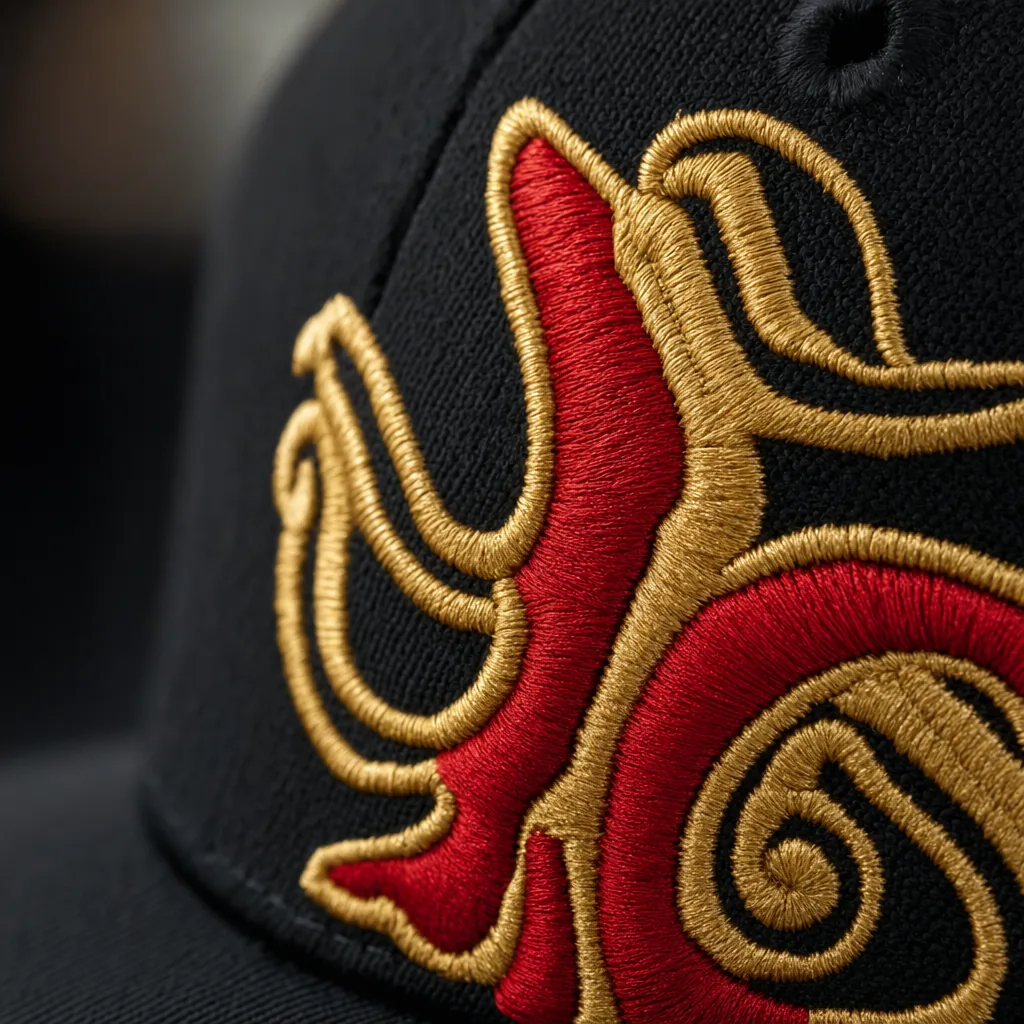
Hat With Patch Supplier Audit Checklist for Custom Hat Buyers
Read article →
Custom Made Trucker Hat: The 2026 Sourcing & Manufacturing Playbook (2026 Update) (2026 Update) - 2026 Buyer's Guide - Cost & MOQ Breakdown (2026 Update)
Read article →If you are ready to take the next step on custom made trucker hat: the 2026 sourcing & manufacturing playbook (2026 update) (2026 update) - 2026 buyer's guide - 2026 buyer's guide - cost & moq breakdown, our team can put a tailored quotation and digital mock-up in your inbox within 24 hours. Send the inquiry form on our contact page or message us directly on WhatsApp.