
Custom Made Trucker Hat: The 2026 Sourcing & Manufacturing Playbook (2026 Update) (2026 Update) - 2026 Buyer's Guide - 2026 Buyer's Guide - 2026 Buyer's Guide
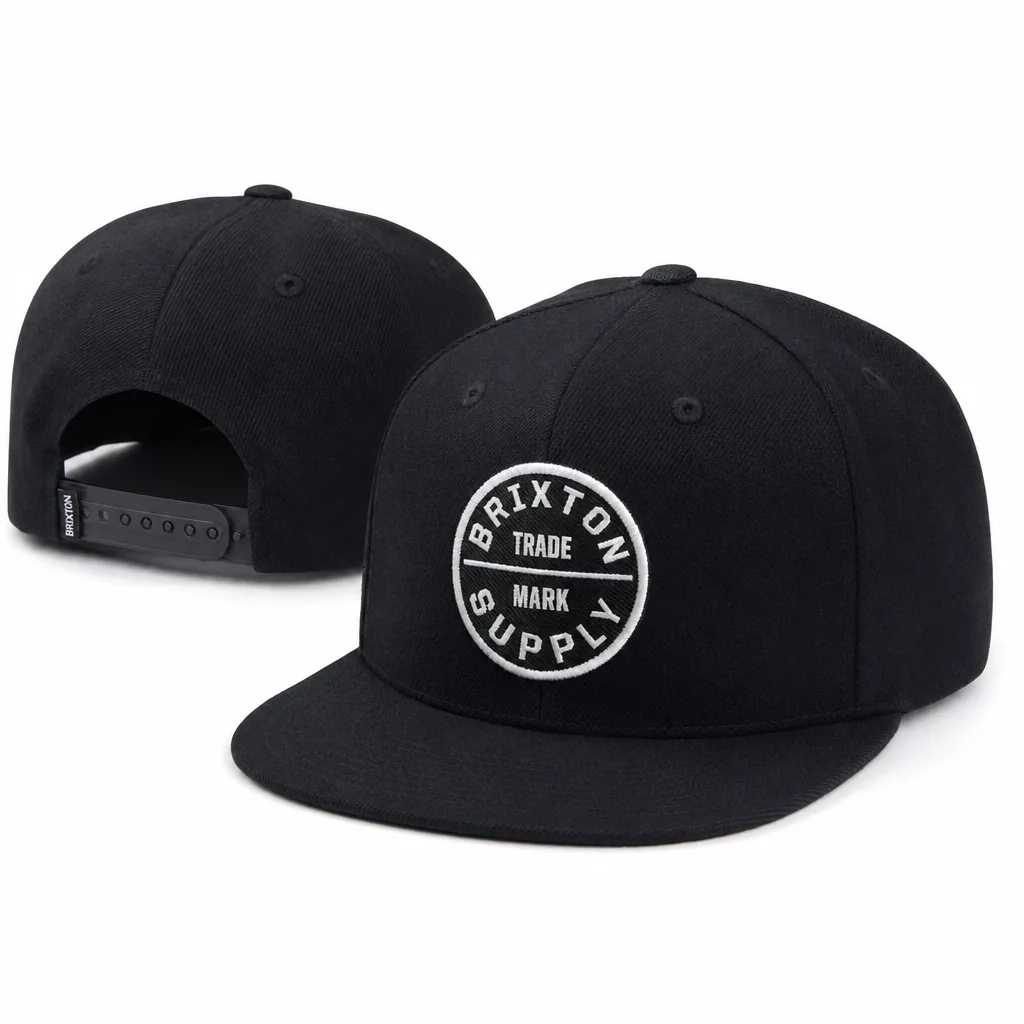
Every week, our sales team answers detailed questions about custom made trucker hat: the 2026 sourcing & manufacturing playbook (2026 update) (2026 update) - 2026 buyer's guide - 2026 buyer's guide - 2026 buyer's guide. We wrote this guide so that wholesalers, streetwear brands, corporate buyers and promotional resellers can compare options with full information, and avoid the traps that show up only after production has started.
Custom Embroidered Hats
Embroidery is still the most reliable way to make a custom made trucker hat look premium, but the result is decided in digitizing, not on the sewing floor. I tell buyers to freeze six items before sampling: vector art in AI or EPS, Pantone TCX or Pantone C references, logo size in millimeters, placement tolerance of ±2 mm, stitch type, and exact front-panel material. A 3D puff logo on a foam-backed 100% polyester front panel runs completely differently from flat embroidery on chino twill, brushed cotton twill, or 600D polyester. On Tajima, Barudan, or ZSK cap frames, the same file can sew clean or collapse depending on underlay, pull compensation, stitch density, and panel stiffness. Fine-detail art needs to be challenged early: satin columns below 1.2 mm and text under roughly 4.5 mm cap height usually fill in once the crown is curved and the seam tension starts fighting the stitch path. A workable MOQ for embroidered trucker caps is usually 144 to 288 pieces per colorway; 48 to 100 pieces can be done, but the unit cost jumps because digitizing, thread swaps, and cap-frame setup are spread over too few hats. In Yiwu, a basic 5-panel foam mesh custom made trucker hat with 5,000 to 8,000 stitches typically lands around $2.10 to $3.40 FOB China at 300 pieces, using polyester mesh, PE visor board, and a standard plastic snap closure. Add 3D puff, side or back embroidery, a woven flag label, printed seam tape, or a moisture-wicking sweatband and that usually moves to $3.80 to $5.80 FOB. Our standard practice is to approve one digital sew-out, one physical pre-production sample, and a written BOM covering front-panel gsm, mesh spec, visor board thickness, sweatband fiber content, closure mold, and thread brand such as Madeira or Gunold before bulk starts.
Inspection is where weak embroidery planning shows up fast. The recurring defects are predictable: registration drift between thread colors, loose thread tails, foam exposure on 3D puff, tunneling across wide satin columns, needle cutting on lighter twills, and logo skew from inconsistent hooping. These are not minor cosmetic issues; they directly affect sell-through because embroidery sits at eye level on the cap. For trims and dyed fabrics, I would hold color to Delta-E 2.0 or better against the approved standard, even though embroidery thread is still judged mainly by visual match under D65 light. On finished goods, check logo centering, left-right symmetry, stitch density consistency, backing trim cleanliness, visor curve, crown shape, and mesh seam alignment, because a clean sew-out can still look cheap if the assembled cap is off balance. For bulk programs, AQL 2.5 final inspection is standard, but embroidery-heavy orders need in-line control at the first 20 pieces, then hourly checks during production. Once the cap is fully assembled, rework gets expensive: unpicking a front logo often scars the panel or leaves needle marks that fail resale quality. CrownsForge typically treats embroidery as a construction driver rather than a decoration, because it affects front-panel selection, machine speed, reject rate, and even carton yield if crowns deform during packing. If buyers want a retail-grade custom made trucker hat, they should treat embroidery specs with the same discipline as fabric, fit, and packaging; that is usually the difference between a cap that looks $20 at retail and one that looks like a rushed promo giveaway.
Custom Hat Embroidery
Embroidery is still the cleanest way to make a custom made trucker hat read premium, but the real quality decision happens in digitizing, not at the embroidery head. On foam-front truckers, the front logo should usually be sewn on the panel before crown assembly: a 5-8 mm EVA-backed front holds registration far better than a finished cap mounted on a narrow-cylinder frame, especially on tall 5-panel silhouettes. Tajima, Barudan, and ZSK 12- or 15-needle multi-head machines are standard across decent factories, but machine brand is secondary to stitch engineering. Bad underlay, over-dense fills, weak pull compensation, or poor sequencing will telegraph immediately as puckering, edge collapse, or unreadable small text. As a rule, keep embroidered text above 4 mm height, avoid line weights below 0.8 mm, and be cautious with gradients, distressed textures, or halftone-style art; those usually convert badly and should be tested against woven patches, screen print, or heat transfer before sampling. A usable embroidery brief needs exact specs, not just an AI file and a verbal color note. Buyers should lock the finished logo size in millimeters, stitch count, embroidery method (flat, 3D puff, appliqué, or mixed), thread brand such as Madeira Classic or Gunold Poly, backing weight, and foam thickness if puff is involved. For color-critical programs, specify Pantone TCX or TPG for fabric, then approve the nearest polyester thread match with a stated Delta-E tolerance; thread sheen shifts color under retail lighting, so “Pantone match” without tolerance is not a real standard. On pricing, a stock-material trucker in Yiwu or Dongguan typically starts around 144-300 pieces per colorway, with FOB cost near $2.20-$3.40 at 300-500 units for a basic 5-panel mesh-back cap carrying a 5,000-8,000 stitch front logo. Add 3D puff, side embroidery, custom seam tape, woven labels, or interior branding and the workable range moves to roughly $3.60-$5.20, plus a one-time digitizing charge of $25-$80 if volume is modest.
Most embroidery failures are predictable, which is why good buyers kill them at sample stage instead of arguing after bulk packing. The defects worth checking first are registration drift between colors, exposed jump stitches, thread breaks, needle cuts through foam, fill areas sinking at the edges, and 3D puff collapsing because density was pushed too high. Logo position should be measured from the front panel seam and visor centerline, not judged by eye; on a trucker, a 3 mm left-right shift is obvious on shelf and even worse in product photography. Mesh and crown materials also matter more than many tech packs admit: 60 gsm nylon mesh, 100-120 gsm polyester mesh, and different foam laminations all change how the cap holds shape during sewing and packing. Bulk inspection should run to AQL 2.5 with embroidery-specific checkpoints, not just generic cap criteria. I would include stitch density consistency, logo centering tolerance, panel-to-panel symmetry, bill-to-crown alignment, snap closure function, thread color consistency by lot, and carton-level shade variation on dyed components. Sew-out approval should always happen on the actual cap material rather than backing paper, because the same digitized file behaves differently on brushed cotton twill, chino twill, and a foam-front trucker panel. That one step is what separates a sample that looks fine under a merchandiser's desk lamp from a custom made trucker hat program that can repeat cleanly across 1,000 pieces without ugly surprises.
Custom Trucker Hat
A custom made trucker hat is not a stock cap with a logo added later; it is a build sheet with six decisions that determine cost, sewability, and claim rate: front panel structure, mesh spec, brim insert, closure, decoration method, and sweatband construction. The most common commercial build is a 5-panel crown with a foam-laminated or buckram-supported front, 120-140 gsm polyester mesh on the side and back panels, a pre-curved PE visor insert, and a PVC snapback. Where buyers get into trouble is treating all fronts as interchangeable. A 2.5-4.0 mm foam front gives the loft streetwear brands want for bold 3D puff embroidery, but text below 4 mm cap height usually closes up unless the file is re-digitized with lighter underlay and lower stitch density. For finer logos, 100% cotton twill around 220 gsm with 40-60 gsm fusible backing holds registration better than washed chino, brushed canvas, or pigment-dyed fabrics, where stitches sink, outlines wander, and small counters fill in. The production flow itself is routine—panel cutting, front fusing, embroidery on Tajima or Barudan heads, crown assembly, visor joining, closure setting, steaming, thread trimming, and ratio packing—but the inputs decide whether bulk passes inspection. Mesh is one of the least specified and most complained-about components. Standard polyester mesh is acceptable for promo volume, yet 75D nylon mesh usually recovers shape better and is less prone to splitting at the side seam, especially on tighter 6-panel patterns. Foam hardness matters too: a soft truck-stop-style front collapses after sea transit, while an overly rigid front creates an awkward break at the forehead. That is why a custom made trucker hat should start from a technical spec pack, not a reference image copied from Instagram.
The spec sheet needs to define both visible and hidden components. Call out shell fabric by panel, for example 100% cotton twill 220 gsm on the front and visor, 100% polyester mesh 130 gsm on the back, a 65/35 poly-cotton sweatband, PE or EVA brim insert, seam tape artwork, top button finish, visor stitch count, and PVC closure color matched against approved Pantone TCX. If decoration uses patches, the patch type must be named precisely: merrowed woven patch, HD woven label, 0.8-1.2 mm molded PVC patch, laser-etched PU patch, or sublimated twill emblem. Each one changes tooling cost, lead time, and defect risk. In Zhejiang, MOQ is commonly 144-300 pieces per colorway when using stock mesh and standard snapbacks; custom-dyed mesh, proprietary molded closures, or exclusive printed yardage usually push practical minimums to 500-1,000 pieces. Inspection is where weak specifications get exposed. The repeat failures on trucker caps are crooked embroidery, mismatched crown height, visor warp, mesh tearing at the side seam, snap pegs cracking below 5°C, sweatband puckering, and black-to-black mismatch between fabric and molded plastic parts. AQL 2.5 is the right baseline for final inspection, but it only works if measurements and appearance tolerances are locked in before bulk. Logo placement should stay within +/-2 mm of approved PPS, visible same-color components from different vendors should target Delta-E under 1.5, and embroidery needs stitch density, backing show-through, and edge cleanliness checked under normal warehouse lighting, not just in the sample room. A sealed golden sample is not paperwork for its own sake; one change in foam density, mesh denier, or brim curve can turn a sellable custom made trucker hat into aged inventory fast.
Custom Trucker Hats
A custom made trucker hat is decided by three build points most buyers under-specify: front panel structure, mesh recovery, and snapback durability. The common factory baseline is a 5-panel cap with a 2.5-3.0 mm foam-backed 100% polyester front, 60-80 gsm polyester or nylon mesh, a pre-curved PE visor insert, and an HDPE snap closure. It is cheap, stable, and fine for giveaways, but it almost always reads promotional unless the crown pattern, foam density, and visor curve are tightly controlled. For retail programs, front panels in 10 oz cotton twill, brushed canvas, or poly-cotton suiting usually perform better because the hand feel is cleaner, the crown holds shape without looking puffy, and the surface photographs better under studio light. Logo application matters just as much as fabric choice: embroidery should be run flat before assembly on Tajima, Barudan, or ZSK heads. Once the crown is joined, dense embroidery on foam fronts tends to flatten the panel, drag the center seam, and make a logo look visually off-center even when the machine registration is technically correct.
If you want repeatability, a reference sample alone is not a spec. A workable tech pack for a custom made trucker hat should lock crown height in centimeters, visor length and curve, foam thickness, mesh denier or gsm, sweatband fiber content, seam tape color, visor stitch rows, snap color, and Pantone TCX for every visible component. Logo size should be called out in millimeters, with placement tolerance held to +/-2 mm; anything looser invites visible drift across a run. Buyers who simply write “match sample” usually get variation in crown profile, mesh stiffness, and logo position because every factory uses different cap blocks, sewing order, and embroidery compensation. Costing moves quickly once trims stack up. A basic foam-front build usually starts around 144-300 pieces per colorway, while 3D embroidery, woven loop labels, printed seam tape, contrast underbill, or mixed patch applications typically push practical MOQ to 300-500 pieces. In Yiwu or Dongguan, a simple FOB China quote at 1,000 pieces is usually $2.20-$3.80; a retail-grade version with better mesh, cleaner finishing, and inside branding is more realistically $4.50-$7.50. Below that, the cuts usually show up in mesh weight, embroidery density, closure grade, or AQL 2.5 inspection time.
Inspection needs to be as disciplined as the spec sheet, especially on resale programs where one bad crown shape can sink the whole delivery. At inline and final AQL 2.5, the failures I see most often are visor skew, uneven crown height, loose mesh binding, cracked snap pegs, thread tailing, foam grin on light-colored fronts, and puckering around dense satin columns or 3D fill. On patch styles, do not just approve the artwork; check merrow consistency, heat-bond adhesion, edge fray, and whether the patch starts lifting after carton compression or short heat exposure. For color-critical orders, hold lab dips and trim strike-offs within Delta-E 1.5-2.0 of the approved standard, especially on dyed cotton fronts where black, charcoal, and washed shades drift from lot to lot. The commercial split is straightforward: promo programs optimize freight cube, broad tolerances, and low trim count, while retail programs should spend the extra $0.40-$0.80 per piece for tighter patterns, stronger components, and process control that keeps the bulk order looking like the sealed sample.
Hat Trucker Custom
Front-panel construction is what separates a retail-ready custom made trucker hat from a soft, promo-grade cap that buckles after one wear. The most common commercial specs are a 5-panel high-crown build for bold center logos or a 6-panel mid-profile shape for cleaner fit across broader head sizes. For the face panel, 230-280 gsm polyester foam with tricot backing is the safe range; lighter foam collapses under dense embroidery, while heavier foam can distort at the side seams. Mesh is usually 70-100D polyester or nylon, and the visor core is typically 2.0-2.2 mm PE board with either a factory pre-curve or flat bill, depending on brand positioning. A serious RFQ should lock panel count, crown height in millimeters, visor profile, closure type, sweatband fiber content, seam tape color, top button, and exact decoration method. If the logo is embroidered, specify whether the file is digitized for 3D puff, flat embroidery, twill appliqué, or merrowed patch attachment; Tajima, Barudan, and ZSK heads handle foam penetration, pull compensation, and edge definition differently, so the same art file will not sew out identically across machines.
Price is driven by trim complexity and color control, not by the word custom. With stock mesh, standard PVC snapback closures, and in-line flat embroidery, MOQ usually sits around 144-300 pieces per colorway. Once you introduce custom-dyed front fabric, branded molded snaps, printed seam tape, woven sweatband labels, or matched undervisor fabric, factories generally move to 500-1,000 pieces per style because dye-lot management and trim tooling stop making sense below that level. In Zhejiang and Guangdong, a standard custom made trucker hat at 300 pieces typically lands around $2.10-$3.40 FOB China; add 3D puff embroidery, sublimated undervisors, camouflage mesh, TPU or rubber patches, or contrast sandwich peaks, and you are usually in the $3.80-$5.80 range. Proto samples often cost $35-$80 because the supplier still has to digitize the logo, cut a one-off marker, and tune stitch density on the foam front before bulk production.
QC should focus on failures that show up after packing and ocean transit, not just defects visible in a pre-shipment photo. The recurring problems on trucker caps are embroidery drifting off center by more than 2-3 mm, foam faces crushed by overpacked cartons, visor curves that vary cap to cap, mesh tearing at rear panel joins, raw overlock edges showing inside the sweatband, and PVC snaps that fracture in cold-weather delivery. Standard practice is to run in-line plus final inspection to AQL 2.5, with written tolerances for crown depth, visor length, head opening, and logo placement. Color-critical programs should also call out Pantone TCX references and an acceptable trim tolerance such as Delta-E below 1.5 on dyed components. On foam fronts, stitch density is the technical trap: too dense and the panel puckers around satin borders; too open and the 3D puff loses edge definition. The right factory is the one that can hold crown shape, embroidery registration, and packing consistency across bulk cartons, not just shave $0.10 off the ex-factory quote.
Trucker Custom Hat
A reliable custom made trucker hat is a three-material build, and the front crown, mesh back, and closure have to work together under sewing tension or the cap will twist, pucker, or lose profile after packing. For the front panels, most production runs use 210-280 gsm cotton twill, 240 gsm brushed chino, or 600D polyester when cost matters; structured versions usually add 0.4-0.6 mm buckram to hold a tall 5-panel or A-frame shape. Rear panels are typically polyester or nylon mesh in the 35-75 denier range, while the visor is formed with PE board or EVA and locked with 6-8 rows of topstitching. Those are not interchangeable details: they change rebound, hand feel, stitch stability, and even carton cube. Decoration has to be engineered around that structure. Flat embroidery runs cleanly on Tajima, Barudan, or ZSK heads when the front panels are pre-sewn, but 3D puff needs tighter digitizing discipline: lower fill density, better underlay control, and usually 3-5 mm foam to prevent tunneling, broken thread, or soft edges. Before sampling, lock down seam tape color, sweatband content, underbill fabric, snap resin grade, wash treatment, and whether the front is structured or semi-structured; those choices directly affect shade consistency, fit recovery, and reorder matching.
Margin is won on the specification sheet, not on the first sample approval. A serious custom made trucker hat program should define panel count, finished crown height, visor curve radius, shell composition, mesh type, closure style, logo size in millimeters, Pantone TCX references, and acceptable shade tolerance—typically Delta-E below 1.5 on dyed front fabric and below 2.0 on mesh or snap components, where polymer matching is less exact. Add embroidery stitch count, coverage percentage, sweatband width, top button construction, needle size, finished cap weight, and carton pack-out. If those fields stay blank, the factory will default them, and that is where bulk inconsistency starts. In 2026, factory MOQ is commonly 144-300 pcs per colorway for custom-dyed fabric, inside branding, and custom trims; stock-material programs can start around 48-100 pcs. A basic 5-panel mesh-back cap generally lands at $2.20-$3.40 FOB with simple flat embroidery, while multi-position embroidery, printed seam tape, TPU or silicone patches, specialty mesh, or custom snap tooling pushes real pricing into the $4.20-$6.80 FOB range. Inspection should focus on failure points, not showroom appearance: brim warp, panel asymmetry, mesh puckering, loose snap posts, thread breaks, and 3D puff edge collapse. The right control plan is inline QC plus final inspection at AQL 2.5, with visor symmetry checks, crown height tolerance within +/-3 mm, logo placement within 2-3 mm, crocking tests on sweatband and underbill, and compliance documentation for retail programs.
Working with CrownsForge for custom made trucker hat programs
The biggest failure point in a custom made trucker hat program is not the FOB quote; it is approval drift after the tech pack looks “close enough.” A factory can usually turn a digital mockup in 24-48 hours, a first prototype in 5-7 working days, and a pre-production sample in another 5-7 working days, but only if the bill of materials is frozen early. The structural calls that actually move cost and lead time are the ones buyers delay most often: 5-panel foam front or 6-panel chino twill, 60-65 mm crown height, 180-220 gsm front fabric, 75D or 100D polyester mesh, sweatband content, visor curl, and snapback format. Change those after sample approval and the supplier is back to reopening pattern markers, recutting panels, revising seam allowances, and often re-digitizing the embroidery file to suit a different front profile. MOQ also needs to be discussed in manufacturing terms, not wishful retail terms. If you are using stock body patterns, standard PP snap closures, and off-the-shelf polyester mesh, 144-300 pieces per colorway is realistic. Once the custom made trucker hat includes Pantone-matched dyed twill, branded seam tape, private-label sweatbands, woven flag labels, or molded TPU and silicone trims, efficient production usually starts around 500-1,000 pieces per SKU. At that point dye minimums, trim mold charges, cutting loss, and line setup time matter more than a few sewing minutes. Our standard practice is to lock Pantone TCX references, placement measurements, and packaging specs before booking raw materials, because small late changes are what turn a clean reorder into an expensive one.
Decoration is where a custom made trucker hat either feels retail-grade or immediately reads as cheap. Foam-front truckers are unforgiving, so the logo method has to fit the substrate. Tajima, Barudan, and ZSK heads run flat embroidery well on bold fills and clean block lettering, but 3D puff should stay above roughly 2.5 mm stroke width with simple shapes and controlled stitch density, or the columns break down and the foam shows at the edges. Fine serifs, halftones, and gradients are usually better executed as screen print, heat transfer, or a woven, leather, or TPU patch than forcing a 10,000-12,000 stitch file onto laminated foam. The defects I see most often are tunneling across the front panel, foam strike-through, mesh distortion near the side seam, visor topstitch wandering, and patch edge lift after pressing. The difference between a smooth reorder and a claim file is process control. A supplier running this category properly should be able to show current sedex-audit-cap-supplier-guide.html">BSCI 2.0 or Sedex SMETA 4-Pillar audits, maintain fabric and trim lot traceability, and inspect at AQL 2.5 with inline, final, and packing reports. For larger licensed or retail programs, I would also expect needle control logs, barcode scan verification, carton drop testing, and country-of-origin checks before pack-out. Color needs to be managed realistically as well: Delta-E 1.5-2.0 is achievable on many core shades, but rayon thread, cotton twill, and white-backed mesh do not reflect light the same way under D65 versus store lighting. That is why the best factories approve against signed physical standards, not screens, and why repeat programs succeed only when panel shape, buckram stiffness, mesh denier, snap shade, and label placement are documented to the millimeter.
Frequently Asked Questions
What logo decoration techniques do you offer?
3D puff embroidery, flat embroidery, woven patch, leather patch, PVC patch, screen printing, sublimation, applique and laser etching, all in-house with no subcontracting.
Can I order a sample before bulk production?
Yes. We strongly recommend approving a pre-production sample before mass production. Samples are charged at 35 to 60 USD each plus express shipping, fully refundable against confirmed bulk orders over 500 pieces.
What is the minimum order quantity (MOQ) for custom hats?
Our standard MOQ is 100 pieces per design and color, with sampling available from 1 piece. For complex multi-color logos or premium fabric upgrades, the MOQ can be lowered with a small per-piece surcharge.
How long does production take?
Sampling takes 7 to 12 days. Bulk production runs 20 to 30 days depending on quantity, fabric availability and decoration complexity. Inspection and packing adds another 3 to 5 days before shipment.
What file format should I send for my logo?
Vector files (AI, EPS, PDF) are ideal. High-resolution PNG or JPG at 300 dpi on transparent background works as a fallback. Provide Pantone color references for accurate reproduction.
How does ordering custom hat trucker work?
When evaluating custom hat trucker, the key considerations are construction quality, decoration capability, MOQ flexibility and lead time. Cover everything buyers ask about custom embroidered hats: how it's manufactured, what specs to request from a factory, typical MOQ and pricing, common quality issues to inspect for, and how this ties back to the broader custom made trucker hat sourcing decision. Cover everything buyers ask about custom hat embroidery: how it's manufactured, what specs to request from a…
How does ordering custom embroidered trucker hats work?
When evaluating custom embroidered trucker hats, the key considerations are construction quality, decoration capability, MOQ flexibility and lead time. Cover everything buyers ask about custom embroidered hats: how it's manufactured, what specs to request from a factory, typical MOQ and pricing, common quality issues to inspect for, and how this ties back to the broader custom made trucker hat sourcing decision. Cover everything buyers ask about custom trucker hats: how it's manufactured, what specs to request from a…
How does ordering custom made hats for men work?
When evaluating custom made hats for men, the key considerations are construction quality, decoration capability, MOQ flexibility and lead time. Cover everything buyers ask about custom embroidered hats: how it's manufactured, what specs to request from a factory, typical MOQ and pricing, common quality issues to inspect for, and how this ties back to the broader custom made trucker hat sourcing decision. Cover everything buyers ask about custom trucker hats: how it's manufactured, what specs to request from a…
How does ordering high quality custom trucker hats work?
When evaluating high quality custom trucker hats, the key considerations are construction quality, decoration capability, MOQ flexibility and lead time. Cover everything buyers ask about custom embroidered hats: how it's manufactured, what specs to request from a factory, typical MOQ and pricing, common quality issues to inspect for, and how this ties back to the broader custom made trucker hat sourcing decision. Cover everything buyers ask about custom trucker hats: how it's manufactured, what specs to request from a…
Looking for a reliable hat manufacturer in China?
CrownsForge has produced custom hats for 800+ brands across 40 countries. From 100-piece launches to 100,000-piece retail programs, we deliver on time and on spec.
Get in touchRelated guides
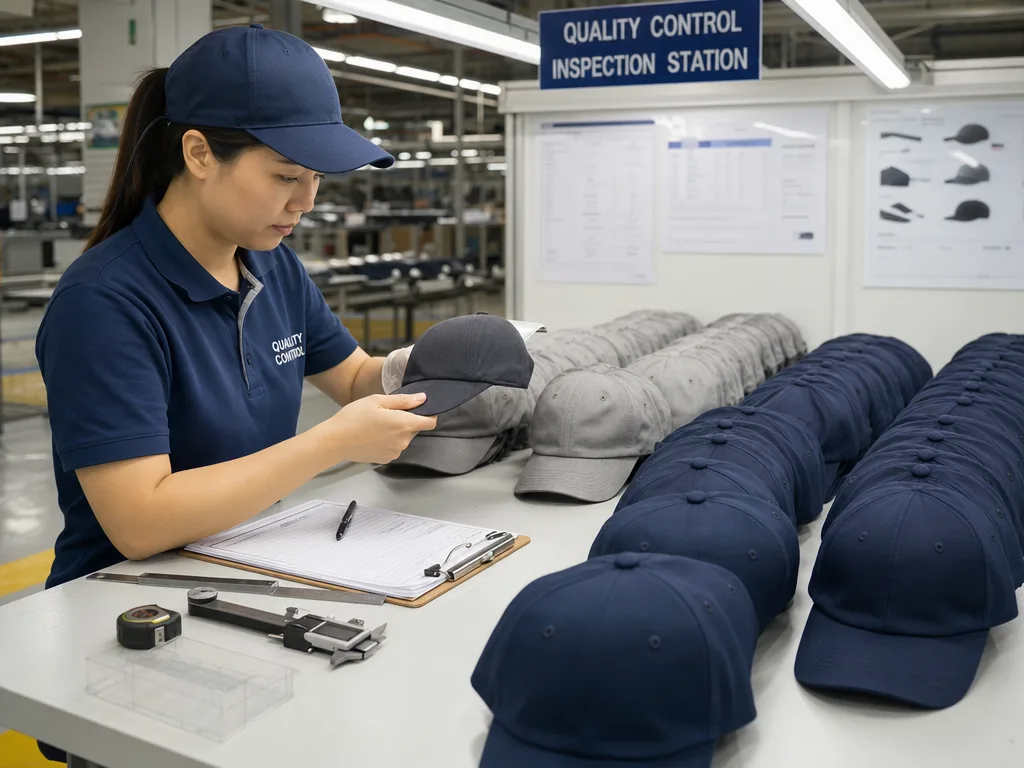
BSCI vs Sedex vs WRAP vs WCA: Compliance Audit Standards Compared (2026 Update) - 2026 Buyer's Guide
Read article →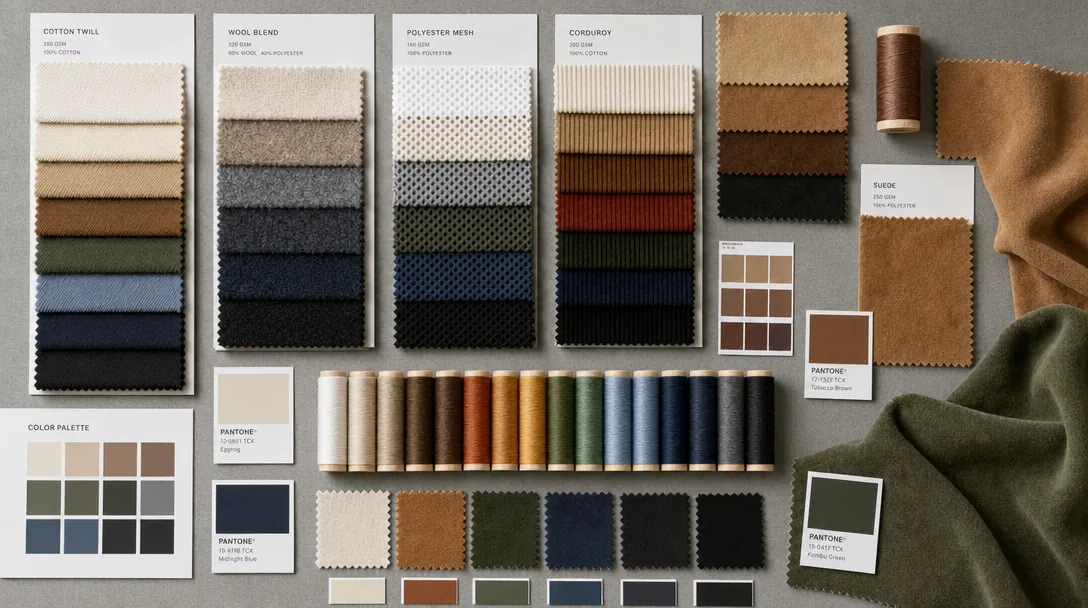
Sustainable Cap Packaging: Options, Costs and Retail-Buyer Demands - 2026 Buyer's Guide
Read article →Bucket Hat Corduroy Fabric And Trim Spec Guide for Custom Hat Buyers
Read article →Sourcing custom hats does not have to be complicated. With the right manufacturing partner, clear specifications and a small upfront investment in sampling, you can launch a retail-quality product in 30 to 45 days.