
Sustainable Cap Packaging: Options, Costs and Retail-Buyer Demands - 2026 Buyer's Guide
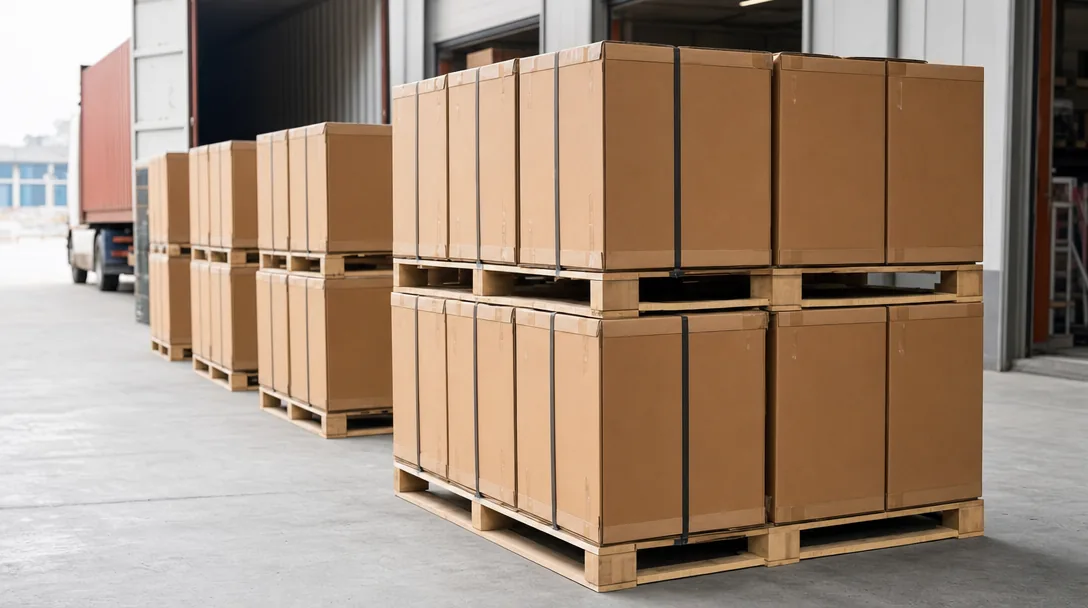
Sustainable Cap Packaging: Options, Costs and Retail-Buyer Demands - 2026 Buyer's Guide is one of the most-asked questions we receive from international buyers, and for good reason. With dozens of factories competing for your order and an alphabet soup of technical terms in every supplier quote, even experienced importers can feel lost. This guide consolidates what we have learned producing custom hats for clients in 40+ countries.
Why your retail buyer cares about packaging carbon now
Retail buyers care about packaging carbon because it now affects vendor approval, EPR cost exposure, and quarterly Scope 3 reporting—not just an annual CSR slide deck. Since 2024, we’ve seen more U.S. specialty chains and EU retailers require a packaging BOM before PO release: resin code, bag thickness in microns, PCR content by weight, carton board grade, and shipper dimensions for cube utilization. If your cap arrives in virgin LDPE with no LDPE 4 mark, no post-consumer recycled declaration, and no disposal guidance, the buyer’s compliance team will flag it immediately. Germany’s VerpackG, France’s AGEC framework, the Nordic EPR systems, and California’s packaging legislation have turned sustainable cap packaging into a procurement control point with direct fee and reporting consequences. The risk is not theoretical; a launch can stall over missing backup for a claimed 30% to 50% PCR polybag or an unsupported FSC statement on corrugate. Retailers would rather reject weak paperwork upstream than explain an unverifiable claim in an audit trail later.
What buyers actually need is packaging they can defend line by line on an internal scorecard. Recyclability claims without technical evidence create more friction than a conventional pack with clean documentation. First-pass approval usually comes from simple, verifiable specs: LDPE 4 or PP 5 identification, film thickness of 30 to 50 microns, PCR percentage stated by weight, and a supplier declaration tied to the production lot. For paper formats, they typically ask for FSC chain-of-custody code, board grade such as E-flute or 350 to 400 gsm SBS, ink type, and whether any lamination blocks curbside recyclability. On higher-end programs, a recycled rigid box in the 1000 to 1200 gsm range is easier to clear than a vague “eco” concept because compression, burst, and ISTA transit performance can be tested. Our standard practice is to separate sustainability documentation from artwork approval and hold printed packaging color to Delta-E 2.0, so branding comments do not delay compliance sign-off. Cost is rarely the real blocker: moving from virgin poly to a 50% PCR bag usually adds $0.01 to $0.03 per cap, while a recycled presentation box adds about $0.35 to $1.20 depending on caliper, print coverage, and drop-test standard.
FSC-certified hat boxes vs unbranded white boxes
The decision point is traceability, not strength. FSC-certified hat boxes give you a documented fiber claim through chain-of-custody, which matters when a retailer asks for the converter’s FSC certificate code, invoice traceability, or claim language approval during vendor setup. A plain white box usually wins on cost and cube efficiency. At 3,000 units, an unbranded one-cap tuck-end or mailer in white-faced E-flute, typically 1.5 to 1.8 mm thick with a 140 to 170 gsm clay-coated outer liner, usually lands around $0.42 to $0.58 FOB China. Move to FSC Mix board, add a one-color exterior print, and most converters will quote roughly $0.60 to $0.95. If they also need to print the FSC license code and keep lot-level separation records, add another $0.03 to $0.08 per unit. For sustainable cap packaging, that premium only earns its keep when the buyer can verify the claim on-pack or in an audit trail; for promo caps packed 48 or 72 pieces per master carton, it is often just added cost with no resale value. FSC does not improve compression, and an unbranded white box is not automatically less recyclable. Real performance comes from board specification: flute profile, liner weight, edge crush test, burst tolerance, and the way the cap is immobilized inside the pack. A single-cap E-flute box built to 29 to 32 ECT with a 350 to 400 gsm total board weight will handle normal parcel movement if the cap crown is supported and the shipper gross weight stays around 6 to 8 kg. Where buyers overspend is in decorative finishes sold as “premium eco” that undermine recoverability. Matte aqueous coating is generally acceptable for curbside recycling in the U.S. and EU; PET lamination, soft-touch film, magnetic closures, EVA foam, and heavy foil coverage are not. If the brief is plastic-free sustainable cap packaging, use molded pulp or folded paper inserts, paper tamper seals instead of OPP stickers, and water-based inks with sensible coverage so the box still passes scuff and rub during FOB ocean transit.
Compostable polybag options
Compostable polybags are not a drop-in substitute for LDPE, and most failures show up in transit, not in the lab. For caps, the practical film window is usually 35-45 microns for PLA/PBAT blends or PBAT-dominant compostable film; once you go thinner, flap tears, side-seam splits, and gusset stress marks rise quickly under carton compression. That matters on high-crown truckers and foam-front styles packed 72, 96, or 144 pcs per master carton, where the bag is taking abrasion from buckram edges, snaps, and sweatband folds. Typical bag sizes are 28 x 28 cm for a standard 6-panel baseball cap and 30 x 35 cm for taller mesh-back truckers. At buying volume, a virgin LDPE bag in 1.5-2.0 mil usually lands around US$0.012-US$0.018 per piece; certified compostable film is more realistically US$0.055-US$0.085, and custom print, suffocation text, or nonstandard dimensions can push it past US$0.09. If a supplier cannot connect ASTM D6400, EN 13432, or TÜV OK compost INDUSTRIAL documentation to the exact resin grade and finished film lot, I would not classify it as credible sustainable cap packaging.
The bigger risk is not the bag cost; it is making claims the end market cannot legally support. Most compostable cap bags are certified for industrial composting, not home compost, so on-pack wording has to state that clearly. EU retail compliance teams now routinely ask for the certificate, declaration of conformity, heavy-metal statement, and sometimes migration data in the same approval package as Pantone references, carton specs, and barcode layout. On the factory floor, these films behave differently from PE: they block less predictably, lose seal consistency after poor storage, and can soften in containers that hit 50-60°C in summer transit. Our standard practice is FIFO use within 3-6 months, outer cartons kept sealed against humidity, and in-line seal checks during packing because adhesive flap failure creates more complaints than film haze or stiffness. Compostable bags make sense only when the retailer mandates them or the disposal channel actually exists; if the buyer just wants lower-impact sustainable cap packaging, recycled-content PE often gives better runability, lower claim risk, and easier recovery in markets with established film collection.
Paper-based hangtag and string ties
Retail buyers judge the honesty of a sustainable cap packaging claim in about three seconds, and the hangtag is usually the first tell. For 2026 programs, the safest spec is 350-400 gsm FSC Recycled or FSC Mix board in either 70 x 120 mm for standard baseball caps or 80 x 140 mm for premium retail, licensed, or museum-shop assortments. Below 300 gsm, tags crush at the corners too easily during FOB consolidation and DDP parcel handling, especially when export cartons are stacked 1.8-2.2 meters high in a container. At 3,000-10,000 pieces, a duplex-printed recycled tag with a 2 mm cotton string typically adds $0.08-$0.12 per cap; serialized QR, variable data, soy-based inks, or a water-based matte varnish usually add another $0.01-$0.02. That cost is small compared with the chargeback risk from sloppy presentation or unreadable compliance information.
Attachment method is where many otherwise solid programs fail. A brass or nickel-free steel pin set through the sweatband seam allowance or rear closure tape looks cleaner than a nylon loop lock, but placement has to stay off visible crown panels or you will leave pressure marks on brushed cotton twill, peach-finish chino, suede microfiber, and some 210D nylon. Many retailers now want REACH-supporting declarations for any metal component, and they will flag brass-tone hardware if the plating spec is undocumented. Our standard practice is a minimum knot pull strength of 4-5 kgf on cotton string so tags do not loosen during carton vibration or fail on retail pegs. Paper surface matters just as much as attachment. Heavily flecked uncoated recycled board reads as eco, but it is the wrong substrate for UPC bars, microtext, or QR codes below roughly 12 x 12 mm because the paper tooth softens edges and hurts scan rates. For traceability-heavy orders, I would spec a recycled C1S board: lightly coated face for cleaner Pantone graphics and QR readability, uncoated back for handwritten PO, SKU, or lot notation. If the brand color is critical, ask the printer to hold Delta-E under 2.0 to the approved Pantone reference; recycled stock drifts more than SBS, particularly on light grays, sage greens, and muted earth tones common in sustainable cap packaging. The hangtag also has to match the rest of pack-out on FSC claim language, COO statement, disposal instructions, and lot coding, otherwise buyers treat the whole sustainability story as green dressing.
Per-piece cost breakdown of three packaging tiers
Per-piece cost stays modest until you move into display-grade presentation. At 5,000 to 10,000 caps, the lowest tier usually adds only $0.02 to $0.05 per unit: a plain 30 to 40 micron LDPE bag, no hangtag, no insert, master-packed 100 to 144 pcs per export carton. That spec is still standard for promotional programs, event merch, and off-price retail because it prevents dust pickup, oil transfer, and abrasion on embroidery during container loading and 30- to 45-day ocean transit without adding measurable cube. But buyers should call it what it is: freight-efficient protection, not sustainable cap packaging. In most factories, this film is virgin LDPE selected for seal strength and low cost, with no PCR content and no practical recovery story in many destination markets. If you upgrade that base tier to 30% to 50% recycled PE, add a suffocation warning, and apply a retail barcode sticker, the cost usually lands closer to $0.04 to $0.07 per cap, depending on resin index swings and print count. The next meaningful step is the retail-ready middle tier at about $0.14 to $0.23 per piece. That budget normally covers a printed recycled-PE bag, one FSC paper hangtag in 250 to 300 gsm board, a UPC or size label, and 1-color to 2-color flexo printing. The hidden cost driver is not the bag itself; it is color control and make-ready waste. If a retailer requires Pantone-matched branding within Delta-E 2.0 on a dark navy or saturated red, rejects increase faster than raw material spend, especially on long runs with tight approval standards.
Premium retail starts when the packaging itself must protect shape, carry branding cleanly, and survive shelf handling. In real factory costing, that means roughly $0.55 to $0.82 per cap once you add a rigid or semi-rigid box plus slower manual packing. A practical specification is an FSC-certified folding carton in 400 to 450 gsm kraft board or SBS, a 250 gsm hangtag, barcode label, and either a paper sleeve or a compostable inner bag made from PLA/PBAT film. Board weight matters more than most buyers assume: 300 gsm cartons deform too easily under stacking pressure, while 400 gsm and above does a better job holding the crown profile and reducing deformation claims on structured 5-panel and 6-panel caps. The premium is not just material. Packing speed drops, carton cube rises, and QC gets stricter because scuffing, label position, glue marks, and barcode scan failure all become chargeback risks. Our standard practice is to inspect premium-packing output at AQL 2.5, with extra focus on carton compression, print rub, and label readability. This is also the first tier where sustainable cap packaging becomes commercially credible for department-store, licensed sports, and better DTC programs: mono-material paper components, clearer disposal language, and presentation that does not look like an afterthought. Buyers should still be careful with claims, though. “Recyclable” is strongest when the pack is mostly paper or a clearly labeled mono-material structure, not a mixed pack dressed up with green graphics.
What to put on the packaging for SEO + brand recall
Retail buyers care less about your unboxing story than whether a receiver can identify the cap in three seconds. On sustainable cap packaging, the highest-value print elements are the ones that reduce warehouse friction: brand, style name, color code, size, country of origin, and one parent SKU that matches your ERP, EDI, Amazon catalog, and wholesale line sheet exactly. Put human-readable text beside machine-readable codes. For retail units, EAN-13 or UPC-A is standard; for inner packs and masters, Code 128 or GS1-128 gives better data density for carton control. Keep barcode magnification between 80% and 200%, with at least 2.5-3.0 mm quiet zones and verified contrast if you are printing on kraft board or uncoated SBS. A front panel logo width of 40-60 mm is usually enough for recognition at 1.5 meters on shelf-ready hat boxes without choking the panel. Do not waste primary panel space with vague eco slogans that procurement teams will challenge in onboarding. If you print “FSC Mix,” “FSC Recycled,” or “widely recyclable,” back it with chain-of-custody documentation, substrate specs, and market-specific recyclability logic. In practice, I’d keep the front to the brand mark and style family, reserve one side panel for SKU, color, and barcode, and move claims, disposal marks, and certification references to the rear or bottom. QR codes work only when they resolve to something useful: replenishment page, carton pack spec, or certification summary. A 12-15 mm QR with at least 300 dpi output is generally safe on folding cartons; smaller than that starts failing scans once the board absorbs ink or the varnish is uneven.
Most relabeling costs come from basic data errors, not from graphics. If the cap is 100% cotton twill with a 65/35 polyester-cotton sweatband and 100% recycled polyester mesh, the packaging copy should reflect that bill of materials precisely or stay silent. The outer box can support the message, but it does not replace the sewn label or hangtag required for fiber content, care, and origin. Retail compliance teams in the US and EU will flag missing or vague fields fast, and the penalties are real: relabeling can run $0.18-$0.45 per unit in a 3PL, while retailer chargebacks for noncompliant ticketing often land at 2%-5% of invoice value. For sustainable cap packaging, locked artwork layers for origin, fiber composition, lot code, PO number, and production month are worth more than any decorative pattern. Disposal messaging also has to match the actual substrate stream, down to coatings and windows. PAP 21 is typical for non-corrugated paperboard, PAP 20 for corrugated outers, and LDPE 4 for standard polybags; if you use a bio-film, do not print “compostable” unless the resin and finished structure are certified to EN 13432 or ASTM D6400. Water-based inks, soy inks, and matte aqueous varnish can support fiber recovery, but heavy lamination, soft-touch film, or metallic foil will change recyclability in many municipal systems. Our standard practice is to freeze packaging BOM and artwork together before PP sample approval, because last-minute branding edits are exactly how mandatory fields disappear and mixed material claims slip through.
Frequently Asked Questions
What file format should I send for my logo?
Vector files (AI, EPS, PDF) are ideal. High-resolution PNG or JPG at 300 dpi on transparent background works as a fallback. Provide Pantone color references for accurate reproduction.
Which shipping methods do you support?
We support FOB, CIF and DDP shipping. Air express for samples and small orders, sea LCL for 100 to 500 pieces, sea FCL for 5,000+ pieces. Door-to-door DDP available for US, EU, UK, Canada and Australia.
Can I order a sample before bulk production?
Yes. We strongly recommend approving a pre-production sample before mass production. Samples are charged at 35 to 60 USD each plus express shipping, fully refundable against confirmed bulk orders over 500 pieces.
What logo decoration techniques do you offer?
3D puff embroidery, flat embroidery, woven patch, leather patch, PVC patch, screen printing, sublimation, applique and laser etching, all in-house with no subcontracting.
What is the minimum order quantity (MOQ) for custom hats?
Our standard MOQ is 100 pieces per design and color, with sampling available from 1 piece. For complex multi-color logos or premium fabric upgrades, the MOQ can be lowered with a small per-piece surcharge.
What should buyers know about cotton twill army cap kangol?
When evaluating cotton twill army cap kangol, the key considerations are construction quality, decoration capability, MOQ flexibility and lead time. Recycled-paper hangtag with cotton string + brass pin is the premium-retail standard. Adds roughly $0.08-$0.12/cap. Pairs with FSC box for a coherent eco message. FSC-certified corrugated box adds roughly $0.18-$0.40/cap depending on size and print. Worth it for premium retail; overkill for promotional. We can supply both grades.
How does ordering custom patch trucker hat work?
When evaluating custom patch trucker hat, the key considerations are construction quality, decoration capability, MOQ flexibility and lead time. Sephora, Whole Foods, REI and most European chains now score suppliers on packaging recyclability. A polybag with no recycle marking can block onboarding. A bag with PCR (post-consumer recycled) content meets the bar. FSC-certified corrugated box adds roughly $0.18-$0.40/cap depending on size and print. Worth it for premium retail; overkill for promotional. We can supply…
How does ordering best custom baseball cap work?
When evaluating best custom baseball cap, the key considerations are construction quality, decoration capability, MOQ flexibility and lead time. FSC-certified corrugated box adds roughly $0.18-$0.40/cap depending on size and print. Worth it for premium retail; overkill for promotional. We can supply both grades. Recycled-paper hangtag with cotton string + brass pin is the premium-retail standard. Adds roughly $0.08-$0.12/cap. Pairs with FSC box for a coherent eco message.
What should buyers know about kangol bucket hat?
When evaluating kangol bucket hat, the key considerations are construction quality, decoration capability, MOQ flexibility and lead time. Sephora, Whole Foods, REI and most European chains now score suppliers on packaging recyclability. A polybag with no recycle marking can block onboarding. A bag with PCR (post-consumer recycled) content meets the bar. FSC-certified corrugated box adds roughly $0.18-$0.40/cap depending on size and print. Worth it for premium retail; overkill for promotional. We can supply…
What are the 7 R's of sustainable packaging?
Seven different strategies or approaches to improve sustainable packaging among the brands explored have been identified: rethink, refuse, reuse, reduce, recycle, repurpose, and rot.
What are sustainable packaging options?
Materials used for sustainable food packaging help divert waste from landfills and offer a more sustainable alternative for single-use items. Common examples of compostable packaging include: PLA-based (polylactic acid) clear containers and cups. Paper-based wrappers coated with compostable biopolymers.
What are examples of sustainable packaging?
Recyclable packaging. Materials like cardboard, paper, and some plastics that can be reprocessed and reused in new products. ... Compostable packaging. ... Biodegradable packaging. ... Reusable packaging. ... Minimalist packaging. ... Recycled-content packaging.
Are bottle caps eco-friendly?
Bottle caps are used in very large volumes across water, soft drinks and other packaged beverages, yet they are more likely than the bottle itself to be discarded improperly. Their size makes them harder to recover, easier to litter and less likely to move through recycling systems effectively.
What are the 3 C's of packaging?
They are cube, content, and curb. Continue reading to delve into these three integral aspects, getting insights into how you can effectively implement them to achieve truly sustainable packaging solutions this year.
Ready to start your custom hat project?
Send us your tech-pack, sketch or even just an inspiration photo. We will respond with a detailed quotation and digital mock-up within 24 hours.
Request a free quoteRelated guides
Embroidery Stitch Count & Thread Density: A Cost-and-Quality Reference - 2026 Buyer's Guide
Read article →
Wholesale Trucker Hats with Custom Logo: A Complete Bulk Sourcing Playbook
Read article →
Esports Team Caps: Manufacturing Specs for Pro and Amateur Gaming Brands (2026 Update)
Read article →If you are ready to take the next step on sustainable cap packaging: options, costs and retail-buyer demands - 2026 buyer's guide, our team can put a tailored quotation and digital mock-up in your inbox within 24 hours. Send the inquiry form on our contact page or message us directly on WhatsApp.