
Custom Made Trucker Hat: The 2026 Sourcing & Manufacturing Playbook - 2026 Buyer's Guide - 2026 Buyer's Guide - 2026 Buyer's Guide - Supplier Checklist
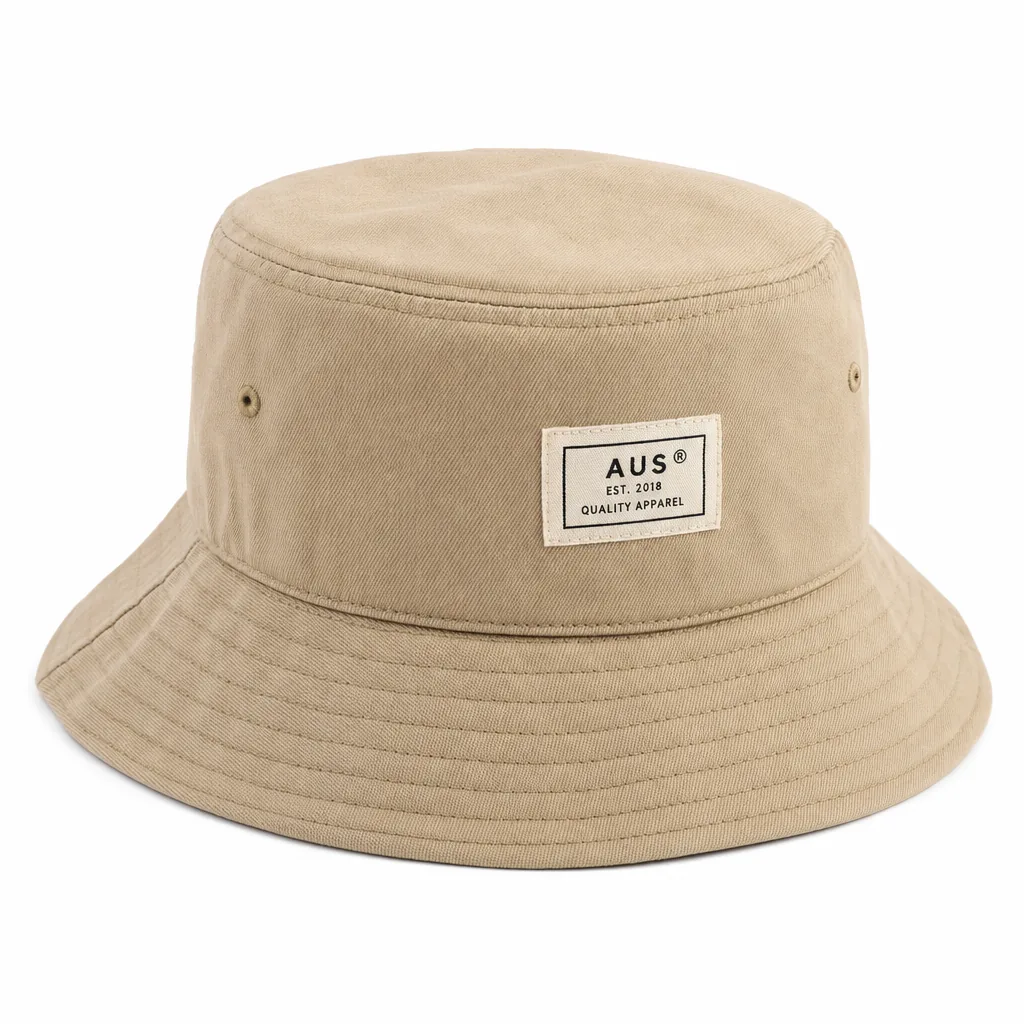
Custom Made Trucker Hat: The 2026 Sourcing & Manufacturing Playbook - 2026 Buyer's Guide - 2026 Buyer's Guide - 2026 Buyer's Guide - Supplier Checklist is one of the most-asked questions we receive from international buyers, and for good reason. With dozens of factories competing for your order and an alphabet soup of technical terms in every supplier quote, even experienced importers can feel lost. This guide consolidates what we have learned producing custom hats for clients in 40+ countries.
Custom Embroidered Hats
Embroidery is still the most reliable way to make a custom made trucker hat read premium, but the real failures happen at digitizing, not on the sewing line. The DST or DSB file built for Tajima, Barudan, or ZSK heads controls pull compensation, edge run, underlay, stitch density, trim sequence, and whether the logo is flat fill, 3D puff, or a mixed run. Front-panel geometry matters just as much as the artwork. A 5-panel foam trucker gives you a clean embroidery field for a centered logo around 100-120 mm wide; a 6-panel twill crown puts a center seam through the design and will deform circles, tight outlines, and any text below roughly 4 mm cap height. If the art includes tonal shading, hairline borders, or serif lettering, you are already near the technical limit for direct embroidery on headwear. Lock the spec before sampling or the sample room will fill in the gaps and invoice you for every correction. A usable tech pack should state logo size in millimeters, placement tolerance of +/-3 mm, stitch type, puff foam thickness at 2 mm or 3 mm, minimum satin column width, and a capped stitch count so the file does not get overbuilt. Fabric also has to be pinned down: for example, 260 gsm cotton chino twill front panels with 100% polyester mesh, plus Pantone TCX reference for shell fabric and the nearest Madeira or Gunold thread match. Polyester embroidery thread rarely hits Pantone exactly under D65 lighting, so a visual approval standard is more realistic than claiming an exact match. Our standard practice is to approve both a strike-off and a sewn cap sample before bulk because embroidery that looks clean on a flat panel can still tunnel or pucker once the crown is blocked.
The cost range changes fast once buyers move beyond a basic front hit. In Yiwu, a production-grade MOQ for a custom made trucker hat is usually 144-300 pcs per colorway; anything quoted at 48-100 pcs is normally being treated as a sampling run with a hidden setup premium. A standard 5-panel trucker with one front flat embroidery typically lands around $2.20-$3.80 FOB China at 300 pcs, depending on fabric, closure, and stitch count. Add 3D puff, side or back hits, metallic thread, applique, or inside taping details and the number usually moves to $4.20-$6.50 FOB. New digitizing is commonly $20-$60 per file unless the factory rolls it into a larger order. Inspection is where margin disappears if the standard is vague. The repeat defects are puckering around dense fills, exposed underlay at column edges, poor thread color registration, inconsistent puff height, loose jump-stitch trimming, needle cuts through foam, and thread shade drift between dye lots. Bulk should be checked against a sealed approval sample under controlled lighting, not against a phone photo or someone’s memory. For finished goods, use measurable criteria: no skipped stitches, no oil marks, no mesh snags, logo position within +/-3 mm, visor curve consistent carton to carton, and fabric color within an agreed Delta-E tolerance if dyed panels are involved. AQL 2.5 is the practical level for most orders. If the art depends on gradients, photographic detail, or very fine serif copy, direct embroidery is usually the wrong process; a woven patch, printed patch, or heat transfer will give a cleaner result and a lower rejection rate.
Custom Hat Embroidery
Embroidery is where a custom made trucker hat either looks engineered or looks cheap. A structured 5-panel foam front does not behave like a 6-panel cotton chino cap: 3 to 5 mm EVA foam, laminated tricot, and a stiff buckram face need lower top tension, wider edge-run underlay, and more pull compensation to keep columns from sinking into the crown. Buyers should freeze the embroidery spec before sampling, not after the first sew-out: finished logo size in mm, placement from center front seam and visor stitch line, stitch count range, thread brand and type, backing weight, and technique split between flat fill, 3D puff, appliqué, or mixed embroidery. On Tajima, Barudan, or ZSK cap frames, most clean front logos run best in 40 wt polyester thread for UV and wash stability, with 75/11 needles for standard work and 80/12 when densities climb. Leave digitizing “to factory judgment” and the usual result is lower stitch count, higher run speed, softer outlines, and plugged counters on small letters.
Color approval needs to be handled like production control, not artwork review. Thread is not ink, so Pantone TCX is only a reference; the same Madeira or Gunold shade will shift visually on white foam, black brushed twill, or heather gray poly/cotton once stitched under light. The safest approval method is a physical sew-out on actual panel material, with appearance tolerance defined up front and a Delta-E target used only as a supporting guide for dyed fabric, not the embroidery thread itself. For readability, I do not recommend text below 4.5 to 5.0 mm height in flat embroidery, and 6.0 to 7.0 mm for 3D puff; satin columns should stay above 1.2 mm or you start seeing thread breaks, needle cuts, and ragged edges. Placement tolerance should be written as ±2 mm on centered front logos and ±3 mm on side or rear hits. For puff work, 2 to 3 mm foam is the safe zone; at 4 mm or 5 mm, small lettering splits, foam flashes through, and reject rates climb fast.
Pricing usually tells you how much embroidery risk the supplier is quietly passing back to the buyer. In Yiwu or Dongguan, a stock-body trucker with one front flat embroidery is typically $2.20 to $3.80 EXW at 300 pcs, while a full custom made trucker hat with cut-and-sew shell, two embroidery locations, branded seam tape, woven loop label, and individual polybag is more often $4.80 to $7.50 EXW depending on stitch count, fabric gsm, and trim complexity. MOQ is normally 144 to 300 pcs per colorway for custom bodies, while stock programs can start around 48 to 100 pcs if mesh, visor, and snap components are already in house. Inspection should target the defects that actually kill sell-through: thread breaks, loose trims, registration drift, backing shadow on light panels, front logos collapsing into foam, and puckering that shows only after the sweatband is closed. AQL 2.5 is fine for most mid-market orders, but premium embroidery should be judged to stricter cosmetic limits because bad digitizing and sloppy hooping cost more in remakes and air rework than the few cents saved on unit price.
Custom Trucker Hat
Construction decisions determine cost, fit, and reject rate before the logo file even matters. For a custom made trucker hat, fix the architecture first: 5-panel foam front versus 6-panel structured crown, crown height, front-panel depth, visor length and curve, mesh spec, closure, sweatband, and decoration method. A usable tech pack should show crown height in centimeters, visor length at 18.0-19.0 cm, pre-curved versus flat bill radius, finished head circumference with ±0.5 cm tolerance, and Pantone TCX or TPX references for every visible component. If you want cleaner aging, avoid the lowest-grade laminated foam fronts; they wrinkle, yellow, and crack along the seam line. For retail work, 180-240 gsm cotton twill or brushed cotton front panels paired with 60D-100D polyester mesh or 100% nylon mesh are more stable in sewing and wear better after repeated steaming and packing. When repeat color consistency matters, write Delta-E under 1.5 for dyed shell fabrics and under 2.0 for printed trims into the PO, or every replenishment order turns into a shade dispute.
Decoration has to be engineered around the crown shape, not approved from a flat Illustrator file. On trucker caps, the front logo sits on an angle, and high-profile foam fronts distort easily if the embroidery file is not digitized for that specific panel geometry. On Tajima, Barudan, or ZSK heads, clean results depend on stitch density, pull compensation, thread sheen, backing weight, and whether 3D puff foam matches the stroke width; serif details under about 1.2 mm usually fill in or collapse. In production, the most common failures are twisted crown alignment, uneven visor curvature, wavy sweatband stitching, needle damage where mesh joins the side seam, embroidery drifting more than 2 mm off center, and brittle PE snapback closures cracking under carton pressure. Factories that quote fast but cannot discuss visor board thickness, seam allowance, mesh denier, or backing type are usually planning to troubleshoot after sewing, which is the worst stage to find a spec problem.
Quality control should be written into the order from day one. For a custom made trucker hat program, hold bulk production to AQL 2.5, approve a sealed pre-production sample, and inspect logo position, crown symmetry, visor sandwich thickness, finished circumference, and closure function against that standard. Test dark sweatbands for crocking, check mesh join points for needle cuts, and require basic carton drop testing because cracked snap closures often appear only after export transit. In China sourcing today, realistic MOQs are usually 144-300 pieces per colorway for custom materials, while 48-100 pieces only works if the factory already stocks matching mesh, snapback straps, and visor cores. FOB pricing is typically around $2.10-$3.40 for promo foam-front builds and $3.80-$6.50 for retail-grade versions using twill fronts, woven labels, printed seam tape, custom patches, and tighter color control. If a supplier cannot state fabric gsm, mesh composition, resin grade, and current sedex-audit-cap-supplier-guide.html">BSCI 2.0 or Sedex SMETA 4-Pillar status, treat that as a sourcing risk, not a clerical oversight.
Custom Trucker Hats
The quality of a custom made trucker hat is decided by the bill of materials long before decoration starts. A dependable build is usually 5-panel or 6-panel with a foam-backed front, polyester mesh back, pre-curved PE visor, poly-cotton sweatband, and 7-hole PVC snap closure. The weak point in low-end promo caps is the front panel: suppliers use loose 2-3 mm foam laminated to lightweight tricot, so the crown collapses, embroidery sinks, and the front seam twists after packing. A better working spec is 3-5 mm sponge laminated to 120-160 gsm brushed tricot, paired with mesh in 18 x 14 or 20 x 16 construction, a visor length of 7.0-7.5 cm, and visor board thickness around 1.8-2.2 mm. If a factory cannot state crown height, front-panel stiffness, visor board spec, or snap gauge, they are quoting from habit rather than controlling production. Production sequence matters just as much as raw material. Front-panel embroidery should be done flat on Tajima, Barudan, or ZSK heads before crown assembly; once a supplier embroiders after sewing the crown, front-seam distortion and inconsistent logo placement become common. Standard flow on the floor is cutting, foam lamination, front decoration, visor sewing, crown assembly, sweatband setting, buttoning, shaping, and carton packing after metal detection and final trimming. For structured programs, I would also lock in crown height at roughly 11-12 cm for standard profile truckers and specify whether the front panel uses buckram reinforcement in addition to foam, because that changes how 3D puff embroidery stands and how well the cap recovers after compression.
A purchase spec for a custom made trucker hat should remove guesswork at every point where factories tend to improvise. Buyers should define panel profile, fabric content, mesh color against Pantone TCX, visor sandwich construction, stitch density, thread brand, snap color, embroidery stitch count, label position, and packing detail by inner carton and master carton. Patch programs need even tighter callouts: merrowed edge versus laser-cut edge, backing type, attachment method, and patch thickness, because woven patches, TPU badges, leatherette patches, and 3D embroidery all react differently on a foam front. In practice, MOQ is usually 144-300 pieces per colorway, but the price curve only gets efficient at 500 pieces and above. For Yiwu or Dongguan production, a foam-front mesh-back cap with flat embroidery typically lands around $2.10-$3.40 FOB China at 500 pieces; add 3D puff, printed seam tape, recycled polyester mesh, woven labels, or a custom closure mold and the range usually shifts to $3.80-$5.80. Inspection should be built around AQL 2.5, with attention on the defects that actually fail resale programs: off-center embroidery, puckering from poor underlay, visor curve mismatch, exposed foam at seam turns, mesh splitting at the rear arch, weak snap engagement, and twisted sweatbands after compression packing. Color control is another place where hat factories overpromise. If the program is color-critical, thread and fabric should be checked under D65 light, with Delta-E below 3.0 across mixed materials; below 2.0 is achievable, but usually not cost-effective for mass-market caps. Our standard practice is to approve a sealed counter sample before bulk sewing and verify not just logo position, but also crown symmetry, panel tension, carton compression ratio, and post-pack recovery after 24 hours.
Hat Trucker Custom
A custom made trucker hat is decided by the bill of materials, not the mockup. The default build is still 5-panel or 6-panel construction with a foam-backed or buckram-supported front, polyester mesh back, PE visor insert, and PP snap closure, but retail quality lives in the exact spec. Front panel substrate should be called out first: 3-5 mm polyester foam for bold embroidery and clean sublimation, 10-12 oz cotton twill for a softer streetwear hand, or 70D-210D nylon taslon for a sharper technical finish. Do not leave mesh as “standard.” A loose 60 gsm mesh collapses at the back seam and distorts under topstitching; a firmer 90-100 gsm mesh holds crown shape better and gives cleaner seam stability. Lock the crown height in centimeters, visor length and curve, snap gauge, sweatband composition, and whether the brim is flat, pre-curved, or hand-shaped after sewing. Decoration is where buyers burn time and margin. A 100 mm front logo on foam-backed polyester behaves very differently from the same file on cotton twill, even on well-tuned Tajima or Barudan machines, so stitch density, underlay, pull compensation, and edge-walk control need approval on the actual shell material. If you want 3D puff, define foam thickness—usually 2 mm or 3 mm—and minimum satin column width, or you will get collapsed edges and inconsistent loft. For woven, TPU, or molded silicone patches, specify merrow or laser-cut edge, stitch-down or heat-press attachment, and placement tolerance within ±2 mm. A reference image is not a tech pack. Serious factories need Pantone TCX references, acceptable Delta-E tolerance under D65 lighting, SPI, label map, artwork dimensions, carton packing method, and barcode placement before sampling starts.
Sampling problems usually come from incomplete instructions, not lack of sewing capacity. For a custom made trucker hat using stock mesh, stock snaps, and direct embroidery, MOQ is commonly 144-300 pieces per colorway. Ask for custom-dyed mesh, printed seam tape, molded patch tooling, branded snaps, or a custom sweatband, and the true MOQ often jumps to 500-1,000 pieces because each trim supplier has its own minimum. In the Yiwu cap supply chain, a basic trucker in stock materials with flat embroidery typically runs about $2.10-$3.80 FOB China at 300-500 pieces. Add woven labels, interior taping, premium sweatband finishing, patch application, and tighter process control, and the realistic FOB range is closer to $4.20-$7.50. That spread is labor minutes, trim waste, and rejection risk, not magic pricing. Inspection is where weak cap suppliers get exposed fast. The repeat failures on trucker hats are crown asymmetry, foam delamination that creates a rippled front panel, embroidery drifting more than 2-3 mm off center, visor sandwich misalignment, mesh tearing at the rear seam, puckered sweatbands, and snap closures with weak tooth retention. On decorated styles, also check backing scratch, patch edge lift after heat application, thread-color variance against approved Pantone, and panel shading between lots. AQL 2.5 is a sensible final inspection level for most programs, but premium retail orders should still require 100% inline checks on logo position, brim curve, and closure function because those are the defects consumers notice first. Our standard practice is to treat those checkpoints as process control during sewing and decoration, not as end-of-line cleanup after the defects are already built in.
Trucker Custom Hat
A custom made trucker hat is won or lost in production engineering, not artwork. The front panel usually runs in 180-240 gsm cotton twill, 210-230 gsm brushed canvas, foam-backed polyester, or suede-touch microfiber; the back is typically polyester or nylon mesh in the 40-75 denier range. A competent line cuts panels first, fuses buckram to the front two panels, finishes embroidery or patch application before crown assembly, then closes the crown and installs sweatband, button, visor, and snap closure in sequence. That order matters because 3D puff on an assembled crown is harder to register cleanly and more likely to distort the face. The failure points are predictable on the floor: cardboard visor inserts warp in humid storage or sea transit, soft front panels collapse under over-dense embroidery, and uneven mesh feeding during sewing twists the rear arch so the cap sits crooked after packing. If the factory is running Tajima, Barudan, or ZSK heads, ask what needle size they use for puff work, whether they digitized separately for foam-backed fronts versus unstructured panels, and whether the sample was stitched on the actual shell fabric. Those answers tell you quickly whether the supplier understands cap construction or is just decorating blanks.
A workable tech pack removes interpretation. Lock the silhouette first: 5-panel or 6-panel, finished crown height in centimeters, visor curve, front fabric composition, mesh spec, closure type, sweatband material, seam tape color, stitch count per visor row, and logo method by location. For color control, use Pantone TCX for textile parts and coated Pantone for PVC, silicone, or rubber patches; if brand consistency is strict, specify Delta-E below 1.5 on hero logos and below 2.5 on secondary trims. In China, MOQ is commonly 144-300 pieces per colorway on stock fabrics, but custom-dyed mesh, printed seam tape, molded patches, or multiple woven-label positions usually push the realistic threshold to 500-1,000 units. Pricing also needs to match construction reality: a basic embroidered trucker at 300 pieces typically sits around USD 2.20-3.80 FOB, while a premium custom made trucker hat with suede front panels, underbrim print, 3D embroidery, and a molded silicone patch is more often USD 4.80-7.50 FOB. A true pre-production sample with correct trims generally costs USD 35-80, which is cheap insurance compared with approving a loose prototype and discovering bulk issues at final inspection.
Inspection is where weak suppliers get exposed fast. The repeat defects on trucker programs are front logos drifting off-center, puckering around 3D puff, crown height variation within one carton, mesh edges slipping out of seam allowance, scratched sandwich visor trims, loose button wrapping, and snapback pegs cracking under normal hand pressure. For bulk orders, inspect at AQL 2.5, hold logo placement within +/-2 mm, check visor symmetry left to right, measure back opening consistency, and cycle the closure repeatedly because a poorly molded snap can pass visual inspection and still fail in use. Fit changes noticeably when the rear arch is sewn unevenly, so this is not a cosmetic issue. Compliance and subcontracting also need the same scrutiny as sewing quality. Ask for current BSCI 2.0 or Sedex SMETA 4-Pillar reports, then confirm whether embroidery, patch lamination, printing, and finishing are done in-house or sent out. A salesman sample can look fine while outsourced decoration introduces shade variation, missed ex-factory dates, and carton-to-carton inconsistency. Our standard practice is to treat every subcontracted process as its own inspection gate, because that is where avoidable claims usually start.
Working with CrownsForge for custom made trucker hat programs
Bulk failure in a custom made trucker hat program usually comes from sample-to-bulk drift, not the FOB quote. The fix is a locked tech pack before bulk approval: crown height in mm, front foam thickness, mesh spec by denier or gauge, visor curl profile, PE visor weight, snapback resin grade, seam tape width, sweatband composition, stitch count, and Pantone TCX or Pantone Coated references for every visible component. Buyers who demand Delta-E 1.0 on dyed cotton twill or brushed chino usually create delay without getting better production; unless the mill runs a dedicated lot, Delta-E 1.5 to 2.0 is the realistic commercial tolerance. If the front panel uses 5 mm EVA foam, 100% polyester mesh, and a structured buckram-backed build, write that into the approval file or the factory will substitute based on available stock and your silhouette will drift.
Sampling speed depends on how many variables you introduce. A stock custom made trucker hat with standard mesh, closure, visor, and flat embroidery can often be turned in 5 to 7 working days. Add lab dips, matching cotton twill, custom woven patches, molded PVC badges, or 3D puff embroidery on Tajima, Barudan, or ZSK heads, and 10 to 14 working days is more honest; digitizing and strike-off approval alone can add 2 to 4 days. MOQ talk also needs to be read against setup economics. A factory can physically make 100 caps, but 144 to 300 pieces per colorway is the point where stock trims, standard cartons, and line balancing start behaving like production instead of sample-room work. Below that, punch files, patch loom setup, labels, and carton underfill can add $0.60 to $1.80 per cap, which often matters more than shaving $0.20 off the base price.
Repeatability is what separates a usable supplier from a one-lot gamble. For US and EU retail, licensed, or promotional business, the minimum paper trail should include a current BSCI 2.0 or Sedex SMETA 4-Pillar audit plus material declarations covering azo dyes, lead, cadmium, phthalates, and REACH SVHC where applicable. On the floor, the PO should move through a controlled sequence: quotation with confirmed construction notes, artwork check, approval sample, pre-production sample, inline inspection, final inspection at AQL 2.5, then carton photos, shipping marks, and packing list confirmation before balance release. The quiet failure points on a custom made trucker hat are usually visor sandwich color, mesh shade, embroidery coverage, back-strap sourcing, and logo placement tolerance, not dramatic sewing defects. CrownsForge’s standard practice is to add photo checkpoints for those items because they are exactly where sample rooms and bulk lines diverge. The expensive mistake is not choosing a cheaper trim; it is approving a process that cannot reproduce the same silhouette, color tolerance, and trim package on the reorder.
Frequently Asked Questions
What logo decoration techniques do you offer?
3D puff embroidery, flat embroidery, woven patch, leather patch, PVC patch, screen printing, sublimation, applique and laser etching, all in-house with no subcontracting.
What file format should I send for my logo?
Vector files (AI, EPS, PDF) are ideal. High-resolution PNG or JPG at 300 dpi on transparent background works as a fallback. Provide Pantone color references for accurate reproduction.
Can I order a sample before bulk production?
Yes. We strongly recommend approving a pre-production sample before mass production. Samples are charged at 35 to 60 USD each plus express shipping, fully refundable against confirmed bulk orders over 500 pieces.
How long does production take?
Sampling takes 7 to 12 days. Bulk production runs 20 to 30 days depending on quantity, fabric availability and decoration complexity. Inspection and packing adds another 3 to 5 days before shipment.
Do you support sustainability certifications?
Yes. We work with GOTS organic cotton, GRS-certified recycled polyester, OEKO-TEX Standard 100 fabrics, and are BSCI and Sedex audited. Certification documentation can be provided per order.
How does ordering custom hat trucker work?
When evaluating custom hat trucker, the key considerations are construction quality, decoration capability, MOQ flexibility and lead time. Cover everything buyers ask about custom embroidered hats: how it's manufactured, what specs to request from a factory, typical MOQ and pricing, common quality issues to inspect for, and how this ties back to the broader custom made trucker hat sourcing decision. Cover everything buyers ask about custom hat embroidery: how it's manufactured, what specs to request from a…
How does ordering custom embroidered trucker hats work?
When evaluating custom embroidered trucker hats, the key considerations are construction quality, decoration capability, MOQ flexibility and lead time. Cover everything buyers ask about custom embroidered hats: how it's manufactured, what specs to request from a factory, typical MOQ and pricing, common quality issues to inspect for, and how this ties back to the broader custom made trucker hat sourcing decision. Cover everything buyers ask about custom trucker hats: how it's manufactured, what specs to request from a…
How does ordering custom made hats for men work?
When evaluating custom made hats for men, the key considerations are construction quality, decoration capability, MOQ flexibility and lead time. Cover everything buyers ask about custom embroidered hats: how it's manufactured, what specs to request from a factory, typical MOQ and pricing, common quality issues to inspect for, and how this ties back to the broader custom made trucker hat sourcing decision. Cover everything buyers ask about custom trucker hats: how it's manufactured, what specs to request from a…
How does ordering high quality custom trucker hats work?
When evaluating high quality custom trucker hats, the key considerations are construction quality, decoration capability, MOQ flexibility and lead time. Cover everything buyers ask about custom embroidered hats: how it's manufactured, what specs to request from a factory, typical MOQ and pricing, common quality issues to inspect for, and how this ties back to the broader custom made trucker hat sourcing decision. Cover everything buyers ask about custom trucker hats: how it's manufactured, what specs to request from a…
Ready to start your custom hat project?
Send us your tech-pack, sketch or even just an inspiration photo. We will respond with a detailed quotation and digital mock-up within 24 hours.
Request a free quoteRelated guides
Embroidery Hats Machine: When to Use It, Costs, and What to Ask Your Factory (2026 Update)
Read article →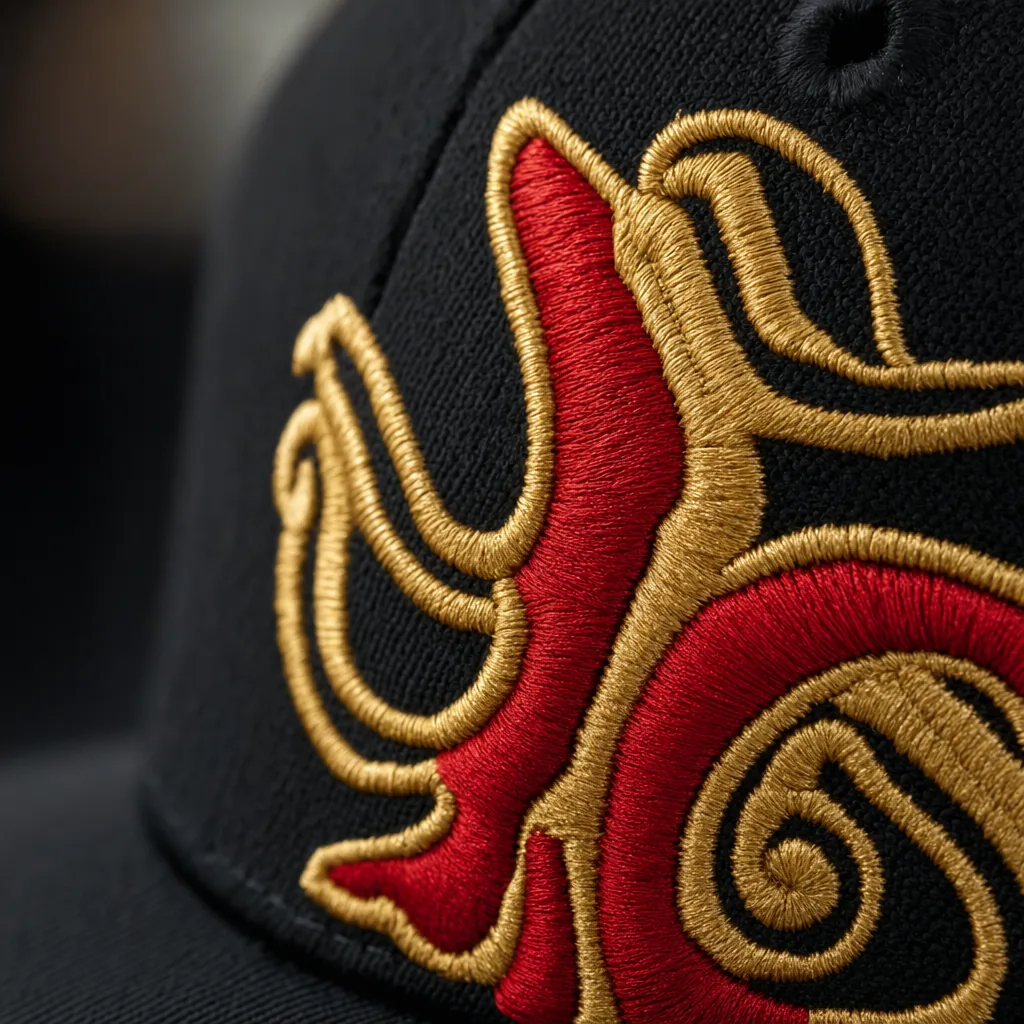
Custom Logo Hats: When to Use It, Costs, and What to Ask Your Factory (2026 Update)
Read article →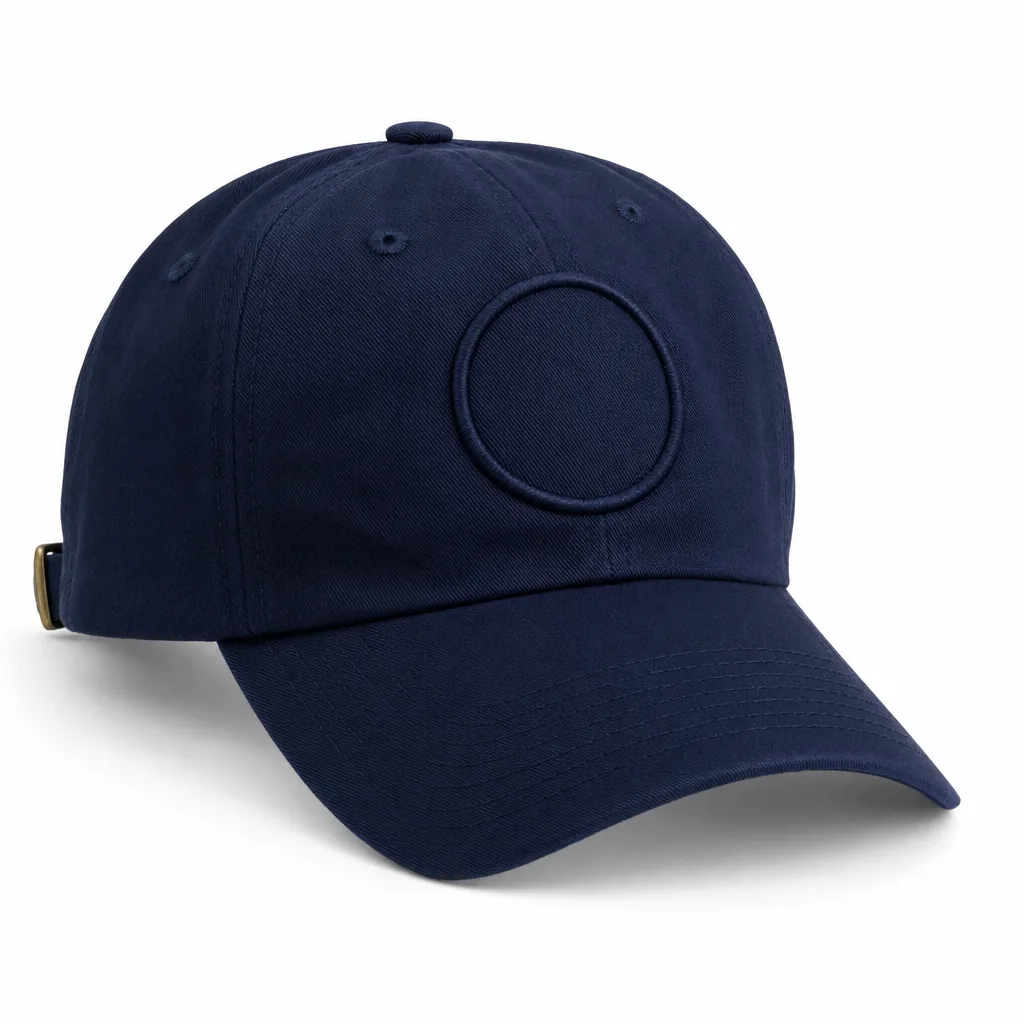
Custom Hat Embroidery: The 2026 Sourcing & Manufacturing Playbook
Read article →Sourcing custom hats does not have to be complicated. With the right manufacturing partner, clear specifications and a small upfront investment in sampling, you can launch a retail-quality product in 30 to 45 days.