
Embroidery Hats Machine: When to Use It, Costs, and What to Ask Your Factory (2026 Update)
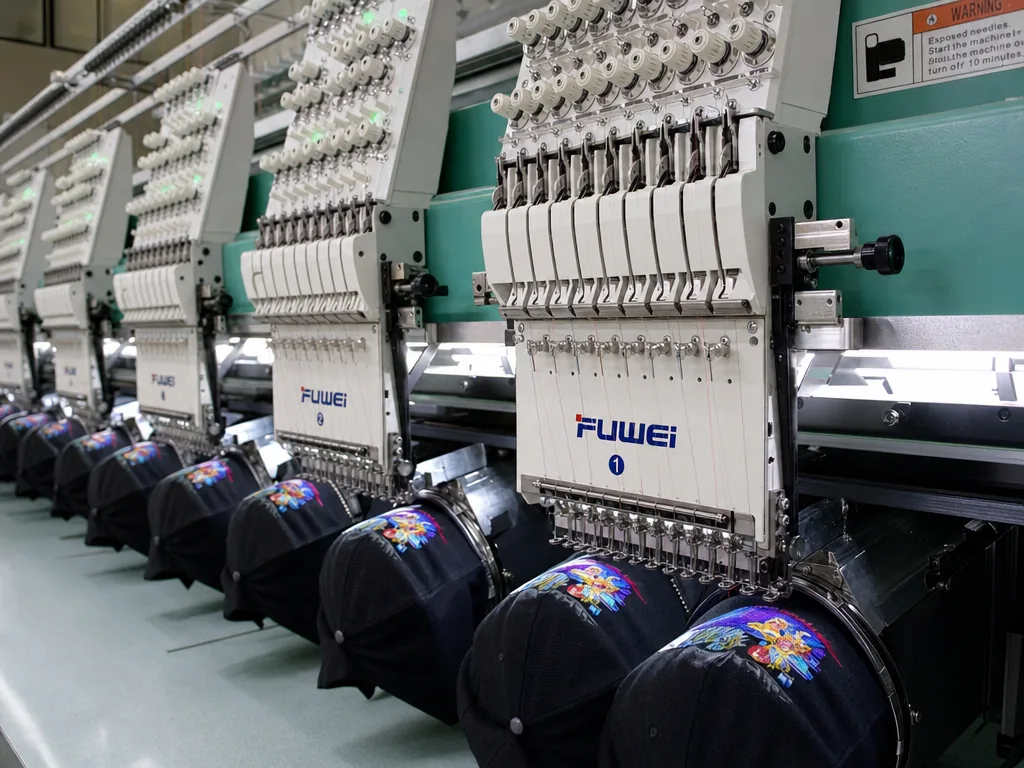
For brand owners, wholesalers and procurement teams entering the custom headwear category, embroidery hats machine: when to use it, costs, and what to ask your factory (2026 update) is one of the highest-leverage decisions you will make. Get it right and your unit economics, retail story and reorder cycle all improve. Get it wrong and you carry the cost for years.
Custom Logo Hats
Choose the decoration method before you request pricing, because stitch time, reject rate, and visual limits are completely different between direct embroidery, woven patch, TPU badge, and heat-transfer applique. A standard front logo on a structured 6-panel cotton twill cap is usually run on Tajima, Barudan, or ZSK multi-head equipment after the front panels are fused with buckram but before final cap assembly; that gives the hoop better stability and cuts flagging on the needle. Direct embroidery is the wrong answer when outlines drop below 0.8 mm, text falls under about 4 mm cap height, or the artwork depends on gradients. In those cases, forcing 8,000 to 12,000 stitches through an embroidery hats machine usually creates bulk, edge crawl, and muddy fills, while a 65 x 45 mm woven patch or clean merrowed patch will hold small detail far better. Your tech pack should control the variables that actually break embroidery in production: crown profile, panel construction, fabric weight in gsm, front-panel backing, visor curve, closure type, sweatband material, thread spec, max stitch count, logo size in millimeters, and Pantone TCX references for dyed components. If shell fabric, closure tape, and thread must match, a realistic tolerance is Delta-E 1.5 to 2.0, not a vague “same as sample.” Textured fabrics like 8-wale corduroy, brushed canvas, and heather jersey need both a digitizing strike-off and a sewn sample because pile height and slub will change satin spread, underlay visibility, and pull compensation. Our standard practice is one production digitizing file per construction type, because the same file that runs clean on a structured trucker can distort badly on an unstructured dad hat.
On cost, decoration decisions can move the quote more than the cap body. In Yiwu and Dongguan, workable MOQs for custom logo hats are usually 144 to 300 pieces per colorway for standard front embroidery; patch programs with custom molds, multi-position sewing, or specialty attachments more often start at 300 pieces. For 2026 buying, a brushed cotton twill cap with a front embroidery logo typically sits around $2.10 to $3.80 FOB China at 300 pieces. Add side embroidery, woven inside taping, a metal buckle, or private-label interior trims, and the realistic FOB range becomes $3.20 to $5.50. A woven, leatherette, or PVC badge cap usually lands around $2.60 to $4.80 depending on patch size, attachment method, and how much handwork is involved. The defects worth policing are predictable: logo placement drifting more than 2 mm off spec, puckering caused by excessive fill density, exposed bobbin on light-color grounds, poor thread trimming inside satin columns, and patch edge lift after heat pressing or perimeter sewing. Use AQL 2.5 as the inspection baseline, then check embroidery registration panel by panel instead of approving only from three feet away in the carton. Ask the factory not just which embroidery hats machine they run, but which jobs they refuse to embroider directly. That answer tells you more about their production judgment than the machine brand ever will.
Custom Patch Hats
Patch hats make sense when the artwork exceeds what an embroidery hats machine can cleanly render on a curved, buckram-backed crown. The failure points are predictable: outlines below about 1.0 to 1.2 mm, reversed text under 4 to 5 mm cap height, fine negative space, soft gradients, and distressed edges that turn into mud once satin columns compress on a structured front panel. A woven patch holds sharper edge definition at 50 to 70 mm wide, while molded TPU or PVC preserves tiny counters and line breaks that would close up under thread tension. The patch choice has to be made before cap construction is locked, because a 0.8 mm woven badge, a 1.2 mm embroidered patch with merrow border, and a 2.0 mm TPU badge all behave differently on a 6-panel trucker with hard buckram and 3 mm EVA foam. When a factory pushes direct embroidery without discussing these limits, they are usually protecting line efficiency on Tajima or Barudan heads, not protecting your artwork.
Your tech pack should specify the patch like a component, not an aesthetic reference. State finished size in mm, backing, edge finish, attachment method, and placement tolerance from crown centerline; for retail orders, ±2.0 mm left-right and less than 2 degrees visible tilt is a reasonable acceptance limit. If the patch is embroidered, include twill ground, merrow width, stitch count, and thread brand; Madeira and Gunold polyester are far more stable than generic local thread in crocking and wash tests. Color should be referenced to Pantone Coated or Pantone TCX, with visible logo shades held to Delta-E 1.5 to 2.0 against the sealed standard. Also lock the cap shell, because 260 gsm brushed cotton twill, 300D polyester, and 20 oz wool-blend melton respond very differently to heat dwell, needle penetration, and adhesive flow during attachment.
Cost is driven more by patch process than by hat silhouette. In practice, woven and embroidered patches usually start around 144 to 300 pcs per design when patch making and cap assembly are on the same floor; molded TPU, PVC, genuine leather, and debossed rubber often need 300 to 500 pcs to absorb mold or die cost and material loss. A realistic 2026 FOB China range for a standard cotton twill cap with a 55 to 70 mm woven or embroidered patch is about $2.10 to $3.60 at 500 pcs; TPU, PVC, suede, or leatherette patches are more often $2.80 to $4.80 depending on thickness, stitch-down perimeter, and closure. Inspect patch hats under AQL 2.5, because the common defects are not subtle: off-center placement, edge lifting after heat press, crown puckering, skipped perimeter stitches, adhesive squeeze-out, and shade mismatch between patch lot and shell lot. At CrownsForge, we seal the approved patch swatch and cap shell swatch separately in the PO, because outsourced patch production can add 5 to 10 days and is where most color and fit mismatches start.
Leather Patch for Hats
Material choice determines whether a leather-patch cap survives production and retail use; the sewing step is secondary. When a buyer says “leather patch,” I need the exact substrate: full-grain cowhide, split leather with PU face, straight PU, or microfiber leather. On cap fronts, 0.8 to 1.2 mm is the safe window. Once you go past 1.4 mm on a buckram-backed 6-panel, the panel starts fighting the needle path: more deflection, skipped stitches, and visible warping around the center seam. Genuine leather gives better pull-up, grain variation, and edge burnish, but it also darkens with sweat, shifts under UV, and routinely underperforms on washable retail programs. For sports, youth, and promo orders, microfiber leather is usually the more reliable choice because crocking, hydrolysis, and color shift are easier to control. The embroidery hats machine usually does not make the patch; it only stitches down a component that was already cut and finished offline. Most patches are die-cut with a steel-rule die or laser cut, then debossed, foil stamped, or screen printed before sewing. On the cap line, attachment is typically done on Tajima, Barudan, or ZSK cap frames using an edge run stitch, narrow satin border, or box stitch depending on shape and corner radius. Sharp corners and oversized rectangles are where factories lose efficiency, especially on low-profile crowns. If the patch exceeds about 55 x 90 mm, or the front panel fabric is under 250 gsm, I’d spec a thin TPU or nonwoven backer to prevent collapse and corner lift. Your tech pack should state material, thickness, logo process, deboss depth, edge treatment, stitch count, thread color, and placement tolerance to ±2 mm from center seam.
Costs stay predictable only when the patch specification is locked before sampling. In Yiwu or Dongguan, a sewn PU or microfiber patch on a standard 260 to 300 gsm cotton twill cap usually adds $0.35 to $0.80 per unit at 500 to 1,000 pieces. Genuine leather with custom debossing is more often $0.90 to $1.80, and deep emboss molds or imported hides push that higher fast. MOQ is commonly 100 to 300 pieces per colorway if the factory can use an existing die size; a new steel-rule die normally costs $35 to $120, while custom brass molds for deeper embossing can run $150 to $300. If a supplier claims “Italian leather,” ask for tannery paperwork, because that phrase gets used loosely in the market. Inspection failures on leather-patch caps are easy to spot if you know the pressure points. The biggest misses are patch placement drifting more than ±2 mm, needle perforation tearing through thin debossed zones, adhesive bleed from pre-tacking, and puckering where a stiff patch is sewn onto lighter brushed cotton or nylon. Shade variation matters too: PU and microfiber can shift lot to lot by Delta-E 3.0 or more, so screen approvals are not enough. Use a physical cap sample and approve the patch against an actual Pantone TCX or coated reference, depending on the body fabric. Our standard practice is AQL 2.5 with extra checks on corner stitch security, rub resistance on dark oil-finished surfaces, and seam distortion after attachment, because those are the defects buyers notice first.
Leather Patch Hats
Leather patch hats sit next to the embroidery hats machine, not inside it. The embroidery line only matters when the cap also carries side, back, or underbill embroidery, or when you swap the patch for a merrowed badge. The patch itself is a separate trim program: laser cut or steel-rule die cut, then debossed, embossed, screen printed, or UV printed before attachment. In Zhejiang factories, genuine cowhide patches are usually 1.2 to 1.6 mm thick; split suede is cheaper but grain variation is wider and edge burnishing is less consistent. For vegan options, standard PU is typically 0.8 to 1.0 mm, while microfiber leather at 0.9 to 1.2 mm survives carton abrasion better and keeps a cleaner cut edge. On most 6-panel caps and dad hats, 45 to 65 mm width is the safe zone. Push much past that, especially across the center seam, and the crown starts to tunnel or pucker.
Most failures come from attachment, not the patch face. Sewn patches are the safer construction on washed cotton twill, 10 to 12 oz canvas, and unstructured 5-panels because they flex through garment wash and daily wear. A visible 301 lockstitch at 5 to 7 SPI is standard; on thicker leather, some factories drop to 4.5 SPI to prevent perforation tearing. Bonded patches can work on foam trucker fronts and flat camp caps, but only when the supplier specifies the adhesive system and press window—typically TPU hot-melt film at 135 to 155°C, 12 to 18 seconds dwell, 0.3 to 0.5 MPa pressure, followed by a 24-hour cure before packing. If a factory just says “heat press is fine,” assume they have not validated the process for humid container transit. Our standard practice is to avoid glue-only construction unless the front panel buckram is too stiff for clean needle penetration.
Treat the patch as a trim in the tech pack, with measurable specs. Call out material, thickness, finish, logo process, edge treatment, stitch color, placement tolerance, and attachment method. If the patch crosses a center seam, require a pre-production sample; debossed details under roughly 2.0 mm character height often collapse once the patch bends over the crown. Color control is also less precise than thread embroidery: printed leather or PU patches commonly drift Delta-E 2.0 to 3.5 from a Pantone TCX target, so strong contrast matters more than chasing perfect brand-color replication. QC points are predictable—crooked placement, corner lift, adhesive bleed, skipped stitches, scorch, and edge cracking after compression. Set placement tolerance at +/-2 mm, use AQL 2.5 on finished goods, and add an in-line checkpoint before final pressing because rework usually leaves needle scars or glue shadowing. FOB Ningbo, a stock cotton twill cap with stitched PU patch typically lands around $2.20 to $3.60; genuine leather versions are more often $3.80 to $6.20 depending on fabric weight, closure, and packaging.
Leather Patches for Hats
Material choice drives performance and cost far more than the crown fabric, and buyers get in trouble when they treat a leather patch cap like a standard embroidery style. Full-grain cowhide, split leather, PU, and microfiber all behave differently under heat, pressure, and wear. Real leather is usually cut from 0.8 to 1.2 mm stock and formed with a heated brass embossing die at roughly 120 to 160°C, then stitched down after debossing, laser engraving, or screen printing. PU and microfiber are more uniform in thickness and surface density, so they hold finer laser detail, cleaner small text, and tighter lot-to-lot color. In practice, a synthetic patch can often stay within Delta-E 1.5 to 2.5 against the approved standard, while genuine hides can drift to Delta-E 3.0 to 5.0 from skin to skin even when the tannery is consistent. When a factory says the patch is made on the embroidery hats machine, that is only partially accurate. A Tajima, Barudan, or ZSK head usually handles the attachment stitch, not the patch conversion itself. The patch is made upstream through die cutting, laser cutting, embossing, edge painting, or heat-lamination, then fed into cap production as a separate trim. That distinction matters because the patch’s edge finish, backing, and dimensional stability determine whether the sew-down looks clean on curved front panels. Our standard practice is to reject artwork with hairlines under 0.25 mm for genuine leather and under 0.15 mm for microfiber if the logo will be laser rendered, because anything finer tends to close up after embossing or darken from heat.
Write the patch spec as if it were its own component purchase order. Finished size in millimeters, corner radius, thickness tolerance, stitch margin, backing type, edge paint color, and attachment method should all be locked before sampling. A removable patch needs hook-and-loop grade called out; a permanent patch should specify satin stitch, run stitch, or heat seal plus stitch depending on curvature and target price. For genuine leather, ask for chrome VI compliance, dry and wet crocking, and bleed resistance under sweat exposure. For PU, hydrolysis resistance is not optional if goods may sit 9 to 12 months in a U.S. or EU warehouse; low-grade PU can crack, get tacky, or delaminate before sell-through. Typical MOQ is 100 to 300 hats per colorway, while a new brass mold or clicking die usually adds $40 to $120 per logo. Current Yiwu pricing is straightforward if the spec is clean. A 57 x 25 mm PU patch with laser logo and stitch-down usually lands around $0.28 to $0.65 per piece, while genuine leather with deboss, edge coating, and sew-down is more often $0.70 to $1.80 before the cap body. Inspection should focus on the failures that actually cause claims: placement off by more than 2 mm, shallow deboss, wandering stitch on curves, laser scorch marks, glue bubbling, and edge cracking after a 10-cycle flex test. AQL 2.5 works for general bulk orders, but licensed programs should classify wrong logo orientation, spelling errors, delamination, and color variance outside the approved strike-off as critical defects. If the patch sits on a structured front, also verify crown buckling after attachment, because too much heat or a stiff backing will distort the panel long before the embroidery hats machine ever becomes the issue.
Custom Leather Patch Hats
Leather patch hats should never be quoted like a standard run on an embroidery hats machine. The cap may still get side embroidery, back arch text, or even a small flat-fill hit on Tajima or Barudan heads, but the front logo is a separate trim with its own tooling, yield loss, and attachment risk. Most workable specs sit at 0.8-1.2 mm for PU leather, microfiber leather, or full-grain cowhide; once you push past 1.4 mm on a curved 6-panel crown, you start seeing edge lift, poor conformity over the seam, and needle deflection during perimeter sewing. Common finishes are blind deboss, emboss with color fill, screen print, UV print, and stitched borders, then attachment by hot-melt film, lockstitch, or a hybrid glue-and-sew method. On brushed cotton twill, chino twill, and 600D polyester, heat-only bonding is a cost-down shortcut I would reject for retail programs unless the factory can pass at least 200 flex cycles without corner lift. Unstructured dad hats usually fail first because the crown collapses while the patch stays rigid, so bond stress keeps cycling during wear.
The spec sheet is where most buyers either control quality or lose it. Call out leather type, thickness tolerance of +/-0.1 mm, Pantone TCX or signed physical swatch approval, edge paint or burnish standard, backing film type, stitch density if sewn, and placement tolerance by cap shape. On a 5-panel foam trucker or camp cap, +/-2 mm from approved centerline is realistic; on a curved 6-panel baseball cap, +/-3 mm is more honest because the front seam and crown arc distort visual balance. If the supplier also runs direct embroidery, do not let them treat leather art approval like a digitizing file: satin width, pull compensation, and thread sheen do not predict deboss depth, edge sharpness, or color-fill consistency. Ask whether the patches are laser cut or steel-die cut. Laser cutting works well for 144-piece trials but can leave a brown heat mark on light PU; die cutting usually gives cleaner light-color edges once volume can absorb a $80-$150 tool cost.
MOQ and cost are driven more by the patch program than by the hat shell. In practical 2026 FOB China numbers, a cotton twill cap with a simple rectangular PU patch usually lands around $2.10-$3.30 at 144-300 pieces per colorway; microfiber leather is more often $2.60-$4.00; genuine cowhide with molded deboss, contrast stitch, and custom rivets is typically $3.80-$6.50 FOB with a more realistic MOQ of 300-500 pieces. Bulk inspection should focus on skewed placement, weak bond strength, needle cutting on thin leather, uneven deboss depth, edge cracking after flex, and color shift above Delta-E 1.5 from the approved swatch. Our standard practice is AQL 2.5 with 10-20 hats physically flexed per lot; if corners start lifting in inspection, carton compression and summer transit heat will make the defect worse. If the factory owns ZSK embroidery heads but outsources patch fabrication, ask who the patch vendor is and who controls incoming inspection, because that subcontractor often determines final quality more than the sewing line.
Working with CrownsForge for embroidery hats machine programs
The safest way to run an embroidery hats machine program is to isolate embroidery variables before bulk cutting starts. Our standard path is practical, not theoretical: digitized file review within 24 hours in DST or TBF, a machine strike-off in 2 to 4 working days, then a wearable PPS in 5 to 7 days after crown shape, buckram hardness, visor curve, and closure are locked. That sequence matters because a logo that looks clean on a flat swatch can deform once it is stitched across a structured 6-panel front with a center seam and 1.8 to 2.2 mm buckram. On standard front logos over 270 to 320 gsm cotton twill or 600D poly, a Tajima or Barudan cap run usually confirms fill density, stitch angle, and edge definition. On 3D puff, chain stitch, satin borders, or appliqué mixes, a physical cap sample is mandatory because 2 mm or 3 mm EVA foam, underlay choice, and pull compensation can change finished width by 1.0 to 2.5 mm and close up small counters under 4 mm text height.
MOQ and costing should follow decoration method, not factory habit. Direct embroidery usually becomes efficient at 144 pieces per colorway because the fixed costs are digitizing, cap frame setup, and thread changes rather than tooling. A front logo around 5,000 stitches typically adds $0.28 to $0.65 per cap in ex-factory China cost, depending on stitch density, thread color count, and machine time; once you go above 8,000 stitches or add side and back hits, the cost curve changes fast. Patch programs often make more sense from 288 pieces upward, but only if the visual effect justifies extra processes such as woven patch loom setup, merrow edge, TPU mold charges, laser cutting, or sew-down labor. Heavy embroidery on a low-profile unstructured cap can print backing lines through the shell or collapse the crown, while the same artwork runs cleaner on a high-profile buckram-backed cap with fewer thread breaks and better repeatability on a ZSK, Tajima, or Barudan embroidery hats machine.
Most bulk failures come after sample approval, not during sampling. A controlled order should run against an approved BOM, locked embroidery file version, Pantone TCX fabric reference, Pantone C thread callout where applicable, and measurable tolerances: front logo placement typically ±2 mm, stitch count within about ±3%, visor stitch spacing ±1 mm, and shade variation held to Delta-E 1.0 to 1.5 when substrate and dye method allow it. On the production floor that means confirming backing weight, thread brand, needle size, cap frame type, machine speed, and whether small-detail areas are better handled on Tajima, Barudan, or ZSK heads. Serious buyers should also ask for sedex-audit-cap-supplier-guide.html">BSCI 2.0 or Sedex SMETA 4-Pillar audit reports, needle control records, and restricted-substance declarations for PVC, inks, coatings, and faux leather components. The workflow should be gated: tech pack review, quotation matrix, approved strike-off, PPS sign-off, pilot run, in-line inspection, and final AQL 2.5 before carton sealing and FOB or DDP booking.
Frequently Asked Questions
What file format should I send for my logo?
Vector files (AI, EPS, PDF) are ideal. High-resolution PNG or JPG at 300 dpi on transparent background works as a fallback. Provide Pantone color references for accurate reproduction.
What logo decoration techniques do you offer?
3D puff embroidery, flat embroidery, woven patch, leather patch, PVC patch, screen printing, sublimation, applique and laser etching, all in-house with no subcontracting.
Which shipping methods do you support?
We support FOB, CIF and DDP shipping. Air express for samples and small orders, sea LCL for 100 to 500 pieces, sea FCL for 5,000+ pieces. Door-to-door DDP available for US, EU, UK, Canada and Australia.
How long does production take?
Sampling takes 7 to 12 days. Bulk production runs 20 to 30 days depending on quantity, fabric availability and decoration complexity. Inspection and packing adds another 3 to 5 days before shipment.
Do you support sustainability certifications?
Yes. We work with GOTS organic cotton, GRS-certified recycled polyester, OEKO-TEX Standard 100 fabrics, and are BSCI and Sedex audited. Certification documentation can be provided per order.
What's the MOQ for custom leather patch hats no minimum?
When evaluating custom leather patch hats no minimum, the key considerations are construction quality, decoration capability, MOQ flexibility and lead time. Cover everything buyers ask about custom leather patch hats: how it's manufactured, what specs to request from a factory, typical MOQ and pricing, common quality issues to inspect for, and how this ties back to the broader embroidery hats machine sourcing decision. Cover everything buyers ask about custom patch hats: how it's manufactured, what specs to request from a…
How does ordering custom embroidered baseball hats work?
When evaluating custom embroidered baseball hats, the key considerations are construction quality, decoration capability, MOQ flexibility and lead time. Cover everything buyers ask about custom logo hats: how it's manufactured, what specs to request from a factory, typical MOQ and pricing, common quality issues to inspect for, and how this ties back to the broader embroidery hats machine sourcing decision. Cover everything buyers ask about custom patch hats: how it's manufactured, what specs to request from a factory,…
What's the MOQ for custom embroidered patches no minimum?
When evaluating custom embroidered patches no minimum, the key considerations are construction quality, decoration capability, MOQ flexibility and lead time. Cover everything buyers ask about custom logo hats: how it's manufactured, what specs to request from a factory, typical MOQ and pricing, common quality issues to inspect for, and how this ties back to the broader embroidery hats machine sourcing decision. Cover everything buyers ask about custom patch hats: how it's manufactured, what specs to request from a factory,…
What's the MOQ for custom embroidered baseball caps no minimum?
When evaluating custom embroidered baseball caps no minimum, the key considerations are construction quality, decoration capability, MOQ flexibility and lead time. Cover everything buyers ask about custom logo hats: how it's manufactured, what specs to request from a factory, typical MOQ and pricing, common quality issues to inspect for, and how this ties back to the broader embroidery hats machine sourcing decision. Cover everything buyers ask about custom patch hats: how it's manufactured, what specs to request from a factory,…
What type of embroidery machine is best for hats?
Wide 270° sew field to accommodate large designs or embroidery on the side of a hat. High-speed embroidery machine—sew caps at a blazing 1200 stitches per minute (in many cases).
Can an embroidery machine embroider hats?
Hat Embroidery Machine (s) are commercial or professional embroidery machines that are designed to do well embroidering on caps and hats as well as traditional flat garments. So basically, a good professional machine is a good hat and shirt embroidery machine too.
Is it cheaper to print or embroider hats?
The colors of an embroidered design tend to be more subtle, while printing can provide brighter colors. Printing is generally less expensive than embroidery and works best for simple designs that don't require intricate detail.
Need a low-MOQ test order?
We help emerging brands launch with as few as 100 pieces. Premium fabric, in-house embroidery, retail-ready packaging.
Start a small orderRelated guides
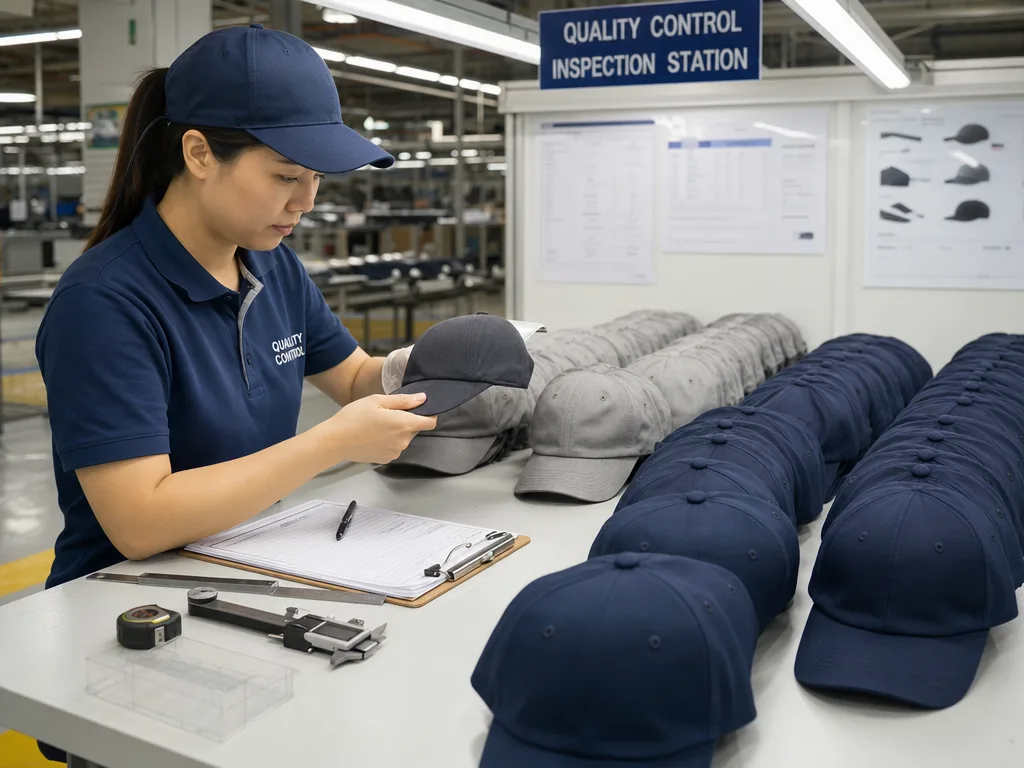
BSCI vs Sedex vs WRAP vs WCA: Compliance Audit Standards Compared (2026 Update)
Read article →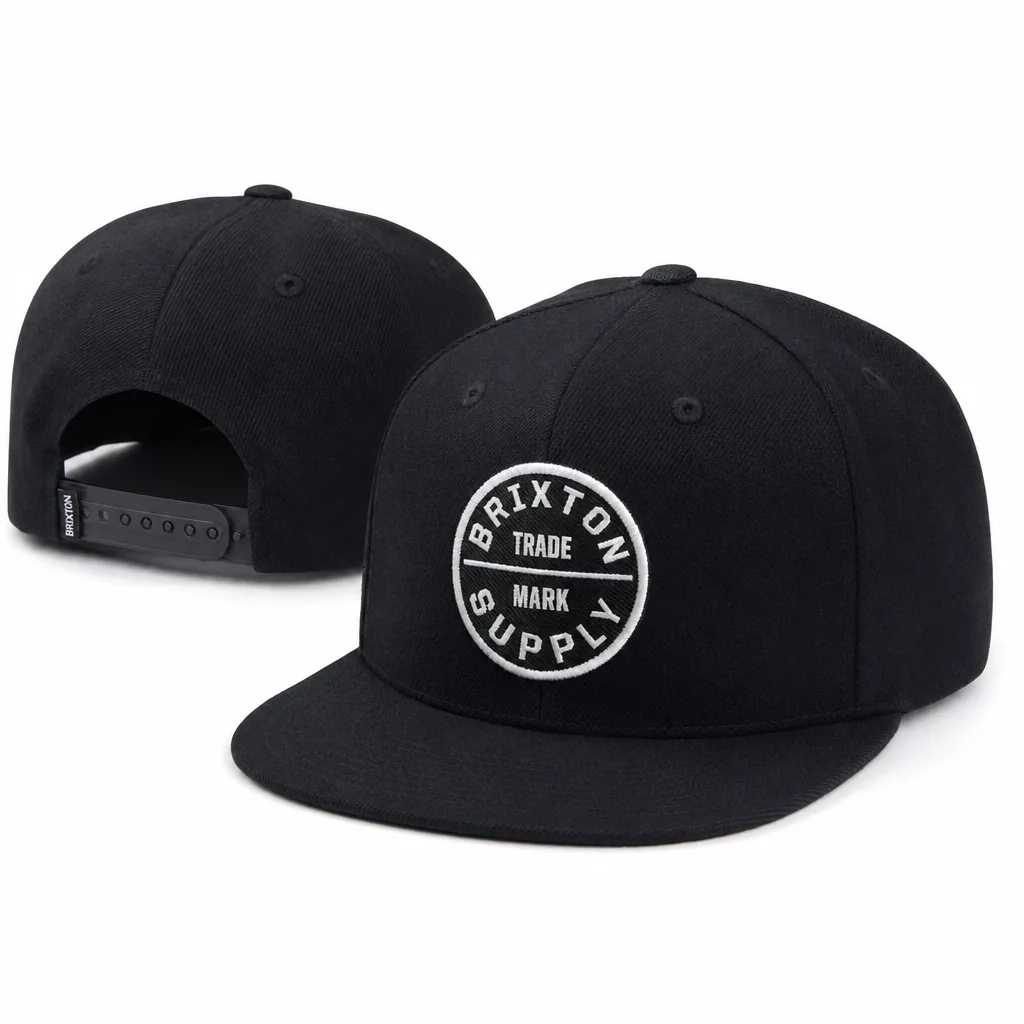
Primark Bucket Hat: A Vertical-Specific Sourcing Guide
Read article →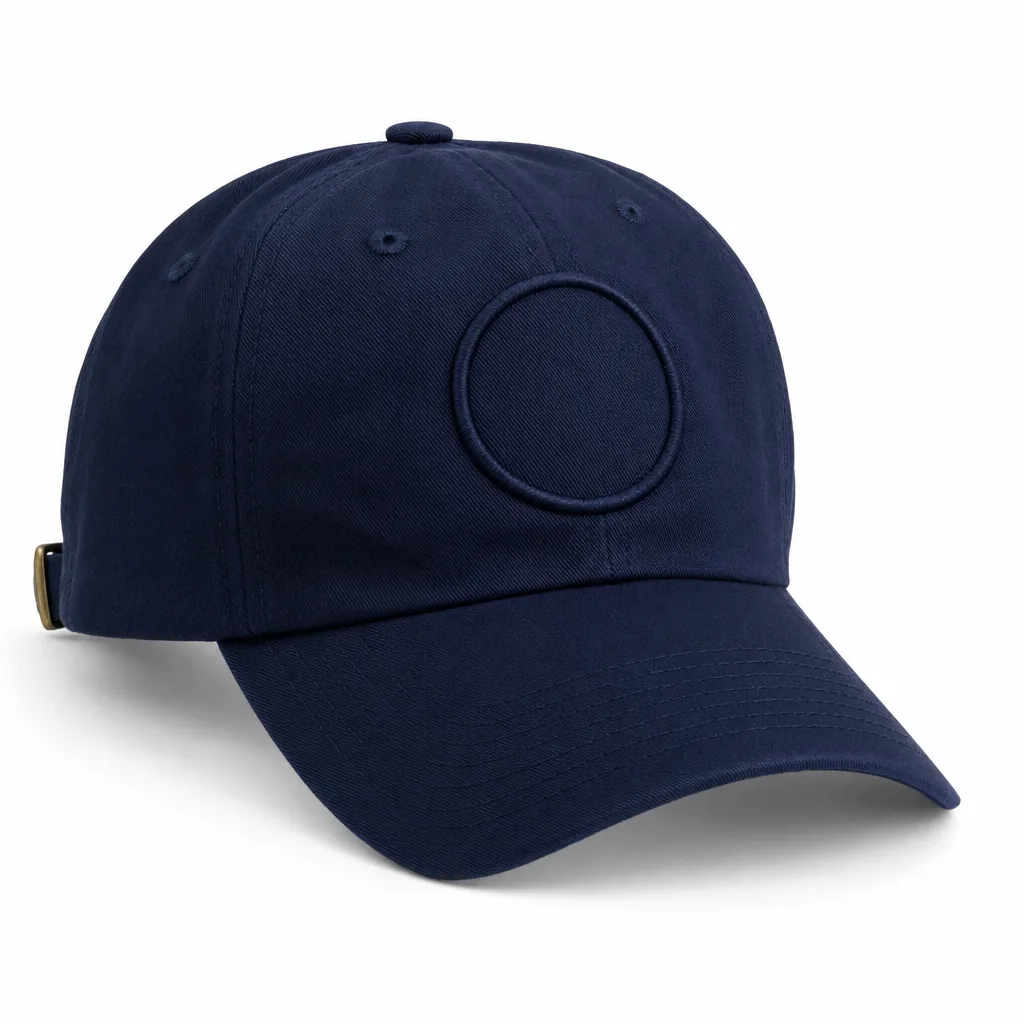
Custom Hat Embroidery: The 2026 Sourcing & Manufacturing Playbook - Supplier Checklist
Read article →We hope this guide demystifies embroidery hats machine: when to use it, costs, and what to ask your factory (2026 update) and helps you move forward with confidence. If you have questions specific to your project, our English-speaking sales engineers are one message away.