
Custom Logo Hats: When to Use It, Costs, and What to Ask Your Factory - Supplier Checklist - Supplier Checklist
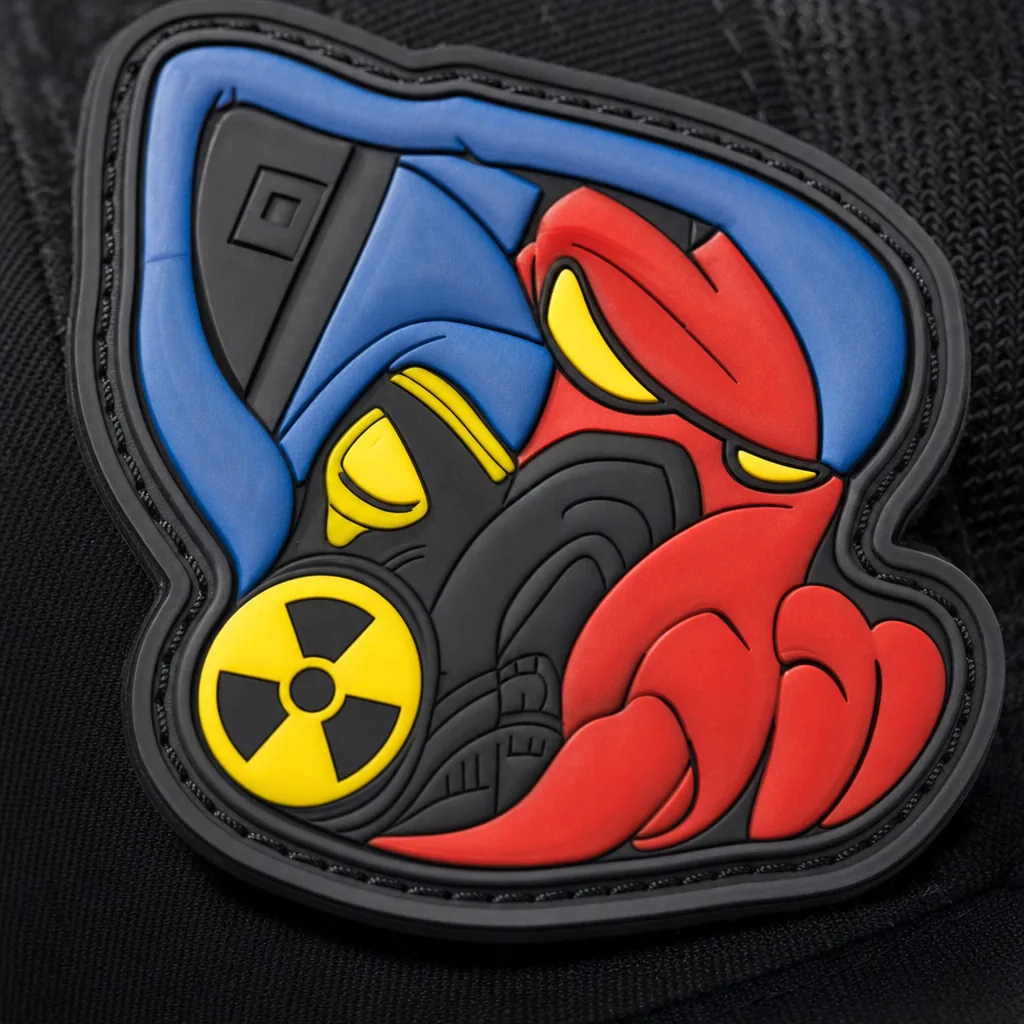
Every week, our sales team answers detailed questions about custom logo hats: when to use it, costs, and what to ask your factory - supplier checklist - supplier checklist. We wrote this guide so that wholesalers, streetwear brands, corporate buyers and promotional resellers can compare options with full information, and avoid the traps that show up only after production has started.
Custom Embroidered Patches
Custom embroidered patches should be approved as components before they are sewn to the cap, because most failures are already locked in at the badge stage. For a 26–30 mm high woven or embroidered patch, lettering under 4 mm usually fills in with 75D/2 polyester thread, especially on 10–12 oz cotton twill with a dense satin border. Check stitch density, loose jump threads, edge waviness, heat-cut residue, puckering, and whether the merrowed or laser-cut edge stays within ±1.0 mm of the approved artwork. Do not approve color from a phone photo; thread should be checked against Madeira, Gunold, or the factory’s polyester thread card, while dyed twill grounds should stay within Delta-E 2.0 against the Pantone TCX target. For custom logo hats running across snapbacks, foam truckers, beanies, and wool-blend caps, require a pre-production patch card showing the same badge on each fabric and crown shape, not just a loose patch on white paper.
Attachment quality is where patch hats usually fail. On structured 5-panel and 6-panel caps with buckram, the operator has to manage crown curve, presser-foot pressure, and backing thickness; otherwise the patch tunnels in the center, corners lift, or bobbin thread shows inside the front panel. I classify detached corners, wrong logo version, placement off more than 3 mm, visible heat-press scorch marks, and rotation over 2 degrees as major defects under AQL 2.5. Our standard practice at CrownsForge is to hand pull-test patch corners, then inspect the inside crown for skipped lockstitches, needle cuts, and thread nests after sewing on Tajima or Barudan equipment. Cost depends heavily on patch type: a basic embroidered twill patch may add $0.35–$0.80 per hat, woven patches run about $0.25–$0.60, chenille often adds $0.90–$1.80, and faux leather debossed patches can reach $1.20–$2.50 depending on size and MOQ. Use patches for raised vintage branding, multi-style programs, or reorder flexibility; use direct embroidery when the logo is simple, under roughly 8,000 stitches, and unit cost is the main pressure.
Custom Hat with Patch
A patch cap only looks simple from the outside; on the factory floor it is two separate production jobs that have to meet within a 2 mm window. The cap body is cut, sewn, blocked, and top-buttoned first, while the patch is made on its own routing and attached after crown assembly or after blocking, depending on material stiffness. For embroidered patches, I would default to 100% polyester twill or wool-blend felt with either a merrowed border for standard circles and shields or a laser-cut edge for irregular outlines. Tajima, Barudan, and ZSK heads all run patch programs well, but only if the digitizing includes proper underlay, pull compensation, and density control; otherwise the patch edge cups and the cap front puckers. Woven patches outperform embroidery when copy drops below 3 mm cap height or the logo has fine linework that would fill in with thread. Material choice changes the sewing method. PVC patches work on tactical, fishing, and outdoor custom logo hats, but they need a firm buckram-backed front panel and a heavier needle, usually #18 or #19, to avoid skipped perimeter stitches. PU leather patches are often underspecified by buyers, so the purchase order should lock 0.8-1.2 mm thickness, deboss depth, edge paint or raw edge, and heat resistance if any press application is involved. To avoid expensive sample loops, send vector artwork, Pantone TCX or coated references, finished patch size in millimeters, border type, backing method, and placement measured from visor seam to patch bottom edge plus crown centerline. If the patch is large, also state whether the crown is structured, unstructured, or foam-front, because that determines how flat the sew window really is.
Patch cost usually drives the quote more than the hat shell. A standard 6-panel cotton twill cap in 220-280 gsm fabric with a patch is commonly workable at 144-300 pieces per colorway for embroidered patches, while woven and PVC programs more often start at 300-500 pieces because loom setup or mold tooling has to be amortized. In today’s China market, realistic FOB pricing for mid-range custom logo hats with patches is around $3.20-$5.80 at 300 pieces, assuming a normal sweatband, plastic snapback or metal buckle closure, standard inner taping, and no garment wash. Setup is where buyers get caught: embroidered patch digitizing and sample setup is typically $30-$80, woven patch setup $50-$120, and a PVC mold usually lands at $100-$250 depending on size, cavity count, and color layers. CrownsForge normally breaks the first quotation into separate cap-shell and patch lines so the buyer can see whether the cost is in stitch count, tooling, fabric upgrade, or labor. The failure modes are predictable and should be written into the QC standard before bulk starts. I would set patch placement tolerance at ±2 mm, front-panel symmetry at ±3 mm, and fabric shade variance at Delta-E 2.0-3.0 against the approved lab dip or strike-off. Final inspection should run at AQL 2.5, with patch edge lifting, crooked placement, skipped stitches, glue bleed, and visible color mismatch treated as majors. Inspect the inside crown as well: bobbin tail nests, abrasive backing, and heat-press residue are common comfort defects that many factories ignore because the outside photo looks fine. Patches make sense when the brand wants small lettering, mixed materials, cleaner repeatability across corduroy, nylon, wool blend, trucker foam, and recycled polyester, or a more retail-looking badge. Direct embroidery is still faster and cheaper for straightforward logos under about 8,000 stitches, but patches hold detail better and stay more consistent across different crown fabrics.
Custom Patch for Hat
A custom patch moves the main quality risk from cap sewing to patch engineering, so do not treat it as a decoration line item. For custom logo hats, I choose woven patches when small lettering falls below 3 mm, embroidered patches when the buyer wants raised thread texture, chenille for varsity programs, PVC or molded silicone for golf and outdoor caps, PU or genuine leather for workwear, and sublimation when the artwork has gradients, shadows, or photo detail. For embroidered patches, lock the twill base weight, rayon versus polyester thread, stitch count, stitch density, backing type, and edge finish: merrowed, satin-stitched, laser-cut, or heat-sealed. On Tajima, Barudan, and ZSK multi-head machines, a 70 mm patch with dense fills above about 8,000–10,000 stitches can pucker if the twill is too light or the tearaway backing is weak. For woven patches, ask for yarn denier, warp/weft density, cut-edge method, and whether “fine detail” is truly woven or just screen printed on top.
The tech pack should define the patch before the cap sample is made: width and height in millimeters, distance from brim seam, center-front alignment, Pantone TCX for fabric, Pantone C for print or PVC color, Delta-E tolerance, border width, backing, attachment method, and required crown curve. On a structured 6-panel cap, a 60–75 mm front patch usually sits cleaner than a 90 mm patch because the center seam, buckram, and foam support can lift the corners. For sew-on patches, specify thread color, stitch type, and a 1.5–2.5 mm margin from the patch edge. For heat-applied patches, require press temperature, dwell time, pressure, peel method, and a wash test after 3–5 cycles at 40°C. Our standard practice at CrownsForge is to approve the loose patch first, then attach it to a pre-production cap, because a patch that looks flat on a table can twist once it crosses a curved crown seam.
MOQ and unit cost are driven more by patch process than by the blank cap. Woven and standard embroidered patches commonly start at 100–300 pieces per colorway; PVC, silicone, chenille, and debossed leather usually need 300–500 pieces because of mold, die, or setup charges. Typical patch add-on costs, excluding the cap, run USD 0.35–1.20 for woven, USD 0.50–1.80 for embroidered, USD 1.00–2.80 for PVC or silicone, and USD 0.80–2.50 for PU or genuine leather, depending on size, color count, backing, and attachment labor. During inspection, check off-center placement, loose perimeter stitches, glue bleed, frayed merrow edges, color mismatch beyond approved Delta-E, warped shape, and corner lifting after steam or washing. Under AQL 2.5, I classify a front patch more than 3 mm off center as a major defect, not a minor cosmetic issue, because it is obvious in e-commerce photos, team uniforms, and retail shelf presentation.
Custom Patch Hat
Patch hats are the right choice when direct embroidery would turn a logo into a thread blob or push the stitch count into silly money. For custom logo hats, I use woven polyester patches for fine lettering and small color blocks, embroidered patches for a raised retail texture, PVC for outdoor/workwear orders, chenille for varsity styles, and leatherette or 1.2–1.8 mm genuine leather for premium casual caps. A woven patch can usually hold 1.2–1.5 mm lettering if the artwork is clean; embroidered patches need about 2.5–3.0 mm minimum stroke width or the counters fill in. Common front patch sizes are 50–70 mm wide on structured 6-panel caps, 45–60 mm on low-profile dad hats, and 55–75 mm on 5-panel campers. Do not approve “centered” as a spec. Write placement tolerance as ±2 mm from the crown centerline and ±3 mm from the visor seam. For washed cotton, canvas, and camper caps, our standard practice at CrownsForge is heat-press plus edge stitching; heat-press only is fine for samples, not for repeat retail wear.
MOQ and cost depend more on the cap body than the patch. If you use stock blanks, 100–300 pieces per design is realistic. If you build the full cap with dyed 280 gsm cotton twill, custom sweatband, branded taping, buckle, woven inside label, polybag, and export carton marks, expect 500–1,000 pieces. At 500 pieces FOB China, a basic cotton twill cap with a standard woven patch usually prices around USD 3.40–5.90. Add USD 0.25–0.70 for a higher-density woven or merrowed patch, USD 0.60–1.20 for molded PVC, USD 0.80–1.80 for genuine leather depending on thickness and deboss mold, and USD 0.20–0.45 for satin taping or a branded sweatband. For color control, specify Pantone TCX for fabric, Pantone C for printed or PVC patch colors, and an agreed Delta-E tolerance, typically ≤2.0 against approved lab dips. Without that, “navy” becomes three different navies across fabric, thread, and patch.
The common failures are crooked sewing, crown distortion, and mismatched materials, not the patch artwork. Inspect for off-center placement, puckering around the patch edge, adhesive bleed from heat application, loose lockstitch ends, uneven merrow borders, and front-panel collapse after the patch is sewn through buckram. Raised patches on structured caps need correct thread tension and backing; too much tension pulls the crown inward and creates a dent that steaming will not fully fix. Before bulk production, require one pre-production sample on the actual cap fabric, not a loose patch photo on a white table. For small colorway runs, inspect at least 32 pieces per color; for normal export orders, use ANSI/ASQ Z1.4 with AQL 2.5 for major defects and AQL 4.0 for minor cosmetic issues. If the patch is embroidered, ask whether Tajima, Barudan, or ZSK heads are used. A proper embroidery room controls density, trimming, and thread tension far better than a subcontracted market stall.
Custom Patch Hats
Patch hats usually fail at the interface between patch and cap body, not in the logo file. On a 500-piece run of custom logo hats, I would inspect to ANSI/ASQ Z1.4, General Inspection Level II, AQL 2.5, and physically gauge patch placement on at least 50 units. For structured 5-panel and 6-panel caps, a workable factory tolerance is ±2 mm from front-panel centerline and ±3 mm from the crown-to-visor seam; on soft unstructured dad hats, expect more movement unless the pre-production sample explicitly approves it. The defects that matter in production are crooked merrow edges, topstitch tension causing ripples, glue squeeze-out on heat-applied badges, and lifted corners after steam shaping or carton compression. I also watch for patch size drift between lots, because a 2 to 3 mm variance becomes obvious once caps are lined on a retail shelf.
Material compatibility decides whether custom patch hats look premium or look cheap after one wear. Washed cotton twill, brushed canvas, corduroy, denim, and polyester foam trucker fronts all take embroidered or woven patches well because the artwork is made flat first, then attached to the curved panel; that avoids the distortion you get with direct embroidery over center seams. Fine text below about 4 mm cap height is usually cleaner in woven construction than in merrowed embroidery, while chenille, PVC, and debossed leather work better for bold marks with low detail. Real patch cost on bulk orders is usually about $0.35 to $0.90 for woven, $0.60 to $1.50 for embroidered, and $1.20 to $3.20 for leather, PU, or molded silicone, depending on size, backing, and MOQ. At CrownsForge, we color-match patch grounds to Pantone TCX or coated references and target Delta-E 1.5 to 2.0 where substrate chemistry allows. For leather, PU, and heavily dyed twill patches, I would also require dry and wet crocking tests with white cotton cloth, because low-grade coatings can stain ecru, stone, and white caps fast.
Hat Patch Custom
Patch selection should start with crown shape, not the prettiest rendering. For custom logo hats, embroidered twill and woven patches are the safest retail choices because they flex over a curved front panel and tolerate minor sewing movement better than molded PVC, rubber, or direct transfer print. On a structured 6-panel cap with buckram, I usually cap front patch width at 50–65 mm; once it passes 70 mm, the patch bridges across the crown curve and the corners start to lift or tunnel. Keep total patch thickness under about 2.5 mm unless the crown fabric and sewing method are tested first. Thick PVC, stacked felt, and padded leather can deflect needles, create skipped stitches, and leave compression marks after 72 hours in cartons. Merrow-edge embroidered patches are best for circles, shields, and simple badges. Laser-cut twill with a satin border is cleaner for irregular outlines. Woven patches are better when lettering drops below 4 mm cap height, where normal embroidery starts filling in.
A proper patch specification must read like a production sheet, not a mood board note. List size in millimeters, base material, fabric weight, border type, backing, thread or yarn type, stitch count or weave density, attachment method, placement tolerance, and color standard. For embroidered patches, specify 120D/2 polyester or rayon thread and request the digitized run sheet from Tajima, Barudan, or ZSK output when the logo has tight outlines or small text. For woven patches, define yarn density, edge treatment, and whether the edge is heat-cut, folded, or stitched down. Color should be controlled with Pantone TCX for textile grounds and Pantone Solid Coated for PVC or printed references; on dyed materials, a practical Delta-E target is 1.5–2.0, not zero. For retail custom logo hats, hold patch edge variation within ±1.5 mm and logo centering within ±2 mm. Typical China FOB adders are $0.28–$0.65 for embroidered twill, $0.22–$0.48 for woven, $0.45–$0.90 for PVC plus a $60–$180 mold, and $0.60–$1.50 for genuine leather.
Most patch defects are visible from one meter away, so waiting for final carton inspection is too late. The failures I reject most often are crooked placement, uneven satin borders, jump threads, glue bleed on light cotton twill, heat-press bubbling, and puckering when a heavy patch is sewn onto a 180–220 gsm crown panel. Sewing the patch before cap assembly gives better machine access, but panel tension can shift during closing. Sewing after assembly improves final alignment, but the operator has to fight crown curvature, center-seam bulk, and limited presser-foot clearance. Our standard practice is AQL 2.5 final inspection, plus a first-10-piece visual check from each operator before bulk attachment continues. Adhesive-backed patches need a 24-hour peel test and carton-compression check, not just a warm press sample. Buyers should compare patches against flat embroidery, 3D puff, applique, and screen print. A dense 3D puff logo can be cheaper once patch setup, secondary sewing, and extra QC are included; patches make sense when the design needs mixed materials, badge styling, or fine detail embroidery cannot hold cleanly.
Working with CrownsForge for custom logo hats programs
The fastest way to lose control of custom logo hats is approving one pretty prototype as if it proves fabric, fit, and decoration. It does not. I separate the approvals into three gates: bulk fabric or lab dip, fit sample, and decoration strike-off on the actual crown construction. A normal development sample takes 7–10 calendar days after vector artwork, Pantone TCX references, crown profile, visor curve, closure, and size spec are frozen. Embroidery revisions should add 3–5 days, not restart the project, unless the artwork uses 3D puff, metallic thread, gradient thread changes, or lettering under 4 mm high. For risky designs, especially logos close to the center seam or on low-profile unstructured fronts, a 30–50 piece pilot run is cheaper than sorting 500 bad caps. Our standard practice at CrownsForge is to approve the stitch file, thread card, logo placement from visor seam and center front, sweatband type, closure sample, and carton mark before bulk cutting starts.
MOQ should be based on material economics, not a sales pitch. Stock cotton twill, chino, poly mesh, foam trucker fronts, and standard plastic snapbacks can usually run at 100–144 pieces with sensible pricing. Custom-dyed 12 oz cotton twill, nylon taslan, wool-blend melton, recycled mélange jersey, branded inside taping, or custom metal buckles usually push the real floor to 300–500 pieces because dye-house minimums, trim loss, and fabric utilization become the cost drivers. A buyer approving only a JPEG mockup is accepting preventable risk. The production file should lock crown height, panel count, buckram or unstructured front, visor thickness, stitch color, patch edge, backing, and exact logo placement tolerance. I like ±2 mm for embroidery placement on structured caps, ±3 mm on soft washed caps, and patch size tolerance around ±1 mm. If a supplier refuses to write these numbers into the approval sheet, expect arguments during inspection.
Decoration is where custom logo hats either protect margin or create rework. Tajima, Barudan, and ZSK multi-head machines can all produce clean flat embroidery, 3D puff, appliqué, and direct-on-cap runs, but the operator’s settings matter more than the machine badge. Underlay, stitch density, cap-frame tension, needle size, and thread choice decide whether a logo stays sharp after steaming, packing, and carton compression. For patch programs, specify merrowed edge versus laser-cut edge, woven versus embroidered face, heat-seal versus sew-on backing, and whether the patch is applied before crown assembly or onto the finished cap. Bulk control should be measurable: approved BOM, pre-production sample, inline inspection, and final inspection at AQL 2.5 major / 4.0 minor. Typical rejects are logo off-center over 3 mm, loose threads longer than 5 mm, crown asymmetry, seam torque, weak snap tabs, dirty panels, and barcode errors. FOB Yiwu pricing at 500 pieces commonly runs US$3.20–5.80 for basic embroidered six-panel caps and US$5.50–9.50 for patch-heavy builds with branded taping and premium closures.
Frequently Asked Questions
How long does production take?
Sampling takes 7 to 12 days. Bulk production runs 20 to 30 days depending on quantity, fabric availability and decoration complexity. Inspection and packing adds another 3 to 5 days before shipment.
Do you support sustainability certifications?
Yes. We work with GOTS organic cotton, GRS-certified recycled polyester, OEKO-TEX Standard 100 fabrics, and are BSCI and Sedex audited. Certification documentation can be provided per order.
What file format should I send for my logo?
Vector files (AI, EPS, PDF) are ideal. High-resolution PNG or JPG at 300 dpi on transparent background works as a fallback. Provide Pantone color references for accurate reproduction.
What is the minimum order quantity (MOQ) for custom hats?
Our standard MOQ is 100 pieces per design and color, with sampling available from 1 piece. For complex multi-color logos or premium fabric upgrades, the MOQ can be lowered with a small per-piece surcharge.
Can I order a sample before bulk production?
Yes. We strongly recommend approving a pre-production sample before mass production. Samples are charged at 35 to 60 USD each plus express shipping, fully refundable against confirmed bulk orders over 500 pieces.
How does ordering custom embroidered logo hat work?
When evaluating custom embroidered logo hat, the key considerations are construction quality, decoration capability, MOQ flexibility and lead time. Cover everything buyers ask about custom embroidered patches: how it's manufactured, what specs to request from a factory, typical MOQ and pricing, common quality issues to inspect for, and how this ties back to the broader custom logo hats sourcing decision. Cover everything buyers ask about custom hat with patch: how it's manufactured, what specs to request from a…
How does ordering custom hat leather patch work?
When evaluating custom hat leather patch, the key considerations are construction quality, decoration capability, MOQ flexibility and lead time. Cover everything buyers ask about custom hat with patch: how it's manufactured, what specs to request from a factory, typical MOQ and pricing, common quality issues to inspect for, and how this ties back to the broader custom logo hats sourcing decision. Cover everything buyers ask about custom patch for hat: how it's manufactured, what specs to request from a factory,…
How does ordering custom embroidered baseball hats work?
When evaluating custom embroidered baseball hats, the key considerations are construction quality, decoration capability, MOQ flexibility and lead time. Cover everything buyers ask about custom embroidered patches: how it's manufactured, what specs to request from a factory, typical MOQ and pricing, common quality issues to inspect for, and how this ties back to the broader custom logo hats sourcing decision. Cover everything buyers ask about custom hat with patch: how it's manufactured, what specs to request from a…
What's the MOQ for custom embroidered patches no minimum?
When evaluating custom embroidered patches no minimum, the key considerations are construction quality, decoration capability, MOQ flexibility and lead time. Cover everything buyers ask about custom embroidered patches: how it's manufactured, what specs to request from a factory, typical MOQ and pricing, common quality issues to inspect for, and how this ties back to the broader custom logo hats sourcing decision. Cover everything buyers ask about custom hat with patch: how it's manufactured, what specs to request from a…
Looking for a reliable hat manufacturer in China?
CrownsForge has produced custom hats for 800+ brands across 40 countries. From 100-piece launches to 100,000-piece retail programs, we deliver on time and on spec.
Get in touchRelated guides
Custom Leather Patch Hat Low Minimum: A 2026 B2B Sourcing Guide
Read article →
Mens Beanies: Properties, Costs and How to Spec It Right
Read article →
Bulk Trucker Hats Export Shipping Checklist for Custom Hat Buyers - Cost & MOQ Breakdown - Supplier Checklist
Read article →We hope this guide demystifies custom logo hats: when to use it, costs, and what to ask your factory - supplier checklist - supplier checklist and helps you move forward with confidence. If you have questions specific to your project, our English-speaking sales engineers are one message away.