
Custom Logo Hats: When to Use It, Costs, and What to Ask Your Factory - Supplier Checklist (2026 Update) - 2026 Buyer's Guide - Cost & MOQ Breakdown
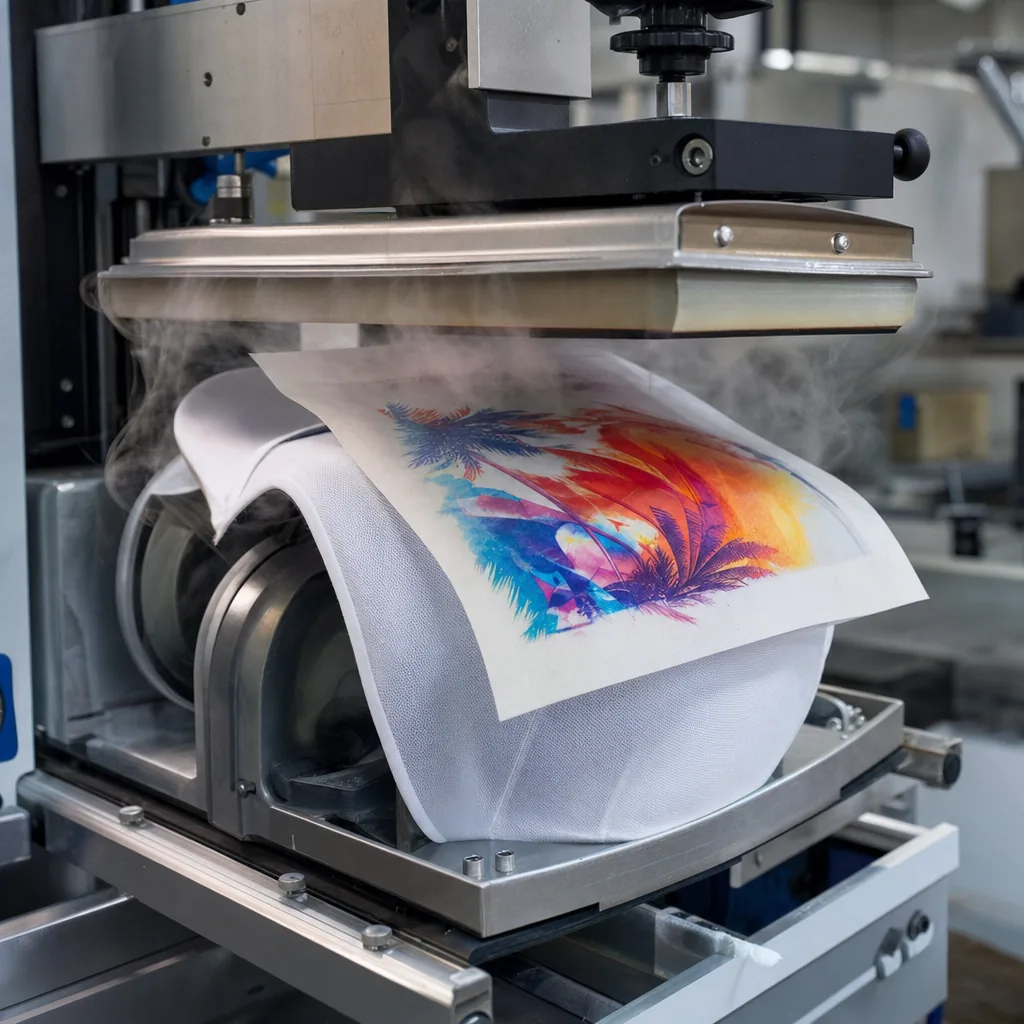
Every week, our sales team answers detailed questions about custom logo hats: when to use it, costs, and what to ask your factory - supplier checklist (2026 update) - 2026 buyer's guide - cost & moq breakdown. We wrote this guide so that wholesalers, streetwear brands, corporate buyers and promotional resellers can compare options with full information, and avoid the traps that show up only after production has started.
Custom Embroidered Patches
Custom embroidered patches solve problems that direct embroidery creates on custom logo hats: heavy stitch loads over roughly 12,000 stitches, metallic thread, tight outlines under 1 mm, layered color breaks, or one logo that must run across snapbacks, truckers, dad caps, buckets, and beanies without re-digitizing every crown. The patch is stitched off-line on 180-260 gsm cotton twill, felt, canvas, or polyester using Tajima, Barudan, or ZSK multi-head machines, then finished with a merrowed border, satin edge, heat-cut edge, or laser-cut contour. For a usable sample request, send vector artwork, finished patch size in mm, Pantone TCX targets or Madeira/Isacord thread codes, edge finish, backing type, and placement measured from a real reference point: center seam, crown seam, visor edge, or side panel seam. Never approve only a loose patch. A 70 mm patch that sits flat on the table can buckle on a low-profile unstructured crown if the backing is too stiff, the curve is too aggressive, or dense fill is weighted to one side.
Patch pricing is driven by stitch count, base fabric, edge finish, and attachment labor, not just width and height. A standard 60-75 mm embroidered patch with 6-8 thread colors usually has a practical MOQ of 100-300 pieces and costs about $0.35-$0.90 before sewing. Metallic thread, felt ground, 3D foam underlay, simulated gradient thread blends, or irregular laser-cut shapes commonly push the patch to $1.20-$2.00 each. Sewing adds another $0.15-$0.35 per cap, depending on crown curvature, tolerance, and whether the operator needs a curved jig or manual tacking before the lockstitch pass. Finished patch caps can start at 100-200 pieces per design/colorway, but the unit cost becomes more sensible around 500 pieces because digitizing, thread matching, test runs, and line balancing are spread across a longer run. Digitizing is normally $20-$60 per logo unless absorbed into a confirmed bulk order.
Inspect patch hats as a three-part system: the loose patch, the attachment seam, and the cap panel underneath. On the patch itself, check stitch density, loose jump threads, frayed borders, color registration, Delta-E variance against the approved thread card, and whether lettering under 4 mm remains readable after trimming. On the finished cap, check placement within +/-2 mm, edge lift after steam, corner pull strength, needle damage on cotton twill or 210D/420D nylon, and puckering around the front panel. For export production, AQL 2.5 should cover major defects and AQL 4.0 can cover minor cosmetic issues, with extra pull checks on patch corners. At CrownsForge, standard practice is to approve one loose patch and one sewn sample on the actual cap body before bulk cutting, because patch size, crown shape, backing stiffness, and sewing method have to work together.
Custom Hat with Patch
Use a patch when the logo is too detailed or too inconsistent for direct embroidery: text under 3 mm, distressed outlines, gradients, metallic ink effects, photographic art, or 6+ color separations. Tajima, Barudan, and ZSK heads still beat patches for clean 1–3 color block marks, team initials, and raised 3D puff lettering, but patches make custom logo hats more repeatable across caps, beanies, visors, and bucket hats. The main constructions are woven polyester, embroidered twill, sublimated polyester, PVC, TPU, leatherette, genuine leather, and chenille. For woven patches, specify 75D or 100D yarn, Pantone TCX targets, merrowed versus laser-cut edge, heat-cut backing, and a physical strike-off. A PDF proof will not show whether dark navy, black, and charcoal separate under 5000K inspection lights. For embroidered twill patches, lock twill weight, thread brand, stitch density, border width, and flat versus foam-padded execution. On structured 5-panel and 6-panel caps, keep most front patches at 55–85 mm wide; above 90 mm, the crown curve often causes edge lift unless buckram stiffness and front-panel pattern are adjusted.
Patch cost is driven by construction, backing, tooling, and attachment labor, not just the blank cap. At 500 pieces, a woven patch usually adds $0.45–$0.90 per cap, embroidered twill $0.70–$1.40, PVC or TPU $1.10–$2.20, chenille $1.20–$2.50, and genuine leather $1.50–$3.00 depending on 1.2–1.8 mm thickness, debossing plate, oil finish, and painted edge. Sewing is slower but safer: satin stitch, running stitch, and zigzag attachment normally outlast heat press on daily-wear caps. Heat press can work on polyester performance caps and flat 5-panel campers, but the factory must state temperature, pressure, and dwell time; 150–165°C for 12–18 seconds is common, while nylon, PU-coated fabric, and washed cotton can scorch, glaze, or delaminate. A complete patch cap in cotton twill, washed chino, ripstop nylon, or polyester performance fabric typically lands at $3.80–$7.50 FOB China at 500–1,000 pieces before hangtags, polybags, cartons, and freight. MOQ can be 100–300 with stock fabric, but 500 is the practical floor for custom-dyed fabric, Pantone-matched eyelets, or private-label sweatbands.
Approve the loose patch and the sewn cap sample separately because a flat patch can distort once it is pulled over curved buckram; at CrownsForge, standard release requires sign-off on both before bulk sewing. Inspection should measure placement from the crown centerline or center seam with a 2 mm tolerance. At 3 mm off-center, the logo already looks crooked in e-commerce photos even if the stitch hold is acceptable. Check skipped stitches, loose bobbin thread, glue bleed, scorched leatherette, uneven merrow borders, curled PVC corners, visible heat-press boxes, and puckering after steam shaping. For color control, set Delta-E below 2.0 for corporate programs and below 3.0 for fashion or outdoor caps where fabric lots vary more. For PVC and TPU heat-applied patches, run a peel test after 24 hours, then flex the front panel 20–30 times to expose edge lift. Under AQL 2.5 final inspection, detached patches, wrong logo color, upside-down placement, and off-center positioning should be major defects. Patches add one supplier and one failure point, but they solve detail, texture, and cross-style color consistency better than direct embroidery.
Custom Patch for Hat
Custom patches are made off-line and attached after the crown is formed, so a flat patch strike-off is not a complete approval for custom logo hats. The patch must sit cleanly on a curved front panel, often over a center seam, without cupping, corner lift, logo distortion, or a border that “walks” after sewing. Woven polyester is the right choice for small type, 1.5–2.0 mm strokes, and tiny ™ marks. Embroidered twill gives thread texture, but lettering under 4 mm usually fills in. Chenille works for 50–80 mm varsity letters, not detailed icons. PVC and molded rubber are durable for golf, outdoor, and workwear caps, but require tooling. Debossed leatherette fits low-color heritage branding, while sublimation is safest for gradients, camo fills, and photo-style artwork. Ask the factory what is actually being used: Tajima, Barudan, or ZSK embroidery heads; Madeira, Isacord, or Kingstar thread; tear-away, nonwoven, or heat-seal backing; and merrowed, satin-stitched, laser-cut, or folded edges. If the supplier cannot explain backing and edge finish, expect fraying, puckering, glue bleed, or inconsistent borders in bulk.
A patch tech pack should lock width and height in millimeters, border width, shape tolerance, Pantone TCX or thread-code colors, stitch density, backing type, edge finish, attachment method, and placement measured from both the visor seam and the center-front line. Artwork approval alone is not enough. I want a paper placement on the actual crown first, then a physical strike-off attached to the real cap fabric. The same patch behaves differently on 280 gsm cotton twill, 210D polyester, 8-wale corduroy, brushed canvas, and foam trucker fronts because heat, needle tension, crown stiffness, and seam bulk all change the final lay. Our standard practice at CrownsForge is ±2 mm front placement tolerance and Delta-E under 2.0 for dyed woven patches. PVC, leatherette, metallic foil, and mixed-material patches still need visual approval under D65 light because Pantone matching is approximate on non-textile surfaces. For heat-applied patches, write the press setting into the PO: many run at 145–165°C for 12–18 seconds with medium pressure, but adhesive film and crown fabric decide the correct setting.
For 2026 China production, patch hats usually make sense from 100–300 pieces per style for woven, embroidered, sublimated, and leatherette patches. PVC, metal, and complex molded rubber normally become economical closer to 500 pieces because tooling must be amortized. Realistic FOB adders are $0.35–$0.90 per cap for woven patches, $0.60–$1.40 for embroidered twill, $0.50–$1.20 for leatherette, $0.70–$1.30 for sublimation, and $0.90–$2.50 for PVC. Mold charges typically run $60–$180 depending on size, relief depth, and color count. Put inspection terms in the purchase order, not in a chat thread: AQL 2.5 for major defects, zero tolerance for wrong logo or wrong placement panel, and defined checks for crooked application, loose merrow borders, puckering, lifted corners, adhesive halos, color mismatch, and needle holes outside the patch edge. For dark caps, require a 30-minute wash test or dry-rub test before bulk release. Patches cost slightly more than direct embroidery, but they preserve small details better and keep branding consistent across snapbacks, dad hats, truckers, and 5-panels.
Custom Patch Hat
A custom patch hat is a two-component product: first the patch must pass, then the attachment must survive on a curved crown under tension. For woven patches, I do not approve artwork below 1.0 mm line width or 5 mm letter height unless the buyer accepts loss of detail; they are clean for small logos but flatter than direct embroidery. Embroidered patches need 4.5–5.0 mm minimum lettering, a 2 mm satin or Merrow border, and a real stitch-density test on Tajima, Barudan, or ZSK heads before bulk. Chenille belongs on varsity artwork with 8 mm-plus strokes, not fine brand marks. PVC and 3D silicone work well for outdoor custom logo hats, but molds typically add US$80–180 per design and 5–8 days to approval. Leatherette and genuine leather should be debossed or laser-etched; reversed micro text often burns closed. The tech pack must state patch centerline, distance from visor seam, and placement tolerance in millimeters. On a structured 5-panel, even a 3 mm tilt is visible.
Quote the cap shell and patch as separate line items before accepting a blended FOB price, because they fail for different reasons and carry different cost drivers. In 2026 Yiwu production, realistic MOQ is 100–300 pieces for stock blanks with standard woven or embroidered patches, 500 pieces for custom fabric, rope trim, sandwich visor, special buckram, or nonstandard closures, and about 1,000 pieces when Pantone TCX lab-dyed fabric or proprietary hardware is required. At 500 pieces, a 260–280 gsm cotton twill cap with woven patch usually lands around US$2.60–4.20 FOB; embroidered patch versions run US$3.10–5.20 depending on stitch count, backing, and border; PVC, silicone, or debossed leatherette patch caps are commonly US$3.40–6.00. Require the quotation to list patch size, border method, backing, adhesive if used, thread chart, cap fabric gsm, sweatband composition, visor board, closure, and carton pack. Approve color under D65 light, and use Delta-E under 2.0 for controlled logo colors where practical. At CrownsForge, the signed PP sample stays at the sewing line, not only in the merchandiser’s folder.
Inspect patch hats more aggressively than direct embroidery because most defects happen at the transfer point between patch supplier and cap assembly. Common rejects include tilted placement, puckering around the lockstitch, glue bleed on heat-applied badges, frayed Merrow edges, PVC corners lifting, cracked leatherette debossing, and crown collapse from excess heat on polyester foam, nylon taslon, or lightweight performance fabric. “Standard heat press” is not a process specification; require adhesive film type, press temperature, dwell time, pressure setting, and hot- or cold-peel method. Leather patches should be sewn with a walking-foot machine to reduce drag marks and skipped stitches on curved front panels. For AQL 2.5 final inspection, measure at least 20 pieces per colorway for patch position and compare symmetry against the front seam or marked crown centerline. Add a dry/wet rub test for dyed leatherette and a short wear simulation if the patch edge feels sharp. Patch construction is best for gradients, tiny text, badge styling, or one emblem used across several cap bodies; the tradeoff is higher perceived value plus one extra approval loop and one extra failure point.
Custom Patch Hats
Patch choice decides whether custom logo hats feel like retail product or trade-show merchandise. For block logos wider than 45 mm, a merrowed embroidered patch on 10–12 oz cotton twill or wool felt gives the cleanest raised edge and hides minor sewing variation. For small type below 4 mm cap height, choose a laser-cut woven patch; 75D embroidery thread cannot hold that detail without closing counters and rounding corners. PVC/rubber is useful for streetwear, fishing, and youth sports, but keep relief depth around 1.5–2.5 mm and specify Shore A hardness, otherwise the badge becomes too stiff for a curved front panel. Debossed PU is cheaper and more repeatable than full-grain leather; reserve real leather for outdoor, golf, or workwear orders where scars, grain shift, and color variation are acceptable. Sublimated twill is the right answer for gradients and photographic marks. Chenille should be used only when bulky varsity texture is intentional, not as a generic “premium” patch.
Embroidered patch quality is mostly controlled before the cap ever reaches the sewing line. Tajima, Barudan, and ZSK multi-head machines can all produce clean work, but the digitizing matters: use edge-run plus zigzag underlay, 0.35–0.45 mm fill density, and Madeira or Isacord polyester thread in 75D or 120D depending on detail. A dense patch sewn flat will often curl when attached to a structured 6-panel crown, so ask whether the supplier pre-curves the patch or uses temporary heat tack before stitching. Your tech pack should lock patch width and height in millimeters, border style, backing type, Pantone TCX or thread reference, stitch line distance from the edge, crown placement from visor seam, and acceptable rotation. Do not approve from a flat PDF. Request one sewn sample on the actual crown fabric—brushed cotton twill, corduroy, nylon taslan, suede, and recycled polyester all react differently to needle pressure, heat, and adhesive residue.
MOQ is usually driven by the patch, not the blank cap. Embroidered and woven patches can start at 100–300 pieces per artwork, but the cost curve improves sharply at 500 pieces because digitizing, color changes, setup, and trimming waste are spread across more units. A 280–320 gsm cotton twill cap with a sewn embroidered or woven patch typically lands around US$3.20–5.80 FOB China at 300–500 pieces, depending on crown structure, closure, sweatband, visor, inside taping, and carton spec. PVC, chenille, debossed PU, and genuine leather usually add 15–40%; digitizing is commonly US$30–80, while PVC or debossing molds run US$60–180 per artwork. CrownsForge quotes the cap body, patch, attachment labor, sample fee, and tooling as separate lines because it prevents margin games later. For inspection, use AQL 2.5 for major defects, front-center placement tolerance of ±2 mm, rotation tolerance of ±1–2 degrees, Delta-E under 1.5–2.0, and peel or humidity testing for heat-applied patches.
Hat Patch Custom
Treat a hat patch as its own BOM component for custom logo hats, not a casual decoration note. Woven labels hold small lettering down to about 2.5–3.0 mm, embroidered patches give raised texture, chenille fits varsity programs, PVC rubber works for outdoor and youth sports, PU or genuine leather reads workwear, sublimated twill handles gradients, and felt appliqué gives a retro collegiate profile. The tech pack should state patch size in millimeters, shape tolerance, edge construction, backing, thread or yarn type, Pantone TCX references, and color tolerance. For retail repeat orders, I normally cap color drift at Delta-E 2.0; licensed team colors should be tighter, around Delta-E 1.5, with a signed lab dip or strike-off before bulk.
For embroidered patches, use a separate digitized file from the cap embroidery file. Merrow borders, satin columns, underlay, pull compensation, and fill density behave differently when the finished patch is sewn onto a curved crown. On structured 5-panel caps, foam-front truckers, and high-profile snapbacks, confirm whether the patch is attached before or after blocking. Post-assembly sewing can crease foam, flatten buckram, or twist the front panel if an operator forces the crown into a Tajima, Barudan, or ZSK clamp without the correct cap frame and support jig. For patches crossing a front seam, ask for a placement photo with centerline, bottom-edge distance, and tilt tolerance marked before approving production.
MOQ and cost are usually driven by patch tooling, color count, and attachment labor, not the cap shell. In 2026 China factory pricing, woven patches usually start at 100–300 pieces and add about $0.35–$0.90 per cap; embroidered patches add $0.55–$1.40; PVC patches often need 300–500 pieces because the mold runs $80–$180 and unit cost is about $0.80–$2.20. Leather patches can start around 100 pieces when using stock PU or genuine leather and typically add $0.70–$1.80, depending on thickness, cutting method, deboss area, and edge finish. Setup for woven or embroidered patches commonly runs $25–$80 based on stitch count, border type, and color separations. Our standard practice at CrownsForge is to quote patch production and attachment separately because single-head positioning and sewing can add 45–90 seconds per cap versus direct flat embroidery.
For leather patches, specify 1.2–1.6 mm PU or 1.5–2.0 mm genuine leather, deboss depth, burnished versus raw edge, and whether the back is heat-seal, pressure-sensitive adhesive, or sew-on only. The most common failures are crooked placement, bubbling, color drift, loose merrow stitching, adhesive bleed, and weak bonding after heat, rain, or laundering. Use AQL 2.5 major / 4.0 minor and define measurable defects before bulk: center deviation over 3 mm, tilt over 2 degrees, exposed backing, skipped border stitches, lifted corners, and visible glue should be major defects for retail goods. The pre-production sample must use the actual cap body because cotton twill, corduroy, nylon taslan, polyester mesh, brushed canvas, and foam laminate feed differently under the presser foot. For heat-applied patches, require recorded platen temperature, dwell time, pressure, cooling time, and peel-test results, especially on DWR-coated nylon or silicone-washed cotton.
Working with CrownsForge for custom logo hats programs
For custom logo hats, the failure point is rarely the showroom sample; it is holding the same crown shape, logo position, and thread tension through 500 or 5,000 pieces. Before CrownsForge quotes bulk, the production file should lock the cap body, decoration, and packing spec: fabric weight in gsm or denier, visor board thickness, crown height, buckram or unstructured front, sweatband type, closure, Pantone TCX target, carton quantity, polybag rules, and accepted logo tolerance. I do not trust logo tests on loose fabric swatches. A 65 mm woven patch behaves differently on a structured 5-panel snapback than on a washed dad cap, especially around the front seam and visor break. Normal pre-production sampling is 7–10 days after clean vector artwork for flat embroidery or 3D puff, and 10–14 days for woven patches, rubber patches, chenille, appliqué, or mixed decoration. Sample charges usually run USD 50–120 per style; PVC molds, silicone molds, high-stitch embroidery above 12,000 stitches, or custom trims can push that higher. Credits against bulk should apply only if the approved construction stays unchanged.
MOQ is controlled by component sourcing, not by the word “custom.” If the buyer accepts stock cotton twill, washed canvas, polyester mesh, standard snapbacks, brass buckles, or Velcro closures, custom logo hats can often start at 100–300 pieces per design for embroidery, woven labels, or embroidered patches. Once the order requires custom-dyed cotton, nylon taslan, corduroy, recycled polyester, contrast sandwich visors, branded taping, or plated metal trims, practical MOQ moves to 500–1,000 pieces because dye houses work by lot and shade must stay within about Delta-E 1.0–1.5 against the approved standard. Molded PVC or silicone patches usually add USD 80–250 per design in tooling, while woven and chenille patches have lower setup costs but real limits on 2 mm lettering, merrow borders, and fine outlines. For new brands, I prefer a split buy: put volume into proven crown shapes and core colors, then test risky elements such as rope trim, retail labels, custom inner taping, or gift-box packaging in smaller quantities before cash gets trapped in slow-moving inventory.
Decoration control needs machine settings, not just a pretty mockup. Tajima, Barudan, and ZSK heads can run flat stitch, 3D puff, chain stitch, appliqué, and high-density embroidery, but each technique needs a digitized file with stitch density, underlay, pull compensation, and thread color called out. For patch programs, approve a physical strike-off before the cap sample; yarn sheen, border thickness, adhesive backing, deboss depth, and Pantone interpretation are cheaper to correct before sewing than after 1,000 caps are assembled. Compliance and QC should sit on the same timeline as sampling. For serious retail or licensed programs, ask for sedex-audit-cap-supplier-guide.html">BSCI 2.0 or Sedex SMETA 4-Pillar readiness, needle-control logs, metal detection records, restricted-substance declarations, and carton traceability by PO, style, color, and size ratio. Final inspection should default to AQL 2.5 for major defects and AQL 4.0 for minor defects unless your license agreement requires tighter limits. Milestone updates should cover material arrival, cutting, decoration, stitching, finishing, QC, packing, and FOB or DDP shipment, so decisions come from production data instead of scattered phone photos.
Frequently Asked Questions
How long does production take?
Sampling takes 7 to 12 days. Bulk production runs 20 to 30 days depending on quantity, fabric availability and decoration complexity. Inspection and packing adds another 3 to 5 days before shipment.
Do you support sustainability certifications?
Yes. We work with GOTS organic cotton, GRS-certified recycled polyester, OEKO-TEX Standard 100 fabrics, and are BSCI and Sedex audited. Certification documentation can be provided per order.
What file format should I send for my logo?
Vector files (AI, EPS, PDF) are ideal. High-resolution PNG or JPG at 300 dpi on transparent background works as a fallback. Provide Pantone color references for accurate reproduction.
What is the minimum order quantity (MOQ) for custom hats?
Our standard MOQ is 100 pieces per design and color, with sampling available from 1 piece. For complex multi-color logos or premium fabric upgrades, the MOQ can be lowered with a small per-piece surcharge.
Can I order a sample before bulk production?
Yes. We strongly recommend approving a pre-production sample before mass production. Samples are charged at 35 to 60 USD each plus express shipping, fully refundable against confirmed bulk orders over 500 pieces.
How does ordering custom embroidered logo hat work?
When evaluating custom embroidered logo hat, the key considerations are construction quality, decoration capability, MOQ flexibility and lead time. Cover everything buyers ask about custom embroidered patches: how it's manufactured, what specs to request from a factory, typical MOQ and pricing, common quality issues to inspect for, and how this ties back to the broader custom logo hats sourcing decision. Cover everything buyers ask about custom hat with patch: how it's manufactured, what specs to request from a…
How does ordering custom hat leather patch work?
When evaluating custom hat leather patch, the key considerations are construction quality, decoration capability, MOQ flexibility and lead time. Cover everything buyers ask about custom hat with patch: how it's manufactured, what specs to request from a factory, typical MOQ and pricing, common quality issues to inspect for, and how this ties back to the broader custom logo hats sourcing decision. Cover everything buyers ask about custom patch for hat: how it's manufactured, what specs to request from a factory,…
How does ordering custom embroidered baseball hats work?
When evaluating custom embroidered baseball hats, the key considerations are construction quality, decoration capability, MOQ flexibility and lead time. Cover everything buyers ask about custom embroidered patches: how it's manufactured, what specs to request from a factory, typical MOQ and pricing, common quality issues to inspect for, and how this ties back to the broader custom logo hats sourcing decision. Cover everything buyers ask about custom hat with patch: how it's manufactured, what specs to request from a…
What's the MOQ for custom embroidered patches no minimum?
When evaluating custom embroidered patches no minimum, the key considerations are construction quality, decoration capability, MOQ flexibility and lead time. Cover everything buyers ask about custom embroidered patches: how it's manufactured, what specs to request from a factory, typical MOQ and pricing, common quality issues to inspect for, and how this ties back to the broader custom logo hats sourcing decision. Cover everything buyers ask about custom hat with patch: how it's manufactured, what specs to request from a…
Looking for a reliable hat manufacturer in China?
CrownsForge has produced custom hats for 800+ brands across 40 countries. From 100-piece launches to 100,000-piece retail programs, we deliver on time and on spec.
Get in touchRelated guides
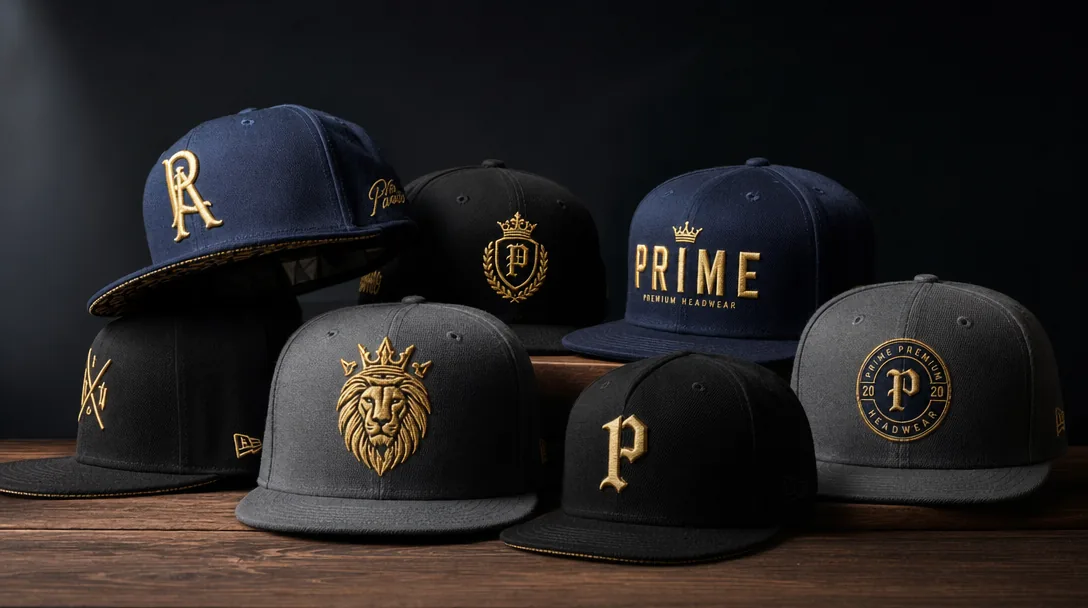
Custom Leather Patch Hat Low Minimum: A 2026 B2B Sourcing Guide
Read article →
Mens Beanies: Properties, Costs and How to Spec It Right
Read article →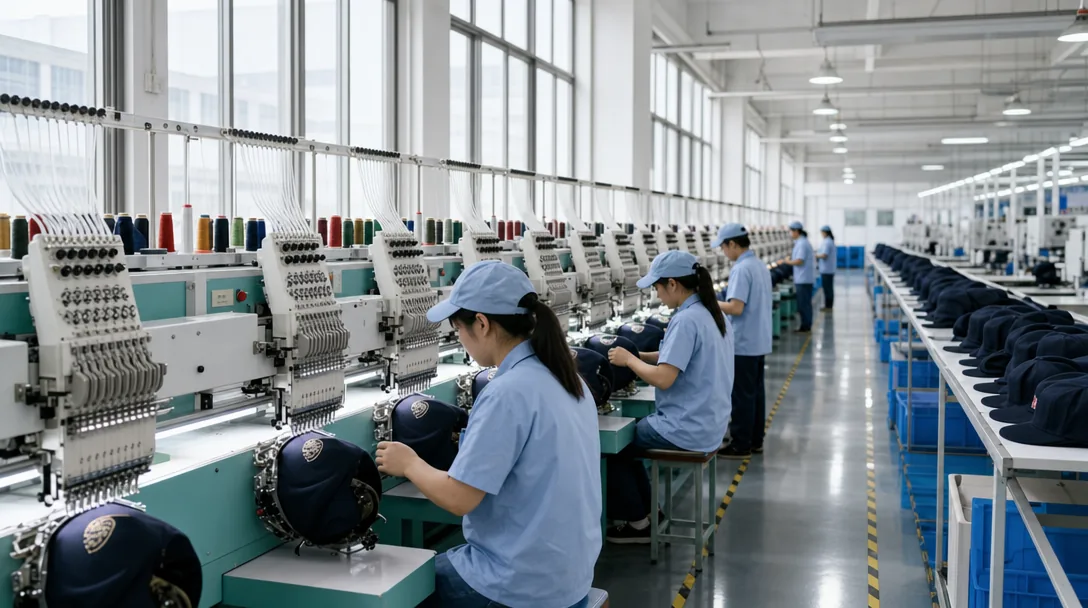
Bulk Trucker Hats Export Shipping Checklist for Custom Hat Buyers - Cost & MOQ Breakdown - Supplier Checklist
Read article →We hope this guide demystifies custom logo hats: when to use it, costs, and what to ask your factory - supplier checklist (2026 update) - 2026 buyer's guide - cost & moq breakdown and helps you move forward with confidence. If you have questions specific to your project, our English-speaking sales engineers are one message away.