
Custom Hats for Men: A 2026 B2B Sourcing Guide - Supplier Checklist
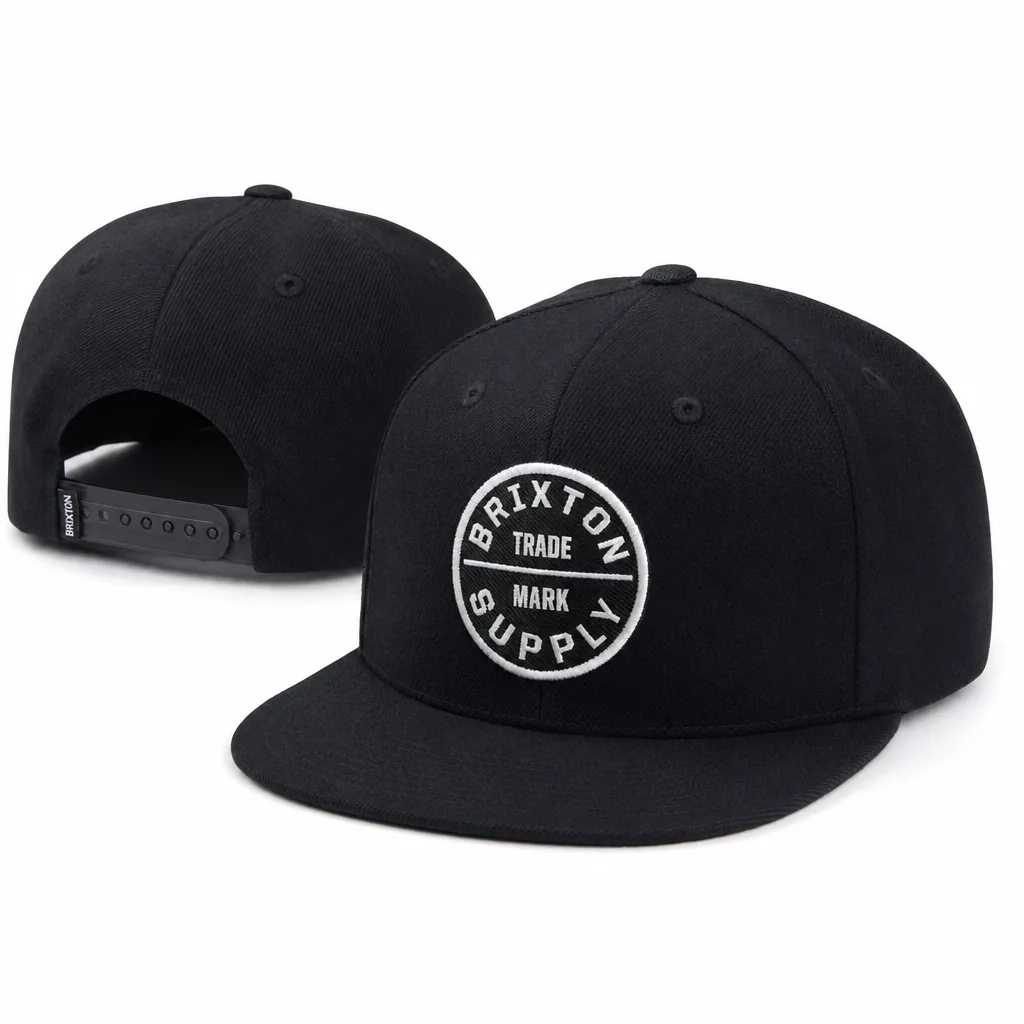
Every week, our sales team answers detailed questions about custom hats for men: a 2026 b2b sourcing guide - supplier checklist. We wrote this guide so that wholesalers, streetwear brands, corporate buyers and promotional resellers can compare options with full information, and avoid the traps that show up only after production has started.
Custom Hats for Women
Most fit failures happen because the factory simply scales down a men’s cap block by 3% to 5% and relabels it as women’s. On the production floor, that shortcut shows up immediately: crown height sits too proud, the visor reads oversized, and the back opening interferes with ponytails or smaller head circumferences. A proper women’s pattern should be drafted separately, usually around a 54–58 cm size range, with a shallower crown depth, reduced front-panel angle, and rebalanced visor proportion on 6-panel baseball caps, unstructured dad caps, and bucket hats. If you are developing women’s styles alongside custom hats for men, keep shell fabric within the same dye lot and approve Pantone TCX lab dips across body fabric, closure tab, sweatband binding, and sandwich brim, with Delta-E under 1.5 if you want the sets to look genuinely matched at retail.
The technical spec also needs more discipline than most buyers put into a first tech pack. Call out fabric by exact construction and weight—210 gsm brushed cotton twill, 280 gsm recycled canvas, 110x76 poly-cotton chino, or 300D performance polyester—then define sweatband composition, buckram stiffness, visor insert, closure hardware, seam tape, and SPI. Embroidery has to be recalibrated for the lower-profile block: on Tajima or Barudan machines, small front logos usually need lighter fill density, cleaner edge-run underlay, and tighter backing selection to avoid tunneling, needle cuts, and puckering. Commercially, Zhejiang factories typically quote MOQ 144–300 pcs per colorway for a fully custom women’s cap, while stock-body decoration programs can start at 48–100 pcs. Real FOB ranges are usually $2.20–$4.80 for washed cotton and $3.80–$6.50 for technical polyester, with cost moving above $5.50 once you add custom metal trims, satin lining, or retail-grade folding boxes.
Inspection is where margin is protected. The repeat defects on women’s caps are not complicated, but they are expensive if missed early: visor asymmetry, top-button drift, closure misalignment, fine satin-stitch puckering, and inconsistent crown height within the same carton. For embroidery programs, run an inline approval after the first 20 pieces on each Tajima, Barudan, or ZSK head, then hold finished-goods inspection at AQL 2.5 with tape measurement at key control points, carton drop review, and color comparison under a standard light box. If the supplier is also making custom fitted hats for men or broader custom hats for men programs, keep women’s fit on its own signed approval sample; grading, trim placement, and sweatband tolerances do not transfer cleanly between blocks. Strong factories can manage both under the same sedex-audit-cap-supplier-guide.html">BSCI 2.0 or Sedex SMETA 4-Pillar framework, but only if they treat women’s and men’s development as separate technical jobs, not one pattern with scaled dimensions.
Custom Golf Hats for Men
Reorder rates in golf are driven by fit retention, heat management, and clean presentation after 18 holes; decoration comes after that. For custom hats for men sold through pro shops, club tournaments, and resort retail, the most reliable spec is a structured 6-panel or low-profile 5-panel rope cap in 95% polyester / 5% spandex microfiber at 150-175 gsm, usually with laser perforation on the side and rear panels and a light fused buckram that holds the front without the hard, boxy feel buyers reject in summer programs. The sweatband needs to be fixed before the first proto. Basic cotton twill is cheap, but it salts out, yellows, and prints sweat lines fast; a wicking polyester knit or poly-spandex sweatband with antimicrobial finish typically adds only $0.12-$0.22 per piece FOB and performs materially better in resort heat. Closures matter more than many buyers assume: snapbacks are still the floor on cost, but laser-cut tuck straps, woven hook-and-loop, and micro Velcro usually generate fewer fit complaints across mixed age groups and look cleaner in country-club retail. A golf-cap tech pack should read like an engineering sheet, not a mood board. Lock crown height in centimeters, visor length and curvature, panel perforation diameter and pitch, sweatband construction, eyelet method, seam tape color, rope diameter, closure hardware finish, and logo placement tolerance at ±2 mm. If the style has to sit inside a broader custom hats for men program, tie shell, undervisor, rope, and closure trims to Pantone TCX and hold bulk dye lots to Delta-E under 1.5; dark heather charcoal, mélange gray, and cationic heather poly are frequent drift points on repeat orders. Real 2026 FOB China pricing for a full-custom mid-grade golf cap is usually $3.20-$5.80 with flat embroidery on Tajima, Barudan, or ZSK heads, moving to roughly $6.20-$9.50 once you add perforated panels, welded seam taping, molded TPU branding, or premium closure hardware. MOQ is commonly 144-300 pieces per colorway for fully custom builds, while stock-body programs often start at 48-100 pieces.
Final inspection should focus on the failures golfers notice on head, not just whether cartons look tidy. The repeat defects are visor warp after compression packing, inconsistent crown height within the same lot, embroidery puckering on thin technical polyester, loose seam taping, rope misalignment, twisted sweatbands, and color bleeding from dark crowns into light undervisors after sweat exposure. AQL 2.5 is a practical shipment standard for bulk orders, but event-driven programs should also require perspiration and crocking checks, carton drop testing, and wear trials on at least three pre-production samples across different head sizes. If the cap includes a magnetic ball marker, add needle-control records and metal contamination checks to the QC file; that is basic factory discipline, not an optional extra. Golf caps sit at the more technical end of custom hats for men because panel stability, breathability, and repeat sizing matter more than on commodity promo caps. A supplier should be able to show stitch-count confirmation before quotation, fabric composition and gsm reports, colorfastness data, and measurement consistency by style across repeat POs. In practice, that means checking visor length tolerance within about ±3 mm, crown-height variance within ±3 mm, closure function over repeated open-close cycles, and embroidery density that does not distort lightweight shells. Our standard practice is to flag puckering risk early when logos exceed about 8,000-10,000 stitches on 150 gsm performance fabric, because the wrong backing choice will ruin an otherwise good cap faster than any missed cosmetic defect.
Custom Fedora Hats for Men
Fedora programs go wrong when buyers source them like six-panel caps. A men’s fedora is blocked from a formed body, so the factory needs to declare the substrate before quoting: 100% wool felt, rabbit-wool blend felt, toyo paper braid, raffia braid, or sewn straw. Lock the shape in the tech pack with crown height at 11-13 cm, brim width at 5-7 cm, sweatband width at 30-35 mm, and head-size tolerance no looser than +/-3 mm; if those numbers float, repeat orders drift because blocking, steaming, sanding, and cooling all move the final profile. Ask for felt weight in gsm, ribbon width in mm, brim edge finish (raw edge, bound edge, welt edge), sweatband material, and color approval against Pantone TCX. On trim components, a Delta-E target below 1.5 is realistic; on felt bodies, below 2.0 is a more honest control limit because dye uptake is less uniform than on woven fabric. For buyers managing broader custom hats for men programs, that distinction matters: fedoras need their own block library, grading, and finishing SOP, not a resized unisex shape.
MOQ and cost are driven more by body material and finishing loss than by the visible trim package. Commercial wool felt fedoras usually start at 50-100 pcs per color per shape, while rabbit-blend felt, paper braid, and finer straw bodies are more commonly 100-150 pcs because blocking loss, cracking, and rework rates are higher. In Zhejiang, a basic wool felt fedora with grosgrain ribbon, woven main label, and standard PU sweatband typically prices around US$8-14 FOB; add satin lining, genuine leather sweatband, edge binding, metal logo plaque, or custom printed tip liner and the workable range moves to roughly US$15-24 FOB. If a supplier mainly runs Tajima, Barudan, or ZSK embroidery heads for caps and outsources blocking, lead-time control usually suffers and you will see more variation in pinch depth, brim curl, and band placement. Inspection should focus on shape retention before cosmetics: asymmetrical brim curl, twisted ribbon, bow puckering, glue bleed under the band, sweatband seam bulk, and size shift after steaming are the repeat failures. AQL 2.5 is a good baseline, but add carton compression checks and a 24-hour stabilization check at ambient humidity; that catches the claims that surface-only inspection misses on darker felts and low-grade PU inner bands.
Custom Fitted Hats for Men
Fit is the whole product in custom fitted hats for men; if the circumference grading is off by even 0.5 cm, returns spike and the hat gets blamed for comfort, shape, and brand quality all at once. Most fitted caps are built on a 6-panel or 8-panel pattern using 108x58 cotton twill at 270-320 gsm, brushed chino around 240 gsm, or performance polyester in the 140-180 gsm range for athletic programs. The crown panels are cut by size set, fused where needed, then stitched with a sweatband matched to each internal circumference, usually from 54 cm to 62 cm in 1 cm increments. On the factory floor, embroidery is normally run before panel assembly on Tajima or Barudan heads to keep logo registration clean, while 3D puff needs foam density and stitch angle tuned so the front seam does not split after blocking. For buyers comparing custom hats for men categories, fitted styles are less forgiving than snapbacks because there is no closure to hide pattern or grading mistakes, so spec control matters more than decoration alone.
The RFQ should ask for size chart by finished inner circumference, crown height, visor length, visor curve, sweatband material, fabric composition, buckram thickness, and stitch count per inch on key seams. If you want repeatable color across reorders, give Pantone TCX references for shell fabric and embroidery thread, then require a lab dip or thread cone approval with an acceptable Delta-E tolerance, typically under 1.5 for premium programs. Buyers also need to specify seam tape print, eyelet construction, undervisor color, inner label position, and whether the fit block is high-profile, mid-profile, or low-profile; these details change how a fitted cap sits on the head more than many new importers expect. Our standard practice is to recommend a pre-production sample in the middle size, such as 58 cm, plus one adjacent size to verify grading. That same discipline applies whether the line extends into custom hats for women, custom golf hats for men, or even structured fashion programs that sit closer to custom fedora hats for men in silhouette expectations.
MOQ for custom made hats for men in fitted construction is usually higher than adjustable caps because each size consumes separate cutting, sweatband allocation, carton sorting, and inventory risk. For a standard 6-panel embroidered fitted cap, realistic MOQ is 144 to 288 pieces per color split across 4 to 6 sizes, with FOB China pricing around $4.20 to $7.80 depending on fabric, logo count, and whether you use flat embroidery, 3D puff, woven patches, or applique. Premium wool blends, moisture-wicking headbands, and branded taping can push the unit cost above $8.50, while licensed sports-style custom golf hats for men or teamwear programs often need stricter testing on colorfastness, crocking, and seam strength. The biggest inspection failures are size inconsistency, twisted crown, uneven visor sandwich, misaligned front logo to center seam, puckering at the sweatband join, and loose thread inside the seam tape area. I usually tell buyers to inspect fitted caps at AQL 2.5 with actual circumference measurement by size, because unlike custom fedora hats for men or adjustable caps, a bad fit in custom fitted hats for men cannot be corrected after delivery.
Custom Made Hats for Men
Most buying errors happen before the first sample because buyers treat custom hats for men as one commodity, when the construction method drives cost, fit tolerance, and defect risk. A 6-panel baseball cap in 240-280 gsm cotton twill or brushed chino uses buckram-backed front panels, a PE visor board, 6-8 stitches per inch on the seams, and a relatively stable sewing sequence. A wool-felt fedora is a different factory discipline entirely: blocking, brim flange control, grosgrain binding, sweatband insertion, and much tighter silhouette consistency from piece to piece. If your program mixes fitted caps, truckers, golf styles, and fashion hats, ask which processes are actually in-house. A supplier may own 12-head Tajima or Barudan embroidery machines and still outsource felt blocking, laser perforation, TPU patch bonding, or specialty washing, which adds another handoff, another QC risk, and usually 5-12 extra days to lead time.
Quotes only become comparable when the tech pack removes ambiguity. For custom hats for men, the minimum workable spec should state panel count, crown height, profile, visor curve, fabric composition and gsm, buckram requirement, closure type, eyelet construction, seam tape print, logo size in millimeters, decoration method by position, and color reference in Pantone TCX or Pantone Coated. Size grading matters just as much: adjustable caps can often run at 144 pcs per colorway, but fitted size sets usually need 288-500 pcs because ratios across 6 7/8 to 7 5/8 create dead-stock exposure fast. In 2026, realistic FOB China pricing is about $2.80-$4.60 for basic embroidered twill caps, $4.80-$7.50 for polyester performance or golf caps with laser-cut panels and moisture-management sweatbands, and $8.00-$18.00 for lower-volume fashion programs with custom trims, printed taping, or multi-location decoration. If a price lands far below market, assume something was stripped out—digitizing, inside labels, mold fees, hangtags, or upgraded carton spec are the usual omissions.
Inspection is where weak factories get exposed because the expensive failures are measurable, not subjective. On custom hats for men, the claims that trigger retailer deductions are usually front logo placement drifting more than 2 mm off center, visor asymmetry, seam puckering at the crown join, exposed embroidery backing, twisted sweatbands, incorrect size labels, and fabric or thread color variation above Delta-E 1.5 from the approved standard. AQL 2.5 is a sensible finished-goods benchmark, but the visual standard should be tighter on logo centering, visor shape, crown depth, and fitted size ratio because those are the defects buyers cannot repair after arrival. For 3D puff embroidery, check foam rebound after compression packing; for woven, leatherette, or TPU patches, test edge adhesion after heat exposure inside export cartons. Do not accept a relabeled unisex block as a men’s fit. If the supplier also offers women’s or youth companion styles, confirm the pattern, crown depth, and visor proportion were actually redrafted rather than just relabeled, because repeat orders usually fail on fit consistency before they fail on decoration.
Custom Baseball Hats for Men
For custom baseball hats for men, the construction package is where margin is won or lost; if the cap architecture is vague, the factory will fill the gaps with whatever trims and backing are cheapest that week. Lock the build before sampling: 5-panel or 6-panel, low/mid/high crown, structured buckram or unstructured front, flat or pre-curved visor, snapback/strapback/fitted closure, and fabric by fiber content and weight. In China, the safest baseline fabrics are still 100% cotton twill at 240-280 gsm, brushed chino at 250-270 gsm, and poly heather at 180-220 gsm. Anything looser than that invites substitution, especially on underbill cloth, sweatband quality, and brim board stiffness. For athletic custom hats for men, moisture-wicking polyester, perforated side panels, and lighter 30-40 mm sweatbands outperform heavy cotton handfeel; for streetwear, crown silhouette, underbill texture, and visor edge finish matter more than novelty trims. A spec sheet should leave the sample room almost no room to improvise. Call out crown height in millimeters, visor length and curve, eyelet type, top button, visor stitch rows, seam taping width, sweatband composition, closure material, and decoration method: flat embroidery, 3D puff, woven patch, TPU patch, felt appliqué, or screen print. Use Pantone TCX for fabric and Pantone Solid Coated for plastic or metal trims, and set color tolerance realistically: Delta-E under 1.5 for premium dyed components is achievable, but only with disciplined lot control. Ask what embroidery platform the factory runs; Tajima, Barudan, and ZSK heads hold cleaner satin columns and more legible 3 mm text than clone machines, especially on structured fronts with dense fill stitching. Typical MOQ is 144-300 pieces per colorway in stock fabric, while custom-dyed cloth, bespoke metal hardware, or molded closures usually push MOQ to 500+. A basic 6-panel cotton twill cap with front flat embroidery generally lands around $2.20-$3.80 FOB China at 300 pieces; fitted runs with interior taping print, molded rubber patches, and full size breaks usually land at $4.20-$7.50 FOB because grading, cutting loss, and carton complexity all increase.
Inspection is where weak baseball-cap suppliers get exposed, because the biggest failures are usually repeatability defects rather than dramatic damage. The returns come from logo placements drifting 2-3 mm off center, asymmetrical crown blocking, inconsistent bill curve, puckering around heavy embroidery, loose topstitch tension, exposed seam allowance at the sweatband join, or mixed closures inside the same carton. A serious final inspection for custom hats for men measures finished circumference by size, visor length and symmetry, embroidery position from center front, crown height tolerance, and shade continuity across crown, visor, button, and underbill. AQL 2.5 is a sensible baseline for finished caps, but only if the inspector is taking point-to-point measurements and checking packing assortments instead of doing a fast visual sweep. Supplier fit matters as much as quoted FOB. A factory that is competent in low-cost promo caps can still fail badly on performance baseball programs that need stable blocking, cleaner seam taping, lighter denier moisture-management fabrics, and tighter embroidery registration. Fitted caps are even less forgiving because closed-back size runs require disciplined grading, better bundle control in cutting, and more consistent steaming to hold the final silhouette. In practice, baseball caps are the best benchmark SKU because they reveal whether a supplier can control crown symmetry, brim consistency, decoration accuracy, and carton discipline in bulk rather than only in the sample room. If a factory cannot keep shape, size, and logo placement stable on a 300- to 1,000-piece baseball order, it is unlikely to scale a broader custom hats for men program without expensive rework.
Working with CrownsForge for custom hats for men programs
The fastest way to de-risk a custom hats for men program is to freeze the sample gate before you argue over FOB pricing. A workable timeline is 3-5 business days for a strike-off or digital render, 7-10 days for the first physical prototype, and 10-14 days for a wear-test sample when the build is non-standard—think high-profile 6-panel rope caps, Melton wool-blend crowns, laser-perforated side panels, or fedora bodies with custom sweatbands and satin taping. MOQ is not a slogan number; it moves with fabric yield, decoration setup, and size complexity. A basic brushed cotton twill dad cap can often run at 48-100 pieces per colorway, while closed-back fitted custom hats for men usually need 144-288 pieces so size ratios, cutting loss, and cap body booking still make sense. On first orders, smart buyers cut SKU count and keep Pantone TCX approvals tight, because every extra visor sandwich color, underbill print, or woven-label revision adds another approval loop and usually another few days of delay.
Process control matters more than buyers expect, especially once embroidery, patch sewing, and finishing are split across subcontractors. The first failures usually show up at the logo edge, crown shape, visor symmetry, and trim color matching. Keeping flat embroidery, 3D puff, applique, woven patch application, heat-transfer labels, and finishing under one roof—using Tajima or Barudan heads with digitizing matched to the cap profile—gives much better control over stitch density, foam height, pull compensation, and front-panel distortion. That matters on lightweight 120-180 gsm polyester-spandex shells used in golf and performance custom hats for men, where bad digitizing will pucker perforated panels or collapse the crown face. The safer retail method is to seal one pre-production sample, freeze the embroidery file, and issue a written tolerance sheet for crown height, visor curve, head opening, stitch count, and trim placement. For dyed fabrics and trims, a realistic standard is Delta-E 1.5-2.0 against approved lab dips, then inline checks and final inspection at AQL 2.5 before shipment release.
A supplier becomes scalable when compliance and workflow are boringly predictable. Buyers need real support: BSCI 2.0 or Sedex SMETA 4-Pillar audit status, RSL alignment, and trace documents when the order uses recycled polyester, organic cotton, or branded yarns. The clean sequence is simple: tech pack review, quotation with construction assumptions stated line by line, pre-production sample approval, raw-material booking, inline inspection, final audit, and shipment release only after carton assortment, barcode, net weight, and gross weight match the PO. That structure works for a 300-piece launch and for a 12,000-piece replenishment because the failure points on hats are usually repetitive—wrong buckle plating, uneven sweatband joins, embroidery thread shade drift, inconsistent visor curvature, or master cartons packed too heavy for the freight plan. In practice, controlling those checkpoints early saves more money than forcing the last $0.20 off the ex-factory price.
Frequently Asked Questions
What is the minimum order quantity (MOQ) for custom hats?
Our standard MOQ is 100 pieces per design and color, with sampling available from 1 piece. For complex multi-color logos or premium fabric upgrades, the MOQ can be lowered with a small per-piece surcharge.
Do you support sustainability certifications?
Yes. We work with GOTS organic cotton, GRS-certified recycled polyester, OEKO-TEX Standard 100 fabrics, and are BSCI and Sedex audited. Certification documentation can be provided per order.
How long does production take?
Sampling takes 7 to 12 days. Bulk production runs 20 to 30 days depending on quantity, fabric availability and decoration complexity. Inspection and packing adds another 3 to 5 days before shipment.
What logo decoration techniques do you offer?
3D puff embroidery, flat embroidery, woven patch, leather patch, PVC patch, screen printing, sublimation, applique and laser etching, all in-house with no subcontracting.
Can I order a sample before bulk production?
Yes. We strongly recommend approving a pre-production sample before mass production. Samples are charged at 35 to 60 USD each plus express shipping, fully refundable against confirmed bulk orders over 500 pieces.
How does ordering custom fitted hats work?
When evaluating custom fitted hats, the key considerations are construction quality, decoration capability, MOQ flexibility and lead time. Cover everything buyers ask about custom fitted hats for men: how it's manufactured, what specs to request from a factory, typical MOQ and pricing, common quality issues to inspect for, and how this ties back to the broader custom hats for men sourcing decision. Cover everything buyers ask about custom hats for women: how it's manufactured, what specs to request from a…
How does ordering custom new era 59fifty fitted hats work?
When evaluating custom new era 59fifty fitted hats, the key considerations are construction quality, decoration capability, MOQ flexibility and lead time. Cover everything buyers ask about custom fitted hats for men: how it's manufactured, what specs to request from a factory, typical MOQ and pricing, common quality issues to inspect for, and how this ties back to the broader custom hats for men sourcing decision. Cover everything buyers ask about custom hats for women: how it's manufactured, what specs to request from a…
How does ordering custom baseball hats for men work?
When evaluating custom baseball hats for men, the key considerations are construction quality, decoration capability, MOQ flexibility and lead time. Cover everything buyers ask about custom baseball hats for men: how it's manufactured, what specs to request from a factory, typical MOQ and pricing, common quality issues to inspect for, and how this ties back to the broader custom hats for men sourcing decision. Cover everything buyers ask about custom hats for women: how it's manufactured, what specs to request from a…
What's the MOQ for custom golf hats no minimum?
When evaluating custom golf hats no minimum, the key considerations are construction quality, decoration capability, MOQ flexibility and lead time. Cover everything buyers ask about custom golf hats for men: how it's manufactured, what specs to request from a factory, typical MOQ and pricing, common quality issues to inspect for, and how this ties back to the broader custom hats for men sourcing decision. Cover everything buyers ask about custom hats for women: how it's manufactured, what specs to request from a…
Ready to start your custom hat project?
Send us your tech-pack, sketch or even just an inspiration photo. We will respond with a detailed quotation and digital mock-up within 24 hours.
Request a free quoteRelated guides
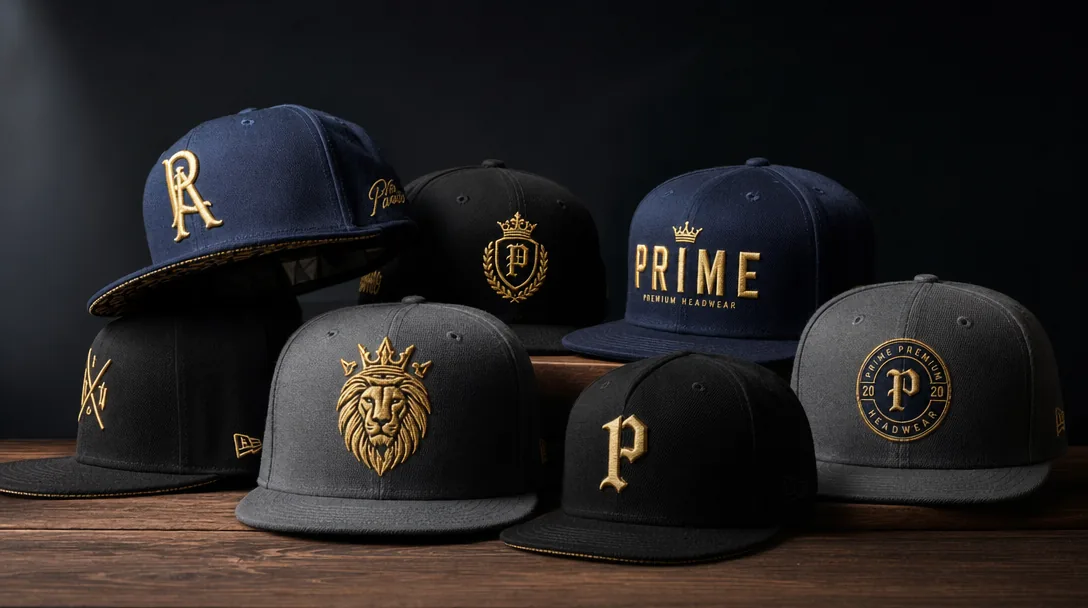
Refreshing a Hat Collection: A Repeat-Order Playbook for Established Brands
Read article →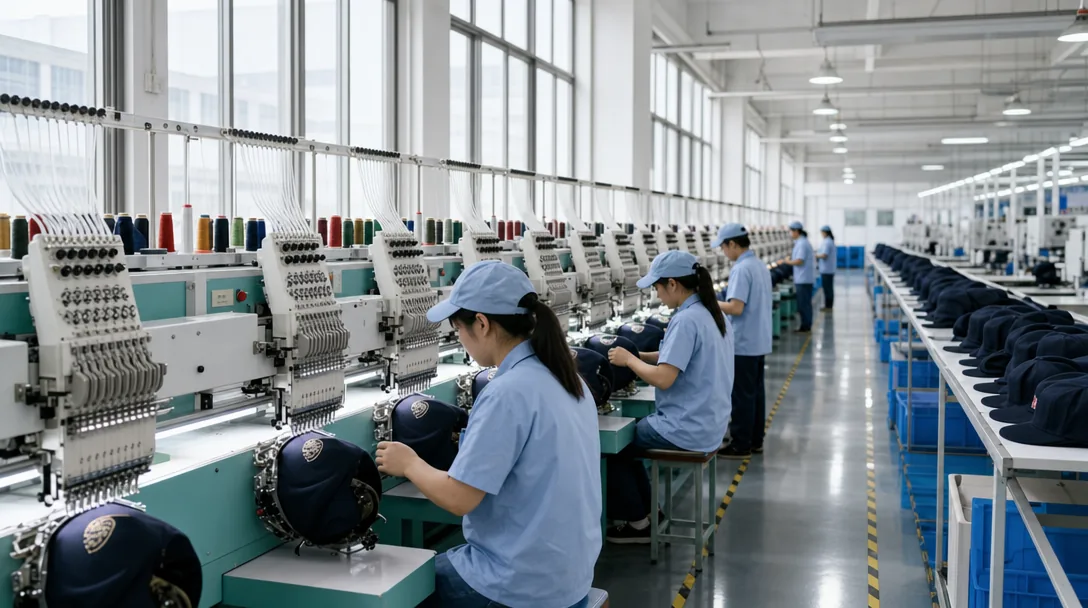
Ball Caps for Women: A 2026 Sourcing Playbook for International Buyers - 2026 Buyer's Guide
Read article →Festival Bucket Hats Reorder Planning Guide for Custom Hat Buyers
Read article →We hope this guide demystifies custom hats for men: a 2026 b2b sourcing guide - supplier checklist and helps you move forward with confidence. If you have questions specific to your project, our English-speaking sales engineers are one message away.