
Custom Hats for Men: A 2026 B2B Sourcing Guide (2026 Update)
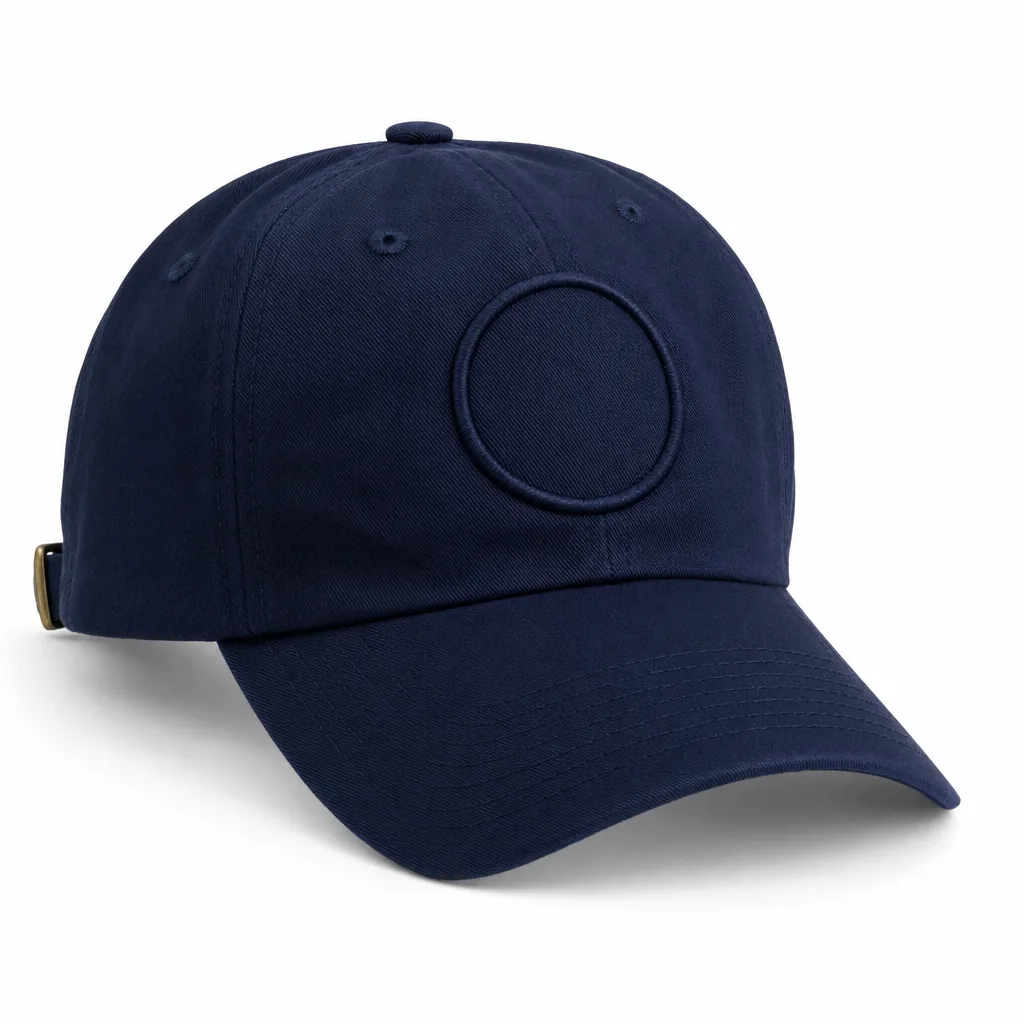
For brand owners, wholesalers and procurement teams entering the custom headwear category, custom hats for men: a 2026 b2b sourcing guide (2026 update) is one of the highest-leverage decisions you will make. Get it right and your unit economics, retail story and reorder cycle all improve. Get it wrong and you carry the cost for years.
Custom Hats for Women
Treat women’s headwear as its own fit block, not a downsized version of custom hats for men. In production, the difference usually starts at finished circumference and crown geometry: many women’s baseball caps fit best at 56–58 cm with an 8.5–9.0 cm crown depth, while standard men’s stock blocks are often 58–60 cm with a taller front rise and steeper side-wall profile. That mismatch shows up immediately on head: the visor pitch kicks up, front panel tension distorts logos, and the back opening rides too high even if you shorten the strap. Buyers running parallel men’s and women’s capsules should issue separate tech packs, separate grading rules, and separate wear-test approvals. A so-called unisex pattern with only a different closure is usually where return rates start creeping above 4–6% on DTC programs. Material selection also needs a softer hand and lower front-panel stiffness. The commercial sweet spot is usually 8–9 oz washed chino, 10 oz brushed cotton twill, peached canvas, or recycled polyester microfiber in the 120–160 gsm range, paired with half buckram or no buckram at all to avoid the boxy front common on men’s promo caps. On fashion silhouettes, small construction details matter more than buyers expect: 7–9 SPI versus 10–12 SPI changes seam appearance, a 1–2 mm difference in seam tape width affects interior bulk, and a top button that is too large makes the crown look crude. If the cap has to coordinate with apparel, call out Pantone TCX references and hold color to Delta-E 1.5 or tighter across shell, tape, underbill, and closure tabs.
Women’s caps are less forgiving because the category sells on silhouette and trim balance, so decoration and QC need tighter control than many buyers apply to custom hats for men. On lighter fabrics, embroidery has to be digitized with restrained underlay and lower stitch density—typically around 0.35–0.40 mm spacing on satin columns—so the front panel does not tunnel or pucker. That matters whether the sewing floor is running Tajima, Barudan, or ZSK heads; the machine brand won’t save bad digitizing. Small fashion marks, script logos, and tonal embroidery should be strike-off approved on the actual shell fabric, not on a generic twill swatch. Decorative trims add risk quickly: nickel-free buckles, pearl chains, rhinestone heat transfers, and metal logo plaques all create extra failure points in plating, alignment, edge finishing, and wash durability. Cost is driven more by trim package and handling time than by gender. A basic 6-panel washed twill cap with flat embroidery is commonly 144–300 pieces per colorway at roughly $3.20–$5.80 FOB China, while mixed materials, enzyme wash, custom hardware, satin lining, or branded metal trims push the same style into the $6.50–$10.00 range, with development charges of $35–$80 per sample. The recurring defects are predictable: visor asymmetry over 3 mm, off-center embroidery beyond 2 mm, shell-to-underbill shade variation, scratched plating, and rough interior seam allowances that catch hair. Our standard practice is to seal one pre-production sample per silhouette and inspect bulk at AQL 2.5 against that master, because suppliers that can handle men’s team caps are not automatically competent at women’s fashion blocks.
Custom Golf Hats for Men
Golf programs fail at the spec stage more often than at decoration. For custom hats for men aimed at golf, buyers should lock weight, airflow, and crown shape before they argue about logo treatments. The commercial sweet spot is still a lightweight 6-panel performance cap, a rope cap with a semi-structured front, or a low-profile unstructured silhouette for resort shops and private-label club accounts. The safest shells are 95-130 gsm microfiber polyester, 95-120 gsm RPET woven from 75D or 100D yarns, or 180-220 gsm brushed cotton twill when the brief calls for a heritage hand feel instead of a technical one. For hot-weather play, specify laser-perforated side or rear panels, 75D/144F polyester mesh, a 30-40 mm moisture-wicking microfiber sweatband, and a black or dark gray undervisor to reduce glare off fairways and bunker sand. Do not allow UPF 50+ claims on hangtags unless the mill can supply AATCC 183 or equivalent test results; otherwise procurement is approving unsupported copy, not a verified performance standard.
Logo method has to match panel stability. On structured fronts with consistent buckram, 3D puff embroidery runs cleanly on Tajima, Barudan, or ZSK heads, but ultralight golf bodies usually hold fine detail better with silicone heat-transfer badges, TPU emblems, or flat embroidery with reduced stitch density. If you want premium execution, lock shell fabric to Pantone TCX references and hold embroidery thread within Delta-E 1.5 of approved lab dips. A golf tech pack should read like an inspection sheet: crown height, visor length and curvature, panel geometry, buckram thickness in mm, brim board density, seam-tape color, eyelet method, closure type, hardware finish, and logo placement tolerance of +/-2 mm. MOQ is usually 144-300 pieces per colorway in stocked performance fabric, while a dyed-to-match program with custom closure, woven labels, and branded inner taping typically starts at 500 pieces. In 2026, realistic FOB China pricing is about $3.20-$5.80 for a basic polyester style with flat embroidery and $5.90-$8.50 for a rope cap with perforation and upgraded trims. Final inspection should be AQL 2.5, with visor-curve templating, closure slippage checks, carton drop testing, crocking checks on pale bodies, and embroidery distortion review around the sweatband, where sunscreen, salt, and perspiration expose weak dye fixation fast.
Custom Fedora Hats for Men
Factory capability decides whether a fedora program is viable, because a blocked wool felt fedora, a sewn polyester trilby, and a paper-braid resort hat use completely different production routes. A true fedora body is steamed, pulled over an aluminum or hardwood block, dried under tension, flanged to set brim angle, then edge-finished, lined, sweatbanded, and trimmed. If a supplier cannot identify its blocking line, flange sets, felt-body source, or how it controls shrinkage after steaming, you should expect size drift and inconsistent crown geometry across the run. For custom hats for men, that matters more in fedoras than in panel-built caps because shape is the product. Material specs should be written in measurable terms: 100% wool felt, 70/30 wool-poly felt, or rabbit-fur felt body; target weight around 180-260 gsm equivalent for entry wool programs; and post-steam stiffness or recovery standard, not vague language like "firm hand." Rabbit-fur bodies cost materially more, but they rebound after packing better and hold a cleaner pinch through wear.
The tech pack has to lock down shape, not just color and logo placement. Specify internal head opening by size, finished tolerance within plus or minus 3 mm, center-front and side crown height, pinch depth, brim width, flange angle, sweatband width, and ribbon width. New blocks or custom flange tooling typically push MOQ to 300-500 pieces per color and style, while existing shapes can often run at 100-300 pieces; tooling fees in China commonly land around $80-$250 per block or flange set. Straw and braid fedora programs need different language entirely: define paper braid or PP braid, braid density, lacquer finish, seam closure method, and brim memory after compression. FOB pricing for 2026 is usually about $6.50-$11.00 for wool-blend fashion fedoras, $12.00-$22.00 for cleaner wool felt with tighter trim execution, and higher again for rabbit-fur felt depending on body source and sweatband material.
Most chargebacks on fedora orders come from trim shortcuts and weak inspection discipline, not the hat body itself. Specify the sweatband carefully: cheap PU can hydrolyze within 9-18 months in humid storage, while microfiber, cotton twill, or sheepskin are more reliable depending on target price. Ribbon should be called out as Petersham or grosgrain with exact width, bow placement, overlap direction, and whether it is spot-tacked or fully stitched. Dense embroidery directly on felt is risky; poor backing tension on Tajima or Barudan heads can telegraph through the shell, so foil-stamped sweatbands, woven labels, under-brim labels, or metal logo pins are usually safer branding choices. Final inspection should run at AQL 2.5 with symmetry first: measure circumference across sampled sizes, compare left-right brim width, verify crown centerline, and check shade variance between body and ribbon to Delta-E 1.5 or tighter. Our standard practice is nested export cartons with brim supports, 5-ply outers, and desiccant, because blocked fedoras deform faster than most custom hats for men when carton pressure and humidity are not controlled.
Custom Fitted Hats for Men
Returns on fitted caps come from size drift, not obvious cosmetic defects. If the finished head opening is off by even 2-3 mm, buyers call the cap shallow, twisted, or inconsistent across the size run, even when the embroidery is perfect. For custom hats for men in fitted programs, the baseline construction should be locked early: closed back, 6-panel structured crown, full buckram on the front two panels, ring-set sweatband, taped internal seams, and a separate crown block for each size group. Factories that try to run one forming block from 6 7/8 through 7 5/8 usually create profile drift at the side-panel transition and front rise. Material choice also changes fit stability more than many buyers expect. Common options are 16x12 wool-blend melton at 260-320 gsm, brushed cotton twill around 220-280 gsm, polyester performance twill at 180-240 gsm, and acrylic heather in the 200-260 gsm range. The right sequence is non-negotiable: graded CAD patterns by 1/8 size, panel cutting, front fusing, embroidery on Tajima, Barudan, or ZSK heads before assembly, visor insertion, sweatband joining, then final blocking on heated aluminum molds. Skip size-specific blocking and the cap may measure correctly at the opening but still wear wrong on head.
The spec pack for fitted custom hats for men has to be tighter than for snapbacks because every tolerance stacks at the opening. Standard size runs are 6 7/8 to 7 5/8 in 1/8 increments; streetwear and team programs often extend from 6 3/4 to 8. Call out finished circumference tolerance by size, crown height, front panel angle, visor length and width, top button diameter, eyelet stitch count, sweatband width and composition, undervisor color, seam-tape artwork, and maximum embroidery area in millimeters so the digitizer does not overpack small lettering. If you want color consistency on visible trims, specify Pantone TCX references and Delta-E below 1.5 on crown fabric, undervisor, and woven labels. Performance builds should also define moisture-wicking sweatbands, laser-perforated side panels, and UPF-treated polyester or nylon blends. MOQ is typically 144-300 pieces per color in stock fabric, but a real custom fitted build with branded seam tape, woven size labels, matched underbill, and custom visor tooling usually starts around 500 pieces. In China, standard fitted caps are commonly $4.80-$8.50 FOB; wool melton, appliqué, or licensed-detail builds more often land at $8.50-$16.00.
Inspection on fitted hats has to prioritize measurement control over surface appearance. A cap can pass a casual visual check and still fail at retail because the opening runs tight by 2 mm, the visor sits off-center by 1.5 mm, or the sweatband join creates a pressure point at the rear seam. The critical checks are finished circumference by size, left-right crown symmetry, front rise consistency, visor centering, top-button alignment, side-panel balance, sweatband join bulk, and post-forming shrinkage after steaming. On the factory floor, the repeat defects are predictable: puckering along the sweatband stitch line, visor twist after edge stitching, embroidery distortion from over-fused front panels, loose seam-tape tails, and size drift caused by unstable fabric or aggressive heat setting. For bulk inspection, AQL 2.5 is a practical baseline, but fitted programs for chain retail or licensed sports goods should also require an approved size set before production, retained measurement records by size, and recheck data after final blocking. At CrownsForge, that paperwork matters as much as the sample itself; it is what separates a good-looking pre-production sample from a fitted program that can survive repeat orders.
Custom Made Hats for Men
Most buyers under-spec custom hats for men at the pattern stage, then blame the factory when PP samples drift from the salesman sample. The variables that actually control fit and repeatability are measurable: crown height in mm, front-panel angle, visor curve radius, buckram basis weight, eyelet method, sweatband composition, closure gauge, and fabric gsm. For a standard 6-panel baseball cap, the safe commercial range is usually 280-340 gsm cotton twill, brushed chino, or cotton/poly twill; performance styles are closer to 120-160 gsm polyester or nylon, often with laser-perforated side panels and a 75D-150D moisture-wicking sweatband. If you are buying fitted custom hats for men, lock head-size grading in 1/8-inch increments and confirm the factory has separate blocking for sizes like 7, 7 1/4, 7 1/2, and 7 3/4. Too many workshops stretch one shell across the full run, which saves labor and destroys fit consistency. Fedora and trilby programs are another supply chain entirely: felt hoods, straw bodies, blocking, brim binding, and pouncing are not work for a promo-cap line.
A disciplined tech pack is worth more than shaving $0.20 off FOB. For custom hats for men, the spec sheet should call out Pantone TCX for shell and trims, embroidery-thread matching to Delta-E 1.5-2.0 where feasible, artwork dimensions in millimeters, stitch-count targets, visor stitch-row count, seam SPI, topstitch tolerance, and placement tolerances for logos and labels. Ask what equipment will run the order. Tajima, Barudan, and ZSK heads do not behave the same on 3D puff; TPU and silicone patches need controlled heat-press temperature, dwell time, and cooling pressure or you will get edge lift after carton transit. Commercial MOQ is typically 144-300 pcs per colorway on stock silhouettes, but 300-500 pcs is more realistic once you change the pattern, closure hardware, custom seam tape, woven labels, or interior branding package. Current China FOB for a basic cotton twill cap with flat embroidery is often $3.20-$5.80 at mid-volume; wool blends, appliqué, metal trims, molded patches, or specialty closures push it toward $7.50-$12.00 before freight, duty, and any DDP margin.
The defects that ruin reorder confidence rarely show up on a polished approval sample; they show up in bulk after 5,000 needle penetrations and a hot container crossing the Pacific. The repeat offenders are embroidery registration drifting 1-2 mm off center, visor sandwich piping with uneven reveal, fused buckram bubbling after heat exposure, back straps cut short by 5-8 mm, and sweatbands twisting because the overlap was not bartacked correctly. On golf and technical styles, add perforation alignment, panel shading under D65 light, weld cleanliness, seam puckering, and lot-to-lot hand-feel variation to the inspection list. Our standard practice is AQL 2.5 final inspection with measurement checks across the full size run, not just one golden sample, and we flag trim-color variance, crown symmetry, and closure pull strength before packing. If a supplier cannot hold those basics at scale, the quoted price is fiction, no matter how good the pre-production sample looked.
Custom Baseball Hats for Men
For most retail and licensed custom hats for men programs, the deal is won or lost on pattern control and front-panel geometry before decoration ever comes up. A six-panel baseball cap should be specified by profile and block: high-profile structured, mid-profile structured, or unstructured dad cap. That choice changes the buckram spec from about 120 gsm fused support to 220 gsm laminated buckram, visor stitch count from 6 to 8 rows, and crown height tolerance by several millimeters. A usable tech pack needs crown height, visor length and curve, fabric composition, closure type, sweatband spec, seam tape artwork, eyelet style, and a Pantone TCX reference with a dyed-fabric tolerance such as Delta-E under 1.5. If those points are left open, the factory will fill them with whatever is already on the line, which is how buyers end up approving a sample that cannot be reproduced at scale.
Fabric and logo specs are where most buyers get vague and pay for it later. Common bodies for men’s baseball caps are 100% cotton twill at 270-320 gsm, brushed chino at 240-280 gsm, washed cotton for a softer handfeel, nylon taslon for lightweight outdoor use, or 65/35 poly-cotton when you need better crocking resistance and lightfastness. Small embroidery below 4 mm cap height should trigger a digitizing review, not blind approval of a mockup; on Tajima, Barudan, or ZSK heads, underlay, pull compensation, and thread path matter more than stitch count alone. If the logo has tight borders, tiny serif text, or stacked lettering, ask for a sew-out on the actual shell fabric, not a flat swatch, because front-panel tension and buckram stiffness will change the result. For custom hats for men, that one sew-out often saves a full production round.
Commercially, the numbers are manageable if the style is defined cleanly. For cut-and-sew baseball caps, realistic MOQ is usually 144-300 pieces per colorway in standard cotton twill, while stock-blank decoration programs can start at 48-100 pieces. In East and South China, 2026 FOB pricing for a basic six-panel embroidered cap at 300-500 pieces is typically $2.20-$3.80 depending on fabric, closure, and embroidery coverage; woven patch, TPU badge, or appliqué versions usually land at $3.10-$5.20. Add-ons such as printed seam tape, contrast undervisor, woven interior branding, metal buckle, or a custom hangtag set generally add $0.15-$0.60 per cap. Fitted caps look clean on paper but create size-balance risk because production is split across 6-8 head sizes, which raises effective MOQ and dead-stock exposure. The failures are predictable too: crooked front embroidery, visor skew over 3 mm, asymmetrical crown panels, loose top-button wrap, and hardware plating that oxidizes after one humid ocean transit. Require inline panel-stage photos, needle-control logs, carton-drop records, and final inspection to AQL 2.5, then verify sweatband SPI, brim curve consistency, head opening tolerance, and logo registration across center seams instead of relying on generic appearance checks.
Working with CrownsForge for custom hats for men programs
The costliest mistakes in custom hats for men programs are almost never in the FOB line; they come from loose pre-production control. I’ve seen more shipments slip because artwork was digitized for flat goods instead of cap geometry, or because the buyer approved embroidery on substitute twill that behaved differently from bulk fabric, than from any yarn or freight issue. The clean workflow is to freeze the full cap architecture before cutting: profile and crown height, visor radius, buckram spec, closure type, head-size tolerance, seam tape artwork, label package, embroidery locations, and Pantone references. In practice, that means digital mockups in 2 to 4 working days, embroidery or patch strike-offs in 5 to 7, a prototype in 7 to 10, and 10 to 14 for a true pre-production sample if you add custom-dyed fabric, molded trims, or branded packaging. MOQ should follow process complexity, not a sales script: 48 to 100 pieces for stock-fabric dad caps and truckers, 144 to 300 for fitteds or premium snapbacks with woven labels and inside taping, and 300-plus once you introduce developed fabric, custom metal hardware, or presentation boxes. Those MOQ bands exist because construction risk changes by style. A standard 6-panel brushed cotton twill cap at 260 to 280 gsm can often share shell fabric across adjacent programs if shrinkage stays under 3 percent and the color is held to an agreed Delta-E target. Performance caps are a separate sourcing lane: most golf styles run 120 to 160 gsm polyester-spandex or recycled performance poly, often with laser-perforated side panels, moisture-management sweatbands, and low-bulk seam finishing that need wear testing and wash checks before scale-up. Fedora and cut-and-sew baseball caps should never be quoted as if they carry the same factory logic; felt body consistency, grosgrain width tolerance, internal sweat leather quality, and blocking variation push both MOQ and reject risk higher. At CrownsForge, the sensible path for new buyers is a controlled pilot run first, then bulk leverage only after fit approval, decoration registration, and export carton specs are stable.
Decoration is where a supplier either protects the brand or quietly degrades it. For custom hats for men, the right method depends on crown structure, fabric weight, coating, and end use, not on what looked good in Illustrator. A 3D puff file has to be tested on the actual cap frame: on Tajima, Barudan, or ZSK heads, stitch density, underlay, seam compensation, and foam height all change with crown height and buckram stiffness. A puff logo that stands up cleanly on a structured mid-profile snapback can tunnel or collapse on a soft A-frame or low-profile dad cap. Patch programs add another layer of risk. Merrow-edge woven, laser-cut TPU, suede, silicone, chenille, and PU leather all require different attachment methods, press temperatures, and dwell times. On nylon taslon, coated recycled polyester, or water-resistant shells, excessive heat will gloss the fabric or distort the panel before the patch ever fails in wear. A competent factory also knows when to push back on the buyer’s preferred decoration choice. Direct screen print on heavily brushed twill usually loses edge definition; dense embroidery on 120 gsm golf fabric can torque the front panel; oversized side embroidery on fitted caps often pulls unless backing weight, stitch direction, and hooping are corrected. Color should be controlled against Pantone TCX for textiles or Pantone Solid Coated where relevant, with dyed trims and shell fabric typically held within Delta-E 1.5 to 2.0 on premium programs. Thread luster still shifts under D65, warm store lighting, and daylight, which is why strike-offs matter more than digital proofs. For bulk orders, one approved BOM, one graded measurement chart, one version-controlled art file, and one carton spec should be tied to the PO, then checked inline and at final inspection to AQL 2.5. The repeat defects are predictable: uneven brim curvature, off-center top button, skewed embroidery, poor sweatband joining, and carton quantity errors.
Frequently Asked Questions
What logo decoration techniques do you offer?
3D puff embroidery, flat embroidery, woven patch, leather patch, PVC patch, screen printing, sublimation, applique and laser etching, all in-house with no subcontracting.
Do you support sustainability certifications?
Yes. We work with GOTS organic cotton, GRS-certified recycled polyester, OEKO-TEX Standard 100 fabrics, and are BSCI and Sedex audited. Certification documentation can be provided per order.
What is the minimum order quantity (MOQ) for custom hats?
Our standard MOQ is 100 pieces per design and color, with sampling available from 1 piece. For complex multi-color logos or premium fabric upgrades, the MOQ can be lowered with a small per-piece surcharge.
How long does production take?
Sampling takes 7 to 12 days. Bulk production runs 20 to 30 days depending on quantity, fabric availability and decoration complexity. Inspection and packing adds another 3 to 5 days before shipment.
Can I order a sample before bulk production?
Yes. We strongly recommend approving a pre-production sample before mass production. Samples are charged at 35 to 60 USD each plus express shipping, fully refundable against confirmed bulk orders over 500 pieces.
How does ordering custom fitted hats work?
When evaluating custom fitted hats, the key considerations are construction quality, decoration capability, MOQ flexibility and lead time. Cover everything buyers ask about custom fitted hats for men: how it's manufactured, what specs to request from a factory, typical MOQ and pricing, common quality issues to inspect for, and how this ties back to the broader custom hats for men sourcing decision. Cover everything buyers ask about custom hats for women: how it's manufactured, what specs to request from a…
How does ordering custom new era 59fifty fitted hats work?
When evaluating custom new era 59fifty fitted hats, the key considerations are construction quality, decoration capability, MOQ flexibility and lead time. Cover everything buyers ask about custom fitted hats for men: how it's manufactured, what specs to request from a factory, typical MOQ and pricing, common quality issues to inspect for, and how this ties back to the broader custom hats for men sourcing decision. Cover everything buyers ask about custom hats for women: how it's manufactured, what specs to request from a…
How does ordering custom baseball hats for men work?
When evaluating custom baseball hats for men, the key considerations are construction quality, decoration capability, MOQ flexibility and lead time. Cover everything buyers ask about custom baseball hats for men: how it's manufactured, what specs to request from a factory, typical MOQ and pricing, common quality issues to inspect for, and how this ties back to the broader custom hats for men sourcing decision. Cover everything buyers ask about custom hats for women: how it's manufactured, what specs to request from a…
What's the MOQ for custom golf hats no minimum?
When evaluating custom golf hats no minimum, the key considerations are construction quality, decoration capability, MOQ flexibility and lead time. Cover everything buyers ask about custom golf hats for men: how it's manufactured, what specs to request from a factory, typical MOQ and pricing, common quality issues to inspect for, and how this ties back to the broader custom hats for men sourcing decision. Cover everything buyers ask about custom hats for women: how it's manufactured, what specs to request from a…
Ready to start your custom hat project?
Send us your tech-pack, sketch or even just an inspiration photo. We will respond with a detailed quotation and digital mock-up within 24 hours.
Request a free quoteRelated guides
Sports Team Caps & Uniform Headwear: Bulk Manufacturing for Clubs and Schools
Read article →
Buckram vs Foam vs Unstructured: Cap Crown Construction Compared
Read article →Custom Trucker Hats: The 2026 Sourcing & Manufacturing Playbook
Read article →We hope this guide demystifies custom hats for men: a 2026 b2b sourcing guide (2026 update) and helps you move forward with confidence. If you have questions specific to your project, our English-speaking sales engineers are one message away.