
Custom Hat Trucker: The 2026 Sourcing & Manufacturing Playbook - 2026 Buyer's Guide
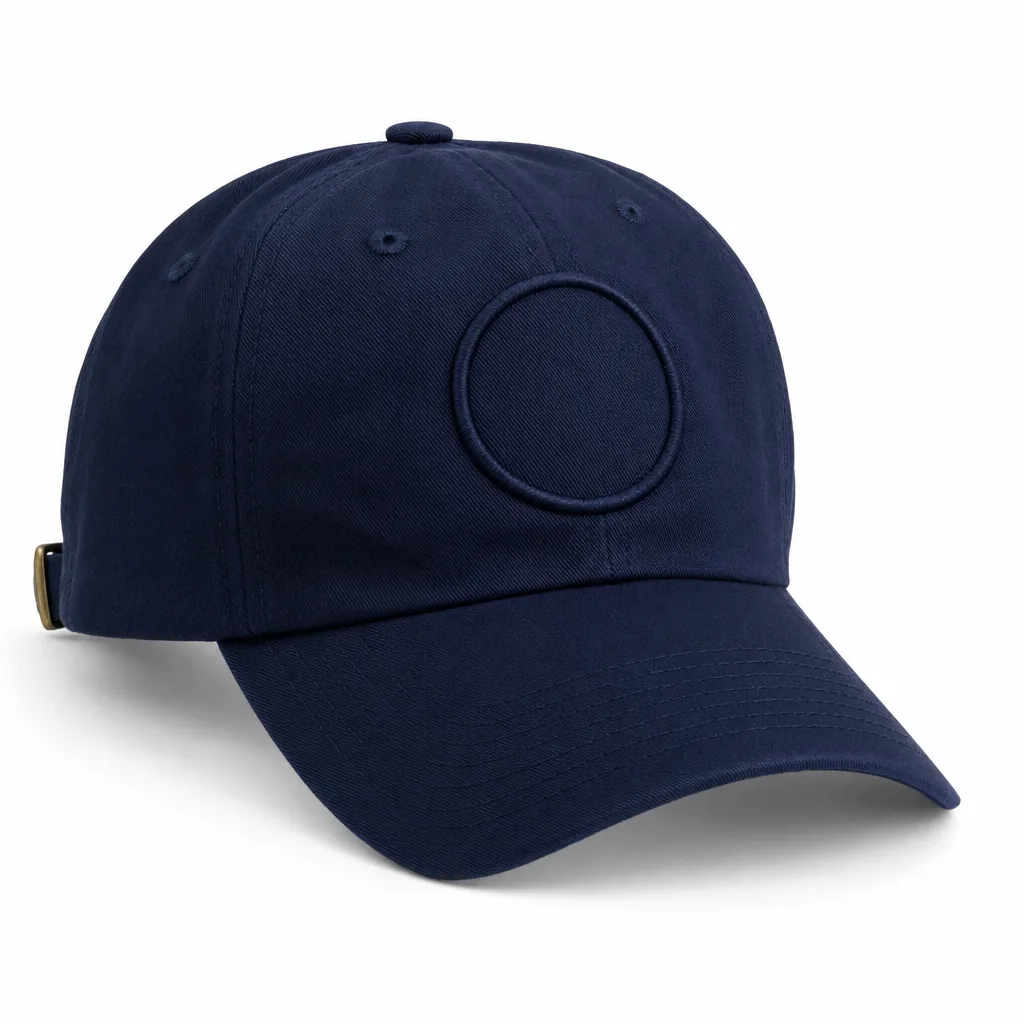
Every week, our sales team answers detailed questions about custom hat trucker: the 2026 sourcing & manufacturing playbook - 2026 buyer's guide. We wrote this guide so that wholesalers, streetwear brands, corporate buyers and promotional resellers can compare options with full information, and avoid the traps that show up only after production has started.
Custom Embroidered Hat
Embroidery remains the lowest-risk decoration method for a custom hat trucker when the buyer needs abrasion resistance, retail durability, and repeatable branding across reorders. The failure point is usually not the AI or DST file; it is the interaction between the stitch program and the front panel structure. On Tajima, Barudan, and ZSK multi-head machines, foam-front truckers generally run cleaner at 0.35 to 0.40 mm stitch spacing with reduced fill density, edge-run underlay, and conservative pull compensation. Push a dense tatami fill into low-density PE or EVA foam and you will see needle perforation, collapse lines, and halo distortion around the logo. On 150 to 220 gsm cotton twill, chino, or brushed canvas laminated to 0.4 to 0.6 mm buckram, 0.30 to 0.35 mm spacing is usually more stable, especially for broad fills and satin borders under 6 mm width.
A serious RFQ for custom embroidered trucker hats should read like a factory spec sheet, not a mood board. Lock the variables that actually change sew quality and cost: 5-panel or 6-panel build, crown height, front fabric gsm, foam thickness, mesh denier, visor sandwich color, snapback grade, sweatband composition, embroidery area in millimeters, stitch count, backing type, and Incoterm. In Yiwu, a 5-panel foam/poly trucker with a 5,000 to 8,000 stitch front logo typically lands around USD 2.20 to 3.60 FOB at 300 to 500 pieces; cotton chino fronts, 3D puff, woven flag labels, printed seam tape, and custom inside labels push realistic factory pricing to about USD 4.30 to 6.40 FOB. Digitizing for DST or DSB is usually USD 15 to 35 one time, and a pre-production sample runs USD 35 to 75 depending on trims and thread setup. Thread color should be approved by physical card, because embroidery rayon or polyester rarely matches Pantone Solid Coated exactly under both D65 and warm retail lighting; use Delta-E tolerance on dyed fabric panels, not on thread.
Most bulk claims come from tolerances nobody wrote down before production. For embroidered trucker caps, logo placement should be controlled within plus or minus 2 mm from approved centerline, visor curvature checked against the sealed sample, and crown symmetry reviewed after packing because trucker fronts deform under carton pressure. Final inspection at AQL 2.5 is standard, but the checkpoints need to be specific: puckering at fill edges, thread breaks, exposed bobbin on the inside, needle cuts in foam, color-block misregistration, loose thread tails over 3 mm, and snap closure function after 20 open-close cycles. Our standard practice is to approve both a flat sew-out and a finished cap sample, because a file that looks balanced on backing paper can still pull off-center once stitched over buckram, foam, and seam intersections. That is the practical rule buyers miss: embroidery specs and cap construction have to be approved together, or the same logo will sew clean on 210 gsm twill and fail on a weak foam front with soft support.
Custom Embroidered Hats
Embroidery is still the quickest way to make a custom hat trucker look expensive, but the logo has to be engineered to the cap construction, not pasted onto a mockup. On a 5-panel high-profile trucker, any front logo over roughly 70 mm wide should be embroidered on the cut front panel before assembly; once the foam front is sewn into a curved crown, registration shifts, seam bulk increases, and satin edges start to snake. I only recommend post-sew embroidery for left-front, side, or back hits under 65 mm. Buyers should specify more than artwork and thread color: send vector files, logo size in millimeters, Pantone TCX or Solid Coated reference, target stitch count, front panel material, foam thickness in mm, backing type, and whether the build is flat tatami/satin, 3D puff, or mixed. For 3D puff, satin columns below 2.5 mm usually look weak, and white puff foam can show through pastel or heathered thread if top tension is too aggressive.
Costing gets distorted when buyers treat all embroidery as the same operation. A 6,000-stitch chest-style mark and a 14,000-stitch crest need different run speeds, thread changes, and rejection allowances. Most factories in Zhejiang digitize for Tajima, Barudan, or ZSK heads, and a production-ready DST or EMB file typically costs US$20-60 unless folded into the PO. For a standard custom hat trucker with polyester foam front, 100% polyester mesh back, and plastic snap closure, 144 pieces per colorway is workable, but 300-500 pieces usually gives cleaner line balancing and less fabric waste. Current FOB China pricing at 300 pieces is commonly US$2.20-3.80 for a basic embroidered trucker; brushed cotton twill fronts, recycled mesh, rope details, branded taping, or logos above 10,000 stitches can push landed make cost toward US$4.20-6.50 FOB. Ask the factory to break out cap body, embroidery by stitch band, carton pack, and re-order digitizing policy, otherwise the first quote will not match the repeat order.
Most embroidered trucker failures are predictable: logos drifting off center, puckering from excessive fill density, foam needle cuts, jump threads left on the reverse, and thread shades that miss the approved standard. On a hat trucker custom order, I would hold front logo placement to +/-2 mm from centerline, verify puff height across at least 10 pcs from the first run, and check that the sweatband seam does not print through the embroidery field. Thread color should be approved from actual Madeira or Gunold cards, or better, from a sewn strike-off; if the logo is brand-sensitive, keep Delta-E under 1.5 where thread options allow, though thread-to-fabric matching will never be as tight as a lab dip on shell fabric. Final inspection should run at AQL 2.5 with checkpoints for embroidery tension, panel distortion, mesh tearing at seam joins, snapback engagement, carton compression, and count accuracy. Our standard practice is to review panel shape, front stiffness, and machine limitation before sign-off, because saving 20 cents per cap is pointless if the front logo collapses at scale.
Custom Hat Embroidery
Embroidery quality on a custom hat trucker is decided at digitizing, not at packing. I would not sign off from a flat AI mockup alone; the minimum approval set should include the Wilcom or Pulse file preview, stitch count by logo area, thread chart, and a sewn strike-off on the actual front-panel material. On Tajima, Barudan, or ZSK heads, the digitizer is managing stitch angle, density, pull compensation, underlay, and cap-frame path against a curved substrate, not a flat T-shirt panel. That matters because a 5-panel foam trucker behaves very differently from chino twill or brushed cotton. A foam-front polyester build can carry 2 mm to 3 mm EVA puff with bold satin columns, while twill fronts usually need lower density and more controlled edge underlay to prevent tunneling, edge bite, and post-steam puckering. For legibility, keep flat embroidery text at 4.5 to 5.0 mm minimum height, and 3D puff text at 6.0 mm or larger; below that, counters close up once the cap is curved, bagged, and worn. The spec sheet needs to lock down the variables buyers usually leave vague: logo placement in millimeters, flat-before-assembly versus finished-cap embroidery, maximum logo size, stitch type, backing weight, thread brand, and crown construction. A center-seam 6-panel front will distort satin columns and split fine details; a structured 5-panel trucker gives cleaner registration for oversized fills, emblems, and patch applications. Color control is just as important, especially against white mesh or optic-white foam where shade drift is obvious. I recommend matching thread to Pantone TCX or TPX references and defining an acceptable tolerance up front; in production, keeping embroidery thread within Delta-E 1.5 to 2.0 of the approved standard is realistic only when the factory holds consistent Madeira, Gunold, or equivalent lots and doesn’t mix old cones into repeat runs. Our standard practice is to document centering tolerance at plus/minus 2 mm and approve one sealed sample before bulk starts.
Decoration cost on a custom hat trucker is driven more by stitch complexity than by the cap shell. In Yiwu and Dongguan, flat front embroidery on an existing trucker body typically adds $0.35 to $0.90 per piece at 300 to 1,000 units, depending on stitch count, color changes, trimming time, and whether the logo runs cleanly on one machine cycle. Add 3D puff, a side logo, and a back arch, and the decoration charge usually lands at $1.20 to $2.20 per cap. New digitizing is commonly $25 to $80 per logo, though large orders often absorb that into unit cost. MOQ also shifts with setup complexity: stock-body decoration can start around 48 to 100 pieces, but a fully custom build with your own fabric, closure, labels, and embroidery layout is more realistically 144 to 300 pieces per colorway. Buyers who chase the lowest FOB price often miss that bad digitizing can create a 6% to 10% reject rate, which wipes out any nominal savings. Inspection has to target embroidery-specific failures, not just general cap defects. At inline and final, I would check registration drift between color layers, skipped stitches, loose jump threads, exposed bobbin, foam bleed-through on 3D areas, hoop marks, needle cuts on foam fronts, and crown distortion caused by over-tight backing or aggressive upper-thread tension. On mesh-back truckers, that tension problem can twist the front panel, pull seam taping off line, and make the hat sit crooked on head even if the logo looks acceptable on the table. AQL 2.5 is a sensible final standard for decorated caps, but only if the checklist is measurable: centering within plus/minus 2 mm, no visible thread shade variation between cartons, stitch count consistent to approved sample, and no loose trimming tails over 3 mm. If embroidery is the hero feature, choose the supplier for machine control and digitizing discipline first; the factory floor tells the truth faster than the quotation sheet.
Custom Made Trucker Hat
Most quality failures in a custom hat trucker order are locked in at the spec stage, not at final inspection. The build sounds simple—5-panel or 6-panel crown, 3 to 5 mm EVA or PU foam front, 120 to 160 gsm polyester mesh back, PE visor board, poly-cotton sweatband, PP snap—but the tolerance stack is unforgiving. A front panel laminated too hard gives you a brittle crown that cracks at the center seam after shaping; too soft, and 3D puff embroidery tunnels into the foam and loses edge definition. On the sewing line, the sequence should be front lamination, decoration, crown assembly, visor joining, sweatband and seam tape insertion, closure setting, then steam shaping. If the visor lands even 2 mm off center, or the crown height drifts by 3 mm from the approved sample, the cap immediately looks low grade on shelf. Your RFQ should read like a tech pack, not a price check. Lock the foam thickness in millimeters, mesh spec in gsm or denier, visor curve, crown height, snap color, seam tape artwork, thread brand, and Pantone TCX references before sampling starts. For embroidery, ask what heads the factory runs—Tajima, Barudan, or ZSK—and how they digitize for foam fronts, because underlay, pull compensation, and stitch density behave differently on high-profile trucker crowns. A realistic color standard is Delta-E under 1.5 on dyed front panels, but not on white mesh from different mills. Our standard practice is to approve both the decoration strike-off and the physical PPS cap, because buyers often sign off the logo while missing visor pitch, mesh hand feel, or front panel stiffness.
Cost on a custom hat trucker is driven more by decoration complexity and rework risk than by the base body. In 2026 sourcing from Yiwu or Dongguan, a stock-body foam-front mesh-back cap with one-location flat embroidery typically lands at $2.10 to $3.20 FOB China at 300 pieces. Add 3D puff, sublimated front panels, woven loop labels, printed seam tape, branded snap tabs, or molded TPU patches, and you are usually in the $3.40 to $5.80 range. MOQ on stock bodies is commonly 144 to 300 pieces per colorway; once you move into custom silhouette, non-stock mesh, private-label inside tape, or custom closure hardware, MOQ usually jumps to 500 to 1,000 pieces and lead time extends from roughly 18 to 25 days up to 35 to 50 days including PPS approval. Inspection needs to focus on the defects trucker hats actually hide until packing: twisted visors, uneven crown height, foam show-through under satin stitches, mesh puckering at side seams, cracked snap posts, and thread shade shifts between lots. Use AQL 2.5 unless the program is licensed retail, then tighten critical measurements and appearance standards. Measure visor width, crown height, and front panel symmetry against the sealed sample, not against a paper pattern alone. Run closure function tests on every size run, check embroidery backing adhesion or patch attachment strength, and do a basic carton drop test because foam-front truckers deform faster than brushed twill baseball caps. If speed and low MOQ matter, stay on stock bodies; if silhouette and branded trim matter, budget for PPS, inline QC, and at least one midline audit under sedex-audit-cap-supplier-guide.html">BSCI 2.0 or Sedex SMETA 4-Pillar conditions.
Custom Trucker Hat
A reliable custom hat trucker is won or lost on three hidden specs: front-panel support, mesh memory, and visor/closure hardware. For a 5-panel foam-front build, the front shell is usually 210-260 gsm cotton twill, brushed chino, or 300D polyester canvas; what matters is the backing. We normally see the cleanest crown retention from 0.45-0.60 mm laminated buckram on structured cotton styles and 2.5-3.0 mm EVA foam on classic trucker fronts. If you need bright neons, sublimation, or long sun exposure, polyester canvas is the safer call because it shifts less than cotton after heat pressing and generally stays within Delta-E 1.5-2.0 more consistently. On the back, low-cost factories protect margin with weak mesh that twists during crown forming. Specify 100% polyester mesh around 35-40 denier with uniform hex openings, decent rebound after compression, and no visible skew at the side seam after steaming.
Decoration changes both unit cost and defect risk more than most buyers expect. A standard front embroidery on Tajima, Barudan, or ZSK flat heads usually lands around 6,000-8,500 stitches; once a foam-front design exceeds roughly 10,000 dense fill stitches, puckering, needle cutting, and foam collapse become common unless underlay, thread tension, and backing weight are tuned correctly. Woven patches lower stitch count but need placement tolerance held to about +/-1.5 mm for retail symmetry, while PVC or molded rubber patches add durability but introduce color-control problems between Pantone C trims and dyed textile bodies. Hardware claims are even more common than logo claims. Cracked snapback posts, warped PE visor boards, and weak sweatband joins generate more returns than embroidery on most programs. A usable spec sheet should lock crown height, visor length and curve, visor insert material, sweatband composition, seam tape content, closure resin grade, and acceptable color variance using Pantone TCX for fabrics and Pantone C for plastic components.
MOQ and pricing are driven by decoration setup and trim complexity, not the cap shell alone. For a standard custom hat trucker using stock mesh, a plastic snapback, and one front logo, workable MOQ in China is typically 144-300 pieces per colorway, but sewing efficiency and cleaner shade consistency usually begin at 500 pieces. In the current market, FOB Ningbo or Shanghai for a 5-panel foam-front style is commonly $2.10-$3.40 with flat embroidery, $2.60-$4.20 with a woven patch, and $3.20-$5.50 with molded rubber patch, printed seam tape, custom inside labels, and branded taping. Recycled polyester, custom-dyed mesh, low-volume Pantone matching, or licensed trims can push landed factory cost above $6.00 before freight. Don’t accept vague QC language; set pre-shipment inspection at AQL 2.5 major and 4.0 minor, with explicit rejects for logo offset over 3 mm, visor curve mismatch, mesh torque after shaping, skipped sweatband topstitch, and snap closure fracture under hand pressure. At CrownsForge, that level of specification is what separates a repeatable program from a cheap first order that never gets repeated.
Custom Trucker Hats
The make-or-break point on a custom hat trucker is the crown architecture, not the logo. If the front panel is underbuilt, the cap collapses after packing; if it is overbuilt, the crown stands like cardboard and sells badly at retail. A proper high-profile 5-panel foam trucker normally uses 2.5-3.0 mm laminated EVA or PU foam with 0.40-0.55 mm buckram behind the face panel, while a lower-profile 6-panel trucker in 10 oz cotton twill or 8.5 oz brushed chino should drop stiffness to avoid a boxy silhouette. Visor inserts should be PE at 2.0-2.5 mm with 6-8 rows of stitching; thinner inserts routinely twist after 30-40 days in an overpacked ocean container. Mesh is where cheap substitutions show up fast: 100% polyester mesh at 130-160 gsm in 75D-100D yarn keeps its hex opening and rebounds after compression, while low-denier mesh will whiten at seam joins, tear under needle tension, and bag out across the back arch. Decoration has to be engineered to the substrate. Flat embroidery on twill fronts runs cleanly on Tajima, Barudan, or ZSK heads, but 3D puff on foam needs lower stitch density, disciplined underlay, and cap-driver settings tuned to avoid tunneling and needle cuts. Patches are less forgiving than showroom samples suggest: woven, TPU, PVC, or merrowed badges all need heat-press validation for temperature, dwell time, and peel strength, especially on foam fronts where edge lift appears after heat aging. A useful tech pack for a repeat custom hat trucker program should specify crown height in centimeters, visor curve, panel count, shell and mesh composition, Pantone TCX references, snap resin type, sweatband material, embroidery stitch count, and packing format. The tolerances worth putting on the PO are visor symmetry within ±3 mm, logo placement within ±2 mm, and fabric shade within Delta-E 1.5-2.0 against the approved standard.
Cost is driven more by trim complexity and color fragmentation than by the base cap. In Zhejiang or Guangdong, a basic 5-panel foam custom hat trucker with stock poly mesh, standard PP snap, one-location flat embroidery, and individual polybag packing typically lands around $2.10-$3.40 FOB China at 500-1,000 pieces. Upgrade to brushed cotton twill fronts, recycled polyester mesh, woven seam tape, molded back tab branding, 3D front embroidery plus side hit, custom labels, and retail sticker sets, and the workable FOB range moves to roughly $3.80-$5.80. Below 144 pieces per colorway, most factories will still accept the order, but setup costs start to distort the unit price: digitizing, PVC mold charges, transfer separations, and non-stock dye lots stop being absorbable. In practice, 144-300 pieces per colorway is the minimum efficient MOQ, but line efficiency is materially better closer to 500 pieces per style with shared trims. Quality failures are predictable, so the inspection method should be locked before pre-production sample approval. A practical final inspection is AQL 2.5, with focused checks on visor warp, front-logo centering, seam cracking where mesh joins the side panel, and snapback function over repeated open-close cycles. For heat-applied patches, require peel-strength testing; for embroidery, confirm thread brand and thread code, because bargain rayon and unstable underlay are common reasons reorder quality drifts. If the shipment is moving DDP into U.S. retail or a 3PL, carton compression strength and size consistency matter as much as sewing quality since crushed crowns become a freight claim, not just a cosmetic defect. Our standard practice is to freeze the BOM, embroidery file version, mesh denier, and packing spec after the PP sample, because changing buckram or mesh suppliers mid-run will alter crown angle and fit even if the paper pattern stays unchanged. Also confirm AZO-free dyes, CPSIA lead compliance for youth channels, and BSCI 2.0 or Sedex SMETA 4-Pillar status at PO stage, not after goods are on the water.
Working with CrownsForge for custom hat trucker programs
Sampling decides whether a custom hat trucker program scales cleanly or turns into a claims file. The points that matter are not cosmetic; they are structural: crown angle, foam density, front-panel stiffness, seam balance, mesh recovery, and whether the artwork can survive the actual cap profile. On an existing 5-panel or 6-panel block, a stock-shape sample should be 5 to 7 working days. If you are opening a new paper pattern, matching shell fabric to Pantone TCX, adding a custom snap tab, or developing molded PVC or rubber branding, 10 to 14 working days is the honest timeline. First-run MOQ is usually 144 to 300 pieces per colorway on standard silhouettes. Once you add custom underbrim print, woven size tape, branded seam tape, or a new closure mold, the cost curve improves closer to 500 to 1,000 pieces because trim setup, fabric yield, and sample amortization stop distorting unit price. Decoration is where inexperienced suppliers lose days by pushing work through multiple subcontractors. Foam-front truckers, buckram-backed cotton twill, and 100% polyester mesh react differently under embroidery tension and heat. Flat embroidery is straightforward on Tajima, Barudan, or ZSK cap frames, but 3D puff only stays crisp if the digitizing is built for the crown height, stitch angle, foam thickness, and pull compensation; otherwise letters collapse after polybag pressure and export carton stacking. For patches, the reliable options are merrowed twill, woven label patch, laser-cut PU, debossed faux leather, and silicone heat transfer. If the buyer gives Pantone TCX references, a realistic control target is Delta-E under 1.5 for dyed fabric and under 2.0 for silicone or PVC trims, checked under D65 lighting. Mixed materials will never match perfectly in every environment, so the factory has to define the priority surface before bulk starts.
Reorders do not fail because volume increased; they fail because control points were loose on the first PO. A 300-piece test run and a 30,000-piece repeat order should follow the same sequence: lab dip approval, decoration strike-off, pre-production sample, inline inspection, and final audit at AQL 2.5. Most avoidable claims are basic execution errors: wrong snap color, 100 gsm foam substituted with a softer grade, mesh denier changed without notice, underbrim print mirrored, or sweatband logo shifted because the sewing guide was not updated. The practical fix is a locked BOM inside the tech pack, revision control tied to the PO, and carton-mark verification before loading. At CrownsForge, the approved sample, BOM, packing method, and shipping marks are cross-referenced so production is not running from an obsolete file while the buyer assumes bulk matches the latest revision. Compliance and freight discipline matter more than buyers admit, especially once the custom hat trucker is headed to retail, licensed sports, or national promo programs. BSCI 2.0 and Sedex SMETA 4-Pillar are baseline requirements, not premium add-ons, and buyers should expect broken-needle logs, needle-control SOPs, subcontractor declarations, and metal-detection records where customer policy requires them. On logistics, FOB Ningbo or Shanghai is usually cleaner for a first program because duty and freight remain transparent. DDP only becomes dependable after carton dimensions, dozen weights, and seasonal duty exposure are stable enough to quote without building in a safety buffer. For 500 to 1,000 pieces, ocean freight may add only $0.12 to $0.35 per hat depending on cube, while airfreight can add $1.20 to $2.50 per unit. That spread is why calendar discipline is usually worth more than arguing over a few cents in factory price.
Frequently Asked Questions
What is the minimum order quantity (MOQ) for custom hats?
Our standard MOQ is 100 pieces per design and color, with sampling available from 1 piece. For complex multi-color logos or premium fabric upgrades, the MOQ can be lowered with a small per-piece surcharge.
Do you support sustainability certifications?
Yes. We work with GOTS organic cotton, GRS-certified recycled polyester, OEKO-TEX Standard 100 fabrics, and are BSCI and Sedex audited. Certification documentation can be provided per order.
How long does production take?
Sampling takes 7 to 12 days. Bulk production runs 20 to 30 days depending on quantity, fabric availability and decoration complexity. Inspection and packing adds another 3 to 5 days before shipment.
What logo decoration techniques do you offer?
3D puff embroidery, flat embroidery, woven patch, leather patch, PVC patch, screen printing, sublimation, applique and laser etching, all in-house with no subcontracting.
Can I order a sample before bulk production?
Yes. We strongly recommend approving a pre-production sample before mass production. Samples are charged at 35 to 60 USD each plus express shipping, fully refundable against confirmed bulk orders over 500 pieces.
How does ordering custom embroidered patch hat work?
When evaluating custom embroidered patch hat, the key considerations are construction quality, decoration capability, MOQ flexibility and lead time. Cover everything buyers ask about custom embroidered hat: how it's manufactured, what specs to request from a factory, typical MOQ and pricing, common quality issues to inspect for, and how this ties back to the broader custom hat trucker sourcing decision. Cover everything buyers ask about custom embroidered hats: how it's manufactured, what specs to request from a…
How does ordering custom embroidery patches for hats work?
When evaluating custom embroidery patches for hats, the key considerations are construction quality, decoration capability, MOQ flexibility and lead time. Cover everything buyers ask about custom embroidered hats: how it's manufactured, what specs to request from a factory, typical MOQ and pricing, common quality issues to inspect for, and how this ties back to the broader custom hat trucker sourcing decision. Cover everything buyers ask about custom hat embroidery: how it's manufactured, what specs to request from a factory,…
What's the MOQ for custom embroidered trucker hats no minimum?
When evaluating custom embroidered trucker hats no minimum, the key considerations are construction quality, decoration capability, MOQ flexibility and lead time. Cover everything buyers ask about custom embroidered hats: how it's manufactured, what specs to request from a factory, typical MOQ and pricing, common quality issues to inspect for, and how this ties back to the broader custom hat trucker sourcing decision. Cover everything buyers ask about custom embroidered hat: how it's manufactured, what specs to request from a…
How does ordering custom leather patch trucker hat work?
When evaluating custom leather patch trucker hat, the key considerations are construction quality, decoration capability, MOQ flexibility and lead time. Cover everything buyers ask about custom embroidered hat: how it's manufactured, what specs to request from a factory, typical MOQ and pricing, common quality issues to inspect for, and how this ties back to the broader custom hat trucker sourcing decision. Cover everything buyers ask about custom embroidered hats: how it's manufactured, what specs to request from a…
How much should a trucker hat cost?
Trucker Hats Known for their mesh back panels, perfect for ventilation. Average cost: $5 - $60+ depending on the brand.
What does a 47 trucker hat mean?
The '47 or 47 on hats and caps refers to the '47 Brand company. '47 refers to 1947, which is the year that the '47 Brand company was started by Italian immigrant brothers, Henry D'Angelo and Arthur D'Angelo.
How much do people charge for custom hats?
Rubber and Embroidered Patch Hats: Prices begin at $20 for 50 pieces (minimum) and reduce to $16.75 per hat for 100+. Embroidered Hats: Prices start at $22 each for 25 pieces (minimum) and go down to $16.75 per hat for 100+.
Can you get a trucker hat embroidered?
Custom Trucker Hat Embroidery with No Minimum Orders! At Thread Logic, we believe in flexibility. That's why we offer custom embroidery on trucker caps with no minimum order requirements. Whether you need a small order of hats for your growing team or a bulk order for a promotional event, we've got you covered.
Ready to start your custom hat project?
Send us your tech-pack, sketch or even just an inspiration photo. We will respond with a detailed quotation and digital mock-up within 24 hours.
Request a free quoteRelated guides
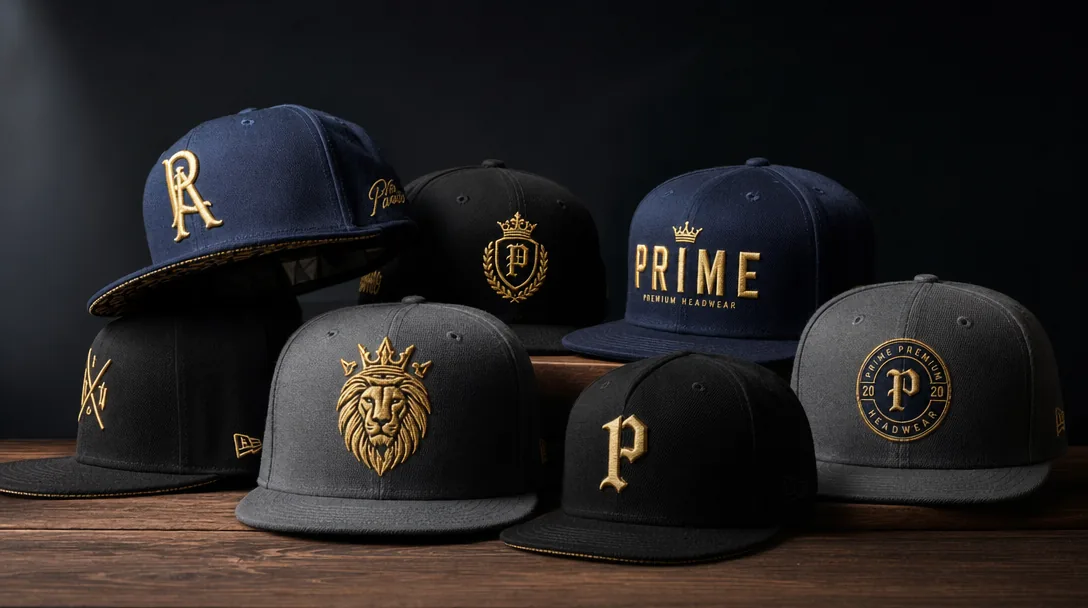
Refreshing a Hat Collection: A Repeat-Order Playbook for Established Brands
Read article →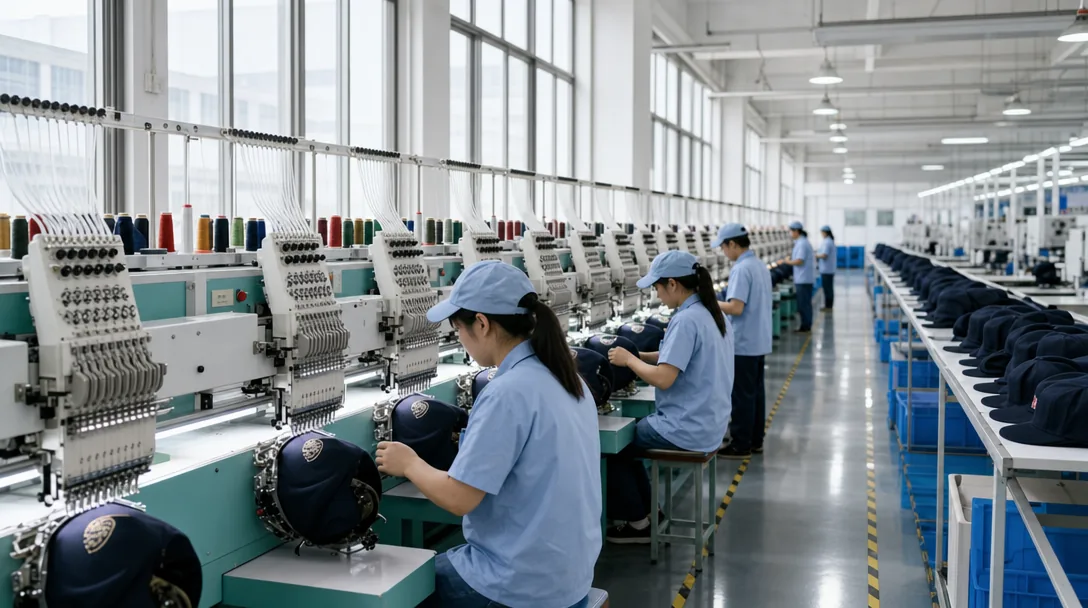
Ball Caps for Women: A 2026 Sourcing Playbook for International Buyers - 2026 Buyer's Guide
Read article →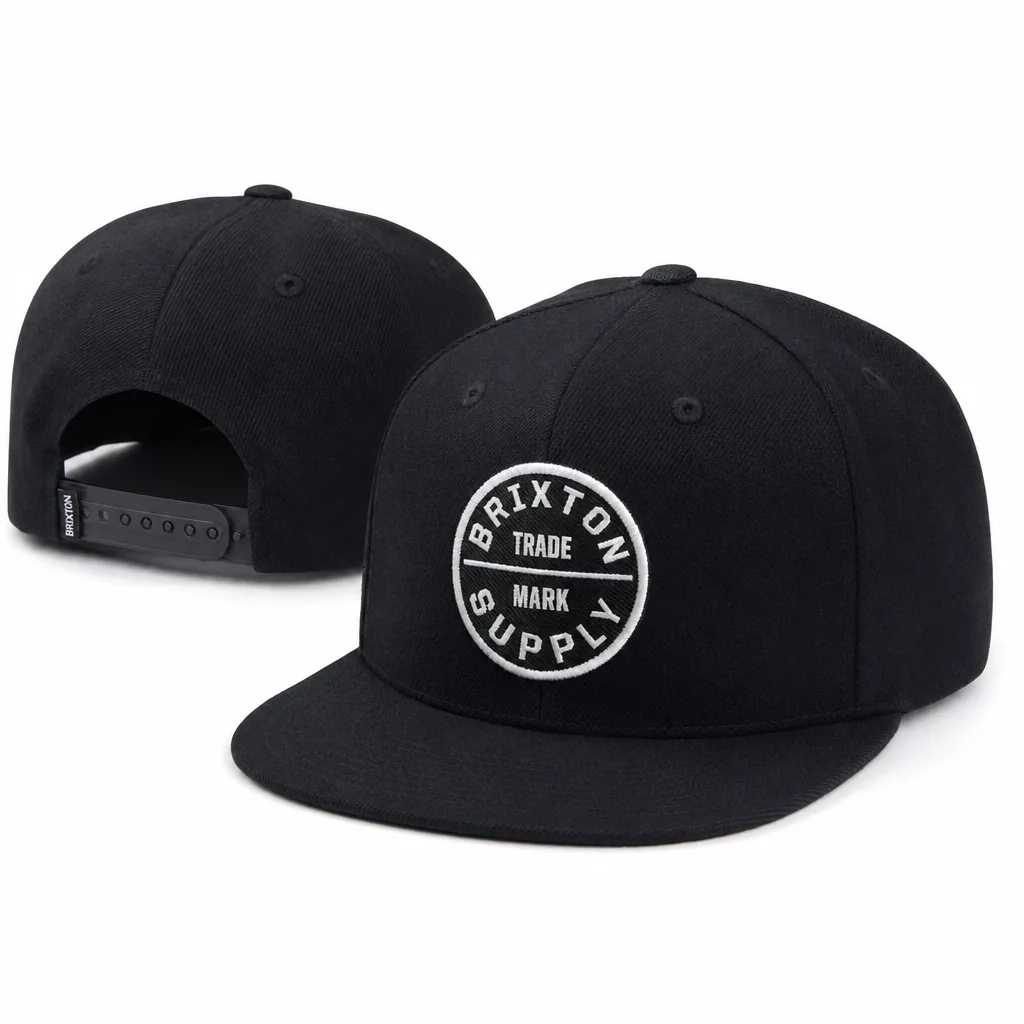
Festival Bucket Hats Reorder Planning Guide for Custom Hat Buyers
Read article →We hope this guide demystifies custom hat trucker: the 2026 sourcing & manufacturing playbook - 2026 buyer's guide and helps you move forward with confidence. If you have questions specific to your project, our English-speaking sales engineers are one message away.