
Custom Hat Patch: When to Use It, Costs, and What to Ask Your Factory - Cost & MOQ Breakdown
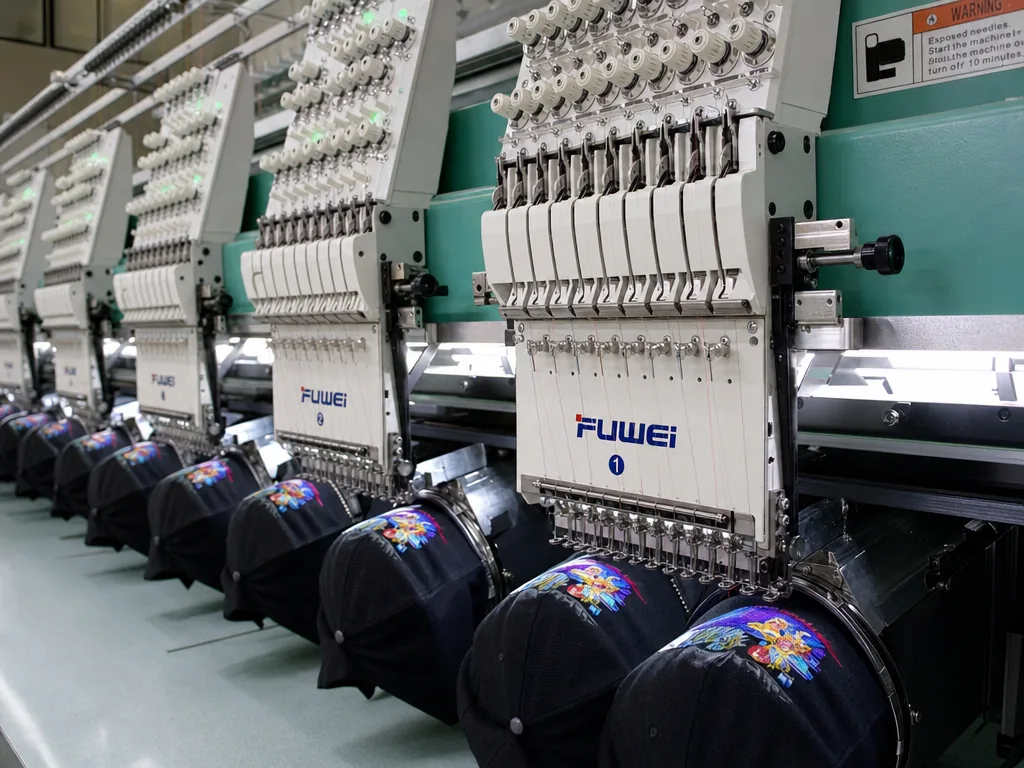
Every week, our sales team answers detailed questions about custom hat patch: when to use it, costs, and what to ask your factory - cost & moq breakdown. We wrote this guide so that wholesalers, streetwear brands, corporate buyers and promotional resellers can compare options with full information, and avoid the traps that show up only after production has started.
Custom Logo Hats
A custom hat patch is the right choice when the logo has to stay legible at arm’s length and the artwork is too fine for direct embroidery. Thin serifs, reverse-out type under 4 mm, tight negative spaces, and hard color separations usually survive better in a patch because the detail is built in the patch body before it ever hits the crown. The practical options are embroidered twill, woven label, felt, PU leather, PVC, and silicone, then sewn, heat-pressed, or riveted onto a cotton twill dad cap, brushed chino, acrylic wool, or 600D polyester front panel. The quote should spell out dimensions in millimeters, border type, backing, stitch density, and exact placement from the seam line; a 55 mm patch can look centered on a flat mockup and still sit visibly off once it lands on a structured 6-panel crown. Our standard practice is to approve the patch on the actual blank first, because panel curvature changes the visual read more than most buyers expect.
MOQ and pricing are driven by construction, not just order size. A basic embroidered twill custom hat patch on a stock cotton dad cap usually lands at 100 to 300 pieces MOQ, with ex-factory pricing around $2.20 to $4.50 at 500 to 1,000 pieces depending on stitch count, backing, closure, and packing. Leather, molded PVC, chenille, and debossed PU cost more because they add tooling, edge finishing, or hand work; laser cutting or a custom mold often adds a one-time setup charge of about $35 to $200. Application is typically another $0.25 to $0.80 per cap for sewing or heat-press work, but curved fronts and seam-crossing placement increase rejection risk and slow the line. If you are comparing quotes, keep tooling, application, and freight separate; otherwise the unit price will look artificially low and the real landed cost will be wrong.
Custom Embroidered Patches
MOQ and pricing for a custom hat patch are driven by size, stitch count, backing, and whether you are buying the patch by itself or as part of a finished cap. Patch-only orders usually start at 100 to 300 pieces per design; expect sample charges of about $20 to $60 once digitizing, backing setup, and the first strike-off are included. In production, a 2.5 to 4 inch embroidered patch typically lands around $0.35 to $1.20 each, while merrowed borders, laser-cut shapes, and metallic thread push the number up fast. If the patch is being applied to a finished cap, budget another $1.20 to $3.50 per hat for placement, heat pressing or sewing, and rework allowance, before the blank, decoration, packaging, and freight. Dense satin-fill areas and odd outlines cost more because they slow trimming and increase reject risk.
The cheapest quote is not the cheapest outcome if the shop cannot control heat, curvature, and seam clearance on the crown. A patch that looks clean on a flat board can wrinkle on a low-profile six-panel or lift on a foam-front trucker once it crosses the center seam or hits a curved front panel. On the floor, the failures are usually adhesive migration, border fray, stitch breaks, and edge lift, not the artwork itself. For that reason, I want the approval sample tested on the actual cap body, then checked under AQL 2.5 with clear pass/fail criteria for alignment, color match, adhesion, and border quality. If the order is for retail or licensed use, ask for lot traceability, carton marks tied to the signed strike-off, and factory audit evidence such as sedex-audit-cap-supplier-guide.html">BSCI 2.0 or Sedex SMETA 4-Pillar. CrownsForge treats those controls as basic hygiene, not a premium extra, because the real cost shows up in rejects and chargebacks after packing, not in the patch price alone.
Custom Hat with Patch
A custom hat patch is the right move when you want a logo on the crown without turning the front panel into a board. The spec is not just the artwork; it is the whole stack: patch substrate, thickness, border finish, backing, and how it is attached. A 50 x 60 mm woven patch on 10 oz cotton twill sits very differently from a 1.8 mm PVC patch on brushed polyester or a merrowed embroidered patch on garment-washed chino. For a custom hat patch order, lock the cap body fabric, Pantone TCX targets, border style, and surface profile up front. I also want the placement measured in millimeters from center front and visor seam, because “centered” is not a production instruction. If the brief only says “premium,” the factory will guess on stitch density, foam height, edge trim, and adhesive weight, and the run will drift fast.
Cost is driven more by construction than by the logo itself. At 100 to 300 pieces, a basic cotton twill dad hat with a woven or embroidered custom hat patch usually lands around $2.20 to $4.50 FOB per cap, while PVC, leather, or multi-layer TPU patches often move that to $3.80 to $6.50 FOB. Tight dielines, debossing, or 4-color-plus artwork add setup time and scrap, which is why the quote jumps even when the patch is small. Heat-press attachment is cheaper than sewing, but stitched patches hold up better in washing, carton compression, and retail handling; a loose corner on a patch gets noticed immediately. MOQ is commonly 100 to 300 pieces per colorway. Some factories will accept 50 pieces, but the surcharge is usually $0.30 to $1.00 per unit because sampling, digitizing, and machine changeover are the real cost drivers.
The failure points are easy to catch if you inspect them with a ruler and a fixed sample, not with a quick glance. Check edge puckering, crooked placement, weak thread tension, adhesive bleed on heat-applied patches, and color drift beyond Delta-E 2.0 against the approved standard. On leather and PVC, look for rough laser edges, bubbling, and corners that snag during packing. On embroidered patches, verify stitch density, merrow consistency, and backing stiffness; underfilled fields look thin, but overpacked stitch areas crack when the crown curves. A proper custom hat patch order should call out AQL 2.5 for visual defects, plus a placement tolerance of about 3 mm left-right and 2 mm up-down on the front panel. Our standard practice is to approve a physical pre-production sample before bulk sewing, because once the patch is fixed to the hat, a bad placement usually means scrapping the cap or reworking it by hand.
Custom Patch for Hat
A custom hat patch is usually the cheapest clean-branding option when the logo is too detailed or too small for direct embroidery. A 60 x 45 mm woven patch with a merrowed edge is the workhorse because it holds fine text better than satin stitch, needs no hard tooling, and stays stable at low MOQ. Embroidered twill, PVC, PU leather, and sublimated twill each change the economics and the failure mode. PVC and embossed leather are a different cost bucket: you are paying for mold or die setup, tighter color control, and repeatable edge definition, not just a decent-looking sample. For a custom hat patch program, choose the attachment method first. Sew-on is the most durable, heat-press is faster but less tolerant of sweat and washing, and adhesive backings are only acceptable for short-life promo use.
Do not quote a custom hat patch from a logo file alone. Ask for exact dimensions, border type, backing, base material, stitch count or deboss depth, thread or print callout, Pantone TCX targets, and placement tolerance on the crown, typically within 2 to 3 mm. A patch that looks flat on a paper proof can pucker on brushed cotton, 40 gsm twill, or 600D polyester if the adhesive is too stiff or the border density is too high. The right sample is a pre-production patch mounted on the actual blank cap fabric, then checked on the finished crown for edge lift, tunnelled stitching, and how the patch sits after steaming. Our standard practice is to approve the patch on a finished blank before bulk release, because a loose patch proof hides problems that show up as soon as the cap is structured and curved.
MOQ and price depend more on patch construction than on the hat style. Woven or embroidered custom hat patch orders usually start at 100 to 300 pieces per design, with patch cost around $0.18 to $0.60 each at volume and sewn-on application adding another $0.20 to $0.45 per cap. PVC and leather generally start closer to 300 to 500 pieces because mold, laser, or cutting setup has to be spread across the run. On a simple program, a patch hat usually lands 8% to 18% above a plain embroidered cap once you include patch production, application, and AQL 2.5 inspection. The first defects I check are adhesive bleed, loose threads, edge fray, crooked placement, and color drift beyond Delta-E 2.0 to 3.0. Buyers comparing custom hat patch against direct embroidery should price the reject rate and lead time, then choose patches when they need texture, layered color, or a flatter face that does not sink into soft crown fabric.
Custom Patch Hat
A custom hat patch is the right call when you want a strong logo hit without paying for full-panel embroidery, but the attachment method decides whether it holds up in real wear. Heat press plus perimeter stitching is the baseline I trust; adhesive-only backing is the first thing that fails after a few hot washes or a week of sweat. For a custom hat patch, match the construction to the artwork and the cap: woven twill for crisp text and clean borders, embroidered felt for a softer streetwear read, leather or suede for a matte premium finish, and PVC or TPU when the design has fine cut lines or small internal gaps. Once the smallest stroke drops below about 4 mm, woven edges start to soften; a properly molded PVC patch can still preserve detail at 1.5 to 2.0 mm. The hat matters just as much. A structured six-panel crown with buckram front panels will keep a 55 x 60 mm badge flat, while an unstructured dad hat will telegraph every wrinkle and make a rigid patch look crooked.
The specs that matter are measurable, not sales language. Ask for patch size in millimeters, border type, stitch density, backing, and the exact color standard, ideally Pantone TCX for textile work or Pantone C if the patch is printed or molded. If the patch is embroidered, you need the digitized file, stitch count, thread type, and a sew-out photo, not just a mockup. On the hat itself, request shell fabric weight in gsm, panel construction, brim board thickness, sweatband material, and closure type, because a 600D polyester front behaves very differently from brushed cotton twill or washed chino. For approval, check placement, crown puckering, adhesive bleed, border lift, and color drift against the signed reference, with Delta-E held under 2.0 on repeat production. The useful habit is to treat the patch and cap as one assembly, because a clean patch on the wrong crown still ships as a bad hat.
MOQ usually starts around 100 to 300 pieces per colorway for a simple patch cap, but the floor moves with patch type and tooling. In current factory pricing, a woven patch hat at 300 pieces often lands around USD 2.50 to 4.20 EXW, embroidered or leather patch versions around USD 3.20 to 5.80, and molded PVC or TPU can run higher at low volume because tooling has to be spread across fewer units. Add roughly USD 0.20 to 0.60 per cap for application labor, then budget separately for cartons, polybags, and freight. The mistake is approving a cheap custom hat patch program without checking front-panel stiffness and heat tolerance; that is how you get warped crowns, lifted edges, or press marks on the shell. Patch construction is usually the better choice when the logo has tight linework, mixed textures, or hard color blocking, but only if the supplier can show a pre-production sample on the same fabric and with the same attachment method, not a polished render.
Custom Patch Hats
A custom hat patch is usually the lowest-cost way to get a premium front panel without paying for full embroidery coverage, but the patch spec matters more than the logo sketch. Start with the material and construction: PU leather, genuine leather, woven twill, felt, PVC, or embroidered felt, then define how it attaches to the cap body. Heat seal, direct stitch, hidden sew-on, or adhesive-backed all behave differently after steam and press. For a 100% cotton twill or acrylic wool-blend crown, I always ask for patch width and height in millimeters, edge finish, backing type, and whether the face is die-cut, laser-cut, debossed, or raised embroidery. On thin 150-180 gsm front panels, a heavy patch will telegraph stitches and puckering; a 280-320 gsm buckram-backed front holds shape better and masks the attachment line more cleanly.
MOQ usually follows patch setup, not the cap blank. For a standard custom hat patch on a basic 5-panel or low-profile 6-panel, 100-300 pieces per colorway is realistic if the patch is a simple shape and the colors stay within 3-5 Pantone spots. Once you move into molded PVC, irregular die-cuts, multi-layer construction, or 3D embroidery, 500 pieces is a more honest starting point because the die charge, sampling, and color approval cycle all rise fast. FOB China pricing for a simple patch hat typically sits around USD 2.40-4.20 per piece; woven or embroidered patch versions usually land at USD 3.00-5.50 depending on crown structure, visor type, closure, and whether the front panel is structured or unstructured. Add USD 0.20-0.45 for a sweatband upgrade and USD 0.15-0.30 for a sandwich brim or extra placement.
Inspection is where buyers lose money, because patch defects are hard to catch in a render or a phone photo. Check for frayed edges, burrs, glue squeeze-out, stitch bite, curl after heat pressing, and placement drift from the center front and brim edge; 3-5 mm off-center is visible on a cap. For color control, specify Pantone TCX for fabric panels and Pantone C/U for printed or patch faces, then hold repeat production to Delta-E under 2.0 if reorder consistency matters. A proper custom hat patch order should include the patch material spec, wash behavior, pack-out method, and AQL 2.5 inspection on both crown sewing and patch adhesion. The sample you approve needs to be physical, not a mockup file, because renderings will not show delamination, edge lift, or stitch imprint after steaming and carton compression.
Working with CrownsForge for custom hat patch programs
Sampling speed on a custom hat patch program is set by construction, not by the artwork file. A digitized embroidery patch on cotton twill usually lands in 3 to 5 working days after artwork lock; woven, PVC, and PU leather patches are more often 7 to 10 days because mold detail, edge finish, backing, and color match all need to be fixed before bulk. Treat the sample as a production proxy, not a display piece. Stitch density, satin border width, thread count, adhesive type, and backing thickness should match the final spec, especially on structured 6-panel caps and curved brims where a custom hat patch can look clean on screen and still fail with edge lift, puckering, or weak contrast against the crown fabric.
MOQ is where buyers usually get bad quotes because they mix patch tooling with cap sewing. A sewn embroidered custom hat patch on a standard 6-panel cap can start at 100 to 200 pieces per colorway, while molded PVC or multi-layer applique usually needs 300 pieces or more to justify tooling and setup. Typical unit cost runs about $0.35 to $1.20 for embroidered twill patches, $0.60 to $1.80 for PVC, and $0.80 to $2.50 for PU leather, before cap decoration and packing. If you are testing demand, keep it to one crown color, one patch size, and one backing method. That is the fastest way to keep custom hat patch cost under control without financing dead SKUs before sell-through is proven.
Decoration has to follow the patch construction, not the other way around. Flat embroidery is the right call for clean logos and small type on a custom hat patch, while 3D puff belongs on the cap body more often than on the patch face because foam, border stitching, and edge sealing fight each other in the same area. Direct embroidery runs on Tajima, Barudan, or ZSK heads; sew-on, heat-seal, and adhesive backing are chosen by fabric weight and wash target. Nylon and performance polyester need lower press temperatures than brushed cotton twill, and that detail is where a lot of custom hat patch orders fail in production. Our standard practice is strike-off approval before bulk booking, then inline checks and AQL 2.5 final inspection, with BSCI 2.0 or Sedex SMETA 4-Pillar files available when the buyer needs compliance paperwork.
Frequently Asked Questions
How long does production take?
Sampling takes 7 to 12 days. Bulk production runs 20 to 30 days depending on quantity, fabric availability and decoration complexity. Inspection and packing adds another 3 to 5 days before shipment.
Do you support sustainability certifications?
Yes. We work with GOTS organic cotton, GRS-certified recycled polyester, OEKO-TEX Standard 100 fabrics, and are BSCI and Sedex audited. Certification documentation can be provided per order.
What file format should I send for my logo?
Vector files (AI, EPS, PDF) are ideal. High-resolution PNG or JPG at 300 dpi on transparent background works as a fallback. Provide Pantone color references for accurate reproduction.
What is the minimum order quantity (MOQ) for custom hats?
Our standard MOQ is 100 pieces per design and color, with sampling available from 1 piece. For complex multi-color logos or premium fabric upgrades, the MOQ can be lowered with a small per-piece surcharge.
Can I order a sample before bulk production?
Yes. We strongly recommend approving a pre-production sample before mass production. Samples are charged at 35 to 60 USD each plus express shipping, fully refundable against confirmed bulk orders over 500 pieces.
How does ordering custom leather patch trucker hat work?
When evaluating custom leather patch trucker hat, the key considerations are construction quality, decoration capability, MOQ flexibility and lead time. Cover everything buyers ask about custom logo hats: how it's manufactured, what specs to request from a factory, typical MOQ and pricing, common quality issues to inspect for, and how this ties back to the broader custom hat patch sourcing decision. Cover everything buyers ask about custom embroidered patches: how it's manufactured, what specs to request from a factory,…
What's the MOQ for custom leather patch hats no minimum?
When evaluating custom leather patch hats no minimum, the key considerations are construction quality, decoration capability, MOQ flexibility and lead time. Cover everything buyers ask about custom logo hats: how it's manufactured, what specs to request from a factory, typical MOQ and pricing, common quality issues to inspect for, and how this ties back to the broader custom hat patch sourcing decision. Cover everything buyers ask about custom patch hats: how it's manufactured, what specs to request from a factory, typical MOQ…
How does ordering custom embroidered trucker hats work?
When evaluating custom embroidered trucker hats, the key considerations are construction quality, decoration capability, MOQ flexibility and lead time. Cover everything buyers ask about custom logo hats: how it's manufactured, what specs to request from a factory, typical MOQ and pricing, common quality issues to inspect for, and how this ties back to the broader custom hat patch sourcing decision. Cover everything buyers ask about custom embroidered patches: how it's manufactured, what specs to request from a factory,…
How does ordering custom baseball hats with logo work?
When evaluating custom baseball hats with logo, the key considerations are construction quality, decoration capability, MOQ flexibility and lead time. Cover everything buyers ask about custom logo hats: how it's manufactured, what specs to request from a factory, typical MOQ and pricing, common quality issues to inspect for, and how this ties back to the broader custom hat patch sourcing decision. Cover everything buyers ask about custom patch hats: how it's manufactured, what specs to request from a factory, typical MOQ…
Looking for a reliable hat manufacturer in China?
CrownsForge has produced custom hats for 800+ brands across 40 countries. From 100-piece launches to 100,000-piece retail programs, we deliver on time and on spec.
Get in touchRelated guides
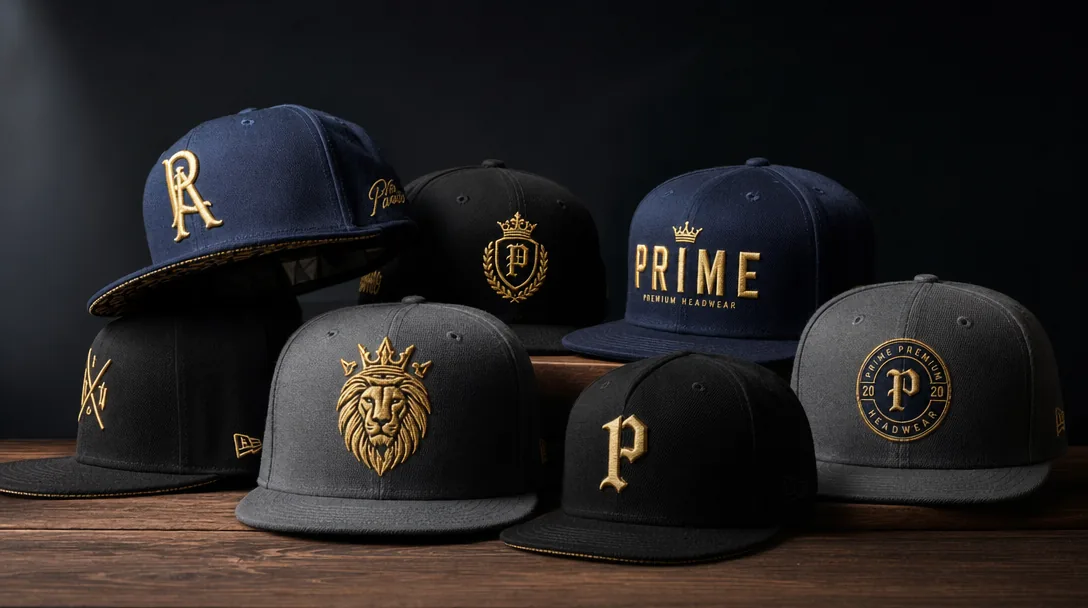
Custom Leather Patch Hat Low Minimum: A 2026 B2B Sourcing Guide
Read article →
Mens Beanies: Properties, Costs and How to Spec It Right
Read article →
Bulk Trucker Hats Export Shipping Checklist for Custom Hat Buyers - Cost & MOQ Breakdown - Supplier Checklist
Read article →We hope this guide demystifies custom hat patch: when to use it, costs, and what to ask your factory - cost & moq breakdown and helps you move forward with confidence. If you have questions specific to your project, our English-speaking sales engineers are one message away.