
Custom Golf Hats: A Manufacturer's Guide to Performance Headwear - Cost & MOQ Breakdown
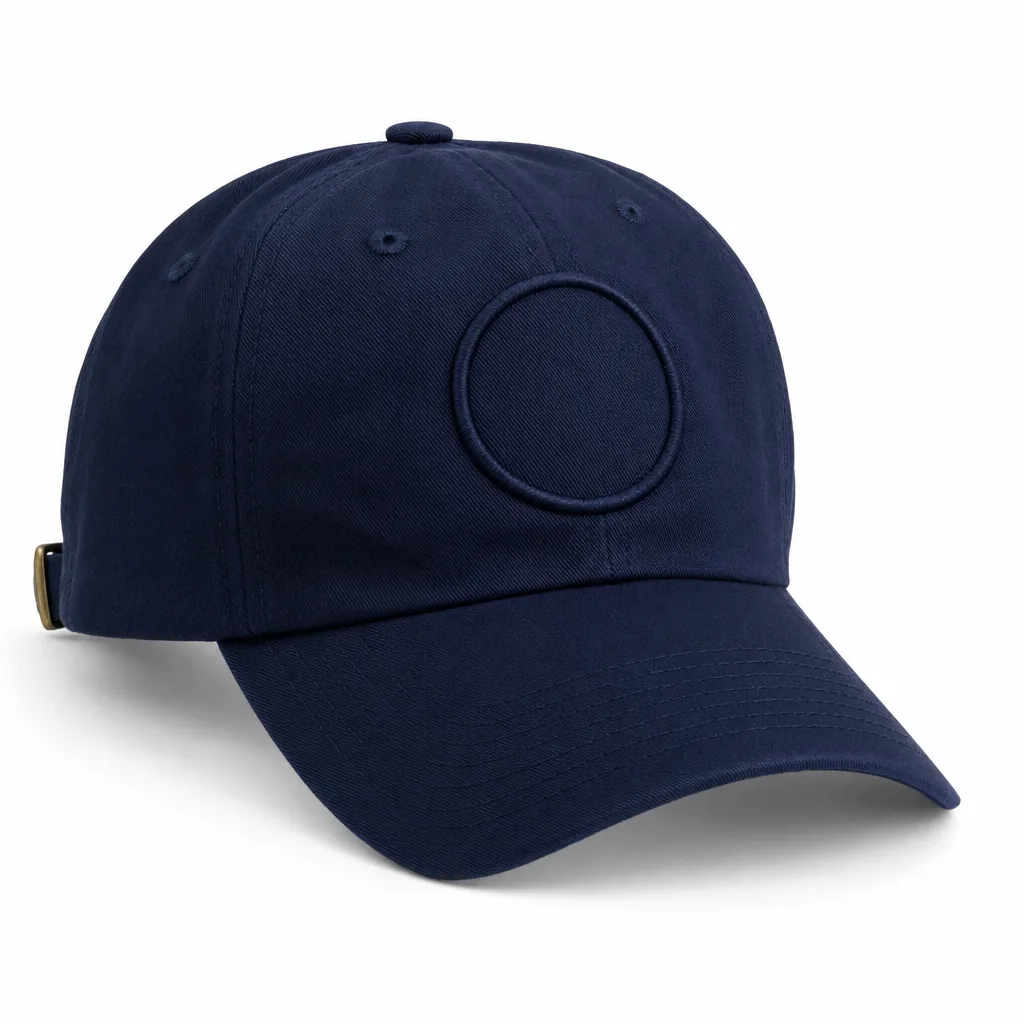
Custom Golf Hats: A Manufacturer's Guide to Performance Headwear - Cost & MOQ Breakdown is one of the most-asked questions we receive from international buyers, and for good reason. With dozens of factories competing for your order and an alphabet soup of technical terms in every supplier quote, even experienced importers can feel lost. This guide consolidates what we have learned producing custom hats for clients in 40+ countries.
The golf-specific silhouettes that dominate retail and tournament programs
The volume leader in custom golf hats is still the 6-panel performance cap with a pre-curved visor because it fits the widest range of head shapes and creates fewer return complaints than trend-driven silhouettes. For tournament programs, pro-shop repeats, and sponsor merchandise, the most reliable build is a structured or semi-structured crown in 95-110 gsm polyester microfiber, recycled poly dobby, or 120-140 gsm nylon-spandex if the buyer wants more stretch recovery and a softer hand. The specs that separate a real golf cap from a cheap promo piece are practical: laser-perforated side or rear panels for airflow, a 180-220 gsm moisture-wicking sweatband, and a low-bulk micro hook-and-loop or fine-gauge snap closure instead of wide generic Velcro. Decoration tolerance matters too. Once a front logo climbs past about 8,000-10,000 stitches on lightweight performance fabric, crown distortion becomes a real risk unless the factory uses the correct cutaway backing and frame tension on Tajima or Barudan heads. That is why left-front embroidery, molded silicone transfers, or lightweight welded patches usually outperform dense full-front fills on performance shells.
The 5-panel low-profile cap is the safest retail silhouette because it looks current without becoming hard to sell across age groups. The single front panel gives cleaner logo placement for flat embroidery, woven labels, or HD silicone badges, especially when the brand guide requires tighter Pantone TCX matching and controlled proportions. A good golf version should not wear like a street cap; it needs a shallow-to-mid crown, light buckram, and a gently curved visor so it sits close to the head instead of popping upright like a foam trucker. Rope hats, bucket hats, and visors belong in the line, but they should be quoted as separate programs, not one interchangeable category. Rope hats usually command better pro-shop margin because the braided rope and mid-crown profile read more premium, while play-ready bucket hats need 100-130 gsm shells, mesh vents or embroidered eyelets, and 6-8 rows of brim stitching to stop edge collapse after washing. Visors still work for women’s events, caddie use, and hot-weather markets, but comfort tolerance is tighter because any pressure point in the sweatband or rear closure is obvious immediately.
Why golf demands performance fabric (not cotton twill)
Cotton twill is the wrong baseline for custom golf hats because it absorbs sweat into the fiber, then holds that moisture through the round. A typical brushed cotton twill used on promo caps runs around 240-280 gsm; after 9 to 18 holes in 82°F to 95°F conditions, the crown and sweatband can gain enough retained moisture to feel visibly heavier, darker, and softer. On the factory floor, that shows up fast: the front panel loses crispness, the hat takes longer to recover its shape, and salt lines start to print around the sweat zone after repeated wear. For golf, that is a performance failure, not a comfort detail. A better starting spec is 100-150 gsm polyester microfiber or a 92/8 to 96/4 poly-spandex woven, where the yarn is hydrophobic and the construction spreads perspiration across the fabric face for quicker evaporation instead of letting it soak into the yarn bundle.
The useful range for most custom golf hats is 110-130 gsm fabric in 75D to 100D filament polyester: light enough to dump heat, but stable enough to run cleanly on Tajima or Barudan embroidery heads without panel distortion. Fabric alone is not enough; the cap also needs laser-perforated side or rear panels, low-bulk seam tape, and a quick-dry sweatband in polyester mesh, brushed tricot, or spacer knit rather than standard cotton terry. Color control matters too. Polyester programs give far better lot-to-lot consistency for resort and pro-shop reorders, especially when mills are matching Pantone TCX and holding a practical Delta-E tolerance around 1.0 to 1.5. Our standard practice is to lock fabric weight, denier, sweatband construction, and ventilation layout before discussing profile or decoration, because a golf cap that performs on-course is engineered more like technical apparel than a fashion twill hat.
UPF sun protection for golf programs
UPF is determined by the fabric system, not a hangtag added at packing. In custom golf hats, a standard 100% polyester performance twill or micro-pique at 140-180 gsm will often land around UPF 30+ because tight filament construction already blocks a meaningful share of UVR. The failure point is usually panel design, not the crown shape: white and pastel shades, trucker mesh, wide laser perforation, and low-cover vent panels can test materially lower than a dark solid swatch from the same mill. If the brief requires a defensible UPF 50+ claim for junior golf programs, resort retail, or Australia-bound shipments, the right move is to lock mill-certified UV-protective fabric before sampling and freeze composition, shade, and finish on the tech pack. A cool handfeel, moisture-wicking finish, or lighter cap weight does not automatically improve protection; I have seen soft-hand finishing and aggressive perforation reduce coverage enough to make a sales sample unusable for claim support.
The compliance cost shows up fast once you want the claim printed on packaging or swing tags. If you plan to label custom golf hats as UPF 50+, the clean route is lab testing to AS/NZS 4399 or AATCC 183 through SGS, Intertek, or Bureau Veritas, and the practical budget is usually $300-$500 per SKU. Treat color and construction as separate risk variables: a white perforated 6-panel cap and a black solid polyester twill cap should not share one report just because the silhouette matches. Our standard practice is to submit bulk-lot fabric rather than development swatches, hold shade tolerance to Delta-E 1.5-2.0 against the approved lab dip, and track gsm tolerance within about +/-5% because dye depth, finish chemistry, and fabric weight can all shift the result enough to expose the importer.
The smartest buying strategy is to reserve certified UPF 50+ for programs that genuinely need it. For most U.S. tournament giveaways, corporate golf events, and mid-climate pro shop orders, untreated polyester shells that naturally perform around UPF 30+ are usually good enough and add essentially no premium beyond the base material. Once you move into tested UPF 50+ territory, shell cost typically increases by about $0.18-$0.45 per hat at 1,000 pieces, and mills commonly require 300-500 meters per color for custom-dyed certified fabric. Before approving production, ask for four things: the lab report, the exact cited standard, the fabric composition and construction, and proof that the report matches the same color and panel build being ordered. If a supplier cannot tie the report to the actual bulk lot, 'sun protection' is just marketing language, not a defendable claim.
Moisture-wicking sweatband: the detail buyers don't notice until summer
The sweatband is where custom golf hats either perform like technical headwear or collapse into promo-grade merchandise after the first hot round. Brushed cotton twill bands are still everywhere because they are cheap, easy to fold into a 6-panel crown, and familiar to sewing lines, but they are the wrong spec for summer golf. In actual wear conditions—30°C to 35°C and 70% to 85% RH—cotton absorbs quickly, loses drying speed, and starts holding sweat against the forehead by the back nine. On white, stone, and light khaki caps, that usually shows up first as visible darkening along the brow line. The bigger problem is structural: sweat and salt migrate into the front seam tape and buckram edge, which makes the front feel stiffer and tighter even when the crown pattern has not changed. A better build is a polyester-elastane moisture-management band at 180 to 220 gsm, typically with 88% to 92% filament polyester and 8% to 12% spandex. Filament yarn matters because it moves moisture more cleanly than spun polyester and pills less after repeated wear. For golf, I prefer a low-bulk brushed face on the skin side and a tighter knit outer face to spread moisture laterally instead of letting it pool at the brow. If the hat is meant for tournament merchandise or private-club retail, a jacquard-knit band can add perceived value, but only if the elasticity recovers properly and the logo does not create hard ridges inside the band.
The cost delta is small enough that I treat wicking bands as a performance requirement, not a decorative upgrade. On production runs of custom golf hats, replacing a standard cotton sweatband with a poly-spandex wicking band usually adds about $0.15 to $0.28 per cap FOB. Plain-dyed versions sit at the low end; jacquard-logo bands or options laminated with 1.5 mm soft foam land higher. That increase is usually lower than the premium buyers accept for a TPU patch, laser-perforated side panels, or a branded snapback, yet the end user notices the comfort difference much faster. If the program includes light-color caps, the upgrade also reduces complaint risk around sweat staining and post-wear odor retention. The common factory mistake is calling a band “moisture-wicking” without defining yarn spec, fabric weight, or test standard. Ask for gsm, fiber composition, and perspiration colorfastness at grade 4 minimum under ISO 105-E04. Shade consistency should stay within Delta-E 1.5 against approved lab dips, especially when the band color must match a Pantone TCX-driven interior package. I also want overlock seam construction that stays flat at the temple, recovery after repeated stretch, and pilling resistance after 20 to 30 wear cycles. Cheap bands fail first through edge curl, surface fuzzing, and seam abrasion—not through dramatic tearing—so that is where inspection should focus before shipment under AQL 2.5.
Rope hats: why this silhouette became the golf hero category
Rope hats became the hero silhouette in golf because they solve a sell-through problem that standard caps do not: they look credible on the course, but they also merchandise well in resort, clubhouse, and streetwear channels. The rope creates a hard horizon above the visor, so the logo reads centered on a shallow-to-medium crown instead of floating on blank fabric. In factory terms, the most dependable build is a 5-panel pinch-front or a clean 6-panel with light buckram, a 6-8 mm braided rope in polyester or cotton-poly, and a pre-curved PE visor board around 1.8-2.2 mm. That combination keeps enough structure for a retail wall while avoiding the rigid feel of a team cap. The brands that turned rope hats from retro carryover into core golf product did not reinvent the shape; they fine-tuned crown depth, visor pitch, and fabric weight so the cap looked premium without getting bulky or hot over 18 holes.
For custom golf hats, rope styles are also easier to decorate well than low-profile dad caps because the front panel gives you a cleaner working zone. A flatter face supports 3D embroidery, woven patches, and molded TPU badges with less distortion near the seam line, especially when logo height stays in the 45-55 mm range. Fabric choice matters more than most buyers expect: heavy chino twill photographs well, but it is a poor summer golf fabric because it absorbs sweat, dries slowly, and shows salt rings on white colorways. Better specs are 105-160 gsm microfiber polyester, recycled poly, nylon taslon, or poly-spandex blends that keep the crown lighter and recover faster after wear. On Tajima or Barudan embroidery heads, unstable fabric hand can cause registration drift, and rope hats expose small mistakes fast; a rope anchored just 2-3 mm off level is visible at three feet. For that reason, competent factories check rope alignment, crown symmetry, visor centerline, sweatband absorbency, and thread shade against approved Pantone TCX standards, not just stitch count at final packing.
Cost sits above a standard sandwich-visor cap because rope hats add one trim operation, more front-panel handling, and usually a better shell fabric. In practical buying terms, custom golf hats in performance polyester with standard flat embroidery usually land around $4.20-$6.80 FOB China at 100 pieces. Add laser-perforated side panels, HD silicone transfers, molded rubber patches, or branded seam taping, and the typical range moves to $7.50-$11.00 FOB. MOQ is where buyers miscalculate margins: 100 pieces per style is workable, but color breaks below 25 pieces often add $0.35-$0.90 per cap because of rope setup loss, fabric utilization, and decoration changeover. Quality tolerance needs to be tighter than on basic promo caps; rope alignment should hold within 3 mm, embroidery placement should be checked against approved strike-offs, and final inspection should run to AQL 2.5 because minor visual defects on this silhouette become major retail rejects.
Tournament + club merchandise compliance and timing
For tournament merchandise, the date that drives risk is art lock, not event day. Most PGA section events, member-guest programs, and charity scrambles place custom golf hats 90 to 120 days before in-store or on-site delivery because approvals routinely consume more time than sewing. For a 1,000 to 3,000 piece order, a realistic factory calendar is 5 to 7 days for the first sample, 3 to 5 days for revised strike-offs, 18 to 25 days for bulk cutting, sewing, embroidery, and finishing, then 5 to 10 days by air freight or about 28 to 35 days ocean transit under FOB Ningbo or Shanghai. The schedule usually breaks before production starts: sponsor logo releases, committee approvals, licensed marks, and trim alignment across multiple SKUs like rope caps, visors, bucket hats, and youth sizes. If a sponsor logo changes after sample approval, the factory normally has to reopen the embroidery file, re-sequence the stitch path on a Tajima or Barudan machine, confirm stitch count and pull compensation, and issue a new pre-production sample. That kind of late revision commonly adds 7 to 10 days and another $80 to $150 in digitizing and resampling charges on smaller runs.
Color compliance is the other place tournament programs lose time. “Pantone matched” is too vague to approve production; buyers need to define the reference and tolerance up front. For custom golf hats, dyed crown fabric should be approved against Pantone TCX, while printed transfers, hangtags, or coated graphics should reference Pantone C under D65 lighting. On polyester microfiber or woven performance fabric, a lab dip can usually hold Delta-E under 1.5, but embroidery thread is typically matched to nearest stock from Madeira or Gunold charts, so exact equivalence across fabric, thread, rope braid, and woven labels is not realistic. The practical control point is one fully assembled pre-production sample showing shell, visor, sandwich, rope, closure, sweatband, and every logo application together. After that, bulk shade and workmanship should be held to AQL 2.5 at inline and final inspection. Club retail is less frantic but still seasonal; for May through September pro-shop sales, January booking is the safe window, especially when the assortment includes UPC stickers, branded hangtags, or 3 to 5 colorways at 144 to 300 pieces per style.
Working with CrownsForge on golf programs
Repeatability matters more than option count in a serious golf program. For custom golf hats, the supplier should already be running proven golf blocks: structured 5-panel rope caps, low-profile 6-panel shapes, standard visor molds, and graded closures like micro hook-and-loop, snapback, or elastic tuck strap. If a factory is still “developing” rope position, crown height, or visor curvature from scratch, you are paying sampling cost to relearn an established silhouette. The right baseline is a material library that fits golf use: 100% woven performance polyester at 110-140 gsm for structured fronts, micro-perforated polyester for side and rear ventilation, and 92/8 or 95/5 poly-spandex for softer unstructured fits that need recovery after packing. In practice, stock-based programs usually launch with no pattern charge, while new decoration tooling such as a molded patch, laser-cut applique die, or fresh embroidery digitizing file typically adds only about $30-$80 instead of turning the cap into full custom development. Decoration has to match the shell, or the cap loses shape in bulk. On lightweight golf constructions, flat embroidery on Tajima or Barudan heads, molded TPU patches, silicone heat transfers, and clean laser-cut applique are the safest choices because they keep branding crisp without crushing the front panel. Dense tatami fills and heavy 3D puff often pass on a showroom sample, then start pulling the buckram and warping 110-120 gsm crowns once production runs at scale. Small construction details also separate acceptable from premium: on rope styles, a 5 mm braid drifting even 2-3 mm across the front seam reads cheap immediately, and inconsistent visor curvature is just as visible at retail. Our standard practice is to lock rope placement, visor curve, and front-panel tension into inline QC checkpoints rather than leaving them to operator judgment at the sewing line.
Comfort claims should be backed by test data, not handfeel. Many custom golf hats underperform because buyers choose a fabric that feels soft in the office but has no verified UPF, poor moisture management, or weak recovery after wear. If sun protection is part of the product claim, ask for third-party results to AATCC 183 or AS/NZS 4399; a supplier statement is not enough. In production, UPF is driven more by weave density, yarn denier, and finishing chemistry than by marketing language, although darker polyester often tests higher. Sweat management is just as important over 18 holes, so a polyester terry or brushed tricot sweatband with quick-dry treatment is a sensible default. At volume, that upgrade usually adds only $0.12-$0.28 per cap, which does more for actual wearability than a premium hangtag or oversized branded sticker. Lead times stay reliable when the factory is working from stocked fabrics and known trims. A one-week sample promise is usually sales talk; realistic timing is 7-12 days if the order includes new embroidery digitizing, a Pantone TCX-matched woven label, or a molded patch. Bulk production normally runs 25-32 days after sample approval and deposit, with AQL 2.5 final inspection before shipment if the program is being managed properly. FOB Yiwu remains the cleanest basis for quoting because it separates cap cost from unstable freight and duty assumptions. As a practical benchmark, performance polyester custom golf hats with standard front embroidery usually land around $3.20-$5.80 FOB at 144-500 pieces. Rope styles, perforated panels, multi-location branding, or specialty trims can push pricing beyond $6.50. MOQ is commonly 48-72 pieces per colorway in stocked materials, but custom-dyed fabric, exact Pantone matching, or proprietary closures usually move the workable floor closer to 300 pieces.
Frequently Asked Questions
How long does production take?
Sampling takes 7 to 12 days. Bulk production runs 20 to 30 days depending on quantity, fabric availability and decoration complexity. Inspection and packing adds another 3 to 5 days before shipment.
What logo decoration techniques do you offer?
3D puff embroidery, flat embroidery, woven patch, leather patch, PVC patch, screen printing, sublimation, applique and laser etching, all in-house with no subcontracting.
Which shipping methods do you support?
We support FOB, CIF and DDP shipping. Air express for samples and small orders, sea LCL for 100 to 500 pieces, sea FCL for 5,000+ pieces. Door-to-door DDP available for US, EU, UK, Canada and Australia.
What is the minimum order quantity (MOQ) for custom hats?
Our standard MOQ is 100 pieces per design and color, with sampling available from 1 piece. For complex multi-color logos or premium fabric upgrades, the MOQ can be lowered with a small per-piece surcharge.
What file format should I send for my logo?
Vector files (AI, EPS, PDF) are ideal. High-resolution PNG or JPG at 300 dpi on transparent background works as a fallback. Provide Pantone color references for accurate reproduction.
What's the MOQ for custom embroidered baseball caps no minimum?
When evaluating custom embroidered baseball caps no minimum, the key considerations are construction quality, decoration capability, MOQ flexibility and lead time. Performance baseball cap with curved brim, 5-panel low-profile golf cap, rope hat with rope detail above the brim, performance bucket hat, and visor. Each has a specific use case — driving range, tournament play, club merchandise programs and pro-shop retail. Standard cotton twill absorbs perspiration and stays heavy. Golf demands moisture-wicking polyester (typically…
How does ordering baseball cap custom logo work?
When evaluating baseball cap custom logo, the key considerations are construction quality, decoration capability, MOQ flexibility and lead time. Performance baseball cap with curved brim, 5-panel low-profile golf cap, rope hat with rope detail above the brim, performance bucket hat, and visor. Each has a specific use case — driving range, tournament play, club merchandise programs and pro-shop retail. Standard cotton sweatband saturates within 9 holes of summer play; polyester-elastane wicking sweatband moves…
How does ordering custom baseball team hats work?
When evaluating custom baseball team hats, the key considerations are construction quality, decoration capability, MOQ flexibility and lead time. Performance baseball cap with curved brim, 5-panel low-profile golf cap, rope hat with rope detail above the brim, performance bucket hat, and visor. Each has a specific use case — driving range, tournament play, club merchandise programs and pro-shop retail. Rope hats (a 5-panel or 6-panel cap with decorative rope above the brim, often in contrast color) became the golf…
What's the MOQ for custom logo hats no minimum?
When evaluating custom logo hats no minimum, the key considerations are construction quality, decoration capability, MOQ flexibility and lead time. Rope hats (a 5-panel or 6-panel cap with decorative rope above the brim, often in contrast color) became the golf cap of the 2020s. Originally a fishing/outdoor silhouette adopted by Imperial, Melin and Branded Bills. We produce equivalents at MOQ 100 pieces. Performance baseball cap with curved brim, 5-panel low-profile golf cap, rope hat with rope detail above the brim,…
Ready to start your custom hat project?
Send us your tech-pack, sketch or even just an inspiration photo. We will respond with a detailed quotation and digital mock-up within 24 hours.
Request a free quoteRelated guides
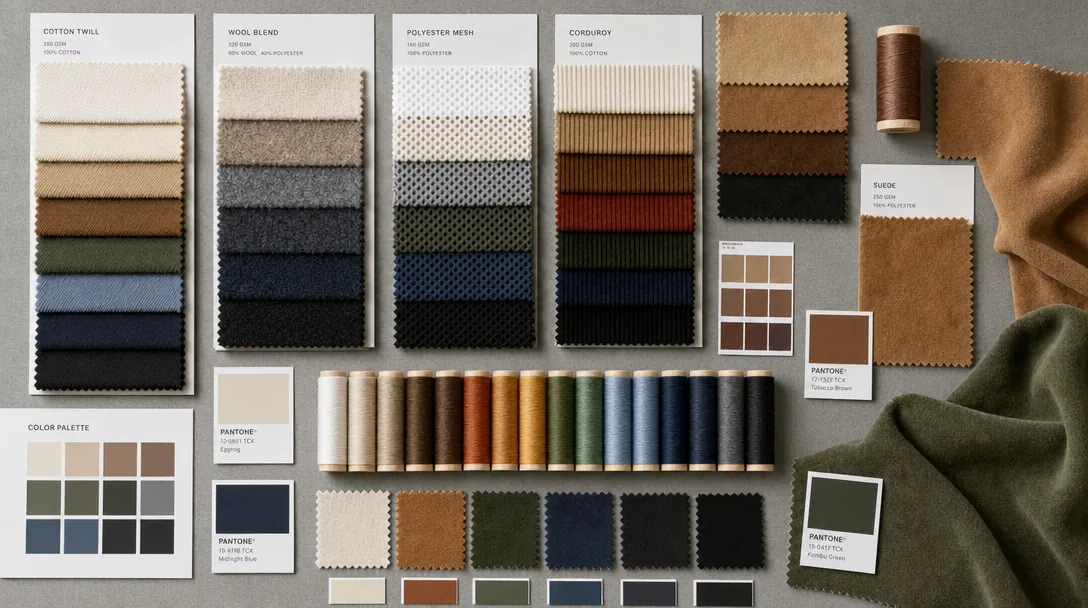
Cotton Beanie: Properties, Costs and How to Spec It Right - 2026 Buyer's Guide
Read article →Corduroy Hat Vintage MOQ And Pricing Plan for Custom Hat Buyers
Read article →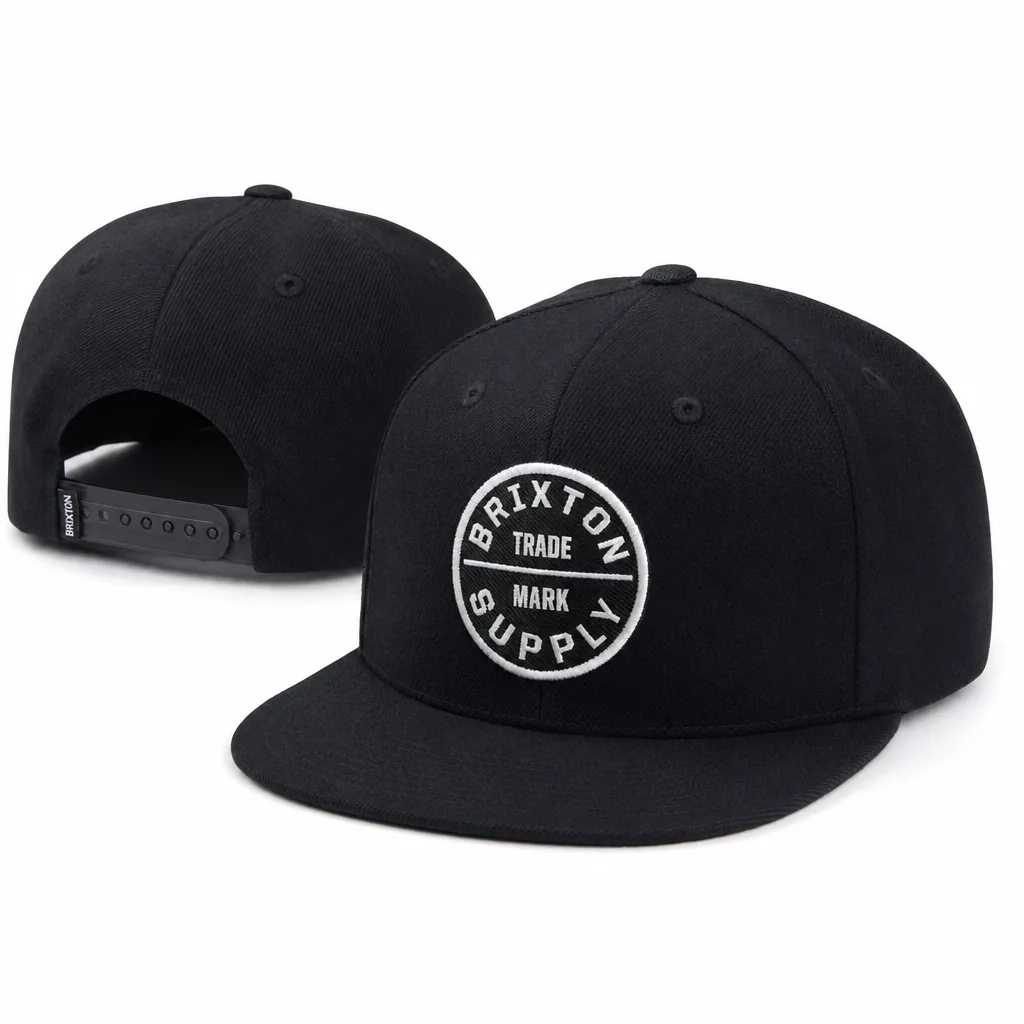
Baseball Hats For Men Fabric And Trim Spec Guide for Custom Hat Buyers
Read article →If you are ready to take the next step on custom golf hats: a manufacturer's guide to performance headwear - cost & moq breakdown, our team can put a tailored quotation and digital mock-up in your inbox within 24 hours. Send the inquiry form on our contact page or message us directly on WhatsApp.