
Custom Golf Hats: A Manufacturer's Guide to Performance Headwear - Cost & MOQ Breakdown - Cost & MOQ Breakdown - Supplier Checklist - Supplier Checklist
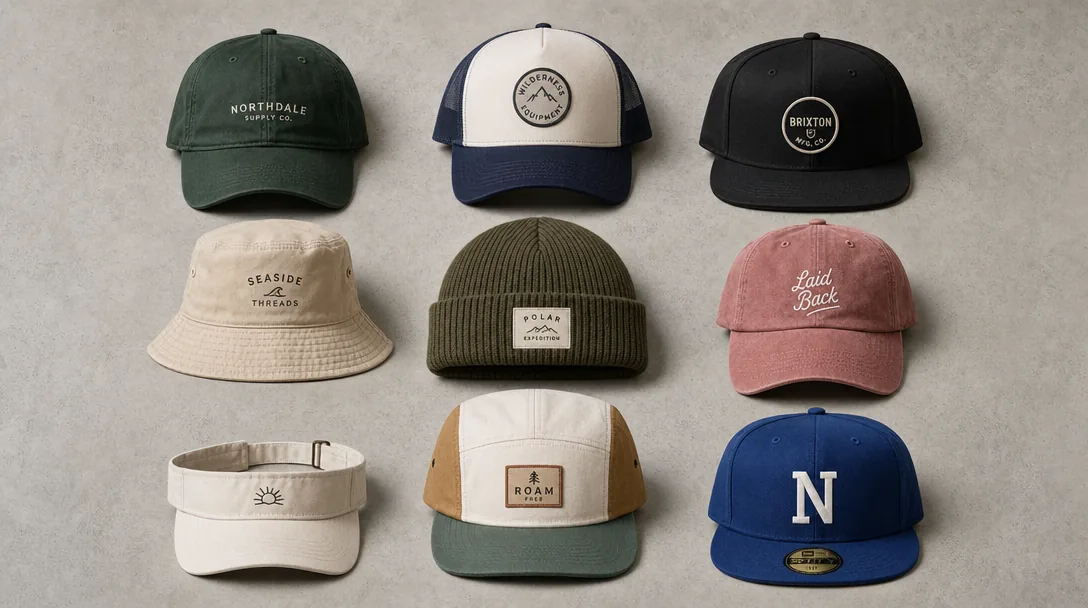
Custom Golf Hats: A Manufacturer's Guide to Performance Headwear - Cost & MOQ Breakdown - Cost & MOQ Breakdown - Supplier Checklist - Supplier Checklist is one of the most-asked questions we receive from international buyers, and for good reason. With dozens of factories competing for your order and an alphabet soup of technical terms in every supplier quote, even experienced importers can feel lost. This guide consolidates what we have learned producing custom hats for clients in 40+ countries.
The golf-specific silhouettes that dominate retail and tournament programs
The volume leader in custom golf hats is still the structured six-panel performance cap with a pre-curved brim, but the sell-through winners in golf are built nothing like cheap promo caps. Serious resort, club, and tournament programs usually spec 100% polyester twill, dobby, or microfiber at 110-140 gsm, with a black or charcoal moisture-wicking sweatband to mask sunscreen, sweat salt, and makeup transfer after repeated rounds. The brim board should land around 2.5-3.0 mm; thinner bills wave after a few weeks in a travel bag, while thicker inserts make the profile feel stiff and off-balance. On crown shape, 8.5-9.0 cm depth is the commercial sweet spot: low enough to avoid the “gas station trucker” look, but high enough to hold front embroidery cleanly on a curved panel. Better factories pair that with light woven buckram rather than heavy nonwoven front support, which sits too tall and prints a hard ridge through thin golf fabrics. The fastest-growing retail silhouette is the five-panel low-profile cap, especially for private-label resort shops and higher-end tournament merchandise that wants a cleaner face than a standard six-panel can offer. A seamless front panel gives more usable space for TPU patches, silicone heat transfers, satin-stitch logos, or woven emblems without fighting a center seam. Fabric choice matters more than most buyers realize: matte peach-finish polyester, poly-spandex at 145-160 gsm, and cotton-nylon performance blends consistently read more premium than shiny tricot that instantly looks promotional. Decoration engineering is where many programs go wrong. On Tajima or Barudan flat frames, light golf fabrics start tunneling when dense logos push much past 9,000-10,000 stitches unless the digitizing is opened to roughly 0.38-0.42 mm density and backed correctly. Our standard practice is to steer buyers toward lightweight HD embroidery, TPU, or silicone for cleaner hand feel and fewer rejects at final inspection.
Rope caps have moved from novelty to core golf headwear, particularly in U.S. resort retail, member-guest events, and premium gifting where buyers want a little nostalgia without losing technical credibility. The construction details are not cosmetic. A proper rope hat uses a 3-5 mm braided polyester cord trapped into the side seams; surface-tacked rope frays quickly from carton abrasion and starts lifting after a few wears. Front profile should stay mid-height, not full crown, because once the cap gets too tall the rope and logo compete and the product drifts out of the golf lane into generic lifestyle. Color control is also less forgiving on rope styles than on plain caps. If the rope is marketed as Pantone matched, body fabric and trim should hold within roughly Delta-E 1.5-2.0 under D65 lighting, or the mismatch reads immediately at retail. Bucket hats and visors are smaller categories, but they are profitable when the use case is defined. Performance buckets work for caddie uniforms, junior camps, and hot-weather events where UPF coverage matters; the reliable spec is usually 100-120 gsm microfiber or poly-spandex, ventilated side panels, and a 5-6 cm brim that shades without blocking peripheral vision on the course. Visors remain strong in women’s assortments, senior golf, and high-heat tournament programs because they solve both airflow and hairstyle compatibility. The common failures are warped PE brim inserts, puckered binding tape, and back closure placement that throws off circumference by more than 0.5 cm. Those are measurable defects, not “handfeel issues,” and they should be controlled under AQL 2.5 with circumference, brim symmetry, and profile checks. In China, stock-fabric MOQs typically run 144-300 pieces per colorway, with realistic FOB ranges of about $2.80-$5.20 for six-panels, $3.40-$6.50 for rope caps, $4.20-$7.80 for buckets, and $2.10-$4.00 for visors before duty and last-mile freight.
Why golf demands performance fabric (not cotton twill)
Cotton twill is a poor baseline for custom golf hats because it stores sweat instead of clearing it. The common brushed cotton used in fashion caps sits around 220-280 gsm, and once the forehead band saturates, that moisture stays in the shell, seam tape, and buckram-facing area for the rest of the round. In real wear tests at 85-95°F over 18 holes, cotton gains noticeable weight, darkens at the front panel, and develops salt mapping that is hard to ignore at retail. Golf fabrics are built differently: 100% polyester microfiber or polyester-spandex woven shells usually run 110-150 gsm, often in 50D to 75D yarns with mechanical stretch or 8-12% elastane. They do not magically “wick” on their own, but the finer filament structure spreads moisture faster across the fabric face, which shortens dry-down and keeps the crown from feeling swampy by the back nine.
Fabric choice only works if the cap is engineered around it. Better custom golf hats pair a lightweight polyester shell with a wicking sweatband—typically poly tricot, hydrophilic warp knit, or a Coolmax-type knit at 140-180 gsm—and avoid building a heat trap under the logo area. I would take a 120-140 gsm woven poly shell with laser-perforated side or rear panels over a closed six-panel cotton build every time; airflow and recovery matter more than old-school heft on a golf course. Decoration is where many otherwise solid programs fail. A full-front 10,000-12,000 stitch embroidery on a structured crown can choke breathability and cause panel puckering, especially if the file is not digitized correctly for Tajima or Barudan heads. For golf, TPU patches, silicone heat transfers, or a tighter embroidery file with lower stitch density usually give a better balance of branding, panel recovery, and wearer comfort.
The premium for true performance fabric is small compared with the quality gap. In bulk production, golf-grade polyester microfiber typically adds about $0.18-$0.45 per cap over commodity cotton twill, depending on gsm, denier, stretch content, and whether the mill applies moisture-management or UV finishing. That is cheap insurance for resort shops, tournament merchandise, and licensed programs, where returns come from sweat-soaked wear and panel distortion—not from saving 30 cents on shell fabric. Buyers should ask for the actual fabric spec, not vague terms like “sports material”: composition, gsm tolerance of +/-5%, color approval against Pantone TCX, lightfastness, crocking, and dimensional stability after washing. At CrownsForge, polyester shades are lab-dipped before bulk cutting and controlled to Delta-E below 1.5, because a hat that dries fast but shifts color in sunlight or fails AQL 2.5 on sweat staining is still a bad golf product.
UPF sun protection for golf programs
UPF is not a generic polyester feature; on custom golf hats, the same nominal 140 gsm fabric can land anywhere from UPF 20s to 50+ once you change weave density, color, stretch, or panel ventilation. A tight plain-weave microfiber or dense interlock can often reach UPF 30-40 without a chemical finish, which is usually enough for spring tournaments or short-duration promo programs. That is not the same as a defensible UPF 50+ claim. If the order is for Arizona, Florida, Hawaii, or Australia, assume the buyer will need a lab report tied to the exact SKU, not a mill sales sheet. White, pastel, heather, and cationic mélange shades routinely underperform darker solids because lower UV absorption and lower cover factor expose the weak points faster. The first design element I challenge is almost always laser perforation or mesh on side and rear panels; those zones can pull the overall result below target even when the front crown fabric tests well in isolation.
Construction details move the result more than most buyers expect. We have seen two 100% polyester caps from the same mill test differently after only changing from a 6-panel to a split-side layout, or adding 8-10% spandex for comfort stretch. Under tension, spandex blends can reduce cover stability, and ultralight 110-120 gsm shells are less forgiving when you add dense embroidery, seam taping, or multiple needle penetrations. Embroidery does not automatically ruin UPF, but thin crowns plus heavy logo stitching are a bad combination when the spec calls for 50+. Underbill fabric, rear opening area, and the neck-facing lower back panels matter too; golfers are outdoors for four to five hours, and the exposure angle is usually lateral, not just overhead. Our standard practice is to lock the shell fabric code, color standard such as Pantone TCX, perforation map, and test method before PP approval, because switching from brushed microfiber to twill or from navy to pastel can invalidate the original report.
If you need a legitimate UPF 50+ claim, the safest route is mill-finished polyester or poly-spandex that is then tested by SGS, Intertek, or Bureau Veritas to AATCC 183 or AS/NZS 4399. Expect testing to cost roughly $300 to $500 per colorway or SKU, and treat that as compliance spend, not a line item to haggle away. Retest whenever you change fabric code, shade, finish, or ventilation geometry. The cost premium in production is real but not dramatic: certified UPF 50+ shell fabric usually adds about $0.18 to $0.45 per cap at 3,000 pieces, with higher deltas on recycled yarns, branded performance textiles, or specialty heathers. MOQ also tightens because mills do not like running UV finishes on tiny lots; in practice, custom golf hats with verified UPF fabric are smoother at 1,000-1,500 pieces per color per style unless you are buying stocked finished yardage. For resorts, college programs, or licensed golf academies, the report number, issue date, and tested sample description matter more than any hangtag copy.
Moisture-wicking sweatband: the detail buyers don't notice until summer
The sweatband is where custom golf hats either earn repeat orders or get marked down after the first heat wave. A standard 180-220 gsm cotton twill band will absorb sweat quickly, but in real summer conditions—30°C / 86°F and 70% RH on an exposed course—it dries too slowly and stays clammy through most of an 18-hole round. You see it immediately in wear tests: dark sweat mapping across the brow, salt creep onto seam tape, and a crown that feels heavier by the back nine. For golf, that matters more than hand feel on a retail shelf. The hat is being worn for four to five hours in direct sun, often with no shade and repeated perspiration cycles, so a moisture-management failure becomes obvious fast. A proper performance band is usually a 140-180 gsm polyester-elastane knit, typically 85/15 or 88/12, in interlock, brushed tricot, or small-hole birdseye constructions. The mechanism is capillary transport, not absorption: multi-filament polyester pulls sweat off the skin side, spreads it across a wider face, and speeds evaporation. In production, I prefer darker inner shades—black, charcoal, deep navy—because they hide salt residue better than white or heather grey, and I avoid bulky folded edges that create pressure points on the forehead. If the rest of the hat uses 120-150 gsm perforated poly-spandex side panels and low-density EVA instead of heavy buckram, the sweatband can actually do its job instead of fighting trapped heat inside the crown.
The upgrade cost is too small to justify skipping. On bulk custom golf hats, moving from a basic cotton band to a filament-poly performance sweatband usually adds about $0.15-$0.25 per cap, depending on width, knit structure, dye method, and whether the finish is a commodity wicking treatment or a branded athletic chemistry. On a 1,200-piece program, that is only $180-$300—noise compared with a $28-$40 retail price point and far cheaper than returns, stale pro-shop inventory, or the reputational hit from a hat that feels soaked by hole six. The better question for buyers is not “can we save twenty cents,” but “what does that twenty cents protect in sell-through and reorders?” Construction and QC matter as much as fiber content. A clean-cover or flat seam on the sweatband reduces forehead abrasion, while poor folding tension during attachment can shrink the inner circumference by 0.3-0.5 cm after heat setting—enough to make a nominal 58 cm cap feel noticeably tight. Ask the factory for yarn spec, gsm, elastane percentage, seam type, shrinkage data, and color control tolerance; for inner components, I consider Delta-E under 1.5 against the approved standard a reasonable target on repeat production. Our standard practice is to check sweatband twist, staining, and shade under AQL 2.5, then verify that front-logo embroidery on Tajima or Barudan heads has not distorted the crown and pulled the band out of round. Buyers usually obsess over closure type and logo size, but in summer golf headwear the sweatband is often the clearest separator between tournament-grade product and ordinary promo caps.
Rope hats: why this silhouette became the golf hero category
Rope hats became the hero silhouette because they fix the two fit failures that undermine a lot of custom golf hats: high-crown truckers can sit awkwardly on golfers with shorter foreheads, while low-profile dad caps look flat on a retail wall and disappear in tournament photography. The version that consistently sells is a mid-profile 5-panel or soft-structured 6-panel body with a 58-60 degree front-panel angle, crown height around 8.5-9.5 cm, a slight pre-curve visor, and a 3-5 mm braided polyester rope set 6-8 mm above the brim seam. That geometry gives enough face without drifting into foam-trucker territory. The rope matters because it creates a hard horizontal break that makes a simple left-center logo look deliberate and premium; if the crown is too shallow, the rope exaggerates the lack of height and the cap reads like souvenir resort product.
The decoration window is the second reason rope hats outperform standard baseball caps. The rope frames the front logo zone, so a 6,000-9,000 stitch flat embroidery on a Tajima, Barudan, or ZSK head looks substantial without overloading the panel. That matters on performance builds: laser-perf polyester at 110-140 gsm and woven poly-spandex at 140-180 gsm will not tolerate the same stitch density as 240-280 gsm cotton twill. Full 3D puff across a detailed crest usually tunnels, distorts perforations, or leaves a wavering baseline after heat shaping; a better factory spec is selective raised embroidery on block letters, flat-fill outlines with lighter underlay, or a welded TPU patch when the fabric has too much mechanical stretch. Cost is also favorable because the silhouette uses standard baseball-cap construction with one extra trim step. At 100 pieces, FOB China is typically $4.20-$7.80 for stock poly, microfiber, or cotton twill with front embroidery under 10,000 stitches; at 300-500 pieces, that usually compresses to $3.10-$5.90. The real risk is QC, not assembly: on a rope hat, ±2 mm rope drift across the visor or a 3 mm logo drop is obvious immediately, so our standard practice is to inspect these styles to AQL 2.5 with extra checks on rope alignment, visor symmetry, and trim color against Pantone TCX under D65 light.
Tournament + club merchandise compliance and timing
Approvals kill more tournament programs than sewing capacity. For custom golf hats tied to club championships, member-guest events, charity opens, or licensed tour merchandise, build the timeline backward from the in-hand date and reserve 12 to 16 weeks. Actual production is usually only 18 to 28 calendar days after fabric, trims, and approved files are in-house; the drag comes from logo licensing, digitizing, strike-offs, PP sample signoff, and packing approval. If the artwork includes metallic thread, tonal navy-on-navy embroidery, or multi-sponsor lockups, send Pantone Solid Coated or Pantone TCX references from the start and approve against a physical sample under D65 light. RGB proofs are useful for layout, not for color control. On stable fabrics like brushed cotton twill, microfiber polyester, or 110-130 gsm performance woven shells, you can usually hold embroidery color within Delta-E 2.0 to 2.5; on heather marl, recycled mélange yarns, and spacer mesh, visible shift is more likely because the ground fabric interferes with perceived thread color. The only reliable checkpoint is a PP sample on the actual cap shell, closure, and sweatband, because crown height, seam breaks, and fabric texture change how a crest reads.
Club-shop timing follows a retail calendar, not an event calendar. If the pro shop wants custom golf hats on fixture by May, a January PO is realistic; a March PO usually forces compromises on sampling, freight mode, or assortment depth. A practical opening buy is built around profile and price ladder: structured 6-panel rope caps in lightweight poly at FOB $4.80-$6.20, laser-perforated performance styles at $6.50-$8.90, and premium tour silhouettes with 3D embroidery, welded TPU patch, or seam-sealed tape from about $8.50 upward, depending on fabric denier, closure type, and MOQ. Retail trims are where schedules quietly slip—UPC labels, branded hangtags, printed sweatbands, size stickers, and carton packing by SKU commonly add 7 to 14 days beyond standard bulk sewing. Our standard practice is to freeze artwork before sampling, because moving a side logo even 8 mm, switching from flat embroidery to molded patch, or revising back-arch text means new digitizing for Tajima, Barudan, or ZSK files, another strike-off, and sometimes a new mold charge. Put compliance into the tech pack on day one: licensed-mark permissions, panel placement rules, needle policy, colorfastness and perspiration test requirements, AQL 2.5 final inspection, country-of-origin marking, and fiber-content labeling for U.S. or EU DDP shipments. sedex-audit-cap-supplier-guide.html">BSCI 2.0 and Sedex SMETA 4-Pillar audits help qualify the factory; they do not replace process discipline on the floor.
Working with CrownsForge on golf programs
Repeatability is what makes a golf program profitable. For custom golf hats, the smartest launch point is not a one-off fashion block but a proven performance shell and an archived pattern set. The workhorse fabric is usually 100% polyester twill or microfiber at 130-160 gsm for structured rope caps, while a 90/10 or 92/8 poly-spandex weave suits buyers who want more give without collapsing the front crown. Most repeat orders only tweak front-panel height by 3-5 mm, visor pitch, rope diameter, or closure trim, so keeping approved blocks by style number eliminates a lot of preventable sampling drift. On the factory floor, that matters more than a beautiful salesman sample because the reorder is where suppliers usually get caught. Decoration has to be engineered around crown geometry, especially on lower-profile golf silhouettes. Big 3D puff looks impressive on a tech pack but often crushes the face of a semi-structured front panel once the cap comes off the frame. Flat embroidery, TPU badges, silicone heat transfers, and lightweight woven patches hold shape better and survive wear on the course. On Tajima or Barudan cap frames, low crowns typically need stitch spacing around 0.35-0.40 mm, lighter underlay, and tighter pull compensation control to avoid tunneling and puckering. If a supplier cannot explain how they digitize for a reduced crown height, expect distortion around the logo and inconsistent panel tension from carton one to carton twenty.
Performance claims on custom golf hats should be lab-backed, not guessed from fiber content. If a buyer needs UPF 30+ or UPF 50+, the clean way to verify it is third-party testing to AATCC 183, because shade depth, knit density, and finishing chemistry can move the rating even within the same polyester family. Sweatband specification has a bigger effect on wearer comfort than most decorative details: a 35-45 mm poly terry or brushed tricot band with a wicking finish is the practical standard, and antimicrobial treatment only makes sense when the retailer or licensing program actually requires it. Laser-perforated side panels, 75D to 150D performance weaves, and snapback or micro-hook elastic closures are common choices, but each one affects cost, lead time, and failure points in production. CrownsForge standard timing is 7-12 days for first prototypes when fabric and trims are in stock, then roughly 25-32 days bulk FOB Yiwu on mainstream builds. At 500-1,000 pieces, a straightforward polyester rope style usually lands around $4.20-$6.80 FOB; add a molded metal buckle, two extra logo locations, mixed decoration, or retail polybag-plus-insert packing and the number climbs quickly. Serious buyers should ask how colors are approved under D65 light, whether dyed fabric is held to a Delta-E tolerance such as 1.0-1.5 against the lab dip or Pantone reference, and whether in-line plus final inspection follows AQL 2.5. For golf caps, the right QC points are crown symmetry, visor curvature consistency, rope tension, seam slippage at the side panels, sweatband attachment, and clean embroidery registration across the lot.
Frequently Asked Questions
What file format should I send for my logo?
Vector files (AI, EPS, PDF) are ideal. High-resolution PNG or JPG at 300 dpi on transparent background works as a fallback. Provide Pantone color references for accurate reproduction.
Which shipping methods do you support?
We support FOB, CIF and DDP shipping. Air express for samples and small orders, sea LCL for 100 to 500 pieces, sea FCL for 5,000+ pieces. Door-to-door DDP available for US, EU, UK, Canada and Australia.
Can I order a sample before bulk production?
Yes. We strongly recommend approving a pre-production sample before mass production. Samples are charged at 35 to 60 USD each plus express shipping, fully refundable against confirmed bulk orders over 500 pieces.
What logo decoration techniques do you offer?
3D puff embroidery, flat embroidery, woven patch, leather patch, PVC patch, screen printing, sublimation, applique and laser etching, all in-house with no subcontracting.
What is the minimum order quantity (MOQ) for custom hats?
Our standard MOQ is 100 pieces per design and color, with sampling available from 1 piece. For complex multi-color logos or premium fabric upgrades, the MOQ can be lowered with a small per-piece surcharge.
What's the MOQ for custom embroidered baseball caps no minimum?
When evaluating custom embroidered baseball caps no minimum, the key considerations are construction quality, decoration capability, MOQ flexibility and lead time. Performance baseball cap with curved brim, 5-panel low-profile golf cap, rope hat with rope detail above the brim, performance bucket hat, and visor. Each has a specific use case — driving range, tournament play, club merchandise programs and pro-shop retail. Standard cotton twill absorbs perspiration and stays heavy. Golf demands moisture-wicking polyester (typically…
How does ordering baseball cap custom logo work?
When evaluating baseball cap custom logo, the key considerations are construction quality, decoration capability, MOQ flexibility and lead time. Performance baseball cap with curved brim, 5-panel low-profile golf cap, rope hat with rope detail above the brim, performance bucket hat, and visor. Each has a specific use case — driving range, tournament play, club merchandise programs and pro-shop retail. Standard cotton sweatband saturates within 9 holes of summer play; polyester-elastane wicking sweatband moves…
How does ordering custom baseball team hats work?
When evaluating custom baseball team hats, the key considerations are construction quality, decoration capability, MOQ flexibility and lead time. Performance baseball cap with curved brim, 5-panel low-profile golf cap, rope hat with rope detail above the brim, performance bucket hat, and visor. Each has a specific use case — driving range, tournament play, club merchandise programs and pro-shop retail. Rope hats (a 5-panel or 6-panel cap with decorative rope above the brim, often in contrast color) became the golf…
What's the MOQ for custom logo hats no minimum?
When evaluating custom logo hats no minimum, the key considerations are construction quality, decoration capability, MOQ flexibility and lead time. Rope hats (a 5-panel or 6-panel cap with decorative rope above the brim, often in contrast color) became the golf cap of the 2020s. Originally a fishing/outdoor silhouette adopted by Imperial, Melin and Branded Bills. We produce equivalents at MOQ 100 pieces. Performance baseball cap with curved brim, 5-panel low-profile golf cap, rope hat with rope detail above the brim,…
Ready to start your custom hat project?
Send us your tech-pack, sketch or even just an inspiration photo. We will respond with a detailed quotation and digital mock-up within 24 hours.
Request a free quoteRelated guides
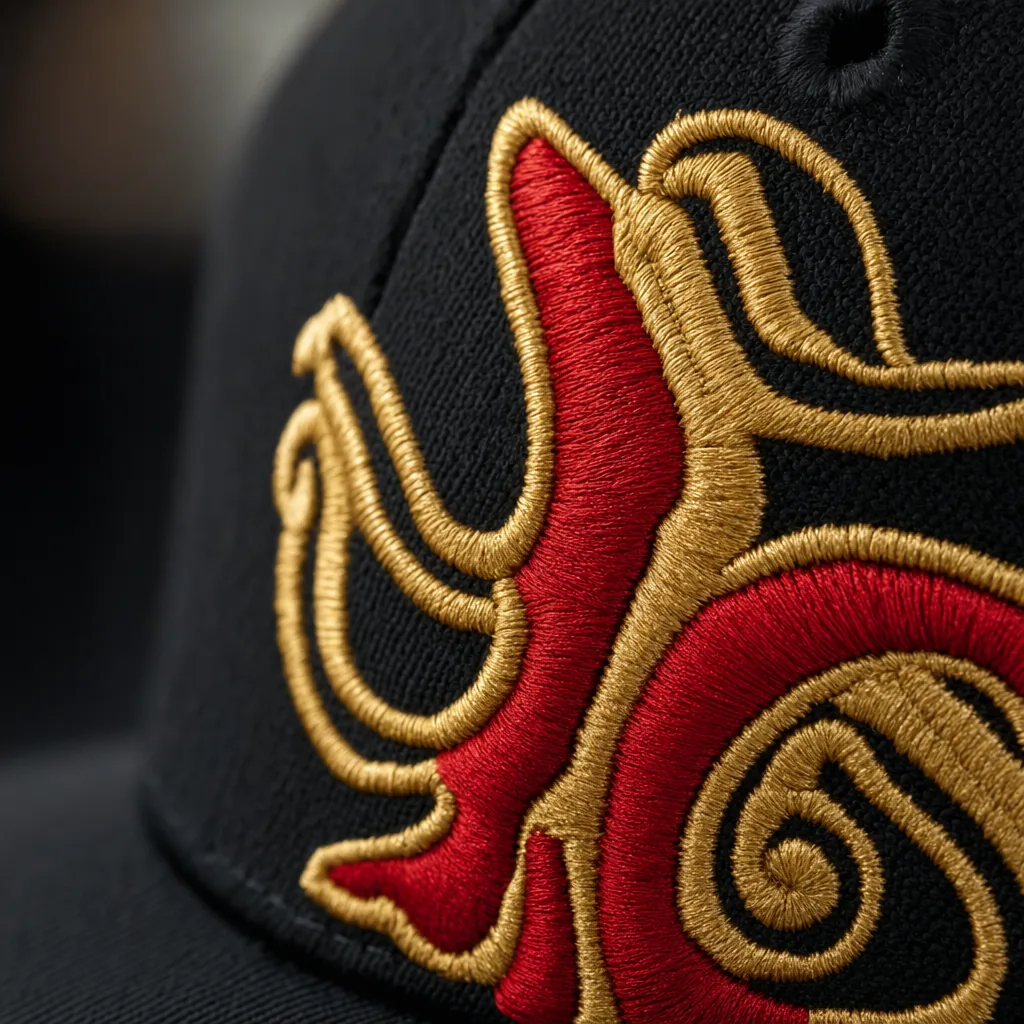
Custom Logo Hats: When to Use It, Costs, and What to Ask Your Factory - Supplier Checklist - Cost & MOQ Breakdown
Read article →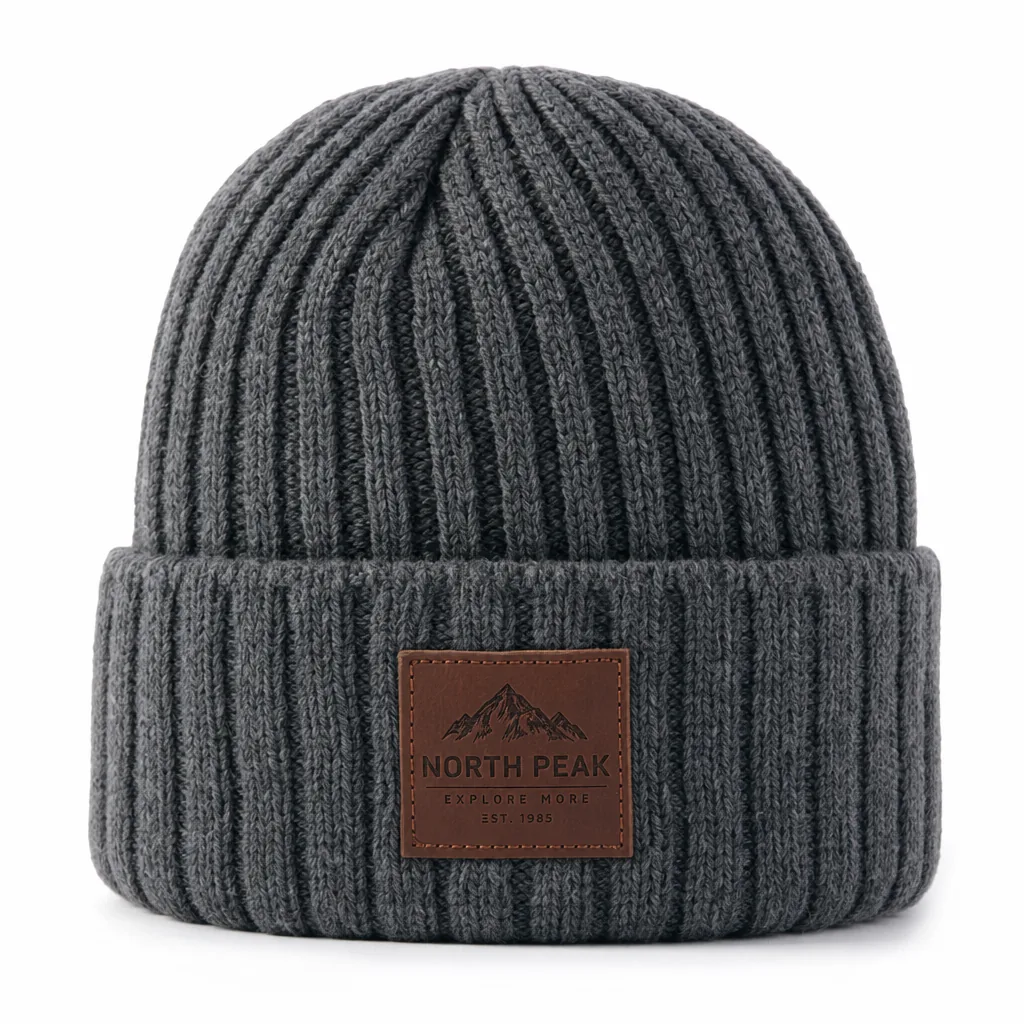
Cap Fabric Guide: Cotton Twill, Wool Blend, Polyester & Performance Materials
Read article →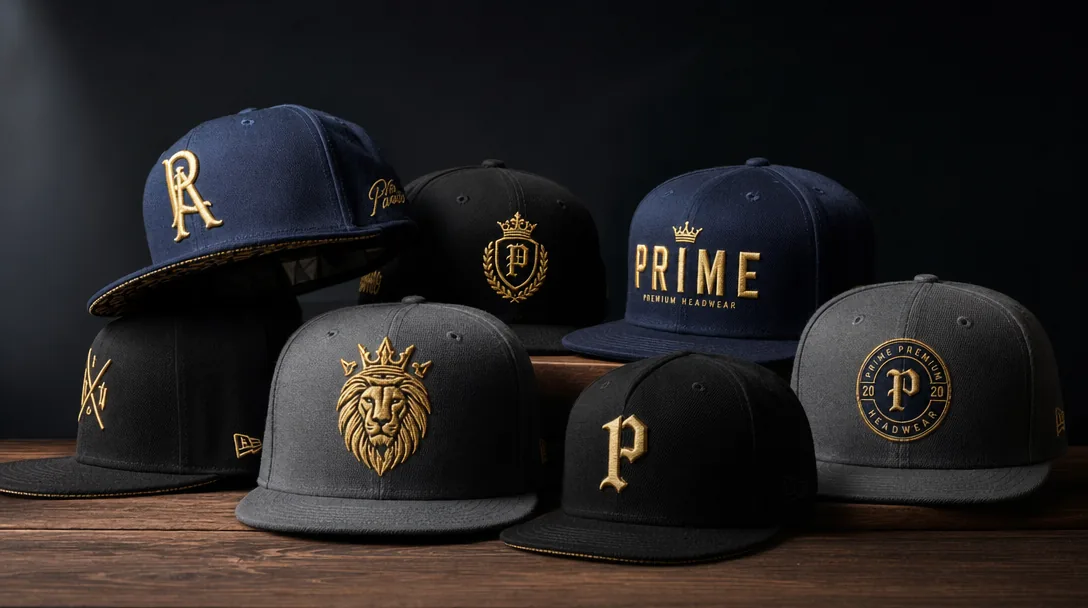
Custom Wool Blend Ball Cap: A 2026 B2B Sourcing Guide - Supplier Checklist - 2026 Buyer's Guide
Read article →If you are ready to take the next step on custom golf hats: a manufacturer's guide to performance headwear - cost & moq breakdown - cost & moq breakdown - supplier checklist - supplier checklist, our team can put a tailored quotation and digital mock-up in your inbox within 24 hours. Send the inquiry form on our contact page or message us directly on WhatsApp.