
Custom Golf Hats: A Manufacturer's Guide to Performance Headwear - Cost & MOQ Breakdown - Cost & MOQ Breakdown (2026 Update) - Supplier Checklist
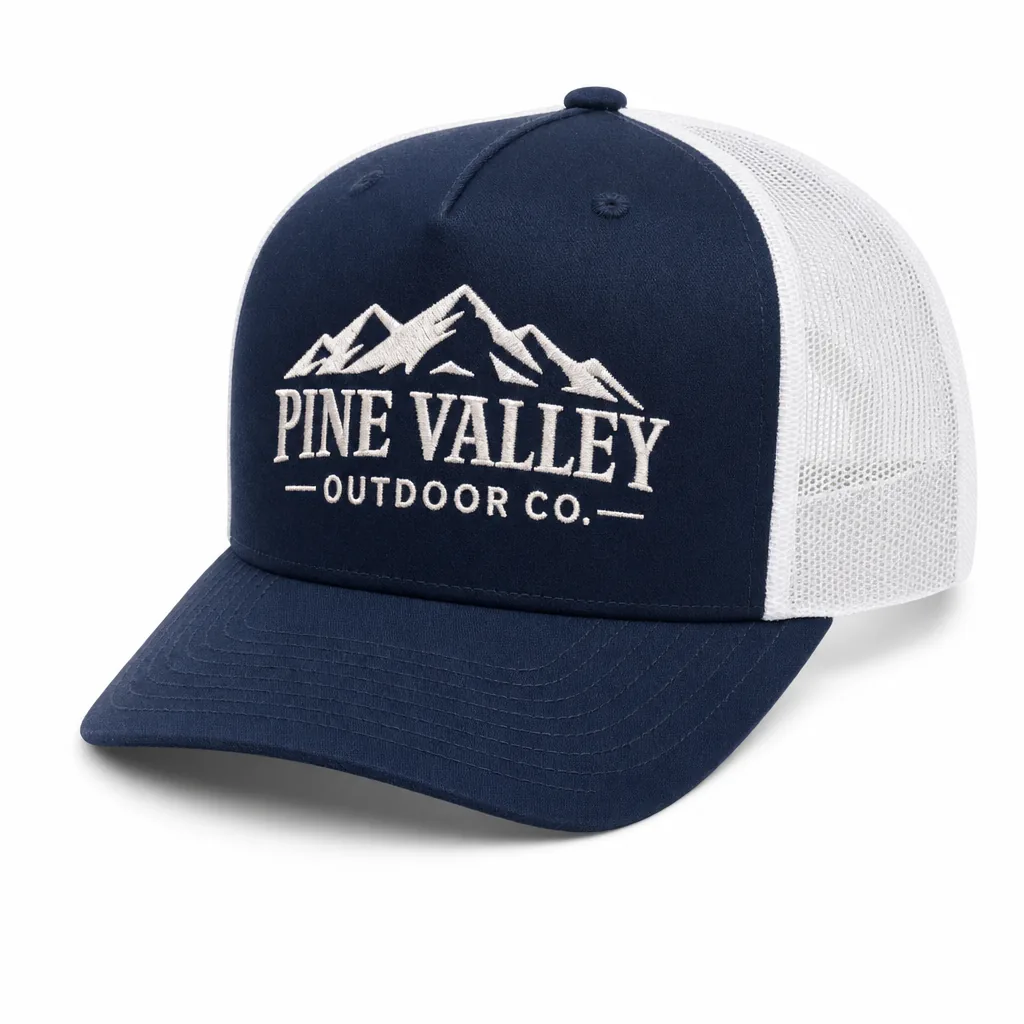
Every week, our sales team answers detailed questions about custom golf hats: a manufacturer's guide to performance headwear - cost & moq breakdown - cost & moq breakdown (2026 update) - supplier checklist. We wrote this guide so that wholesalers, streetwear brands, corporate buyers and promotional resellers can compare options with full information, and avoid the traps that show up only after production has started.
The golf-specific silhouettes that dominate retail and tournament programs
For custom golf hats, the lowest-risk retail silhouette is still the structured performance cap: a 6-panel, mid-profile crown with a pre-curved PE brim, 150-180 gsm polyester or nylon-spandex shell, and a wicking sweatband using Coolmax-type yarn or an equivalent quick-dry filament. It is not the most original shape, but it fits pro-shop retail, member-guest tournaments, corporate outings, and licensed team programs without forcing buyers into a narrow style lane. In hot markets such as Florida, the Gulf states, Southeast Asia, and the Caribbean, micro-perforated side and back panels usually look more premium than trucker mesh while giving real airflow. The front-panel structure is the detail I watch first: 280-320 gsm fused backing gives enough stability for flat embroidery or a woven patch without making the cap stand up like a baseball on-field model. For 500-3,000 pieces, realistic FOB China pricing is $3.20-$5.80 per cap; nylon-spandex, custom metal buckles, 3D puff embroidery, silicone patches, and heat-transfer logos push the quote toward the top of that range.
Low-profile 5-panel caps and rope hats sell when the buyer wants golf with more club-shop or streetwear character. A 5-panel build gives a cleaner uninterrupted front for woven patches, silicone badges, TPU transfers, and lower-density embroidery, especially when the logo stays below about 7,000 stitches. Rope hats use similar cap architecture, but the 4-6 mm polyester cord above the brim exposes sloppy sewing fast: the rope should track parallel to the brim edge within 2 mm, and both ends need to bury cleanly into the side seam without a bulky knot. On Tajima, Barudan, or ZSK embroidery heads, dense logos over 9,000 stitches should be tested on the actual bulk fabric, not a showroom swatch, because 150 gsm performance polyester can show needle cutting, tension marks, or crown puckering. Our standard practice at CrownsForge is to approve Pantone TCX fabric shade, thread Delta-E under 1.5, logo placement tolerance, and one washed sample before bulk cutting.
Buckets and visors are narrower programs, but they can carry strong margins when the use case is specific. Performance bucket hats fit caddie uniforms, junior camps, resort retail, and sun-heavy events; common specs are 75D or 100D polyester, UPF 50 finish, 6-8 stitched brim rows, a wicking inner band, and sometimes a detachable chin cord for coastal courses. The main failure point is pattern control, not decoration: a brim 5 mm too soft or too wide can fall into the player’s sightline, while an over-stiff brim makes the product feel like workwear instead of golf retail. Visors remain reliable for women’s leagues, charity tournaments, and tennis-golf crossover shops, with Velcro, elastic, or low-profile metal buckle closures. MOQ logic changes by silhouette: visors often start at 300-500 pieces per color, while custom-dyed bucket fabric usually needs 1,000 pieces or more. AQL 2.5 inspection should check brim symmetry, sweatband sewing, closure pull strength, shade consistency, and logo position, not only embroidery appearance.
Why golf demands performance fabric (not cotton twill)
Cotton twill feels familiar in a sample room, but it is the wrong default for custom golf hats used in heat, humidity, and repeated sweat cycles. A 260-320 gsm cotton twill crown absorbs moisture, darkens in patches, dries slowly, and can shrink enough after laundering to distort visor tension and crown height. For golf, the fabric spec should name weight, yarn, construction, stretch, and finish: 110-140 gsm polyester microfiber, 150D mechanical-stretch polyester, or a 92/8 polyester-spandex woven with a hydrophilic wicking treatment are practical starting points. I would reject any supplier claim of “quick dry” unless it is backed by a drop test, vertical wicking result, or AATCC 195-style moisture management data. On our incoming checks, a water drop should spread through the face fabric in under 5 seconds; untreated polyester often beads for 30 seconds or longer, leaving sweat against the forehead.
Performance fabric also protects color discipline, which matters when golf programs match uniforms, sponsor palettes, or Pantone TCX seasonal ranges. Navy, black, optic white, and high-chroma reds should be tested for perspiration colorfastness at grade 4 or better, with lab dip approval held to roughly Delta-E 1.5-2.0 before bulk cutting. Ventilation must be built into the pattern, not treated as decoration: laser-perforated side panels need clean hole edges and safe spacing so they do not tear during blocking, while mesh-backed panels need lightweight buckram that holds crown shape without trapping heat. Sweatbands are another common failure point; brushed cotton bands stay wet and leave salt marks, while a 180-220 gsm polyester wicking band with elastic recovery performs better over 18 holes. Logo execution must follow the fabric: dense Tajima, Barudan, or ZSK embroidery can pucker thin microfiber, so digitizing should reduce stitch density, use proper backing, and avoid oversized filled areas on the front crown.
UPF sun protection for golf programs
Most white or light-gray polyester used in custom golf hats will reach only UPF 30+ when the weave is tight enough: typically 150-180 gsm micro-denier twill, pique, mini-ripstop, or dobby with little show-through when held against a light box. Dark navy, black, and forest green often test higher because dye absorbs more UV, but shade is not a certification. The weak point is usually the back half of the cap. Open trucker mesh, laser-perforated side rows, thin 4-way stretch panels, and vented crowns can drop real skin coverage even when the front panels look technical. A structured 6-panel cap in 100% polyester pique may pass UPF 30+ without special chemistry; a trucker style should claim protection only on the solid panels unless it uses closed-hole performance mesh with its own test report.
UPF 50+ needs to be built into the fabric specification before sampling, not added later as hangtag language. The safer spec is a 160-190 gsm treated polyester twill, birdseye knit, or dobby with moisture-wicking finish, tested to AS/NZS 4399 or AATCC 183 through SGS, Intertek, or Bureau Veritas. Lab fees usually run $300-$500 per color and fabric SKU, so white, stone, and navy need separate budgets if each shade carries a certified claim. UV chemistry, DWR, and antimicrobial finishes can make the hand feel drier or slightly stiffer, which affects seam puckering and embroidery density on Tajima or Barudan heads. Buyers should approve bulk fabric rolls before logo digitizing, not just a showroom sample. In Australia, Florida, Arizona, and Hawaii resort programs, UPF 50+ is often written into the PO for pro-shop headwear.
The MOQ problem is treated fabric availability, not cap sewing capacity. A custom-dyed UPF 50+ polyester lot is commonly 300-500 kg at the mill, which converts to roughly 8,000-15,000 finished caps depending on crown height, visor shape, seam allowance, and cutting yield. Smaller programs can use stock-certified fabrics, but the colors are usually limited to black, white, navy, gray, and khaki; Pantone TCX matching is only approximate unless the mill dyes a fresh lot and controls Delta-E under 1.5. Our standard practice at CrownsForge is to match the UPF report, care label, carton mark, and hangtag wording before bulk packing. During AQL 2.5 inspection, a custom golf hat labeled UPF 50+ can be rejected if the report covers untreated greige fabric, a different colorway, or only the front-panel material while the side mesh remains untested.
Moisture-wicking sweatband: the detail buyers don't notice until summer
The sweatband is usually the first summer failure point on custom golf hats because it sits exactly where heat, sunscreen, salt, and hair product collect. A standard 100% cotton twill band at 180-220 gsm feels acceptable during sample approval, but it absorbs sweat like a towel and stays wet against the forehead. For golf orders shipping into Florida, Texas, the Carolinas, the Gulf Coast, or Southeast Asia, I specify a 35-38 mm polyester-elastane wicking band, typically 92/8 or 90/10, with a brushed skin side and a smoother outer face. The brushed side pulls moisture off the skin; the face side spreads it laterally so air moving through eyelets, mesh, or perforated panels can evaporate it. On structured 5-panel and 6-panel caps, that also reduces moisture transfer into the buckram, which helps the front panel keep its shape after 18 holes in 85-95°F heat.
The cost argument for deleting the wicking band is weak. A dependable polyester-elastane sweatband normally adds $0.15-$0.28 per cap, or $150-$280 on a 1,000-piece PO, depending on yarn quality, finished width, dye-lot control, and whether the buyer wants silver-ion or non-silver antimicrobial finishing. Cheap black bands are a real risk on white, stone, khaki, and light gray crowns, especially when cartons sit in a 40-foot container for 25-35 days in summer. Our standard practice at CrownsForge is to test sweatband shrinkage below 3% after wash exposure and keep shade variance within Delta-E 1.5-2.0 against the approved lab dip under D65 lighting. If the budget is tight, cut a sandwich trim, reduce one embroidery color, or simplify the side logo before removing the wicking band. Dense Tajima or Barudan front embroidery already reduces breathability; trapping sweat behind that panel is how a clean sample becomes a return issue.
Treat the sweatband as a controlled component in the tech pack, not a loose note that says “poly sweatband.” Specify composition, finished width, Pantone TCX or lab-dip reference, stretch recovery after extension, skin-side brushing, seam construction, and required colorfastness to perspiration. For pre-production samples, check slippage at the back seam, puckering along the front join, abrasive edges at the temple, and acidic/alkaline perspiration fastness before approving bulk cutting. During final inspection at AQL 2.5, inspectors should bend the front panel, pull the band lightly at the join, compare shade under D65, and check whether the band rolls after handling. Buyers rarely reject custom golf hats from photos because of a sweatband, but golfers notice it by the turn. A cap that feels wet, tight, or abrasive after two humid hours will not get reordered, even if the logo embroidery and crown shape looked perfect in the sample room.
Rope hats: why this silhouette became the golf hero category
Rope hats became the golf hero category because one 4-5 mm cord gives the cap a clear retail signal without forcing a fully developed mold, new block, or private trim package. For custom golf hats, the cleanest low-MOQ route is a stock shallow 5-panel or relaxed 6-panel crown in 160-180 gsm polyester-spandex twill, 210D nylon, or a cotton-nylon blend, using stock rope, stock visor board, and plastic snapback. That can usually run at 100 pieces per colorway. The minute a buyer specifies Pantone TCX-dyed shell fabric, a custom rope braid, branded metal buckle, woven back tab, or contrast sandwich visor, the practical MOQ moves to 300-500 pieces because fabric dyeing, cord knitting, and plated hardware all have their own minimums. A realistic FOB China range is $5.20-$8.80 at 100 pieces, rising fast with 3D embroidery, moisture-wicking sweatbands, laser perforation, TPU badges, silicone labels, or custom buckles, which commonly add $0.40-$1.60 per cap before freight.
The production risk is not the rope material; it is keeping the rope visually straight after crown shaping, logo embroidery, visor curving, and carton packing. Our standard practice at CrownsForge is to hold rope height and left-right balance within 2 mm, check visor curve against a fixed jig, and reject front panels that pucker around dense logos above roughly 8,000-10,000 stitches. On Tajima, Barudan, or ZSK heads, rope-hat artwork needs proper backing, reduced pull compensation, and controlled hoop tension, especially on stretch twill or light nylon where the front panel shifts under the needle. For wholesale golf programs, inspection should cover rope straightness, panel symmetry, visor memory, sweatband seam bulk, closure strength, and carton compression under AQL 2.5. A sample photo can hide problems that show up only after 24 hours in a master carton: wavy rope, flattened visors, off-center embroidery, or a front logo pulling the crown into a dent.
Tournament + club merchandise compliance and timing
Tournament merchandise usually breaks on approval control, not stitching. For PGA member events, member-guests, club championships, and sponsor-heavy charity outings, 90 days is the minimum workable lead time; 120 days is the calendar I would actually build around for custom golf hats with embroidery, woven patches, rope trim, mixed colorways, or licensed marks. Reserve the first 10 to 15 days for vector cleanup, embroidery digitizing, Pantone TCX confirmation, trim matching, and one physical pre-production sample. Polyester pique, nylon taslan, and poly-spandex performance fabric can normally hold Delta-E 1.5 to 2.0 against an approved lab dip, while cotton twill, recycled polyester, and heather yarns often need Delta-E 2.5 because dye lots shift. Approve the crown fabric, visor fabric, sandwich tape, rope, sweatband, buckle, snapback, inside seam tape, and carton label separately. A single front-view photo is weak evidence when the sponsor red on the crest, the rope red, and the club’s Pantone reference must match under tournament photography.
Embroidery capacity is the hidden timing risk. A clean 5,000-stitch front logo on a 6-head Tajima or Barudan line may produce 1,200 to 1,800 caps per day, but a 12,000-stitch club crest with metallic thread, 3D puff foam, fine serif lettering, or dense fill can cut output by 30% to 40% and create more thread breaks. ZSK heads are strong on complex sew-outs, but they still need approval on the exact crown fabric, buckram, backing, and thread brand used in bulk. Heat transfer, silicone patches, and woven labels move faster, yet many pro shops still prefer raised embroidery because it supports a $32 to $45 retail ticket. Lock sponsor marks before sampling. One late logo can mean a new digitized tape, revised sew-out, legal reapproval, and lost production slot. A realistic event calendar is final artwork 105 days out, sample approval 75 days out, bulk finished 30 days out, then a delivery buffer for customs exams, typhoon-season port congestion, or resort receiving windows.
Pro-shop retail programs need a different calendar than one-day tournaments. If the selling season runs May through September, assortment decisions should close by January, with bulk custom golf hats leaving the factory by late March for U.S. or EU distribution. Clubs that wait until spring usually fall back to stock blanks, losing control over visor curve, crown height, closure type, perforation pattern, sweatband quality, and exact club color. Our standard practice at CrownsForge is to split retail buys into core carryover SKUs and seasonal capsules: 144 pieces per SKU for navy, white, black, and stone performance polyester, then 72 to 96 pieces for rope caps, laser-perforated panels, lightweight 110 to 130 gsm summer fabrics, or contrast undervisor styles. Compliance should be cleared before purchase order release, not during packing. For licensed club marks, require written logo authorization, approved placement diagrams, AQL 2.5 final inspection, carton-level barcode specs, fiber content labeling, country-of-origin marking, and sedex-audit-cap-supplier-guide.html">BSCI 2.0 or Sedex SMETA 4-Pillar documentation when goods flow through a national retailer, resort group, or corporate sponsor channel.
Working with CrownsForge on golf programs
A workable schedule for custom golf hats is 7-12 days for fit and decoration sampling, then 25-32 days for bulk production after sample approval, deposit, artwork files, Pantone TCX references, closure choice, and fit notes are locked. That timeline assumes stock performance fabrics, not lab-dyed material. For stock polyester pique, nylon taslan, poly-spandex, or 160-180 gsm recycled performance twill, MOQ usually starts at 300 pieces per color. Custom-dyed fabric, private molded closures, woven side labels, sandwich visors, or full third-party UPF and colorfastness testing normally moves the practical MOQ to 600-1,000 pieces per color. FOB Yiwu is the cleaner basis during development because carton dimensions and gross weight are still moving targets; DDP pricing should wait until we know packing ratio, destination ZIP code, and whether the buyer needs duties prepaid into the U.S., EU, or Australia.
Our standard practice at CrownsForge is to put inspection terms directly in the PO before fabric cutting, because golf caps expose small construction errors more than streetwear caps. Use AQL 2.5 for major defects and AQL 4.0 for minor defects, with written checkpoints for D65 lightbox shade control, Delta-E tolerance, visor curve consistency, seam symmetry, sweatband attachment, skipped stitches, loose threads, and logo placement within 2 mm. For embroidered logos, confirm stitch count and machine type before sampling; a 9,000-stitch front logo on Tajima or Barudan heads behaves differently from a flat heat-transfer mark on moisture-wicking polyester. For golf shops, resorts, and tournament programs, require pre-production photos of crown height, side profile, rope placement, closure branding, and inside labeling before bulk cutting. The cheapest mistake to fix is still the one caught before 300 panels are embroidered.
Frequently Asked Questions
What is the minimum order quantity (MOQ) for custom hats?
Our standard MOQ is 100 pieces per design and color, with sampling available from 1 piece. For complex multi-color logos or premium fabric upgrades, the MOQ can be lowered with a small per-piece surcharge.
Do you support sustainability certifications?
Yes. We work with GOTS organic cotton, GRS-certified recycled polyester, OEKO-TEX Standard 100 fabrics, and are BSCI and Sedex audited. Certification documentation can be provided per order.
How long does production take?
Sampling takes 7 to 12 days. Bulk production runs 20 to 30 days depending on quantity, fabric availability and decoration complexity. Inspection and packing adds another 3 to 5 days before shipment.
What logo decoration techniques do you offer?
3D puff embroidery, flat embroidery, woven patch, leather patch, PVC patch, screen printing, sublimation, applique and laser etching, all in-house with no subcontracting.
Can I order a sample before bulk production?
Yes. We strongly recommend approving a pre-production sample before mass production. Samples are charged at 35 to 60 USD each plus express shipping, fully refundable against confirmed bulk orders over 500 pieces.
What's the MOQ for custom embroidered baseball caps no minimum?
When evaluating custom embroidered baseball caps no minimum, the key considerations are construction quality, decoration capability, MOQ flexibility and lead time. Performance baseball cap with curved brim, 5-panel low-profile golf cap, rope hat with rope detail above the brim, performance bucket hat, and visor. Each has a specific use case — driving range, tournament play, club merchandise programs and pro-shop retail. Standard cotton twill absorbs perspiration and stays heavy. Golf demands moisture-wicking polyester (typically…
How does ordering baseball cap custom logo work?
When evaluating baseball cap custom logo, the key considerations are construction quality, decoration capability, MOQ flexibility and lead time. Performance baseball cap with curved brim, 5-panel low-profile golf cap, rope hat with rope detail above the brim, performance bucket hat, and visor. Each has a specific use case — driving range, tournament play, club merchandise programs and pro-shop retail. Standard cotton sweatband saturates within 9 holes of summer play; polyester-elastane wicking sweatband moves…
How does ordering custom baseball team hats work?
When evaluating custom baseball team hats, the key considerations are construction quality, decoration capability, MOQ flexibility and lead time. Performance baseball cap with curved brim, 5-panel low-profile golf cap, rope hat with rope detail above the brim, performance bucket hat, and visor. Each has a specific use case — driving range, tournament play, club merchandise programs and pro-shop retail. Rope hats (a 5-panel or 6-panel cap with decorative rope above the brim, often in contrast color) became the golf…
What's the MOQ for custom logo hats no minimum?
When evaluating custom logo hats no minimum, the key considerations are construction quality, decoration capability, MOQ flexibility and lead time. Rope hats (a 5-panel or 6-panel cap with decorative rope above the brim, often in contrast color) became the golf cap of the 2020s. Originally a fishing/outdoor silhouette adopted by Imperial, Melin and Branded Bills. We produce equivalents at MOQ 100 pieces. Performance baseball cap with curved brim, 5-panel low-profile golf cap, rope hat with rope detail above the brim,…
Ready to start your custom hat project?
Send us your tech-pack, sketch or even just an inspiration photo. We will respond with a detailed quotation and digital mock-up within 24 hours.
Request a free quoteRelated guides
Fitted Hats Custom: A Vertical-Specific Sourcing Guide
Read article →
Custom Made Trucker Hat: The 2026 Sourcing & Manufacturing Playbook - 2026 Buyer's Guide - 2026 Buyer's Guide - 2026 Buyer's Guide
Read article →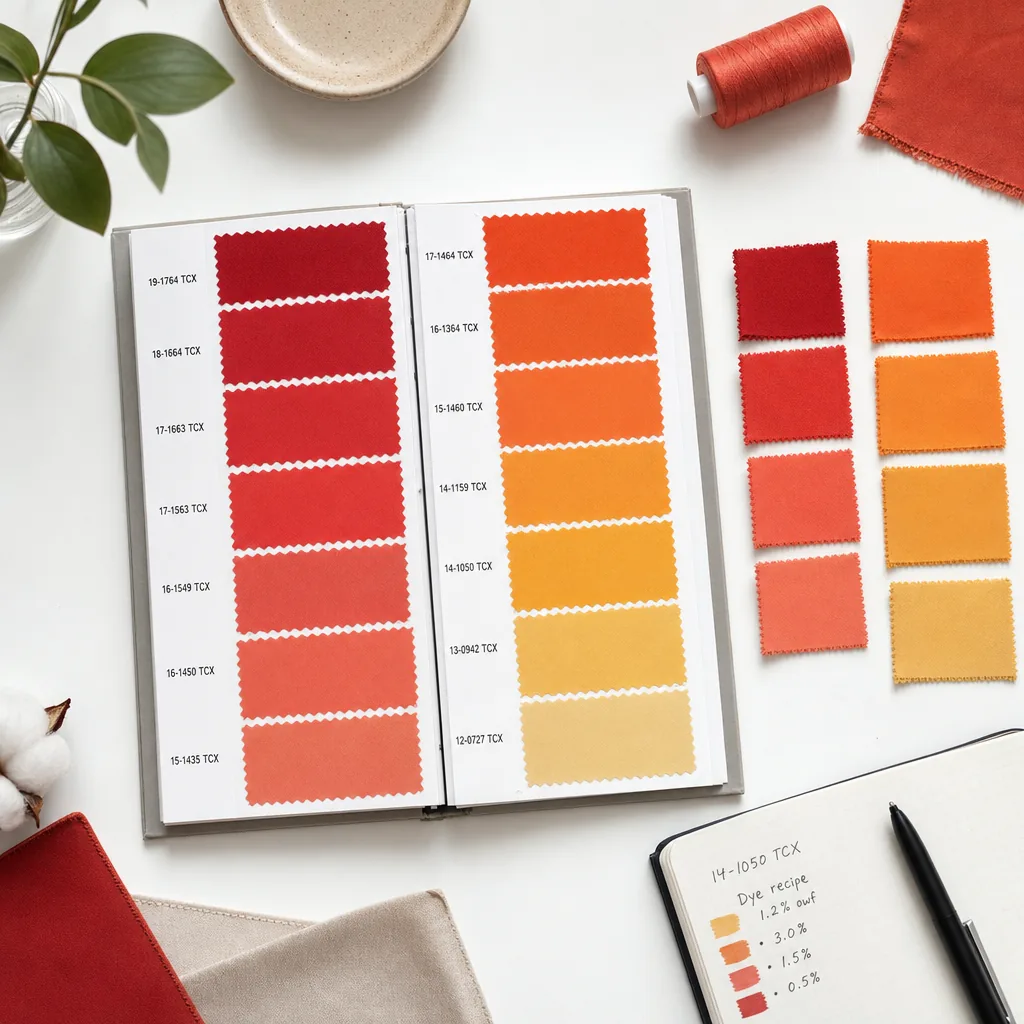
Pantone Color Matching for Custom Caps: A Manufacturer's Reference - 2026 Buyer's Guide
Read article →We hope this guide demystifies custom golf hats: a manufacturer's guide to performance headwear - cost & moq breakdown - cost & moq breakdown (2026 update) - supplier checklist and helps you move forward with confidence. If you have questions specific to your project, our English-speaking sales engineers are one message away.