
Custom Golf Hats: A Manufacturer's Guide to Performance Headwear - Cost & MOQ Breakdown - Cost & MOQ Breakdown (2026 Update) - Cost & MOQ Breakdown
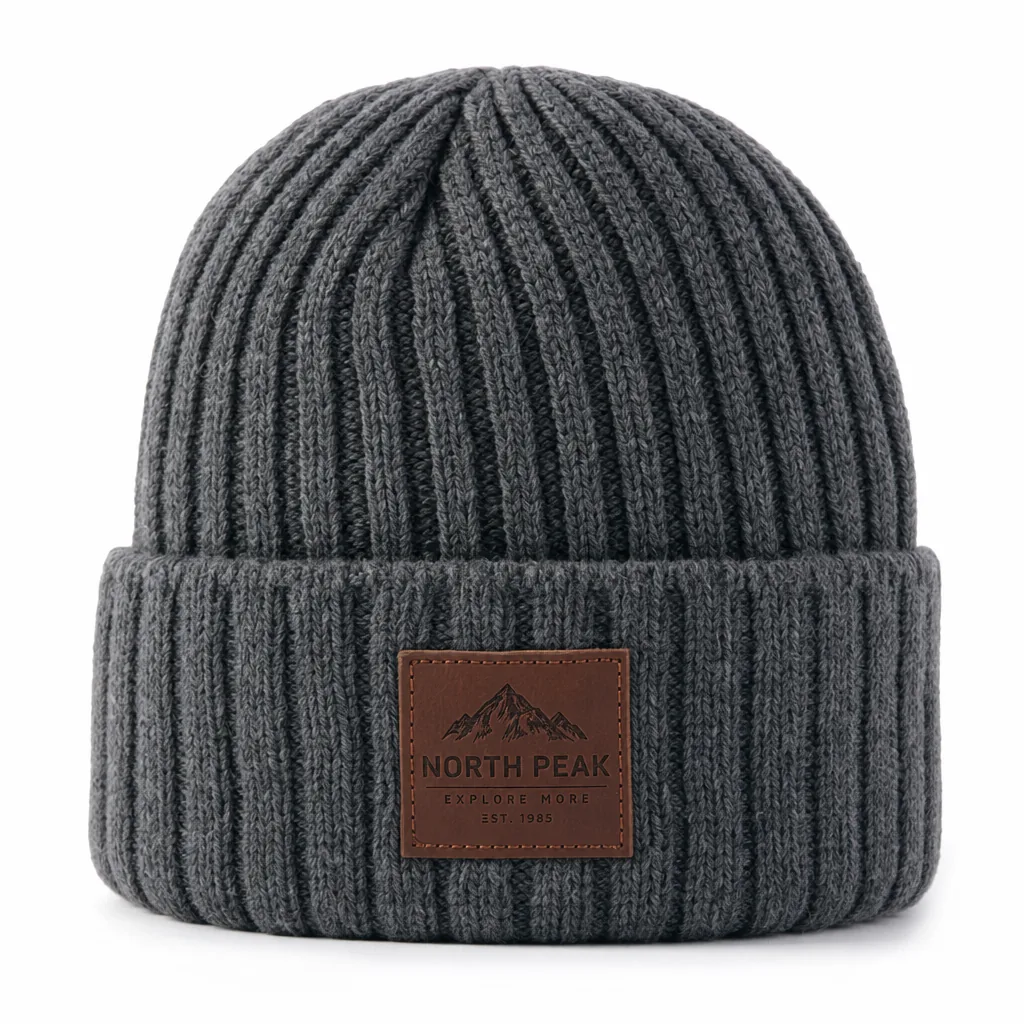
For brand owners, wholesalers and procurement teams entering the custom headwear category, custom golf hats: a manufacturer's guide to performance headwear - cost & moq breakdown - cost & moq breakdown (2026 update) - cost & moq breakdown is one of the highest-leverage decisions you will make. Get it right and your unit economics, retail story and reorder cycle all improve. Get it wrong and you carry the cost for years.
The golf-specific silhouettes that dominate retail and tournament programs
The volume leader in custom golf hats is still the performance 6-panel with a pre-curved visor because it carries the lowest sell-through risk for pro shops and tournament merch tents. The commercial spec is narrow for a reason: 92/8 polyester-spandex or 100% recycled polyester at 140-160 gsm, laser-perforated side or rear panels, a moisture-wicking performance sweatband, and a black or charcoal undervisor to cut reflected glare on bright fairways. Most adult programs can run one crown block across men’s and women’s assortments, then tune fit with closure choice rather than opening a second pattern. The closures that actually work are micro hook-and-loop, TPU snapback, and self-fabric tuck strap with silicone pull tab; cheap injection snapbacks crack in heat and look wrong in golf retail. Front-panel engineering matters more than decoration method: medium-soft buckram gives clean logo presentation without the tall, stiff promo-cap shape buyers reject. At FOB China, a well-built curved-brim style usually lands at $3.20-$5.80 for 300-500 pieces, with realistic MOQs around 144 per colorway if you stay on stock fabrics and standard trims.
The growth silhouette is the golf-specific 5-panel, especially rope hats in resort shops, private clubs, and events that want something more current than a basic team cap. A proper golf 5-panel should not be cut from a skate block: the front rise needs to sit lower, the crown angle should be cleaner, and the brim board should be lighter so the visor softens after a few rounds instead of holding a flat, cardboard shape. Common shells are lightweight poly twill, textured dobby, and nylon-spandex blends at 120-150 gsm, usually matched to Pantone TCX with lab-dip approval in the Delta-E 1.0-1.5 range for retail programs. Rope placement is usually a 5-8 mm braided polyester cord above the visor seam; that small trim cue reads unmistakably golf on a fixture. Decoration has to stay disciplined: high-density embroidery on Tajima or ZSK heads, small side hits, or molded rubber patches hold the silhouette, while oversized artwork makes the cap look top-heavy. Expect FOB pricing around $3.80-$6.50 with workable MOQs of 200-300 pieces, depending on rope color splits, fabric minimums, and trim count.
Buckets and visors are viable add-ons, but they rarely drive a golf program unless a club already has hard sell-through data. Performance bucket hats earn their place for summer tournaments, caddie teams, range staff, and destination-course retail where UPF coverage matters more than Tour styling. The stronger build uses microfiber polyester or lightweight nylon at 105-130 gsm, mesh-lined crown panels for airflow, and a brim with dense, even stitch rows so it keeps shape after packing, sweat exposure, and repeated laundering. On the inspection table, brim waviness is one of the first defects that fails visual review even when stitch count is technically in tolerance, because the whole hat reads unstable. Visors still work for women’s events and hot-weather kits, but only if the sweatband foam and face fabric are built for salt, sunscreen, and multiple wear cycles instead of one-day promo use. These custom golf hats need stricter fit checks than generic sun styles because forehead pressure, visor angle, and closure placement are obvious within seconds of try-on. Typical FOB is $2.40-$4.20 for visors at 300 pieces, while buckets run $4.50-$7.20 because fabric yield and sewing minutes are materially higher.
Why golf demands performance fabric (not cotton twill)
Cotton twill is a poor base for serious custom golf hats because it holds sweat exactly where golfers notice it first: the forehead, seam tape, front crown, and buckram line. In wear trials, brushed cotton can absorb roughly 20% to 25% of its own weight in moisture, which is why a cap that feels crisp on the first tee often feels heavier, darker, and softer by the back nine. Golf is not fashion wear; the hat stays on for four to six hours in direct sun, with repeated sweat-loading and very little recovery time. That is why repeat programs usually move to 100-140 gsm polyester microfiber, interlock polyester, or mechanical-stretch woven shells in 90/10 or 92/8 poly-spandex. Those fabrics do not “block” sweat; they manage it through capillary action, filament construction, and faster surface evaporation, so the crown keeps its shape and the face fabric dries without obvious salt mapping or panel collapse. The fabric callout has to be tighter than “polyester” on a tech pack. A workable spec for custom golf hats is usually 110-130 gsm, 50D to 75D filament yarn, plus laser-perforated side panels or warp-knit mesh and a moisture-management sweatband such as Coolmax, poly terry, or micro-denier brushed tricot. Keep the shell under about 150 gsm and you still have enough body for clean embroidery without turning the cap into a heat trap. That balance matters because a 6,000-10,000 stitch logo that runs clean on cotton twill can pucker a light performance shell unless underlay, density, and pull compensation are recalibrated on Tajima or Barudan heads. In production, dry time is the real advantage after sell-through: a properly finished polyester shell will typically dry 30% to 50% faster than cotton twill under the same ambient conditions, which means less odor retention, less salt staining, and fewer complaint-driven reorders from resorts, tournaments, and pro shops.
Performance fabric also protects the commercial life of custom golf hats after sampling, which is where many buyers underestimate the spec. Cotton twill may look fine on a showroom table, but in humid markets like Florida, Southeast Asia, or the Gulf, it tends to stay damp long after play, then stiffen at the visor edge and sweatband as salt dries back into the cap. Polyester performance shells recover better because they absorb less water into the yarn itself, especially when paired with low-absorption sweatbands and perforated panels. That keeps the handfeel more consistent, reduces crown distortion, and helps lighter shades stay saleable instead of turning blotchy after a few rounds. For replenishment programs, that matters more than first-sample appearance because wear complaints usually come from recovery failure, not from the initial fit. Experienced buyers usually push this into measurable specs, not vague comfort language. Common requirements are UPF 30+ or UPF 50+, colorfastness to perspiration and light at grade 4 minimum, shrinkage below 3%, and shade control within Delta-E 1.0 to 1.5 against approved Pantone TCX standards. Those are practical guardrails, not premium extras, especially for white, stone, light gray, and pastel golf colorways that sit in direct UV for hours. If the product is positioned as premium custom golf hats, performance fabric should be the baseline specification, not an optional upgrade. It is what preserves fit, embroidery appearance, color accuracy, and reorder stability once the cap has actually been worn through 18 holes instead of just approved under factory lights.
UPF sun protection for golf programs
UPF claims on custom golf hats live or die on the exact fabric package, not on generic “performance” language. A tightly woven 120-160 gsm polyester microfiber or performance twill in 75D-150D filament yarn will often achieve around UPF 30+ from construction alone, while a lighter cotton chino or open-weave brushed twill may fall well short, especially in pale shades. That distinction matters because many buyers assume any moisture-wicking cap can be labeled UPF 50+, which is simply not how compliance works. If the hangtag, care label, or product page says UPF 50+, the shell fabric should be sourced with a mill-applied UV finish or UV-absorber chemistry and tested as the finished material, not substituted later with a “similar” stock lot. Design changes routinely break the claim. Mesh back panels, laser-perforated side panels, sandwich inserts, thin contrast fabrics, and crown panels under roughly 110 gsm can all reduce protection enough to fail. Color matters too: a dark navy solid-shell six-panel cap may pass UPF 50+ comfortably, while the same pattern in white or pastel with perforated rear panels may not clear the threshold. For golf programs in Arizona, Florida, Hawaii, or Australia, I would write the spec around tested construction details from day one instead of relying on assumptions made from hand feel or fiber content alone.
Serious resort, collegiate, and junior-golf accounts usually require third-party verification to AS/NZS 4399 or AATCC 183, typically through SGS, Intertek, or Bureau Veritas. Budget about $300-$500 per SKU for testing, and define SKU correctly: change the shell color, fabric composition, mesh ratio, lamination, or panel layout and you may need a new report. That is where suppliers get caught. A program that wants one silhouette in three colors can lose margin fast if each variation triggers separate lab work, especially when white, light gray, and pastel shades produce different UV results than black or navy in the same fabric family. Costing also has to be locked before sampling because certified UPF 50+ is a sourcing decision, not a trim you bolt on at pre-production. Treated polyester or poly-spandex shell fabric usually adds about $0.18-$0.45 per hat on volume orders, but smaller custom golf hats programs can get hit with 300-500 meter mill minimums, lab dips, and small-lot dye surcharges that push the true premium higher. The cleanest approach is to standardize one approved crown fabric and finish across the range, then vary embroidery, closure, rope, or undervisor color. That keeps the paperwork clean, controls retest risk, and avoids the common mistake of over-claiming sun protection on lightweight breathable styles that were never built to certify.
Moisture-wicking sweatband: the detail buyers don't notice until summer
In summer-weight custom golf hats, the sweatband is the first component to fail, not the closure or brim. A standard cotton twill band at 180-220 gsm can look perfectly acceptable in a sales sample, but once on-course conditions move past roughly 28-30°C (82-86°F) with high humidity, it starts acting like a sponge instead of a transfer layer. After one walking round, usually 9 to 18 holes, the band holds perspiration at the hairline, which leads to forehead marks, salt lines, odor retention, and a crown that feels waterlogged even when the cap itself is still lightweight. A proper moisture-wicking sweatband is usually a brushed or pique polyester-elastane knit in the 85/15 or 90/10 range, designed to pull sweat off the skin and spread it across a wider surface for faster evaporation. On laser-perforated or mesh-vented custom golf hats, that spec matters even more, because the band needs to feed moisture into the cap’s ventilation system rather than trap it at the brow.
The cost premium is too small to treat as optional on any hat meant for actual play. At 1,000 units, upgrading from a basic cotton sweatband to a moisture-management knit typically adds $0.15-$0.25 per cap; jacquard logo knitting inside the band adds another $0.08-$0.18, and most mills will want a 3,000-5,000 meter color minimum for custom yarn-dyed bands. The real QC point is not how clean the inside looks at packing; it is how the band performs after perspiration exposure. I would check colorfastness to perspiration, wet crocking, and shade consistency against the interior taping, especially on dark navy or black where migration is harder to spot until returns arrive. At CrownsForge, our standard is to avoid white or light gray sweatbands for hot-weather programs unless the buyer accepts faster visible staining. Pairing a wicking band with a 110-140 gsm performance polyester or poly-spandex shell gives the whole cap a consistent moisture path; pairing it with an absorbent cotton band creates a performance mismatch that buyers usually pay for later in complaints, not upfront in costing.
From a manufacturing standpoint, this is one of the safest functional upgrades you can make because it changes wear performance without changing silhouette, panel count, embroidery setup, visor molding, or packing ratio. The only technical risk is band stretch control during sewing: if the operator overfeeds the knit, the forehead edge will ripple; if they pull it too tight, the opening loses recovery after a few wears. That is a sewing-floor discipline issue, not a design problem. For pro-shop, resort, and tournament programs, skipping a $0.15-$0.25 wicking band to protect first cost is usually false economy. If even 2-3% of units get written off for odor, damp feel, or discomfort by the back nine, the saving is gone. In Florida, Texas, Arizona, or South China, I would only spec a cotton sweatband on custom golf hats if the order is fashion-led and never intended for repeated summer play.
Rope hats: why this silhouette became the golf hero category
Rope hats won the golf channel because they create a stronger retail signature than a standard twill cap without adding meaningful cost or bulk. In production, the silhouette is usually a structured 5-panel or semi-structured 6-panel with a braided polyester rope set about 6-8 mm above the visor seam; that single trim line frames the logo, photographs well on PDPs, and reads more pro-shop than a basic dad cap. For buyers developing custom golf hats, that matters: a white crown with a navy, green, or resort-matched Pantone TCX rope looks like a design upgrade, but the rope itself typically adds only $0.08-$0.18 per unit. Against truckers, rope hats feel cleaner and less promotional. Against relaxed cotton caps, they hold shape better on shelf and give embroidery more presence from six feet away. Construction is where this category either looks premium or falls apart fast. The strongest builds use 140-180 gsm microfiber polyester or performance twill with laser-perforated side panels, moisture-wicking mesh, and a sweatband that can actually manage summer play instead of trapping heat. A 5-panel front gives a clean field for a 6,000-10,000 stitch logo; on a 6-panel, the center seam needs proper digitizing compensation or fine text will distort over seam height and crown tension. On Tajima or Barudan heads, we normally flag samples where satin columns spread, counters close up, or small lettering shifts more than 1.5 mm off center. Visor boards matter too: cheap PE inserts soften after container heat, while a better insert should keep its curve through roughly 5,000-8,000 flex cycles without telegraphing wrinkles through the upper fabric.
From a sourcing standpoint, rope styles are efficient because the perceived value increase is larger than the real factory cost increase. At MOQ 100, most custom golf hats in this segment land around $4.20-$7.80 FOB China, depending on shell fabric, back closure, sweatband spec, and decoration method. Brushed cotton twill with standard flat embroidery sits near the low end. Recycled polyester, antimicrobial moisture-wicking sweatbands, molded silicone patches, branded seam tape, and upgraded snap or webbing closures push pricing toward the top of the range. That spread is normal, but the rope detail leaves very little room for sloppy workmanship. A rope hat exposes sewing errors immediately. If left-right rope spacing drifts more than 2 mm, if the center front bow is uneven, or if visor symmetry is off, the entire cap looks off-spec even when the logo embroidery passes. That is why competent factories inspect rope alignment, crown height, logo placement, seam puckering, and visor matching under AQL 2.5, not just decoration quality. At CrownsForge, our standard practice is also to compare lab dips and finished panels against approved Pantone references and hold visible color variance within a commercially acceptable Delta-E before bulk packing. With this silhouette, buyers do not need gimmicks; clean sewing, stable structure, and repeatable QC are what make rope hats sell-through winners in golf.
Tournament + club merchandise compliance and timing
Lock artwork 90 to 120 days before ex-factory if custom golf hats are tied to a PGA section event, member-guest, or sponsor-funded charity tournament. That window is not padding; it covers lab dips, digitizing, sample sewing, sponsor approval, and the revision loop that starts when a committee compares the cap against a brochure mockup instead of the master vector file. The usual failure point is color, not construction. Call out Pantone Solid Coated or Pantone TCX for every visible part: crown fabric, rope, sandwich, undervisor, eyelets, embroidery thread, woven label, and hangtag. On piece-dyed 100% polyester twill or microfiber, a Delta-E under 1.5 is realistic; on heather jersey, mélange shells, or white thread over dark performance fabric, 2.0 to 2.5 is a more honest tolerance. Decoration hierarchy also needs written approval before sampling: logo width in millimeters, front-crown placement from seam, side-panel spacing, and max stitch count. I have seen perfectly clean hats rejected because a sponsor mark sat 6 mm too high or the crest overpowered the presenting sponsor.
Club retail runs on a harder calendar because the pro shop is buying a sell-through season, not a single event date. If the floor set starts in May, January is the practical PO deadline for custom golf hats, especially when the assortment spans structured A-frame rope caps, perforated performance styles, visors, and bucket hats. A realistic schedule is 7 to 10 days for pre-production samples, 25 to 35 days for bulk sewing and embroidery, 3 to 7 days for AQL 2.5 final inspection and carton consolidation, then 30 to 40 days by ocean or 5 to 8 days by air DDP into the U.S. Miss that ship window and the buyer usually pays another $1.20 to $3.80 per piece in expedited freight, or drops slower SKUs to protect launch timing. Compliance here is mostly factory discipline: UPC or EAN barcode labels by style-color-size, carton packs of 24 or 48, visor curve consistency checked against the approved standard, centered embroidery within ±2 mm, sweatband joins without raw-edge exposure, and color-lot review under D65 lighting. Annual programs increasingly require current sedex-audit-cap-supplier-guide.html">BSCI 2.0 or Sedex SMETA 4-Pillar audit reports. MOQ is typically 144 to 288 pieces per colorway in stock fabrics; custom-dyed shells, laser-perforated panels, or molded TPU badges usually push the minimum to 500 to 1,000 pieces per style.
Working with CrownsForge on golf programs
The biggest win in a golf headwear program is not squeezing FOB by $0.20; it is building on cap bodies and fabrics that already survive heat, sweat, and repeated reorders. For custom golf hats, that usually means stocked performance shells instead of fresh sourcing every season: 75D polyester interlock around 120-140 gsm for clean sublimation or heat-transfer logos, mechanical-stretch microfiber at 135-160 gsm for a softer hand and better recovery, and lightweight dobby woven poly that holds a 5-panel rope profile without the cardboard feel common in cheaper 210T shells. The practical benefit is speed. When the front-panel height, crown depth, visor arc, rope position, and snapback pattern are already proven, most programs move from tech pack to wearable sample in one round, not two, saving roughly 7-10 calendar days and $80-$150 per extra DHL cycle. Color control is where repeat programs are usually won or lost. Body fabric, rope cord, closure tab, undervisor, and sweatband binding should be matched to Pantone TCX standards and held to a lab-dip tolerance that is realistic for bulk production; a Delta-E below 1.5 is a strong target for reorder consistency, especially on white-adjacent resort palettes and muted club colors. That matters because golf buyers reorder in seasons, not one-offs, and mixed-component drift is what makes a second PO look cheap next to the first. Our standard practice is to lock approved components by supplier, gsm, yarn spec, and finish before bulk so the same custom golf hats do not come back six months later with a flatter rope, shinier shell, or looser handfeel.
Performance claims need paperwork, not catalog adjectives. If custom golf hats are meant for pro shops, tournament merchandise, or corporate golf gifting, any UPF statement should be backed by third-party testing under AATCC 183 or AS/NZS 4399. That is especially important on white, pastel, and laser-perforated styles, where openness, dye depth, and fabric construction can drop protection faster than buyers expect. Sweatband choice also should be fixed before first sample approval, because it affects fit, moisture pickup, and cost more than most people realize. A brushed polyester terry or cool-dry knit in the 180-220 gsm range is a sensible baseline; below that, the band often feels flimsy after wear testing, and above it, the hat can run hot on humid courses. Decoration is where otherwise solid golf caps get ruined. Low-profile crowns and lightly fused front panels do not handle heavy streetwear embroidery well, so a clean logo on Tajima or Barudan heads usually requires lower stitch density, lighter underlay, and simplified small text to prevent tunneling and puckering. For budgeting, a standard 5-panel rope cap in performance polyester typically lands around $3.20-$4.80 FOB Yiwu at 300-500 pieces with flat embroidery or a woven patch. Add laser perforation, welded taping, molded silicone badges, or premium closure hardware and the same build moves into the $5.60-$7.50 range. AQL 2.5 final inspection, plus locked specs for rope diameter, sweatband gsm, and closure components, is what keeps a golf program reorderable instead of turning every PO into a new development job.
Frequently Asked Questions
Do you support sustainability certifications?
Yes. We work with GOTS organic cotton, GRS-certified recycled polyester, OEKO-TEX Standard 100 fabrics, and are BSCI and Sedex audited. Certification documentation can be provided per order.
Can I order a sample before bulk production?
Yes. We strongly recommend approving a pre-production sample before mass production. Samples are charged at 35 to 60 USD each plus express shipping, fully refundable against confirmed bulk orders over 500 pieces.
How long does production take?
Sampling takes 7 to 12 days. Bulk production runs 20 to 30 days depending on quantity, fabric availability and decoration complexity. Inspection and packing adds another 3 to 5 days before shipment.
What file format should I send for my logo?
Vector files (AI, EPS, PDF) are ideal. High-resolution PNG or JPG at 300 dpi on transparent background works as a fallback. Provide Pantone color references for accurate reproduction.
What logo decoration techniques do you offer?
3D puff embroidery, flat embroidery, woven patch, leather patch, PVC patch, screen printing, sublimation, applique and laser etching, all in-house with no subcontracting.
What's the MOQ for custom embroidered baseball caps no minimum?
When evaluating custom embroidered baseball caps no minimum, the key considerations are construction quality, decoration capability, MOQ flexibility and lead time. Performance baseball cap with curved brim, 5-panel low-profile golf cap, rope hat with rope detail above the brim, performance bucket hat, and visor. Each has a specific use case — driving range, tournament play, club merchandise programs and pro-shop retail. Standard cotton twill absorbs perspiration and stays heavy. Golf demands moisture-wicking polyester (typically…
How does ordering baseball cap custom logo work?
When evaluating baseball cap custom logo, the key considerations are construction quality, decoration capability, MOQ flexibility and lead time. Performance baseball cap with curved brim, 5-panel low-profile golf cap, rope hat with rope detail above the brim, performance bucket hat, and visor. Each has a specific use case — driving range, tournament play, club merchandise programs and pro-shop retail. Standard cotton sweatband saturates within 9 holes of summer play; polyester-elastane wicking sweatband moves…
How does ordering custom baseball team hats work?
When evaluating custom baseball team hats, the key considerations are construction quality, decoration capability, MOQ flexibility and lead time. Performance baseball cap with curved brim, 5-panel low-profile golf cap, rope hat with rope detail above the brim, performance bucket hat, and visor. Each has a specific use case — driving range, tournament play, club merchandise programs and pro-shop retail. Rope hats (a 5-panel or 6-panel cap with decorative rope above the brim, often in contrast color) became the golf…
What's the MOQ for custom logo hats no minimum?
When evaluating custom logo hats no minimum, the key considerations are construction quality, decoration capability, MOQ flexibility and lead time. Rope hats (a 5-panel or 6-panel cap with decorative rope above the brim, often in contrast color) became the golf cap of the 2020s. Originally a fishing/outdoor silhouette adopted by Imperial, Melin and Branded Bills. We produce equivalents at MOQ 100 pieces. Performance baseball cap with curved brim, 5-panel low-profile golf cap, rope hat with rope detail above the brim,…
Need a low-MOQ test order?
We help emerging brands launch with as few as 100 pieces. Premium fabric, in-house embroidery, retail-ready packaging.
Start a small orderRelated guides
Refreshing a Hat Collection: A Repeat-Order Playbook for Established Brands (2026 Update)
Read article →
Compliance Documentation Checklist for First Hat Import to US/EU (2026 Update)
Read article →
Ball Caps for Men: A 2026 Sourcing Playbook for International Buyers - Cost & MOQ Breakdown
Read article →If you are ready to take the next step on custom golf hats: a manufacturer's guide to performance headwear - cost & moq breakdown - cost & moq breakdown (2026 update) - cost & moq breakdown, our team can put a tailored quotation and digital mock-up in your inbox within 24 hours. Send the inquiry form on our contact page or message us directly on WhatsApp.