
Custom Golf Hats: A Manufacturer's Guide to Performance Headwear - Cost & MOQ Breakdown - Cost & MOQ Breakdown - 2026 Buyer's Guide - Cost & MOQ Breakdown
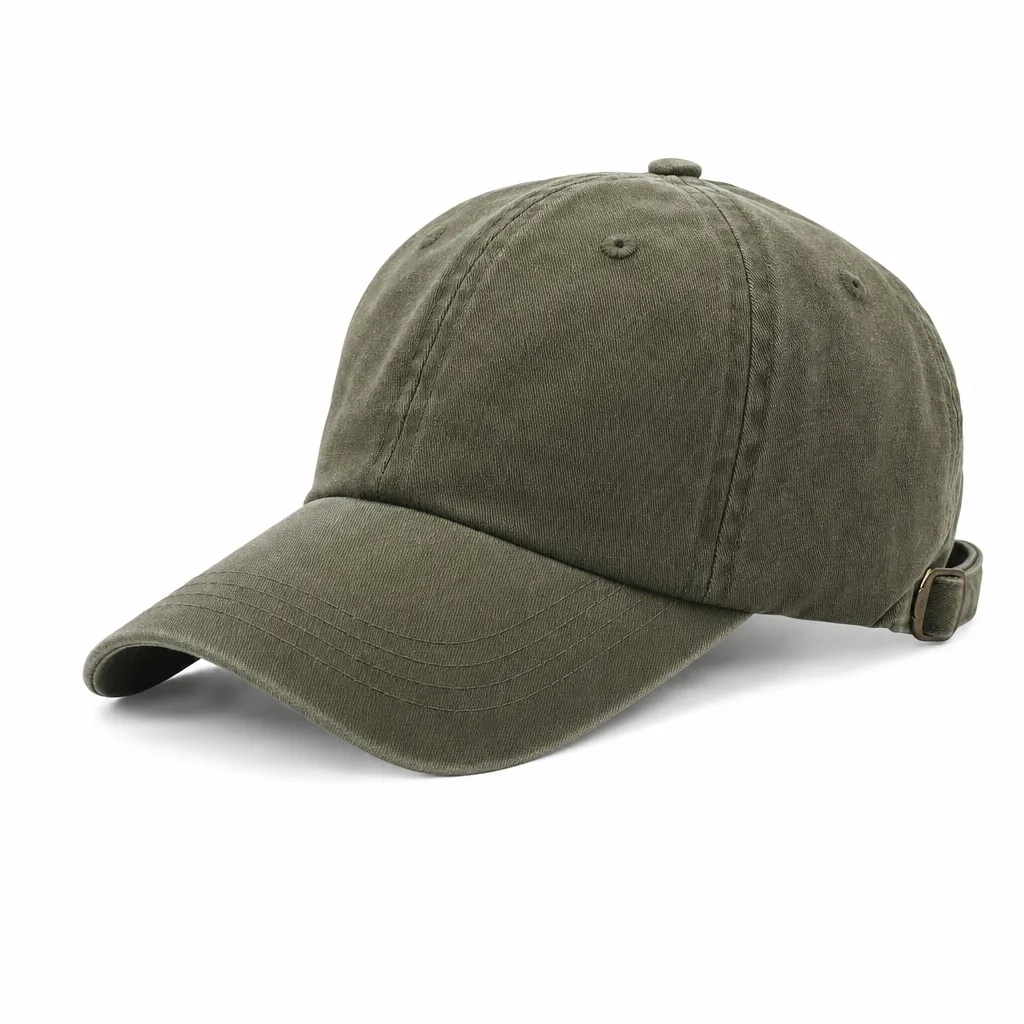
Custom Golf Hats: A Manufacturer's Guide to Performance Headwear - Cost & MOQ Breakdown - Cost & MOQ Breakdown - 2026 Buyer's Guide - Cost & MOQ Breakdown is one of the most-asked questions we receive from international buyers, and for good reason. With dozens of factories competing for your order and an alphabet soup of technical terms in every supplier quote, even experienced importers can feel lost. This guide consolidates what we have learned producing custom hats for clients in 40+ countries.
The golf-specific silhouettes that dominate retail and tournament programs
The retail backbone for custom golf hats is still the 6-panel performance cap: mid-crown, pre-curved visor, light buckram, and a moisture-wicking sweatband that stays smooth through 18 holes in 90-97°F heat. The strongest specs are 110-145 gsm polyester twill, 88/12 nylon-spandex, and 150-180 gsm micro-perforated polyester; for tournament orders, I prefer a dark gray or black undervisor because it reduces glare without showing sweat as quickly as white. This silhouette also gives the cleanest decoration window. On Tajima, Barudan, or ZSK heads, most front logos should stay 55-75 mm wide and under 9,000 stitches on lightweight fabric. Once a buyer pushes a dense crest past 10,000-12,000 stitches, the front panel usually needs heavier backing, slower machine speed, or a switch to woven patch, TPU patch, silicone patch, or low-temperature transfer to avoid puckering and crown distortion.
The 5-panel low-profile cap is the better retail shape for private clubs, resort shops, and golf brands that want a streetwear edge instead of a corporate outing look. The single front panel gives woven labels, debossed silicone patches, small script embroidery, and heat transfers a flatter surface, especially when the crown height is kept around 9-10 cm. Rope caps sit in the same commercial lane, but they need stricter inline control than buyers expect: the cord above the visor should be centered within 2 mm, bartacked cleanly at both ends, and matched to body fabric by Pantone TCX or approved lab dip with Delta-E preferably under 1.5 for club colors. For closures, micro-adjust buckles, Velcro, and low-profile slide buckles usually beat snapback in tournament programs because players adjust fit after sweating and do not want a hard plastic strip pressing under sunglasses or towels.
Buckets and visors rarely carry the volume, but a serious golf headwear program should include them because they solve heat, sun, and fit problems that standard caps miss. A functional golf bucket needs a 6-8 cm brim, UPF 50+ polyester or nylon, mesh eyelets or hidden side ventilation, and a sweatband tested for perspiration staining; cheap dye lots can bleed onto white polos after one humid round. Visors still move in women’s leagues, junior clinics, driving ranges, and charity events because they keep the head cooler and allow ponytails, but the front panel needs enough structure for embroidery or the logo collapses after washing. A balanced wholesale assortment often lands at 55-65% 6-panel performance caps, 15-25% low-profile or rope caps, 5-12% buckets, and 8-15% visors. Pro-shop retail usually skews heavier toward rope styles because they display better on shelves and photograph cleaner for online drops.
Why golf demands performance fabric (not cotton twill)
Cotton twill is the wrong default for custom golf hats because it stores sweat inside the yarn instead of moving it across the surface. A 10 oz cotton twill crown can absorb 20-35 g of moisture during a humid front nine, which is enough to darken the front panels, soften the buckram, and make the cap feel heavy above the brow. For golf, the better base is usually 100-150 gsm polyester microfiber, mechanical-stretch polyester, or a 92/8 poly-spandex fabric using 75D or 100D filament yarns. Those constructions let a wicking finish spread moisture laterally, so evaporation starts across the full panel rather than only at the sweatband. I would also specify UPF 30 to UPF 50+ for resort, tournament, and pro-shop programs, because UV exposure is not an occasional condition on a golf course. It is the normal wear environment.
Performance fabric only performs if the logo, backing, and trims are built around the fabric. Lightweight microfiber puckers quickly when a digitized file from cotton twill is reused without changing density, underlay, or pull compensation. On Tajima, Barudan, or ZSK embroidery heads, a 5,000-7,000 stitch front logo can usually run clean with lighter density, soft cutaway backing, and correct hoop tension. A 12,000-stitch club crest is a different specification; it may need fused panel reinforcement, a woven patch, TPU badge, or silicone heat-transfer artwork to avoid panel distortion. For licensed clubs, thread or transfer color should be controlled within Delta-E 1.5-2.0 against the approved Pantone TCX reference, with perspiration colorfastness at Grade 4 or better. Sunscreen, salt, and UV will expose weak decoration faster than a showroom inspection, so bulk approval should include rubbing, steaming, sweatband bleed, and wash-recovery checks.
Dry time is where buyers notice the difference after one round. A 130 gsm wicking polyester crown can dry in roughly 40-70 minutes under normal indoor airflow, while cotton twill often stays damp for 3-4 hours at the sweatband, front seam, and eyelets. The sweatband needs the same discipline: 180-220 gsm polyester jersey, Coolmax-type knit, or brushed wicking tape is a better match than cotton tape, which traps moisture against the forehead. Our standard practice at CrownsForge is to check hand feel, crown recovery, wash shrinkage, and pilling before quoting, because cheap polyester that fails at 500 Martindale cycles or relaxes after steam blocking will create returns faster than a $0.20 fabric saving improves margin. For golf programs, fabric and sweatband selection usually affect perceived value more than minor changes in carton count, hangtag paper, or inner seam taping.
UPF sun protection for golf programs
The expensive mistake in sun-protection programs is treating UPF as a fabric claim instead of a finished-hat claim. For custom golf hats going into school athletics, resort pro shops, or desert tournament kits, I would not approve a UPF 50+ hangtag from a mill memo alone. The safer build is a dense 110-140 gsm micro-denier polyester in 75D or 100D yarns—pique, interlock, or fine twill—then test the final colorway after panel engineering is locked. Deep navy, black, and forest usually outperform white, stone, and pastel shades because dye depth, yarn count, and UV-finish chemistry all change transmission. Mesh and laser-perforated side panels are usually the failure point; a front crown can clear UPF 50+ while the vented side wall drags the whole hat below target. Testing late is how compliance problems get manufactured into the line. If the front panel, side panel, sweatband, and undervisor use different substrates, the weakest exposed component governs the claim. A structured woven crown at 125 gsm may pass comfortably, while a lighter perforated insert or low-cover sweatband fabric misses under AATCC 183 or AS/NZS 4399. At CrownsForge, we freeze composition, panel construction, shade, and approved Pantone TCX match before certification because even a “small” bulk substitution can move UV performance enough to invalidate the report. If the spec says UPF 50+ across the hat, every exposed panel needs to support that statement, not just the shell fabric buyers see first.
UPF testing is cheap; retesting after sourcing changes is not. A single AATCC 183 or AS/NZS 4399 report from SGS, Intertek, or Bureau Veritas usually runs $300-$500 per SKU, and SKU needs to be defined tightly: change the base fabric, color family, perforation layout, or crown construction and you may need a new report. On 500 custom golf hats, that is roughly $0.60-$1.00 per cap; at 2,500 units, the burden usually drops to $0.12-$0.20. The fabric delta is often larger than the lab cost. A standard moisture-wicking polyester shell typically contributes about $1.10-$1.40 in material per hat, while a verified UV-finished version commonly adds $0.18-$0.45 depending on mill minimums, finish type, and whether the protection is inherent or topical. MOQ also changes fast once certified fabric is involved: stock poly can often be cut at 144-288 pieces per color, but mill-backed UPF programs commonly require 300-500 meters, or about 1,200-2,000 caps depending on crown height and visor yield. Durability is where weak programs get exposed. Golf hats see sweat salt, sunscreen oils, repeated laundering, and chlorinated practice-range environments; a cheap topical finish can test well on day one and degrade badly after 10-20 home washes. Ask for initial UPF data plus wash durability under AATCC or ISO methods, otherwise the claim is only half-supported. Construction matters too. A dark undervisor cuts reflected UV onto the face better than a pale gray underbill, and a deeper structured 5-panel or 6-panel crown covers the temple and upper ear line more consistently than a shallow fashion fit. Ultralight unstructured caps with aggressive venting are harder to keep compliant in bulk, even if they run clean on Tajima or Barudan embroidery heads.
Moisture-wicking sweatband: the detail buyers don't notice until summer
The sweatband is the first place custom golf hats fail when the player is walking 18 holes in 86-95°F heat. A plain cotton twill band feels fine during showroom handling, but it can hold roughly 6-8 g of sweat at the forehead after nine holes, then dry slowly enough to leave salt rings, sunscreen grime, and abrasion at the hairline. For summer golf caps, I specify brushed polyester-spandex in the 180-220 gsm range, usually 88/12 or 92/8, with enough stretch recovery that the band does not ripple after lockstitch sewing. Good wicking is mechanical, not a label claim: capillary yarns pull moisture off the skin, spread it along the inner crown edge, and let airflow through the crown do the drying. Under a simple heat-lamp check, cotton commonly still feels damp after 90 minutes; a real wicking band feels drier and keeps white, stone, and light gray caps cleaner at the front edge.
The upgrade is inexpensive, but it must be locked before salesman sample approval because the sweatband changes fit, seam tension, and perceived quality. On structured six-panel golf caps, replacing basic cotton with brushed polyester-spandex usually adds $0.15-$0.30 per piece at 500-3,000 pieces FOB China. Costs move higher for Pantone TCX-dyed band fabric, silicone grip printing, antimicrobial finishing, or a private-label heat transfer inside the band. A 75D-150D polyester shell, laser-perforated side panels, or mesh back does not perform properly if the sweatband is still absorbent cotton; the cap dries unevenly and the wearer blames the whole hat for feeling hot. For pro-shop, resort, and tournament orders, our standard practice at CrownsForge is to use black, charcoal, or dark navy sweatbands unless the buyer has a strong branding reason for white, because sunscreen and salt staining near the front panel are easy to fail under AQL 2.5 visual inspection.
Do not approve the trim because a supplier writes “moisture-wicking” on a spec sheet. Ask for fiber content, gsm, stretch percentage, colorfastness to perspiration at Grade 4 or better, and dimensional change after five home-wash cycles; a band that curls, twists, or shrinks will make the cap feel cheap even if the Tajima or Barudan embroidery is clean. During sample review, apply 2-3 ml of water to the band and watch whether it disperses through the face fabric within 10-20 seconds or beads on the surface. Then inspect the sewing: the band should sit flat, the join seam should not create a hard ridge, and needle tension must avoid roping where the sweatband meets the front panels. Buyers selling custom golf hats into Arizona, Texas, Florida, Southeast Asia, or Caribbean resort channels should treat this as a base performance specification, because end-user complaints usually arrive as “too hot” or “sweat stains,” not as a technical note about sweatband construction.
Rope hats: why this silhouette became the golf hero category
Rope hats became the golf hero category because a cheap piece of trim solves a real retail problem: it frames the logo before the buyer reads it. A 3.0 to 4.5 mm braided polyester or nylon cord, set roughly 7 to 9 mm above the visor seam, creates a clean horizontal break on the front panel. On custom golf hats, that matters more than buyers think. A 5-panel structured crown gives a flat decoration field for a 5,000 to 7,500-stitch embroidery, a 2.25 inch woven patch, a debossed TPU badge, or a 2 mm 3D puff mark without panel seams cutting through the artwork. The best-selling builds are not heavy. We usually see 140 to 180 gsm polyester twill, 160 gsm poly-spandex, 105 to 130 gsm nylon taslon, or micro-ripstop with a moisture-wicking sweatband. Foam-front versions can work for resort retail, but medium buckram is safer for tournament programs because it holds shape after steam blocking and carton compression.
The silhouette borrowed from fishing and outdoor caps, but golf production tightened the spec: cleaner crown height, more controlled visor curve, lower-profile decoration, and better color discipline. The rope itself is rarely the hard part. The real factory risk is tension. If the cord is under-tensioned, it lifts after packing and the hat looks like a giveaway item. If it is over-tensioned, it puckers the front panel and can shift the logo centerline by 2 to 3 mm, which is visible on a 2.5 inch wide embroidery. Our standard practice at CrownsForge is to lock the braid with hidden bartacks at both side seams, measure visor curve against the approved sample within an 8 to 12 degree tolerance, and hold logo color to Delta-E 1.5 to 2.0 against Pantone TCX or coated Pantone references depending on thread, silicone, or woven label material. For bulk orders, I would also check sweatband crocking, seam slippage, and visor-board humidity stability before approving more than 500 pieces.
From a buying standpoint, rope hats win because they look premium before decoration costs get expensive. A realistic MOQ is 100 pieces per colorway when using stock rope colors, stock snapback hardware, and standard polyester performance fabrics. FOB China pricing typically lands around $4.20 to $6.80 for a structured cap with moisture-wicking sweatband, braided rope, snapback closure, and flat embroidery. The same custom golf hats move into the $6.90 to $9.80 range when buyers add laser-perforated side panels, molded silicone patches, custom inside taping, GRS-certified recycled polyester documentation, metal buckle closures, or color-matched rope dyed to a tighter Pantone target. For pro shops, member-guest events, and licensed golf programs, the margin logic is straightforward: the rope adds little to the bill of materials but raises perceived retail value faster than another 1,500 embroidery stitches. That is why the category keeps taking space from plain dad caps and basic performance snapbacks in 2026 assortments.
Tournament + club merchandise compliance and timing
Tournament and club merchandise usually fails on color, trademark control, and approval timing before it fails on stitching. For custom golf hats tied to PGA section events, member-guests, resort shops, or sponsor outings, freeze fabric, trim, logo size, and placement 90-120 days before the first tee time. Use Pantone TCX for dyed fabric and Pantone Coated only for printed or heat-transfer marks; for dark club colors, set Delta-E at 2.0 or tighter under D65 light because navy, forest green, and burgundy shift badly beside Nike, FootJoy, Adidas, and team-issued polos. The approval pack should show Madeira or Isacord thread numbers, embroidery density, backing type, stitch count, a digitized file, and a Tajima, Barudan, or ZSK strike-off on the actual crown fabric. A 9,000-12,000 stitch front logo changed after cutting can cost 7-10 calendar days, scrap fused panels, and add $0.35-$0.80 per cap in rework.
Club retail timing has to follow the golf season, not the buyer’s event panic. For May-September sell-through, place the purchase order by January and use December for fit samples, lab dips, logo digitizing, hangtag copy, UPC labels, carton marks, and size ratio approval. A repeat order using the same 160-180 gsm polyester-spandex, approved sweatband, existing embroidery tape, and unchanged buckle can usually leave China in 35-45 days. A new program with laser-perforated panels, moisture-wicking jacquard sweatbands, TPU patches, woven labels, mixed fitted sizes, or custom visor molds normally needs 60-75 production days after sample approval. Add 25-35 days for ocean freight, U.S. customs, and final delivery, so a clean China-to-U.S. calendar is usually 85-100 days. Air freight may save about three weeks, but 2026 pricing often adds $2.80-$5.50 per cap depending on carton cube and chargeable weight.
Compliance must be built into the production calendar before materials are ordered. University stores, hotel groups, licensed tournaments, and national sponsors may request sedex-audit-cap-supplier-guide.html">BSCI 2.0, Sedex SMETA 4-Pillar, factory profiles, RSL declarations, prop 65 statements, and CPSIA tracking when junior sizes are included. Check embroidery backing, silicone transfers, reflective piping, DWR finishes, metal buckles, and printed seam tape against the buyer’s restricted substance list; PFAS language is now a common hold point for water-repellent golf caps. For final inspection, use AQL 2.5 for major defects and AQL 4.0 for minor defects, with measurable tolerances: logo placement within +/-2 mm, visor curve matching the approved template, no sweatband staining, no loose back-strap seam, no crown collapse after packing, and no mixed sponsor marks in cartons. A 500-piece tournament run deserves the same approval discipline as a 10,000-piece retail order because one wrong logo position can make the full shipment unsellable.
Working with CrownsForge on golf programs
Fabric selection matters more than logo technique on custom golf hats, because heat, sweat, and crown stability expose weak materials fast. For golf programs, CrownsForge normally starts with 120-160 gsm micro-weave polyester, 150D mechanical-stretch polyester, lightweight mini-ripstop, or GRS recycled polyester; lab dips should be matched to Pantone TCX with Delta-E under 1.5 before bulk cutting. I split development into three builds early: resort play in high heat, tournament giveaway, and retail pro-shop product. A 135 gsm unstructured 5-panel rope hat needs a soft hand, low crown, clean cord tension, and no hard ridge at the front seam. A structured 6-panel cap with medium buckram needs stronger panel memory, better visor recovery, and tighter control of crown torque. UPF 30+ or UPF 50+ should never be guessed from gsm; weave density, color, and finishing chemistry all affect the lab result, so third-party testing should be booked before hangtags or retailer compliance files are printed.
The defects that hurt golf headwear are usually small construction mistakes repeated across cartons. Rope placement should be locked by millimeter, not by eye; common specs are 5-6 mm cord diameter, 2-3 mm clearance above the visor seam, and consistent side tack placement. Moisture-wicking sweatbands are typically 30-35 mm polyester-spandex or cool-touch woven tape, with black, white, and light gray available most of the year. Low-profile crowns restrict decoration: flat embroidery should usually stay below 55 mm high, 3D puff needs wider satin columns and fewer tiny gaps, and sponsor text under 4 mm letter height often runs cleaner as a woven patch, silicone patch, TPU transfer, or high-density heat transfer. Digitizing for Tajima, Barudan, or ZSK heads should control stitch density, pull compensation, and backing choice; too much thread on a light front panel creates puckering after steaming and makes the visor line look crooked during AQL inspection.
A realistic timeline is 7-12 days for a physical sample after artwork approval and 25-32 days for bulk production after sample sign-off, assuming fabric, sweatbands, closures, and rope colors are in stock. FOB Yiwu is the cleanest quotation basis; DDP to the U.S. or EU should be priced only after carton dimensions, gross weight, HTS code, and delivery zip code are confirmed. MOQ depends on what is actually custom: 144 pieces can work for stock fabric with one embroidery position, while custom-dyed fabric, private buckles, branded seam tape, or multi-color rope assortments usually need 300-500 pieces per color. Standard performance custom golf hats commonly land around $3.20-$5.80 FOB, with UPF reports, GRS transaction certificates, silicone patches, magnetic ball markers, and specialty closures adding cost. Use AQL 2.5 as the inspection default, with specific checks for visor symmetry, sweatband alignment, panel torque, embroidery tension, shade variation, and barcode or hangtag accuracy.
Frequently Asked Questions
How long does production take?
Sampling takes 7 to 12 days. Bulk production runs 20 to 30 days depending on quantity, fabric availability and decoration complexity. Inspection and packing adds another 3 to 5 days before shipment.
What logo decoration techniques do you offer?
3D puff embroidery, flat embroidery, woven patch, leather patch, PVC patch, screen printing, sublimation, applique and laser etching, all in-house with no subcontracting.
Which shipping methods do you support?
We support FOB, CIF and DDP shipping. Air express for samples and small orders, sea LCL for 100 to 500 pieces, sea FCL for 5,000+ pieces. Door-to-door DDP available for US, EU, UK, Canada and Australia.
What is the minimum order quantity (MOQ) for custom hats?
Our standard MOQ is 100 pieces per design and color, with sampling available from 1 piece. For complex multi-color logos or premium fabric upgrades, the MOQ can be lowered with a small per-piece surcharge.
What file format should I send for my logo?
Vector files (AI, EPS, PDF) are ideal. High-resolution PNG or JPG at 300 dpi on transparent background works as a fallback. Provide Pantone color references for accurate reproduction.
What's the MOQ for custom embroidered baseball caps no minimum?
When evaluating custom embroidered baseball caps no minimum, the key considerations are construction quality, decoration capability, MOQ flexibility and lead time. Performance baseball cap with curved brim, 5-panel low-profile golf cap, rope hat with rope detail above the brim, performance bucket hat, and visor. Each has a specific use case — driving range, tournament play, club merchandise programs and pro-shop retail. Standard cotton twill absorbs perspiration and stays heavy. Golf demands moisture-wicking polyester (typically…
How does ordering baseball cap custom logo work?
When evaluating baseball cap custom logo, the key considerations are construction quality, decoration capability, MOQ flexibility and lead time. Performance baseball cap with curved brim, 5-panel low-profile golf cap, rope hat with rope detail above the brim, performance bucket hat, and visor. Each has a specific use case — driving range, tournament play, club merchandise programs and pro-shop retail. Standard cotton sweatband saturates within 9 holes of summer play; polyester-elastane wicking sweatband moves…
How does ordering custom baseball team hats work?
When evaluating custom baseball team hats, the key considerations are construction quality, decoration capability, MOQ flexibility and lead time. Performance baseball cap with curved brim, 5-panel low-profile golf cap, rope hat with rope detail above the brim, performance bucket hat, and visor. Each has a specific use case — driving range, tournament play, club merchandise programs and pro-shop retail. Rope hats (a 5-panel or 6-panel cap with decorative rope above the brim, often in contrast color) became the golf…
What's the MOQ for custom logo hats no minimum?
When evaluating custom logo hats no minimum, the key considerations are construction quality, decoration capability, MOQ flexibility and lead time. Rope hats (a 5-panel or 6-panel cap with decorative rope above the brim, often in contrast color) became the golf cap of the 2020s. Originally a fishing/outdoor silhouette adopted by Imperial, Melin and Branded Bills. We produce equivalents at MOQ 100 pieces. Performance baseball cap with curved brim, 5-panel low-profile golf cap, rope hat with rope detail above the brim,…
Ready to start your custom hat project?
Send us your tech-pack, sketch or even just an inspiration photo. We will respond with a detailed quotation and digital mock-up within 24 hours.
Request a free quoteRelated guides
Promotional Caps & Corporate Gifts: Bulk Custom Hats for Brand Events - Supplier Checklist
Read article →
Mens Beanies: Properties, Costs and How to Spec It Right (2026 Update)
Read article →
Mesh Caps Wholesale: Trucker Cap Manufacturing Specifications and Pricing - Supplier Checklist
Read article →If you are ready to take the next step on custom golf hats: a manufacturer's guide to performance headwear - cost & moq breakdown - cost & moq breakdown - 2026 buyer's guide - cost & moq breakdown, our team can put a tailored quotation and digital mock-up in your inbox within 24 hours. Send the inquiry form on our contact page or message us directly on WhatsApp.