
Custom Embroidered Hat: The 2026 Sourcing & Manufacturing Playbook - Supplier Checklist
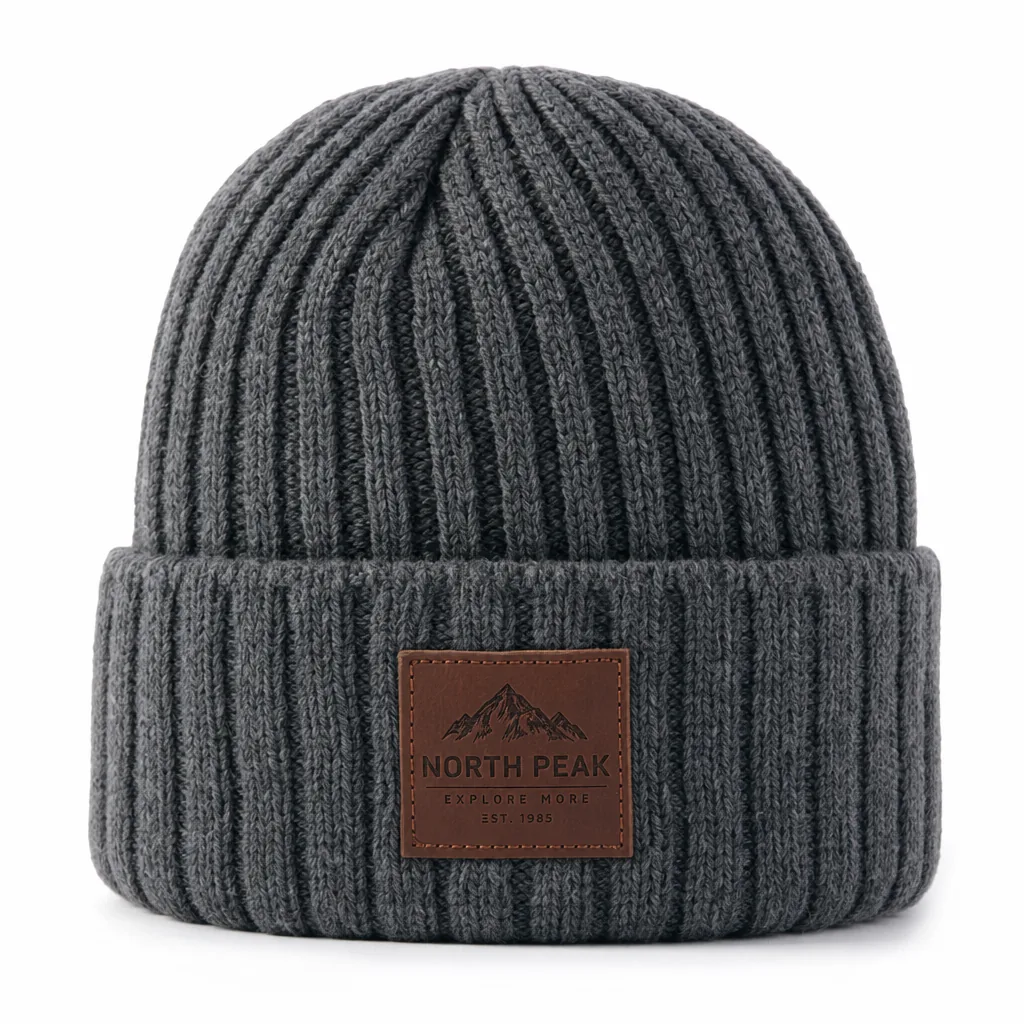
Custom Embroidered Hat: The 2026 Sourcing & Manufacturing Playbook - Supplier Checklist is one of the most-asked questions we receive from international buyers, and for good reason. With dozens of factories competing for your order and an alphabet soup of technical terms in every supplier quote, even experienced importers can feel lost. This guide consolidates what we have learned producing custom hats for clients in 40+ countries.
Custom Embroidered Hats
The highest defect risk on a custom embroidered hat sits at panel stage, not final assembly. On a structured 6-panel cap, the front panels should be cut, fused with 0.35 to 0.50 mm buckram, and embroidered flat before the crown is closed; once the cap goes onto a cap frame, tension becomes less forgiving and off-center logos, puckering, and crown twist rise fast. On Tajima, Barudan, and ZSK heads, a clean front mark usually lives in the 6,000 to 10,000 stitch range. Once you push past roughly 15,000 to 18,000 stitches on the same area, especially with heavy fill, thread breaks, needle heat, and push-pull distortion become much harder to control. Foam trucker fronts are even less tolerant because dense fills can crush the face and make 3D puff edges look ragged after packing pressure.
Artwork limitations need to be stated early, because bad digitizing gets blamed on sewing later. Polyester foam, 10 oz chino twill, brushed cotton twill, and acrylic-wool blends all require different underlay, pull compensation, backing weight, and needle choice; using one stock file across all fabrics is how you get tunneling and unreadable text. As a practical floor rule, satin columns below 1.2 mm, text under 4 mm height, and sharp inside corners should trigger a physical sew-out before sampling approval, not just a digitized proof. Quotes also only become reliable when the buyer specifies the build in production language: panel count, profile, visor curve, fabric gsm, mesh denier, sweatband content, closure, seam tape, logo size in millimeters, and finish method such as flat stitch, 3D puff, appliqué, or mixed embroidery. In Yiwu, a stock-fabric twill custom embroidered hat with about 8,000 stitches typically lands around $2.20 to $3.60 FOB China at 300 pcs; foam-front truckers with mesh back and 3D puff are more often $2.70 to $4.40, with digitizing charged separately at $20 to $80 per design.
Most embroidery complaints are basic control failures that should have been caught in-line under a written inspection plan. The repeat offenders are logo placement drifting more than 2 to 3 mm off center, color registration slipping between thread changes, loose trims trapped under satin borders, puckering on lighter fronts, visor topstitch wandering off the curve, and 3D puff collapsing after cartons are stacked five or six layers high. Thread shade is another blind spot: if brand color matters, approve against Pantone TCX or solid-coated references and set a realistic tolerance target, typically Delta-E under 1.5 for visible logo threads when lot control is managed properly. Our standard practice is to lock first-off measurements from the center seam and visor seam, then verify left-right symmetry before bulk run release. Put AQL 2.5 directly into the PO and define checks for embroidery position, stitch density consistency, snap pull strength, visor stitch count, foam rebound, crocking, and colorfastness. The real test is whether the supplier can hold the same standard when a 300-piece pilot turns into a 20,000-piece reorder under sedex-audit-cap-supplier-guide.html">BSCI 2.0 or Sedex SMETA 4-Pillar oversight.
Custom Hat Embroidery
Embroidery quality is decided at digitizing, not at final inspection. For a custom embroidered hat, the supplier should convert your vector art into a DST or DSB file for Tajima, Barudan, or ZSK cap frames, then run a sew-out on the exact shell material and panel shape you plan to order. A proper tech pack calls out logo size in millimeters, placement from crown seam and visor edge, thread spec such as Madeira Classic No. 40 or Gunold rayon, Pantone reference for every color, and substrate details like 260 gsm cotton twill, 10x10 brushed canvas, or 600D polyester. Buyers who approve from a JPG usually create avoidable problems: text below roughly 4.5 mm cap height closes up, satin columns under 0.8 mm shred or snap, and tonal blends over 6 thread colors turn muddy on curved fronts. On structured 5-panel truckers with 3 mm EVA foam, stitch density usually needs to drop 10% to 15% versus flat embroidery on chino twill, or you will see tunneling, needle deflection, and edge puckering around the logo. The costing variables are straightforward if the factory is honest: stitch count, cap-frame handling, thread changes, and revision risk. Most competent factories quote by stitch bracket—under 5,000, 5,000 to 8,000, and 8,000 to 12,000 stitches—because that maps to actual machine minutes and trims. As a working range, a simple front logo on a stock cap usually adds $0.18 to $0.35 FOB; a 3D puff front, side hit, and back arch is more often $0.70 to $1.60 FOB depending on run speed, thread breaks, and whether the operator has to switch from flat to cap frames. MOQ is commonly 144 to 300 pieces per colorway when you stay with stock fabric, stock mesh, and standard closures. Once you specify custom-dyed mesh, branded seam tape, molded patches, or proprietary snapbacks, 500 pieces per colorway is a more realistic floor because material minimums, not embroidery, become the constraint.
Inspection has to focus on defects that approval samples often hide. For any custom embroidered hat, ask for a first-off photo or video after the initial 20 pieces, then inspect bulk at AQL 2.5 with measurable limits: logo centering within +/- 2 mm, clean registration between color blocks, no hoop burn on the front panel, no loose bobbin loops inside the crown, and consistent 3D puff height from carton to carton. On retail programs, thread shade control is not a cosmetic footnote. Polyester embroidery thread can drift enough between dye lots to produce a visible Delta-E of 1.5 to 2.0 versus the approved Pantone TCX or Pantone Coated reference, and that is enough to trigger rejects on licensed sports or fashion orders. You should also check that sweatband stitching, top button position, and front seam construction are not pulling the artwork off shape, especially on oversized logos running across a center seam. The fastest way to spot a weak supplier is to ask process questions instead of price questions. A real factory should be able to explain underlay choice, pull compensation, needle size, backing weight, and which embroidery heads are allocated to your run in plain English. For example, sharp small lettering on cotton twill may call for a 75/11 needle, edge-run underlay, and lighter density than the same logo on acrylic serge. If the supplier cannot explain why they chose a tatami fill instead of satin, or why a foam-front trucker needs different compensation than an unstructured dad cap, they are probably brokering the embroidery. That usually means slower approvals, weaker inline control, and higher remake cost when defects show up after packing.
Custom Hat Trucker
On a trucker, panel engineering decides whether a custom embroidered hat runs clean in production. The front panel is usually 240-280 gsm cotton twill, 250-270 gsm brushed chino, or 100% polyester laminated to 3-5 mm EVA or PU foam; the back is commonly 50D-70D polyester mesh or 70D nylon mesh, and that denier change affects both airflow and seam stability. Set the silhouette before approving artwork: a 5-panel foam trucker, 6-panel structured trucker, or A-frame mid-profile all present different crown angles and front-panel tension, so the same digitized file will not sew the same way. I would also lock the closure resin up front. Commodity PP snaps are cheaper, but they get brittle after winter ocean transit and top-load carton pressure; PE-blend snaps usually add only $0.03-$0.06 per cap and survive cold-chain abuse better.
Embroidery failure on truckers starts earlier than most buyers think, especially on foam fronts. Once the left-front design climbs past about 10,000-12,000 stitches, you begin to see tunneling, foam collapse, flagging, and needle heat buildup on Tajima or Barudan heads, particularly at higher RPM on dense fills. Buckram behind the front panel helps, but digitizing is what actually saves the job: lower fill density, wider column spacing, edge-run plus zigzag underlay, and pull compensation tuned to the shell material. For 3D puff, satin columns should generally stay above 2.5 mm, and fine counters or interior detail should be stripped out because it will close up after sewing. A proper RFQ should call out front fabric and gsm, mesh denier, sweatband composition, visor board, seam tape, closure resin, thread brand, backing type, and target stitch count. For color-critical programs, use Pantone TCX for dyed components and Pantone Solid Coated for thread, then hold critical fabric panels to Delta-E under 1.5 where the mill is capable. In 2026, ex-factory China pricing for a standard trucker with front embroidery is typically $2.20-$3.80 at 300 units; 3D puff, appliqué, or chain stitch on ZSK heads usually adds $0.40-$1.20 depending on stitch band and setup.
Inspection on truckers should focus on the defects that actually trigger claims: left-front logo drift of 2-4 mm, mesh puckering at the side seam, visor sandwich mismatch, exposed backing, skipped stitches, brim lamination weakness, and snaps cracking after carton compression. AQL 2.5 is the practical baseline for bulk orders, but logo placement needs a defined measurement method from the center seam and visor edge, not a visual check. Put the cap on a flat table to read crown symmetry, flex the brim to expose weak visor-board glue lines, and compare thread shade carton-to-carton because multi-material styles show lot variation faster than full-twill baseball caps. MOQ is usually 144-300 pieces per colorway when you stay with stock twill, stock mesh, and standard trims; once you move into custom-dyed fabric, molded PVC patches, woven labels, or proprietary mesh, most factories jump to 500-1,000 pieces. Our standard practice is to quote embroidery by stitch band because a 4,000-stitch left-front logo and a 14,000-stitch badge carry very different machine time, reject risk, and operator intervention even on the same cap body.
Custom Made Trucker Hat
The front panel is where most trucker programs fail, not the mesh or the snap. A structured custom made trucker hat only embroiders cleanly when the front package matches the cap frame and stitch density: typically 3 to 5 mm PU foam, 0.30 to 0.45 mm visor board, and either a single buckram or foam-plus-buckram build depending on logo coverage. Once a custom embroidered hat goes past 90 mm logo width, uses 3D puff, or carries satin columns wider than 5 mm, weak panel support will pucker, tunnel, or collapse after the first 20 to 30 pieces. For most orders, the stable spec is a 5-panel high-profile or 6-panel mid-profile shell with 120 to 140 gsm polyester mesh, 210D to 300D front fabric, and a PVC snapback tested to at least 50 open-close cycles and 7 kgf pull force. Do not rely on vague profile terms in an RFQ. Lock the shape with crown height in centimeters, visor length and pre-curve radius, usable embroidery field in millimeters, mesh denier, sweatband composition, and closure resin grade. A nominal 120 x 55 mm field behaves differently on Tajima, Barudan, and ZSK cap frames because frame angle, driver width, and operator pull compensation all change the finished shape. If color matters, specify Pantone TCX for fabric, Madeira Classic or Gunold Poly thread equivalents, and an acceptable Delta-E of 1.5 to 2.0 on visible panels under D65 light. That is how you avoid the common retail failure where the front panel reads half a shade warmer than the brim under store lighting.
Costing on truckers is straightforward until you stop using stock components. For a stock-color cap with standard mesh, common snap, and 6,000 to 8,000 stitches, current FOB China pricing at 500 pieces usually lands around $2.20 to $3.50 per unit. Add custom-dyed mesh, 3D puff underlay, woven flag label, printed seam tape, inside label, individual polybag, and barcode sticker, and the same program can move to $4.00 to $6.20 FOB. Practical MOQ is usually 144 to 300 pieces per colorway when the factory can pull stock materials, but lab dips, branded tape, or custom panel fabric push real MOQ to 500 to 1,000 because mills and trim suppliers have minimum dye lots and setup charges. If the supplier cannot separate shell cost, embroidery cost per 1,000 stitches, and trim upcharges, the quote is being estimated, not controlled. Inspection should be stricter than for brushed cotton baseball caps because every defect shows on foam and mesh. AQL 2.5 major and 4.0 minor is reasonable, with checkpoints for visor centering within plus or minus 3 mm, embroidery registration within 1 mm, crown symmetry, top-button alignment, and snap retention above 7 kgf. Compression damage is another real issue: low-grade mesh can stress-whiten after carton stacking, and overheated finishing can warp the front panel so the cap leans on shelf. Our standard practice is to also inspect jump-thread cleanup, sweatband overlap, tape-end sealing, enlarged needle holes after cap-frame removal, and front-panel rebound after 24 hours packed. A factory that can run a structured trucker without puckering, crown distortion, or mesh cracking is usually disciplined enough to handle the rest of a cap line.
Custom Trucker Hat
A good custom trucker hat starts with the structure, not the logo. The standard build is a 5-panel or 6-panel cap with a foam-backed polyester front, polyester or nylon mesh back, pre-curved PE visor insert, plastic snap closure, and a sweatband in 100% cotton twill or moisture-wicking polyester. For buyers comparing a custom embroidered hat program across suppliers, ask for exact material specs instead of vague terms like “high quality mesh.” The front foam on entry-level promo styles is usually 3 to 5 mm laminated to tricot, while retail-grade fronts often use heavier 220 to 260 gsm poly twill or brushed cotton in place of foam for cleaner embroidery. Mesh should be specified by denier and hole count; 75D to 100D polyester mesh is common, but cheap lots distort after heat setting and collapse around the side seam. If you want a custom made trucker hat with stable crown height, request crown depth in centimeters, visor curve angle, seam taping width, and stitch density on the sweatband and top button attachment. Embroidery has to be engineered around the trucker front panel, especially on foam styles. A large front logo on a custom hat trucker needs underlay adjusted to avoid perforating the foam and causing thread sink or puckering; on Tajima and Barudan machines we typically reduce density to around 0.35 to 0.40 mm spacing for broad fills and use cap frames matched to crown height. Ask the factory whether digitizing is done specifically for cap embroidery rather than reused from flat garment files, because that mistake causes 70% of the ugly logos buyers complain about. For color control, provide Pantone TCX or coated references and set an acceptable Delta-E tolerance if the embroidery thread must match other soft goods in the line. Our standard practice is to approve a sewn strike-off before bulk, especially when the logo includes fine outlines under 1.0 mm or raised 3D puff on foam fronts.
MOQ and price on custom embroidered hats shift more by decoration complexity and fabric package than by silhouette. For a basic 5-panel foam trucker with one front embroidery, China factory MOQ is typically 144 to 300 pieces per colorway, though 500 pieces gets better material consistency and less painful carton assortment. A straightforward promo-grade cap usually lands around $2.10 to $3.40 FOB China; a better retail spec with heavier mesh, woven label, interior taping print, and cleaner embroidery is more often $3.80 to $6.50 FOB. Add $0.20 to $0.45 for 3D puff, $0.12 to $0.30 for back or side embroidery, and around $0.35 to $0.80 for custom packaging like printed insert cards or single polybags with barcode labels. If a supplier quotes below market, they are usually stripping cost out of visor board stiffness, snap closure resin quality, or embroidery thread grade. The RFQ should be detailed enough that two factories cannot interpret it differently. Buyers should specify panel count, crown profile, front material, mesh type, closure style, visor sandwich if any, eyelet construction, top button material, embroidery location and stitch count estimate, artwork size in millimeters, and carton packing ratio. If you are sourcing custom hat embroidery for a licensed team, also request azo-free dye compliance, CPSIA tracking support if selling in the U.S., needle detection policy where applicable, and social audit status such as BSCI 2.0 or Sedex SMETA 4-Pillar. Lead time for sampling is usually 5 to 10 days including digitizing; bulk production is commonly 25 to 35 days after approval, but mesh dye lots and peak-season embroidery capacity can push that past 40 days. That timing matters because trucker caps look simple, but they still depend on synchronized front panel cutting, cap sewing, embroidery scheduling, finishing, and final metal detection or packed-goods inspection.
The quality failures on a custom trucker hat are easy to spot if you know where to look, and expensive to fix once goods are on the water. Inspect front panel symmetry first: many factories sew foam fronts off-center by 2 to 4 mm, which makes the embroidery look crooked even when the file is correct. Then check visor shape consistency across a random sample of at least 32 pieces per color under AQL 2.5; weak visor inserts or poor heat forming create mixed curvature in the same carton. On the embroidery itself, watch for foam cutting under satin borders, loose jump-thread trimming, registration drift between colors, and backing show-through along the lower front seam. Mesh is another weak point: if side and back panels are over-tensioned, the mesh bows at the seam or tears around the snapback tabs after a few wears. Snap closures should be pull-tested, and top button anchoring should not rotate freely. These inspections tie directly back to the broader custom embroidered hat sourcing decision because trucker caps expose factory discipline fast. A supplier may do clean dad hats in brushed cotton but still struggle with foam-front truckers, especially if their sewing line lacks experienced cap setters or their embroidery department runs overloaded ZSK or multi-head Tajima cap frames without enough first-piece checks. Ask for bulk photos from prior custom trucker hat orders, inside-and-out construction shots, and evidence of inline QC rather than just final inspection reports. The best factories check logo centering before embroidery, measure crown height after sewing, and run a finishing inspection for thread cleanup, sweatband attachment, odor, carton compression, and assortment accuracy. If a factory cannot document those controls, the custom embroidered hat program will become a claims-management exercise instead of a sourcing win.
Custom Trucker Hats
A trucker cap goes bad at the front panel first, not at the mesh or the snap. If the base cannot carry embroidery tension, the whole custom embroidered hat looks cheap after one press cycle. The safest build is still a 5-panel high-profile crown for bold logos or a 6-panel mid-profile crown when you need better head fit across sizes. I would spec a buckram-backed cotton twill or poly-cotton front, or a 3 to 5 mm PU foam front for true foam truckers; avoid low-density EVA because it tunnels under 7,000 to 12,000 stitches and rebounds unevenly after heat pressing. For mesh, 75D to 150D polyester diamond mesh is standard, but the denier matters: lighter mesh collapses at the side seam once carton pressure and embroidery distortion start working together. On Tajima and Barudan cap frames, you can see panel instability immediately when the center seam starts waving below the logo. A usable tech pack needs dimensions and tolerances, not a mood-board color callout. Specify crown height in cm, visor length and curvature, front-panel material weight, mesh denier, PE visor insert thickness at 1.8 to 2.2 mm, sweatband composition, closure type, seam-tape color, and Pantone TCX for every visible part. Decoration has to be written as a production instruction: flat embroidery, 3D puff, woven patch, merrowed patch, or mixed application, because each changes digitizing, hooping, and rejection risk. In 2026, a realistic FOB China price for a basic trucker at 300 pcs is about $2.10 to $3.40 with 6,000 to 8,000 stitches; add recycled mesh, inner printed taping, woven label, or puff embroidery and you are more often at $4.20 to $6.80. Our standard practice is to freeze bulk against a pre-production sample with a tolerance sheet, because trucker shape drifts fast when one shell component is substituted.
Most chargebacks on trucker programs come from structural defects that basic inline QC misses. The repeat offenders are wavy front panels after embroidery, mesh puckering at the side seam, visor sandwich offset over 2 mm, center seam running off vertical, and PP snap closures cracking after compression in export cartons. AQL 2.5 is the minimum workable level, but truckers need cap-specific checkpoints: logo placement within +/- 3 mm, visor symmetry checked on a head form, sweatband seam security, clean thread trimming, underlay consistency, and closure durability after 20 to 30 opening cycles. If the design uses 3D puff, ask what foam gauge and stitch density the factory is running on Tajima, ZSK, or Barudan heads; too much density crushes the foam and too little leaves soft edges, exposed underlay, and poor letter walls. Color control is harder on truckers than on brushed cotton baseball caps because the front fabric, mesh, seam tape, snap, and embroidery thread usually come from different suppliers. For retail or licensed programs, hold shell fabric and thread to Delta-E below 1.5 against approved Pantone references under D65 light, especially on black, cream, and saturated red where mismatches show immediately. Mesh is often piece-dyed while the front panel is laminated from a separate lot, so visual drift between components is common unless lab dips and thread cards are signed before bulk. The usual sourcing mistake is treating a trucker like a promo blank with decoration added later. In reality, front-panel engineering, mesh recovery, and visor consistency drive returns and rework costs more than the embroidery file does, which is why the lowest FOB quote often becomes the most expensive landed result.
Working with CrownsForge for custom embroidered hat programs
A custom embroidered hat program lives or dies on sample control, not on how quickly a sales rep says “no problem.” On a factory schedule that is actually credible, approved vector art can be digitized into a stitch file in 2 to 3 working days, but a usable strike-off still takes another 5 to 7 days because registration, underlay, pull compensation, and thread trims have to be tested on the real crown material. A stock 280 gsm cotton twill 6-panel with flat front embroidery is straightforward; a high-profile trucker with 160 to 180 gsm dyed-to-match poly mesh, 3 mm EVA-backed 3D puff, woven wrap label, printed seam tape, and a custom sweatband is not. Most delays come from foam density adjustment, front panel collapse after hooping, thread-path cleanup around small lettering, and lab-dip approval against Pantone TCX references, not from the sewing line itself. If profile, closure, fabric, and inside branding are still moving, a pre-production sample in 7 to 12 working days is already aggressive.
MOQ should be set by what the floor can run efficiently, not by a quote sheet designed to win an inquiry. For stock-body caps using mill-ready twill, standard sweatbands, and off-the-shelf closures, 144 to 300 pieces per colorway is usually workable because cutting waste is low and no custom dye lot needs to be amortized. Once the brief includes Pantone-matched shell fabric, custom-printed taping, woven labels, proprietary patches, or special packaging, the practical MOQ usually moves to 500 to 1,000 pieces per style. Below that, the hidden costs are real: separate fabric minimums, embroidery setup, patch mold or die charges, extra QC handling, and lower sewing efficiency. CrownsForge treats those thresholds as manufacturing math, not sales theater. If a supplier offers 100 fully customized units at a sharp FOB price, the usual tradeoff is stock fabric substitution, outsourced patch work, looser color tolerance, or skipped approval stages.
Embroidery capability is worth auditing as a controlled process, not as a gallery of decoration photos. A serious factory should tell you which work is done in-house on cap frames, on which machines, and under what QC gates. Tajima, Barudan, and ZSK multi-heads are standard because they hold registration better on structured front panels where center-seam deflection can throw block text off by 1 to 2 mm. On foam truckers, fill density and underlay matter even more: overpacked stitches tunnel the panel, crush the foam, and leave logo edges telegraphing through the crown after carton compression. For thread, 120D/2 rayon gives cleaner luster on fashion programs, while polyester is the safer call for UV exposure, sweat, and repeated washing. The risk controls should be visible: BSCI 2.0 or Sedex SMETA 4-Pillar compliance, broken-needle logs, metal detection where required, and inspection to AQL 2.5 unless the PO tightens majors to 1.5. The checkpoints that prevent claims are simple and measurable: logo placement within +/-2 mm, dyed component tolerance around Delta-E 1.5 to 2.0, in-line QC at about 20% and 50%, and final carton verification before sealing.
Frequently Asked Questions
What file format should I send for my logo?
Vector files (AI, EPS, PDF) are ideal. High-resolution PNG or JPG at 300 dpi on transparent background works as a fallback. Provide Pantone color references for accurate reproduction.
Which shipping methods do you support?
We support FOB, CIF and DDP shipping. Air express for samples and small orders, sea LCL for 100 to 500 pieces, sea FCL for 5,000+ pieces. Door-to-door DDP available for US, EU, UK, Canada and Australia.
Can I order a sample before bulk production?
Yes. We strongly recommend approving a pre-production sample before mass production. Samples are charged at 35 to 60 USD each plus express shipping, fully refundable against confirmed bulk orders over 500 pieces.
What logo decoration techniques do you offer?
3D puff embroidery, flat embroidery, woven patch, leather patch, PVC patch, screen printing, sublimation, applique and laser etching, all in-house with no subcontracting.
What is the minimum order quantity (MOQ) for custom hats?
Our standard MOQ is 100 pieces per design and color, with sampling available from 1 piece. For complex multi-color logos or premium fabric upgrades, the MOQ can be lowered with a small per-piece surcharge.
How does ordering custom embroidered hats near me work?
When evaluating custom embroidered hats near me, the key considerations are construction quality, decoration capability, MOQ flexibility and lead time. Cover everything buyers ask about custom embroidered hats: how it's manufactured, what specs to request from a factory, typical MOQ and pricing, common quality issues to inspect for, and how this ties back to the broader custom embroidered hat sourcing decision. Cover everything buyers ask about custom trucker hats: how it's manufactured, what specs to request from a…
How does ordering custom hat embroidery near me work?
When evaluating custom hat embroidery near me, the key considerations are construction quality, decoration capability, MOQ flexibility and lead time. Cover everything buyers ask about custom hat embroidery: how it's manufactured, what specs to request from a factory, typical MOQ and pricing, common quality issues to inspect for, and how this ties back to the broader custom embroidered hat sourcing decision. Cover everything buyers ask about custom embroidered hats: how it's manufactured, what specs to request from a…
What's the MOQ for custom logo hats no minimum?
When evaluating custom logo hats no minimum, the key considerations are construction quality, decoration capability, MOQ flexibility and lead time. Cover everything buyers ask about custom embroidered hats: how it's manufactured, what specs to request from a factory, typical MOQ and pricing, common quality issues to inspect for, and how this ties back to the broader custom embroidered hat sourcing decision. Cover everything buyers ask about custom trucker hats: how it's manufactured, what specs to request from a…
What should I know about bulk custom trucker hats?
When evaluating bulk custom trucker hats, the key considerations are construction quality, decoration capability, MOQ flexibility and lead time. Cover everything buyers ask about custom trucker hats: how it's manufactured, what specs to request from a factory, typical MOQ and pricing, common quality issues to inspect for, and how this ties back to the broader custom embroidered hat sourcing decision. Cover everything buyers ask about custom embroidered hats: how it's manufactured, what specs to request from a…
Ready to start your custom hat project?
Send us your tech-pack, sketch or even just an inspiration photo. We will respond with a detailed quotation and digital mock-up within 24 hours.
Request a free quoteRelated guides
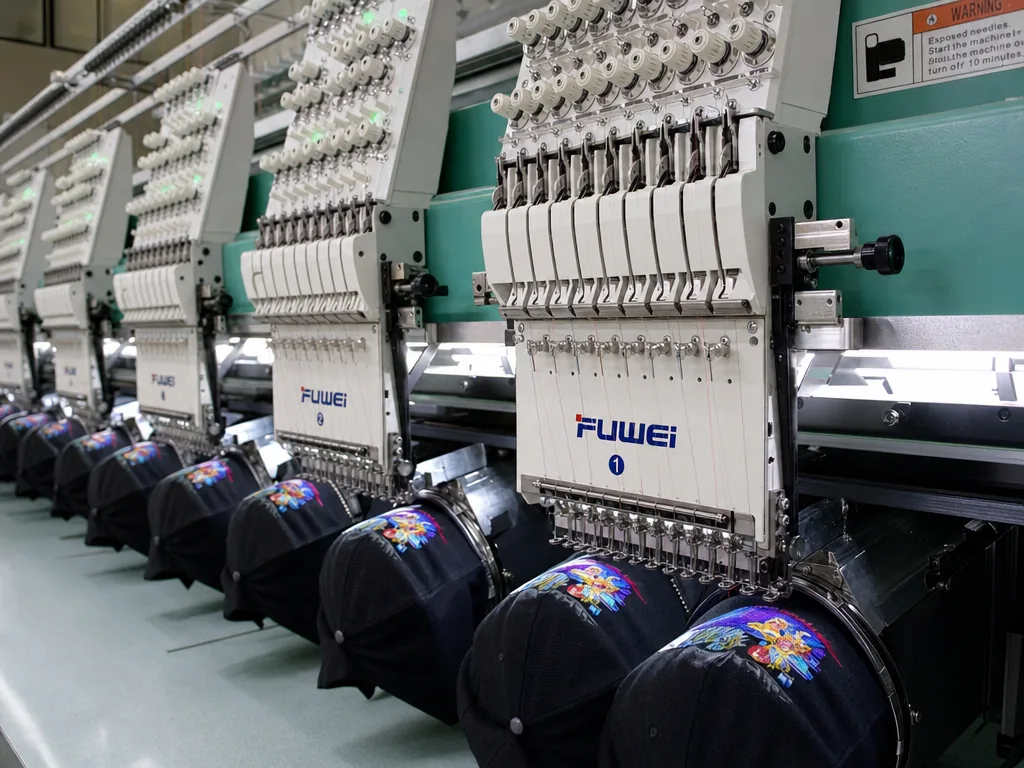
Embroidery Stitch Count & Thread Density: A Cost-and-Quality Reference - 2026 Buyer's Guide
Read article →
FOB vs CIF vs DDP: Incoterms Compared for Hat Imports - Cost & MOQ Breakdown
Read article →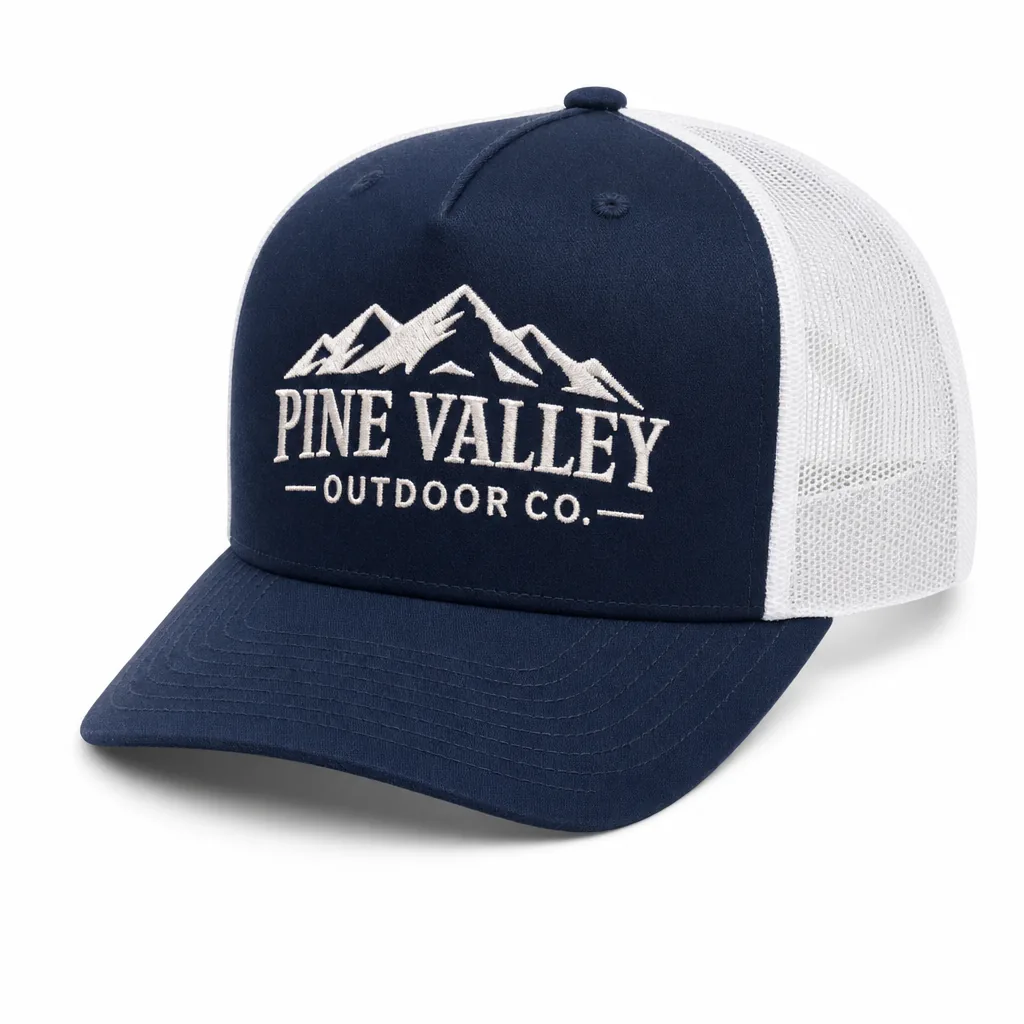
Wholesale Trucker Hats with Custom Logo: A Complete Bulk Sourcing Playbook
Read article →If you are ready to take the next step on custom embroidered hat: the 2026 sourcing & manufacturing playbook - supplier checklist, our team can put a tailored quotation and digital mock-up in your inbox within 24 hours. Send the inquiry form on our contact page or message us directly on WhatsApp.