
FOB vs CIF vs DDP: Incoterms Compared for Hat Imports - Cost & MOQ Breakdown
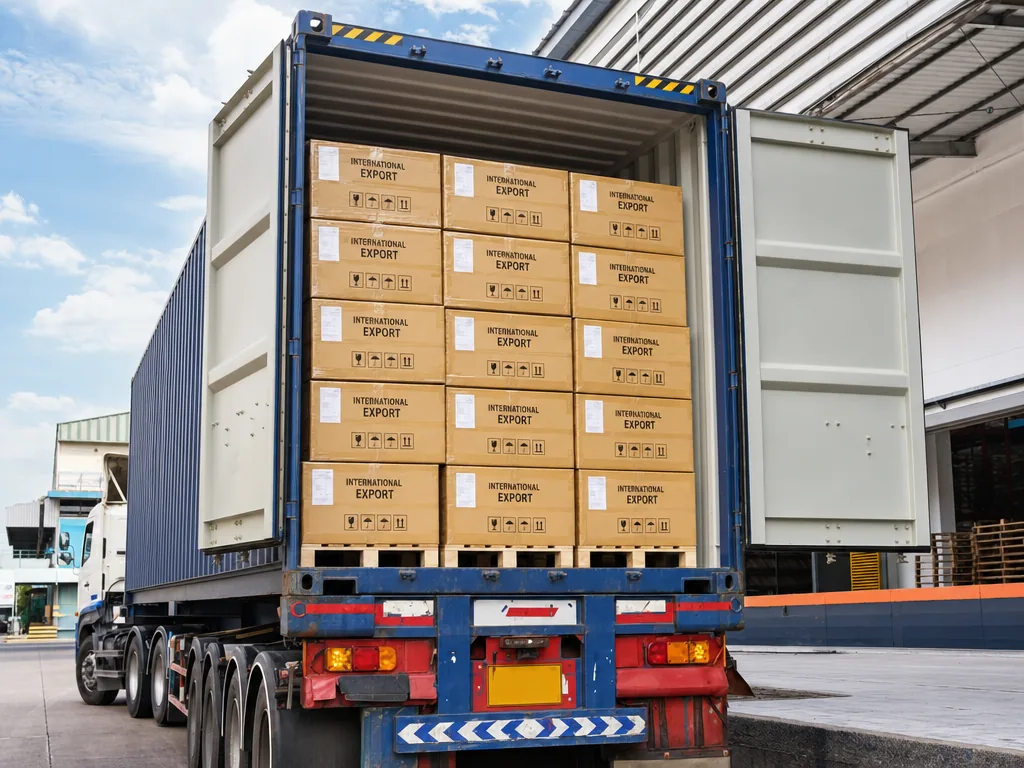
Every week, our sales team answers detailed questions about fob vs cif vs ddp: incoterms compared for hat imports - cost & moq breakdown. We wrote this guide so that wholesalers, streetwear brands, corporate buyers and promotional resellers can compare options with full information, and avoid the traps that show up only after production has started.
The three Incoterms hat buyers actually use
For custom headwear, buyers rarely need a lecture on all 11 Incoterms 2020 rules; the real decision is usually fob vs cif vs ddp. In cap production, those three cover most live orders. FOB suits importers with a nominated forwarder and a finance team that wants clean cost separation. The factory clears export customs, delivers to the named port, and loads onboard, typically via Ningbo or Shanghai for Zhejiang production, while the buyer controls ocean freight, cargo insurance, destination customs entry, and final-mile delivery. That structure matters because freight volatility can distort sourcing decisions if you roll everything into one number. A 2,000-piece six-panel baseball cap order, packed 24 pcs per export carton, will usually ship around 6.5 to 8.0 CBM depending on visor curve, crown height, and whether sweatband inserts are packed flat or nested. When rates move by even $35 to $60 per CBM equivalent after origin and destination fees, the landed cost swing can exceed the sewing-cost difference between two factories.
CIF looks simpler than it is. The seller pays ocean freight and procures marine insurance to the destination port, but that insurance is usually minimum cover under Institute Cargo Clauses (C) unless better terms are written into the contract. The buyer still pays destination THC, customs broker fees, duty, port storage if clearance slips, exam charges, and inland trucking. In practical fob vs cif vs ddp terms, CIF is mainly a booking and cash-flow choice; it does not remove import risk. On a 2,000-piece cotton twill cap shipment from Ningbo to Los Angeles, the spread between FOB and CIF might be only $250 to $600 in a soft market, then widen fast during GRI rounds, peak-season space shortages, or fuel and bunker adjustments. First-time buyers often assume CIF means "fully covered," then discover a claim on carton water damage or partial theft does not pay the way they expected.
DDP gives the easiest approval number and the least transparency. A proper DDP quote should include export clearance, main freight, customs brokerage, import duty, taxes where applicable, and delivery to the final warehouse, but many cap suppliers still pad the quote because they are estimating HS code treatment, Section 301 exposure for U.S. entries, remote-area surcharges, or chassis and delivery waiting time. That is why DDP tends to make sense on smaller programs, roughly 300 to 1,000 pieces, where the buyer values a landed door price more than line-item visibility. Once volume reaches 5,000 pieces or more, most experienced importers shift back to FOB because they can usually recover margin through their own routing, broker selection, and tighter control of detention, demurrage, and delivery appointments. Our standard practice is to ask one blunt question before accepting any DDP number: is the shipment moving by express, airfreight plus truck, or sea freight plus truck, because that answer changes both MOQ economics and compliance risk immediately.
FOB: how it actually works in practice
FOB is the cleanest term only when the buyer already has a forwarder, customs broker, and a habit of managing deadlines. For cap exports from Zhejiang, FOB Ningbo or FOB Shanghai typically means the factory finishes production, passes final inspection, books trucking to port, and files China export clearance under its customs registration. In Guangdong, the named port is usually Yantian or Shekou. Under Incoterms 2020, risk transfers when the goods are loaded on board the vessel, not at the old “ship’s rail” point that still shows up in bad paperwork. In a practical fob vs cif vs ddp decision, that transfer point is not academic: once the container is on board, the buyer owns the ocean leg, cargo insurance, destination THC, customs entry, duty, exam risk, and final-mile delivery. The China-side cost under FOB is usually modest; the expensive surprises happen after arrival. On a 1,200-piece cap order, inland haulage, terminal handling, VGM, and export docs from Yiwu to Ningbo often add about USD 120 to 260 total, assuming normal-season trucking and no port congestion surcharge. The bigger variable is cube. A structured 6-panel baseball cap with buckram front, pre-curved PE visor, and metal buckle closure may pack 72 to 96 pieces per carton, while washed cotton unstructured caps can reach 120 to 144. That difference changes whether the shipment moves as LCL or consolidates efficiently into a buyer’s broader booking. Under FOB, the supplier issues the commercial invoice, packing list, carton marks, and export declaration, while the buyer’s forwarder controls SI, AMS/ISF timing for the US, and insurance. A misdeclared carton weight by even 0.5 kg can trigger reweigh or amendment fees, so we lock gross weight, dimensions, and HS code 6505.00 before SI cutoff.
FOB also gives the buyer more control over compliance, but only if their documentation discipline is strong. For US imports, the buyer or their agent must file ISF 10+2 before vessel departure; miss that deadline and penalties can reach USD 5,000 per filing. For EU and UK entries, the buyer’s broker will also want a clean packing list with carton count, net and gross weight, fiber content, and product description that matches the commercial invoice exactly. On cap shipments, small mismatches like calling the same item “baseball cap” on one document and “sports hat” on another can delay customs review or trigger a manual query. In the fob vs cif vs ddp comparison, FOB rewards buyers who already run standard operating procedures and punishes those who do not. From the factory side, FOB works best when pre-shipment controls are nailed down before cargo leaves the gate. AQL 2.5 final inspection, carton drop test, needle detection for embellished styles, and barcode verification should all be finished before the truck departs for Ningbo. If embroidery is involved, we also lock approved thread shades against Pantone TCX and keep shade variance within a practical Delta-E tolerance on bulk trims, because any rework after port handoff is expensive and usually misses the ETD. CrownsForge standard practice is to release FOB cargo only after the packing list, shipper’s letter of instruction, and on-board date requirements are checked against the buyer’s booking. FOB is efficient, but it is not forgiving: one late shipping instruction or one wrong consignee line can create amendment charges, rolled cargo, or a week of delay at origin.
CIF: when this saves time and money
CIF works best when the factory genuinely buys freight better than you can on the China side. Under Incoterms 2020, the seller covers export customs clearance, origin terminal handling, ocean freight, and minimum marine insurance to the named port, while you still absorb destination THC, customs entry, duty, VAT or GST, inspections, demurrage if any, and inland delivery. In a fob vs cif vs ddp comparison, that makes CIF the practical middle option: less origin coordination than FOB, but without handing import compliance to the seller the way DDP does. On cap orders, the premium is usually manageable rather than dramatic. CIF often lands 4% to 8% above FOB on steady China-US or China-EU lanes, and that can still be cheaper than self-booking small LCL volume. A 3,000-piece run of structured baseball caps usually ships at roughly 18 to 24 cbm, depending on crown height, brim curvature, and carton count; on those volumes, a supplier moving weekly cargo through Ningbo or Shanghai may beat spot LCL pricing by $20 to $40 per cbm and trim another $150 to $250 in origin charges.
Where CIF really saves money is on repeat lanes with disciplined booking and document control. Hats cube out long before they weigh out, so carton engineering matters more than most buyers realize: if pack-out drifts from 24 pcs to 20 pcs per master carton, or the nesting ratio is poor on pre-curved visors, freight cost per cap can jump 6% to 12% with no change in unit price. Good suppliers catch that early, hold cartons to consistent outer dimensions, keep gross weights within practical handling bands, and issue clean paperwork the first time: matching commercial invoice and packing list values, correct HS code, carton marks, consignee details, and accurate AMS or ENS data. The weak point is insurance. CIF usually means only baseline cover, commonly Institute Cargo Clauses (C), which is thin for higher-value headwear such as wool-blend fitted caps, suede-brim fashion styles, or licensed product with hangtags and retail boxes. If the factory is loose on booking accuracy or document discipline, FOB is safer; if your broker is strong and you want less admin without stepping into DDP risk, CIF is usually the smartest middle ground.
DDP: the buyer-friendly all-in arrangement
DDP is the cleanest option when the buyer wants one landed number and zero involvement in customs, but it is rarely the cheapest line on the spreadsheet. In a real fob vs cif vs ddp comparison, DDP means the supplier or its forwarder covers China export clearance, ocean or air freight, destination customs entry, duty, MPF, HMF, and final delivery to your warehouse or 3PL. For cap orders, that convenience usually prices 25% to 45% above FOB value, and the spread can widen fast in peak season when GRI, bunker surcharges, port congestion, and chassis shortages hit U.S. lanes. The premium is not just margin; it is a risk buffer for variables the buyer cannot easily audit, including customs exams, CES transfers, re-delivery, demurrage, and last-mile accessorials. The math gets ugly on small orders. Take 500 structured 100% cotton twill caps at $4.80 FOB: goods value is $2,400. A realistic DDP quote to a U.S. commercial address often lands around $3,100 to $3,450, depending on lane, carton cube, and service level. Even before duty swings, fixed destination costs do damage: $150 to $200 for customs brokerage, roughly 0.3464% MPF on formal entry, 0.125% HMF on ocean freight, plus drayage or local trucking that can easily add $250 to $450. Spread a $450 destination bill across 500 caps and you have already added $0.90 per piece. That is why DDP usually makes sense for startups, promo buyers, and Amazon sellers that do not have a customs bond, importer-of-record setup, or staff who can handle ISF, entry paperwork, and delivery appointments.
The tradeoff is control. Under FOB, the buyer can nominate the forwarder, compare sailings, split origin and destination charges, and see whether the freight line item actually matches market conditions. Under DDP, those costs are compressed into one all-in figure, so it is harder to tell whether the seller built in an extra 8% for customs risk or padded the trucking side to cover appointment failures. Experienced importers care about that opacity because repeat hat programs live or die on small unit deltas; on a 10,000-piece reorder, an extra $0.18 per cap is $1,800 gone with no clear audit trail. CIF sits between the two, but if control and benchmarking matter, FOB still wins. A reliable DDP quote depends on details that weak sales teams routinely miss: consignee postal code, commercial vs residential delivery, dock height, liftgate requirement, palletization, carton dimensions, HTS classification, and declared customs value. A 20-carton shipment to a limited-access address can swing several hundred dollars on accessorials alone. Our standard practice is to lock those inputs before quoting because one bad assumption turns a landed estimate into a dispute after dispatch. If the buyer is VAT-registered, holds its own bond, or has contract freight rates, DDP is often overpriced. If the buyer values predictability over transparency, DDP is usually the safest choice in the fob vs cif vs ddp decision.
Decision tree by order size
Below 200 pieces, the question is usually not port Incoterms at all; it is whether the shipment should bypass ocean entirely. A 144-piece run of structured 6-panel cotton twill caps with buckram front panels and 3D embroidery normally packs into 3 to 5 master cartons, with chargeable express weight around 22 to 32 kg once carton dimensions are converted under the 5,000 divisor used by most couriers. In a practical fob vs cif vs ddp decision, CIF is usually a poor fit at this size because the ocean leg is cheap but the fixed charges are not. A Zhejiang-to-U.S. courier move on DHL, UPS, or FedEx International Priority often lands around $180 to $320, while the same shipment sent as LCL can pick up $350 to $700 in origin CFS, destination THC, AMS filing, broker fees, and local delivery before duty is even assessed. For launch drops, salesman samples, or low-MOQ programs with silicone patches, woven labels, and Pantone TCX approvals, DDP courier is usually the least painful structure because the landed cost is visible upfront and customs touchpoints are reduced.
From roughly 200 to 1,000 pieces, the right choice depends on whether the buyer can actually manage destination-side risk. A 600-piece order packed 24 pcs per carton may still justify air freight if the retail window is tight, but if transit can stretch to 25 to 35 days, LCL starts to make sense. This is where CIF causes the most confusion: freight to the destination port is prepaid, but the buyer still owns customs clearance, ISF filing for U.S. ocean imports, terminal handling, CFS deconsolidation, duty, and final-mile delivery. On a small LCL cap shipment, those add-ons regularly run $350 to $900, which is enough to wipe out any headline savings in the freight quote. If you already have a reliable forwarder and understand destination tariffs, demurrage risk, and brokerage billing, FOB is usually the stronger structure; our standard practice is to book against named Ningbo or Shanghai terms so buyers can compare sailings and surcharges cleanly. Once volume moves above 1,000 pieces, FOB usually wins on control and total landed cost, with experienced importers often saving 6 to 12 percent versus bundled service, while DDP remains useful mainly for buyers without an import entity or for teams that need one all-in invoice.
Hidden costs that surprise first-time importers
The sticker spread between a $2.85 FOB cap and a $3.12 CIF cap is usually meaningless once the shipment lands. First-time importers fixate on the ocean line-haul and miss the destination stack: LCL destination CFS handling and terminal charges typically add $85 to $180 per shipment, customs brokerage on a formal U.S. entry runs about $95 to $165, and the importer still pays the Merchandise Processing Fee at 0.3464% of entered value, capped at the current CBP maximum, plus Harbor Maintenance Fee at 0.125% on ocean imports. Add an ISF filing at $35 to $60, a single-entry bond that can easily cost $50 to $75 if no continuous bond is in place, and final-mile drayage or courier delivery from the CFS. In a practical fob vs cif vs ddp comparison, the only number worth comparing is landed cost per cap after freight, customs, duty, port fees, bond, and delivery are allocated across the real carton count, not the headline unit price on the quote.
CIF causes the most confusion because “freight prepaid” does not mean “charges paid through delivery.” The carrier’s destination agent still collects local fees, and on small LCL hat shipments I regularly see document transfer, delivery order, CFS devanning, port security, palletization, and warehouse handling add another $150 to $300 before the cartons are even released. If the invoice value is inconsistent, the HTS classification is wrong, or the consignee EIN and importer record details do not match the broker file, amendments, bond revisions, and rework fees can tack on another $50 to $120 and delay release by several days. FOB with a nominated forwarder is usually cleaner because you can review the destination tariff in advance and control who clears the cargo. DDP only works when the seller states the scope line by line: duty rate, customs clearance, bond, delivery ZIP code, and accessorials such as residential, liftgate, appointment, re-delivery, or limited-access surcharges. At CrownsForge, we treat vague DDP terms as a risk flag because one missing line item can erase the entire price advantage.
Frequently Asked Questions
What is the minimum order quantity (MOQ) for custom hats?
Our standard MOQ is 100 pieces per design and color, with sampling available from 1 piece. For complex multi-color logos or premium fabric upgrades, the MOQ can be lowered with a small per-piece surcharge.
Do you support sustainability certifications?
Yes. We work with GOTS organic cotton, GRS-certified recycled polyester, OEKO-TEX Standard 100 fabrics, and are BSCI and Sedex audited. Certification documentation can be provided per order.
How long does production take?
Sampling takes 7 to 12 days. Bulk production runs 20 to 30 days depending on quantity, fabric availability and decoration complexity. Inspection and packing adds another 3 to 5 days before shipment.
What logo decoration techniques do you offer?
3D puff embroidery, flat embroidery, woven patch, leather patch, PVC patch, screen printing, sublimation, applique and laser etching, all in-house with no subcontracting.
Can I order a sample before bulk production?
Yes. We strongly recommend approving a pre-production sample before mass production. Samples are charged at 35 to 60 USD each plus express shipping, fully refundable against confirmed bulk orders over 500 pieces.
How does ordering custom new era hats work?
When evaluating custom new era hats, the key considerations are construction quality, decoration capability, MOQ flexibility and lead time. Of the 11 Incoterms 2020, only three appear in 95%+ of hat import contracts: FOB (Free On Board — supplier delivers to ship at named port), CIF (Cost Insurance Freight — supplier handles ocean leg plus insurance), and DDP (Delivered Duty Paid — supplier delivers door-to-door including all duties). Most common for buyers with their own freight forwarder. Factory delivers to…
How does ordering custom new era 59fifty fitted hats work?
When evaluating custom new era 59fifty fitted hats, the key considerations are construction quality, decoration capability, MOQ flexibility and lead time. Of the 11 Incoterms 2020, only three appear in 95%+ of hat import contracts: FOB (Free On Board — supplier delivers to ship at named port), CIF (Cost Insurance Freight — supplier handles ocean leg plus insurance), and DDP (Delivered Duty Paid — supplier delivers door-to-door including all duties). Most common for buyers with their own freight forwarder. Factory delivers to…
What should I know about new era blank hats wholesale?
When evaluating new era blank hats wholesale, the key considerations are construction quality, decoration capability, MOQ flexibility and lead time. Of the 11 Incoterms 2020, only three appear in 95%+ of hat import contracts: FOB (Free On Board — supplier delivers to ship at named port), CIF (Cost Insurance Freight — supplier handles ocean leg plus insurance), and DDP (Delivered Duty Paid — supplier delivers door-to-door including all duties). Most common for buyers with their own freight forwarder. Factory delivers to…
What should buyers know about organic cotton baseball hat?
When evaluating organic cotton baseball hat, the key considerations are construction quality, decoration capability, MOQ flexibility and lead time. Of the 11 Incoterms 2020, only three appear in 95%+ of hat import contracts: FOB (Free On Board — supplier delivers to ship at named port), CIF (Cost Insurance Freight — supplier handles ocean leg plus insurance), and DDP (Delivered Duty Paid — supplier delivers door-to-door including all duties). Most common for buyers with their own freight forwarder. Factory delivers to…
What is FOB CIF and DDP?
The most commonly used Incoterms include EXW (Ex Works), FOB (Free On Board), CIF ( Cost, Insurance and Freight ), FCA (Free Carrier), DAP (Delivered at Place), and DDP (Delivered Duty Paid). Each term determines how shipping costs and risks are shared between the buyer and seller.
Do you need CIF or DDP?
Choosing between DDP and CIF depends on logistics capabilities, risk tolerance, and trade dynamics: Opt for DDP if you can manage customs efficiently and want a seamless customer experience. Choose CIF if you prefer controlling import processes and have reliable logistics post-port.
Which is better, DDP or CIF?
Choosing between DDP and CIF depends on logistics capabilities, risk tolerance, and trade dynamics: Opt for DDP if you can manage customs efficiently and want a seamless customer experience. Choose CIF if you prefer controlling import processes and have reliable logistics post-port.
Which is higher, FOB or CIF?
As a buyer, CIF gives you less flexibility than FOB. With CIF the seller arranges transportation so the buyer has little to no involvement. Yet with FOB, the buyer has much more flexibility and control to choose the carrier and negotiate shipping rates, which can help reduce costs.
Ready to start your custom hat project?
Send us your tech-pack, sketch or even just an inspiration photo. We will respond with a detailed quotation and digital mock-up within 24 hours.
Request a free quoteRelated guides

Refreshing a Hat Collection: A Repeat-Order Playbook for Established Brands
Read article →
Ball Caps for Women: A 2026 Sourcing Playbook for International Buyers - 2026 Buyer's Guide
Read article →
Festival Bucket Hats Reorder Planning Guide for Custom Hat Buyers
Read article →We hope this guide demystifies fob vs cif vs ddp: incoterms compared for hat imports - cost & moq breakdown and helps you move forward with confidence. If you have questions specific to your project, our English-speaking sales engineers are one message away.