
Country Hats For Men Supplier Audit Checklist for Custom Hat Buyers
Every week, our sales team answers detailed questions about country hats for men supplier audit checklist for custom hat buyers. We wrote this guide so that wholesalers, streetwear brands, corporate buyers and promotional resellers can compare options with full information, and avoid the traps that show up only after production has started.
Why country hats for men supplier audit checklist needs a separate sourcing plan
A country hats for men supplier audit checklist needs its own sourcing plan because the product is usually bought for a very specific wearing context: rodeo events, farm supply retail, country music tours, hunting lodges, beer brands, or outdoor workwear programs. That buyer is not only checking whether a factory can make a cap; they are checking whether the supplier understands foam-front truckers, structured 5-panel crowns, rope trims, camo poly twill, distressed cotton, mesh back panels, and high-profile fits that look right with Western apparel. Generic cap sourcing often starts with the lowest FOB quote for a blank shape. This category starts with silhouette accuracy, decoration durability, and whether the sample still looks masculine after bulk production, washing, packing, and shelf display.
Cost decisions move quickly in this segment because country hats for men often combine low-cost trucker construction with high-visibility branding. A basic 5-panel foam trucker in 100–120 gsm polyester foam and 100 denier mesh may quote around $2.10–$2.80 FOB Ningbo at 1,000 pieces, but adding woven patches, 3D puff embroidery, rope, sweatband upgrade, or washed cotton front panels can push it to $3.60–$5.20. Bulk custom trucker hats with small-run color splits also create hidden costs: extra thread setups on Tajima or Barudan heads, Pantone TCX fabric dye minimums, and carton mixing labor. For custom bulk trucker hats, I would audit sample control first: approved physical cap, Delta-E tolerance under 1.5 for key brand colors, embroidery density limits, and a signed trim card before cutting fabric.
Lead time and compliance are different from promotional hats because many country and outdoor buyers sell through retailers that care about labeling, social audits, and product consistency across reorders. A custom hat manufacturer making bulk custom embroidered hats should show sedex-audit-cap-supplier-guide.html">BSCI 2.0 or Sedex SMETA 4-Pillar records, needle control logs, metal detection records if required, and AQL 2.5 final inspection reports with measured crown height, brim length, stitch count, and carton drop-test results. Our standard practice at CrownsForge is to separate compliance files from production files so buyers can audit wage-hour records without delaying sample approval. The main timing risks are not sewing speed; they are patch development, fabric availability, embroidery digitizing revisions on ZSK or Barudan machines, and buyer-side artwork approvals. A realistic plan is 7–10 days for sampling, 25–35 days for production, and another 18–32 days for ocean DDP to the U.S., depending on port congestion and customs exams.
Factory capability checks before quoting
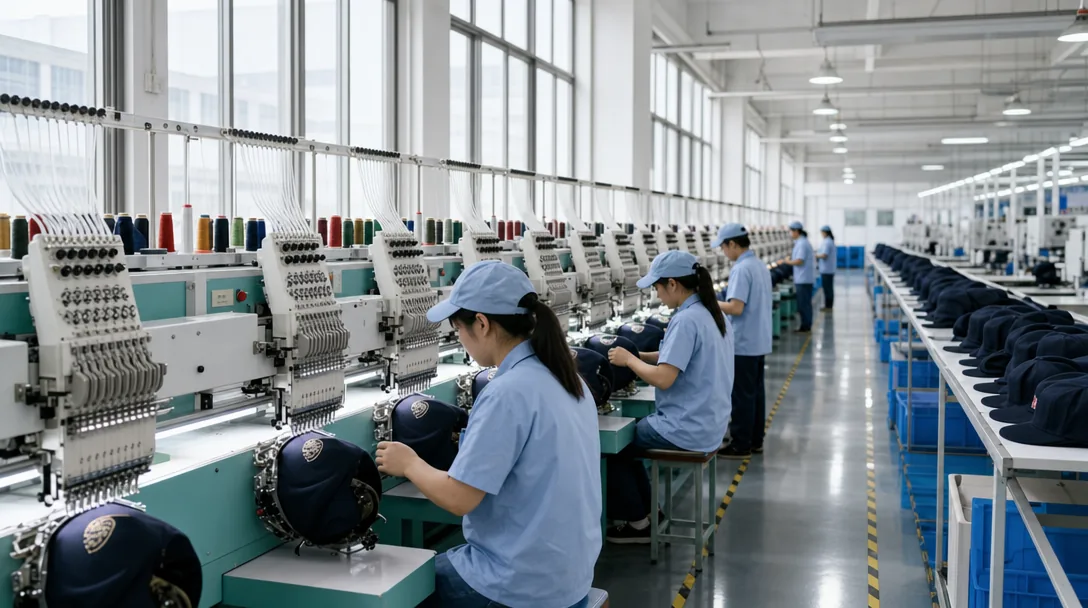
A serious country hats for men supplier audit checklist starts before the price sheet, because quoting means nothing if the factory cannot physically build the hat you sketched. For embroidery, ask how many Tajima, Barudan, or ZSK heads are on the floor, max stitch height on structured fronts, and whether they digitize in-house or outsource DST files. For bulk custom embroidered hats, I want to see actual thread cards from Madeira or Gunold, not a JPG color chart, and I check whether they can hold logo placement within ±2 mm across a 500-piece run. For leatherette, woven, PVC, chenille, and sublimated patches, confirm the backing method: satin stitch, merrow edge, heat press, or Velcro. Heat-pressed patches on foam truckers are cheap, often $0.35–$0.80 per patch application, but poor pressure control leaves corner lift after 5–8 washes. If the supplier cannot explain stitch density, backing, needle size, and crown distortion, they are guessing at your cost.
Fabric and panel construction separate a custom hat manufacturer from a reseller with a WeChat catalog. For country hats for men, common builds include cotton twill at 280–320 gsm, washed canvas at 260 gsm, polyester foam fronts at 3–5 mm, and 100D–150D polyester mesh for bulk custom trucker hats. Ask for Pantone TCX matching on dyed fabric and Delta-E tolerance; for caps, Delta-E under 1.5 is tight, under 2.5 is usually commercially acceptable, and anything over 3.0 will be visible in side-by-side retail packs. Panel shape matters too: a 5-panel foam trucker, 6-panel structured cap, and low-profile unstructured dad cap use different buckram, seam tape, and blocking molds. Closures should be quoted separately: plastic snapback, brass buckle, matte black metal buckle, elastic Flexfit-style band, Velcro, or leather strap. Our standard practice at CrownsForge is to confirm crown height, visor curve radius, sweatband type, and seam tape color on the tech pack before issuing a firm FOB Ningbo or Shanghai price.
Sample room capability is where many custom bulk trucker hats projects either become manufacturable or start bleeding time. A capable sample room should turn a standard embroidery or patch cap in 5–7 working days after artwork approval, with a clear revision charge policy, usually $30–$80 per sample depending on mold, patch, and embroidery complexity. Ask whether they can make pre-production samples using bulk fabric, not substitute fabric, and whether they record construction specs with photos, measurements, and a sealed golden sample. Audit readiness also belongs in the pre-quote check: BSCI 2.0, Sedex SMETA 4-Pillar, WRAP, or ISO 9001 documents should be current, not “available later.” For inspection, define AQL 2.5 for major defects and AQL 4.0 for minor defects before deposit, including loose threads, off-center logos, oil stains, warped visors, and carton labeling errors. Communication is the final filter: if the supplier cannot answer MOQ, lead time, fabric availability, sample schedule, and carton dimensions within 24 hours, they will not manage production surprises well.
MOQ, pricing and sample approval
MOQ is where a country hats for men supplier audit checklist becomes practical, because many quotes look cheap until you separate blank cap MOQ, fabric MOQ, and decoration MOQ. For country hats for men, common factory bands are 144 pcs for stock-shape sampling, 300–500 pcs per colorway for custom bulk trucker hats using available twill or mesh, and 1,000–3,000 pcs when you require dyed-to-order cotton, custom camo, foam fronts, or private-label trims. A real custom hat manufacturer should quote price breaks at 300, 500, 1,000, and 2,500 pcs, not just one blended number. For mid-profile trucker caps with polyester mesh, cotton twill front panels, plastic snapback, and one front embroidery, FOB Ningbo/Yiwu pricing normally sits around US$3.20–4.80 at 500 pcs, US$2.65–3.70 at 1,000 pcs, and US$2.25–3.20 at 2,500 pcs, depending on structure, lining, and decoration complexity.
Decoration setup must be audited separately from unit price, especially for bulk custom embroidered hats with western scripts, rope details, flag patches, or multi-color farm and rodeo logos. Digitizing on Tajima, Barudan, or ZSK machines usually costs US$30–80 per logo, while a woven patch mold or PVC patch mold can run US$60–150. Flat embroidery is normally 6,000–9,000 stitches for a clean front logo; raised 3D puff often needs 9,000–13,000 stitches, 2 mm EVA foam, and wider satin columns to avoid thread cutting. I reject supplier samples when stitch density is inflated to hide poor digitizing, because heavy thread can pucker 260–300 gsm cotton twill and distort the crown. Pantone matching should be stated as Pantone TCX for fabric and Pantone C/U for inks or thread references, with a practical tolerance of Delta-E under 2.0 for dyed fabric and under 1.5 for printed patches.
PPS approval should lock the cap before bulk cutting, not after the sewing line has started. The pre-production sample needs to confirm crown height, brim curve, sweatband width, seam tape color, eyelet placement, mesh denier, snapback grade, label content, hangtag, barcode sticker, and carton marking. Our standard practice at CrownsForge is to photograph and measure the PPS against the tech pack, then keep one sealed sample in the QC room for inline inspection. Expect 5–7 days for embroidery digitizing and first sample if using stock fabric, 10–15 days when dyeing fabric or developing patches, and 20–35 days for bulk production after PPS approval. Add 3–5 days for AQL 2.5 final inspection and export packing. Individual polybags add about US$0.04–0.08 per cap, custom inner boxes US$0.25–0.60, and retail hangtags US$0.05–0.12, so packaging should be priced before purchase order confirmation.
Quality inspection and shipping risk
Quality risk on country hats for men starts with defining the inspection method before production, not arguing after cartons are sealed. For a practical country hats for men supplier audit checklist, I would set AQL 2.5 for major defects and AQL 4.0 for minor defects, with critical defects at zero tolerance. On a 5,000-piece run of bulk custom trucker hats, that usually means pulling 200 samples under ANSI/ASQ Z1.4 General Inspection Level II. Major defects include broken top buttons, wrong panel fabric, distorted crown shape, needle holes through the front foam, off-center embroidery over 3 mm, and sweatband stains. Measurement tolerances should be written by point: crown height ±5 mm, brim length ±3 mm, circumference ±5 mm, embroidery placement ±2 mm, and woven patch placement ±2 mm. If the buyer only says “same as approved sample,” the factory has too much room to interpret.
Color and decoration failures are where many custom bulk trucker hats lose money, especially when a Western or outdoor brand needs repeatable khaki, brown, olive, and camo tones. Fabric color should be matched against Pantone TCX or a sealed lab dip under D65 light, with Delta-E ideally under 1.5 for solid cotton twill and under 2.0 for polyester mesh. For colorfastness, ask for ISO 105 or AATCC crocking results: dry rubbing grade 4 minimum and wet rubbing grade 3-4 minimum are realistic for cotton canvas and pigment-dyed fabrics. Embroidery needs its own defect list: thread breaks, loose jump stitches over 3 mm, puckering around dense fills, wrong Madeira/Robison-Anton thread shade, and registration drift on 3D puff. On Tajima, Barudan, or ZSK heads, a clean cowboy boot or flag design still needs proper underlay and density around 0.38-0.45 mm, otherwise the front panel collapses after packing.
Shipping risk is mostly documentation discipline. Every carton should show buyer PO, style code, color, size if applicable, quantity, gross/net weight, carton dimensions, country of origin, and a scannable carton number such as 1/84 through 84/84. For bulk custom embroidered hats, I prefer 24 or 48 pieces per inner polybag and 144 pieces per export carton, unless the brim shape needs more protection. FOB Ningbo or Shanghai gives experienced importers better control over freight and insurance, while DDP is cleaner for smaller buyers but hides duty, broker, and last-mile costs inside the unit price; a $4.80 FOB cap can easily become $7.20-$8.50 landed in the U.S. depending on duty code, volume, and delivery zone. Our standard practice at CrownsForge is to archive the approved pre-production sample, digitized embroidery file, thread chart, carton mark, packing method, QC report, and final invoice together so reorders do not drift six months later.
Buyer checklist for the next RFQ
A firm RFQ starts with a locked spec sheet, not a mood board. For a country hats for men supplier audit checklist, I would ask buyers to send cap style first: 5-panel foam trucker, 6-panel structured trucker, rope cap, unstructured dad cap, or flat-brim snapback. List crown height in inches, visor type, closure, sweatband, inside taping, eyelets, and whether the front panel needs buckram. For country hats for men, the most common build is cotton twill or polyester-cotton front with 100% polyester mesh back, 120–160 gsm front fabric, 75–100 denier mesh, plastic snap closure, and a slightly curved visor. If you want bulk custom trucker hats quoted accurately, include order quantity by colorway, not just total volume, because 600 pieces split across six colors costs differently than 600 pieces in one SKU.
Artwork files decide whether the quote is real or just a guess. Send vector files in AI, EPS, or CDR format, plus a high-resolution JPG mockup showing exact placement. For embroidery, include stitch type expectations: flat embroidery, 3D puff, appliqué, woven patch, leather patch, sublimated patch, or heat-transfer label. If you already have a digitized DST file, send it, but a good custom hat manufacturer will still check stitch count, thread trims, underlay, and pull compensation before quoting. For bulk custom embroidered hats, quote variance usually comes from stitch count: a 6,000-stitch front logo may add about $0.25–$0.45 per cap, while a 15,000-stitch design can add $0.70–$1.20 depending on thread colors and machine time on Tajima, Barudan, or ZSK heads.
Color and compliance details should be written down before sampling. Provide Pantone TCX or TPX references for fabric, Pantone Coated for embroidery thread, and an acceptable Delta-E tolerance, usually under 1.5 for brand-critical colors and under 2.0 for promo work. Send reference photos of the crown shape, visor curve, mesh stiffness, patch edge finish, and inside label layout; factory sample rooms work faster from physical construction references than from lifestyle images. For custom bulk trucker hats, also state packing method, carton marks, polybag requirement, hangtag, barcode, country-of-origin label, and target shipment term: FOB Ningbo/Shanghai, DDP USA, or Amazon FBA prep. Our standard practice at CrownsForge is to quote after confirming AQL 2.5 inspection level, BSCI 2.0 or Sedex SMETA 4-Pillar needs, sample deadline, bulk delivery date, and whether the buyer requires a pre-production sample before cutting fabric.
Working with CrownsForge
The first control point in a country hats for men supplier audit checklist is not the final inspection; it is the pre-production sample. For country hats for men, we usually lock the crown height, brim curve, mesh stiffness, sweatband width, and closure hardware before any bulk fabric is cut. A rural-style trucker cap often uses 260–300 gsm cotton twill front panels, 100–120 gsm polyester mesh, and a 6-row stitched visor with medium PE board; if the buyer wants a broken-in look, enzyme-washed cotton or pigment-dyed canvas must be approved against Pantone TCX under D65 lighting, with Delta-E controlled within 1.5–2.0 for repeat orders. CrownsForge’s standard practice is to issue a fit sample, decoration strike-off, and sealed pre-production sample, each tagged with fabric lot, thread code, foam density if used, and approved measurement tolerance, normally ±0.5 cm on circumference and ±0.3 cm on visor width.
Decoration is where many bulk custom trucker hats fail, especially when buyers mix small lettering, merrow-style patches, and heavy front-panel embroidery on curved caps. For bulk custom embroidered hats, we digitize separately for flat sample panels and finished caps because a Tajima, Barudan, or ZSK head behaves differently when stitching across a structured buckram front. Thread tension, backing weight, and stitch density need to be tested before bulk; a 3D puff logo usually needs 0.8–1.2 mm foam, wider satin columns, and trimmed bridges, while fine script under 5 mm height should move to woven label or heat-transfer patch. For custom bulk trucker hats, I also check whether the decoration supplier can keep placement within ±2 mm across sizes and whether embroidery puckering is inspected after steam pressing, not just at the machine table.
Export coordination should be part of the audit, because a custom hat manufacturer that can sew well but cannot document shipments will create delays at the worst time. For a practical country hats for men supplier audit checklist, I would verify BSCI 2.0 or Sedex SMETA 4-Pillar status, needle-control logs, metal-detection records for children’s or licensed programs, carton drop-test results, and AQL 2.5 inspection reports with defect photos. Bulk custom trucker hats are usually packed 25 or 50 pieces per polybag-lined export carton, with carton compression checked if the caps have structured fronts or rope trims. FOB Ningbo or Shanghai is cleanest for experienced importers; DDP to the U.S. can add roughly $0.55–$1.20 per cap depending on carton volume, duty treatment, and whether the order ships by ocean LCL, FCL, or air for launch deadlines.
Frequently Asked Questions
How long does production take?
Sampling takes 7 to 12 days. Bulk production runs 20 to 30 days depending on quantity, fabric availability and decoration complexity. Inspection and packing adds another 3 to 5 days before shipment.
Do you support sustainability certifications?
Yes. We work with GOTS organic cotton, GRS-certified recycled polyester, OEKO-TEX Standard 100 fabrics, and are BSCI and Sedex audited. Certification documentation can be provided per order.
What file format should I send for my logo?
Vector files (AI, EPS, PDF) are ideal. High-resolution PNG or JPG at 300 dpi on transparent background works as a fallback. Provide Pantone color references for accurate reproduction.
What is the minimum order quantity (MOQ) for custom hats?
Our standard MOQ is 100 pieces per design and color, with sampling available from 1 piece. For complex multi-color logos or premium fabric upgrades, the MOQ can be lowered with a small per-piece surcharge.
Can I order a sample before bulk production?
Yes. We strongly recommend approving a pre-production sample before mass production. Samples are charged at 35 to 60 USD each plus express shipping, fully refundable against confirmed bulk orders over 500 pieces.
How does ordering custom embroidered trucker hat work?
When evaluating custom embroidered trucker hat, the key considerations are construction quality, decoration capability, MOQ flexibility and lead time. Explain the buyer intent behind country hats for men supplier audit checklist, when it differs from generic hat sourcing, and what decisions affect cost, lead time and compliance. Cover embroidery, patch, fabric, panel construction, closure options, sample room capability, audit readiness and communication checks.
What should I know about custom trucker hats bulk?
When evaluating custom trucker hats bulk, the key considerations are construction quality, decoration capability, MOQ flexibility and lead time. Explain the buyer intent behind country hats for men supplier audit checklist, when it differs from generic hat sourcing, and what decisions affect cost, lead time and compliance. Describe how CrownsForge manages country hats for men supplier audit checklist programs with sampling, decoration, QC and export coordination.
What's the MOQ for custom embroidered trucker hats no minimum?
When evaluating custom embroidered trucker hats no minimum, the key considerations are construction quality, decoration capability, MOQ flexibility and lead time. Explain the buyer intent behind country hats for men supplier audit checklist, when it differs from generic hat sourcing, and what decisions affect cost, lead time and compliance. Describe how CrownsForge manages country hats for men supplier audit checklist programs with sampling, decoration, QC and export coordination.
What should I know about custom rope hat wholesale bulk?
When evaluating custom rope hat wholesale bulk, the key considerations are construction quality, decoration capability, MOQ flexibility and lead time. Explain the buyer intent behind country hats for men supplier audit checklist, when it differs from generic hat sourcing, and what decisions affect cost, lead time and compliance. Cover embroidery, patch, fabric, panel construction, closure options, sample room capability, audit readiness and communication checks.
Looking for a reliable hat manufacturer in China?
CrownsForge has produced custom hats for 800+ brands across 40 countries. From 100-piece launches to 100,000-piece retail programs, we deliver on time and on spec.
Get in touchRelated guides
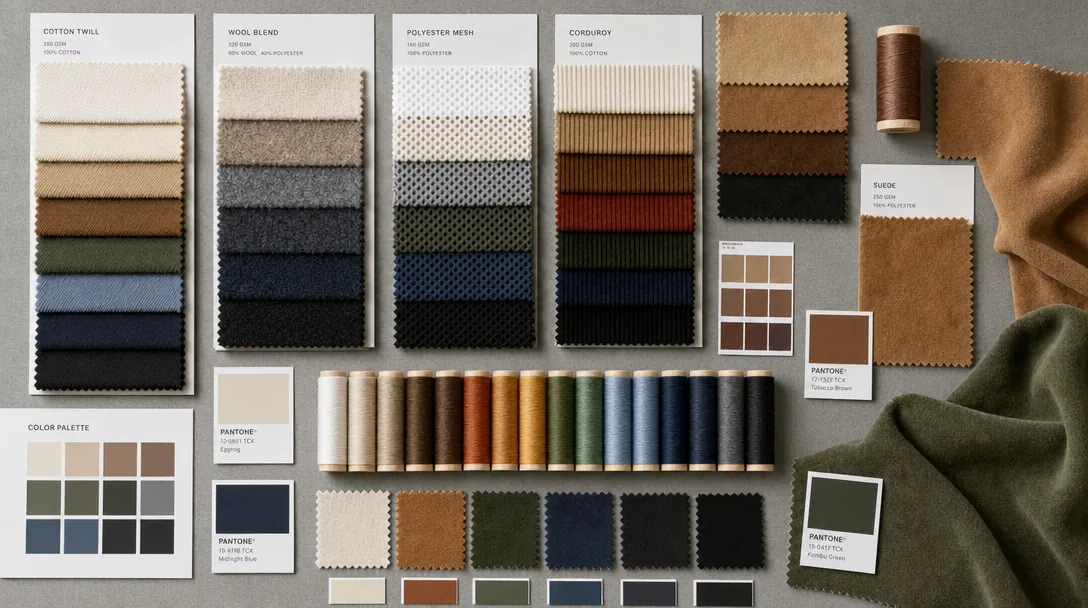
Corduroy Hat: Properties, Costs and How to Spec It Right
Read article →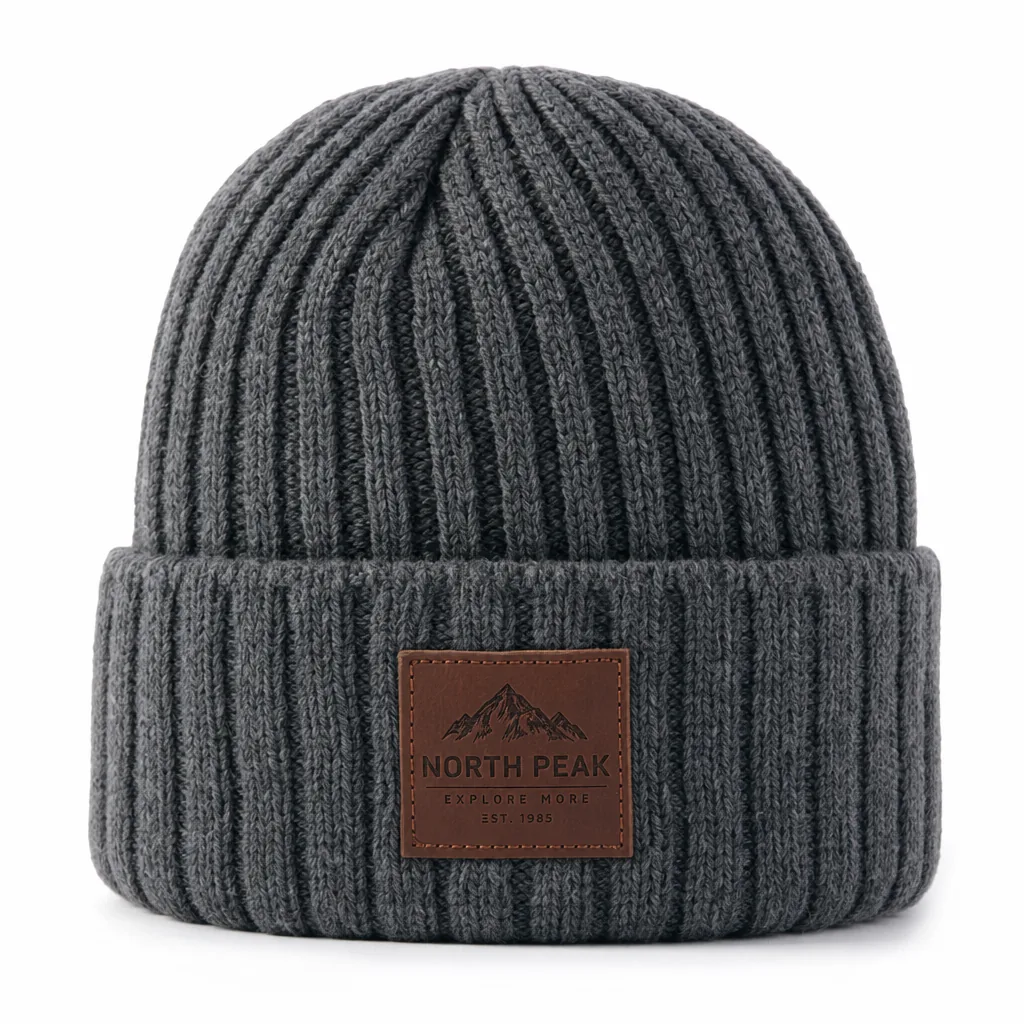
Cap Fabric Guide: Cotton Twill, Wool Blend, Polyester & Performance Materials
Read article →Country Hats For Men Decoration QC Checklist for Custom Hat Buyers
Read article →We hope this guide demystifies country hats for men supplier audit checklist for custom hat buyers and helps you move forward with confidence. If you have questions specific to your project, our English-speaking sales engineers are one message away.