
Cotton Beanie: Properties, Costs and How to Spec It Right - Supplier Checklist
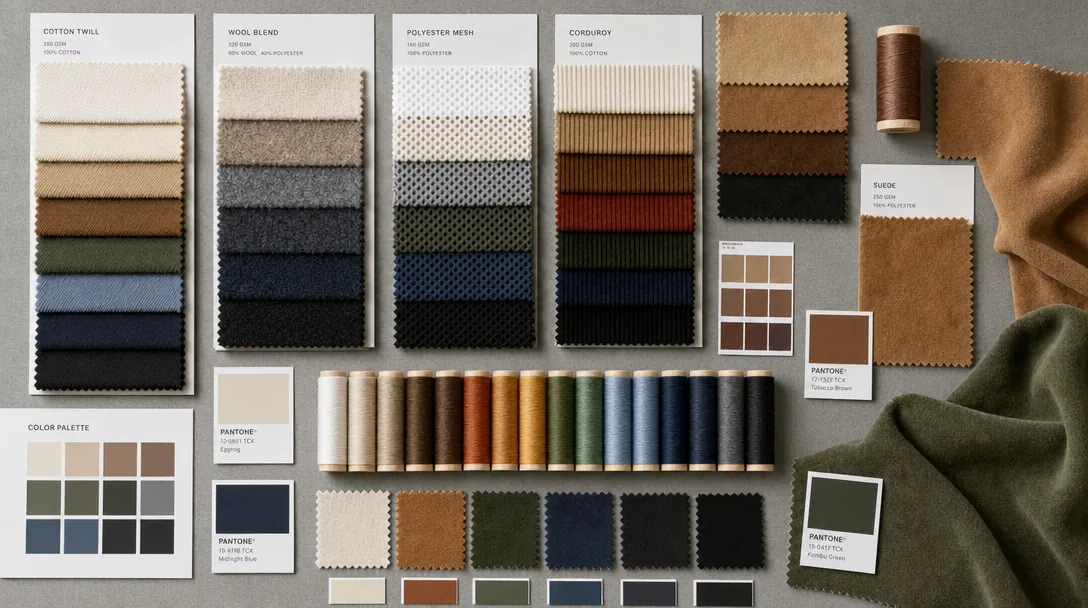
For brand owners, wholesalers and procurement teams entering the custom headwear category, cotton beanie: properties, costs and how to spec it right - supplier checklist is one of the highest-leverage decisions you will make. Get it right and your unit economics, retail story and reorder cycle all improve. Get it wrong and you carry the cost for years.
Organic Cotton Newborn Hat
For an organic newborn cotton beanie, certification has to tie back to the exact production run, not just the factory. Ask for GOTS or OCS transaction certificates that reference the yarn spinner, lot number, and PO; a scope certificate only shows the site is approved, not that your cotton beanie used certified fiber. The safest base fabric is 1x1 rib or single jersey in the 180–220 gsm range, typically knitted from 30s or 32s combed cotton yarn. Combing matters here because it removes short fibers and lowers surface hairiness, which reduces linting and feels cleaner against infant skin. If the cuff needs more recovery, keep elastane confined to a 3–5% rib band instead of blending spandex through the whole shell, since many brands will no longer label the body as 100% organic once elastane is introduced. Chemical limits should be written into the spec, not left to a verbal “baby safe” promise. I would call for azo-free reactive dyes, formaldehyde below 20 ppm, pH between 4.0 and 7.5, and extractable heavy metals to GOTS limits. Needle detection should run after sewing and again after final packing, with Fe sensitivity at 1.2 mm minimum on infant goods. Shade control also needs to be tighter than on adult basics: lock body and cuff color to the approved Pantone TCX standard and require bulk production to stay within Delta-E 1.5 under D65 lighting. Seed specks on ecru organic fabric are another common dispute point, so decide at approval stage whether natural specking is acceptable and at what visual level.
Most newborn cotton beanie failures are basic construction mistakes: seam burst at the opening, roping at the cuff, and twisted lightweight jersey after wash. A dependable build is 4-panel or 6-panel overlock construction with a self-fabric cuff, 4-thread overedge seams, and 6–8 mm seam allowance; go narrower and the seam will start popping when the hat is stretched over a baby’s head. I would specify 10–12 SPI, cuff tolerance within ±0.5 cm, crown height tolerance within ±0.5 cm, and shrinkage below 5% after three home-laundry cycles. If you are using single jersey under 200 gsm, add a spirality limit, because that is where cheap knitting and relaxed finishing show up fast. Size should be broken out by age band—0–3, 3–6, and 6–12 months—with finished circumference, cuff depth, crown height, and stretch range listed both relaxed and after wash. Infant branding and QA need stricter rules than a standard cotton beanie program. Do not use interior embroidery on newborn goods; the backside is abrasive unless fully covered, and most factories do not cover it well enough. Safer options are a soft woven label inserted into the back seam, a water-based print, or an exterior patch with full seam cover and no hard edge. Inspection should run to AQL 2.5 with an infant-specific checklist: no skipped stitches at the crown join, no loose internal threads over 3 mm, no exposed elastane, no oil marks, and no shade mismatch between cuff and body. On performance, I would require colorfastness to saliva, perspiration, and laundering at grade 4 minimum, plus pilling of at least grade 3.5 after 2,000 rubs. FOB pricing in China for a plain organic newborn cotton beanie is usually around US$0.85–1.60 at 1,000 pieces per color; with GOTS-certified yarn, custom dyeing, branded finishing, and retail pack-out, expect more like US$1.80–2.80 FOB.
Black Beanie Hat
Black is the color that exposes whether a factory actually understands knit dyeing. A black cotton beanie can look rich at packing and still fail in retail if the reactive dye process is loose: poor alkali control, under-fixation, or weak soaping-off will leave crocking on foreheads, collars, care labels, and even the inside of the polybag. For 100% cotton, I would not approve bulk without a lab dip matched under D65 to the signed standard at Delta-E 1.0 or below, then verify dry/wet crocking at minimum ISO 105 grade 4/3. On black specifically, ask for both external and internal shade consistency, because barre, needle lines, and uneven absorbency show far faster than on navy or charcoal. If the supplier only shows one top sample and no wash-tested panel, they are hiding risk. Substrate matters more than most buyers realize. A 21s ring-spun cotton yarn gives a denser, more workwear-style hand; 32s ring-spun is cleaner and lighter for fitted jersey silhouettes, but it will not recover as well at the opening. If the beanie needs to hold shape after repeated wear, be honest in the spec and move to 95/5 cotton-spandex or a cotton/acrylic rib instead of forcing 100% cotton to behave like a performance knit. For a single-layer black cotton beanie, 280-320 gsm is a practical target; brushed or double-layer versions usually finish around 360-400 gsm. Also lock shrinkage before bulk: after 40°C wash, I would hold length and width shrinkage to 5% max, with opening recovery loss clearly defined if elastane is used.
The spec sheet should read like a control document, not a mood board. For a black cotton beanie, define finished height, cuff depth, opening circumference, piece weight in grams, knitting gauge, seam construction, wash standard, and acceptable spirality after laundering. Crown build changes the look and cost more than buyers expect: a 4-point linked top sits flatter and cleaner, a 6-dart sewn crown feels more casual, and a fully fashioned top gives the sharpest silhouette but adds machine time and waste control requirements. Black also needs lighting discipline. I would inspect under both D65 and TL84 because a shade that passes in daylight can turn brownish or greenish under store lighting, especially when yarn lots or rib tension are inconsistent. Price is driven mainly by yarn program, testing, and trim complexity, not by black itself. In Zhejiang, a plain black cotton beanie with one woven label usually lands at 300-500 pcs per color per style MOQ; at 1,000 pcs, realistic bulk pricing is about $1.60-$2.80 FOB China in conventional cotton. Move to certified organic yarn, custom Pantone-matched labels, retail-ready folding cards, wash testing, or shrinkage control under 5%, and the same style can climb to $3.20-$4.50 FOB. Inspection should stay at AQL 2.5 with a wash-tested set pulled from bulk, not just pre-production. On black goods, the failure points are predictable: cuff rollback, crown seam grin, lint contamination during packing, after-wash spirality, and recovery loss on blends. At CrownsForge, those are the points we check first because they are what trigger expensive reorders.
Slouchy Beanie
Recovery is the make-or-break point on a slouchy cotton beanie; if the opening relaxes, the hat stops reading as intentional drape and starts looking overstretched. For most buyers, cut-and-sew jersey is the lower-risk route than a fully fashioned knit, unless the factory already runs fine-gauge cotton programs with stable shrinkage data. The most reliable fabric window is 180-240 gsm single jersey or 2x1 rib at 95% cotton / 5% spandex or 97% cotton / 3% elastane. A plain 100% cotton jersey can work, but only if compacting, knitting tension, and enzyme wash are tightly controlled; otherwise the opening commonly bags out after 10-15 wears. A practical men’s spec is finished height 28-30 cm, opening width 24-26 cm laid flat, and opening recovery of at least 85% after a defined stretch test and 30-minute rest. If recovery drops below that, the silhouette loses shelf appeal fast.
Construction tolerance matters more than decoration on this style. Panels should be cut on grain, with crown balance held within ±0.5 cm, because even a small bias shift creates seam torque and one-sided slouch after wash. Standard production should use a 4-thread overlock at 9-10 SPI for body seams and a coverstitch hem with SES 75/11 or SUK ballpoint needles to avoid yarn cutting on cotton-rich knits. In the tech pack, specify spirality under 5%, dimensional stability within ±5% after 3 home launderings, and fabric composition tolerance of ±3%. Shade approval should be against Pantone TCX under D65 light, but bulk approval needs actual washed fabric swatches; the same lab dip can shift visibly once silicone softener or enzyme treatment is applied, and Delta-E under 1.0 on raw fabric does not guarantee the same result after finishing.
Claims on a slouchy cotton beanie usually come from predictable faults: hem tunneling, skipped coverstitch, popped overlock seams, panel shade variation, and decoration distortion. Use AQL 2.5 for major defects, and inspect on a head form as well as flat, because table checks miss twist, poor drape, and opening flare. Embroidery needs restraint. Dense fill designs run on Tajima or Barudan heads will pucker a 200 gsm jersey body and kill the relaxed profile; in most cases a low-stitch-count logo, soft cutaway backing, woven label, or heat-transfer patch is safer. In Yiwu, a basic cotton-spandex slouchy style generally lands around $1.10-$1.90 FOB at 500 pieces using stock fabric. Once you add OCS or GOTS cotton, custom Pantone dyeing, branded labels, and tighter QC, the real FOB range is closer to $1.80-$3.20, with MOQ typically 300-500 pieces per color and longer lead times for custom knitting or low-volume dye lots.
Cotton Twill Baseball Cap
Most failures in a cotton twill baseball cap start before sewing, at fabric and structure. For a standard 6-panel style, 100% cotton twill is usually 180-260 gsm; 21s x 21s gives a cleaner, softer face, while 16s x 12s builds a denser shell that holds a higher crown better. Write the twill direction, finished width, shrinkage tolerance, and color standard into the PO. For piece-dyed lots, Pantone TCX approval under D65 is normal, with Delta-E kept to 1.0-1.5 against the sealed lab dip; if the cap uses reactive dye and a heavy enzyme wash, expect more movement and specify acceptable post-wash shade variation. Also lock down front-panel reinforcement: 0.35-0.45 mm buckram for a structured cap, or no buckram for an unstructured dad cap. Buyers coming from a cotton beanie program often miss this. A cotton beanie can hide small variation because the knit stretches; a twill cap shows every mismatch in crown height, panel shading, visor curve, and seam alignment immediately.
Cost is driven more by decoration, wash, and trims than by sewing minutes. A basic front embroidery on Tajima or Barudan heads is usually 6,000-9,000 stitches; once you add 3D puff, appliqué, or metallic thread, machine speed drops from roughly 700-800 rpm to 450-650 rpm and rejection rates climb if the digitizing is not clean. Realistic MOQ for stock twill is 144-300 pieces per colorway, but custom-dyed fabric, engraved metal clasp, branded inside taping, or vintage wash will usually push the order to 500-1,000 pieces. FOB China pricing for a straightforward embroidered cap is typically US$2.10-3.80; washed twill, woven seam labels, moisture-wicking sweatbands, and premium closures can move it to US$4.20-6.50. Inspection should not stop at AQL 2.5. Add tolerances for finished circumference, crown depth, visor length, and logo placement, then check visor symmetry, embroidery centering, seam puckering, buckle plating, and sweatband crocking. At CrownsForge, we flag twisted fused fronts, exposed seam allowance at the sweatband, and panel-to-panel shade variation as the defects most likely to trigger customer claims.
Organic Cotton Hat
The weak point in an organic cotton beanie program is usually traceability, not knitting. If a supplier cannot show a valid GOTS or OCS scope certificate, the matching transaction certificate, and the names of the spinner, knitting mill, and dye house, the organic claim is not spec-ready. Most factories in Zhejiang are buying certified 21s, 26s, or 32s ring-spun yarn rather than spinning in-house, then knitting 1x1 rib, 2x2 rib, single jersey, or interlock in roughly 180-320 gsm. For a commercial adult cotton beanie, 1x1 rib at 220-260 gsm is the safe middle ground: enough recovery to hold shape, enough body to avoid looking flimsy, and still workable on FOB cost. Ask the supplier which certifier issued the documents, whether the yarn is combed or carded, and whether the shade is reactive-dyed, sulfur-free black, or left natural. Those details affect handfeel, crocking, and lot consistency far more than a recycled paper hangtag ever will.
For infant and newborn programs, chemical compliance matters more than the word organic. A baby cotton beanie should be backed by test reports for formaldehyde, banned azo amines, pH, and saliva/perspiration colorfastness, and the retail pack should pass needle detection if the account requires it. Soft finishing is common on combed organic cotton, but over-softened knit can create torque, spirality, and poor recovery after wash. If the first laundry cycle produces 3-5% twist or excessive shrinkage, the claim story will not save the returns rate. Lock the spec pack to measurable points: yarn count, fabric structure, finished gsm with ±5% tolerance, wash shrinkage limit, Pantone TCX reference, Delta-E tolerance, cuff height, body height, crown closing method, seam construction, label attachment, and packaging method. Adult body height is commonly 21-23 cm laid flat with a 6-8 cm cuff; pricing for a certified organic cotton beanie at 300-500 pcs per color is typically around US$1.80-US$3.40 FOB China, with baby sizes often still at US$1.60-US$2.80 because testing and lower runs offset the smaller fabric consumption.
Cotton Beanie Men
Men’s sizing is where a cotton beanie either proves its knit engineering or collapses into a stretched-out giveaway. For mainstream retail, I’d spec a 1x1 or 2x2 rib on a 12GG or 14GG circular knitting machine using 32s or 40s combed cotton yarn; 100% cotton gives a drier, cleaner hand, while 95% cotton / 5% spandex is the safer choice for a deeper 22-24 cm body because recovery is materially better after repeated wear. On tubular knits, grams per piece is more useful than gsm: about 55-75 g for a light spring style, 80-110 g for a cuffed streetwear beanie, and 110 g+ only if you deliberately want a bulky silhouette. Loose knitting always looks attractive in pre-production photos, then bags out at the opening after a few wears, especially in black and navy where wale distortion shows more clearly. Color control on a men’s cotton beanie needs to be written into the approval process, not left to “bulk will match.” Approve lab dips to Pantone TCX under D65 light box conditions, and set a post-wash Delta-E target of 1.0 or below for core colors if the brand sells across repeat orders. Reactive-dyed black, forest, and dark navy are the first to drift when scouring, enzyme wash, or dryer temperature is inconsistent, and that drift becomes obvious once cuffed pairs sit side by side on shelf. A usable spec sheet should include flat measurements, opening width, cuff depth, yarn count, gauge, crown linking method, wash standard, azo-free dye compliance, and minimum colorfastness of Grade 4 for washing and dry crocking. If those points are vague, the factory will fill in the blanks with whatever runs fastest.
Decoration and inspection are where cost and defect risk move the most on a cotton beanie. Dense direct embroidery over rib knit is the classic mistake: on Tajima or Barudan heads, high stitch density can tunnel across the ribs, pull the opening out of round, and create puckering unless the digitizing file is built for stretch fabric and paired with the right cutaway backing. Woven loop labels and satin labels are low-risk and cheap; heat-transfer patches and faux leather badges add handling steps, placement variation, and extra reject points. In China, 300-500 pieces per color is realistic if you’re using stock yarn, but custom-dyed yarn, organic GOTS cotton, or custom trims usually pushes MOQ to 800-1,000 pieces. At 500 pieces, current FOB for a basic men’s cotton beanie is typically $1.10-$1.90; once you add organic yarn, branded trims, and recycled packaging, $2.20-$3.40 is more realistic. Inspection should be run at AQL 2.5 with specific attention to crown seam grin, rib tension variation, uneven cuff depth, needle lines, oil marks, torque after washing, and shade banding across dye lots. For adult men’s fits, I’d hold post-wash tolerance at ±1.0 cm on body height and ±0.5 cm on opening width, then test stretch recovery after extension so the opening doesn’t stay flared after fitting. A proper 5-wash report should record shrinkage, spirality, pilling, and color change; cotton-rich knits commonly lose 3%-7% in length when compacting and relaxation are poorly controlled. Our standard practice is to treat men’s beanies as a separate quality profile from infant hats or promo knit caps because retail men’s programs need tighter grading, cleaner logo placement, and much more stable shade control. The supplier worth using is the one that can show those controls in records, not just quote the lowest FOB.
Working with CrownsForge for cotton beanie programs
Sampling discipline protects margin on a cotton beanie program far more than chasing the cheapest FOB. The failures that cost real money are usually locked in during the first proto: finished height that collapses after wash, cuff depth that rolls instead of sitting flat, rib recovery on 1x1 versus 2x2 structures, logo distortion on stretch knit, and shade variation between dye lots. In a factory workflow, yarn-color submits or lab dips normally take 3 to 5 working days, then 5 to 7 more for a wearable sample once gauge, measurements, and artwork are frozen. If the style is cut-and-sew from stocked 100% cotton jersey or rib at 180 to 320 gsm, that window can shorten by 2 to 3 days. Custom Pantone TCX dyeing usually adds 4 to 6 days, and enzyme wash or garment wash adds another 2 because shrinkage, spirality, and torque need to be checked before approval. MOQ should follow the spec, not guesswork: a basic solid-color cuffed cotton beanie can be workable at 300 to 500 pieces per color, while GOTS yarn, custom jacquard labels, contrast tipping, or printed linings usually push the practical floor to 800 to 1,000 due to dye minimums, setup waste, and trim lead times.
Decoration is where reject rates climb fastest. On a knit cotton beanie, flat embroidery on Tajima or Barudan heads is usually stable up to about 5,000 to 6,000 stitches on a front logo; push beyond that and you start seeing puckering, needle marks, and distorted rib columns unless backing weight, 75/11 or 80/12 needle choice, stitch density, and knit gauge are matched properly. Dense 3D embroidery is usually the wrong call on cotton knit because it kills recovery and telegraphs the backing. If the brief calls for a softer hand, better stretch retention, and lower defect risk, woven labels, merrow-edge patches, silicone heat transfers, or screen print on cut panels are safer options. At CrownsForge, the part that actually de-risks a cotton beanie order is process control: a written BOM, stitch spec, measurement tolerance sheet, and pre-production sample sign-off before bulk cutting, then inline and final inspection to AQL 2.5. QA should hold finished circumference within ±1.0 cm, color variance within Delta-E 1.5 to 2.0, and watch crown seam bulk, wash twist, loose yarn ends, and carton assortment accuracy. If compliance matters, lock sedex-audit-cap-supplier-guide.html">BSCI 2.0 or Sedex SMETA 4-Pillar, plus CPSIA, REACH, OEKO-TEX, or azo-free testing, at PO stage rather than after sewing starts.
Frequently Asked Questions
What logo decoration techniques do you offer?
3D puff embroidery, flat embroidery, woven patch, leather patch, PVC patch, screen printing, sublimation, applique and laser etching, all in-house with no subcontracting.
Can I order a sample before bulk production?
Yes. We strongly recommend approving a pre-production sample before mass production. Samples are charged at 35 to 60 USD each plus express shipping, fully refundable against confirmed bulk orders over 500 pieces.
What is the minimum order quantity (MOQ) for custom hats?
Our standard MOQ is 100 pieces per design and color, with sampling available from 1 piece. For complex multi-color logos or premium fabric upgrades, the MOQ can be lowered with a small per-piece surcharge.
Which shipping methods do you support?
We support FOB, CIF and DDP shipping. Air express for samples and small orders, sea LCL for 100 to 500 pieces, sea FCL for 5,000+ pieces. Door-to-door DDP available for US, EU, UK, Canada and Australia.
What file format should I send for my logo?
Vector files (AI, EPS, PDF) are ideal. High-resolution PNG or JPG at 300 dpi on transparent background works as a fallback. Provide Pantone color references for accurate reproduction.
What should buyers know about corduroy hat men's?
When evaluating corduroy hat men's, the key considerations are construction quality, decoration capability, MOQ flexibility and lead time. Cover everything buyers ask about organic cotton newborn hat: how it's manufactured, what specs to request from a factory, typical MOQ and pricing, common quality issues to inspect for, and how this ties back to the broader cotton beanie sourcing decision. Cover everything buyers ask about black beanie hat: how it's manufactured, what specs to request from a factory,…
What should buyers know about organic cotton hat?
When evaluating organic cotton hat, the key considerations are construction quality, decoration capability, MOQ flexibility and lead time. Cover everything buyers ask about organic cotton newborn hat: how it's manufactured, what specs to request from a factory, typical MOQ and pricing, common quality issues to inspect for, and how this ties back to the broader cotton beanie sourcing decision. Cover everything buyers ask about organic cotton hat: how it's manufactured, what specs to request from a factory,…
How do I find a reliable wholesale hat manufacturers?
When evaluating wholesale hat manufacturers, the key considerations are construction quality, decoration capability, MOQ flexibility and lead time. Cover everything buyers ask about organic cotton newborn hat: how it's manufactured, what specs to request from a factory, typical MOQ and pricing, common quality issues to inspect for, and how this ties back to the broader cotton beanie sourcing decision. Cover everything buyers ask about black beanie hat: how it's manufactured, what specs to request from a factory,…
What should buyers know about cotton beanie men?
When evaluating cotton beanie men, the key considerations are construction quality, decoration capability, MOQ flexibility and lead time. Cover everything buyers ask about cotton beanie men: how it's manufactured, what specs to request from a factory, typical MOQ and pricing, common quality issues to inspect for, and how this ties back to the broader cotton beanie sourcing decision. Cover everything buyers ask about organic cotton newborn hat: how it's manufactured, what specs to request from a factory,…
What's the best fabric for a beanie?
Wool undeniably remains the absolute reference for winter beanies. This natural fiber has remarkable thermoregulatory properties that allow it to maintain a stable body temperature even in extreme cold. Merino wool is particularly distinguished by its exceptional fineness.
Looking for a reliable hat manufacturer in China?
CrownsForge has produced custom hats for 800+ brands across 40 countries. From 100-piece launches to 100,000-piece retail programs, we deliver on time and on spec.
Get in touchRelated guides
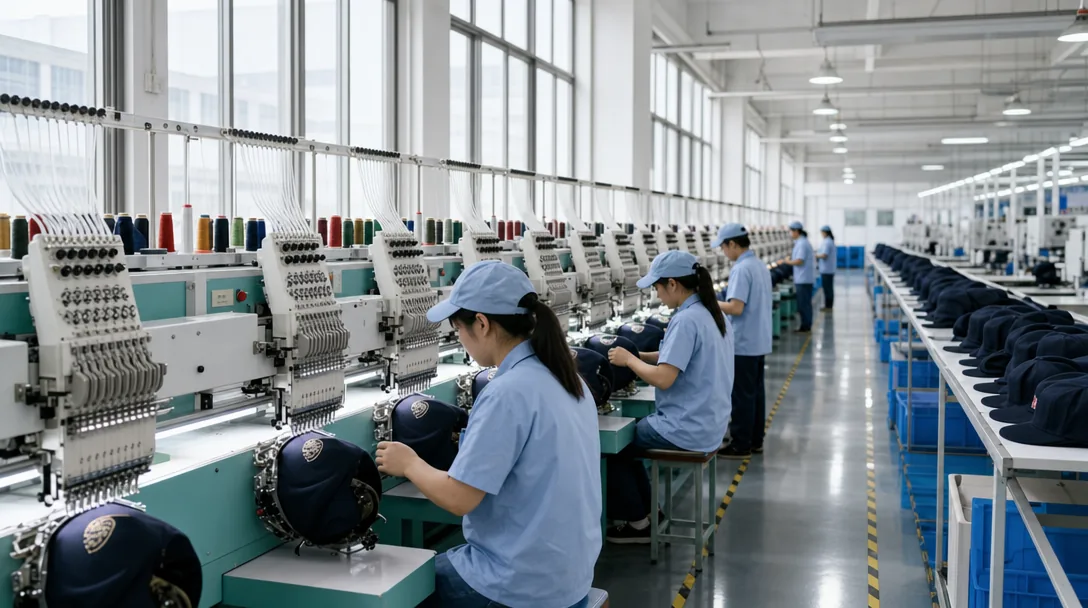
Country Hats For Men Export Shipping Checklist for Custom Hat Buyers
Read article →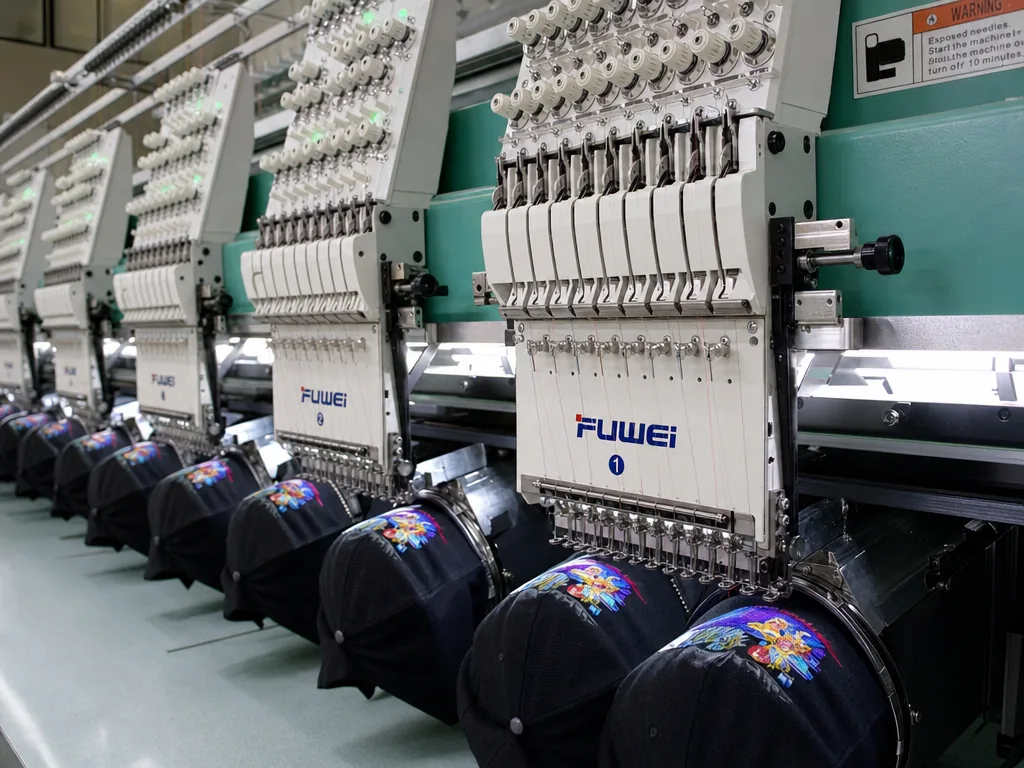
Embroidery Stitch Count & Thread Density: A Cost-and-Quality Reference
Read article →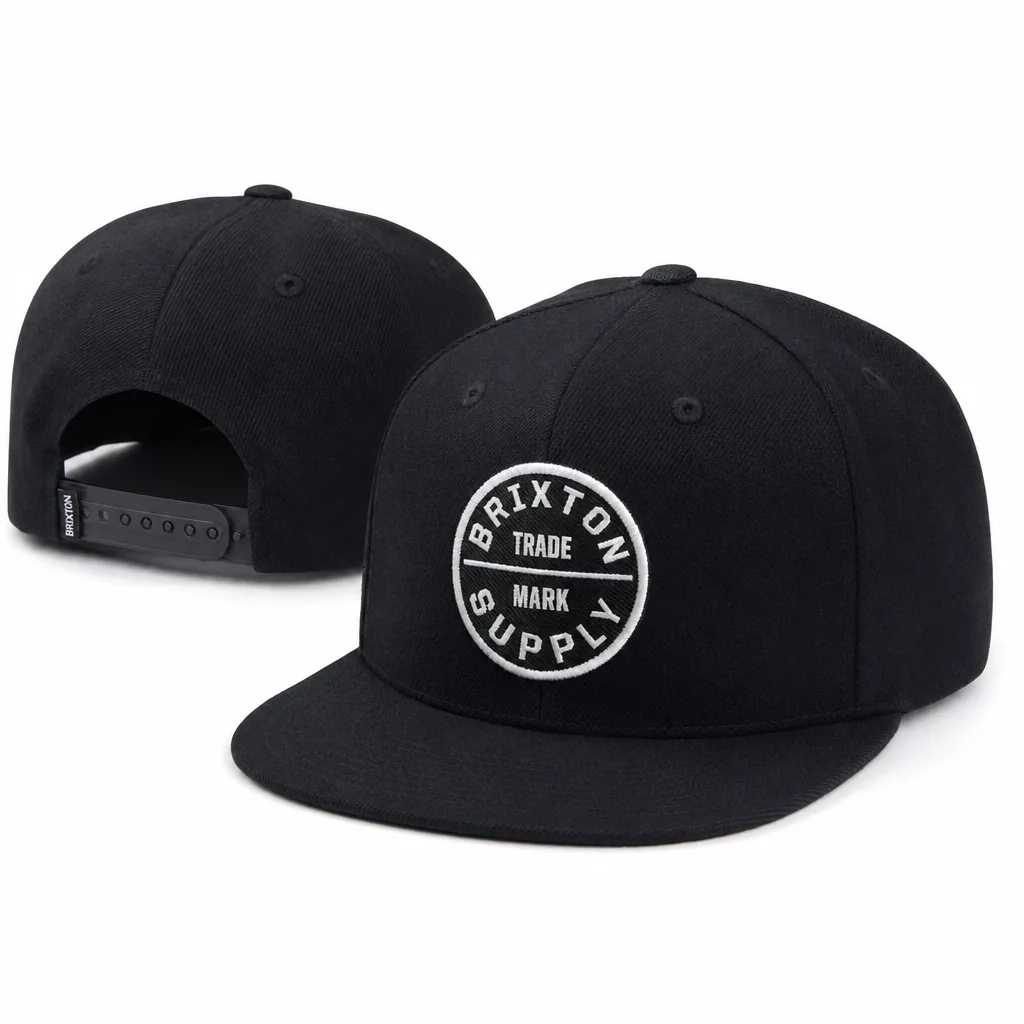
Baseball Hats For Men Retail Packaging Guide for Custom Hat Buyers
Read article →If you are ready to take the next step on cotton beanie: properties, costs and how to spec it right - supplier checklist, our team can put a tailored quotation and digital mock-up in your inbox within 24 hours. Send the inquiry form on our contact page or message us directly on WhatsApp.