
Best Corduroy Hat Womens Options for Bulk Hat Programs
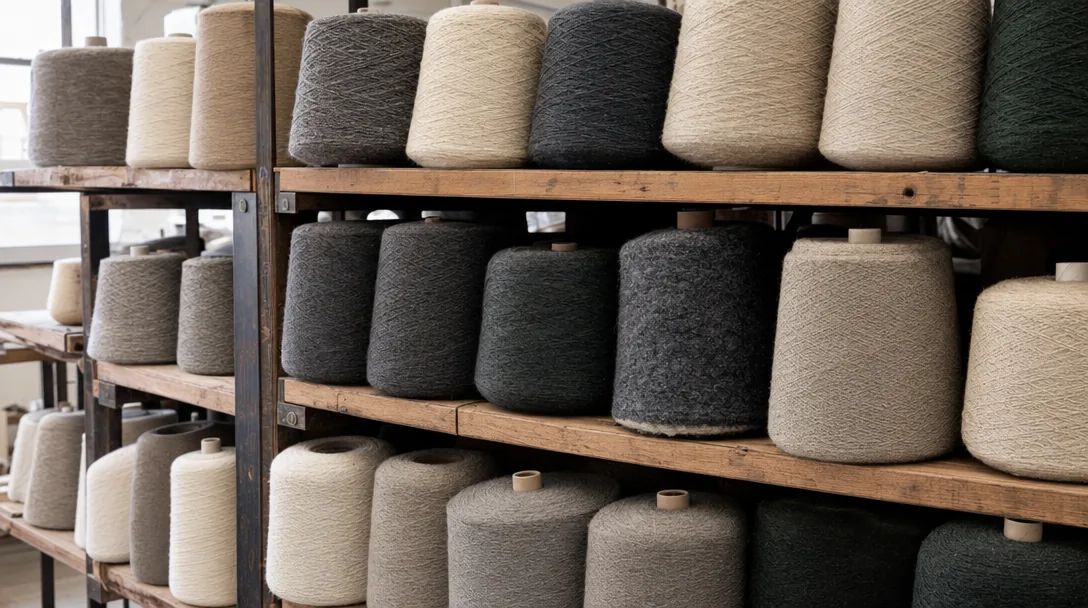
For brand owners, wholesalers and procurement teams entering the custom headwear category, best corduroy hat womens options for bulk hat programs is one of the highest-leverage decisions you will make. Get it right and your unit economics, retail story and reorder cycle all improve. Get it wrong and you carry the cost for years.
A step-by-step corduroy hat womens sourcing process
Open your RFQ with wale count and fiber composition, not the generic term 'corduroy hat womens.' I have watched a 5,000-unit PO collapse because the buyer wrote 'fine wale' and the mill shipped 8-wale when the design assumed 11-wale—on a five-panel camp silhouette, that mismatch alters the entire drape. Specify 11- to 14-wale corduroy at 280–320 gsm in a 60/40 cotton-poly blend; this weight holds crown structure through repeated wear without the stiffness that makes a women’s hat look boxy. Call out the exact Pantone TCX for both the base fabric and any contrast stitching, and lock the bulk dye-lot tolerance to Delta-E ≤ 1.5. A 2.0 shift turns a dusty rose into a muddy mauve that kills a boutique reorder. The sweatband spec matters equally: require 100% cotton twill at 180 gsm, cut on the bias, because a straight-cut polyester band abrades the forehead and drives return rates above 8% on women’s repeat purchases. Without these numbers, the factory defaults to a 350 gsm poly-heavy cord and a raw-edge sweatband that feels like sandpaper by lunchtime.
Pre-production samples must nail crown height and brim curve, because a unisex block fails every corduroy hat womens program I have audited. Set crown depth at 9.5–10.5 cm—shallower than the standard 11.5 cm unisex block—to eliminate the mushroom silhouette that swamps a smaller frame. Request three size samples (S, M, L) with the identical embroidery file run on a Tajima TFMX-C 12-head at 750 stitches per minute. Corduroy’s raised wales demand 0.4 mm pull-compensation in the digitizing and a medium-weight cutaway backing; tear-away backing will pucker after three washes as the wales relax. Insist on a sew-out on the actual bulk fabric using a 75/11 needle, because 14-wale cord at 280 gsm grabs the thread differently than the flat woven twill most digitizers test on. If the embroidery pulls the wales into visible waves under 4000K shop lighting, reject the sample immediately—that defect scales across a 3,000-unit run and no post-production fix exists.
Bulk inspection runs under AQL 2.5 Level II, but a corduroy hat womens order demands four checkpoints beyond the standard visual scan. First, measure brim curvature with a radius gauge: 38–42 mm keeps the hat seated against the temple without pinching, the top complaint in narrower women’s fits. Second, pull-test the metal snap closure to 4.5 kg minimum; a women’s hat often uses a 12 mm low-profile snap where a worn setting die causes prong clinch failure below 3 kg. Third, run a crocking test per ISO 105-X12 and require wet crocking grade 4 minimum—these hats rub against light scarves and coat collars, and grade 3 means visible dye transfer on the first damp morning. Fourth, inspect the inner tuck seam at the crown apex: it must be flat-felled and pressed to under 1.2 mm thickness. A bulky seam here creates a pressure point wearers notice within an hour, and that fit complaint will surface in your distributor’s returns data before the season closes.
Corduroy Hat Wholesale
For a corduroy hat womens wholesale PO, fabric control matters more than decoration style. Put wale count, gsm, fiber content, dye route, pile direction, and shrinkage limit on the first page of the tech pack. For women’s five-panel and six-panel caps, 11-wale cotton corduroy at 280–310 gsm is the most reliable range: 14-wale feels cleaner but can collapse on structured crowns, while 8-wale looks bulky on smaller 54–58 cm head profiles. Require a mill test sheet for composition, dry/wet rubbing fastness, washing shrinkage, and colorfastness; I would cap shrinkage at 3% in warp and weft. Piece-dyed corduroy gives better Pantone TCX seasonal matching than rushed overdyed greige, but Delta-E 1.5–2.0 after cutting, sewing, and steam pressing is a realistic tolerance. The cutting marker must lock nap direction: vertical on crown panels, centered at the front seam, and consistent across the visor. Rotated panels may save 3–5% yield, but the shade break is obvious under retail lighting.
MOQ and price are driven by directional nap, cutting waste, and visible roll-to-roll shade variation, not by the word “corduroy.” A credible factory MOQ is usually 300–500 pieces per colorway. At CrownsForge, a 360-piece opening run for an 11-wale cotton corduroy cap with a 6,000-stitch front embroidery normally lands around $2.80–$3.40 FOB Yiwu before custom woven labels, individual polybags, export cartons, duty, or DDP freight. Tajima and Barudan heads run corduroy cleanly, but the digitizer must avoid dense satin blocks, use controlled underlay, and add water-soluble topping film so stitches do not sink into the pile. Above 8,000 stitches, expect slower machine time and about $0.25–$0.40 added per cap. For boutique, resort, and streetwear programs, I would not default to plastic snapback hardware. A brass buckle and metal eyelet add roughly $0.18–$0.25, but they support a better 54–60 cm adjustable range and make the cap feel less promotional.
Inspection has to treat corduroy as a pile fabric because defects often appear only after blocking, steam pressing, and carton compression. Add wale alignment to the AQL 2.5 checklist: along panel seams, reject visible ridge shift over 1.5 mm per 10 cm, especially at center front where embroidery draws the eye. Front panels should use fused buckram around 0.28–0.35 mm; softer material wrinkles in transit, while overly stiff buckram fights the fabric and causes bubbling near seam allowances. Run a tape-lift check after trimming: one 3M strip pressed over 10 cm² inside the crown should not pull heavy loose pile or more than about 15 visible fiber clusters. Fit is where many corduroy hat womens programs fail on repeat orders. A women’s silhouette usually works best at 10.5–11.5 cm crown depth, compared with 12–13 cm on many unisex caps, paired with an 8.5–9.0 cm visor curvature radius. Approve fit from a sealed pre-production sample on a real head form, not only from flat measurements.
Wholesale Hat Manufacturers Usa
When sourcing a corduroy hat womens program from a US-based wholesaler, the first line item to lock down is the wale count — 11 wales per inch is the standard for a soft, drapey hand at 280–310 gsm, but if the brief calls for a structured 5-panel or dad cap, specify 14 wale at a minimum 340 gsm to hold the crown shape through repeated wear. The base cloth must be an 80% cotton / 20% polyester blend; that 20% poly skeleton prevents wales from cracking at the fold-over brim and keeps shrinkage under 3% after the first home wash. Any mill sheet showing less than 70% cotton is a red flag — short-staple cotton pills into hard balls across the front panel within 15 wear cycles. Realistic FOB pricing out of a compliant US cut-and-sew shop runs $9.20 to $12.50 per piece on an MOQ of 600 units per style-color, which includes a 60/40 cotton-poly buckram stiffener in the front two panels. Adding a fleece sweatband costs $1.25 extra per unit; a 100% cotton beanie-style liner adds $0.90. Never let a supplier write "corduroy" on the PO without the exact wale count, fiber blend, and gsm — we've seen 8-wale upholstery cloth passed off as apparel-grade more times than I can count.
On a corduroy hat womens production run, our QC protocol enforces AQL 2.5 Level II for major defects, pulling 200 pieces from a 3,000-unit lot. The defect we catch most often is pile crush along the crown seams, caused when the sewing machine's presser foot pressure exceeds 3.5 kgf, flattening the wales into a shiny, matted stripe about 2mm wide that no brushing can revive. Color matching is another pinch point: we require a Delta-E of 1.2 or less between the dyed corduroy and embroidery thread, measured under a D65 light source with a spectrophotometer. If the program includes a coordinating acrylic beanie hat, the color tolerance widens to Delta-E 1.8 because the yarn's luster shifts the perceived shade. Pilling resistance must be tested per ASTM D4970 on the fold-over cuff; after 20 Martindale cycles, any rating below Grade 3 is an automatic rejection. Insist on a full-size pre-production sample cut from the actual graded pattern — not a photo or 3D render. I've had PP samples come back with a crown height 2.25 inches too tall because the factory scaled from a men's block but labeled it as a women's fit. A US wholesaler can turn a 48-hour strike-off for embroidery approval, but a complete PP sample with all trims requires 12–14 working days.
A mistake that derails a corduroy hat womens program is approving a Pantone TCX swatch without a lab dip on the actual corduroy substrate. The wale structure acts like tiny hills and valleys, so dye uptake is physically uneven — a shade that looks flat on cotton poplin can read a full shade lighter or darker on 11-wale corduroy. Demand a 4×4 inch lab dip, cut it in half, and have the supplier retain one half as the production standard while you keep the other. If you're running a companion acrylic beanie hat line, note that care labels must diverge: corduroy requires a 30°C max cold wash and no tumble dry, while a 100% acrylic beanie can handle a warm cycle. Printing a single combined care label for both will trigger returns. For buyers looking to pull cost out, a cut-and-make (CMT) arrangement with a US shop is viable — you supply the finished corduroy roll from a mill like Cone Denim or a Turkish import, and the factory provides labor, thread, findings, and embroidery. This typically cuts FOB by 14–18%, but you carry full fabric liability, including shade-lot variations and hidden mill defects. Before signing, pull the factory's most recent sedex-audit-cap-supplier-guide.html">BSCI 2.0 or Sedex SMETA 4-Pillar audit; I still see US wholesalers subcontracting embroidery to non-audited shops running uncalibrated Tajima heads, which introduces stitch density errors that ruin front logo registration on a structured crown.
Custom Corduroy Hats Australia
Australian buyers sourcing custom corduroy hat womens programs consistently underestimate UV degradation on dyed cotton pile. Corduroy's raised wales—typically 100% cotton or an 80/20 cotton-poly blend in 11-wale or 21-wale count—act as miniature solar concentrators. An 8-wale corduroy hat womens cap shipped from Ningbo, sitting for six weeks in a Bondi Junction display window, can fade two full Pantone chips on the crown while the underbrim remains pristine. To mitigate this, specify reactive dyes with ISO 105-B02 lightfastness at Grade 4–5 minimum, not the direct dyes many mills default to save USD 0.12 per meter. For a 9,000-unit program split across blush, oat, and charcoal colorways, the dye surcharge adds roughly USD 0.18 per linear meter of 21-wale fine cord—negligible against a potential AUD 2,800 chargeback for faded inventory. I mandate a 40-hour Xenon arc test on the bulk fabric roll, not a lab swatch, because swatch dye penetration is deeper and yields falsely optimistic results.
Interlining selection is the next critical variable, often overlooked in sourcing guides. A women's 6-panel dad cap in 11-wale cotton cord has no inherent structure; without a fused buckram interlining on the front panels and crown, it collapses after three wears. Our standard is a 120 gsm woven cotton buckram with low-melt EVA adhesive, fused at 135°C for 12 seconds on a flatbed press. For structured silhouettes—like a high-crown trucker in cord—we use 180 gsm tear-away buckram and a 4 mm polyethylene brim insert, avoiding the 2.5 mm chipboard that warps in Australian humidity. MOQ on custom buckram die-cutting is 1,200 sheets (covering ~15,000 caps), so a 3,000-unit trial run incurs a USD 380 tooling fee. Factor that into your landed cost model upfront, as no factory absorbs it on small batches.
Logistics compliance catches many first-time importers of corduroy hat womens programs. These caps fall under HS code 6505.00, and Australian Border Force requires a formaldehyde test below 75 ppm on the sweatband fabric per AS/NZS 1249, stricter than the EU REACH limit of 100 ppm. We pull an AQL 2.5 sample from finished cartons, cut sweatbands from five caps, and send the composite to SGS in Hangzhou for 72-hour turnaround at USD 95 per test. Shipping FOB Ningbo to Melbourne takes 22 days port-to-port plus 4 days for ABF clearance with clean paperwork. For a 5,000-cap DDP order—8-wale cord, unstructured 5-panel, custom woven label, individual polybagging—all-in landed cost runs AUD 11.40–12.80 per unit, depending on the AUD-USD rate at proforma. This assumes a BSCI-audited factory with 12-head Tajima machines running 850 stitches per minute; an 8,000-stitch left-chest logo adds AUD 1.10 per cap.
Corduroy Cap
For a corduroy hat womens program, the fabric spec matters more than the color card. Do not approve “soft corduroy” as a buying description; write the wale count, weight, fiber, dye route, and nap direction into the tech pack. A dependable retail spec is 11-wale or 14-wale 100% cotton corduroy at 280-320 gsm, with piece dye for cleaner Pantone TCX matching or garment wash for a softer, slightly faded hand. I use 11-wale when the cap needs visible ribs and better resistance to handling marks; 14-wale reads more refined for women’s boutique assortments. Avoid 21-wale unless the buyer accepts a near-velour look and more lint pickup during carton storage. Every crown panel and visor top must be cut with one-way nap. Mixed pile direction can make black, wine, or forest green look like two shades under TL84 store lighting, even when the lab dip passed. Approve bulk against D65 and TL84 with Delta-E 1.5 or tighter, then recheck shade after sewing because curved corduroy reflects differently than flat yardage.
Women’s fit needs its own measurement block; copying a unisex promo cap usually gives a crown that sits too tall and a closure that feels wrong for the category. A practical base is 57 cm inner circumference with adjustment from about 55-59 cm using a brass buckle, metal slide, or matte gunmetal clasp. Plastic snapback is cheaper, but it fights the softer hand of corduroy and lowers the perceived retail value. For a mid-profile 6-panel cap, specify 16.5-17.0 cm crown height, 7.0 cm pre-curved visor, eight visor stitch rows, and a 2.5 mm PE visor insert. Cotton twill sweatbands are worth the extra $0.06-$0.10 per piece over poly-cotton because the cap sits lower on the forehead and slippery sweatbands get noticed quickly. At 500 pieces, realistic FOB Yiwu pricing is usually $2.85-$3.60, rising toward $4.00-$4.40 with custom-dyed corduroy, garment wash, brass hardware, or dense front embroidery.
Embroidery on corduroy needs different digitizing than cotton twill because the ribs break fine satin strokes and swallow small counters after trimming. On Tajima, Barudan, or ZSK heads, keep satin columns at 1.2 mm minimum, add 0.3-0.5 mm pull compensation, and avoid lettering below 5 mm unless the design moves to a woven patch, felt applique, chenille, or flat silicone badge. Run production at roughly 750-850 spm, use tearaway backing plus water-soluble topping on higher pile fabric, and test thread tension before the first 50-piece sewing release. Final inspection should be AQL 2.5 Level II with corduroy-specific checkpoints, not only generic cap defects. Check pile direction, shade consistency, front seam-to-visor alignment within 1.5 mm, visor symmetry within 2 mm, rib abrasion, lint contamination, and loose threads trapped in the wale. Our standard practice at CrownsForge includes a 30-cycle nylon brush rub test with post-rub Delta-E under 2.0, plus incoming sweatband absorption checks, because a good shell fabric cannot save a clammy corduroy hat womens buyer will return.
Corduroy Bucket Hat
Treat wale count as the commercial decision, because it controls the handfeel, silhouette, and defect rate of a corduroy hat womens bucket program. Quote 8-wale, 11-wale, and 14-wale cotton corduroy as separate SKUs with confirmed gsm, not as one vague “corduroy” fabric. For women’s retail buckets, 11-wale at 260-310 gsm is the safest center: 8-wale gives a heavier vintage face but looks bulky on a 58 cm block, while 14-wale looks cleaner but shows seam puckering, needle drag, and brim waviness sooner. Lock the tech pack before sampling: 58 cm circumference, 8.5 cm crown height, 5.5-6.0 cm brim, 4- or 6-panel crown, cotton twill sweatband, no top button, and tonal topstitching at 7-8 SPI. Finished tolerance should be +/-5 mm on circumference and +/-3 mm on brim width. Most failed corduroy bucket hats do not fail because of size labels; they fail because panel symmetry, nap direction, or brim roll was not controlled at cutting and sewing.
Sampling has to prove one-way nap control under real bulk conditions, not just produce a good counter sample. Every crown and brim panel should be cut in the same direction, because mixed nap makes black, olive, chocolate, and burgundy read like different Pantone TCX shades under a D65 light box. Require lab dips against Pantone TCX references, with Delta-E held below 1.5 for dark shades and below 2.0 for dusty pink, sage, lilac, cream, and other light colors. If embroidery is used, run the strike-off on the same Tajima, Barudan, or ZSK heads planned for production, using the actual backing, thread brand, and DST file. Dense satin lettering sinks between ribs unless the digitizer adds edge-walk underlay and reduces stitch density roughly 10-15% versus flat cotton twill. A practical corduroy hat womens assortment should sample one plain style, one tonal embroidery style, and one lined style; cotton voile or polyester lining adds about USD 0.35-0.70 per piece and makes the brim noticeably firmer.
MOQ is driven by fabric availability, not the sewing line. Stock 11-wale colors usually start at 300-500 pieces per color, while custom-dyed corduroy is more realistic at 1,000-2,000 pieces per color after lab dips, shade bands, and 5-8% cutting loss. At 1,000 pieces, a basic unlined cotton corduroy bucket hat normally lands around USD 2.80-4.20 FOB Ningbo or Shanghai. Lining, metal eyelets, woven labels, contrast binding, or raised embroidery can move the cost to USD 4.50-6.20 before duty, inland freight, and DDP margin. The PO should specify AQL 2.5 major / 4.0 minor, carton drop testing, needle detection for kids-adjacent channels, and brim protection in packing. QC needs to check shade continuity by cutting bundle, one-way nap, brim width, head circumference, seam puckering, loose pile, oil marks, and crushed brims after 24 hours in export cartons. Our standard practice at CrownsForge is inline nap-direction inspection, because final AQL is too late once 2,000 mismatched panels are already sewn.
Organic Cotton Hat
Lock the organic-cotton claim before approving wale count, crown profile, or trim artwork, because the claim controls mill booking, dye recipe, transaction certificates, and final label language. For a corduroy hat womens bulk program, split the BOM by claim level: 100% organic cotton corduroy shell at 280-330 gsm, organic cotton twill or canvas sweatband if it touches skin, and organic cotton self-fabric or webbing strap only if the hangtag says more than “organic cotton shell.” Require GOTS or OCS transaction certificates at yarn or fabric stage, not a cutting-room swatch stamped “organic.” The PO should list certificate scope number, certified supplier, invoice entity, fabric composition, and dye lot. If the same seasonal range includes acrylic beanies, recycled polyester caps, or crochet yarn styles, keep separate BOMs, label files, and carton marks; mixed-fiber marketing claims create real FTC Green Guides and EU 1007/2011 textile-labeling risk.
Sampling must prove pile behavior, shade stability, and decoration performance, not just certification paperwork. Organic cotton corduroy can look flat or dusty when over-brushed, enzyme-washed too hard, or dyed at an unstable liquor ratio. For women’s low-profile caps, 12-wale or 14-wale is the safest range: 8-wale builds bulk around the front crown seam, while 18-wale often loses visible texture after garment wash. Approve lab dips to Pantone TCX under D65 light, with Delta-E under 1.0 for fashion shades and under 1.5 for black, navy, olive, and brown. Pre-production panels must be cut with marked nap direction; reversed nap on a six-panel cap can look like three different dye lots under retail LEDs. For embroidery, test after fusing on Tajima, Barudan, or ZSK heads. Dense satin columns crush 14-wale pile, so use 75D polyester thread, add roughly 0.2 mm pull compensation, and keep a front logo below 8,000 stitches unless using felt or twill appliqué.
MOQ and cost decide whether organic cotton is practical, not the mood board. Stock certified corduroy may support 500-800 pieces per color, but custom-dyed organic lots usually require 1,500-3,000 pieces per color because the mill must reserve greige fabric, dye separately, and issue traceable documentation. At 1,000 pieces, a basic organic cotton corduroy strapback typically lands around $4.20-$6.80 FOB Ningbo, depending on wale count, lining, garment wash, buckle, label package, and stitch density. Nickel-free metal buckles, custom woven labels, GOTS hangtags, plastic-free individual packing, and ISTA-style carton drop testing can add $0.35-$0.90 per unit. Put measurable tolerances on the PO: fabric weight ±5%, wale count, certificate requirement, Pantone TCX target, Delta-E limit, shrinkage under 3%, and AQL 2.5 major / 4.0 minor inspection. Final QC should check shade banding, seam puckering, sweatband torque, visor symmetry, needle cuts, dry rub, and pile crushing around embroidery before bulk release.
Working with CrownsForge for corduroy hat womens programs
A corduroy hat womens program should not reach bulk cutting until the tech pack fixes the items that change the line setup: wale count, fabric weight, nap direction, backing or fusing, Pantone TCX target, approved lab dip, Delta-E tolerance, crown height, visor radius, sweatband construction, closure type, buckle plating, stitch color, label position, carton marks, and polybag warning text. For women’s fashion caps, I usually trust 8-wale or 14-wale cotton corduroy at 260–320 gsm. Under 250 gsm the crown loses shape after a 3-cycle wash test; above 350 gsm the center-front seam can pucker unless panel curvature and fusing are adjusted. Women’s sizing needs its own block, typically 54–58 cm with +/-5 mm tolerance, not a men’s OSFA pattern reduced at the back opening. At CrownsForge, post-approval changes are handled as engineering changes because switching antique brass to matte nickel, or flat embroidery to 3D puff, changes costing, needle setup, inspection checkpoints, and packing method.
MOQ is controlled more by dye lots and decoration than by sewing capacity. Stock corduroy shades can usually run at 300–500 pieces per color, with pre-production samples around US$50–120 depending on embroidery, woven labels, buckles, and inside tape. Custom-dyed corduroy is normally 800–1,000 pieces per color because the mill has vat minimums; lab dips, buyer comments, and bulk shade approval add 7–12 days before cutting. As a realistic FOB China range, a simple unstructured corduroy dad cap with self-fabric strap lands around US$3.20–4.80 at 1,000 pieces. Add 3D puff embroidery on Tajima or Barudan heads, branded metal buckles, satin lining, garment wash, or custom seam tape, and the same cap moves to about US$5.20–7.50. Do not benchmark corduroy against plain cotton twill promo caps. Corduroy cuts with more waste, handles slower at the panel stage, requires consistent pile alignment, and cannot tolerate aggressive steaming because the brim can develop shine marks or distortion.
Quality control for a corduroy hat womens order must catch pile and shade defects before hundreds of caps are closed. Inline inspection should start at roughly 20% completion to verify nap direction, seam tension, visor symmetry, embroidery registration, buckle setting, and sweatband attachment while operators can still correct the process. Final inspection is normally AQL 2.5 for major defects and AQL 4.0 for minor defects; licensed retail, college, or team programs may require AQL 1.5, barcode scans, metal detection records, and retained golden samples. Common rejection points are mixed dye lots, left-right nap mismatch, wavy brim edges after pressing, crooked back straps, loose threads at the sweatband seam, and embroidery backing that scratches the forehead. Compliance files should include BSCI 2.0 or Sedex SMETA 4-Pillar reports, needle-control logs, and restricted-substance declarations covering azo dyes, formaldehyde, nickel release, and packaging suffocation warnings. For 500–2,000 pieces, plan on 25–35 days after sample approval; FOB Ningbo/Shanghai or DDP pricing should wait until carton size, gross weight, and destination ZIP code are confirmed.
Frequently Asked Questions
How long does production take?
Sampling takes 7 to 12 days. Bulk production runs 20 to 30 days depending on quantity, fabric availability and decoration complexity. Inspection and packing adds another 3 to 5 days before shipment.
Do you support sustainability certifications?
Yes. We work with GOTS organic cotton, GRS-certified recycled polyester, OEKO-TEX Standard 100 fabrics, and are BSCI and Sedex audited. Certification documentation can be provided per order.
Which shipping methods do you support?
We support FOB, CIF and DDP shipping. Air express for samples and small orders, sea LCL for 100 to 500 pieces, sea FCL for 5,000+ pieces. Door-to-door DDP available for US, EU, UK, Canada and Australia.
What logo decoration techniques do you offer?
3D puff embroidery, flat embroidery, woven patch, leather patch, PVC patch, screen printing, sublimation, applique and laser etching, all in-house with no subcontracting.
What file format should I send for my logo?
Vector files (AI, EPS, PDF) are ideal. High-resolution PNG or JPG at 300 dpi on transparent background works as a fallback. Provide Pantone color references for accurate reproduction.
What should buyers know about 100 cotton beanie mens?
When evaluating 100 cotton beanie mens, the key considerations are construction quality, decoration capability, MOQ flexibility and lead time. Show where this fits in the sourcing sequence -- what to ask, sample, and put on the PO at that step. Specifically for the angle of organic cotton hat: where relevant cover how it's made, the specs to request, typical MOQ and pricing, and QC checks, tying back to corduroy hat womens. Frame this as a sequential process from RFQ to bulk: open with the overall flow and what to…
What should buyers know about 100 percent cotton clothing uk?
When evaluating 100 percent cotton clothing uk, the key considerations are construction quality, decoration capability, MOQ flexibility and lead time. Show where this fits in the sourcing sequence -- what to ask, sample, and put on the PO at that step. Specifically for the angle of organic cotton hat: where relevant cover how it's made, the specs to request, typical MOQ and pricing, and QC checks, tying back to corduroy hat womens. Frame this as a sequential process from RFQ to bulk: open with the overall flow and what to…
What should I know about custom corduroy dad hat bulk?
When evaluating custom corduroy dad hat bulk, the key considerations are construction quality, decoration capability, MOQ flexibility and lead time. Show where this fits in the sourcing sequence -- what to ask, sample, and put on the PO at that step. Specifically for the angle of custom corduroy hats australia: where relevant cover how it's made, the specs to request, typical MOQ and pricing, and QC checks, tying back to corduroy hat womens. Show where this fits in the sourcing sequence -- what to ask, sample, and put…
Looking for a reliable hat manufacturer in China?
CrownsForge has produced custom hats for 800+ brands across 40 countries. From 100-piece launches to 100,000-piece retail programs, we deliver on time and on spec.
Get in touchRelated guides
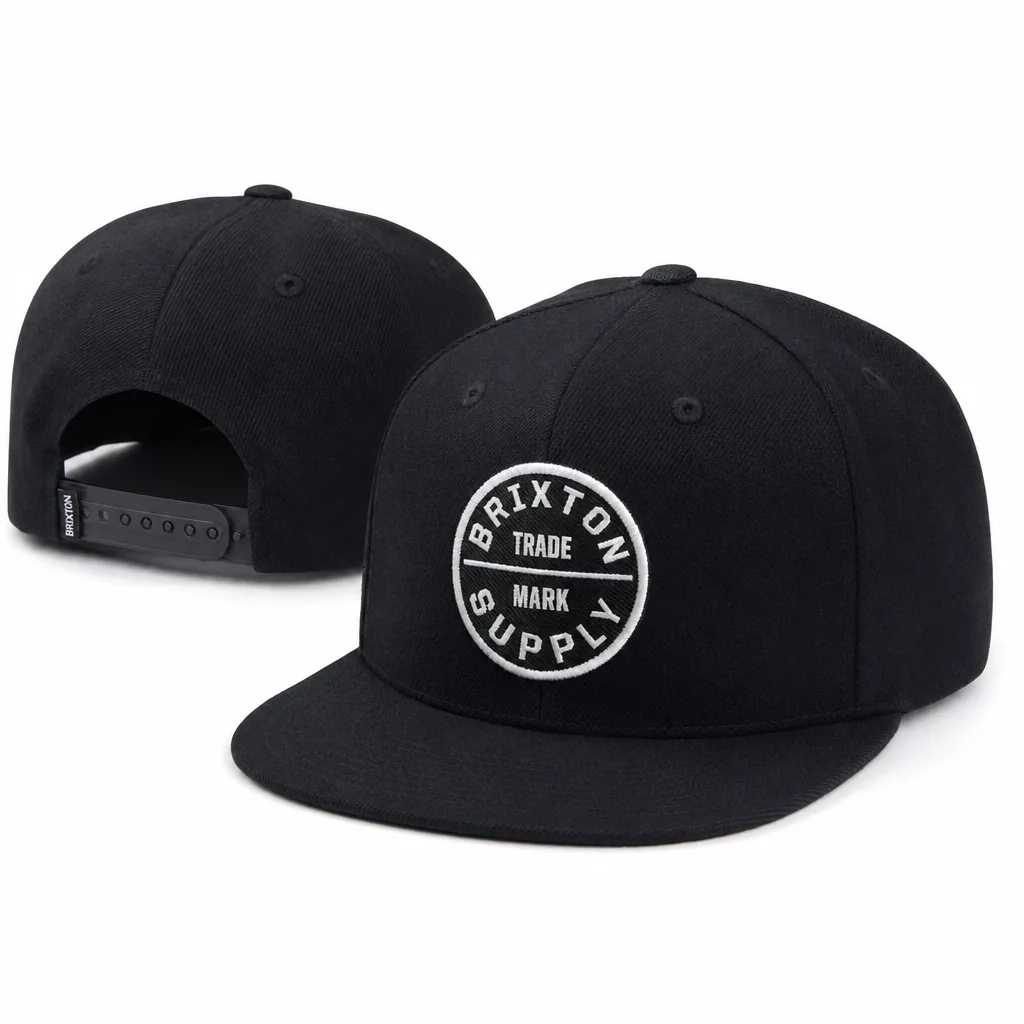
Custom Cap Closure Options and Cost: Snapback, Strap, Buckle - Supplier Checklist - Supplier Checklist
Read article →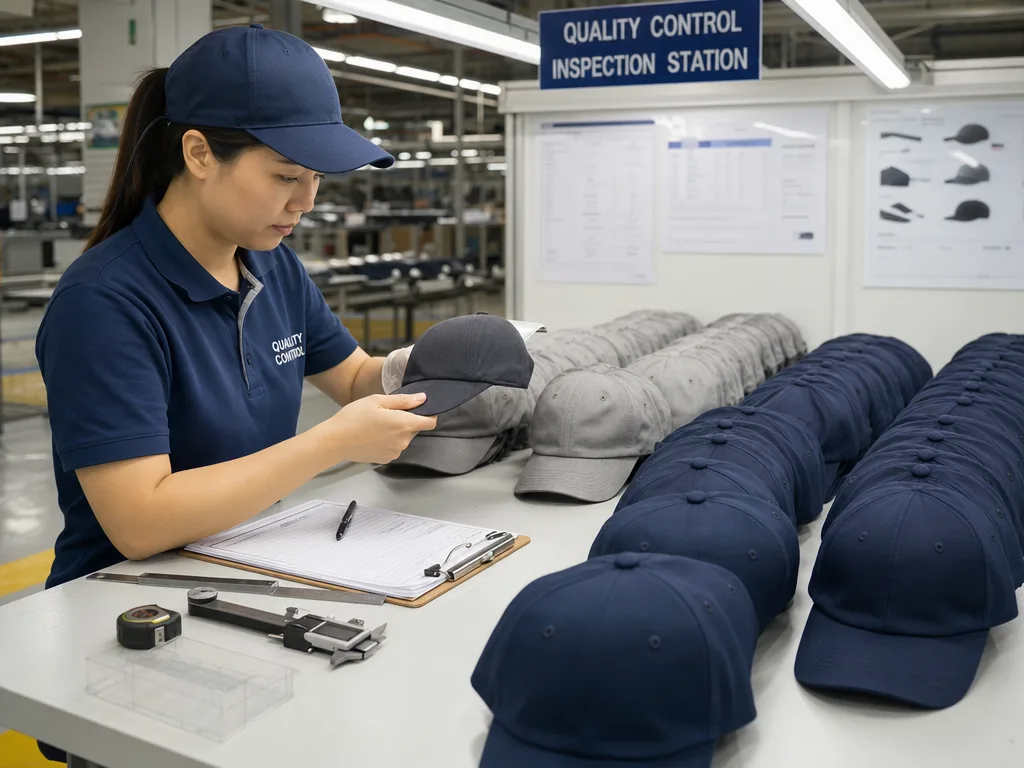
BSCI vs Sedex vs WRAP vs WCA: Compliance Audit Standards Compared - Cost & MOQ Breakdown
Read article →Baseball Hats For Men Retail Packaging Guide for Custom Hat Buyers
Read article →If you are ready to take the next step on best corduroy hat womens options for bulk hat programs, our team can put a tailored quotation and digital mock-up in your inbox within 24 hours. Send the inquiry form on our contact page or message us directly on WhatsApp.