
Corduroy Hat Vintage Fabric And Trim Spec Guide for Custom Hat Buyers - Cost & MOQ Breakdown
Every week, our sales team answers detailed questions about corduroy hat vintage fabric and trim spec guide for custom hat buyers - cost & moq breakdown. We wrote this guide so that wholesalers, streetwear brands, corporate buyers and promotional resellers can compare options with full information, and avoid the traps that show up only after production has started.
Why corduroy hat vintage fabric and trim spec guide needs a separate sourcing plan
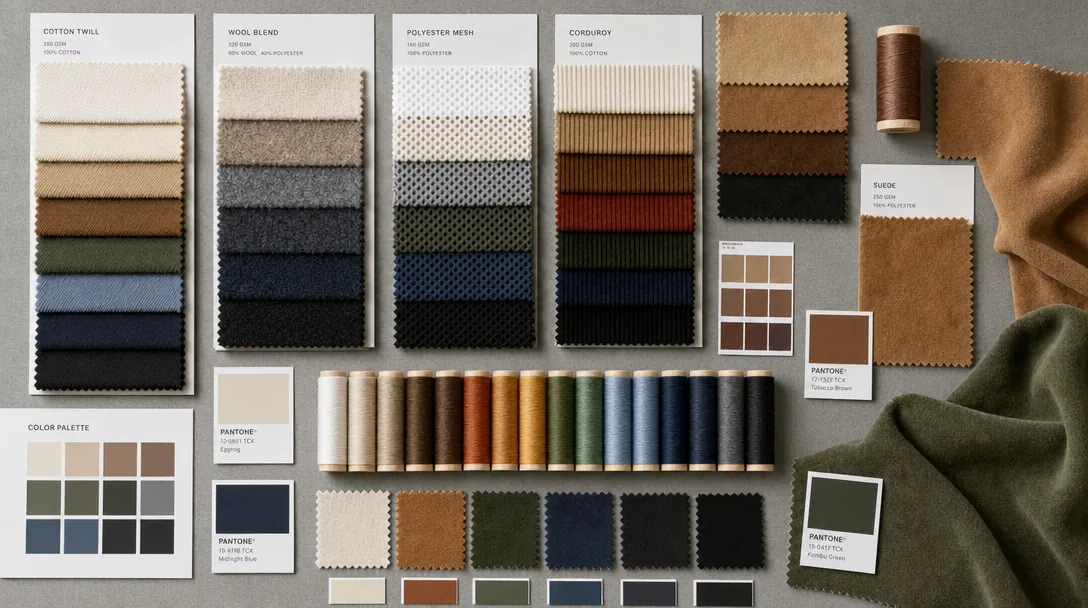
A corduroy hat vintage fabric and trim spec guide is a risk-control document, not a mood board. Six-wale and 11-wale corduroy do not behave the same at the machine: wider wales feed cleaner under a single-needle lockstitch, while tighter ribs build seam bulk and can skew panel joins on a 5-panel crown or low-profile dad cap. Pile direction also changes the visual read under 4000K warehouse LEDs, so the same brown can look one to two shades darker when the panels are laid head-to-tail instead of all in the same direction. On a 58 cm spec, first-wash shrinkage of 3 to 6 mm is normal if the cloth is not pre-shrunk and the crown is steam-set hard. Color has to be tied to a physical standard with a tolerance callout, not a screen capture; for repeat production, a Delta-E target of 1.5 to 2.0 is the line that keeps a shade shift from turning into a chargeback argument.
The reason this needs a separate sourcing plan is that corduroy is rarely a clean stock-fabric buy. Flat cotton twill can often be cut from shelf inventory, but a corduroy hat vintage fabric and trim spec guide usually needs mill reservation, lab dips, shrinkage testing, and hand-feel approval before bulk panels can be booked. For custom shades, 20 to 35 days for fabric development is realistic, then another 7 to 14 days if the trim pack still needs matched woven labels, seam tape, sweatband tape, size stickers, and hangtags. Material choice drives both appearance and price: 100% cotton corduroy gives the most convincing vintage texture but shrinks more; cotton-spandex recovers better but can fight crown shape; poly-cotton is often $0.35 to $0.90 cheaper per piece at 500 to 1,000 units, yet it tends to brush flatter and age less naturally after washing.
Trim has to be spec’d with the fabric, because corduroy hides defects in sampling and exposes them in wear. An 8 mm woven label can buckle on a ribbed crown unless the backer is switched to a thinner fusible or a softer folded edge, and a 1.2 mm polyester sweatband can feel slick against a 280 to 320 gsm cotton pile where brushed cotton or poly-cotton sits better. Cheap bias binding also twists after steam pressing, which shows up fast on unstructured caps and bucket hats. CrownsForge’s standard practice is to freeze fabric, trim, and packaging together before quoting, because changing any one item after sampling usually triggers another sample round plus about $80 to $150 in courier and remake cost. If recycled or organic claims are in scope, the paper trail also has to be locked early with GOTS, OEKO-TEX Standard 100, or equivalent fiber-content documentation that will survive sedex-audit-cap-supplier-guide.html">BSCI 2.0 or Sedex SMETA review.
Factory capability checks before quoting
Before you ask for a price on a corduroy hat vintage fabric and trim spec guide, make the factory prove it can actually build the sample you want. A lot of suppliers can talk through a mood board; fewer can execute 21-wale cotton corduroy, 8-row topstitching, buckram front panels, and a low-profile crown without distorting the rib or flattening the texture. On Tajima, Barudan, or ZSK embroidery heads, dense satin columns behave badly on ribbed fabric if the digitizing is lazy, so ask for a sewout that shows no thread sink, no eyebrowing around letters, and no needle breaks after a full trim cycle. A real sample should come back with clean patch edges, a steam-set crown, and seam tension that still holds after pressing. If the factory cannot show an actual cap example in similar fabric weight and build, it is not quote-ready.
Fabric control matters as much as decoration, and corduroy is not one spec. Wale count, pile height, and base cloth weight change the hand feel, stitch behavior, and freight cost. A 300-330 gsm cotton corduroy cap is a different job from a brushed corduroy crown with bonded lining, soft brim wire, and taped inner seams, and an organic cotton version adds paperwork and tighter sourcing control. Ask for the construction in hard numbers: wale width in millimeters, pile direction, shrinkage after wash, face and backing composition, and a Pantone TCX target with a practical Delta-E limit, usually under 2.0 for repeat orders. For a corduroy hat brown shade, the factory should state whether the fabric is yarn-dyed or piece-dyed, because that changes color stability, lead time, and price. Also confirm underbrim fabric, sweatband material, closure type, and front-panel seam matching before anyone quotes FOB or DDP.
Sample-room discipline tells you whether the operation is real or just a sales desk. A competent team should turn a first sample in 5 to 10 working days, then revise crown height, brim curve, closure placement, and label position without restarting the project. For custom trim, ask for source control on woven labels, felt patches, metal buckles, seam tape, and carton pack specs, including polybag count and master carton loading. Our standard practice is to verify whether the plant can support BSCI 2.0 or Sedex SMETA 4-Pillar audits, maintain needle-control logs, and show incoming inspection plus AQL 2.5 final QC logic. If the answer is just “best quality” instead of thread count, trim origin, stitch density, and packing count, the quote will be soft everywhere else too. The useful factory check is the one that exposes weak process control before the sample fee becomes sunk cost.
MOQ, pricing and sample approval
For a corduroy hat vintage fabric and trim spec guide, the real schedule starts with what is already in stock. If the 16-wale or 21-wale corduroy, woven label, sweatband, and closure hardware are all on hand, sample making is usually 7 to 10 days, then 3 to 5 days for PPS sign-off, and 20 to 30 days for bulk. Once you introduce custom-dyed yardage, imported Japanese cotton taping, or a special wash finish, add 7 to 14 days without assuming the mill will rush it; corduroy is often woven in fixed greige widths, so cutting yield and nap direction need checking before anyone quotes a firm ship date. A proper PPS should be approved against Pantone TCX for fabric and thread, with Delta-E kept under 2.0 on visible trim, because a loose color target turns into reorder drift fast.
Pricing should be read as landed cost by spec, not as a factory headline. A simple corduroy cap with stock fabric, one embroidery location on a Tajima or Barudan, standard inner tape, and a basic plastic snapback often lands around USD 2.40 to 3.50 FOB; once you add contrast visor, woven patch, metal buckle, blind-stitch sweatband, and denser thread count, USD 4.20 to 6.50 is normal. The biggest cost drivers are panel count, embroidery stitch volume, trim count, and reject rate, not the crown fabric itself. Our standard practice is to freeze the PPS as the control sample and then run bulk to that spec, with AQL 2.5 on seam slippage, stitch density, brim symmetry, label placement, and needle damage before balance payment. For a realistic comparison, ask suppliers to separate base cap cost from packaging, since a printed polybag, barcode sticker, hangtag, and carton mark set typically adds USD 0.12 to 0.35 per piece before freight.
Quality inspection and shipping risk
Colorfastness and embroidery failure are where a corduroy hat vintage fabric and trim spec guide actually pays for itself, because the damage shows up after cartons leave the floor. On dark brown, olive, navy, or black corduroy, I would require dry crocking and wet crocking on the face fabric, plus wash and lightfastness if the style is garment-dyed. A reasonable finished-hat target is AATCC 8 wet crocking at Grade 3-4 minimum, with no transfer onto the cotton twill sweatband, seam tape, or visor binding. For color matching, do not accept “close enough”; specify Pantone TCX or TPX and ask for Delta-E under 2.0 on approved swatches. Embroidery has to be checked on the same machine family used for production, because Tajima, Barudan, and ZSK heads handle thick-wale corduroy differently. Poor underlay will show as tunneling, ring framing, or puckering, especially on 3 mm satin columns and dense center-front logos.
Shipping risk is usually carton control, not the ocean. Outer carton marks should match the PO exactly: style code, color, size ratio, carton count, gross weight, net weight, and carton sequence tied back to the packing list and final inspection report. For export, I want 5-ply corrugated with 32 ECT or roughly 250 to 300 gsm liner stock, plus a compression target that is set before production if the route includes hot, humid transshipment. The usual failure is not one bad carton; it is a mixed pallet that cannot survive warehouse handling because the polybags, inserts, or master carton count drifted from the approved packout. Keep the seal sample, approved color chip, measurement sheet, and defect log in the reorder file so the next lot does not wander in crown height, shade, or trim width even when the spec sheet looks unchanged.
FOB makes sense when the buyer already controls freight booking, customs entry, and destination delivery. DDP is easier for small promotional drops or mixed-SKU orders, but once duty, brokerage, last-mile delivery, and import clearance are added, the landed cost commonly runs 8 to 15 percent above FOB, sometimes more on low-value cartons with high brokerage fees. For incoming QC, AQL 2.5 is a practical baseline on critical and major defects; on a 1,200-piece lot, that still means you need disciplined carton-by-carton counting before palletizing, not a quick glance at the top layer. BSCI 2.0 or Sedex SMETA 4-Pillar tells you the factory has an audit system, but it does not guarantee the packhouse is using the right polybag gauge, warning label, or shipping mark format. CrownsForge’s standard practice is to treat those as separate controls, because a clean compliance file does not rescue a bad receiving audit or a chargeback from mispacked cartons.
Buyer checklist for the next RFQ
A usable corduroy hat vintage fabric and trim spec guide RFQ starts with hard construction data, not a mood board. Specify the hat type, panel count, brim shape, closure, size range, and the exact corduroy callout: wale count, fiber blend, fabric weight in gsm, and any certification claim tied to the yarn. For 16-wale cotton corduroy, say whether it is 100% cotton, 98/2 cotton-spandex, or organic cotton built on GOTS-certified yarn. Color needs a Pantone TCX reference or a physical swatch with a stated Delta-E target; “brown” is unusable because brushed corduroy shifts after dyeing, washing, and pile direction changes. If you want a vintage wash, say garment wash, enzyme wash, or sand wash, because each one changes shrinkage, handfeel, and yield.
The next quote driver is every trim and labor detail that changes machine time or scrap rate. List embroidery placement, stitch count, backing type, patch construction, lining, sweatband material, seam tape, eyelets, and any distress or wash treatment. On a corduroy bucket hat or curved-brim cap, include brim width tolerance, crown depth, and whether the brim uses soft structure, EVA insert, or full nonwoven interfacing. Add front, back, side, and inside photos of the target sample, plus a measurement sheet with tolerance bands; without that, the factory is guessing on fit and pricing in risk. If the build uses woven labels, printed neck labels, hangtags, metal rivets, or custom zipper pulls, give dimensions, backing, finish, and placement now instead of paying for a second sample round.
Quantity and logistics belong in the first RFQ because they move unit cost more than most buyers expect. State the order quantity by colorway, the destination port or delivery address, and the trade term, whether FOB Ningbo, FOB Shanghai, or DDP to your warehouse. A run of 300 pieces in one color with stock corduroy can land 20 to 35 percent higher per unit than 1,000 pieces split across three shades, especially if you want brushed vintage finishing, custom-dyed trim, or tight shade control. The strongest version of a corduroy hat vintage fabric and trim spec guide RFQ includes a tech pack, trim list, packaging spec, lab-dip approval path, and strike-off approval window. Missing those items does not kill the quote, but it turns the first number into a rough range instead of a buyable price.
Working with CrownsForge
For a corduroy hat vintage program, I lock the fabric spec before decoration is even discussed. A proper corduroy hat vintage fabric and trim spec guide starts with wale count, weight, and shrinkage, because a 14-wale cotton corduroy at 300-340 gsm behaves very differently from an 8-wale cloth once it is steamed, cut, and sewn into a crown. I want pre-shrunk fabric below 3 percent, a consistent nap direction, and a clear callout on whether the hand feel should be garment-washed or dry, since that choice changes seam slippage and how the panels sit under pressure. The body cloth, lining, visor board, sweatband, eyelets, seam tape, and closure should be treated as one system. The common failure is not the face fabric; it is brim curl after steam, dye bleed in wash testing, or a sweatband that shrinks faster than the crown and distorts fit. For brown and olive shades, I still ask for Pantone TCX approval plus a lab dip with Delta-E under 1.5, and I keep compliance documents separate from trim approval so an organic cotton or BSCI request does not stall the order.
Sampling is where buyers either spend money once or pay for the same mistake twice. A serious sample has stitch count, seam allowance, topstitch spacing, crown depth, and logo placement fixed on the actual corduroy, because the nap crushes under pressure and embroidery changes the hand immediately. Tajima, Barudan, and ZSK heads do not all land the same on this surface, so I insist on testing on production cloth, not twill or felt substitutes. For flat embroidery, 75D cutaway backing is usually enough on medium wale corduroy; for low-profile 3D puff, I usually push back unless the design is bold and the panels are stiff enough to hold it, because puff breaks the nap and leaves the crown lumpy. Our standard practice is to freeze the trim pack only after a preproduction sample passes AQL 2.5 on shade, stitch consistency, and measurement, then release bulk cutting. That order matters. If the sample is still moving, bulk cutting just multiplies a bad decision across the whole lot.
Export coordination only works when the spec sheet is complete enough for the forwarder to price it without follow-up calls. The pack list should show carton dimensions, polybag thickness, size ratio, HS code, and destination terms, because corduroy hats get messy once you add woven labels, hangtags, mixed sizes, desiccant, and moisture control in transit. For FOB Ningbo or Shanghai, 1,000 to 3,000 pieces usually lands around USD 2.80 to 4.50 per cap depending on wale count, closure type, lining, and decoration method; embroidered front panels, woven side labels, and custom seam tape add more labor than most buyers expect, while a simple strapback or hook-and-loop closure keeps cost down. If the buyer wants DDP, freight, duty, brokerage, and last-mile margin need to be built into the quote from the start. Otherwise the unit cost looks clean on paper and then blows up at handoff. For buyers running repeat programs, that last 8 to 12 percent of landed cost is usually where the real margin sits, so the spec has to support both factory control and freight reality from day one.
Frequently Asked Questions
How long does production take?
Sampling takes 7 to 12 days. Bulk production runs 20 to 30 days depending on quantity, fabric availability and decoration complexity. Inspection and packing adds another 3 to 5 days before shipment.
Do you support sustainability certifications?
Yes. We work with GOTS organic cotton, GRS-certified recycled polyester, OEKO-TEX Standard 100 fabrics, and are BSCI and Sedex audited. Certification documentation can be provided per order.
What file format should I send for my logo?
Vector files (AI, EPS, PDF) are ideal. High-resolution PNG or JPG at 300 dpi on transparent background works as a fallback. Provide Pantone color references for accurate reproduction.
What is the minimum order quantity (MOQ) for custom hats?
Our standard MOQ is 100 pieces per design and color, with sampling available from 1 piece. For complex multi-color logos or premium fabric upgrades, the MOQ can be lowered with a small per-piece surcharge.
Can I order a sample before bulk production?
Yes. We strongly recommend approving a pre-production sample before mass production. Samples are charged at 35 to 60 USD each plus express shipping, fully refundable against confirmed bulk orders over 500 pieces.
What should buyers know about organic cotton bucket hat?
When evaluating organic cotton bucket hat, the key considerations are construction quality, decoration capability, MOQ flexibility and lead time. Explain the buyer intent behind corduroy hat vintage fabric and trim spec guide, when it differs from generic hat sourcing, and what decisions affect cost, lead time and compliance. Describe how CrownsForge manages corduroy hat vintage fabric and trim spec guide programs with sampling, decoration, QC and export coordination.
What should buyers know about brown corduroy bucket hat?
When evaluating brown corduroy bucket hat, the key considerations are construction quality, decoration capability, MOQ flexibility and lead time. Explain the buyer intent behind corduroy hat vintage fabric and trim spec guide, when it differs from generic hat sourcing, and what decisions affect cost, lead time and compliance. Describe how CrownsForge manages corduroy hat vintage fabric and trim spec guide programs with sampling, decoration, QC and export coordination.
What should buyers know about bucket hat men nike?
When evaluating bucket hat men nike, the key considerations are construction quality, decoration capability, MOQ flexibility and lead time. Explain the buyer intent behind corduroy hat vintage fabric and trim spec guide, when it differs from generic hat sourcing, and what decisions affect cost, lead time and compliance. Describe how CrownsForge manages corduroy hat vintage fabric and trim spec guide programs with sampling, decoration, QC and export coordination.
What should buyers know about vintage bucket hat mens?
When evaluating vintage bucket hat mens, the key considerations are construction quality, decoration capability, MOQ flexibility and lead time. Explain the buyer intent behind corduroy hat vintage fabric and trim spec guide, when it differs from generic hat sourcing, and what decisions affect cost, lead time and compliance. Describe how CrownsForge manages corduroy hat vintage fabric and trim spec guide programs with sampling, decoration, QC and export coordination.
What are corduroy hats made of?
While it is usually made with cotton, corduroy can also be woven with blends of polyester and cotton or even full polyester. Textile producers also sometimes make corduroy with wool, but the ridges present on wool corduroy are not as visible as the ridges on corduroy made with other materials.
How to identify corduroy?
The ridges themselves are referred to as 'wales' so a corduroy will have a certain 'wale count'. This refers to how many ridges there are in 1 inch. The lower the number, the wider the 'wale' and this gives a chunkier cord. The higher the number the narrower the wale and this gives a finer cord.
What is the width of corduroy fabric?
These cords, also known as wales, appear 11 times per inch of fabric and repeat every 1/8 of an inch, vertically. 11 Wale Standard Corduroy fabric measures 58/59 inches in width, is 0.70 millimeters thick, has a 295 GSM, and weighs approximately 14 ounces per linear yard.
What is the HS code for corduroy fabric?
HS Codes 58013200 : HS Classification of Cut corduroy Harmonized System Codes of Chapter Special woven fabrics; tufted textile fabrics; lace; tapestries; trimmings; embroidery. : Special woven fabrics; tufted textile fabrics; lace; tapestries; trimmings; embroidery.
Looking for a reliable hat manufacturer in China?
CrownsForge has produced custom hats for 800+ brands across 40 countries. From 100-piece launches to 100,000-piece retail programs, we deliver on time and on spec.
Get in touchRelated guides
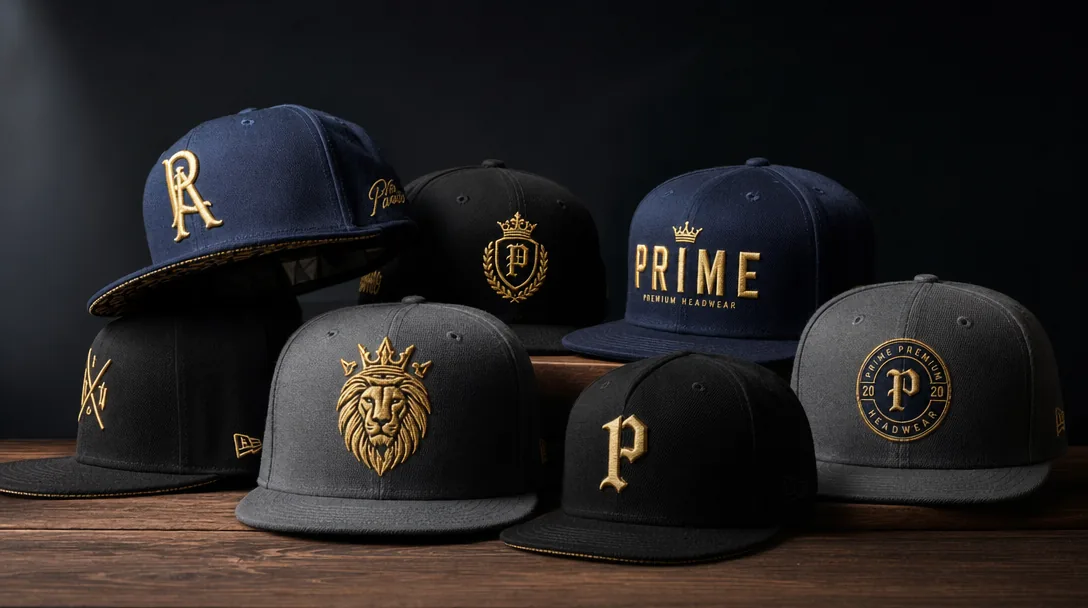
Custom Leather Patch Hat Low Minimum: A 2026 B2B Sourcing Guide
Read article →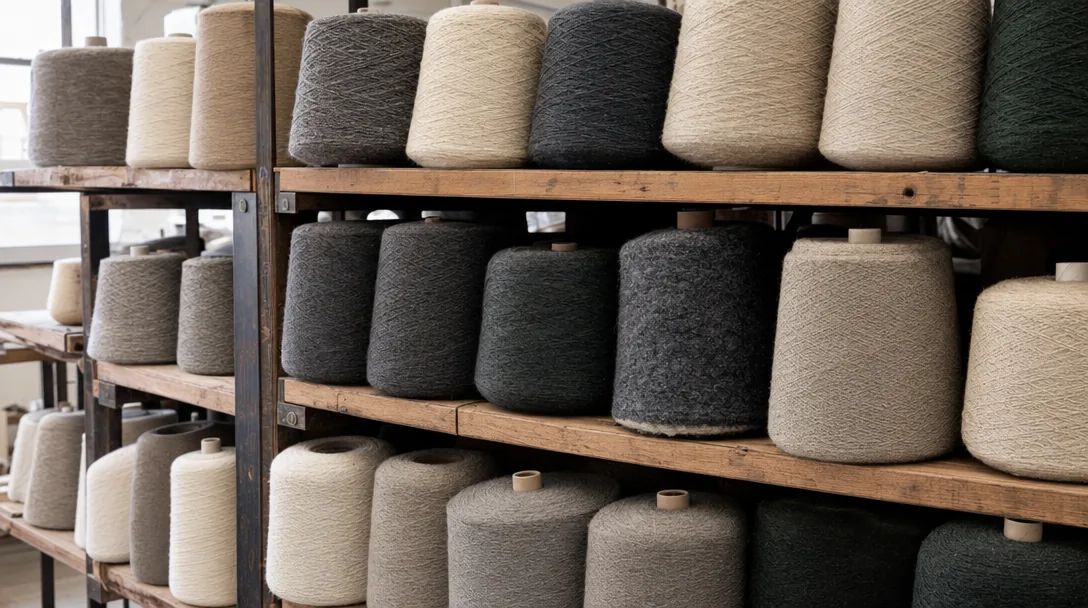
Mens Beanies: Properties, Costs and How to Spec It Right
Read article →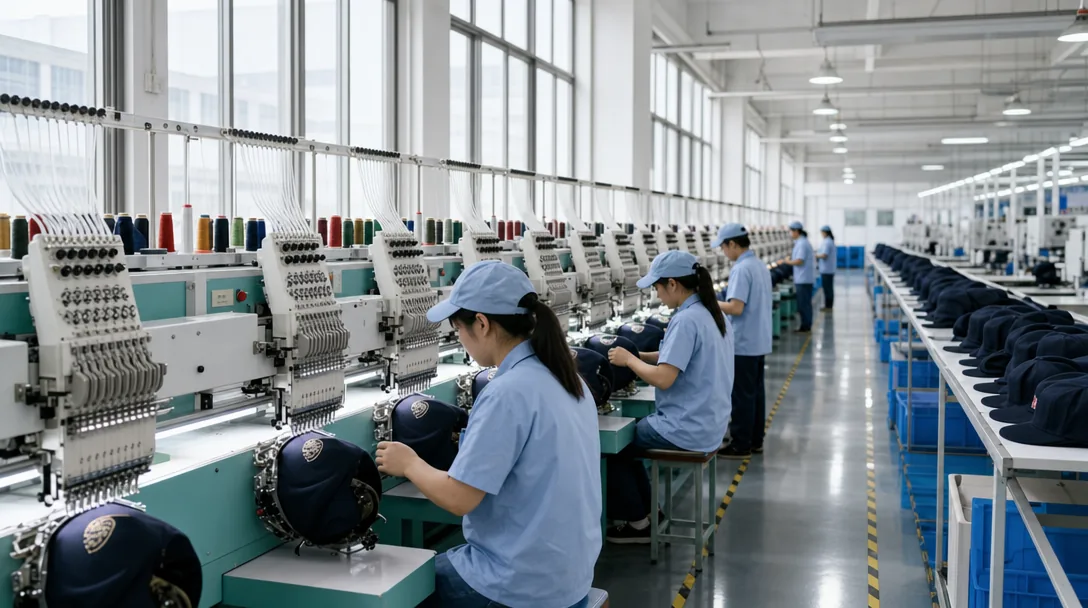
Bulk Trucker Hats Export Shipping Checklist for Custom Hat Buyers - Cost & MOQ Breakdown - Supplier Checklist
Read article →We hope this guide demystifies corduroy hat vintage fabric and trim spec guide for custom hat buyers - cost & moq breakdown and helps you move forward with confidence. If you have questions specific to your project, our English-speaking sales engineers are one message away.