
Corduroy Hat Vintage Fabric And Trim Spec Guide for Custom Hat Buyers - 2026 Buyer's Guide
Every week, our sales team answers detailed questions about corduroy hat vintage fabric and trim spec guide for custom hat buyers - 2026 buyer's guide. We wrote this guide so that wholesalers, streetwear brands, corporate buyers and promotional resellers can compare options with full information, and avoid the traps that show up only after production has started.
Why corduroy hat vintage fabric and trim spec guide needs a separate sourcing plan
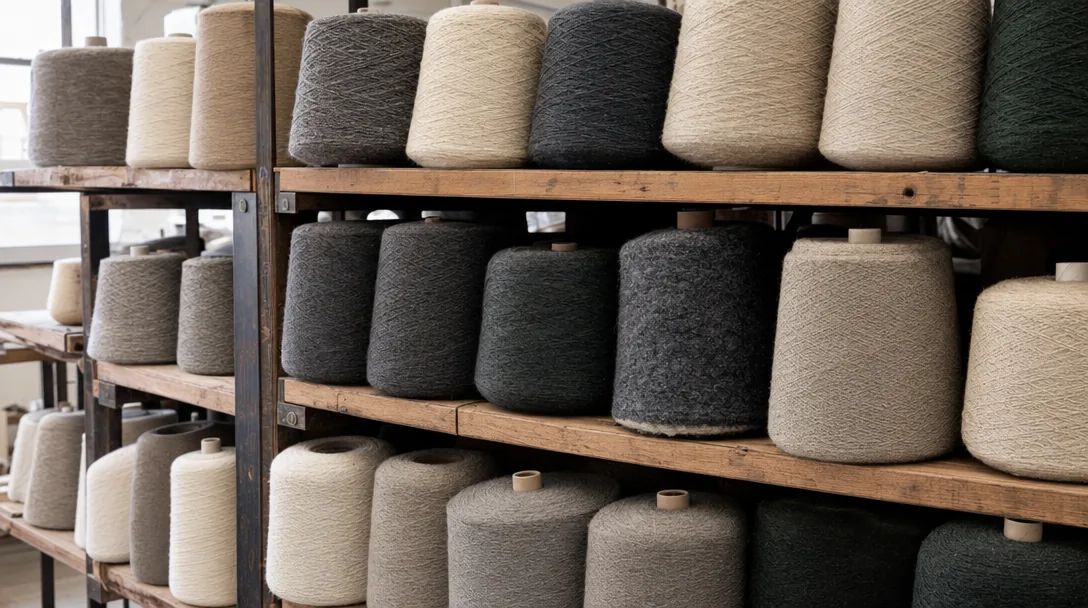
A corduroy hat vintage fabric and trim spec guide needs its own sourcing plan because corduroy is a directional pile fabric, not another cotton twill. Wale count, nap direction, backing weight, and wash shrinkage can change crown height and seam bulk before the logo is even sampled. A 6-wale cotton corduroy at 280-340 gsm gives the heavy 1970s outdoor-cap look, but it creates thick intersections at 6-panel crown seams, top buttons, and curved visor joins. For low-profile dad caps, unstructured 5-panels, and soft bucket hats, 14-wale or 16-wale pin corduroy at 220-260 gsm is usually safer because it feeds flatter and holds shape without looking padded. Below 200 gsm, washed corduroy brims collapse unless the PE visor insert is upgraded from about 1.2 mm to 1.5-1.8 mm; above 320 gsm, needle deflection and seam allowance bulk become the bottleneck. Lock fabric handfeel, wale direction, shrinkage after wash, sweatband type, buckle finish, label construction, and carton compression spec before issuing the bulk PO.
Generic cap sourcing can start with silhouette, MOQ, and logo placement; vintage corduroy sourcing should start with shade control and roll utilization. Brown corduroy aimed at Pantone 18-1027 TCX can drift toward 19-1118 TCX after enzyme wash, pigment overdye, or stone wash, and a Delta-E under 1.5 is not realistic once pile direction and garment wash are both involved. I require three approvals before cutting: lab dip on greige fabric, washed panel swatch, and a full pre-production cap checked under D65 light plus warm 3000K retail lighting. Even if the fabric passes incoming inspection, front panels can read darker than side panels when the nap is cut in opposite directions, so the marker plan must keep all crown panels running one way, even if utilization drops 3-6%. Embroidery also needs different digitizing: Tajima, Barudan, and ZSK heads run cleaner with reduced fill density, stronger edge-walk or tatami underlay, and 75/11 or 80/12 sharp needles. Dense fills sink into the pile, small serif lettering closes, and over-tight hooping leaves bruises that show after steaming.
Trim choices can move vintage corduroy hats from a simple promo cap to a retail-grade product, but they also change cost, lead time, and compliance risk. Antique brass strap buckles usually add $0.08-$0.18 per cap over basic silver hardware; cotton herringbone sweatbands add $0.12-$0.25; woven labels with merrowed edges add $0.18-$0.35 depending on size, yarn count, and MOQ. Stock polyester-cotton corduroy can keep sampling at 7-10 days and bulk production at 25-35 days after approval, while custom-dyed organic cotton corduroy often needs 35-50 days before cutting if the mill must provide GOTS transaction certificates or OEKO-TEX Standard 100 paperwork. For U.S. and EU retail, metal trims need nickel-release control, printed tapes need azo-free dye confirmation, and leather patches need REACH documentation. At CrownsForge, final inspection uses AQL 2.5 with added checks for pile bruising, wale skew, panel shade mismatch, loose top-button fabric, brim symmetry, and crushed cartons. For 500-3,000 pieces, these decisions typically move FOB Ningbo pricing from about $3.20 to $7.80 per cap before freight, duty, and DDP handling.
Factory capability checks before quoting
Quote accuracy starts with proving the factory can control wale direction, panel matching, and decoration distortion on the same line that will run bulk. Corduroy is less forgiving than chino twill: 8-wale cotton at 300–320 gsm casts a heavy nap shadow, while 11-wale at 260–280 gsm looks flatter but shows seam twisting faster after wash. Mixed pile direction on the two front panels will read as a two-tone crown after blocking, even when the lab dip is correct. Ask for close-up bulk photos of center-front seams, side panels, sweatband joins, and visor edges, not only retouched studio samples. For embroidery, Tajima, Barudan, and ZSK heads all work if the digitizing is rebuilt for ribbed fabric. An 8,000-stitch logo made for twill may crush the pile unless stitch density is reduced 10–18%, underlay is softened, and 75/11 or 80/12 needles are tested with tearaway plus light cutaway backing. After steaming and blocking, logo placement should hold within ±1.5 mm at center front.
Fabric and construction capability must be checked before price negotiation, especially when your corduroy hat vintage fabric and trim spec guide covers several silhouettes. A 6-panel unstructured dad cap, 5-panel camper, mesh-back trucker, and bucket hat do not share one pattern, one shrinkage allowance, or one cost sheet. Each changes crown depth, seam allowance, fusing weight, brim board thickness, sweatband curve, stitch tension, and carton loading. Vintage specs usually combine 260–320 gsm cotton corduroy, enzyme wash or garment wash, antique brass eyelets, cotton herringbone sweatbands, low-sheen polyester thread, and self-fabric straps with brass sliders. Those details affect color loss, torque, needle damage, and final circumference. For organic cotton, require GOTS or OCS transaction certificates linked to the fabric lot; a mill declaration is not enough. For color, approve Pantone TCX lab dips under D65 light with Delta-E 1.0–1.5 on unstable shades such as rust, olive, cream, tobacco brown, and washed black. Test closures too: leather straps need crocking data, snapbacks can deform in cartons, and exposed hook-and-loop tape can abrade the pile.
The sample room is the most honest capability audit. A competent cap factory should deliver a proto in 5–7 days using stock corduroy and standard trims, or 10–14 days when custom dyeing, plated buckles, molded patches, enzyme wash, or crocking tests are required. Ask who owns pattern correction after the first sample. A real sample master will raise or lower crown height by 3–5 mm, recut panels after wash shrinkage, adjust brim radius, and realign the center-front wale instead of blaming “fabric nature.” Patch capability also needs proof: woven labels, felt appliqué, chenille, faux leather deboss patches, suede patches, and merrow-edge badges all behave differently on a curved ribbed panel, and PU or suede needs a heat barrier to avoid shiny press marks. Our standard practice at CrownsForge is to review the tech pack against machine availability, trim lead times, AQL 2.5 checkpoints, compliance files, and packing method before issuing a firm FOB Ningbo or DDP quote. Request current sedex-audit-cap-supplier-guide.html">BSCI 2.0 or Sedex SMETA 4-Pillar reports, needle-control logs, and metal-detection records before deposit.
MOQ, pricing and sample approval
MOQ for corduroy hats is decided by fabric lot and trim MOQ, not by sewing line capacity. Stock 8-wale, 11-wale, or 14-wale cotton corduroy in black, navy, khaki, olive, rust, chocolate, or cream can usually run at 144–300 pieces per color/style if the buyer accepts available mill shades. Custom Pantone TCX dyeing is a different order: most mills will not control pile direction, residual shrinkage, and shade continuity below 500–1,000 pieces per color, especially on 280–340 gsm wide-wale fabric. I would hold bulk fabric to Delta-E 1.5–2.0 against the approved lab dip under D65; corduroy shadowing makes a small shade miss look worse after panels are cut in different directions. For 2026 FOB Ningbo or Shanghai costing, an unstructured 6-panel corduroy dad cap at 500 pieces should quote around USD 3.80–6.20. A lined bucket hat, earflap cap, or vintage strapback with woven label, antique brass slider, custom sweatband, and retail polybag is more realistically USD 5.20–8.80 before freight, duty, and destination handling.
Keep development charges outside the unit price so repeat orders are not punished. Embroidery digitizing for corduroy is normally USD 30–80 per logo, and Tajima, Barudan, or ZSK stitch trials add USD 20–50 when the logo needs underlay, thread substitution, or scale testing. Corduroy pile eats fine detail; flat embroidery needs edge-walk or zigzag underlay, 0.38–0.45 mm stitch spacing, controlled pull compensation, and satin columns no narrower than about 1.2 mm after brushing. Chenille patches, felt appliqué, genuine leather patches, antique brass buckles, metal eyelets, custom ropes, and yarn-dyed sweatbands commonly carry 300–500 piece MOQs. Custom-molded buckles, logo rivets, or proprietary metal trims can require 800–1,000 pieces plus USD 120–300 tooling. If the order is sold as organic cotton, demand GOTS or OCS transaction certificates naming the corduroy shell fabric; a supplier invoice is not certification, and thread, labels, sweatbands, and interlining are not covered unless listed in the certified bill of materials.
Sample approval is where a corduroy hat vintage fabric and trim spec guide prevents expensive bulk mistakes. The pre-production sample should lock panel height, crown depth, brim width, brim curve, wale direction, seam allowance, embroidery placement within ±2 mm, Pantone thread colors, label copy, buckle plating, hangtag barcode, polybag warning text, and export carton marks before bulk cutting. Approve the hand-feel after brushing, washing, or steam pressing, because excess heat can flatten the pile and make one panel read darker even when the dye lot is technically correct. Our standard practice at CrownsForge is to photograph the signed PPS under D65 light and keep one sealed counter sample at the QC table for inline inspection. Practical timing is 5–7 days for artwork and digitizing, 7–12 days for the first sample, 3–7 days for corrections, and 25–40 days for bulk production after written approval. Add 7–15 days for lab dips, custom-dyed fabric, FSC hangtags, retail packaging, or special trims. Final inspection should use AQL 2.5 for major defects and AQL 4.0 for minor defects, plus carton drop checks for structured caps moving by courier or LCL.
Quality inspection and shipping risk
Start corduroy hat inspection before cutting, not after sewing, because pile direction can hide broken yarns and then expose shade bands once panels are pressed. For incoming fabric, verify wale count with a 1-inch pick glass, fabric weight within ±5%, usable width after selvage removal, nap consistency, bow/skew below 3%, and shade in a D65 light box. For brown, olive, burgundy, tobacco, washed black, and other vintage tones, same-lot panel variation should stay at Delta-E 1.5 or tighter against the approved Pantone TCX target; mixed dyelots often look acceptable flat but turn striped after steam shaping, enzyme wash, or garment dye. Cutting tickets must state nap direction with arrows, especially on 6-panel caps where the two front panels reflect light first. Final inspection should use ANSI/ASQ Z1.4, general level II, AQL 2.5 major / 4.0 minor, with crown height ±3 mm, visor length ±2 mm, bucket brim width ±3 mm, head circumference ±5 mm, and sweatband width ±1 mm measured against the tech pack. For vintage effects, approve a signed physical golden sample defining abrasion, puckering, fading, and edge wear; phone photos are not a production standard.
Colorfastness creates chargebacks more often than sewing defects because it reaches the consumer’s forehead, shirt collar, or store shelf. A basic cotton corduroy cap should pass ISO 105-X12 dry rubbing Grade 4 and wet rubbing Grade 3–4, plus ISO 105-E04 perspiration fastness Grade 4 at the sweatband and inner taping. Over-dyed low-twist cotton corduroy in washed navy, chocolate, and black is the usual failure point, so test before approving bulk wash, not after cartons are packed. If the hat is claimed as organic cotton, require GOTS or OCS transaction certificates linked to the actual fabric lot, invoice quantity, and shipment number; a generic mill certificate is not traceability. Embroidery needs its own control plan because 8-wale and 11-wale ribs push needles sideways and make satin columns wander. On Tajima, Barudan, or ZSK machines, run a production-panel test using medium cutaway or stable tearaway backing, water-soluble topping, revised underlay, and the approved Madeira or Gunold thread code. Inspect thread breaks, birdnesting, loose bobbin tails, hoop burn, fill gaps between ribs, and logo skew over 2 degrees. Bucket hats also need wash-after-sew review because brim quilting can curl after enzyme, stone, or garment-dye processing.
Shipping risk is mostly documentation risk once the hats pass AQL. Carton marks must match the PO exactly: SKU, color name, size ratio, packed quantity, gross/net weight, carton dimensions, country of origin, licensee code, and GS1 or retailer barcode where required. A wrong color suffix or missing licensee code can hold a DDP shipment even when workmanship is clean. FOB Ningbo or Shanghai is usually safer for buyers with their own forwarder and importer setup; DDP is workable for small streetwear drops only when HS code, importer-of-record responsibility, duty treatment, Section 301 exposure if applicable, customs exam charges, and delivery appointment fees are agreed before deposit. For every reorder, archive the approved sample, bulk swatch, Pantone TCX target, Delta-E reading, embroidery DST file, thread codes, wash recipe, trim card, carton label, and final AQL report. This is the practical value of a corduroy hat vintage fabric and trim spec guide: it prevents disputes where the buyer says the style is “the same,” but the mill lot, nap direction, wash handfeel, shade, or trim finish has shifted. CrownsForge keeps these reorder records for at least three years because most color and wash claims appear on repeat orders, not first runs.
Buyer checklist for the next RFQ
Lock the QC standard into the RFQ before you chase “best FOB,” because vintage corduroy caps fail most often on shape memory, nap direction, and trim matching. For a 6-panel unstructured dad cap, state crown height tolerance at ±5 mm, visor length/width at ±3 mm, finished circumference at ±5 mm with the strap centered, logo placement at ±2 mm, panel symmetry under 3 mm, and center seam twist under 2 mm. Use ANSI/ASQ Z1.4, General Inspection Level II, AQL 2.5 for major defects and 4.0 for minor; for retail caps above USD 25 MSRP, I would tighten to AQL 1.5/2.5. Define rejectable defects in factory terms: reversed nap, crushed or glossy wale marks, shade variance above Delta-E 1.5 under D65, front seam puckering, visor lamination bubbles, loose snapback posts, off-center eyelets, and antique brass plating that does not match the approved trim card. A practical corduroy hat vintage fabric and trim spec guide should turn “washed old-school look” into measurable checkpoints, not mood-board language.
Send a fabric-and-trim control sheet, not Instagram screenshots. Specify wale count, weight, fiber content, dye route, and cutting direction: for example, 14-wale 100% cotton corduroy, 250–280 gsm, Pantone 19-4021 TCX under D65, nap running from crown top toward visor edge. If the design uses 8-wale wide corduroy, recycled cotton, GOTS organic cotton, pigment dye, enzyme wash, or stone wash, put that in the first RFQ; washed corduroy normally adds 3–5 days for shrinkage, crocking, and hand-feel approval. Set test targets clearly: dimensional change within ±3% after wash, dry crocking Grade 4, wet crocking Grade 3–4, perspiration fastness Grade 4, and no visible wale flattening after pressing. Decoration needs the same discipline: flat embroidery on Tajima or Barudan heads, 3D puff, felt appliqué, woven patch, chenille, or debossed leatherette patch. A 12,000-stitch front logo usually adds USD 0.25–0.70 per cap; appliqué dies or chenille patches can push sampling past the normal 5–7 days.
Put MOQ, compliance, packing, and Incoterms in the same RFQ, or the supplier is quoting assumptions. Practical MOQ is 300–500 pcs per color for stock corduroy and 800–1,000 pcs for custom dye lots; sample charges usually run USD 50–120, higher for custom buckles, molded snaps, or die-cut patches. At 1,000 pcs, a basic corduroy dad hat is typically USD 3.20–5.80 FOB Ningbo/Shanghai; garment wash, branded seam tape, antique brass slide buckle, custom sweatband, and dense embroidery can add USD 0.60–1.80 per unit. Name the audit or chemical requirement: BSCI 2.0, Sedex SMETA 4-Pillar, GRS, OEKO-TEX Standard 100, Disney FAMA, or your brand RSL. Packing instructions should read like a routing sheet: tissue or individual polybag, hangtag position, UPC/EAN label, inner pack quantity, carton size and gross weight limit, silica gel, carton marks, and ISTA 1A or Amazon FBA drop-test requirement. At CrownsForge, shade, shrinkage, and hand-feel are approved on lab dip or bulk swatch before sales samples are cut.
Working with CrownsForge
A corduroy hat vintage fabric and trim spec guide is useful only when the fabric is locked before digitizing, because wale count, pile height, nap direction, and residual shrinkage change the cap more than another artwork revision. For vintage 6-panel caps, dad hats, campers, and bucket hats, I normally approve 8-wale or 11-wale cotton corduroy at 280–340 gsm; 14-wale is better for clean fashion retail, but often looks too fine for a workwear or 1990s streetwear reference. Require the mill to list cuttable width, composition, residual shrinkage after wash, crocking grade, and nap direction on every roll ticket. Lab dips should be matched to Pantone TCX under D65 light, with Delta-E under 1.0 for solid shades and under 1.5 for washed colors such as rust, tobacco, olive, chocolate, and faded navy. Sampling is usually 7–10 days after fabric, artwork, and trims are frozen, or 12–15 days if enzyme wash, garment dye, or GOTS transaction certification is needed.
Embroidery on corduroy needs fewer stitches, not more. The pile swallows thin gaps, and brushing, steaming, and carton pressure can shift small details off registration. On Tajima, Barudan, or ZSK heads, use 75D tearaway backing plus a light water-soluble topping for small letters; tension should be balanced across the wale to prevent the front panel from cupping. I reject satin strokes below 1.2 mm on corduroy and avoid 3D puff on fine serif marks, dense scripts, or logos under 45 mm wide. For unstructured caps and bucket hats, woven labels, felt appliqué, chenille patches, merrowed badges, or chain-stitch-style embroidery age better than heavy flat fill. The tech pack should specify antique brass, matte nickel, plastic snap, or self-fabric strap closure; visor board at 1.6–2.0 mm; sweatband content such as 100% cotton twill or 80/20 poly-cotton; seam tape width; and label position tolerance within ±2 mm. A complete pre-production sample with wash, embroidery, buckle, taping, and labels typically costs US$60–120, credited after MOQ approval.
Bulk control starts at fabric receiving, not final inspection. Corduroy rolls must be checked for shade bands, pile crush, skew, weak selvedge, oil marks, seam-slippage risk, and one-way nap before cutting; crown panels, visors, straps, and top buttons should then be bundled by dye lot so one cap does not show three tones under side light. A reversed front panel on brown, olive, or burgundy corduroy is obvious and cannot be repaired by steaming. Final inspection should run at AQL 2.5 major / 4.0 minor, covering circumference tolerance, crown height, brim width, embroidery placement, label alignment, loose threads, needle cuts, buckle function, and metal detection when retailer manuals require it. At CrownsForge, the standard export file includes PP sample approval, inline inspection notes, carton drop-test records, polybag suffocation warnings, HS code confirmation, FOB Ningbo or Shanghai booking details, and DDP paperwork for U.S. or EU warehouse delivery. Compliance files should align with BSCI 2.0 or Sedex SMETA 4-Pillar for licensed sports, outdoor, and department-store programs.
Frequently Asked Questions
How long does production take?
Sampling takes 7 to 12 days. Bulk production runs 20 to 30 days depending on quantity, fabric availability and decoration complexity. Inspection and packing adds another 3 to 5 days before shipment.
Do you support sustainability certifications?
Yes. We work with GOTS organic cotton, GRS-certified recycled polyester, OEKO-TEX Standard 100 fabrics, and are BSCI and Sedex audited. Certification documentation can be provided per order.
What file format should I send for my logo?
Vector files (AI, EPS, PDF) are ideal. High-resolution PNG or JPG at 300 dpi on transparent background works as a fallback. Provide Pantone color references for accurate reproduction.
What is the minimum order quantity (MOQ) for custom hats?
Our standard MOQ is 100 pieces per design and color, with sampling available from 1 piece. For complex multi-color logos or premium fabric upgrades, the MOQ can be lowered with a small per-piece surcharge.
Can I order a sample before bulk production?
Yes. We strongly recommend approving a pre-production sample before mass production. Samples are charged at 35 to 60 USD each plus express shipping, fully refundable against confirmed bulk orders over 500 pieces.
What should buyers know about organic cotton bucket hat?
When evaluating organic cotton bucket hat, the key considerations are construction quality, decoration capability, MOQ flexibility and lead time. Explain the buyer intent behind corduroy hat vintage fabric and trim spec guide, when it differs from generic hat sourcing, and what decisions affect cost, lead time and compliance. Describe how CrownsForge manages corduroy hat vintage fabric and trim spec guide programs with sampling, decoration, QC and export coordination.
What should buyers know about brown corduroy bucket hat?
When evaluating brown corduroy bucket hat, the key considerations are construction quality, decoration capability, MOQ flexibility and lead time. Explain the buyer intent behind corduroy hat vintage fabric and trim spec guide, when it differs from generic hat sourcing, and what decisions affect cost, lead time and compliance. Describe how CrownsForge manages corduroy hat vintage fabric and trim spec guide programs with sampling, decoration, QC and export coordination.
What should buyers know about bucket hat men nike?
When evaluating bucket hat men nike, the key considerations are construction quality, decoration capability, MOQ flexibility and lead time. Explain the buyer intent behind corduroy hat vintage fabric and trim spec guide, when it differs from generic hat sourcing, and what decisions affect cost, lead time and compliance. Describe how CrownsForge manages corduroy hat vintage fabric and trim spec guide programs with sampling, decoration, QC and export coordination.
What should buyers know about vintage bucket hat mens?
When evaluating vintage bucket hat mens, the key considerations are construction quality, decoration capability, MOQ flexibility and lead time. Explain the buyer intent behind corduroy hat vintage fabric and trim spec guide, when it differs from generic hat sourcing, and what decisions affect cost, lead time and compliance. Describe how CrownsForge manages corduroy hat vintage fabric and trim spec guide programs with sampling, decoration, QC and export coordination.
What are corduroy hats made of?
While it is usually made with cotton, corduroy can also be woven with blends of polyester and cotton or even full polyester. Textile producers also sometimes make corduroy with wool, but the ridges present on wool corduroy are not as visible as the ridges on corduroy made with other materials.
How to identify corduroy?
The ridges themselves are referred to as 'wales' so a corduroy will have a certain 'wale count'. This refers to how many ridges there are in 1 inch. The lower the number, the wider the 'wale' and this gives a chunkier cord. The higher the number the narrower the wale and this gives a finer cord.
What is the width of corduroy fabric?
These cords, also known as wales, appear 11 times per inch of fabric and repeat every 1/8 of an inch, vertically. 11 Wale Standard Corduroy fabric measures 58/59 inches in width, is 0.70 millimeters thick, has a 295 GSM, and weighs approximately 14 ounces per linear yard.
What is the HS code for corduroy fabric?
HS Codes 58013200 : HS Classification of Cut corduroy Harmonized System Codes of Chapter Special woven fabrics; tufted textile fabrics; lace; tapestries; trimmings; embroidery. : Special woven fabrics; tufted textile fabrics; lace; tapestries; trimmings; embroidery.
When were corduroy hats popular?
Corduroy remained a staple, working-class fabric and existed under the fashion radar until its popularity exploded in the 1960s and 1970s. It became the counterculture's fabric of choice and was worn as a symbol of anti-establishment by students, beatniks, and popular creatives.
Is corduroy a vintage fabric?
The Story Behind Corduroy It evolved from an ancient cotton weave called fustian, which was manufactured and used in Ancient Egypt – surprisingly enough in a city called Fustat, not far from Cairo – in around 200AD.
Looking for a reliable hat manufacturer in China?
CrownsForge has produced custom hats for 800+ brands across 40 countries. From 100-piece launches to 100,000-piece retail programs, we deliver on time and on spec.
Get in touchRelated guides
Custom Leather Patch Hat Low Minimum: A 2026 B2B Sourcing Guide
Read article →Mens Beanies: Properties, Costs and How to Spec It Right
Read article →
Bulk Trucker Hats Export Shipping Checklist for Custom Hat Buyers - Cost & MOQ Breakdown - Supplier Checklist
Read article →We hope this guide demystifies corduroy hat vintage fabric and trim spec guide for custom hat buyers - 2026 buyer's guide and helps you move forward with confidence. If you have questions specific to your project, our English-speaking sales engineers are one message away.