
Corduroy Hat Vintage Decoration QC Checklist for Custom Hat Buyers
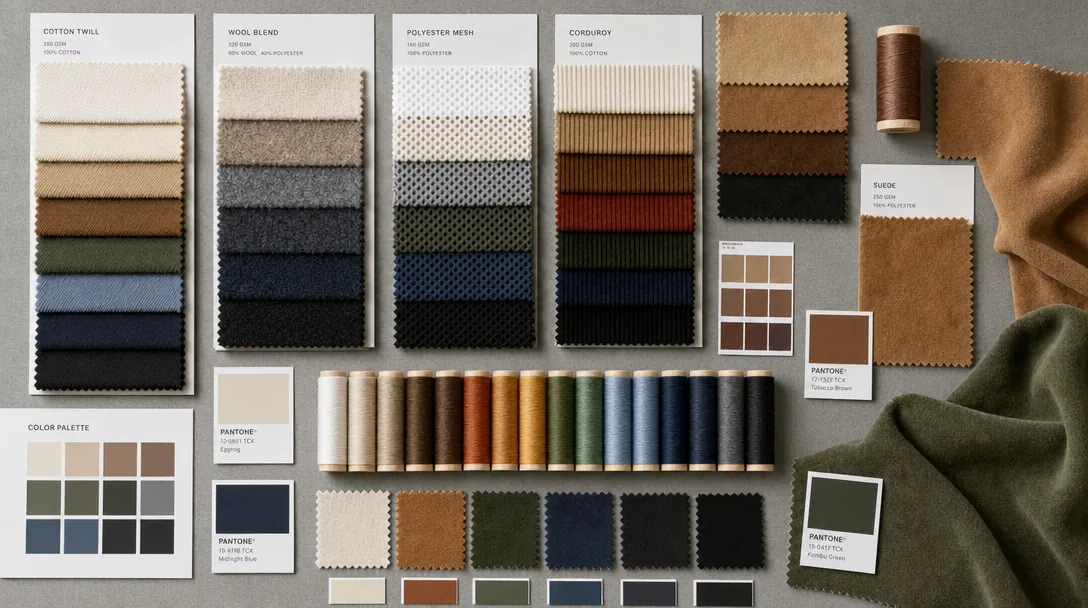
Corduroy Hat Vintage Decoration QC Checklist for Custom Hat Buyers is one of the most-asked questions we receive from international buyers, and for good reason. With dozens of factories competing for your order and an alphabet soup of technical terms in every supplier quote, even experienced importers can feel lost. This guide consolidates what we have learned producing custom hats for clients in 40+ countries.
Why corduroy hat vintage decoration qc checklist needs a separate sourcing plan
A corduroy hat vintage decoration qc checklist needs its own sourcing plan because the buyer is not just checking whether a cap looks “old school.” They are trying to control pile direction, wale consistency, decoration distortion, color aging, and shrinkage risk before bulk production. Corduroy behaves differently from plain cotton twill: 8-wale and 11-wale fabrics catch light unevenly, so a corduroy hat brown approved under D65 light can look two shades darker under store lighting if the pile is brushed the wrong way. For vintage decoration, the usual embroidery approval is not enough. A satin stitch that looks clean on 280 gsm twill can sink into 320 gsm corduroy ribs, while a flat felt applique can pucker after steam blocking. Buyers asking for a corduroy hat vintage look usually care about retail presentation, not just unit price, so pre-production samples must lock fabric wale, garment wash level, thread sheen, and label aging method together.
This differs from generic hat sourcing mainly at the decision points that affect yield. A normal 6-panel cap may tolerate +/-3 mm seam variation and still pass AQL 2.5, but corduroy shows panel mismatch immediately when the ribs do not align across the front seam. For a bucket hat corduroy style, brim topstitching must be tested on actual fabric thickness; too much presser-foot pressure flattens the pile, while loose tension creates rope-like seams after washing. Decoration also changes the cost model. Direct embroidery on Tajima or Barudan heads may add US$0.45–$1.20 per piece depending on stitch count, but chain stitch, chenille, distressed applique, or enzyme-washed patches can add US$1.80–$4.50 and 5–10 days. If the design is a corduroy bucket hat with heavy front artwork, we usually run a 20-piece pilot before sales samples because one digitizing file rarely works across crown and brim placements.
Compliance and lead time become more sensitive when the sourcing plan includes washed finishes, specialty dyes, or sustainable claims. If a buyer specifies an organic cotton hat, the factory needs transaction certificates, not just a supplier invoice; GOTS or OCS claims must match the fabric lot, trim, and label wording. Vintage effects may require enzyme wash, pigment overdye, potassium-free spray, or hand abrasion, and each process affects color tolerance. I normally set Pantone TCX targets with Delta-E under 1.5 for solid corduroy, but for garment-washed vintage lots the realistic approval range is closer to Delta-E 2.0–3.0 with signed shade bands. A proper corduroy hat vintage decoration qc checklist also ties into audit expectations: sedex-audit-cap-supplier-guide.html">BSCI 2.0 or Sedex SMETA 4-Pillar buyers will ask about chemical storage, wastewater handling, needle control, and subcontracted washing. These items can add 7–14 days before bulk if they are not confirmed before deposit.
Factory capability checks before quoting
Before I quote a corduroy hat vintage program, I first check whether the factory can decorate corduroy without crushing the wale or making the logo look wavy. On 8-wale or 11-wale cotton corduroy, direct embroidery needs lower tension, proper backing, and digitizing that avoids dense fill stitches over rib valleys; a Tajima, Barudan, or ZSK head can all do the job, but the operator matters more than the brand. For a 50 mm front logo, I usually want stitch count under 8,000 unless the buyer accepts puckering risk. Chenille, felt appliqué, woven patches, PU leather patches, and merrow-edge badges all need separate pull tests after heat press or sewing. For a true corduroy hat vintage decoration qc checklist, ask for photos of the same decoration method on corduroy, not twill or canvas, because corduroy hides and exposes defects differently under side light.
Fabric capability is the next filter, especially if the buyer wants a corduroy bucket hat, 5-panel camper, unstructured dad cap, or corduroy hat brown colorway. I ask for wale count, composition, fabric weight, shrinkage, and color standard before costing; common specs are 100% cotton corduroy at 250–320 gsm, cotton/spandex at 260 gsm, or organic cotton hat fabric with GOTS transaction proof if the claim will appear on a hangtag. Color control should reference Pantone TCX or a physical lab dip, with Delta-E under 1.5 for dark brown, bottle green, and washed black if the order has multiple production lots. Panel construction also changes cost: a bucket hat corduroy style with taped seams and cotton lining may use 0.55–0.75 meters per piece, while a 6-panel cap uses less fabric but needs better fusing control on the front panels.
The quote should also prove the sample room and compliance team can support production, not just make one nice photo sample. I want to see whether they can make embroidery strike-offs, patch mockups, paper patterns, graded head sizes, and pre-production samples within 7–12 days, then lock specs for bulk: brim length tolerance ±3 mm, crown height ±4 mm, logo placement ±2 mm, and circumference ±5 mm. Closure options need to be confirmed early because antique brass buckle, fabric strap, snapback, elastic drawcord, and hidden Velcro all affect both vintage styling and metal detection. Our standard practice at CrownsForge is to combine these checks with AQL 2.5 final inspection, needle policy records, and audit files such as BSCI 2.0 or Sedex SMETA 4-Pillar. Communication is part of QC too: if the factory cannot answer fabric, decoration, packing, FOB/DDP, and carton-drop questions clearly before deposit, they usually get worse after production starts.
MOQ, pricing and sample approval
MOQ should be quoted by fabric color, silhouette, and decoration method, not as one loose number. For corduroy hat vintage programs, a realistic factory MOQ is 300 pieces per color for stock 8-wale or 11-wale cotton corduroy, 500 pieces if you need custom-dyed fabric, and 1,000 pieces when the body fabric is organic cotton hat grade with GOTS or OCS transaction documents. A bucket hat corduroy order usually needs more cutting yield control than a 6-panel cap because brim panels show nap direction mistakes immediately. For pricing, small runs of 300–499 pieces often land around FOB Ningbo US$4.20–6.80 for simple embroidery, while 1,000–2,000 pieces can drop 12–18% if trims and packaging stay standard. A corduroy hat brown shade is not one color; buyers should specify Pantone TCX, pile direction, and acceptable Delta-E, because 18-1112 TCX can look redder after garment washing than it does on a lab dip card.
Decoration setup is where vintage designs get underquoted. Flat embroidery digitizing is commonly US$30–60 per logo, 3D puff needs a separate stitch file and foam test, chain stitch or chenille patches can add US$0.70–1.80 per piece depending on height and backing. On corduroy, I reject digitizing that runs dense fill across the ribs without underlay adjustment; 0.38–0.42 mm stitch spacing and lighter pull compensation usually prevent tunneling. Metal buckles, antique brass eyelets, woven labels, sweatband color, and kraft hangtags all need to be locked before PPS, because trim changes after sample approval can reset the schedule. Our standard practice at CrownsForge is to include trims, stitch count, thread color, and packaging notes in the PPS sheet, then compare bulk against that record during AQL 2.5 final inspection. This is the practical core of a corduroy hat vintage decoration qc checklist, not a cosmetic sign-off.
Sample approval should move in stages: proto sample for shape and decoration placement, pre-production sample for final fabric, trims, carton marks, and polybag spec, then size-set or shipment sample only if the buyer is licensing retail. Pantone matching should be done under D65 light, with corduroy brushed in the same pile direction each time; otherwise the buyer approves one shade and receives another. For embroidery on Tajima, Barudan, or ZSK heads, ask for actual stitch density, thread brand, and backing type, not just a photo. A realistic timeline is 5–7 days for digitizing and first sample, 7–12 days for lab dip or custom corduroy sourcing, 10–15 days for PPS correction, and 25–35 days for bulk production after deposit and PPS approval. Add 3–5 days if packaging includes custom UPC stickers, inner cartons, silica gel, or retail-ready folding. A serious corduroy hat vintage decoration qc checklist should also state carton drop-test expectations, needle detection if required, and acceptable shade variation across panels.
Quality inspection and shipping risk
Inspection has to start before cartons are sealed, because corduroy hides defects better than twill until the nap is brushed under light. For a corduroy hat vintage decoration qc checklist, I normally set AQL 2.5 for major defects and AQL 4.0 for minor defects, with 80–125 pieces pulled from a 3,000-piece lot depending on ISO 2859-1 level II. Major failures include broken crown shape, off-center embroidery over 3 mm, skipped stitches on Tajima or Barudan runs, loose sweatband joins, incorrect closure hardware, and visible oil stains on the wale surface. Measurement tolerance should be written on the tech pack: crown height ±0.5 cm, brim length ±0.3 cm, circumference ±0.5 cm, and bucket hat corduroy brim slope within ±5 degrees from the approved PP sample. If buyers do not lock these numbers, every reorder becomes an argument instead of an inspection.
Color and decoration risk is higher on corduroy because the pile direction changes how the shade reads. A corduroy hat brown can pass under D65 light but look too red under warm retail lighting, so we check bulk fabric against Pantone TCX or the approved lab dip with Delta-E under 1.5 for solid colors and under 2.0 for washed vintage effects. For an organic cotton hat, ask for fiber certification documents separately from color approval; GOTS or OCS paperwork does not prove the shade is stable. Basic colorfastness should include crocking dry grade 4, wet grade 3–4, and perspiration grade 4 if the cap will be sold for outdoor or sports use. Embroidery needs its own inspection: thread tension, bobbin pull-through, bird nesting, needle cuts between corduroy wales, and fuzzy edges on small serif letters. ZSK heads handle dense chenille-style fills well, but even good machines fail if the digitizing ignores wale direction.
Shipping risk is mostly paperwork discipline. Carton markings should match the purchase order, SKU, color name, size ratio, country of origin, gross/net weight, carton dimensions, and sequential carton number; missing carton numbers can delay Amazon FBA, retail DC receiving, and customs inspection. For FOB Ningbo or Shanghai, the buyer controls freight and insurance after vessel loading, which is usually cheaper for experienced importers moving full cartons of corduroy bucket hat styles. DDP is cleaner for small streetwear drops, but the quoted price often hides $0.35–$0.80 per cap in customs brokerage, inland delivery, and duty risk. Our standard practice at CrownsForge is to archive the approved sample, bulk fabric cutting, embroidery tape file, thread codes, carton label artwork, inspection report, and final packing list for every reorder. That documentation is what keeps the second corduroy hat vintage run from drifting in shade, fit, and decoration placement six months later.
Buyer checklist for the next RFQ
A firm RFQ needs more than “corduroy vintage cap with logo.” Send the hat type first: 6-panel baseball cap, 5-panel camper, unstructured dad cap, bucket hat corduroy style, or flat-brim snapback. Then specify fabric wale count and weight: 8-wale or 11-wale corduroy, 280–330 gsm for structured caps, 240–300 gsm for a softer corduroy bucket hat. For color, give Pantone TCX or a physical swatch target, not a phone photo; “corduroy hat brown” can mean anything from 18-0937 TCX Rubber to 19-1118 TCX Coffee Bean, and dye lot Delta-E over 1.5 is already visible on ribbed fabric. Your corduroy hat vintage decoration qc checklist should include crown height, visor length, sweatband material, closure type, inside taping, label positions, and whether the wash is enzyme, pigment, stone, or garment-dyed. If you want an organic cotton hat claim, include certification expectations such as GOTS transaction certificate or OCS scope, not just “eco fabric.”
Decoration files decide quote accuracy more than most buyers realize. For embroidery, send AI/PDF vector art plus a DST file if already digitized, but still allow the factory to redigitize for corduroy pile direction; a Tajima or Barudan sample that runs well on twill can sink into 11-wale corduroy without underlay correction. Include logo width in millimeters, thread color references such as Madeira or Pantone, stitch type preference, and max stitch count if cost-sensitive. For patches, provide material, backing, edge style, and attachment method: woven patch with merrow border, faux leather debossed patch, chenille, felt applique, or direct 3D puff. Photos should show front, side, back, top, underbrim, inside seam tape, sweatband, closure, and any distressing. If the sample has intentional vintage fading, send daylight photos beside a gray card; factory lighting can make washed brown corduroy look two shades warmer.
Before asking for FOB, DDP, or landed pricing, give quantity by color and size, target delivery date, destination ZIP/postcode, packaging requirements, and inspection standard. A real quote changes if you need 200 pieces in four colors versus 2,000 pieces in one shade, because cutting loss on corduroy with directional nap can add 3–6% fabric consumption. State whether you require AQL 2.5 final inspection, needle detection, BSCI 2.0 or Sedex SMETA 4-Pillar factory eligibility, polybag warning text, hangtags, UPC stickers, or retail carton marks. Our standard practice at CrownsForge is to request one approved reference sample or a signed tech pack before locking bulk pricing, because decoration, washing, and packing tolerances are where disputes start. Add your acceptable tolerances to the corduroy hat vintage decoration qc checklist: embroidery placement ±2 mm, brim length ±3 mm, circumference ±5 mm, color Delta-E target, and maximum loose threads per piece.
Working with CrownsForge
Our export-side QC checklist links inspection points to the buyer’s shipment plan, because a clean-looking sample means nothing if bulk cartons miss labeling, moisture, or compliance requirements. For bulk inspection, we use AQL 2.5 for major defects and AQL 4.0 for minor defects unless the buyer’s manual is stricter; checked items include shade banding between panels, pile crush marks, seam puckering, loose embroidery threads, label alignment, metal buckle oxidation, brim symmetry, and carton drop-test condition. Moisture is held below 12 percent before polybagging, especially for sea freight to the U.S. or EU, because corduroy retains humidity more than twill. For private-label buyers, we coordinate hangtags, UPC stickers, country-of-origin labels, and Sedex SMETA 4-Pillar or BSCI 2.0 documentation before final booking. FOB Ningbo/Shanghai is the cleanest route for most orders, while DDP air for a 500-piece launch can work if the buyer accepts the higher landed cost, often US$1.20–2.50 more per cap than consolidated sea shipment.
Frequently Asked Questions
How long does production take?
Sampling takes 7 to 12 days. Bulk production runs 20 to 30 days depending on quantity, fabric availability and decoration complexity. Inspection and packing adds another 3 to 5 days before shipment.
Can I order a sample before bulk production?
Yes. We strongly recommend approving a pre-production sample before mass production. Samples are charged at 35 to 60 USD each plus express shipping, fully refundable against confirmed bulk orders over 500 pieces.
What file format should I send for my logo?
Vector files (AI, EPS, PDF) are ideal. High-resolution PNG or JPG at 300 dpi on transparent background works as a fallback. Provide Pantone color references for accurate reproduction.
Do you support sustainability certifications?
Yes. We work with GOTS organic cotton, GRS-certified recycled polyester, OEKO-TEX Standard 100 fabrics, and are BSCI and Sedex audited. Certification documentation can be provided per order.
What logo decoration techniques do you offer?
3D puff embroidery, flat embroidery, woven patch, leather patch, PVC patch, screen printing, sublimation, applique and laser etching, all in-house with no subcontracting.
What should buyers know about organic cotton bucket hat?
When evaluating organic cotton bucket hat, the key considerations are construction quality, decoration capability, MOQ flexibility and lead time. Explain the buyer intent behind corduroy hat vintage decoration qc checklist, when it differs from generic hat sourcing, and what decisions affect cost, lead time and compliance. Describe how CrownsForge manages corduroy hat vintage decoration qc checklist programs with sampling, decoration, QC and export coordination.
What should buyers know about brown corduroy bucket hat?
When evaluating brown corduroy bucket hat, the key considerations are construction quality, decoration capability, MOQ flexibility and lead time. Explain the buyer intent behind corduroy hat vintage decoration qc checklist, when it differs from generic hat sourcing, and what decisions affect cost, lead time and compliance. Describe how CrownsForge manages corduroy hat vintage decoration qc checklist programs with sampling, decoration, QC and export coordination.
What should buyers know about bucket hat men nike?
When evaluating bucket hat men nike, the key considerations are construction quality, decoration capability, MOQ flexibility and lead time. Explain the buyer intent behind corduroy hat vintage decoration qc checklist, when it differs from generic hat sourcing, and what decisions affect cost, lead time and compliance. Describe how CrownsForge manages corduroy hat vintage decoration qc checklist programs with sampling, decoration, QC and export coordination.
What should buyers know about vintage bucket hat mens?
When evaluating vintage bucket hat mens, the key considerations are construction quality, decoration capability, MOQ flexibility and lead time. Explain the buyer intent behind corduroy hat vintage decoration qc checklist, when it differs from generic hat sourcing, and what decisions affect cost, lead time and compliance. Describe how CrownsForge manages corduroy hat vintage decoration qc checklist programs with sampling, decoration, QC and export coordination.
Looking for a reliable hat manufacturer in China?
CrownsForge has produced custom hats for 800+ brands across 40 countries. From 100-piece launches to 100,000-piece retail programs, we deliver on time and on spec.
Get in touchRelated guides
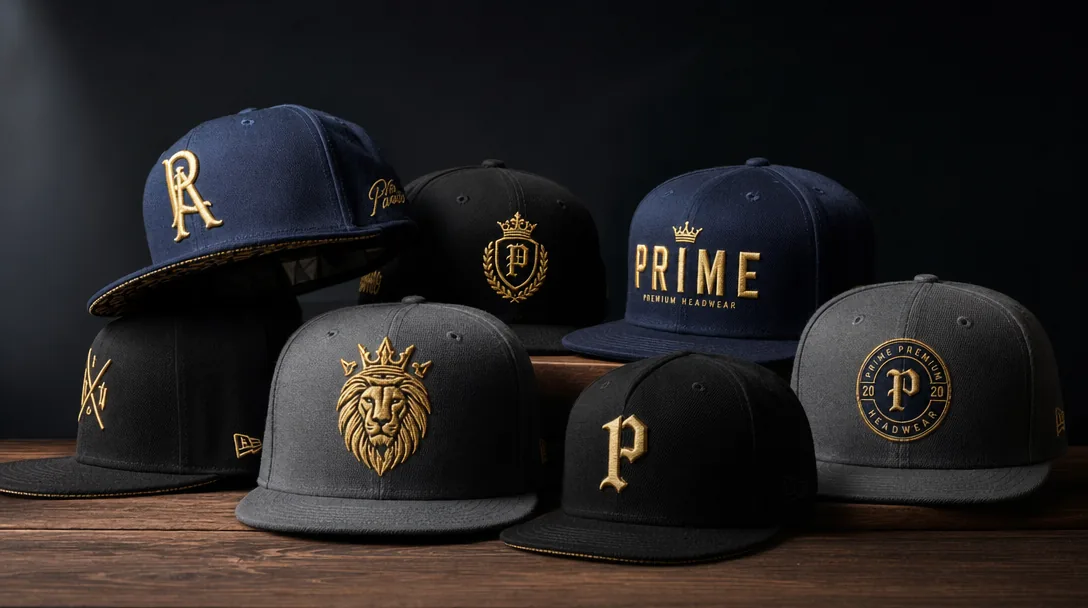
Custom Rope Hat Wholesale Bulk: A 2026 B2B Sourcing Guide
Read article →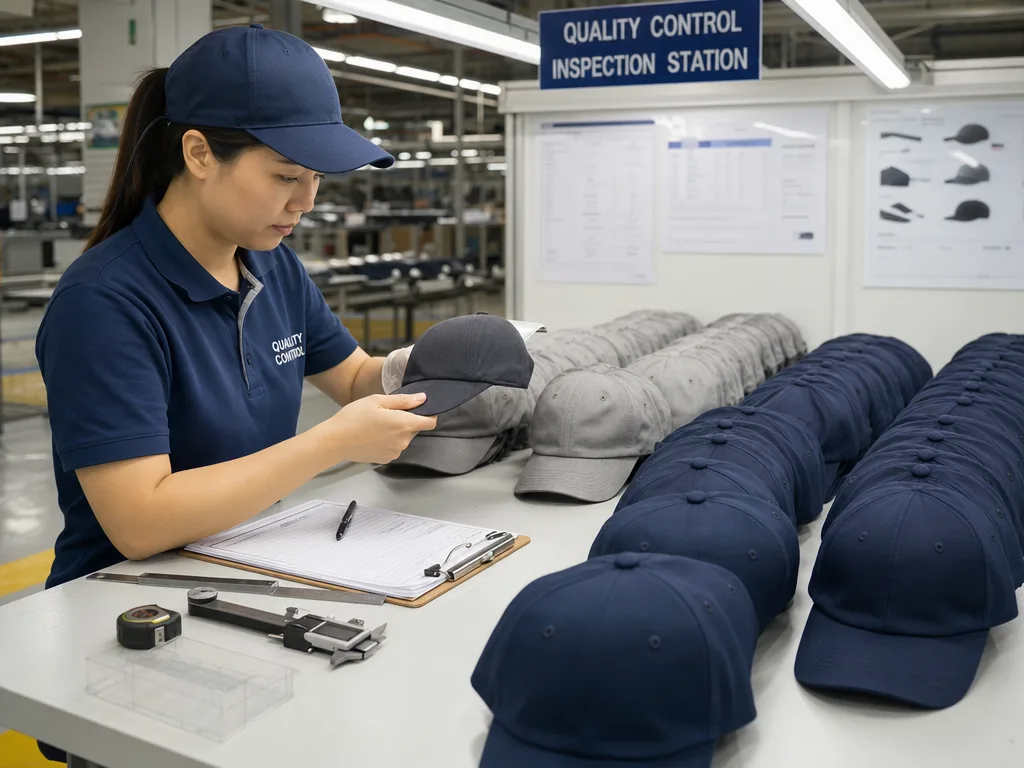
Custom Cap Material Trim Card: What Buyers Should Request
Read article →
Festival Bucket Hats Decoration QC Checklist for Custom Hat Buyers
Read article →Sourcing custom hats does not have to be complicated. With the right manufacturing partner, clear specifications and a small upfront investment in sampling, you can launch a retail-quality product in 30 to 45 days.