
Corduroy Hat Men's: Properties, Costs and How to Spec It Right - Cost & MOQ Breakdown - 2026 Buyer's Guide
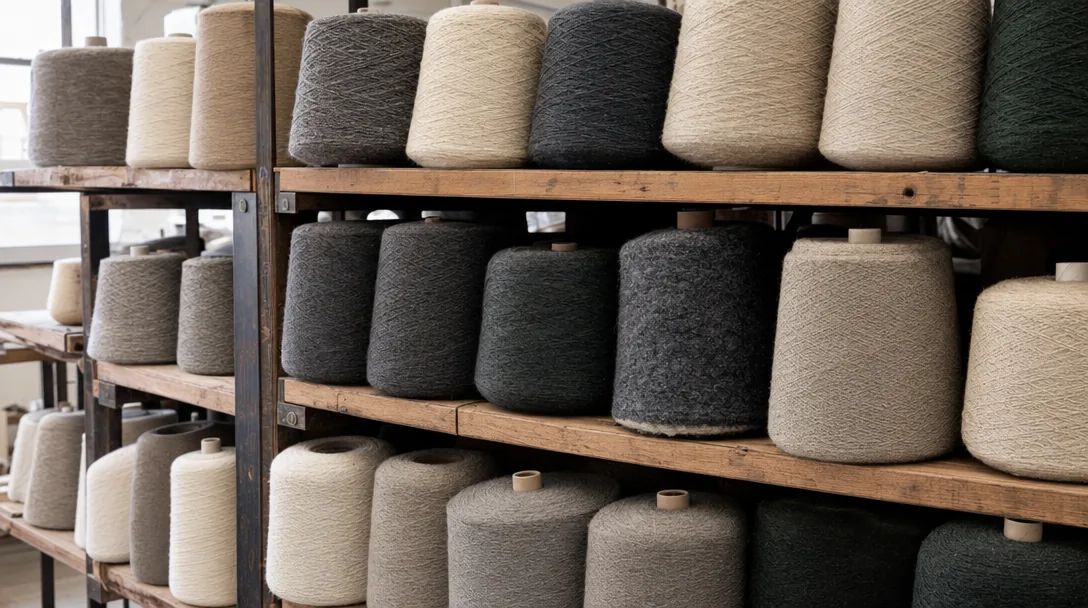
Corduroy Hat Men's: Properties, Costs and How to Spec It Right - Cost & MOQ Breakdown - 2026 Buyer's Guide is one of the most-asked questions we receive from international buyers, and for good reason. With dozens of factories competing for your order and an alphabet soup of technical terms in every supplier quote, even experienced importers can feel lost. This guide consolidates what we have learned producing custom hats for clients in 40+ countries.
Bucket Hat Women
Most bucket-hat failures in corduroy are cutting and finishing problems, not silhouette problems. The spec has to lock down wale count, nap direction, weight, and shade tolerance before the first marker is made: 100% cotton 8-wale or 11-wale corduroy at 280-320 gsm is the commercial range I see most often, dyed to a Pantone TCX approval with bulk tolerance held to Delta-E 1.5 or tighter. If even one crown panel is flipped against nap, the same dye lot will read visibly darker under 3500-4000K store lighting, and buyers will call it a color defect, not a cutting defect. Construction should be written clearly: circular top crown, four side panels, brim width 5.5-7.0 cm, 6-8 rows of brim topstitching at 6-8 mm pitch, and 35-50 gsm woven fusible in the brim and crown top to stop collapse after shipping. Sizing and internal build matter more than most tech packs admit. Women’s bucket hats usually sell at 56-58 cm finished circumference with a tolerance of plus or minus 0.5 cm; for Japan and Korea, many brands narrow the sellable band to 55-57 cm and reject anything outside it. On heavier wale shell fabric, a 180-220 gsm cotton twill or brushed poplin lining keeps the crown from puckering and reduces the hot, bulky handfeel you get with self-fabric interiors. I would spec 0.7 cm seam allowance on crown joins, 10-12 SPI on lockstitch seams, and reinforcement at every eyelet or chin-cord anchor. If embroidery is added, wide wale corduroy needs proper underlay and pull compensation on Tajima or Barudan heads so the logo does not sink into the ribs; 3D puff is usually a mistake on a soft bucket crown. The same controls apply on a corduroy hat men's program because nap reversal, crocking, and wash shrinkage do not care about gender segmentation.
MOQ and cost are driven by fabric minimums and trim complexity far more than by sewing minutes. If you buy stock-color corduroy, 300-500 pcs per color is workable with many Zhejiang factories. If you want a custom Pantone TCX dye lot, mills typically ask for 800-1,200 meters per color, which converts to roughly 1,500-2,500 bucket hats depending on brim width, marker efficiency, and whether the lining is contrast or self-fabric. For 280-300 gsm cotton corduroy, a plain lined or unlined women’s bucket usually lands around $2.10-$3.40 FOB China at 500 pcs. Add flat embroidery, custom inner taping, woven label, metal eyelets, and a branded hangtag set, and the price moves to about $3.20-$5.20 FOB. Once you add retail folding, barcode stickers, and export carton testing, the hidden cents add up faster than most buyers expect. Inspection should focus on defects unique to corduroy, not just generic sewing faults. I would check nap direction by panel, brim waviness caused by uneven topstitch tension, crown-top puckering, seam grin on curved joins, embroidery centering, and shade segregation by roll before cutting. AQL 2.5 is still the normal release level, but for fashion retail the workable plan is critical 0, major 2.5, minor 4.0. Our standard practice is to pre-shrink shell fabric and hold post-wash dimensional change under 3% before bulk cutting; without that step, circumference drift and brim distortion show up after the first consumer wash. Any supplier quoting corduroy hat men's or women’s bucket styles should be able to explain marker planning by wale direction, crocking test results, and how they control lot-to-lot shade variation. If they cannot answer that in plain terms, they are guessing.
Camouflage Bucket Hat
A camouflage bucket hat is not a simplified version of a corduroy hat men's program; it fails for different reasons and has to be specced accordingly. Most factories build it in 180-240 gsm cotton twill, 210-230 gsm ripstop, or brushed chino, with 35-60 gsm woven fusible in the brim and sometimes the sidewall to hold shape after packing. The real risk is shade and print control. Camouflage yardage often drifts between dye lots, and if the crown, brim, and top button are cut from different rolls, the mismatch shows immediately under retail LEDs. If you care about a clean sellable look, write into the tech pack whether seam matching is required at the side seam and brim join; if you do not, the cutting room will prioritize marker yield and you will get random pattern interruption. Lock fabric content, gsm tolerance at +/-5%, brim width, crown depth, stitch rows, and sweatband material against an approved strike-off, and if you are matching to Pantone TCX references, keep Delta-E under 1.5 on the dominant olive, khaki, or black tones.
Construction is straightforward, but consistency is where bucket hats get rejected. Panels are usually sewn on single-needle lockstitch and feed-off-the-arm machines; eyelets are either embroidered or press-set metal, and decoration is typically flat embroidery, woven patch, TPU patch, or screen print depending on target FOB. If embroidery runs over camouflage, specify backing weight and thread type. In practice, 120D polyester performs better than low-grade rayon because the sheen is lower and registration stays cleaner on dark, broken grounds; on Tajima or Barudan heads, poor backing selection is what causes tunneling and brim distortion. A realistic China price for stock camo twill with a woven label is about US$2.20-$3.60 FOB at 300-500 pcs per colorway. Add custom camo artwork, seam matching, or dense embroidery and the workable MOQ usually moves to 600-1,200 pcs, with FOB closer to US$3.80-$6.20. QC should focus on circumference tolerance within +/-0.5 cm, brim symmetry, lot-to-lot shade variation, and post-pack recovery, ideally under AQL 2.5 with a 24-hour carton compression check, because those are the defects that kill repeat orders.
Organic Cotton Newborn Hat
For an organic cotton newborn hat, the failure point is compliance, not styling. Write the spec at fiber and chemical level: 100% organic combed cotton jersey at 180-220 gsm is standard for single-layer caps, 1x1 rib at 190-230 gsm gives better recovery, and interlock at 220-260 gsm keeps shape after repeated home laundering. Do not treat GOTS and OCS as interchangeable. OCS verifies organic fiber content only; GOTS also controls dyestuffs, auxiliaries, printing pastes, wastewater handling, and factory processing records, which is what matters for a skin-contact infant item. I would lock the lab standard at azo-free dyes, no added formaldehyde, pH 4.0-7.5 after finishing, saliva and perspiration colorfastness minimum grade 4, and nickel release compliance if snaps are unavoidable. Needle detection after packing should be mandatory, not optional.
Construction needs to be flatter, cleaner, and softer than anything acceptable on an adult cap. Use 32s or 40s yarn count for a smoother inner handfeel, then build with flatlock or low-bulk coverstitch seams so the forehead and crown do not chafe. Most reliable factories cut 4-panel or 6-panel shapes from tubular knit and finish with self-fabric binding or a turned hem instead of elastic, because elastic leaves pressure marks and creates fit variation across 0-3 month and 3-6 month size bands. Decoration should stay restrained: the dense fill embroidery that works on a corduroy hat men's style will pucker baby knit and leave a stiff backing against the head. Better choices are water-based print, a small satin-stitch motif with soft cover backing, or a sewn label positioned away from the nape. Our standard practice is to hold shrinkage at +/-3% after one wash, fabric weight at +/-5%, and head-opening tolerance within +/-0.5 cm before bulk approval.
Cost is driven more by certification, dye-lot efficiency, and packaging compliance than by sewing minutes. For stock certified organic jersey, 500-1,000 pieces per color is realistic; once you move to custom-dyed certified fabric, mills usually want 1,500-3,000 pieces per shade because short GOTS dye lots are inefficient and harder to keep within Delta-E 1.5 to approved Pantone TCX. In 2026, FOB China is typically $0.85-$1.40 for a basic single-layer jersey newborn cap and $1.20-$1.90 for interlock or double-layer construction, with another $0.06-$0.18 for compliant trims, fold card, barcode sticker, or recycled polybag with warning copy. Inspection should be run as infant product under AQL 2.5, with extra attention on seam roping, panel shade variation, torque after wash, neps, knitting oil marks, skipped stitches, and head-opening variance. That is why brands with a core corduroy hat men's program should not quote newborn organic hats as a simple extension of their regular cap line: the paperwork is tighter, embellishment tolerance is lower, and the practical defect threshold is stricter even when formal AQL stays the same.
Beanies for Men
Beanie costing sits on a different factory logic than a corduroy hat men's program, so buyers should not benchmark the two by silhouette alone. The mainstream men’s beanie builds are 12GG or 7GG rib knits in 100% acrylic, cotton-rich single-jersey tubes cut and sewn, and full-fashioned styles in merino blends, recycled polyester, or combed cotton. A basic acrylic cuff beanie at 70-90 g usually lands around $1.10-$1.85 ex-factory at 500 pcs per color when you use stock yarn; a 95/5 cotton-spandex jersey version is more often $1.80-$2.80 because cutting, overlock seaming, and wash-stability control add labor and reject risk. Once you specify RWS merino, GRS-certified recycled yarn, or custom shades matched to Pantone TCX, the cost increase comes as much from dye-lot control and documentation as from fiber price. MOQs also behave differently. Stock-yarn acrylic programs can run efficiently at 300-500 pcs per style/color, but custom dyeing is usually uneconomical below 800-1,000 pcs because mills do not want 20-30 kg lots with shade liability. A usable spec sheet needs gauge, yarn composition, yarn count, finished weight, relaxed width, body height before cuff, cuff depth, top closure type, and stretch-recovery target. For a standard adult cuff style, I would lock 21-23 cm relaxed width, 20-22 cm body height, 7-8 cm cuff depth, and color tolerance within Delta-E 1.5 to approved lab dip under D65. If the beanie is merchandising beside a corduroy hat men's capsule, align trims, barcode placement, and carton dimensions early; knit goods compress flatter, which changes DDP freight per unit enough to affect margin planning.
Most beanie failures are predictable, which is exactly why they become expensive when the tolerances are vague. On jersey beanies, the repeat issues are spiraling side seams, torque after washing when cotton content exceeds 50%, and skewed graphics applied before final blocking. On rib knits and full-fashioned styles, the weak points are cuff-join mismatch, dropped stitches around the crown, top-closure asymmetry, and poor stretch recovery after one wash cycle. I would inspect to AQL 2.5 with measurement tolerance at plus/minus 1 cm, require pilling performance of at least grade 3-4 after 2,000 Martindale rubs for retail programs, and verify shade continuity by lot rather than carton because knit shading often hides until units are floor-set together. Decoration is where buyers underestimate technical risk. Direct embroidery on Tajima or Barudan heads can distort a loose rib structure once the file gets past roughly 5,000-6,000 stitches, especially on 12GG acrylic with low fabric density; backing helps, but a woven patch, silicone label, or faux-leather deboss patch usually gives a cleaner result. The failure profile is simply not the same as a corduroy hat men's cap, where you worry more about wale direction, visor symmetry, crown shape, and embroidery registration on structured panels. Our standard practice is to approve packaging, Pantone standards, labels, and compliance files together across both categories under the same sedex-audit-cap-supplier-guide.html">BSCI 2.0 or Sedex SMETA 4-Pillar record, because the admin duplication costs real time even when the beanie itself looks like a simple add-on SKU.
Corduroy Hat Wholesale
Wholesale success on a corduroy hat men's program is decided at the fabric stage, not after the first sample. Lock three variables in the PO: wale count, finished gsm, and nap direction. I treat 8-wale as a fashion-forward wide rib, 11-wale as the commercial sweet spot, and 14-wale as the cleanest option for smaller front logos and tighter seam appearance. Most cap-ready shells run 220-320 gsm in 100% cotton corduroy; once you add 2-3% spandex, crown height and front-panel tension can drift several millimeters after blocking, so the pattern has to be adjusted before bulk. The most expensive avoidable defect is mixed nap orientation across panels. Under retail LED lighting, one reversed side panel reads like a shade mismatch even when the dye lot is technically correct. A usable tech pack for corduroy has to specify more than “6-panel dad cap.” Call out crown height in millimeters, visor curve, buckram weight, sweatband material, eyelet construction, top-button material, and closure hardware finish. Embroidery also needs its own instructions because corduroy swallows detail between the ribs. On Tajima, Barudan, or ZSK heads, we usually reduce fill density, increase pull compensation, and add water-soluble topping film to stop stitches from sinking into the wale channels. For color, approve shell fabric to Pantone TCX and thread to Pantone Solid Coated, then hold lab dips to Delta-E 1.5 or better when multiple SKUs need to sit together on shelf; dark olive, rust, and navy show hue drift much faster than black.
Pricing on corduroy hat men's wholesale is driven by material planning and decoration count more than by silhouette names like “dad cap” or “snapback.” For stock corduroy colors, the realistic MOQ is usually 144-300 pieces per colorway. Once you switch to custom-dyed fabric, mills in Zhejiang commonly ask for 500-1,000 meters per color, which translates to roughly 800-1,500 caps depending on marker yield, crown profile, and visor cutting loss. A standard 2026 China-made cap with flat embroidery, woven flag label, inner taping, and a basic metal buckle typically lands around $3.20-$5.80 FOB Ningbo or Shanghai. Add wide-wale fabric, applique, metal badge, printed seam tape, custom lining, or garment wash, and the range moves quickly to about $6.50-$9.50 FOB. Quality control should target the defects corduroy actually creates: nap mismatch, rib crushing around embroidery, seam slippage at side panels, visor asymmetry, and lot-to-lot shading. AQL 2.5 is normal for commercial bulk, but for fashion or licensed programs I would hold front-logo placement to +/-2 mm and check center-front wale alignment seam by seam. Dark colors such as black, forest, and navy also pick up compression marks in transit, so crown inserts or top-fill are worth specifying in the packing method. Our standard practice is to verify stitch-per-inch consistency, closure pull strength, sweatband staining, and embroidery registration after 24 hours out of carton, then review crocking, perspiration, and light-fastness data alongside current BSCI 2.0 or Sedex SMETA 4-Pillar records before bulk approval.
Wholesale Hat Manufacturers Usa
Most buyers searching wholesale hat manufacturers usa are not evaluating the same manufacturing model. In this segment, “USA-made” often means imported cap bodies with domestic embroidery, heat transfers, labeling, or final packing, while full cut-and-sew remains in China, Vietnam, or Bangladesh. For a corduroy hat men's program, that distinction matters because corduroy is less forgiving than chino twill or brushed cotton. Wale direction has to stay consistent across crown panels and visor top, the nap will shift shade under retail lighting, and front panels can torque if the fabric was spread and cut before full relaxation. Any shop worth qualifying should be able to explain 4-point roll inspection, shrinkage testing after steam or enzyme wash, and how its marker keeps nap running one direction. If they cannot talk clearly about nap control, they are decorating hats, not engineering them. Embroidery is the next hard filter. A logo that runs clean on 10 oz twill can collapse on 8-wale or 11-wale cotton corduroy unless the digitizer changes underlay, pull compensation, and stitch density to stop satin columns from sinking into the ribs. Ask what machines they run—Tajima, Barudan, or ZSK are all fine—but machine brand matters less than whether the operator knows how to stabilize a 280-320 gsm fabric with proper backing and hoop tension. Also ask about buckram weight, crown profile, and pressing temperature. We routinely see shops glaze the face or flatten the ribs because they press corduroy like standard cotton canvas. Domestic assembly does not correct weak fabric handling upstream.
Cost problems usually start in the tech pack, not in the quote. For corduroy hat men's styles, lock down fabric composition, wale count, and finished weight: 100% cotton 8-wale at 300 gsm behaves very differently from a 240 gsm cotton/poly cord. Specify Pantone TCX references for shell and thread, state whether lab dips must hold Delta-E under 1.5 or 2.0, and confirm whether post-sew enzyme wash is allowed because it can shift shade and shrinkage. You also need crown construction, visor board type, sweatband material, closure hardware finish, seam tape spec, SPI target, and finished measurements with tolerances. On corduroy, 3% to 5% shrinkage is normal enough that sloppy pretesting will show up later as fit drift, uneven crown height, and visor mismatch. Pricing in the USA channel usually splits into stocked blanks plus decoration versus true custom assembly. Decorated blanks often work at 48-144 pcs per color, with embroidery around $1.10-$2.80 per location depending on stitch count, backing, and setup; finished units commonly land near $6.50-$11.00 ex works. Full custom cut-and-sew is rarely efficient below 300-500 pcs per colorway, and 1,000 pcs is typically where fabric yield and trim amortization start improving. By comparison, a basic 6-panel corduroy cap in Asia usually runs about $4.20-$7.50 FOB before duty and inland freight. CrownsForge normally inspects this category at AQL 2.5, focusing on defects that actually affect sell-through: twisted wale lines, visor asymmetry over 3 mm, seam grin, crushed ribs from over-pressing, weak back-tacks on strap closures, and embroidery detail lost in the nap. Those checkpoints tell you more than a supplier's “USA” claim.
Working with CrownsForge for corduroy hat men's programs
The make-or-break point in a corduroy hat men's program is pre-production control, because corduroy magnifies mistakes that ordinary cotton twill will forgive. Wale direction shifts apparent shade under warehouse and daylight conditions, pile crush changes perceived embroidery depth, and a crown that looks balanced on a PDF can torque once the ribs wrap over a curved 6-panel block. For stocked 8-wale or 11-wale 100% cotton corduroy in the 280 to 320 gsm range, a realistic prototype lead time is 5 to 7 working days. If the cap needs custom dyeing to Pantone TCX, branded inside tape, a suede peak underbill, or a nonstandard mid-profile block, 7 to 12 working days is the honest window. First samples usually run $35 to $65 including digitizing, pattern setup, and one basic revision; trying to squeeze that lower usually means shortcuts on panel matching or trim substitutions.
Pricing only becomes reliable when the spec is locked at fabric-lot level. FOB on a men’s corduroy cap is typically $3.80 to $6.90, but that spread is driven by real variables: wale count, gsm, closure hardware, visor board, sweatband quality, and decoration method. A 280 gsm narrow-wale body with self-fabric strap and direct embroidery is a different build from a 320 gsm wide-wale cap with plastic snap, cotton twill sweatband, woven flag label, and printed seam tape. Bulk MOQ is normally 144 pcs per colorway for a straightforward unstructured style; 72 pcs can work for test runs, but expect a $0.25 to $0.60 unit increase because fabric utilization, setup, and trim loss get worse below full marker efficiency. At CrownsForge, we lock nap direction, fabric lot, stitch count, and visor board before PP approval, because changing any of those after cutting is exactly how you end up with shade variation, crown imbalance, or a failed final at AQL 2.5.
Decoration is where most claims on corduroy hat men's orders start, especially when buyers treat corduroy like a flat canvas. On Tajima, Barudan, or ZSK heads, the ribs pull stitch columns off line and swallow fine detail, so we usually lower fill density, widen satin columns, and adjust underlay to keep the artwork sitting above the pile instead of tunneling into it. Small counters under 1.2 mm and thin serifs are risky on direct embroidery; woven patches, tackle twill, chain stitch, or leatherette badges generally hold detail better and reduce rework. The cost change is not dramatic but it is real: moving from direct embroidery to a woven patch with merrow edge and heat-applied backing usually adds about $0.18 to $0.45 FOB per piece, depending on patch size and stitch count. Good execution also means locking Pantone references, fabric lot number, crown height tolerance, bill curve, closure finish, and carton pack-out before cutting, then checking in-line at roughly 20% to 30% sewing completion. That is the cheapest stage to catch seam grin, visor asymmetry, closure mismatch, or embroidery drift before those defects turn into a shipment problem.
Frequently Asked Questions
Can I order a sample before bulk production?
Yes. We strongly recommend approving a pre-production sample before mass production. Samples are charged at 35 to 60 USD each plus express shipping, fully refundable against confirmed bulk orders over 500 pieces.
Do you support sustainability certifications?
Yes. We work with GOTS organic cotton, GRS-certified recycled polyester, OEKO-TEX Standard 100 fabrics, and are BSCI and Sedex audited. Certification documentation can be provided per order.
How long does production take?
Sampling takes 7 to 12 days. Bulk production runs 20 to 30 days depending on quantity, fabric availability and decoration complexity. Inspection and packing adds another 3 to 5 days before shipment.
What file format should I send for my logo?
Vector files (AI, EPS, PDF) are ideal. High-resolution PNG or JPG at 300 dpi on transparent background works as a fallback. Provide Pantone color references for accurate reproduction.
Which shipping methods do you support?
We support FOB, CIF and DDP shipping. Air express for samples and small orders, sea LCL for 100 to 500 pieces, sea FCL for 5,000+ pieces. Door-to-door DDP available for US, EU, UK, Canada and Australia.
What should buyers know about organic cotton hat?
When evaluating organic cotton hat, the key considerations are construction quality, decoration capability, MOQ flexibility and lead time. Cover everything buyers ask about organic cotton newborn hat: how it's manufactured, what specs to request from a factory, typical MOQ and pricing, common quality issues to inspect for, and how this ties back to the broader corduroy hat men's sourcing decision. Cover everything buyers ask about bucket hat women: how it's manufactured, what specs to request from a factory,…
What should buyers know about cotton beanie men?
When evaluating cotton beanie men, the key considerations are construction quality, decoration capability, MOQ flexibility and lead time. Cover everything buyers ask about organic cotton newborn hat: how it's manufactured, what specs to request from a factory, typical MOQ and pricing, common quality issues to inspect for, and how this ties back to the broader corduroy hat men's sourcing decision. Cover everything buyers ask about bucket hat women: how it's manufactured, what specs to request from a factory,…
What should buyers know about men's corduroy bucket hat?
When evaluating men's corduroy bucket hat, the key considerations are construction quality, decoration capability, MOQ flexibility and lead time. Cover everything buyers ask about bucket hat women: how it's manufactured, what specs to request from a factory, typical MOQ and pricing, common quality issues to inspect for, and how this ties back to the broader corduroy hat men's sourcing decision. Cover everything buyers ask about camouflage bucket hat: how it's manufactured, what specs to request from a factory,…
What should buyers know about organic cotton men's shirts?
When evaluating organic cotton men's shirts, the key considerations are construction quality, decoration capability, MOQ flexibility and lead time. Cover everything buyers ask about organic cotton newborn hat: how it's manufactured, what specs to request from a factory, typical MOQ and pricing, common quality issues to inspect for, and how this ties back to the broader corduroy hat men's sourcing decision. Cover everything buyers ask about bucket hat women: how it's manufactured, what specs to request from a factory,…
Ready to start your custom hat project?
Send us your tech-pack, sketch or even just an inspiration photo. We will respond with a detailed quotation and digital mock-up within 24 hours.
Request a free quoteRelated guides
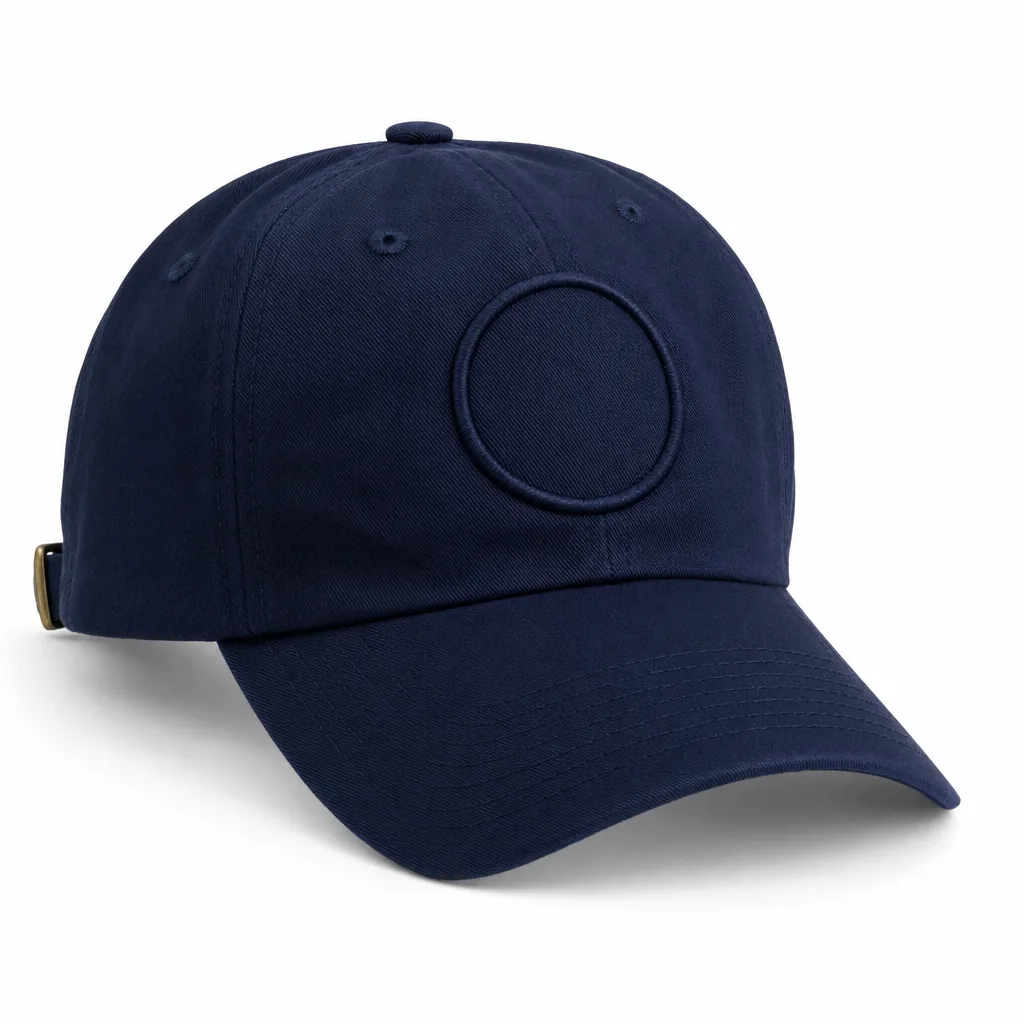
Ball Caps for Men: A 2026 Sourcing Playbook for International Buyers - Cost & MOQ Breakdown
Read article →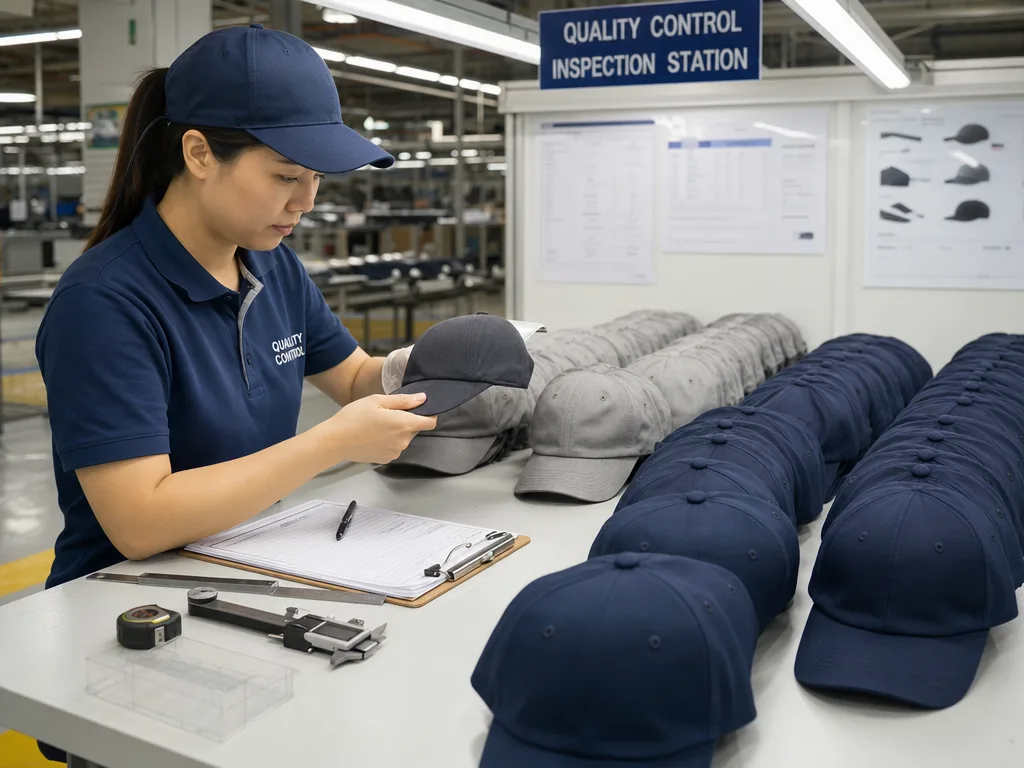
BSCI vs Sedex vs WRAP vs WCA: Compliance Audit Standards Compared (2026 Update) (2026 Update) (2026 Update)
Read article →
10 Questions to Ask a Cap Manufacturer on Your First Call - Supplier Checklist
Read article →We hope this guide demystifies corduroy hat men's: properties, costs and how to spec it right - cost & moq breakdown - 2026 buyer's guide and helps you move forward with confidence. If you have questions specific to your project, our English-speaking sales engineers are one message away.