
Corduroy Hat Men's: Properties, Costs and How to Spec It Right - 2026 Buyer's Guide
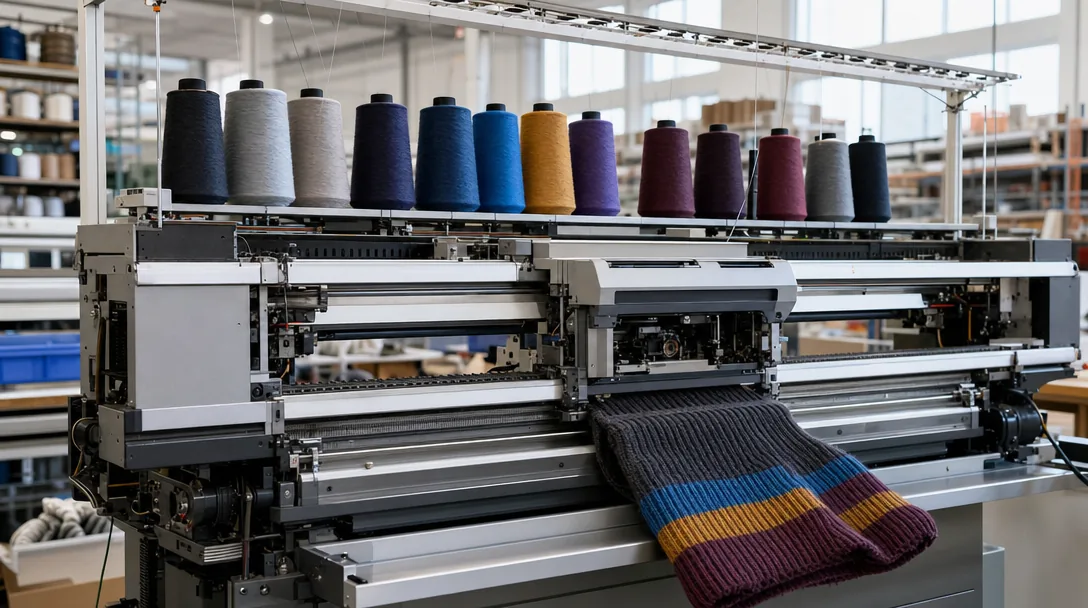
Corduroy Hat Men's: Properties, Costs and How to Spec It Right - 2026 Buyer's Guide is one of the most-asked questions we receive from international buyers, and for good reason. With dozens of factories competing for your order and an alphabet soup of technical terms in every supplier quote, even experienced importers can feel lost. This guide consolidates what we have learned producing custom hats for clients in 40+ countries.
Bucket Hat Women
Fabric specification is the first place bucket programs go wrong, because a bucket hat shows distortion and brim memory issues faster than a six-panel cap. For women’s styles, the reliable starting point is 8-wale or 11-wale 100% cotton corduroy at 220-280 gsm; below 200 gsm, the sidewall starts looking limp, and above 300 gsm, the brim gets bulky unless you reduce seam turn. If you need a cleaner brim roll, add a 40-60 gsm woven fusible interlining and hold brim edge topstitch tolerance within 0.8-1.2 mm, otherwise the edge will ripple after packing. A usable tech pack should call out crown height, brim width, sidewall angle, eyelet diameter, sweatband composition, lining method, and finished head circumference by size. That last point matters: most women’s buckets finish around 56-58 cm, while a typical corduroy hat men's size run lands closer to 58-60 cm, so copying a men’s stock block is an easy way to create return-heavy fit problems. If color accuracy matters, specify Pantone TCX and require shell-to-underbrim shade variation below Delta-E 1.5, because corduroy nap exaggerates even minor dye-lot drift under retail LED lighting.
Production only looks simple if the factory understands corduroy behavior. Nap direction has to run one way across crown, sidewall, and brim; reverse one panel and it reads like a different shade on shelf. Most factories cut bucket parts on straight-knife lays or die-cut blocks, then sew with single-needle lockstitch and feed-off-the-arm machines, keeping brim rows at roughly 6-8 SPI so the stitching stays flat instead of tunneling. Decoration should be done before panel assembly, usually on Tajima or Barudan heads, and any enzyme wash or garment wash needs a shrinkage test because finished circumference can move 3%-5%. In Yiwu or Dongguan, a solid custom women’s corduroy bucket in 100% cotton usually lands around $2.80-$4.60 FOB at 300-500 pieces per color; quotes under $2.30 usually mean lighter gsm, weaker wale definition, cheap sweatband binding, or inconsistent lining work. Inspection should focus on return drivers: brim waviness, crown seam torque, eyelet puckering, oil stains on light shades, and interlining bubbles after compression packing. AQL 2.5 is standard for majors, and dark shades like black, navy, forest, and burgundy should be tested for crocking and perspiration fastness because ribbed surfaces make dye transfer easier to spot on skin and hair-contact areas.
Camouflage Bucket Hat
Treat a camouflage bucket hat as a printed cut-and-sew program, not as a standard corduroy hat men's development. Most commercial bodies run in 210-270 gsm cotton twill, 220-240 gsm cotton ripstop, or 8-10 oz brushed canvas; genuine corduroy is uncommon because the wale breaks up print definition and adds bulk where the brim joins the crown. Print method is the first thing to lock down. Reactive printing on cotton gives materially better wash fastness, softer hand, and less crocking than cheap pigment print, which is usually where chalky surface feel and shade drift start. For polyester-rich shells, disperse printing is the correct route; if a supplier cannot explain reactive versus disperse, they are probably sourcing by price instead of substrate compatibility. A usable tech pack should freeze crown height, brim width, stitch-row count, seam-tape width, eyelet spec, fabric weight in gsm, and camo repeat size, then tie the dominant greens, browns, and blacks to Pantone TCX with lab-dip approval at Delta-E under 1.5. On the factory floor, the real control point is matching and stability after fusing, not the salesman’s pre-production sample. Side-seam pattern matching should stay within 3 mm, brim-edge waviness needs to be checked after topstitching, and roll segregation matters because mixing lots is how you get visible shade-banding between crown and brim panels. Cost is driven more by fabric availability and matching standard than by sewing minutes. Using stock camouflage yardage, MOQ is typically 300-500 pieces per colorway; a custom print usually starts at about 1,000 meters, enough for roughly 1,200-1,800 hats depending on marker efficiency and brim depth. At 500 pieces, a basic unstructured bucket in 100% cotton twill usually lands around $2.10-$3.60 FOB China; add woven labels, printed sweatband, stainless eyelets, all-over panel matching, or a small Tajima embroidery hit and the realistic range becomes $3.80-$5.20 FOB.
The common failures show up after finishing, not during stitching. Off-grain cutting twists the brim after washing, weak fusing on sub-220 gsm twill creates seam slippage, low-density backing under embroidery causes puckering, and carton over-compression can leave permanent brim distortion on softer constructions. Buyers should ask for test data, not promises: colorfastness to washing and rubbing, needle-control logs, and AQL 2.5 inspection records are the minimum. Circumference tolerance should be written clearly, usually within +/-0.5 cm, and brim width tolerance within +/-0.3 cm if you expect retail consistency across size runs. When eyelets are specified, rust resistance should be verified with a salt-spray result or at least a vendor compliance sheet, especially for outdoor programs. If you are sourcing camouflage buckets alongside corduroy hat men's styles, the camo order is a useful factory audit in disguise. A supplier that can control print placement, marker yield, lot segregation, and post-pack shape retention is usually better equipped to manage corduroy-specific risks like wale direction, nap shading, and seam impression at the brim bind. Our standard practice is to check finished buckets on a flat template after 24 hours out of carton because some brim distortion only appears after recovery from packing pressure. That kind of discipline matters more than showroom polish. A clean sample is easy; consistent bulk production is where the real factory shows itself.
Organic Cotton Newborn Hat
Compliance is where infant headwear programs fail, not on the organic claim itself. For any organic cotton newborn hat, require GOTS or OCS transaction certificates matched to the yarn lot, azo-free dyestuff declarations, and test reports covering CPSIA limits for the U.S. or REACH Annex XVII and EN 71-3 for the EU. Most workable fabrics sit in a narrow window: 1x1 rib or interlock at 180-220 gsm for shape retention, or single jersey at 150-170 gsm if you want a softer hand and accept more torque and shrinkage. Construction matters more than buyers think. The cleanest make-up is a 4-thread overlock with coverstitch or self-fabric binding at the opening; bulky seam joins, exposed overlock tails, and uneven binding are the defects parents notice first. If the mill proposes enzyme wash, peach finish, or silicone softener, write it into the tech pack because each one changes absorbency, pilling, and shrinkage after a 40°C home wash.
The spec sheet needs tighter tolerances than a basic adult knit cap. Call out finished circumference, crown height, opening recovery after 10 extension cycles, spirality, and wash shrinkage capped at 3%-5% depending on knit structure. For light baby shades, a lab dip tolerance of Delta-E 1.0-1.5 against Pantone TCX is realistic; anything looser reads visibly off under store LEDs. Decoration should stay flat and soft: water-based print, low-density embroidery with stitch height under about 0.35 mm, or a folded woven side-seam label. Avoid hard trims, hook tape, stiff backing, and oversized neck labels. A disciplined factory should finish on AQL 2.5 with extra checks on needle control, loose thread tails under 3 mm, seam slippage, and bowing. Those habits translate directly when the same vendor quotes a corduroy hat men's program, where the risk shifts from infant compliance to wale alignment, nap direction, panel shading, and pile crush during sewing and packing.
Pricing is driven by certification paperwork, knitting minimums, and trim complexity more than sewing minutes. A plain organic cotton newborn hat in certified rib or jersey usually lands around 1,000-2,000 pieces per color, with FOB China pricing in the $1.10-$2.20 range for a clean basic style. Add custom lab dips, contrast binding, printed gift packaging, or specialty trims and the number typically moves to $2.40-$3.20. Small trial runs at 300-500 pieces are possible, but most factories add a 15%-30% surcharge because certified fabric MOQ, document handling, and testing fees do not scale down well. That cost logic matters even if your core buy is corduroy hat men's. Buyers often place infant accessories and adult caps in one seasonal booking, and the factories that manage infant traceability well usually show better discipline on adult headwear too: cleaner needle-policy records, tighter shade control, and more reliable final inspection when corduroy introduces its own quality traps at the crown, brim, and seam lines.
Beanies for Men
For men’s beanies, construction discipline matters more than silhouette. A factory that knits the body on computerized 5G, 7G, or 12G machines and links the crown will give you cleaner shape retention than a shop cutting jersey tubes and closing them with an overlock side seam. The commercial baseline is still a 1x1 or 2x2 rib acrylic cuff beanie, but better cotton programs use 100% combed cotton or 95% cotton / 5% spandex in 28s/2 to 32s/2 yarn, typically finishing at roughly 180 to 260 gsm equivalent after steaming and relaxation. If the supplier only says “one size fits all,” the spec is incomplete. You need flat width, body height, cuff depth, opening circumference after relaxation, and a stretch-recovery tolerance, because cotton-rich knits commonly move 3% to 5% after steaming, packing, and 24 hours at rest. That matters when beanies sit inside a broader fall headwear range that also includes a corduroy hat men's program. Knit beanies and corduroy caps do not share machines, operators, or QC checkpoints, so any supplier handling both should show separate SOPs, fit blocks, and production calendars. The clean spec pack should call out yarn composition, machine gauge, finished weight, wash standard, Pantone TCX approval, and a Delta-E target under 1.5 if you are replenishing black, navy, or licensed team shades. In 2026, MOQ is usually 300 to 500 pieces per color for stock-yarn acrylic, while custom-dyed cotton or GRS recycled blends are more realistically 1,000 pieces and up. FOB China pricing is typically $1.10 to $1.90 for entry acrylic and $1.80 to $3.20 for a solid mid-grade cotton beanie.
Inspection failures on men’s beanies are predictable and usually start with poor tension control or lazy finishing. The defects I see most often are uneven rib tension, crown puckering, cuff roll memory, embroidery distortion, and shade banding between dye lots; cut-and-sew knit styles add twisted side seams and skewed grain. Run inspection at AQL 2.5 for major defects and measure body height, opening width, cuff depth, and logo placement across multiple cartons, not just top-layer samples, because knit variance only shows up once the hat is stretched on head. If embroidery is applied to the cuff, put stitch count, backing type, and maximum logo area into the tech pack. A folded cuff will usually hold a 5,000 to 8,000 stitch logo on Tajima or Barudan heads, but dense fills on soft cotton can tunnel unless the underlay and stabilizer are tuned properly. This is also where factories overstate capability when they quote both knitwear and a corduroy hat men's line. A woven cap line and a knit beanie line use different technicians, different machines, and different failure controls, so subcontracting has to be disclosed before sampling, not after PO placement. Ask whether knitwear is made in-house, how shade lots are locked across repeat orders, and whether the actual knitting unit is covered under sedex-audit-cap-supplier-guide.html">BSCI 2.0 or Sedex SMETA 4-Pillar rather than only the trading office. Good suppliers answer with gauge charts, lot-control records, and clear SOPs. Vague claims usually lead to fit drift, color mismatch, and harder claim resolution once production is split across multiple workshops.
Corduroy Hat Wholesale
Wholesale margins on a corduroy hat men's program are won or lost before the first sample is cut. The three specs that matter most are wale count, fabric weight, and nap direction. For most 5-panel and 6-panel silhouettes, 8-wale or 11-wale 100% cotton corduroy at 220-280 gsm gives enough body for an unstructured crown without creating ropey seam buildup; if you need a cleaner A-frame or higher-profile front, move to 280-320 gsm and add 30-50 gsm woven fusible to the two front panels. Color control needs to be written into the PO, not handled by eye after bulk arrives. Most Zhejiang and Jiangsu mills dye to Pantone TCX after weaving, so a realistic tolerance is Delta-E under 2.0 for a first order and under 1.5 on repeats with approved bulk swatches. Nap direction is the non-negotiable point: crown panels, visor top, underbrim if matching, and button all need to run the same way, or the cap will read as two shades under retail LED lighting.
Corduroy exposes weak sewing and bad decoration faster than brushed twill or canvas, so the spec sheet should lock down composition, wale count, gsm tolerance at +/-5%, crown height, visor length, stitch count, closure, sweatband, seam tape, eyelet construction, and decoration method. Direct embroidery on wider wales often drops stitches into the channels unless the factory is running proper underlay, reduced density, and a well-tuned Tajima, Barudan, or ZSK head; for small lettering under 4 mm, woven, twill, microfiber suede, or PU patches are usually cleaner. Sampling should include a fit sample first, then a PPS made in bulk corduroy rather than lab-dip yardage because finish and nap can change the hand feel and crown shape. Typical MOQ is 144-300 pieces per color in stock-dyed fabric, while custom dye lots usually start around 500-1,000 meters, pushing practical hat MOQ closer to 800-1,500 units. A basic China-made corduroy cap usually lands around $2.80-$4.20 FOB at 300 pieces; add applique, custom inner tape, metal buckle hardware, woven labels, and branded packaging, and the real working range is more often $4.80-$6.50.
Final inspection on a corduroy hat men's order should focus on defects ribbed fabric makes impossible to hide: nap shading, broken wales, seam grin on the front crown, visor twist, panel bowing, pressure marks from packing, and embroidery distortion between ribs. I would run bulk at AQL 2.5 overall, but hold front-panel appearance closer to AQL 1.5 for premium retail because that is where returns and chargebacks start. Ask for dry and wet crocking results, especially on dark olive, navy, burgundy, and black paired with light sweatbands, and confirm dimensional stability after light steaming since some finished lots skew or torque slightly. Packing is not a minor detail here. If a soft corduroy cap is overpacked, the ribs crush, the crown flattens, and the nap takes pressure marks before the cartons even clear destination customs. Saving $0.40 per cap means nothing if shaded panels, off-nap visors, or crushed crowns force markdowns across the full order.
Wholesale Hat Manufacturers Usa
Most searches for wholesale hat manufacturers USA blur three different business models: real domestic cut-and-sew factories, U.S. decorators buying imported blanks, and trading companies placing offshore orders. For a corduroy hat men's program, that distinction affects the product long before embroidery starts. A competent supplier should specify shell construction immediately: 8-wale or 11-wale cotton corduroy, typically 280-320 gsm, fiber blend, reactive-dyed versus pigment-dyed finish, underbill fabric, sweatband composition, visor board stiffness, and whether the front panel uses low-shrink fusible backing to stabilize embroidery. If they cannot tell you seam allowance, stitch density, shrinkage after wash test, or whether sewing runs on Juki lockstitch, Pegasus overlock, and Tajima or Barudan heads, they are not controlling manufacturing in any serious way. The spec sheet is where weak corduroy orders get caught early. Lock in Pantone TCX targets for shell and thread, lab dip approval, and a reorder tolerance of Delta-E under 1.5 if the style will repeat seasonally. Add crown height in millimeters, visor length and curvature, seam tape color, eyelet finish, closure type, sweatband material, stitch count, and embroidery area, because cord ribs telegraph distortion faster than brushed twill. QC should include a sealed pre-production sample plus final inspection at AQL 2.5, with checkpoints for nap direction mismatch, crushed wale, eyelet puckering, uneven brim sandwiching, loose bartacks, and embroidery pull that tunnels across the ribs. If the cap is sewn offshore but sold in the U.S., verify CPSIA traceability, Prop 65 disclosure where applicable, and current BSCI 2.0 or Sedex SMETA 4-Pillar records from the actual factory, not just the sales office.
MOQ and pricing usually reveal whether a supplier understands custom headwear or is just reselling a standard blank. Many U.S. decorators quote 144-288 pieces per colorway on a corduroy hat men's order, but that often means fixed cap bodies with limited control over wale direction, shell weight, visor profile, and internal construction. Direct factory production offshore usually starts at 300-500 pieces per style-color, with materially better efficiency at 1,000 units once fabric utilization, embroidery digitizing, and trim purchasing stabilize. In practical 2026 buying terms, a basic 6-panel unstructured corduroy cap with flat embroidery is commonly $3.20-$5.80 FOB China; the same design decorated in the U.S. from imported blanks often lands at $8.50-$14.00 delivered, while true domestic cut-and-sew regularly exceeds $12.00 before freight. Unit price alone is a poor buying metric in this category. Saving $0.60 per cap means nothing if the supplier substitutes soft PE visor board, inconsistent nap alignment, weak hook-and-loop, or skips shrinkage control on the shell. Those shortcuts show up as crown collapse, color drift, and returns. The better filter is production control: transparent fabric sourcing, documented construction specs, realistic sampling in 7-10 days, and bulk lead times around 25-35 days after approval. If the brand requires a USA-made label, budget for it deliberately. If the real priority is repeatable quality, stable color, and fewer QC surprises, a disciplined offshore factory with clean FOB or DDP execution is often the lower-risk commercial choice.
Working with CrownsForge for corduroy hat men's programs
Most corduroy hat men's programs go off track at the spec stage, not the sewing line. The expensive mistake is pairing the wrong wale, front-panel structure, and logo method, then discovering at bulk that the cap reads limp, bulky, or uneven across colorways. For commercial men’s styles, 8-wale to 11-wale cotton corduroy in the 260-320 gsm range is usually the safest window: lighter fabric tends to collapse on a 6-panel unstructured crown, while heavier cloth resists a clean visor wrap and can telegraph seam bulk at the front curve. A first prototype normally takes 7-10 calendar days; if the tech pack includes custom die-cast metal trims, enzyme wash approval, or branded internal tape and labels, 10-14 days is more realistic. First orders also need rational MOQ planning. Around 100-144 pieces per colorway is where setup costs start behaving, because embroidery digitizing, label packs, size stickers, polybag labels, and carton marks are no longer being spread over too few units. Trim complexity drives cost faster than shell fabric: a plain cap may stay lean, but custom jacquard sweatbands, contrast seam tape, metal adjusters, and branded hangtags can add roughly $0.35-$0.90 per cap before freight or duty.
Decoration has to respect pile direction and rib height, or a corduroy hat men's style looks cheap the moment it comes out of the carton. Flat embroidery on Tajima or Barudan heads works well on medium-wale cotton corduroy if underlay stays light, stitch density is opened slightly, and minimum text height stays above about 3.0 mm. Once the artwork gets dense, twill applique or woven patches usually hold cleaner edges and reduce needle drag marks across the ribs. 3D puff is only reliable on structured fronts with stable buckram; on soft crowns, the pile collapses irregularly and the foam edge reads wavy. Direct screen print is usually the wrong choice because fine detail breaks over the wale channels. Heat transfer can work on side or rear panels, but platen temperature and dwell time need tight control to avoid pile glazing and visible shade shift. The real risk control is milestone discipline: lab dip or strike-off approval, artwork sign-off, pre-production sample, inline inspection, and final audit at AQL 2.5. For EU, UK, and major U.S. retail programs, buyers should also ask for current BSCI 2.0 or Sedex SMETA 4-Pillar reports, REACH and azo screening where applicable, and fiber-content declarations for shell, sweatband, and labels. That paperwork matters because when a mill substitutes corduroy, even a small change in wale definition or shade can create chargebacks, with preventable failures often adding $0.18-$0.60 per cap before FOB is finalized.
Frequently Asked Questions
What file format should I send for my logo?
Vector files (AI, EPS, PDF) are ideal. High-resolution PNG or JPG at 300 dpi on transparent background works as a fallback. Provide Pantone color references for accurate reproduction.
How long does production take?
Sampling takes 7 to 12 days. Bulk production runs 20 to 30 days depending on quantity, fabric availability and decoration complexity. Inspection and packing adds another 3 to 5 days before shipment.
Can I order a sample before bulk production?
Yes. We strongly recommend approving a pre-production sample before mass production. Samples are charged at 35 to 60 USD each plus express shipping, fully refundable against confirmed bulk orders over 500 pieces.
What is the minimum order quantity (MOQ) for custom hats?
Our standard MOQ is 100 pieces per design and color, with sampling available from 1 piece. For complex multi-color logos or premium fabric upgrades, the MOQ can be lowered with a small per-piece surcharge.
Which shipping methods do you support?
We support FOB, CIF and DDP shipping. Air express for samples and small orders, sea LCL for 100 to 500 pieces, sea FCL for 5,000+ pieces. Door-to-door DDP available for US, EU, UK, Canada and Australia.
What should buyers know about organic cotton hat?
When evaluating organic cotton hat, the key considerations are construction quality, decoration capability, MOQ flexibility and lead time. Cover everything buyers ask about organic cotton newborn hat: how it's manufactured, what specs to request from a factory, typical MOQ and pricing, common quality issues to inspect for, and how this ties back to the broader corduroy hat men's sourcing decision. Cover everything buyers ask about bucket hat women: how it's manufactured, what specs to request from a factory,…
What should buyers know about cotton beanie men?
When evaluating cotton beanie men, the key considerations are construction quality, decoration capability, MOQ flexibility and lead time. Cover everything buyers ask about organic cotton newborn hat: how it's manufactured, what specs to request from a factory, typical MOQ and pricing, common quality issues to inspect for, and how this ties back to the broader corduroy hat men's sourcing decision. Cover everything buyers ask about bucket hat women: how it's manufactured, what specs to request from a factory,…
What should buyers know about men's corduroy bucket hat?
When evaluating men's corduroy bucket hat, the key considerations are construction quality, decoration capability, MOQ flexibility and lead time. Cover everything buyers ask about bucket hat women: how it's manufactured, what specs to request from a factory, typical MOQ and pricing, common quality issues to inspect for, and how this ties back to the broader corduroy hat men's sourcing decision. Cover everything buyers ask about camouflage bucket hat: how it's manufactured, what specs to request from a factory,…
What should buyers know about organic cotton men's shirts?
When evaluating organic cotton men's shirts, the key considerations are construction quality, decoration capability, MOQ flexibility and lead time. Cover everything buyers ask about organic cotton newborn hat: how it's manufactured, what specs to request from a factory, typical MOQ and pricing, common quality issues to inspect for, and how this ties back to the broader corduroy hat men's sourcing decision. Cover everything buyers ask about bucket hat women: how it's manufactured, what specs to request from a factory,…
Ready to start your custom hat project?
Send us your tech-pack, sketch or even just an inspiration photo. We will respond with a detailed quotation and digital mock-up within 24 hours.
Request a free quoteRelated guides
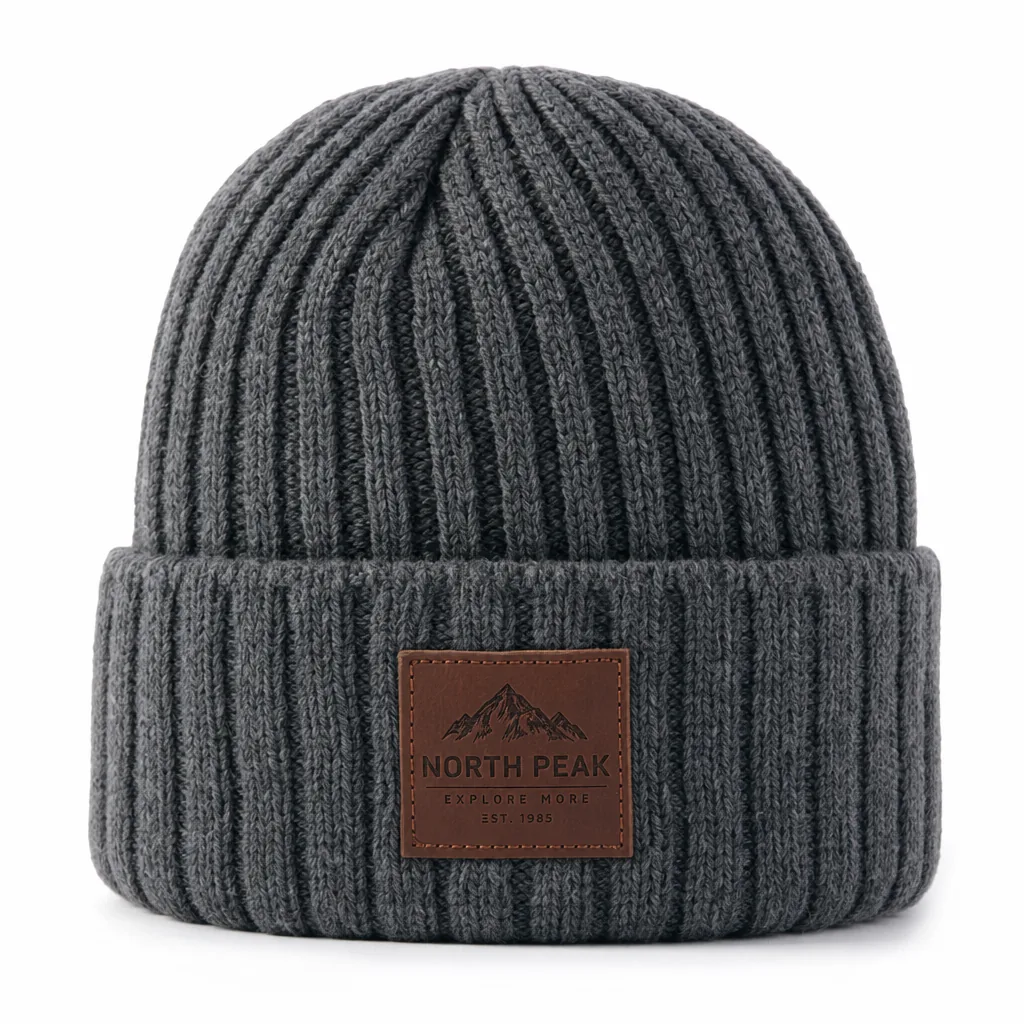
Custom Hats for Men: A 2026 B2B Sourcing Guide - 2026 Buyer's Guide
Read article →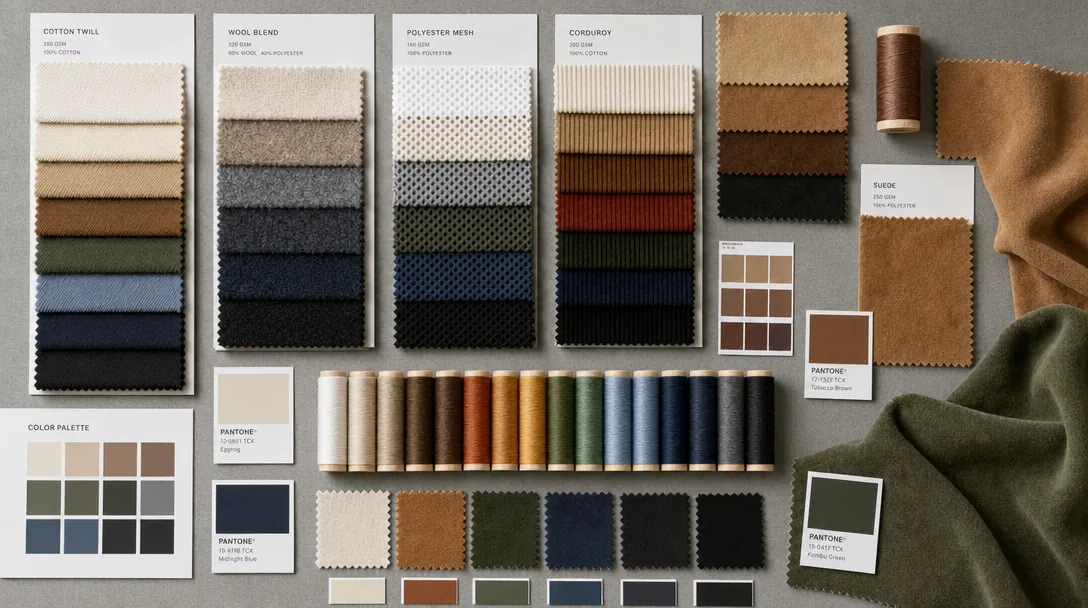
Slouchy Beanie: Properties, Costs and How to Spec It Right
Read article →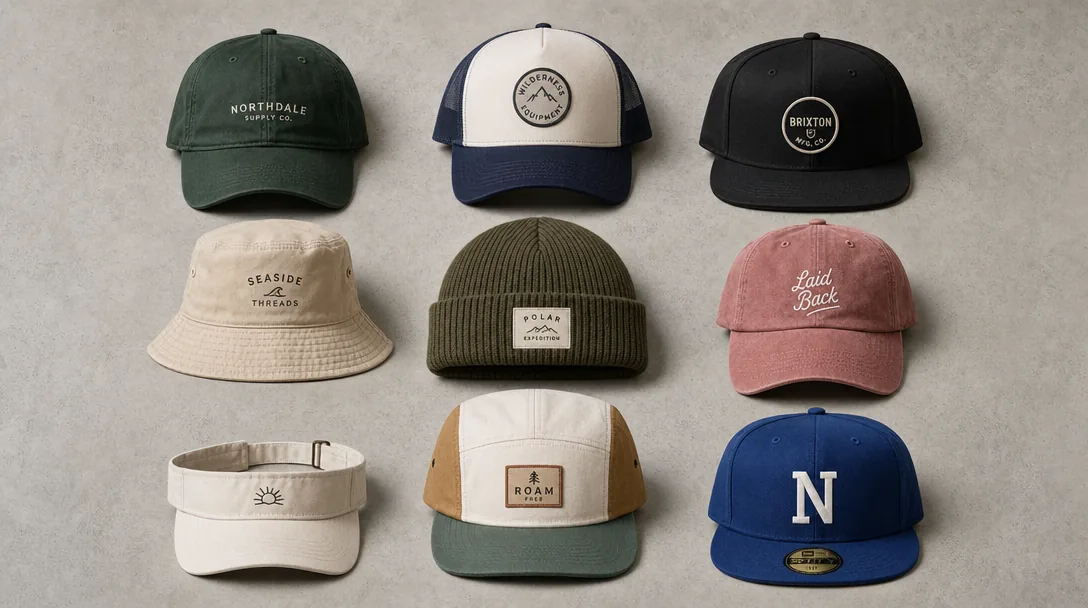
Launching a Hat Brand: Marketing Playbook for the First 12 Months
Read article →If you are ready to take the next step on corduroy hat men's: properties, costs and how to spec it right - 2026 buyer's guide, our team can put a tailored quotation and digital mock-up in your inbox within 24 hours. Send the inquiry form on our contact page or message us directly on WhatsApp.