
Slouchy Beanie: Properties, Costs and How to Spec It Right
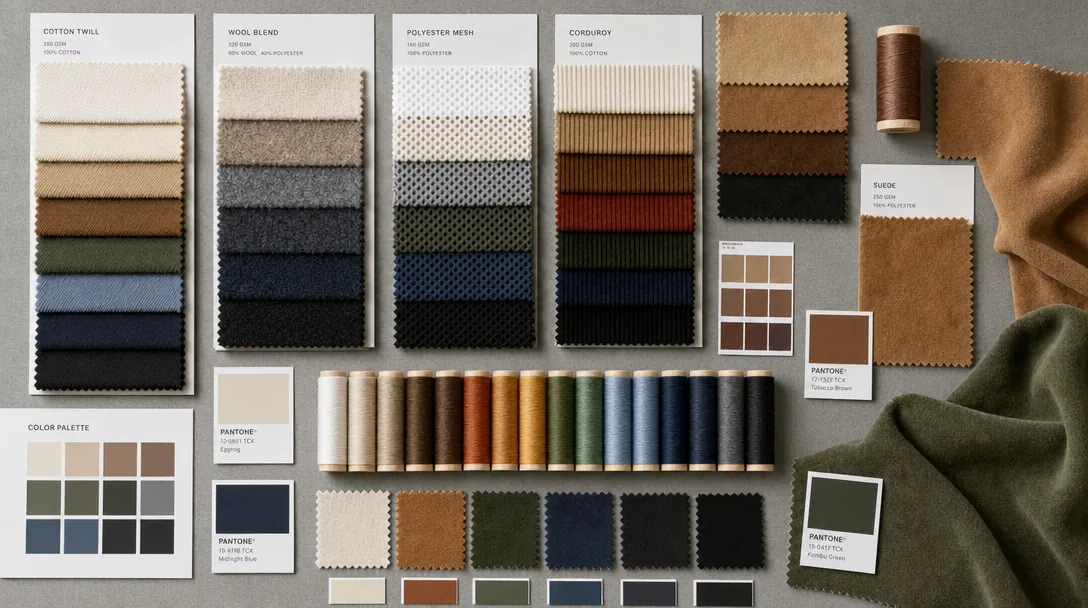
Slouchy Beanie: Properties, Costs and How to Spec It Right is one of the most-asked questions we receive from international buyers, and for good reason. With dozens of factories competing for your order and an alphabet soup of technical terms in every supplier quote, even experienced importers can feel lost. This guide consolidates what we have learned producing custom hats for clients in 40+ countries.
Black Beanie Hat
A black beanie hat is usually made from 1x1 or 2x2 rib knit acrylic, recycled polyester, cotton, or wool blends, then linked at the crown and fully linked or seam-closed after knitting. For a clean retail look, I ask factories for yarn composition, gauge, finished length, cuff depth, and stretch recovery targets, not just a color reference. Black is deceptive: it shows lint, dye inconsistency, and surface fuzz more than heathered colors, so the dye lot should be controlled to a Pantone TCX target and checked under daylight and D65 lighting. If the buyer wants a slouchy beanie, the pattern has to be taller with enough stitch density to drape instead of standing upright. That same factory discipline matters whether you are sourcing a corduroy hat vintage style, a bucket hat corduroy piece, or even a cotton twill baseball cap; different product families need different sewing and finishing controls.
Typical MOQ for a black beanie hat is 300 to 500 pieces per color and 1,000 pieces if you want custom jacquard, woven labels, or special yarns. Basic factory pricing for a plain acrylic style is often $1.20 to $2.20 ex-factory, while a wool blend, custom patch, or embroidered logo can move it to $2.50 to $4.00 depending on yarn cost and labor. If you want a true slouchy beanie profile, expect a slightly higher knit time and more waste on fit sampling because small changes in length or rib tension change the drape a lot. CrownsForge-style production normally treats this as a separate spec from promotional knit caps, because a hat that sits right on a mannequin can still feel too short on a head. This is also why buyers comparing bucket hat strings or a corduroy bucket hat should not assume the same MOQ or cost structure carries over.
The quality issues I inspect first are seam torque, crown symmetry, pilling after abrasion, cuff rebound, and shade variation across cartons. Black yarn will expose oil marks, needle burns, and uneven tension faster than most colors, so I want a preproduction sample, TOP sample, and a wash test if the handfeel matters. For retail orders, I also check label placement, measurement tolerance within +/- 1 cm, and whether the edge binding stays flat after repeated wear. The cleanest factories usually run Tajima, Barudan, or ZSK for decoration and keep knit finishing separate from the embroidery line, which reduces contamination and distortion. If the buyer is still deciding on a slouchy beanie versus a structured winter cap, the question is not only price. It is whether the factory can hold black consistency, stitch recovery, and carton-level QC at AQL 2.5 without turning the product into a generic promo item.
Cotton Beanie Men
A cotton beanie men style is usually a fully-fashioned knit, not a cut-and-sew cap. The factory will run combed cotton or a cotton/spandex blend through a 12-gauge or 7-gauge circular knitting machine, then link the crown, wash it for handfeel, and add a woven label, cuff label, or simple embroidery. For a proper slouchy beanie, the important dimensions are head opening, crown height, cuff depth, and target stretch recovery. I normally ask for the yarn count, knitting gauge, shrinkage after wash, and color matched to Pantone TCX, because cotton shades drift fast if the dye lot control is weak. CrownsForge’s standard practice is to confirm the finished circumference on a 58 cm head form before bulk approval, which catches a lot of fit problems early.
Typical MOQ is 300 to 500 pieces per color for a basic cotton beanie men order, with ex-works pricing around $2.10 to $4.80 depending on yarn quality, gauge, embroidery, and whether the wash is enzyme-softened or garment-dyed. Heavier yarn, custom jacquard, and tight color matching push the price up faster than buyers expect. If you are comparing it to a cotton twill baseball cap, the beanie often looks simpler but can be more expensive per unit because knit labor and shrink control matter more than panel sewing. Buyers who also source a corduroy hat vintage, bucket hat corduroy, bucket hat strings, or a corduroy bucket hat usually make the same mistake: they focus on silhouette and trim, then under-spec the core material and finish.
The quality checks that actually matter are shrinkage, twist, pilling, seam slippage at the link seam, and stripe or rib distortion after wash. I ask for a pre-production sample, then a 24-hour soak-and-dry test, because a beanie that looks right on the table can still come back 4 to 6 percent smaller and lose its slouch. Inspect the cuff edge for waviness, check that embroidery does not stiffen the front panel, and verify color consistency across cartons if the order uses multiple dye lots. For broader slouchy beanie sourcing, the decision is usually between softer handfeel and shape retention: if the buyer wants a relaxed drape, accept a looser knit; if the market wants a cleaner fit, tighten the gauge and specify a higher twist yarn so the slouchy beanie keeps its profile after repeated wear.
100 Acrylic Beanie
A 100 acrylic beanie is usually made on a computer-controlled flat knitting machine, then linked, washed, blocked, and finished with a woven label, embroidery, or a sewn-on patch. For a slouchy beanie, the factory should quote the gauge, yarn count, cuff height, crown length, and finished measurements after wash, because acrylic relaxes more than buyers expect. A typical spec might call for 5-7 gg knit, 2/28s or 2/32s acrylic yarn, 1x1 rib, and a body length of 28-32 cm with a 8-10 cm cuff if you want a true slouch. Our standard practice is to ask for color standards by Pantone TCX and lab dip approval before bulk, because acrylic dye lots can shift visibly under store lighting. Compared with a cotton twill baseball cap or a corduroy bucket hat, the knit beanie is less about panel construction and more about handfeel, stretch recovery, and whether the crown collapses cleanly instead of standing up like a helmet.
Buyers should ask for a real factory spec sheet, not just a photo sample. That means yarn composition at 100% acrylic, yarn supplier name, knit density, seam type, label size, and packaging details such as polybag thickness and carton count. MOQ is commonly 300-500 pieces per color for a stock knit pattern, but custom jacquard, special washes, or mixed colorways can push it to 800-1,000 pieces. In China, FOB pricing for a basic 100 acrylic beanie often lands around USD 1.20-2.20 depending on gauge, embroidery, and trim; a fully custom slouchy beanie with woven patch and branded hangtag can move to USD 2.50-3.80. For buyers comparing a bucket hat corduroy or corduroy hat vintage program, the beanie usually wins on lower tooling cost and faster lead time, but only if the spec is locked before sampling starts.
The main quality issues are pilling, uneven stitch tension, poor crown shaping, seam twisting, and color variation between runs. Acrylic that is too low grade will fuzz quickly after abrasion, so request a pilling test reference or at least a fiber supplier declaration, and check the sample after one wash and one stretch cycle. Inspect the cuff recovery, because a slouchy beanie that grows 2 cm in wear will fail on fit even if the knit looks fine on the table. For bulk inspection, AQL 2.5 is the normal baseline, and I would still flag loose linking, skipped needles, and yarn knots that show through the face. If the product line also includes a corduroy bucket hat or bucket hat strings style, keep the beanie spec separate so the factory does not cross-apply trim standards from woven caps; knitwear and caps fail for different reasons, and the slouchy beanie should be sourced on its own production logic.
Cotton Beanie Women
A cotton beanie women style is usually built on a circular knit body, then closed at the crown with a linking machine or overlock and finished with a folded cuff, woven label, or small embroidery patch. For a true slouchy beanie, the critical spec is not just the yarn content but the knit density and finished length. Ask for 100% combed cotton or a cotton/spandex blend, typically 180 to 260 gsm depending on season, with gauge around 7G to 12G for a softer drape. If the buyer wants a cleaner handfeel and less growth after wear, pre-shrunk yarn and a tighter rinse formula matter. Our standard practice is to sample against a size set with a target head circumference of 54 to 60 cm, because women's fit complaints usually come from crown depth being too short, not from the band width.
For factory ordering, the spec sheet should call out yarn count, gauge, body length before and after wash, cuff height, stitching method, color standard, and packaging. If the color is directional, specify Pantone TCX and accept Delta-E under 2.0 on production bulk, not just lab dip. Typical MOQ for a custom cotton beanie women program is 300 to 500 pieces per color if you accept stock yarns, and 1,000 pieces if you need custom-dyed yarn or special trims. FOB pricing usually lands around USD 2.10 to 4.80 per piece for simple knit construction, with embroidery, woven patches, or enzyme wash pushing it higher. That is still a different cost curve from a corduroy bucket hat or a cotton twill baseball cap, where cut-and-sew labor and trims drive the number more than knitting does.
The quality problems to inspect are predictable: twisted seam alignment, uneven rib tension, crown puckering, loose yarn tails, color variation between dye lots, and shrinkage after a 30 C wash test. The best incoming check is a fit-and-finish audit on ten random units per lot, then a wash test on three units to confirm the beanie does not collapse or flare out. For bulk inspection, AQL 2.5 is normal on apparel, but I would tighten the top defects for visible embroidery or patch placement. Buyers sourcing a slouchy beanie often compare it with lifestyle headwear like a corduroy hat vintage, a corduroy bucket hat, or even bucket hat strings; the logic is the same: choose the style based on handfeel, seasonality, and decoration method, not just the silhouette. If the collection also includes a cotton twill baseball cap, keep the spec language separate so the factory does not substitute construction assumptions across categories.
Organic Cotton Beanie
An organic cotton beanie is usually built from GOTS-certified or OCS-certified cotton yarn, most often 16s/2 or 20s/2 ring-spun jersey knit for a lighter slouch, or a tighter 1x1 rib if the buyer wants more recovery at the cuff. The factory will knit the body tubular on a circular machine, then wash, dry, and steam-set it before linking the crown or closing the top seam. If you want a true slouchy beanie, ask for finished length, crown depth, and stretch recovery in writing; a 28 to 30 cm body length and 22 to 24 cm width flat is a normal starting point for adult headwear. I usually ask for yarn origin, GOTS transaction certificates, and shade band approvals by Pantone TCX, because organic cotton can still vary a lot from lot to lot. The knitting quality matters more than buyers expect; uneven tension shows up fast once the beanie is worn, just like poor panel matching on a corduroy hat vintage style or a bucket hat corduroy body.
For factory specs, start with a proper tech pack instead of a vague sample request. State yarn count, fiber content, knitting gauge, seam allowance, label placement, wash method, and acceptable shrinkage after one wash, ideally under 5 percent in length and width. For packaging, also define polybag size, hangtag stock, carton count, and whether the beanie ships with a folded cuff or open crown. Organic cotton beanie MOQ is usually 300 to 500 pieces per color for stock yarn, and 800 to 1,500 pieces if you need custom-dyed yarn or a special knit pattern; small runs are possible, but the price jumps quickly. In China, ex-factory pricing for a basic 100 percent organic cotton beanie often lands around USD 2.20 to 4.80 depending on yarn weight, wash, labels, and embroidery. That is still cheaper than a lot of cut-and-sew headwear, though a cotton twill baseball cap or even a bucket hat strings style can sometimes beat it on cost if the structure is simpler.
The main quality issues are not cosmetic at first glance; they are dimensional drift, pilling, twisted seams, and inconsistent handfeel between colors. You should inspect for needle lines, dropped stitches, crown puckering, and color migration after wash testing, because a beanie that looks clean on a table can stretch out badly in wear. For bulk control, I would ask for a pre-production sample, a TOP sample, and an in-line measurement check on every lot, then apply AQL 2.5 for final inspection. If the factory is also making knit or woven headwear like a corduroy bucket hat, they may try to reuse trims and specs, but that is a mistake; a slouchy beanie needs different recovery and seam behavior than a structured hat. Our standard practice is to lock the yarn lot, stitch density, and wash process before cutting production, because those three points determine whether the final slouchy beanie holds its shape or turns into a loose, uneven tube after a few wears.
Acrylic Beanie Hat
An acrylic beanie hat is usually a 3GG to 7GG circular-knit build, most often 100% acrylic yarn in 2/28NM or 2/32NM count, depending on how dense the buyer wants the handfeel and how much bulk they can tolerate. On the factory floor, the difference between a clean slouchy beanie and a cheap-looking one is mostly in stitch tension, yarn twist, and washing/steam setting after linking. A proper spec should call out yarn composition, gauge, body length, cuff height, crown shaping, and whether the fit is shallow, regular, or extra-slouch. If you want a softer hand and less pilling, ask for anti-pilling acrylic or a 70/30 acrylic-wool blend; pure acrylic is cheaper, but the low-end stuff fuzzes fast after 3 to 5 wash cycles. For branding, request Pantone TCX targets for labels and embroidery, plus a physical size spec in centimeters rather than vague “one size fits most” language.
Typical MOQ for a basic acrylic beanie hat is 300 to 500 pieces per color per style, with sampling usually taking 7 to 10 days and bulk production 25 to 35 days after approval. Ex-works pricing for a plain knit beanie in China is often around $1.10 to $2.20 depending on yarn quality, gauge, fold-up cuff, woven label, and whether there is embroidery or a faux-leather patch; a more complex slouchy beanie with jacquard, multiple colors, or brushed finishing can push into the $2.50 to $4.00 range. Buyers who also source a corduroy bucket hat, bucket hat strings, or a cotton twill baseball cap should not assume the same factory setup will handle knitwear well; beanie production needs different machines, different QC, and a linker team that understands seam symmetry. CrownsForge’s standard practice is to lock the knit panel spec before sample approval, because changing yarn after sampling usually changes drape and ruins the fit.
The quality problems to inspect are predictable: uneven crown decreases, twisted side seams, loose linking, shade variation between dye lots, and pilling that shows up immediately under abrasion. Ask for a wash test, a stretch-recovery check, and a visual comparison against a sealed gold sample under D65 light, because acrylic can look acceptable on the table and still fail once it is steamed and packed. For bulk inspection, AQL 2.5 is standard for general defects, but serious buyers should also define critical defects like hole size, broken stitches, and label misplacement by millimeter tolerance. If the beanie is meant to sit in a streetwear lineup beside a corduroy hat vintage piece or a bucket hat corduroy style, the finish needs to feel intentional, not commodity-level. That is why the broader slouchy beanie sourcing decision is really about whether you want the lowest landed cost or a product that holds shape, color, and handfeel after real wear.
Working with CrownsForge for slouchy beanie programs
For a first-time slouchy beanie program, the main risk is not the knit itself, it is alignment between handfeel, crown depth, and decoration space. Our standard practice is to start with a physical reference pack rather than a flat tech pack alone: yarn count, rib gauge, finished length, and target stretch recovery are checked before sampling. A first proto usually turns in 5 to 7 working days, then one revision cycle is enough for most simple cuffed styles. If the buyer wants a heavier drape, we will quote by gsm and stitch density instead of guessing from photos, which matters because a loose acrylic knit can collapse after washing while a tighter 2x2 rib holds a cleaner silhouette. For brands used to a cotton twill baseball cap or a corduroy bucket hat, that difference in recovery is the part that gets underestimated most often.
MOQ flexibility is useful only if the factory can keep the line disciplined. For beanies, we can usually support smaller pilot runs on stock yarns and move to lab-dip matched colors after the silhouette is approved; that is a better approach than forcing a full-color commit too early. Embroidery is handled in-house on Tajima, Barudan, and ZSK heads, which lets us control registration on thick knits and avoid the puckering that shows up when a generic subcontractor over-tensions the fabric. For woven labels, silicone patches, and heat-transfer marks, we check peel strength and wash performance before bulk release. If a client is also developing a corduroy hat vintage program or testing bucket hat strings on a separate SKU, we can batch the decoration decision-making so the artwork standards stay consistent across the line.
On compliance and order management, the job is to remove surprises before production starts. We work to sedex-audit-cap-supplier-guide.html">BSCI 2.0 and Sedex SMETA 4-Pillar expectations, and we keep fiber content, color approval, and packing specs locked in the PO so the factory floor is not improvising at the end of the line. For a slouchy beanie, that usually means confirming acrylic, cotton, or wool blend composition, tolerance on circumference and body length, and AQL 2.5 inspection points for seams, yarn defects, and logo placement. CrownsForge uses a milestone-based workflow: artwork approval, hand sample, pre-production sample, bulk, then carton audit with barcode and polybag checks. That structure is boring by design, but it is what keeps a small initial order from turning into a messy rework when the brand scales from 300 pieces to 5,000.
Frequently Asked Questions
Which shipping methods do you support?
We support FOB, CIF and DDP shipping. Air express for samples and small orders, sea LCL for 100 to 500 pieces, sea FCL for 5,000+ pieces. Door-to-door DDP available for US, EU, UK, Canada and Australia.
Can I order a sample before bulk production?
Yes. We strongly recommend approving a pre-production sample before mass production. Samples are charged at 35 to 60 USD each plus express shipping, fully refundable against confirmed bulk orders over 500 pieces.
What file format should I send for my logo?
Vector files (AI, EPS, PDF) are ideal. High-resolution PNG or JPG at 300 dpi on transparent background works as a fallback. Provide Pantone color references for accurate reproduction.
How long does production take?
Sampling takes 7 to 12 days. Bulk production runs 20 to 30 days depending on quantity, fabric availability and decoration complexity. Inspection and packing adds another 3 to 5 days before shipment.
What is the minimum order quantity (MOQ) for custom hats?
Our standard MOQ is 100 pieces per design and color, with sampling available from 1 piece. For complex multi-color logos or premium fabric upgrades, the MOQ can be lowered with a small per-piece surcharge.
What should buyers know about organic cotton baseball cap?
When evaluating organic cotton baseball cap, the key considerations are construction quality, decoration capability, MOQ flexibility and lead time. Cover everything buyers ask about organic cotton beanie: how it's manufactured, what specs to request from a factory, typical MOQ and pricing, common quality issues to inspect for, and how this ties back to the broader slouchy beanie sourcing decision. Cover everything buyers ask about cotton beanie men: how it's manufactured, what specs to request from a factory, typical…
What should buyers know about cotton twill army cap kangol?
When evaluating cotton twill army cap kangol, the key considerations are construction quality, decoration capability, MOQ flexibility and lead time. Cover everything buyers ask about cotton beanie men: how it's manufactured, what specs to request from a factory, typical MOQ and pricing, common quality issues to inspect for, and how this ties back to the broader slouchy beanie sourcing decision. Cover everything buyers ask about cotton beanie women: how it's manufactured, what specs to request from a factory, typical MOQ…
What should buyers know about nike heritage cotton twill cap?
When evaluating nike heritage cotton twill cap, the key considerations are construction quality, decoration capability, MOQ flexibility and lead time. Cover everything buyers ask about cotton beanie men: how it's manufactured, what specs to request from a factory, typical MOQ and pricing, common quality issues to inspect for, and how this ties back to the broader slouchy beanie sourcing decision. Cover everything buyers ask about cotton beanie women: how it's manufactured, what specs to request from a factory, typical MOQ…
What should buyers know about organic cotton bucket hat?
When evaluating organic cotton bucket hat, the key considerations are construction quality, decoration capability, MOQ flexibility and lead time. Cover everything buyers ask about organic cotton beanie: how it's manufactured, what specs to request from a factory, typical MOQ and pricing, common quality issues to inspect for, and how this ties back to the broader slouchy beanie sourcing decision. Cover everything buyers ask about black beanie hat: how it's manufactured, what specs to request from a factory, typical…
Need a low-MOQ test order?
We help emerging brands launch with as few as 100 pieces. Premium fabric, in-house embroidery, retail-ready packaging.
Start a small orderRelated guides
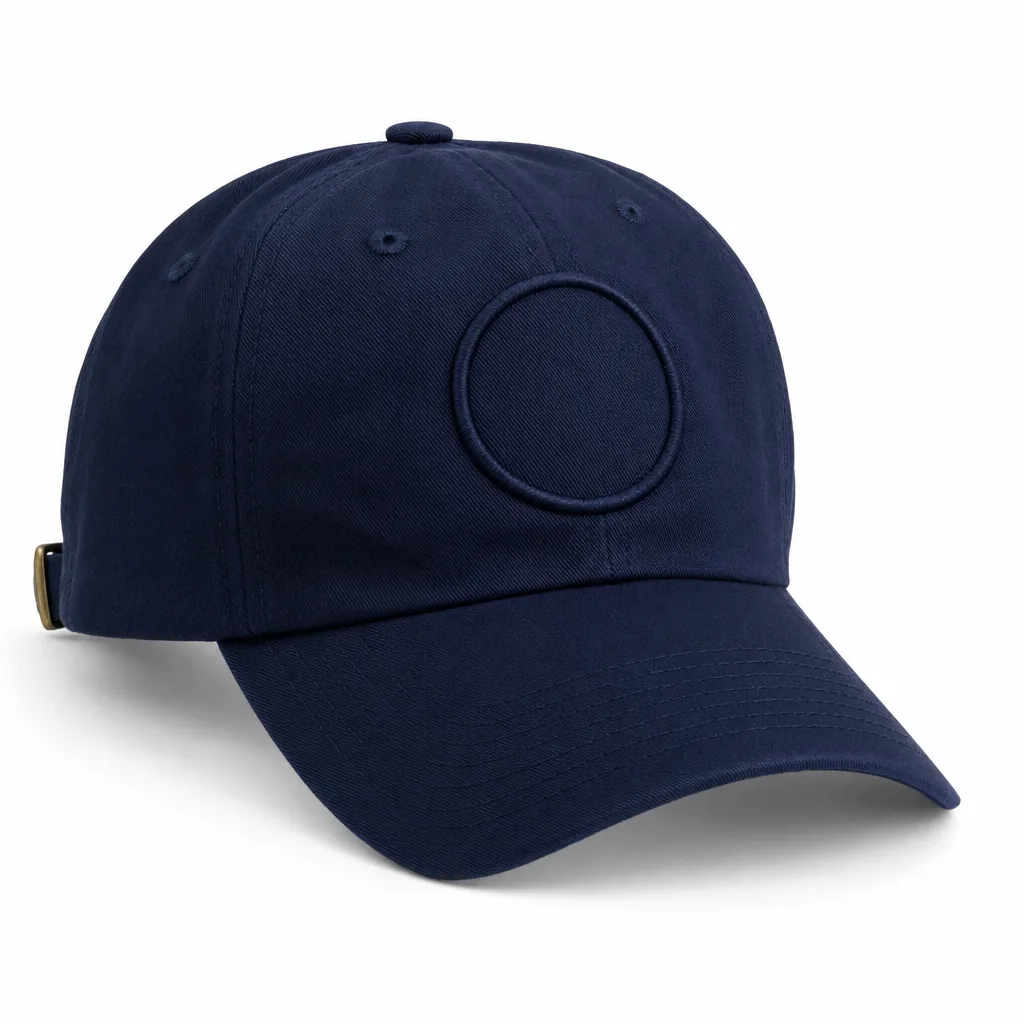
How to Choose a Custom Baseball Cap Manufacturer in China — 2026 Buyer's Guide
Read article →Black Beanie Hat: Properties, Costs and How to Spec It Right
Read article →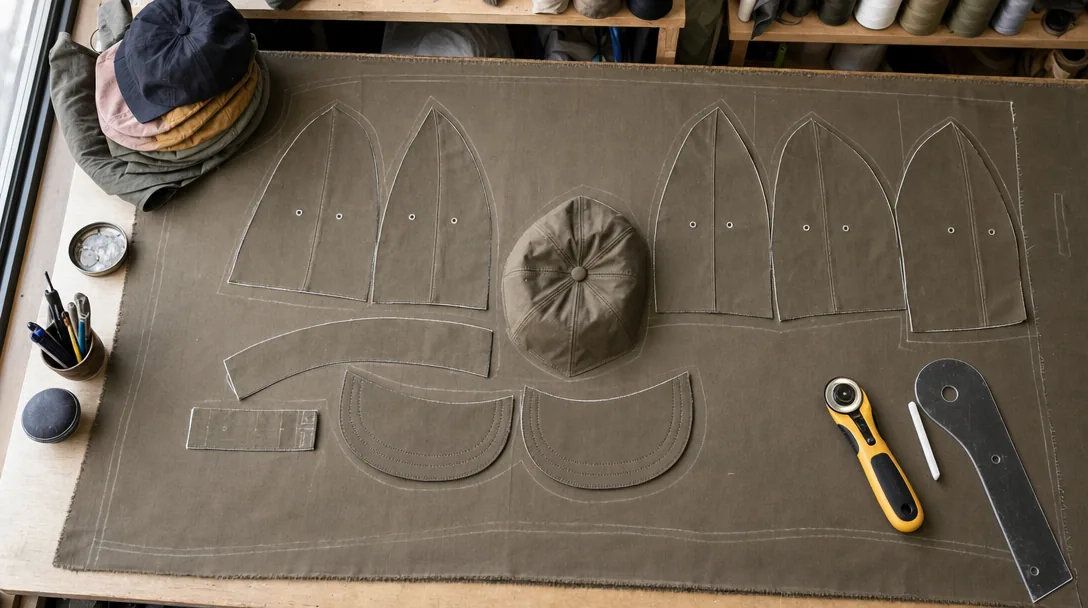
Baseball Hats Men's: A Vertical-Specific Sourcing Guide
Read article →Sourcing custom hats does not have to be complicated. With the right manufacturing partner, clear specifications and a small upfront investment in sampling, you can launch a retail-quality product in 30 to 45 days.