
Corduroy Hat: Properties, Costs and How to Spec It Right (2026 Update)
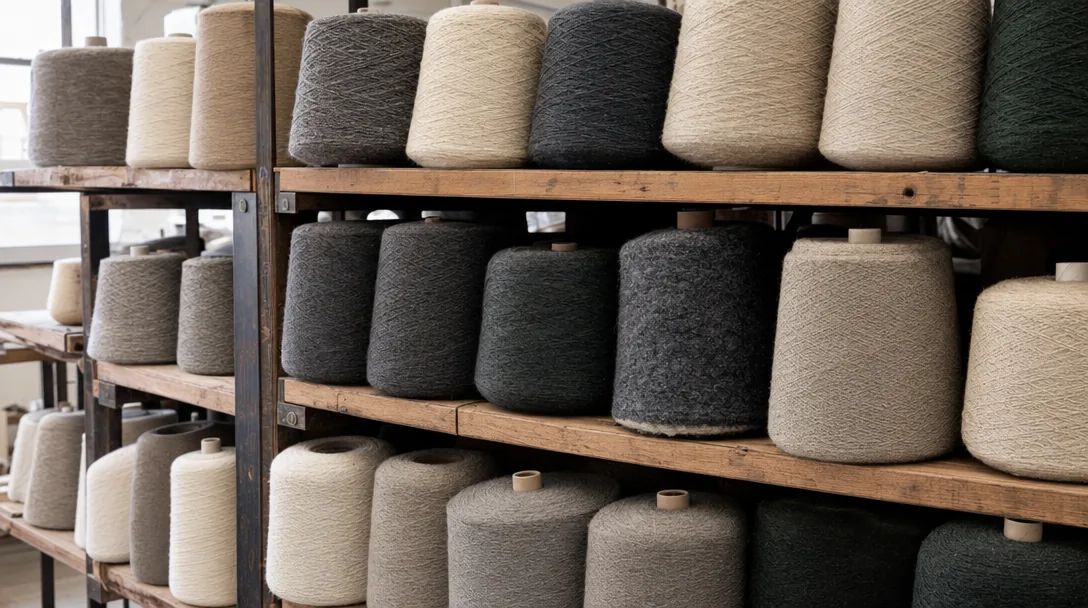
Corduroy Hat: Properties, Costs and How to Spec It Right (2026 Update) is one of the most-asked questions we receive from international buyers, and for good reason. With dozens of factories competing for your order and an alphabet soup of technical terms in every supplier quote, even experienced importers can feel lost. This guide consolidates what we have learned producing custom hats for clients in 40+ countries.
Bucket Hat Women
Shape failure kills women’s bucket programs faster than trim mistakes. A corduroy hat that misses crown depth, brim drop, or head opening reads like promo overstock no matter how clean the embroidery is. Start by pairing the block with the fabric, because wale size changes drape and apparent volume. For most women’s fits, 11W to 16W cotton corduroy at 220 to 280 gsm gives the cleanest balance of body and softness; if the brief is sharper streetwear, 8W corduroy or even brushed twill with 150 to 180 gsm fusible support in the side wall holds the silhouette better. I would lock the tech pack to numbers, not sketches: crown height 8.8 to 9.3 cm, top diameter 16.8 to 17.3 cm, brim width 5.8 to 6.8 cm, and 6 to 8 rows of brim stitching at 6 to 7 mm spacing. Do not leave sizing to a nominal 58 cm label. Cotton-rich shell fabric can pull down to 56.5 to 57.0 cm after wash if the factory cuts unrelaxed goods or skips shrinkage testing. Call out the finished head opening after wash, sweatband composition, seam binding or overlock finish, eyelet placement, and brim edge tolerance. On soft headwear I consider ±3 mm on brim width, ±5 mm on crown height, and ±0.5 cm on finished circumference realistic. The hat should be measured after washing and pressing, not off the sewing line. A 5 mm change in brim pitch is enough to move a women’s bucket from fashion retail to clearance bin, especially when the fabric has visible rib direction like corduroy.
Construction looks simple because the pattern is simple: top, side band, and a brim made from two self-fabric layers with 80 to 120 gsm nonwoven interlining. In production, the real risk is consistency. On any corduroy hat, nap direction must run the same way across top, side wall, and brim; if one panel is flipped, you get a visible shade shift from the same dye lot that can read beyond Delta-E 1.5 under D65. Brim waviness is another common failure when the interlining is too soft or the topstitch tension is uneven. Under AQL 2.5, the defects I see most are skipped brim stitches, needle cuts on the ribs, eyelet puckering, and sweatband joins that create a hard pressure point at the back seam. MOQ is usually set by fabric commitment, not by the bucket pattern. A stock twill bucket may start at 144 to 300 pcs per color, but a custom-dyed corduroy hat more often needs 300 to 500 pcs so the mill can run a stable lot and issue a usable shade approval. In Zhejiang, 2026 FOB pricing is roughly US$2.10 to US$3.40 for a basic washed cotton bucket at 500 pcs; a custom corduroy version with metal eyelets, woven label, inner printed seam tape, and front embroidery is more realistically US$3.20 to US$5.20 FOB. For embroidery, Tajima or Barudan flat heads are fine, but dense fills on narrow wale fabric need stitch spacing opened to about 0.40 mm with firmer backing so the logo does not sink into the ribs. If Pantone TCX matching matters, require a lab dip and bulk approval against the actual pile direction, not a flat color swatch alone.
Camouflage Bucket Hat
Custom camouflage bucket hats live or die in pre-production, not at the sewing machine. If the print is engineered, the shell is usually cut from rotary-printed 100% cotton twill at 180-240 gsm, cotton ripstop at 190-220 gsm, or brushed canvas at 220-260 gsm; stock camouflage fabric is cheaper, but the repeat rarely lands cleanly across the sidewall, crown, and brim on a retail-grade program. The real cost driver is marker efficiency. Once the repeat size is locked, the pattern maker must decide whether to match the side seam or accept visual balance only, and that decision can cut usable yield by 6-12% on 60-inch fabric width. Wider brims exaggerate the problem because each panel consumes more of the print repeat. A serious tech pack should specify brim width in millimeters, crown height, top panel diameter, sidewall length, stitch-row count, eyelet position, and finished head-size tolerance within +/-0.5 cm. That discipline is no different from a corduroy hat program: camouflage punishes sloppy repeat placement, while corduroy punishes inconsistent wale direction and nap shading.
The RFQ needs hard specs or the quote is fiction. Call out shell composition, exact gsm tolerance, print method, sweatband material, brim interlining weight, stitch density, and color reference standard. For commercial volume, 100% cotton twill with 4-6 rows of brim stitching and 80-120 gsm non-woven fusible interlining is the safe baseline; for a more technical outdoor look, a 65/35 poly-cotton ripstop shell with 210D polyester lining keeps shape better in humid conditions and after light rain. For custom camouflage, lock the key tones to Pantone TCX or coated references, then approve lab dips or strike-offs to Delta-E below 1.5 under D65 lighting. In Yiwu, MOQ is typically 300-500 pcs for stock camo, but true custom-print runs usually start around 800-1,200 pcs because of fabric minimums and print setup. At 1,000 pcs, FOB pricing is commonly US$2.10-US$3.80 for a basic build; add satin-stitch embroidery on Tajima or Barudan heads, enzyme wash, or a heavier brim package and the number moves fast into the US$4.20-US$6.50 range.
Most claims come from inline misses, not final inspection failures. The recurring defects are side-seam print mismatch, wandering brim stitch rows, puckering around eyelets, crown torque after wash, bubbling from poorly fused interlining, and brim stiffness variation inside the same carton. AQL 2.5 final random inspection is standard, but it is too late to protect margin if the brim has already been closed and topstitched; by then, rework is mostly dead labor. The practical control point is an inline inspection right after brim assembly, with a sealed reference sample for seam balance, stitch spacing, and hand feel. That same logic applies when a buyer runs camouflage alongside a corduroy hat assortment. The QC checklist should not be generic: camo needs tighter control on repeat placement, seam symmetry, and shade continuity, while corduroy needs stricter monitoring of wale direction, needle size selection, and nap consistency panel to panel. Buyers who source both styles from one factory should insist those standards are split, not merged.
Corduroy Hat Men's
A men’s corduroy hat sells or fails on fabric control long before anyone notices the logo. Corduroy is a pile fabric with directional nap, so if you cut it like brushed twill you get instant shade flip under store LEDs and panel seams that look twisted even when sewing is correct. Most workable men’s programs are 6-panel baseball caps, unstructured 5-panels, or shallow bucket hats in 100% cotton corduroy at 220-320 gsm, usually 8-, 11-, or 14-wale. My default for cleaner retail product is 14-wale because embroidery edges read sharper and seam matching is less chaotic; 8-wale has more texture, but it magnifies seam torque and makes crown panel alignment visibly less forgiving. On the cutting table, fabric should relax at least 12-24 hours after opening, then be cut with a strict one-way marker so every exposed panel runs in the same nap direction. One flipped front panel might improve yield by a few points, but the finished corduroy hat will read as two different colors once it hits mixed retail lighting.
The spec sheet has to lock down details buyers usually leave vague and then pay for later. Call out fiber content, wale count, finished weight tolerance of +/-5%, crown construction, visor curve, sweatband material, closure hardware, wash process, and nap direction on all visible panels. For color, Pantone TCX is only a reference; approval has to happen on an actual corduroy lab dip because the pile changes shade perception, especially on navy, washed black, and dark olive. A practical standard is Delta-E below 1.5 for core repeats and below 2.0 after wash on fashion colors. Sewing also needs cap-specific settings: #14 or #16 needles, lower presser foot pressure to avoid polishing the ribs, and embroidery digitizing adjusted for wale spacing. On Tajima, Barudan, or ZSK cap frames, satin borders and 3D puff will drift into the channels unless pull compensation and underlay are tuned for the fabric. In 2026, a basic men’s corduroy hat with flat embroidery and metal buckle closure is typically $2.40-$4.20 FOB China at 300-1,000 pieces; add enzyme wash, custom seam tape, inside print, or branded trim and it moves into the $4.80-$6.50 range. Inspect at AQL 2.5, and treat nap reversal on front-facing panels as a major defect.
Organic Cotton Newborn Hat
For an organic cotton newborn hat, the spec starts with traceability and infant-safe chemistry, not styling. Require GOTS or OCS transaction certificates linked to the exact yarn lot, then back that up with third-party test reports for formaldehyde, banned azo amines, pH, saliva and perspiration colorfastness, and total extractable heavy metals if trims are involved. A vague “organic cotton” claim on an invoice is useless in an audit. The fabric range is tighter than many buyers expect: single jersey at 160–220 gsm for a softer, lighter cap; 1x1 rib at 180–240 gsm where stretch and recovery matter; or interlock at 200–260 gsm if you need less edge roll and better dimensional stability after wash. Combed ring-spun yarns in Ne 20s to 40s are the realistic window for newborn headwear, with softer handfeel usually coming from the finer count and enzyme wash control rather than from finishing gimmicks. If you normally build a corduroy hat spec around wale count, crown shape, and visor structure, this is the opposite discipline: the risk is seam irritation, shrinkage drift, and failed compliance paperwork.
Most claims on newborn caps come from construction shortcuts. Specify 4-thread overlock seams positioned off the forehead contact area, or coverstitched hems with soft seam tape where the inside must stay flat; a raised lockstitch seam is one of the fastest ways to trigger parent complaints. Finished tolerances should stay tight at this size: opening width and body height within ±0.5 cm, shrinkage below 5% after care test, and spirality below 3%. Color control also needs to be written clearly. Use Pantone TCX references, approve lab dips against the actual knit structure, and hold shade variance to Delta-E 1.5 or better, because rib cuffs and jersey bodies often take dye differently and create visible body-to-cuff shading. Decoration should stay low-mass and low-abrasion: water-based print is usually safer than thick plastisol, and embroidery run on Tajima or Barudan heads needs clean thread trimming plus a soft backing so the reverse side does not scratch the skin. In 2026, certified organic cotton newborn hats typically land around $0.85–$1.60 FOB China at 1,000 pieces for a plain solid style, with interlock, AOP, or gift-box packing pushing that to roughly $1.80–$2.80; unlike a corduroy hat, the cost driver is usually certification, testing, and stricter QC, not surface texture.
Corduroy Hat Wholesale
Most wholesale mistakes on a corduroy hat start with an incomplete fabric spec, not bad sewing. A reference photo tells the factory almost nothing unless you lock wale count, fiber content, gsm, finish, and color standard. For caps, the practical window is usually 8-wale to 14-wale corduroy at 220 to 320 gsm; 11-wale, 270 to 290 gsm, 100% cotton or 97/3 cotton-spandex is the safest all-around spec because it supports a 6-panel crown without the boardy hand feel you get from heavy wide-wale goods. Shade control matters more than buyers expect: approve Pantone TCX lab dips under D65 light, require bulk fabric from one dye lot per color, and set shade tolerance at Delta-E 1.0 to 1.5. On dark navy, black, and forest, mixed lots become obvious as soon as the nap reflects light differently across front panels. Corduroy is easy to sew only if the factory respects the pile. Fabric should relax 12 to 24 hours before cutting, and every panel must run in the same nap direction; reverse one side panel and the hat looks wrong even when the stitching is clean. Structured styles need controlled buckram fusing because too much heat or pressure will flatten the ribs and leave shine. Embroidery needs its own setup as well: on Tajima or Barudan machines, fill density usually drops 10% to 15% versus chino twill, with lighter underlay to avoid the logo sinking into the channels. If the artwork has text below 3 mm cap height or fine outlines under 0.8 mm stroke width, woven patches, satin applique, or screen-printed emblems usually hold detail better than direct embroidery on a corduroy hat.
A usable quote package for a corduroy hat needs construction tolerances, not just a tech sketch. Lock panel count, crown profile, visor shape, closure hardware, eyelet method, sweatband material, seam tape, top button, logo method, logo position relative to the ribs, fabric gsm tolerance, and nap direction. I normally write fabric tolerance at plus or minus 5%, logo placement at plus or minus 2 mm, and visor symmetry within 3 mm left to right. MOQ for stock corduroy is commonly 144 to 300 pieces per color, but custom-dyed cloth, enzyme wash, or special brushing can push mill minimums to 500 to 1,000 meters, which often means the real break-even starts above 1,200 caps. In Zhejiang, a standard cut-and-sew style with flat embroidery typically lands around $2.80 to $4.60 FOB Ningbo at 300 to 1,000 pieces; suede underbrims, metal adjusters, applique, and custom printed seam tape usually move it into the $5.20 to $7.50 range. QC has to be tighter than on cotton twill because corduroy shows abuse immediately. The recurring failures are mixed nap direction, pile bruising from over-pressing, seam puckering on lighter 220 to 240 gsm cloth, needle cuts along raised ribs, embroidery drift under the presser foot, and visor distortion after over-compressed packing. I would inspect at AQL 2.5 with extra checkpoints for crocking, crown symmetry, color transfer onto the sweatband, and shade consistency under both D65 and store-light conditions. For washed styles, ask for dimensional stability and colorfastness to rubbing test data before bulk approval. One cost point buyers miss: nap-direction cutting reduces marker efficiency by several percentage points versus plain twill, so higher fabric consumption on a corduroy hat is a real manufacturing cost, not factory padding.
Wholesale Hat Manufacturers Usa
Most buyers searching “wholesale hat manufacturers USA” are really choosing between three models, and the gap matters more on a corduroy hat than on a brushed twill cap: domestic cut-and-sew, U.S. decorators working from imported blanks, or overseas factories shipping FOB or DDP into the States. A genuine U.S. sewing shop gives the best sampling speed—typically 7 to 14 days for a salesman sample and 4 to 8 weeks for bulk—but labor pushes a 6-panel unstructured corduroy hat to roughly $8.50 to $14.00 ex works at 300 to 1,000 units, before decoration. The decorator model is cheaper and faster to launch: imported 8-wale or 11-wale cotton corduroy blanks usually land around $2.20 to $4.80, with domestic embroidery on Tajima or Barudan heads adding about $1.00 to $3.50 depending on stitch count, thread changes, and whether you need a cap frame or flat frame setup. The catch is control. Blank programs lock in crown height, visor shape, sweatband, eyelet spacing, and closure hardware, so you are not really buying a custom corduroy hat; you are buying decoration space on a prebuilt shell. That becomes a problem when the brand cares about a specific low-profile fit, antique brass slider, printed seam tape, or color approval against Pantone TCX. Most stock blank suppliers cannot hold shade tightly enough for fashion programs, especially on dark navy, forest, or chocolate where corduroy nap shifts the visual tone under different light angles. If the target is a true private-label cap, ask whether the “USA manufacturer” is actually sewing in-house or just importing blanks, embroidering domestically, and calling it manufacturing. On the factory floor, those are completely different supply chains with different risks, margins, and accountability.
If you want a real private-label corduroy hat, stop sending only logo placement sheets and issue a proper tech pack. The minimum spec should call out wale count, gsm, fiber content, crown profile, front-panel structure, buckram weight, visor board, eyelet finish, closure plating, seam tape artwork, label set, carton ratio, and test requirements. For most 6-panel caps, 280 to 340 gsm cotton corduroy is the workable range: below 280 gsm the crown gets limp and the visor seam can ripple, while above 360 gsm seam stacks become bulky and harder to sew cleanly around the side and back curves. Shade tolerance should be written into the approval process; for branded fashion colors, I would hold bulk fabric to Delta-E under 1.5 from the approved lab dip, because pile direction on corduroy exaggerates visible mismatch panel to panel. MOQ is where U.S. buyers usually misread the market. Decorators working from stock blanks may accept 24 to 72 pieces, but true custom manufacturing usually starts around 144 to 300 units per colorway, and 500 to 1,000 if you want custom-dyed fabric, woven labels, printed satin seam tape, or size splits. Direct factory pricing for a basic 6-panel corduroy hat with flat embroidery, cotton sweatband, and metal buckle typically runs $3.20 to $5.60 FOB China at 300 to 1,000 pieces; add $0.18 to $0.35 for custom seam tape, $0.45 to $0.90 for a molded rubber patch, and $0.06 to $0.12 for a polybag plus barcode sticker. Inspection should not stop at AQL 2.5 final random checks. Corduroy needs inline control for nap direction consistency, wale crushing at seam joins, visor topstitch drift, hoop-burn shine around embroidery, crocking, perspiration fastness, and closure pull strength. Our standard practice is to run embroidery strike-offs on the actual shell fabric, because a dense fill that looks clean on twill can sink badly between cord ribs on a low-profile cap.
Working with CrownsForge for corduroy hat programs
Sampling speed decides whether a corduroy hat program stays profitable, because the first proto exposes the issues the tech pack never shows: wale drifting off-grain on the front panel, a 0.4 mm buckram collapsing at the pinch, or a Pantone-approved shade reading darker once light hits the pile. At CrownsForge, first prototype timing is usually 7 to 10 calendar days after artwork, closure, and trim are locked; if the mill is custom-dyeing 8-wale or 11-wale 100% cotton corduroy to a Pantone TCX target, add 3 to 5 days for lab dips and shade confirmation. A realistic tolerance is Delta-E 1.5 to 2.0 under D65, not “visual match” language that causes arguments later. MOQ should follow development risk. Mill-stock shades can work at 144 to 300 pieces per colorway on standard 5-panel or 6-panel builds, but custom dyeing, bespoke inside taping, or custom woven labels usually moves the break-even floor to around 500 pieces. That is a practical way to test a seasonal corduroy hat without turning a bad color call into a 1,000-unit inventory problem.
Decoration has to be engineered around the ribs, not forced onto them. If you run a flat-cap embroidery file on corduroy, the stitches bridge over the wale, borders chatter, and small counters close up after sewing. On Tajima or Barudan heads, clean front embroidery is possible, but the digitizing has to change: wider columns, lighter underlay, lower stitch density, and compensation for pile height so satin edges do not sink. On softer unstructured crowns, low-profile direct embroidery, felt appliqué, woven patches, or chain stitch usually holds definition better than 3D puff, which can distort the panel and telegraph through the cord. Quality control should be locked before bulk: approved lab dips, signed swatches against Pantone references, a sealed PP sample, then inline and final inspection to AQL 2.5. Buyers shipping into the US or EU should also ask for current sedex-audit-cap-supplier-guide.html">BSCI 2.0 or Sedex SMETA 4-Pillar reports, plus test support for colorfastness, azo dyes, CPSIA, or REACH as required. Normal bulk lead time is 25 to 35 days; DDP air on a 300-piece order typically adds about $1.80 to $3.20 per hat versus planned sea freight, which is why FOB Ningbo is usually the cleanest quoting basis.
Frequently Asked Questions
What file format should I send for my logo?
Vector files (AI, EPS, PDF) are ideal. High-resolution PNG or JPG at 300 dpi on transparent background works as a fallback. Provide Pantone color references for accurate reproduction.
Can I order a sample before bulk production?
Yes. We strongly recommend approving a pre-production sample before mass production. Samples are charged at 35 to 60 USD each plus express shipping, fully refundable against confirmed bulk orders over 500 pieces.
What is the minimum order quantity (MOQ) for custom hats?
Our standard MOQ is 100 pieces per design and color, with sampling available from 1 piece. For complex multi-color logos or premium fabric upgrades, the MOQ can be lowered with a small per-piece surcharge.
How long does production take?
Sampling takes 7 to 12 days. Bulk production runs 20 to 30 days depending on quantity, fabric availability and decoration complexity. Inspection and packing adds another 3 to 5 days before shipment.
What logo decoration techniques do you offer?
3D puff embroidery, flat embroidery, woven patch, leather patch, PVC patch, screen printing, sublimation, applique and laser etching, all in-house with no subcontracting.
What should buyers know about kangol bucket hat mens?
When evaluating kangol bucket hat mens, the key considerations are construction quality, decoration capability, MOQ flexibility and lead time. Cover everything buyers ask about bucket hat women: how it's manufactured, what specs to request from a factory, typical MOQ and pricing, common quality issues to inspect for, and how this ties back to the broader corduroy hat sourcing decision. Cover everything buyers ask about camouflage bucket hat: how it's manufactured, what specs to request from a factory, typical MOQ…
What should buyers know about bucket hat men nearby?
When evaluating bucket hat men nearby, the key considerations are construction quality, decoration capability, MOQ flexibility and lead time. Cover everything buyers ask about bucket hat women: how it's manufactured, what specs to request from a factory, typical MOQ and pricing, common quality issues to inspect for, and how this ties back to the broader corduroy hat sourcing decision. Cover everything buyers ask about camouflage bucket hat: how it's manufactured, what specs to request from a factory, typical MOQ…
What should buyers know about cotton beanie men?
When evaluating cotton beanie men, the key considerations are construction quality, decoration capability, MOQ flexibility and lead time. Cover everything buyers ask about corduroy hat men's: how it's manufactured, what specs to request from a factory, typical MOQ and pricing, common quality issues to inspect for, and how this ties back to the broader corduroy hat sourcing decision. Cover everything buyers ask about organic cotton newborn hat: how it's manufactured, what specs to request from a factory,…
What should buyers know about corduroy hat womens?
When evaluating corduroy hat womens, the key considerations are construction quality, decoration capability, MOQ flexibility and lead time. Cover everything buyers ask about bucket hat women: how it's manufactured, what specs to request from a factory, typical MOQ and pricing, common quality issues to inspect for, and how this ties back to the broader corduroy hat sourcing decision. Cover everything buyers ask about camouflage bucket hat: how it's manufactured, what specs to request from a factory, typical MOQ…
Ready to start your custom hat project?
Send us your tech-pack, sketch or even just an inspiration photo. We will respond with a detailed quotation and digital mock-up within 24 hours.
Request a free quoteRelated guides
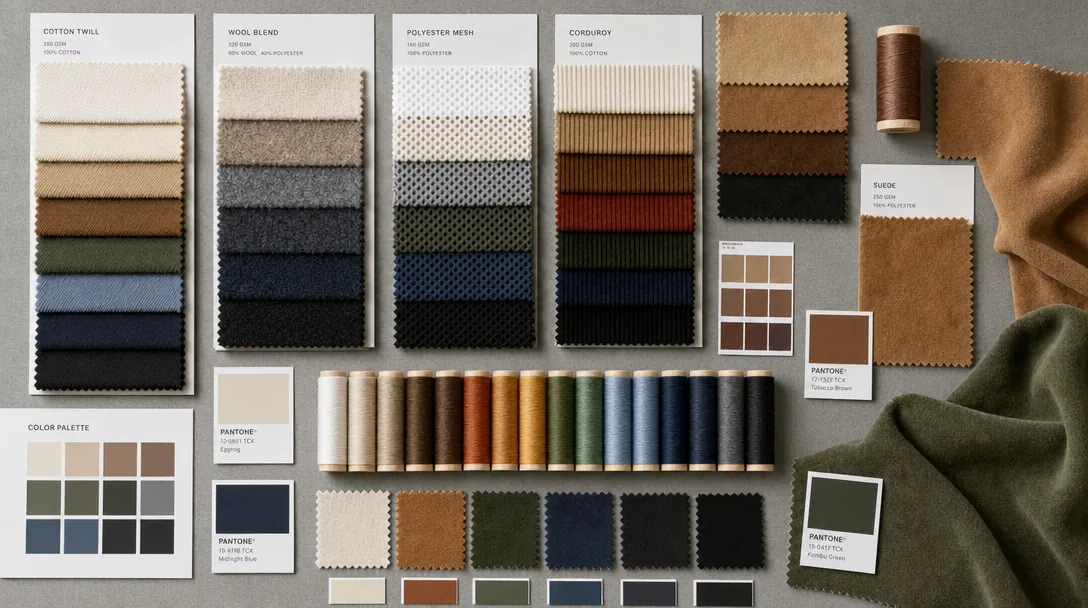
Beanies for Men: Properties, Costs and How to Spec It Right - Cost & MOQ Breakdown
Read article →Cotton vs Polyester vs Wool: A Cap Fabric Decision Tree - Cost & MOQ Breakdown
Read article →
Building a Repeat-Order Workflow with Your Hat Factory (2026 Update)
Read article →Sourcing custom hats does not have to be complicated. With the right manufacturing partner, clear specifications and a small upfront investment in sampling, you can launch a retail-quality product in 30 to 45 days.