
Building a Repeat-Order Workflow with Your Hat Factory (2026 Update)
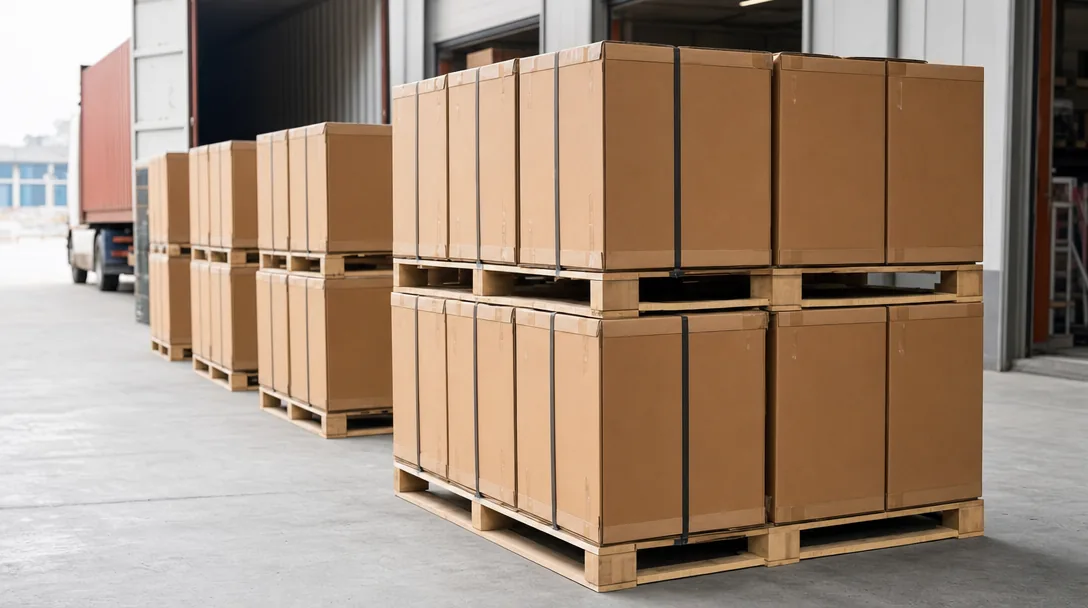
Building a Repeat-Order Workflow with Your Hat Factory (2026 Update) is one of the most-asked questions we receive from international buyers, and for good reason. With dozens of factories competing for your order and an alphabet soup of technical terms in every supplier quote, even experienced importers can feel lost. This guide consolidates what we have learned producing custom hats for clients in 40+ countries.
Why repeat orders are cheaper than first orders
The real savings in a repeat order hat factory program come from eliminating non-recurring setup work, not squeezing a sewing line for another $0.05. On a first PO, you typically pay for embroidery digitizing at $30-$80 per logo, screen-print film and mesh at $25-$60 per color, Pantone TCX lab dips or trim color approvals at $40-$100 per shade, and development or PPS samples at $40-$90 per colorway. The larger cost is delay: a launch style often burns 2-3 approval rounds and 10-20 calendar days while the buyer checks crown height, visor curvature, stitch count, eyelet spacing, seam puckering, and back-closure trim. On a 300-piece order, those one-time charges routinely add $0.80-$2.20 per cap before bulk cutting starts. On a 3,000-piece reorder, the approved BOM, graded pattern, embroidery file, carton marks, and sealed sample should already be in the factory system, so that cost either disappears entirely or falls to a few cents per unit.
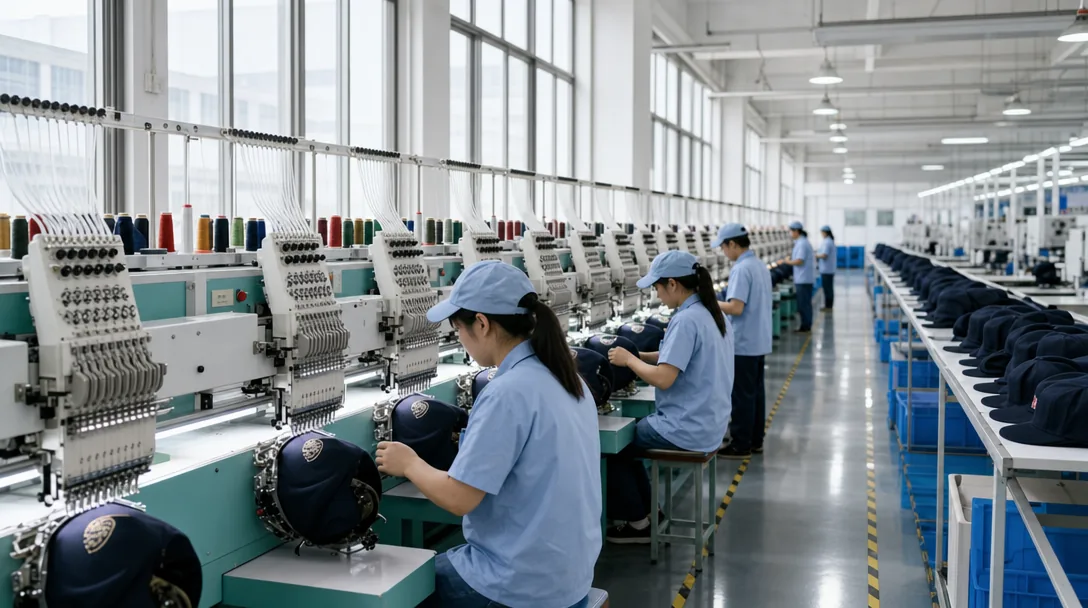
Repeat production is also cheaper because the factory floor stops relearning the style. With an approved sewing spec, thread card, and trim file, the cutting room is not arguing over shell fabric hand, buckram stiffness, crown profile, or whether the top button tone is off against the visor sandwich. Embroidery operators can reload the same Tajima, Barudan, or ZSK program with proven density, underlay, pull compensation, and trim settings instead of wasting 6-12 caps on fresh strike-offs. That cuts downtime and scrap, which matters more than buyers think when labor in Zhejiang is already tight. Procurement benefits too: mills can reserve the same 10x10 brushed cotton twill, 600D polyester, recycled PP snap, or 3 mm PE brim insert against a forecast instead of quoting a spot buy at a higher MOQ. When color continuity matters, referencing the prior lab dip and bulk lot usually holds shade variance to Delta-E 1.0-1.5 instead of rematching from zero. Our standard practice is to run repeat orders against the sealed sample and prior final QC history under AQL 2.5, which is why the true landed cost is usually lower than a new style from a new supplier.
Locking in pricing for 12 months
Do not ask a repeat order hat factory to lock 12-month pricing on PO1. Lock it only after the second or third clean repeat, when the tech pack, crown block, brim curve, decoration sequence, packing method, and finished measurement tolerance have stopped moving. That is when the factory can quote from proven consumption instead of adding a risk cushion: shell fabric yield per dozen, buckram loss, PE visor board scrap, sweatband cut length, closure hardware usage, embroidery stitch count from the approved DST file, and actual SAM by operation. A workable annual agreement usually means FOB unit price held within about ±2% to 3% against the baseline SKU, assuming the BOM is frozen. Change a 10x10 cotton twill body at 280 gsm to recycled 600D polyester, switch a plastic snap to a zinc-alloy clasp, add a woven flag label, or raise front embroidery from 7,200 to 11,500 stitches, and the old number is no longer valid. Most annual-price disputes come from buyers asking for protection while still revising profile, closure, logo scale, or panel construction after approval.
A factory only absorbs 12-month pricing risk when the forecast is credible enough to reserve greige fabric, trims, and embroidery capacity ahead of peak months. A 24,000-piece annual program released in four drops of 6,000 is far easier to cost than twelve speculative 2,000-piece releases, because the supplier can book dye lots, consolidate trims, and plan labor across Tajima, Barudan, or ZSK heads with fewer idle gaps. If color consistency matters, tie the body fabric to an approved Pantone TCX reference and write in a Delta-E tolerance—typically 1.0 to 1.5 for visible crown panels—and specify whether shade continuity must carry across quarterly shipments. The agreement should name one approved BOM, one packaging spec, one Incoterm, usually FOB Ningbo or FOB Shanghai, and the exact triggers that reopen price. Reasonable reset language is documented mill movement outside an agreed band, such as an 8% increase in acrylic-wool suiting or a trim surcharge tied to plating or freight. Small moves, like a 1.5% yarn increase, should be offset through marker efficiency, trim consolidation, or line balancing, not pushed back on every release.
The price hold fails when release discipline is weak. The framework that works on the factory floor is a non-binding annual forecast, a binding 90-day window, and SKU-level call-offs 30 to 45 days before ex-factory, with quarterly variance capped at ±15% unless both sides reopen the plan. Tie the agreement to MOQ compliance, approved lab dips, and unchanged carton specs, because moving from 24 pieces per export carton to 18 quietly raises corrugate, CBM, and palletization cost. Our standard practice is also to treat compliance continuity as part of the commercial baseline: if the program is quoted under sedex-audit-cap-supplier-guide.html">BSCI 2.0 or Sedex SMETA 4-Pillar conditions and later shifts to a nominated higher-cost trim source, that is not the original costing basis. Put the evidence rules in writing as well—supplier invoices for raw-material exceptions, AQL 2.5 as the inspection baseline, and seasonal lead-time assumptions—so the 12-month price is a controlled manufacturing agreement, not a rolling argument.
Fabric reservation and dye-lot consistency
Most color failures on a replenishment cap program are decided at fabric booking, not on the sewing line. If shell fabric is bought as a spot item on PO1, the mill typically dyes to MOQ, ships the cleanest rolls, and puts the remainder back into general inventory unless the order is explicitly reserved by dye lot. That is the point where a repeat order hat factory either protects continuity or loses it. Two runs can both target Pantone 19-3921 TCX and still miss each other on shelf because they came from different vats, different finishing humidity, or a revised dyestuff recipe after the original lab dip. On common cap materials such as 260 gsm brushed cotton twill, 8-wale corduroy, and 300D rPET, reserving the same lot for 6 to 9 months is usually cheaper than recoloring a small rerun. In real mill costing, sub-MOQ recolor fees commonly run $180 to $450 per shade, and once freight, color testing, and cutting loss are absorbed, that can add roughly $0.28 to $0.65 per cap on a 1,200 to 3,000 piece reorder.
The control standard should be written, sealed, and measurable: approved shade under D65 light, with an agreed Delta-E tolerance of 1.0 to 1.5 for licensed or branded programs and 1.5 to 2.0 for most promotional business. “Looks close” under factory fluorescent tubes is not a specification. Even when the Pantone callout stays the same, changing from a 21x21 cotton twill to another construction, or from one finisher’s reactive dye route to another, will shift face tone, luster, crocking, and washback. Reserve more than the crown fabric if the style is meant to repeat cleanly: undervisor cloth, sweatband tape, closure strap webbing, button wrap, and label ground are the first places mismatched navy or black shows up at retail. The reservation sheet should list lot number, roll count, net meters, finished width, gsm tolerance, shrinkage after steam or wash, approved standard, and expiry window. At CrownsForge, we tie that lot data to the style code and BOM in ERP so planners cannot quietly substitute a near-match roll under ship-date pressure; AQL 2.5 at final inspection will not catch a reservation system that was weak from the start.
Sample-on-file matching for every repeat
The sealed PPS sample is the real control standard in a repeat order hat factory; the tech pack only explains intent. A PDF cannot tell a line supervisor how firm the crown should recover after forming, whether a PE visor board has the right rebound after edge binding, or if a 3D satin logo will hold cleanly on 0.55 mm buckram instead of sinking into 0.40 mm. On every reorder PO, the first step should be pulling the approved sample and matching it against the BOM, Pantone TCX callouts, thread chart, needle size, digitizing file, and measurement sheet before fabric is cut. If that sample is missing, untagged, or replaced by a photo, you are already inviting a claim. The comparison points need to be fixed, measurable, and written the same way every time. For caps, that usually means crown height within plus or minus 2 mm, visor length within plus or minus 2 mm, sweatband width within plus or minus 2 mm, left-right eyelet symmetry within 1.5 mm, seam SPI held in the approved range, and embroidery density verified against the original DST or EMB file. The biggest repeat-order failures still come from unauthorized substitutions dressed up as equivalents: 210 gsm brushed cotton instead of 230 gsm, 100 percent polyester twill at 150D instead of 300D, or lighter buckram that changes panel stand. Those swaps save cents and create chargebacks.
Most repeat disputes start in sample control, not on the sewing floor. The approved PPS should be archived in a sealed polybag with style code, PO history, approval date, signed trim card, fabric lot reference, wash recipe where relevant, and buyer sign-off. In practice, one sample belongs in QC, one with the merchandiser, and one with the customer; if any of those three differ, the archive has already failed. Bulk goods should be matched to that physical standard during inline and final inspection under D65 lighting, with spectrophotometer checks on dyed fabric, webbing, and sweatband tape. For critical brand shades, Delta-E below 1.5 is a realistic target, and black or navy should also be reviewed under TL84 to catch metamerism before packing. Construction matching goes beyond measurements. Inspectors should confirm crown profile, seam puckering, top button centering, taping width, snapback gloss level, label position, visor curvature, and embroidery edge sharpness on the same machine class whenever possible. A Tajima, Barudan, and ZSK can all run the same file, but different thread tension behavior and underlay response will show up fast on a 6 mm satin border or raised foam logo. At CrownsForge, any controlled change is logged before production, including brim board supplier, snap vendor, enzyme wash time, stitch density shift from 0.40 mm to 0.45 mm, or even thread lot changes. That level of control is what makes AQL 2.5 finals on repeat orders routine instead of confrontational.
Replenishment cycle: how often to reorder
The reorder point should be driven by lead time math, not by gut feel. For a stable SKU, place the PO when 55-70% of the last receipt has sold through; in practice that usually means a 70-100 day replenishment cycle, depending on transit mode and your own weekly run rate. A competent repeat order hat factory can cut, sew, embroider, inspect, and pack a carryover cap in 22-30 calendar days when the BOM is frozen and trims are already in stock. Add 5-8 days for export booking, CFS loading, and drayage in South China, then 14-20 days on water to the U.S. West Coast port-to-port, or 3-6 days by air excluding destination clearance. If you wait until 80-90% sell-through, you are assuming zero slippage on shell fabric, buckram, closure hardware, and embroidery scheduling. That is not how real factories run when Tajima, Barudan, and ZSK heads are already allocated and one delayed woven label can hold the whole ex-factory date.
The trigger has to move earlier as complexity goes up. A basic 6-panel brushed cotton twill cap with a 6,000-8,000 stitch front logo, standard 150D polyester sweatband tape, and a stock PE snap can often be reordered at 65-70% sell-through; MOQ may stay around 144-288 pcs per color if the mill already carries the fabric in black, navy, or khaki. A fashion style in 5 mm corduroy with felt appliqué, satin-stitch edgework, printed seam tape, a Pantone TCX-matched woven label, and a custom metal buckle should usually be triggered at 50-60% sell-through because each added component introduces another failure point. Seasonal programs should ignore percentage rules altogether and count back from the in-hands date: 90-120 days for ocean, 45-60 days for air, longer if you need relabeling, split shipments, or multi-country distribution after import. The buyers who avoid expedite freight are the ones tracking weekly sell-through by style-color and reserving capacity before final quantities are perfectly clean.
Annual contract vs. spot-buy economics
Once your annual volume is visible at roughly 2,000 to 4,000 caps per style family, spot buying stops being “flexible” and starts acting like a surcharge. In actual factory costing, four releases of 500 to 1,000 pcs under an annual agreement usually land 8% to 12% below ad hoc POs, before any freight gain from consolidation. The savings are not theoretical: one embroidery file is digitized and approved once, one set of markers is graded once, and shell fabric can be booked with the same mill against one dye plan instead of several small replenishments. A repeat order hat factory can also reserve 80 to 120 embroidery hours on Tajima, Barudan, or ZSK heads and hold standard trims—25 mm sweatband tape, woven labels, swing tags, size stickers—without resetting every order from zero. Split the same 3,000 units into disconnected buys and the nickel-and-dime costs show up fast: $35 to $120 for artwork or sample revisions, $80 to $200 low-MOQ fabric surcharges, and rush cutting premiums when the sewing floor is already full. Color consistency is the bigger hidden cost; keeping Pantone TCX within Delta-E 1.5 to 2.0 on cotton twill or RPET under multiple sourcing windows is harder once the dye batch, finishing recipe, or even mill changes.
Capacity priority is usually worth more than haggling over a few cents on the cap body, especially from September through November when promotional, sports, and holiday programs collide. Buyers working under annual schedules typically lock production 45 to 60 days ahead and reserve process windows in sequence—fabric booking, dyeing, cutting, embroidery, sewing, finishing, metal detection where required, and AQL 2.5 final inspection—instead of dropping into whatever space is left. Miss one November slot and a routine 25- to 30-day ex-factory order can stretch to 40 to 50 days; if vessel space tightens out of Ningbo or Shanghai, add another 5 to 10 days. The better annual agreements are not rigid blanket POs; they usually run on quarterly call-offs with a forecast tolerance of plus or minus 15%, which is enough for planning without forcing dead stock. At CrownsForge, that structure also makes mills more willing to lock better inputs for the year—10x10 cotton twill, 300 gsm brushed canvas, 75D or 150D RPET mesh, 1.8 mm visor board, and lower-distortion buckram—because the demand is forecastable. For compliance-sensitive programs, keeping the same nominated suppliers live under BSCI 2.0 or Sedex SMETA 4-Pillar records also cuts re-approval work and reduces incoming-inspection surprises.
When to add a second supplier (dual-sourcing)
Add a second supplier when the downside of a single missed delivery is bigger than the inefficiency of splitting volume. For most cap programs, that threshold shows up around 6,000 to 10,000 units a year, or sooner if you run four-plus drops, sell into retailers with chargeback language, or have licensed launch dates that cannot move. One repeat order hat factory can manage a stable evergreen style, but once you are juggling seasonal colorways, repeat embroidery, and fixed ex-factory dates, sole sourcing becomes a P&L risk. On the factory floor, the cleanest split is usually 70/30. It keeps the secondary supplier commercially interested without starving the primary line of efficiency. That smaller share is not for chasing a $0.12 lower FOB; it is there to keep the pattern, BOM, visor mold, embroidery DST file, trim card, approved counter sample, and carton spec live so you are not requalifying from zero when capacity gets tight or quality trends the wrong way. Cost leverage only appears if both factories are pricing the exact same hat. After two repeat seasons, buyers can usually pull 3% to 6% better pricing when both suppliers quote from an identical tech pack: same 280 gsm brushed cotton twill or 16x12 canvas, same 150D poly mesh, same PE snap resin grade, same buckram stiffness, same stitch count, and the same embroidery density on Tajima, Barudan, or ZSK heads. Without that discipline, any apparent savings leak out through crown height drift, hand-feel differences, and shade variation that returning customers notice immediately on reorder custom hats. Lock Pantone TCX references, define Delta-E tolerance at lab-dip stage, freeze the sew-by sample, and hold a signed measurement chart with visor curve, seam tape width, and sweatband spec before you move any PO volume.
Risk reduction is still the main reason to dual-source. A missed vessel cutoff, customs exam, embroidery head failure, or delayed dye lot can wipe out a launch faster than any negotiated FOB gain will recover it. Even a dependable repeat order hat factory can get pinched when one Barudan line goes down, a fabric mill misses color, or a final inspection fails at AQL 2.5 for appearance or measurement. The backup supplier needs to have already run the same construction—6-panel dad cap, structured trucker, or snapback—not just promised compatibility in a quote sheet. In practice, that means matching needle count, SPI range, seam allowance, visor curvature, sweatband composition, inner label placement, and carton pack-out so the goods can ship under the same SKU without warehouse exceptions. Do not onboard a second factory as an emergency contact; qualify it while business is calm. The sensible method is to place 20% to 30% of annual volume there for at least two consecutive POs, using the same approved spec pack, trim card, lab dips, and packing standard. That gives you real data on defect rate, on-time ex-factory performance, and carton-level consistency instead of sales promises. If your customers require social compliance, confirm the second source carries current BSCI 2.0 or Sedex SMETA 4-Pillar documentation before you need to reallocate production. At CrownsForge, our standard practice is to treat the secondary source as a validated extension of the program, so shifting 20% to 40% of volume is a scheduling decision rather than a full redevelopment cycle.
Frequently Asked Questions
How long does production take?
Sampling takes 7 to 12 days. Bulk production runs 20 to 30 days depending on quantity, fabric availability and decoration complexity. Inspection and packing adds another 3 to 5 days before shipment.
Do you support sustainability certifications?
Yes. We work with GOTS organic cotton, GRS-certified recycled polyester, OEKO-TEX Standard 100 fabrics, and are BSCI and Sedex audited. Certification documentation can be provided per order.
What logo decoration techniques do you offer?
3D puff embroidery, flat embroidery, woven patch, leather patch, PVC patch, screen printing, sublimation, applique and laser etching, all in-house with no subcontracting.
Can I order a sample before bulk production?
Yes. We strongly recommend approving a pre-production sample before mass production. Samples are charged at 35 to 60 USD each plus express shipping, fully refundable against confirmed bulk orders over 500 pieces.
Which shipping methods do you support?
We support FOB, CIF and DDP shipping. Air express for samples and small orders, sea LCL for 100 to 500 pieces, sea FCL for 5,000+ pieces. Door-to-door DDP available for US, EU, UK, Canada and Australia.
What's the MOQ for custom bucket hat no minimum?
When evaluating custom bucket hat no minimum, the key considerations are construction quality, decoration capability, MOQ flexibility and lead time. First order absorbs digitizing setup ($30-$80), screen-print plate ($30-$60 per color), fabric color matching ($40-$100 per Pantone), sample fees ($40-$80 per colorway), and PPS approval cycle. Repeat orders amortize none of this — factory has all the files, tooling and samples on hand. Smart buyers sign 12-month pricing agreements with their factory at the second or third…
How does ordering custom hats near me work?
When evaluating custom hats near me, the key considerations are construction quality, decoration capability, MOQ flexibility and lead time. First order absorbs digitizing setup ($30-$80), screen-print plate ($30-$60 per color), fabric color matching ($40-$100 per Pantone), sample fees ($40-$80 per colorway), and PPS approval cycle. Repeat orders amortize none of this — factory has all the files, tooling and samples on hand. Smart buyers sign 12-month pricing agreements with their factory at the second or third…
How does ordering custom hat embroidery near me work?
When evaluating custom hat embroidery near me, the key considerations are construction quality, decoration capability, MOQ flexibility and lead time. First order absorbs digitizing setup ($30-$80), screen-print plate ($30-$60 per color), fabric color matching ($40-$100 per Pantone), sample fees ($40-$80 per colorway), and PPS approval cycle. Repeat orders amortize none of this — factory has all the files, tooling and samples on hand. Smart buyers sign 12-month pricing agreements with their factory at the second or third…
What's the MOQ for custom embroidered hats no minimum?
When evaluating custom embroidered hats no minimum, the key considerations are construction quality, decoration capability, MOQ flexibility and lead time. First order absorbs digitizing setup ($30-$80), screen-print plate ($30-$60 per color), fabric color matching ($40-$100 per Pantone), sample fees ($40-$80 per colorway), and PPS approval cycle. Repeat orders amortize none of this — factory has all the files, tooling and samples on hand. Smart buyers sign 12-month pricing agreements with their factory at the second or third…
What famous hat company owned the Old Mallory hat Factory when it closed in 1980?
The closing left this former hat-making capital of the world with only one such plant still in operation. The John B. Stetson Company of Philadelphia, which had owned the Mallory operation since 1946, announced the closing that affects about 125 employes.
Looking for a reliable hat manufacturer in China?
CrownsForge has produced custom hats for 800+ brands across 40 countries. From 100-piece launches to 100,000-piece retail programs, we deliver on time and on spec.
Get in touchRelated guides
Blank Hats Export Shipping Checklist for Custom Hat Buyers
Read article →Bulk Trucker Hats Export Shipping Checklist for Custom Hat Buyers
Read article →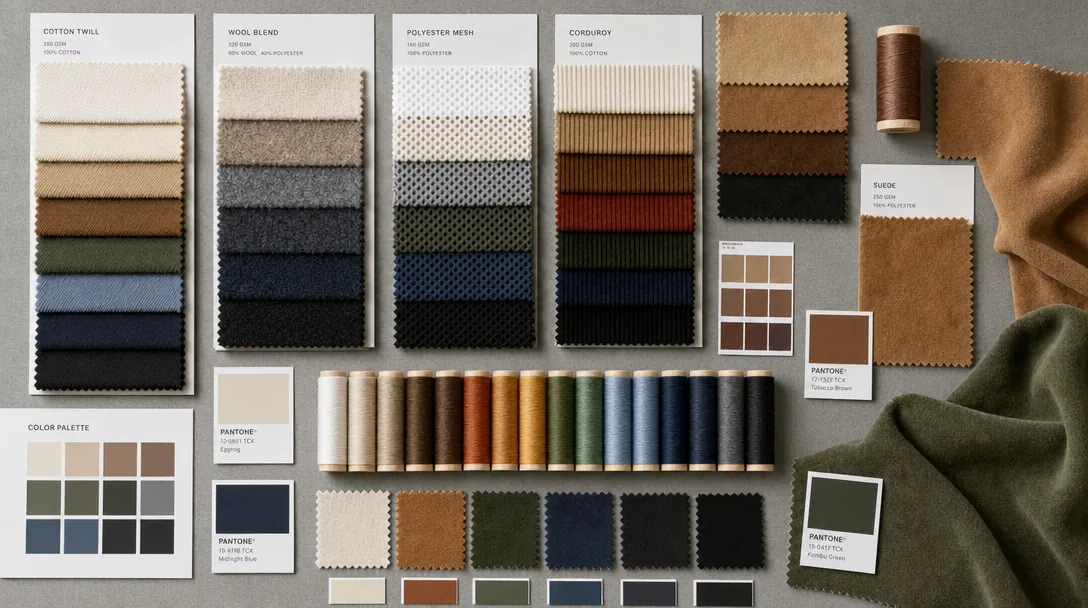
Camouflage Bucket Hat: Properties, Costs and How to Spec It Right
Read article →We hope this guide demystifies building a repeat-order workflow with your hat factory (2026 update) and helps you move forward with confidence. If you have questions specific to your project, our English-speaking sales engineers are one message away.