
Blank Hats Export Shipping Checklist for Custom Hat Buyers
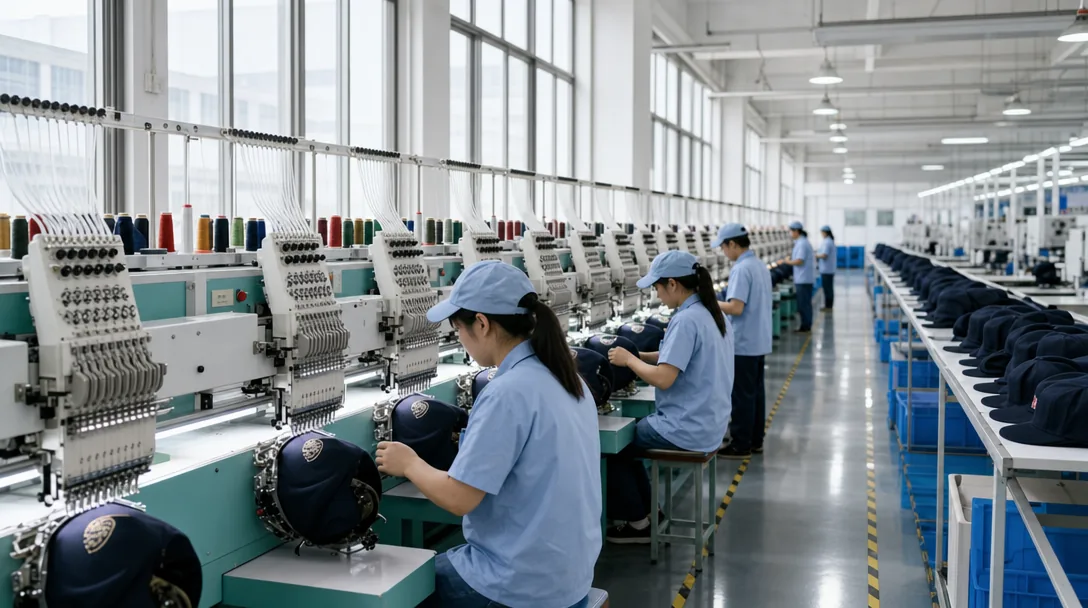
Blank Hats Export Shipping Checklist for Custom Hat Buyers is one of the most-asked questions we receive from international buyers, and for good reason. With dozens of factories competing for your order and an alphabet soup of technical terms in every supplier quote, even experienced importers can feel lost. This guide consolidates what we have learned producing custom hats for clients in 40+ countries.
Why blank hats export shipping checklist needs a separate sourcing plan
A buyer searching for a blank hats export shipping checklist is usually not asking, “Can you make hats?” They are asking, “Can I move undecorated inventory across borders without surprises?” That is a different sourcing job from ordering finished embroidered caps. With wholesale blank hats, the unit price may look simple—often USD 1.15–2.40 FOB Ningbo or Shanghai for a 5-panel foam trucker, USD 1.80–3.20 for brushed cotton twill, and USD 2.60–4.80 for performance polyester—but export packing, carton cube, HS code declaration, and destination labeling can change the landed cost more than a 10-cent fabric saving. A 58 x 42 x 38 cm carton may hold 100 structured caps or 150 soft unstructured caps, and that difference affects LCL freight, Amazon receiving fees, and 3PL storage. If the buyer later decorates locally, blanks must also arrive clean, shape-stable, and sorted by color/size ratio, not just “acceptable” under a generic factory QC pass.
Blank sourcing also changes the compliance risk profile. A custom hat manufacturer shipping finished team caps may control embroidery thread, appliqué backing, woven labels, and final branding in one production flow; blank hats often become inputs for later decoration in the U.S., EU, or Australia. That means the buyer must decide early whether care labels, fiber content, country-of-origin marks, and polybag warnings are applied at the factory or left for the decorator. For U.S. import, cotton caps and synthetic mesh caps can fall under different HTS classifications, and wrong fiber declarations can trigger delays or duty corrections. For EU buyers, REACH concerns matter even on “plain” caps: azo dyes, nickel in metal buckles, and formaldehyde residue on washed cotton should be checked before shipment. Our standard practice at CrownsForge is to keep shade approval within Delta-E 1.5 against Pantone TCX for repeat colors, because a blank cap program fails fast when decorators receive three navy tones across separate shipments.
The separate plan is most important when the buyer is mixing blank inventory with future programs such as bulk custom trucker hats, custom bulk trucker hats, outdoor lifestyle caps, or country hats for men sold under a private label. Decisions made at blank stage—front panel stiffness, seam allowance, crown height, sweatband gsm, mesh denier, and closure type—determine whether later embroidery on Tajima, Barudan, or ZSK heads runs cleanly or causes puckering and needle breaks. A low-cost foam front might be fine for heat transfer, but it can collapse under 12,000-stitch 3D puff embroidery. Lead time also splits differently: fabric greige booking may take 7–12 days, sewing 10–18 days, AQL 2.5 inspection 1 day, and vessel departure another 5–10 days depending on space. A proper blank hats export shipping checklist therefore ties sourcing, packing, inspection, and logistics together before the purchase order is issued, instead of treating freight as an afterthought.
Factory capability checks before quoting
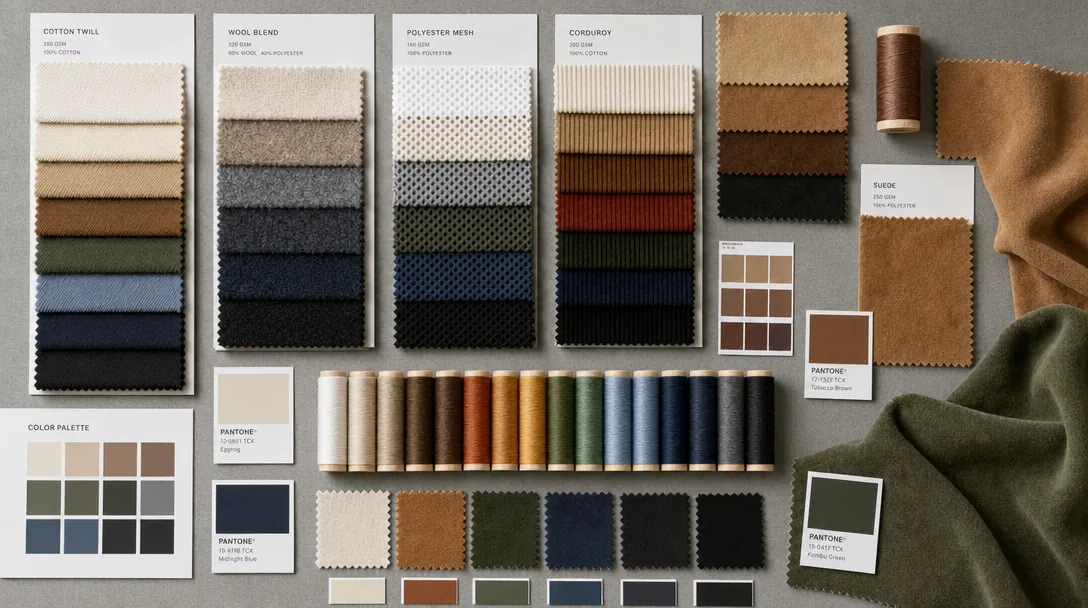
The first quote filter is not price; it is whether the factory can actually build the hat construction you are asking for at production tolerance. For wholesale blank hats, ask for the panel pattern, crown height, brim type, sweatband spec, and closure options before sending artwork. A real custom hat manufacturer should distinguish 5-panel foam trucker, 6-panel structured buckram, unstructured dad cap, camper cap, rope cap, and country hats for men with curved brims and heavier cotton twill. Fabric answers should include weight and composition, not “good cotton”: 260–320 gsm brushed cotton twill, 150D polyester mesh, 10 oz canvas, recycled RPET, or wool-blend percentages. Color should be controlled by Pantone TCX or TPX, with lab dip approval and Delta-E targets under 1.5–2.0 for repeat orders. If the supplier cannot explain panel shrinkage after steam blocking, brim lamination thickness, or snapback hole spacing, the shipping checklist will not save the order later.
Decoration capability must be checked before quotation because embroidery, patches, and trims drive both cost and failure rate. For embroidery, ask whether they run Tajima, Barudan, or ZSK heads, their maximum stitch density, and whether they digitize in-house or outsource DST files. A clean 3D puff logo usually needs 2 mm or 3 mm EVA foam, wider satin columns, and slower machine speed around 650–750 rpm; cheap digitizing causes thread breaks and crushed edges. For patches, confirm woven, embroidered, PVC, leather debossed, sublimated, or heat-transfer options, plus attachment method: merrow border, satin stitch, adhesive backing, or laser-cut edge. Bulk custom trucker hats with front patches often need a pre-curved sewing jig so the patch does not lift at the top corners. Typical decoration adders range from US$0.25–0.60 for flat embroidery, US$0.50–1.10 for 3D puff, and US$0.70–1.80 for woven or leather patches depending on size and MOQ.
A blank hats export shipping checklist should also include sample-room discipline, audit readiness, and communication speed before any deposit is paid. Sample rooms should be able to make salesman samples in 5–10 days, issue a measurement spec sheet, photograph inside seams and sweatband labels, and keep counter samples sealed for production comparison. For custom bulk trucker hats, I want to see pre-production approval covering crown height tolerance at ±3 mm, brim length at ±2 mm, embroidery placement at ±2 mm, and carton drop-test packing before mass cutting starts. Audit readiness matters if your customer is a retailer, university, sports licensee, or promotional distributor. Ask for current sedex-audit-cap-supplier-guide.html">BSCI 2.0, Sedex SMETA 4-Pillar, ISO 9001, or WRAP documentation, not a vague “passed audit” statement. Our standard practice at CrownsForge is to confirm AQL 2.5 major / 4.0 minor inspection criteria, HS code, carton dimensions, and FOB Ningbo or DDP landed estimate in the same quotation thread so production and logistics do not become separate surprises.
MOQ, pricing and sample approval
MOQ should be quoted in bands, not as one magic number, because blank cap production changes sharply at fabric cutting and dyeing thresholds. For wholesale blank hats, I normally price 144, 300, 500, 1,000, and 3,000 pcs separately; below 144 pcs you are often paying sample-room labor, not factory production cost. A basic 5-panel cotton twill cap can land around US$2.10–3.20 FOB at 1,000 pcs, while bulk custom trucker hats with foam front, mesh back, snapback, and woven label often sit around US$2.60–4.10 depending on mesh quality and peak structure. Decoration setup is separate: flat embroidery digitizing is usually US$30–80 per logo, 3D puff needs cleaner satin columns and may add US$0.25–0.60 per cap, and woven patches usually require US$50–120 mold/setup. A proper blank hats export shipping checklist should confirm MOQ, unit price, setup charge, carton quantity, and Incoterm before any deposit is wired.
PPS approval is where buyers save money, because mistakes caught after bulk sewing are expensive and slow. The pre-production sample should lock fabric weight, crown height, visor curve, sweatband, closure, eyelets, button, label placement, and carton marks. Pantone matching must be specified correctly: fabric mills work closer to Pantone TCX, while printed labels and hangtags usually use Pantone C/U references; for serious programs we allow Delta-E under 1.5 for trims and under 2.0–2.5 for dyed fabric, because cotton twill shade can shift after washing and steaming. Embroidery approval should include stitch count, stitch density, thread brand, and backing type; on Tajima or Barudan heads, an over-dense front logo can pucker a 160–180 gsm panel even if the artwork looks perfect on screen. For country hats for men with rope, suede patch, or distress wash, approve one sealed PPS and keep it untouched as the bulk inspection standard.
Lead time depends more on approvals and trims than sewing speed. A realistic schedule is 5–7 days for artwork cleanup and digitizing, 7–12 days for PPS if standard fabric is in stock, and 20–35 days for bulk production after PPS approval and deposit. Custom-dyed fabric, metal buckles, leather patches, private mold rubber patches, or imported YKK-style closures can push production to 40–55 days. Packaging should be agreed early: 25 pcs per polybag and 100–200 pcs per export carton is common, but structured caps need lower carton compression to avoid crushed crowns. Our standard practice at CrownsForge is to include carton dimensions, gross weight, HS code, care label language, and AQL 2.5 inspection timing in the blank hats export shipping checklist, especially for custom bulk trucker hats moving by DDP air or sea. A custom hat manufacturer that promises 10-day bulk delivery without approved trims is usually skipping controls, not working faster.
Quality inspection and shipping risk
Quality risk on blank caps is not dramatic; it is usually boring, measurable, and expensive if ignored. For wholesale blank hats, I use AQL 2.5 for major defects and AQL 4.0 for minor defects, with tighter internal checks on panels, visors, sweatbands, and closures before final packing. Measurement tolerance should be written on the tech pack: crown height ±5 mm, visor length ±3 mm, cap circumference ±5 mm, and front-panel symmetry within 3 mm left to right. If the buyer is mixing blank stock with later decoration, I also check seam bulk and backing tape position because a high seam ridge can break needles on Tajima, Barudan, or ZSK embroidery heads. A practical blank hats export shipping checklist should include random pull tests on snapbacks, buckle sliders, hook-and-loop tape, and eyelets, not just a visual pass at the carton stage.
Color and decoration failures need lab-style discipline, even on simple country hats for men or bulk custom trucker hats. Fabric shade should be approved against Pantone TCX or a physical cutting from the pre-production sample, with Delta-E under 1.5 for solid dyed cotton twill and under 2.0 for heather or mélange polyester mesh. Colorfastness to rubbing should hit Grade 4 dry and Grade 3–4 wet under ISO 105-X12; dark navy, black, and red are the colors I distrust most after steaming and packing. For custom bulk trucker hats, embroidery inspection must catch thread breaks, bird-nesting, puckering, loose trims, skipped stitches, registration drift over 1.5 mm, and foam lift on 3D puff. Our standard practice at CrownsForge is to keep approved stitch files, thread cards, and machine run sheets together, because a reorder can fail if the digitizing file is correct but the thread tension history is missing.
Shipping risk starts with carton data, not the freight quote. Each master carton should show PO number, style code, color, size ratio if applicable, quantity, gross weight, net weight, carton dimensions, country of origin, and destination marks exactly as the buyer’s forwarder requires. For export cartons, 5-ply corrugated is normal; I prefer under 15 kg gross weight for cap cartons because crushed visors and distorted foam fronts are common when forwarders stack mixed cargo. FOB Ningbo or Shanghai gives buyers control if they already have a consolidator, while DDP makes sense for smaller promotional resellers who cannot manage customs bonds, duties, and last-mile delivery. A custom hat manufacturer should archive the packing list, commercial invoice, HS code, carton photos, AQL report, approved sample photos, fabric lot number, thread codes, and polybag label artwork. That reorder file is the final line item in any serious blank hats export shipping checklist.
Buyer checklist for the next RFQ
A firm RFQ starts with the hat spec, not the logo. Send the crown style, panel count, brim type, closure, size range, fabric, color standard, and expected order split by SKU. “Black trucker hat” is not enough; “5-panel foam-front trucker, 100% polyester foam laminated front, 100 gsm mesh back, pre-curved PE brim, snapback closure, Pantone 19-4007 TCX black, adult 58 cm, 3,000 pcs” is quotable. For wholesale blank hats, also state whether you need retail-ready finishing: UPC sticker, hangtag, barcode carton label, polybag, or no individual bag. If the program includes country hats for men, send reference photos showing brim curve, crown height, patch position, and any flag or outdoor-style trim because those details change tooling, sewing time, and rejection risk.
Logo and decoration files should arrive before price negotiation, especially for bulk custom trucker hats. Send vector artwork in AI, EPS, or PDF, plus Pantone Solid Coated or TCX color targets; JPG mockups are useful for placement but not for digitizing. For embroidery, include stitch width limits, thread colors, and whether 3D puff is required; a 55 mm front logo on Tajima or Barudan heads may run 7,000 stitches flat but 11,000–13,000 stitches with puff and satin borders. For patches, specify woven, sublimated, PVC, leather, or rubber, with edge type and attachment method. Our standard practice at CrownsForge is to request one clear front, side, back, and inside photo of the approved reference cap before sampling custom bulk trucker hats, because crown seam shape and sweatband construction are hard to judge from a catalog image.
The blank hats export shipping checklist should also include commercial terms before the supplier quotes freight. State Incoterm preference—EXW Yiwu, FOB Ningbo/Shanghai, CIF, or DDP—plus destination ZIP/postal code, consignee type, and required delivery window. A 50-carton air shipment may quote very differently if billed by volumetric weight at 167 kg/cbm versus ocean LCL at 1–3 cbm minimum. Tell the custom hat manufacturer if you require AQL 2.5 final inspection, BSCI 2.0 or Sedex SMETA 4-Pillar factory eligibility, CPSIA/Prop 65 labeling, or country-of-origin marking. To make a blank hats export shipping checklist actionable, attach your carton mark format, HS code guidance if your broker has one, target landed cost, and whether samples must match bulk production within Delta-E 1.5–2.0 for fabric color.
Working with CrownsForge
Final inspection should be written into the blank hats export shipping checklist with numbers, not polite language. We use AQL 2.5 for major defects and AQL 4.0 for minor defects on most export cap orders, with separate checks for dirty panels, skipped stitches, off-center logos, cracked snaps, carton compression, barcode accuracy, and metal detector records when required by retail compliance. Export coordination then ties the inspection report to commercial invoice, packing list, HS code, certificate of origin if needed, and freight terms such as FOB Ningbo, FOB Shanghai, DDP Los Angeles, or DDP Rotterdam. For a typical 5,000-piece blank cap shipment, sea freight may run USD 0.08-0.18 per cap depending on carton volume, while air freight can jump above USD 0.80-1.40 per cap. Buyers should also ask for audit status early; BSCI 2.0 or Sedex SMETA 4-Pillar documentation can take longer to clear than production itself.
Frequently Asked Questions
What file format should I send for my logo?
Vector files (AI, EPS, PDF) are ideal. High-resolution PNG or JPG at 300 dpi on transparent background works as a fallback. Provide Pantone color references for accurate reproduction.
Which shipping methods do you support?
We support FOB, CIF and DDP shipping. Air express for samples and small orders, sea LCL for 100 to 500 pieces, sea FCL for 5,000+ pieces. Door-to-door DDP available for US, EU, UK, Canada and Australia.
Can I order a sample before bulk production?
Yes. We strongly recommend approving a pre-production sample before mass production. Samples are charged at 35 to 60 USD each plus express shipping, fully refundable against confirmed bulk orders over 500 pieces.
What logo decoration techniques do you offer?
3D puff embroidery, flat embroidery, woven patch, leather patch, PVC patch, screen printing, sublimation, applique and laser etching, all in-house with no subcontracting.
What is the minimum order quantity (MOQ) for custom hats?
Our standard MOQ is 100 pieces per design and color, with sampling available from 1 piece. For complex multi-color logos or premium fabric upgrades, the MOQ can be lowered with a small per-piece surcharge.
What should I know about blank trucker cap wholesale bulk?
When evaluating blank trucker cap wholesale bulk, the key considerations are construction quality, decoration capability, MOQ flexibility and lead time. Explain the buyer intent behind blank hats export shipping checklist, when it differs from generic hat sourcing, and what decisions affect cost, lead time and compliance. Describe how CrownsForge manages blank hats export shipping checklist programs with sampling, decoration, QC and export coordination.
How does ordering custom embroidered trucker hat work?
When evaluating custom embroidered trucker hat, the key considerations are construction quality, decoration capability, MOQ flexibility and lead time. Explain the buyer intent behind blank hats export shipping checklist, when it differs from generic hat sourcing, and what decisions affect cost, lead time and compliance. Cover embroidery, patch, fabric, panel construction, closure options, sample room capability, audit readiness and communication checks.
What should I know about custom rope hat wholesale bulk?
When evaluating custom rope hat wholesale bulk, the key considerations are construction quality, decoration capability, MOQ flexibility and lead time. Explain the buyer intent behind blank hats export shipping checklist, when it differs from generic hat sourcing, and what decisions affect cost, lead time and compliance. Cover embroidery, patch, fabric, panel construction, closure options, sample room capability, audit readiness and communication checks.
What should I know about custom trucker hats bulk?
When evaluating custom trucker hats bulk, the key considerations are construction quality, decoration capability, MOQ flexibility and lead time. Explain the buyer intent behind blank hats export shipping checklist, when it differs from generic hat sourcing, and what decisions affect cost, lead time and compliance. Describe how CrownsForge manages blank hats export shipping checklist programs with sampling, decoration, QC and export coordination.
Ready to start your custom hat project?
Send us your tech-pack, sketch or even just an inspiration photo. We will respond with a detailed quotation and digital mock-up within 24 hours.
Request a free quoteRelated guides
Corduroy Hat Vintage Reorder Planning Guide for Custom Hat Buyers
Read article →Bucket Hat Corduroy Retail Packaging Guide for Custom Hat Buyers
Read article →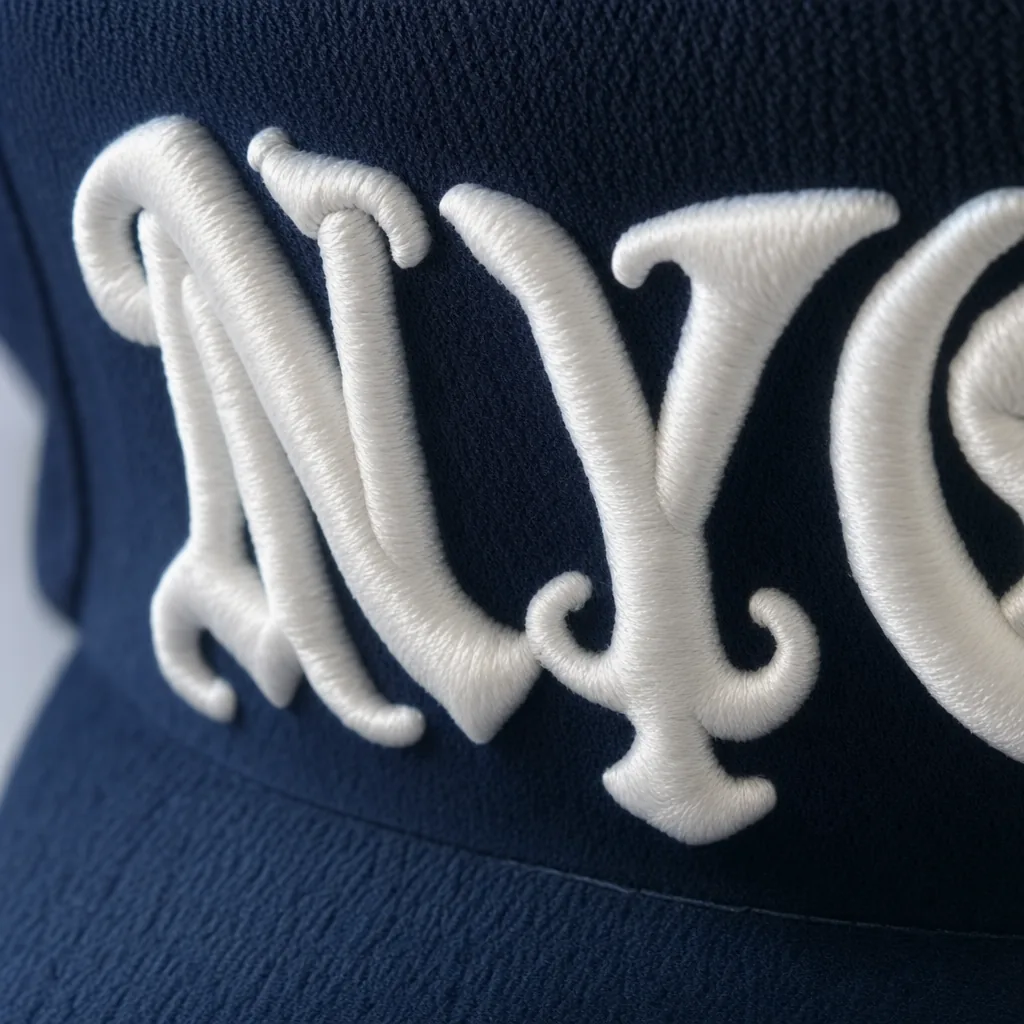
3D Puff Embroidery vs. Flat Embroidery: Which Is Best for Your Custom Cap Logo?
Read article →If you are ready to take the next step on blank hats export shipping checklist for custom hat buyers, our team can put a tailored quotation and digital mock-up in your inbox within 24 hours. Send the inquiry form on our contact page or message us directly on WhatsApp.