
Beanies for Men: Properties, Costs and How to Spec It Right - Cost & MOQ Breakdown
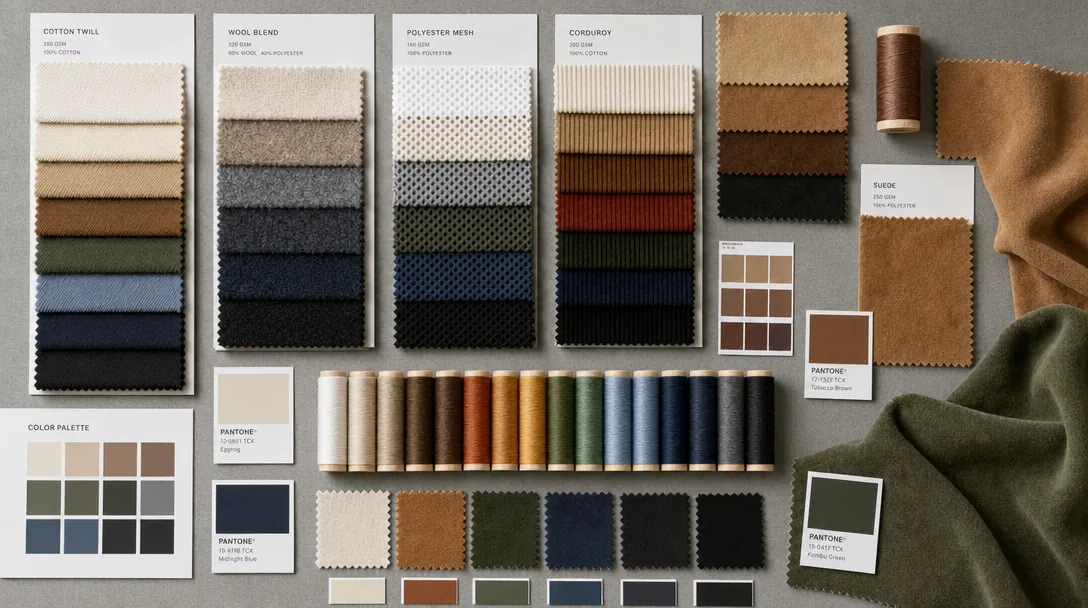
Beanies for Men: Properties, Costs and How to Spec It Right - Cost & MOQ Breakdown is one of the most-asked questions we receive from international buyers, and for good reason. With dozens of factories competing for your order and an alphabet soup of technical terms in every supplier quote, even experienced importers can feel lost. This guide consolidates what we have learned producing custom hats for clients in 40+ countries.
Corduroy Hat Men's
Corduroy is not a knit shortcut; it is a cut-and-sew program with tighter fabric controls than most buyers expect when sourcing beanies for men. For men’s corduroy beanies, trapper caps, or other cold-weather hybrids, the shell is usually 100% cotton or 98/2 cotton-spandex at 240-320 gsm, typically in 8-wale, 11-wale, or 14-wale constructions. Eight-wale gives a heavier vintage look and masks edge abrasion better, while 14-wale looks cleaner at retail but is less forgiving on curved seams and crown shaping. The main failure point is pile direction, not stitching. If panels are cut with mixed nap, the shade shift is obvious under 5000K LED inspection even when the lab dip was approved. Retail buyers reject that fast because front, side, and back panels can read like different colors on shelf. Lock the specification like outerwear, not like a basic dad cap. Fiber content, finished gsm tolerance within plus or minus 5%, wale count, steam shrinkage below 3%, visor insert, sweatband composition, and crown construction should all be fixed before sampling. Color approval should be against Pantone TCX or a sealed bulk lab dip with Delta-E under 1.5, because pile fabrics reflect light differently than flat twills. Embroidery also needs to be redigitized for corduroy. On Tajima or Barudan heads, a practical starting point is wider underlay, selective density increases, and 70-90 gsm cap backing; otherwise logos sink between the ribs or tunnel across the wale line. A file that runs clean on chino cotton often fails on corduroy unless the digitizer compensates for pile height and rib direction.
Corduroy pricing moves more on waste and handling than on fabric cost alone. Because every panel has to follow the same nap direction, marker efficiency drops and fabric consumption is usually 8%-15% higher than a comparable twill style. In China, workable custom MOQs are commonly 144-300 pieces per colorway, with FOB pricing around $3.40-$5.90 at 300-500 pieces for a standard 6-panel build. Once you add garment wash, custom metal trims, recycled lining, interior woven tape, satin taping, or contrast topstitching, the realistic FOB range is closer to $6.20-$7.00. Buyers trying to combine corduroy styles with knit beanies for men should budget them separately; woven cut-and-sew and knitting run on different machines, different raw material schedules, and different QC checkpoints. The defects worth policing are seam grin on the crown, twisted wale alignment between adjacent panels, visor puckering, pile crush, and embroidery tunneling. Flat overhead lighting misses half of that, so inspection should include angled side lighting to expose shade variation and rib distortion. I would keep final inspection at AQL 2.5, but tighten the visual standard on front-panel shade match, top-button centering, closure alignment, and brim symmetry because corduroy exaggerates small errors. A solid factory will run four-point fabric inspection before cutting and confirm marker layout for pile direction before bulk starts. If the order is for children’s or mass retail, ask for broken-needle logs, needle-policy records, and current sedex-audit-cap-supplier-guide.html">BSCI 2.0 or Sedex SMETA 4-Pillar audit documentation before production, not after shipment.
Cotton Beanie Men
The quote goes wrong long before knitting starts. For cotton beanies for men, “100% cotton” is not a usable spec because it says nothing about recovery, weight, or dye behavior. Lock the construction first: fiber content, yarn count, machine gauge, stitch structure, finished dimensions, and wash standard. A realistic entry spec is 100% combed cotton, 21s/2 ring-spun yarn, 7G or 9G flat knit, 2x2 rib, 22-24 cm body height, 20-22 cm opening width, and 85-110 g finished piece weight depending on cuff depth. If the customer expects the hat to keep a tight retail silhouette after repeated wear, pure cotton is a weak choice; 95/5 cotton-spandex or a 60/40 cotton-acrylic blend holds shape noticeably better. Pure cotton has the cleaner handfeel and lower static, but in humid transit or warm retail environments it relaxes fast, especially at the cuff and crown. Color and finishing are where cheap programs get exposed. For dark shades, specify reactive dyeing, colorfastness to washing minimum grade 4, dry rubbing 4, wet rubbing 3-4, and bulk shade within Delta-E 1.5-2.0 against the approved lab dip using a Pantone TCX reference. Black is the most unforgiving color because crocking shows immediately on care labels, sweat contact areas, and light outerwear. Shrinkage also needs to be written into the approval standard, not argued about after bulk arrives; after one home-laundry cycle, unfinished cotton knits can lose 3-5% in height and develop cuff torque. Good factories run steam blocking after washing and re-measure body height, opening, cuff depth, and piece weight before packing. For beanies for men sold at retail, that finishing discipline matters more than whether the machine was Stoll or another computerized flat knitter.
Manufacturing is straightforward on paper—flat knitting, crown closing, cuff turning, washing, steam blocking, trimming, labeling—but saleable output depends on finishing control and decoration engineering. Crown closing can be linked for a cleaner handfeel or done with 3-thread overlock if cost is tighter, but the seam must sit flat without grin at stretch. Rib distortion is the usual problem on logos: direct embroidery on a soft cotton cuff should stay around 6,000-8,000 stitches on Tajima or Barudan heads, or the fabric will pucker and lose rebound. For larger artwork, a woven label, merrowed patch, or heat-transfer patch usually gives a cleaner result. Call out logo position from cuff edge, backing type, patch size, and maximum skew tolerance; on 2x2 rib, even 3 mm drift is visible. Commercially, the range is tighter than most buyers assume. With stock yarn, MOQ is usually 300-500 pieces per color; custom-dyed cotton yarn is more realistically 800-1,000 pieces per shade because small dye lots are hard to keep stable. In Zhejiang, a plain cotton beanie normally lands around $1.65-$2.45 FOB at 500 pieces with standard individual polybag packing. Add heavier yarn, enzyme wash, spandex plating, patch application, or custom hangtags and the same hat moves into the $2.90-$3.90 FOB range. Final inspection should be run at AQL 2.5 with checks on body height, opening width, cuff depth, piece weight, shade banding, oil marks, needle lines, and seam distortion. Cotton works well when the beanies for men program needs breathable handfeel and lower static, but it is not the easiest fiber for repeat-order consistency in winter replenishment.
Cotton Hats for Men
The expensive mistake with beanies for men is quoting “cotton” as if one spec covers every factory route. A 95/5 cotton-spandex single-jersey beanie at 180–220 gsm is a cut-and-sew item: marker making, panel cutting, 4-thread overlock assembly, then top-close. A 12-gauge combed-cotton knit with 2x2 rib and a cuff is a knitting program with different yarn sourcing, linking, and shape control. They do not price the same and they do not wear the same. Jersey is the lower-cost option and takes screen print, silicone heat transfer, or a woven loop label cleanly; fully knitted cotton has better recovery, cleaner silhouette, and a retail handfeel buyers usually prefer above the promo tier. Lock the five specs before RFQ: exact fiber content, gsm or yarn count, finished piece weight, opening circumference, and crown construction. For adult men’s sizing, I’d usually set jersey at 44–48 cm opening circumference with 45–70 g finished weight, while rib knits are better controlled by laid-flat width of 19–21 cm and total weight of 70–110 g depending on cuff depth.
MOQ is usually set by dyeing and trims, not by sewing time. For custom-dyed cotton jersey in Zhejiang, 300–500 pcs per color per style is still the normal break point because the mill wants one clean dye lot; if you can work from stock shades, 100–200 pcs is realistic. FOB is straightforward when the tech pack is disciplined: a 180 gsm jersey beanie with overlock top-close and one woven label typically lands around $1.10–$1.85 at 500–1,000 pcs, while brushed interlock, enzyme wash, flatlock seams, or private-mold rubber patches push it closer to $1.90–$2.60. A knitted combed-cotton version usually sits at $1.80–$3.20 FOB depending on gauge, cuff height, yarn quality, and whether crown linking is fully fashioned or hand-finished. The recurring failures at final are predictable: seam torque from off-grain cutting, top-close puckering, crown height variation, and cuffs that bag out after wash. Our standard practice is AQL 2.5, circumference tolerance ±1.0 cm, label placement within 3 mm, shrinkage under 5% after one home-laundry cycle, and colorfastness to crocking at grade 4 minimum. If shade consistency matters, call out Pantone TCX and set Delta-E at ≤1.5 for dyed fabric and ≤2.0 for thread, otherwise black, navy, and olive will drift between lab dip, salesman sample, and bulk.
Acrylic Yarn for Crochet Beanie
Acrylic is still the workhorse fiber when beanies for men need low FOB cost, fast replenishment, and reliable color matching across repeat orders. In practice, most crochet programs run 100% acrylic or a 70/30 acrylic-wool blend, typically in 2/28Nm or 2/32Nm for a standard winter hand, while 1/5Nm is used for chunkier, open-face crochet. The real risk is approving on appearance instead of performance. Two black samples can look identical under showroom light, then diverge badly after ten wears because one uses lower-bulk PAN staple, a looser twist, or weaker dye control. For a sellable retail grade, I would set minimum pilling at 3.5, washing colorfastness at grade 4, and finished weight around 75-110 g per hat depending on stitch density, cuff depth, and yarn count. If reorder consistency matters, specify the approved shade against a Pantone TCX standard and hold bulk within Delta-E 1.5 under D65; otherwise, black and navy are where mills start drifting first.
Acrylic only works commercially when the spec sheet is detailed enough to stop substitutions. “Acrylic beanie” is not a usable instruction; call out composition, yarn count and ply, crochet structure, finished width and height, cuff depth, target weight tolerance, stitch density, label position, and color tolerance. MOQ usually follows yarn dyeing, not the hat shape itself: stock-color acrylic crochet beanies often start at 300-500 pcs per color, while custom-dyed yarn is more commonly 1,000 pcs per color because the spinner wants a full lot. In Zhejiang, a basic stock-color acrylic crochet beanie usually lands around $1.10-$1.90 FOB China; heavier yarn, jacquard artwork, leather patches, or individual polybag plus header card packing can push it to $2.20-$3.80. Inspection is where cheap acrylic gets exposed fast: barre from mixed lots, oil marks, loose yarn tails at the crown close, uneven tension, twisting after packing, and cuff-depth drift of 1-2 cm within one carton. My baseline would be AQL 2.5 with carton-level shade segregation, crocking review, wash testing by lot, and yarn-lot traceability, because once a core color sells through, an untraceable reorder becomes a gamble.
Cotton Beanie for Summer
Summer cotton beanies fail on heat buildup long before they fail on fiber content. The standard mistake is taking a winter beanie spec, swapping acrylic to cotton, and leaving the structure too dense. For beanies for men intended for spring or summer, 100% cotton 2x2 rib at 280-320 gsm is usually too heavy unless the brief is an oversized fashion slouch. A safer commercial spec is 100% combed cotton single jersey or 95/5 cotton-spandex jersey at 180-240 gsm, using 20s to 32s yarn, enzyme-washed for a cleaner surface and softer hand. In production, cut-and-sew is usually the practical route: tubular jersey, marker cutting, 4-thread overlock assembly, then coverstitch or clean-turn hem. Compared with a bulky fully fashioned knit, it gives better airflow, more stable print placement, and cleaner installation for woven labels. A usable tech pack needs to control the fabric behavior, not just the silhouette. Lock composition, gsm tolerance at plus or minus 5%, finished measurement tolerance at plus or minus 0.5 cm on opening width and body height, and shrinkage below 5% after one home-laundering test. For color, specify Pantone TCX approval with Delta-E below 1.5 to the approved lab dip; on black cotton, reactive dye crocking should be minimum grade 4 dry and 3-4 wet, because weak fixation shows fast on forehead contact and during the first wash. Keep fabric pH in the 4.0-7.5 range and require azo-free dyes if retail compliance matters. If you add embroidery, stay under roughly 6,000 stitches or use a soft backing and low-density digitizing; even Tajima or Barudan heads will pucker lightweight jersey if the file is built like a cap front.
MOQ and cost on lightweight cotton beanies are driven more by color count, dyeing, and trim than by the basic shape. In China, a custom dyed program usually lands at 300-500 pcs per color per style; if the factory is using a stock body and only changing labels, 100-200 pcs is realistic. At 500 pcs, a plain-dyed summer beanie in 180-220 gsm combed cotton typically runs about USD 1.35-2.20 ex-works. Add a woven label and standard export packing and you stay near the lower half of that range; add small embroidery, multiple shade approvals, barcode stickers, or individual polybags and the price usually moves to USD 1.90-3.10. Standard lead time is 20-30 days after lab dip and fit approval, with another 3-7 days if bulk fabric is split across dye lots. Inspection should focus on the defects lightweight jersey exposes immediately: seam grin, spirality after wash, hem depth variation, needle oil, side-seam torque, and shade mismatch between panels. I would hold bulk to AQL 2.5 and require a washed pre-production sample before cutting, because cotton jersey relaxes quickly and off-spec torque does not hide on the shelf. If the order is for chain retail, add needle detection and verify dimensional stability, seam recovery, and colorfastness before shipment. Summer cotton sounds simple, but beanies for men in lightweight jersey only reorder well when the factory understands knit behavior, wash shrinkage, and dye consistency; otherwise fit drift and color complaints show up after the first selling cycle.
Best Material for Beanie
For beanies for men, acrylic is still the most reliable commercial base because it gives the cleanest balance of cost, shade consistency, and machine stability in bulk. On real factory runs, the standard setup is 28/2 or 32/2 high-bulk acrylic on 9G to 12G flat or circular knitting, with crown linking, steam setting, and metal blocking after wash. If you want a softer hand without paying wool prices, 100% HB acrylic or a 50/50 acrylic-poly blend at roughly 280-380 gsm finished weight is the practical sweet spot. That spec holds rib definition better than cheaper low-bulk yarns, recovers stretch more cleanly after packing, and usually shows less lot-to-lot variation in black, navy, and heather programs. For stock yarn shades, MOQ is typically 300-500 pcs per color, and FOB China pricing for a basic cuff beanie usually lands around USD 1.10-1.80. Move into recycled polyester, brushed finishes, engineered ribs, or jacquard logos and the range usually shifts to about USD 1.90-3.20.
Premium fibers only make sense when the retail math supports them. Merino, lambswool, and cashmere blends can elevate hand feel and insulation, but they are less forgiving on pilling, shade control, and raw-material cost. Black and deep charcoal wool blends are especially sensitive; if the mill cannot hold approved lab dips within Delta-E 1.0-1.5, repeat orders will drift visibly under store lighting. The safer buying move is to lock the specification before quoting: yarn composition, yarn count, gauge, finished weight, body height, cuff depth, recovery after stretch, and branding method. Also confirm whether the hat is fully fashioned or cut-and-sewn from knitted panels, because that changes crown profile, labor content, and fabric waste. For trims, specify woven label dimensions, embroidery stitch count, care-label language, and Pantone TCX references for every visible color. A disciplined QC standard is non-negotiable: AQL 2.5, measurement tolerance of +/-0.5 cm on body and cuff, one-cycle wash testing for dimensional stability, plus pilling and colorfastness tests on wool blends. On recycled programs, ask for GRS transaction certificates, not a generic recycled claim.
Working with CrownsForge for beanies for men programs
Freeze the build before you start shaving cents off the FOB. In beanies for men programs, the biggest cost variables are gauge, yarn content, decoration method, and whether the yarn is stock-supported; price pressure after sampling rarely fixes a loose spec. A realistic development path is 3-5 working days for a blank knit prototype, 5-7 days for a woven-label or embroidery strike-off, and 7-10 days for a completed salesman sample with polybag, size label, and carton marks. A basic 1x1 rib cuff beanie in 100% acrylic, typically knitted on 7GG or 9GG and landing around a 280-320 gsm equivalent hand feel, can start around 144 pcs per color if the yarn is ex-stock and the body stays clean. Add recycled polyester, RWS merino blends, jacquard logos, yarn-dyed striping, or contrast-color tipping, and MOQ usually moves to 300-500 pcs per style-color because cone allocation, machine setup, and yarn loss are fixed whether you run 200 pieces or 2,000. The useful benchmark is not a stock-goods trader; it is whether the factory has locked cuff height, crown depth, finished width, label position, and tolerance before bulk yarn booking. That is where margin disappears or gets protected.
Decoration is where first-time buyers lose money fastest because knit stretch exposes every weak decision. On beanies for men, the safest trims are flat embroidery, damask woven labels, faux leather patches, TPU badges, and screen-printed twill patches, but each only works inside the limits of stitch density, logo line weight, and fabric recovery. A 5,000-stitch cuff embroidery usually adds about $0.18-$0.35 per piece in bulk; a custom woven label is commonly $0.10-$0.16; a molded rubber patch is more like $0.28-$0.55 once mold amortization is included. On Tajima or Barudan heads, rib knits need pull compensation and underlay tested before digitizing is signed off, or the logo will tunnel, spread, or lose edge definition after extension and recovery. CrownsForge standard practice is to approve readability on the relaxed panel and after stretch, then inspect inline and final to AQL 2.5. Color should be signed to Pantone TCX with a pre-agreed bulk Delta-E tolerance, and compliance should sit on the PO from day one: REACH, CPSIA where required, azo-free dye control, and production only through BSCI 2.0 or Sedex SMETA 4-Pillar audited facilities.
Frequently Asked Questions
What file format should I send for my logo?
Vector files (AI, EPS, PDF) are ideal. High-resolution PNG or JPG at 300 dpi on transparent background works as a fallback. Provide Pantone color references for accurate reproduction.
Can I order a sample before bulk production?
Yes. We strongly recommend approving a pre-production sample before mass production. Samples are charged at 35 to 60 USD each plus express shipping, fully refundable against confirmed bulk orders over 500 pieces.
How long does production take?
Sampling takes 7 to 12 days. Bulk production runs 20 to 30 days depending on quantity, fabric availability and decoration complexity. Inspection and packing adds another 3 to 5 days before shipment.
Which shipping methods do you support?
We support FOB, CIF and DDP shipping. Air express for samples and small orders, sea LCL for 100 to 500 pieces, sea FCL for 5,000+ pieces. Door-to-door DDP available for US, EU, UK, Canada and Australia.
What logo decoration techniques do you offer?
3D puff embroidery, flat embroidery, woven patch, leather patch, PVC patch, screen printing, sublimation, applique and laser etching, all in-house with no subcontracting.
How do I find a reliable custom hat manufacturers usa?
When evaluating custom hat manufacturers usa, the key considerations are construction quality, decoration capability, MOQ flexibility and lead time. Cover everything buyers ask about corduroy hat men's: how it's manufactured, what specs to request from a factory, typical MOQ and pricing, common quality issues to inspect for, and how this ties back to the broader beanies for men sourcing decision. Cover everything buyers ask about cotton beanie men: how it's manufactured, what specs to request from a factory, typical MOQ…
How does ordering beanie hats custom work?
When evaluating beanie hats custom, the key considerations are construction quality, decoration capability, MOQ flexibility and lead time. Cover everything buyers ask about cotton beanie men: how it's manufactured, what specs to request from a factory, typical MOQ and pricing, common quality issues to inspect for, and how this ties back to the broader beanies for men sourcing decision. Cover everything buyers ask about cotton hats for men: how it's manufactured, what specs to request from a factory, typical…
What should buyers know about corduroy hat men's?
When evaluating corduroy hat men's, the key considerations are construction quality, decoration capability, MOQ flexibility and lead time. Cover everything buyers ask about corduroy hat men's: how it's manufactured, what specs to request from a factory, typical MOQ and pricing, common quality issues to inspect for, and how this ties back to the broader beanies for men sourcing decision. Cover everything buyers ask about cotton beanie men: how it's manufactured, what specs to request from a factory, typical MOQ…
What should buyers know about black bucket hat men?
When evaluating black bucket hat men, the key considerations are construction quality, decoration capability, MOQ flexibility and lead time. Cover everything buyers ask about corduroy hat men's: how it's manufactured, what specs to request from a factory, typical MOQ and pricing, common quality issues to inspect for, and how this ties back to the broader beanies for men sourcing decision. Cover everything buyers ask about cotton beanie men: how it's manufactured, what specs to request from a factory, typical MOQ…
Need a low-MOQ test order?
We help emerging brands launch with as few as 100 pieces. Premium fabric, in-house embroidery, retail-ready packaging.
Start a small orderRelated guides
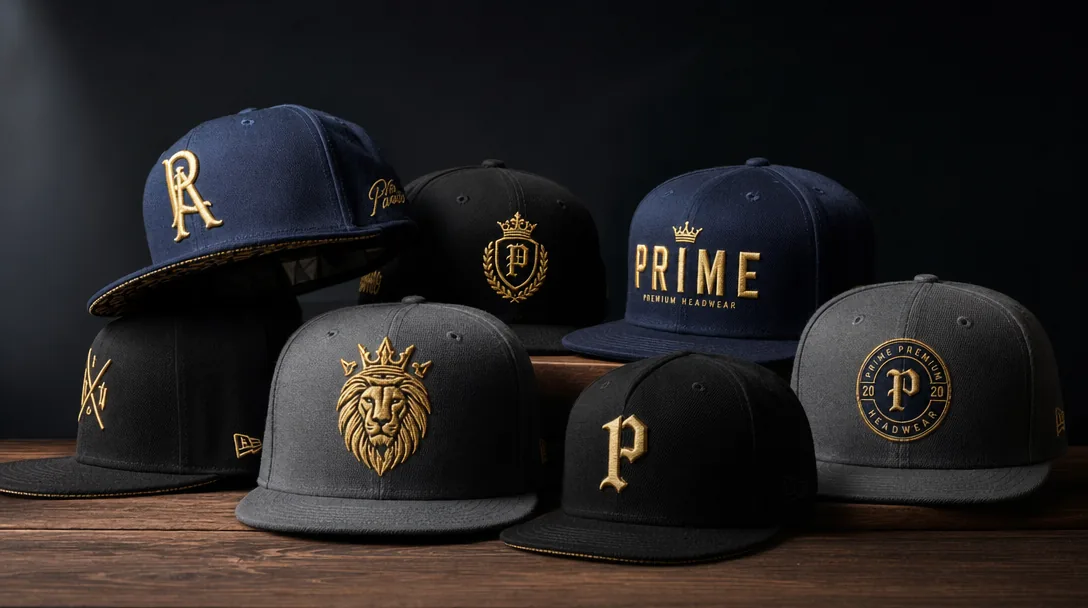
5 Panel Camp Cap Wholesale: A 2026 B2B Sourcing Guide
Read article →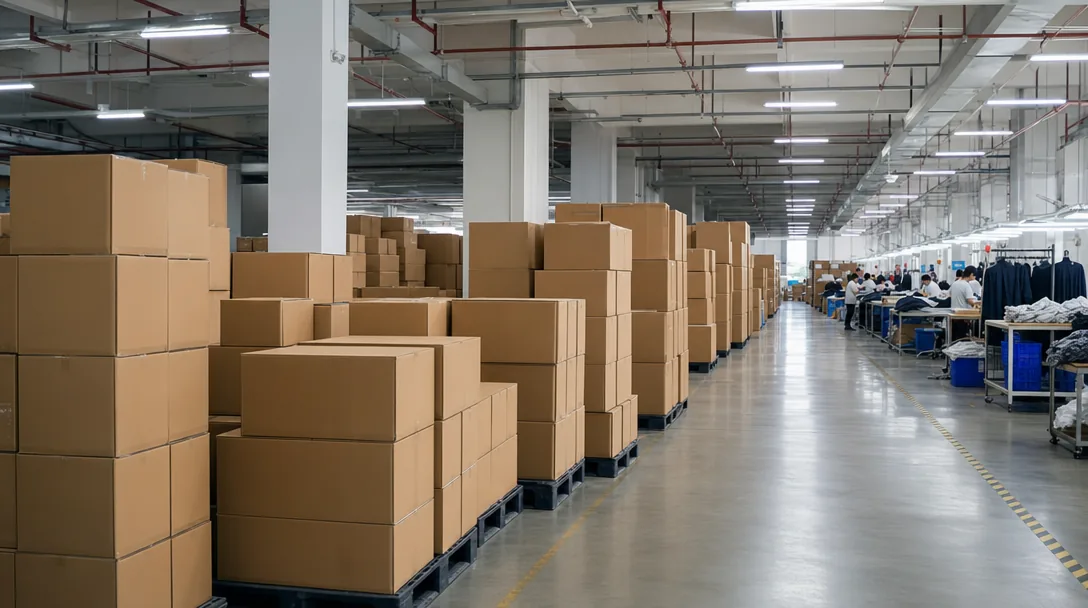
How to Vet a China Hat Manufacturer Before You Wire the Deposit
Read article →Cotton Twill Baseball Cap: Properties, Costs and How to Spec It Right
Read article →We hope this guide demystifies beanies for men: properties, costs and how to spec it right - cost & moq breakdown and helps you move forward with confidence. If you have questions specific to your project, our English-speaking sales engineers are one message away.